Search Journey Optimization: How to Win in the Modern Search in 2026
Search Journey Optimization: How to Win in the Modern Search in 2026
Last Updated:
Table of Content
Case Studies





Hastimal Jangid
Hastimal Jangid
Hastimal Jangid
SEO
SEO
SEO
25 Min Read
10 Min
25 Min Read
Imagine you’re looking for a new lip product. You start on Google, move to YouTube for reviews, get social proof from Instagram for brand validation, and get feedback from community forums and Reddit before you buy. This isn't a hypothetical scenario; it's the modern customer path in 2026. No more traditional Search Engine Optimization works, it’s more on Search Everywhere Optimization. As AI reshapes how people search, the next evolution is Search Journey Optimization (SJO), a part of conversational search. Traditional SEO misses many of the touchpoints that influence decisions. To win in today's search landscape, you must optimize the entire customer search journey - not just individual keywords.
The $20 Lip Balm Story: 11 Platforms, One Purchase, and a Billion-Dollar Marketing Lesson
Imagine you're looking for a high-quality lip balm-something better than the drugstore stick that's been sitting in your bag for years. But you don't know which brand to trust, whether it's right for your skin, or where to buy it.
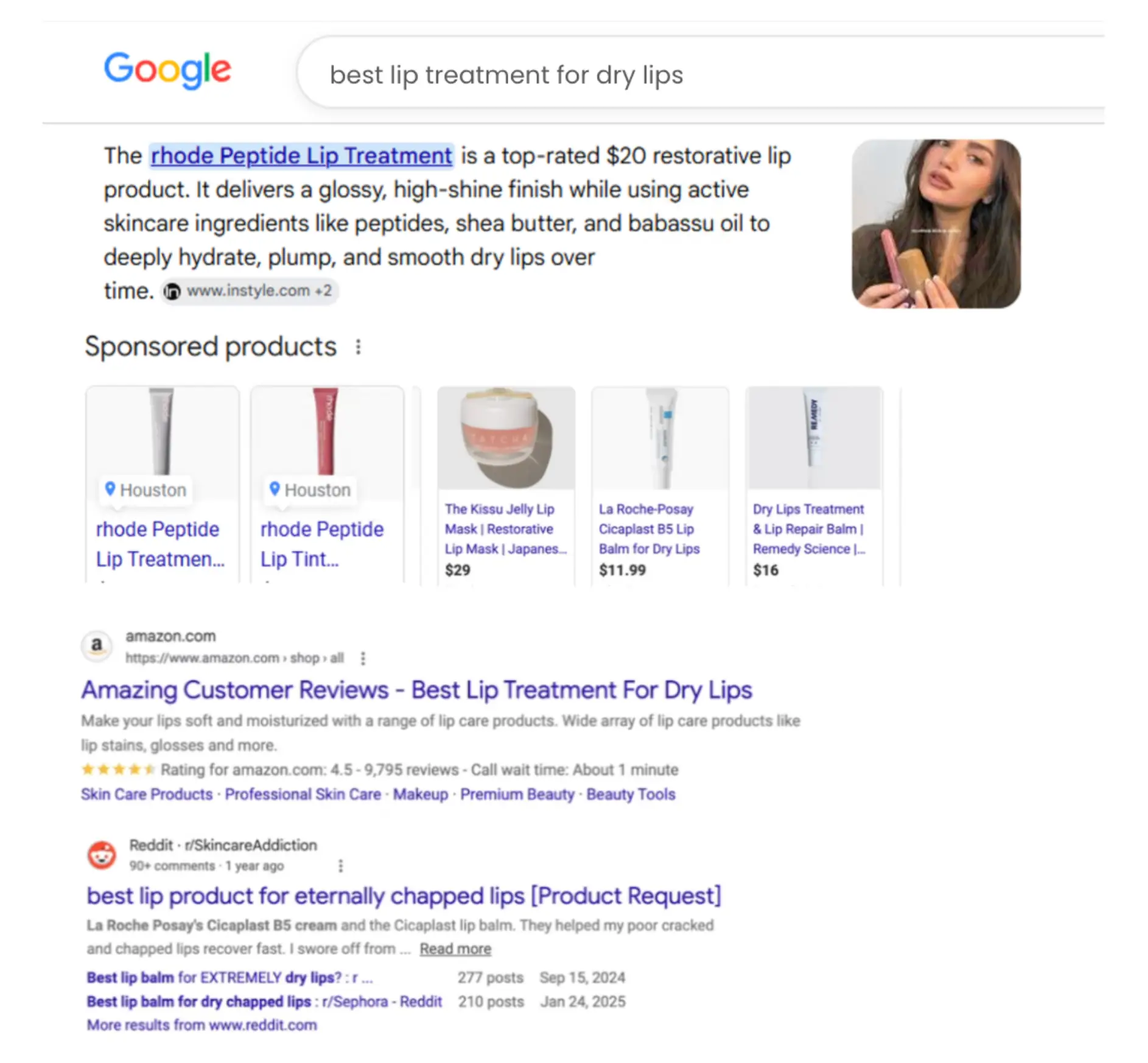
You start on Google, searching for "best lip treatment for dry lips." The results are the usual mix of beauty-editor roundups and retailer pages. Some are high-end brands with fancy packaging. One product keeps reappearing across nearly every list, in a slim clear tube: Rhode's Peptide Lip Treatment.
Interesting.
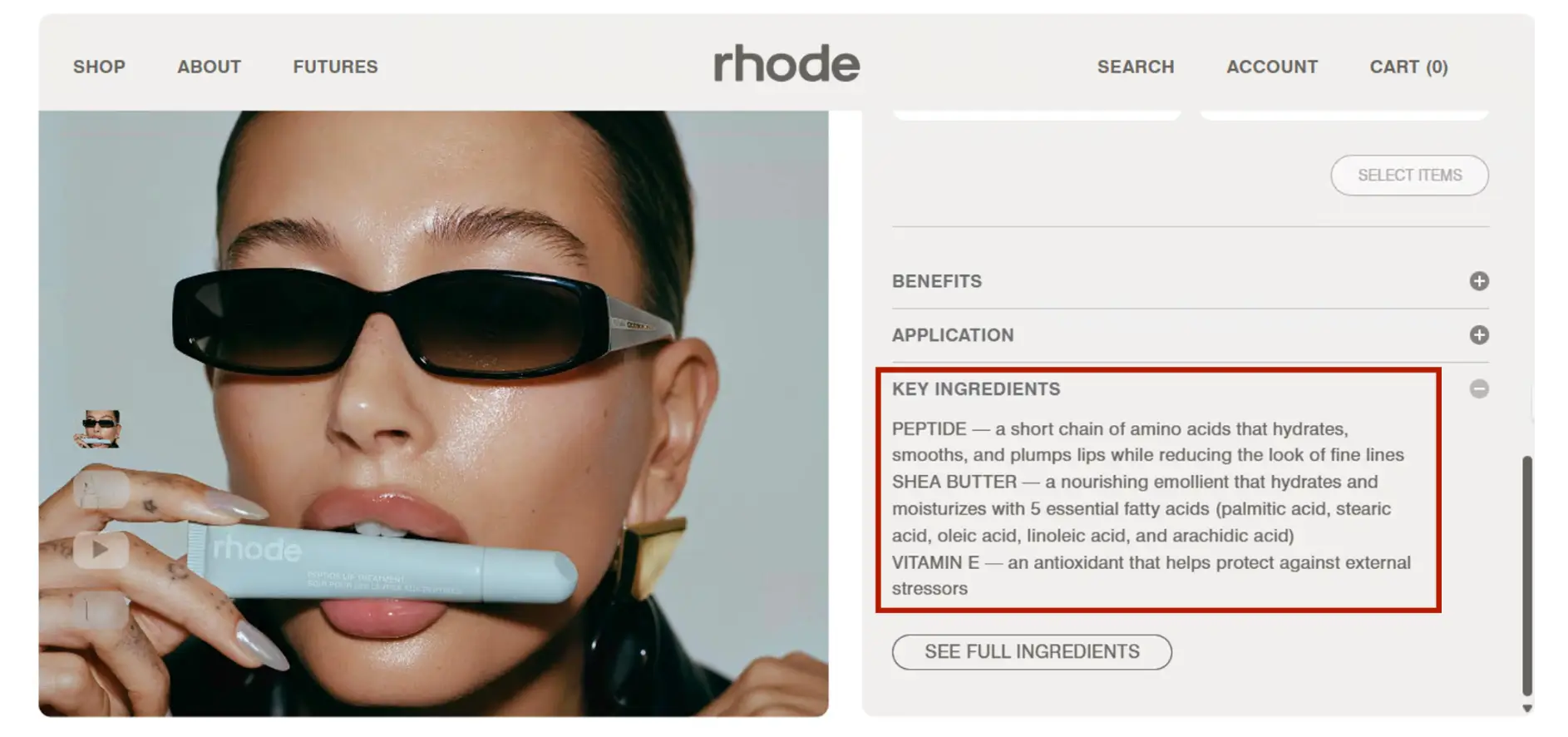
You click through to the brand's own site.
Clean product photography. A short ingredient breakdown, peptides, vitamin E, a dual-butter base.
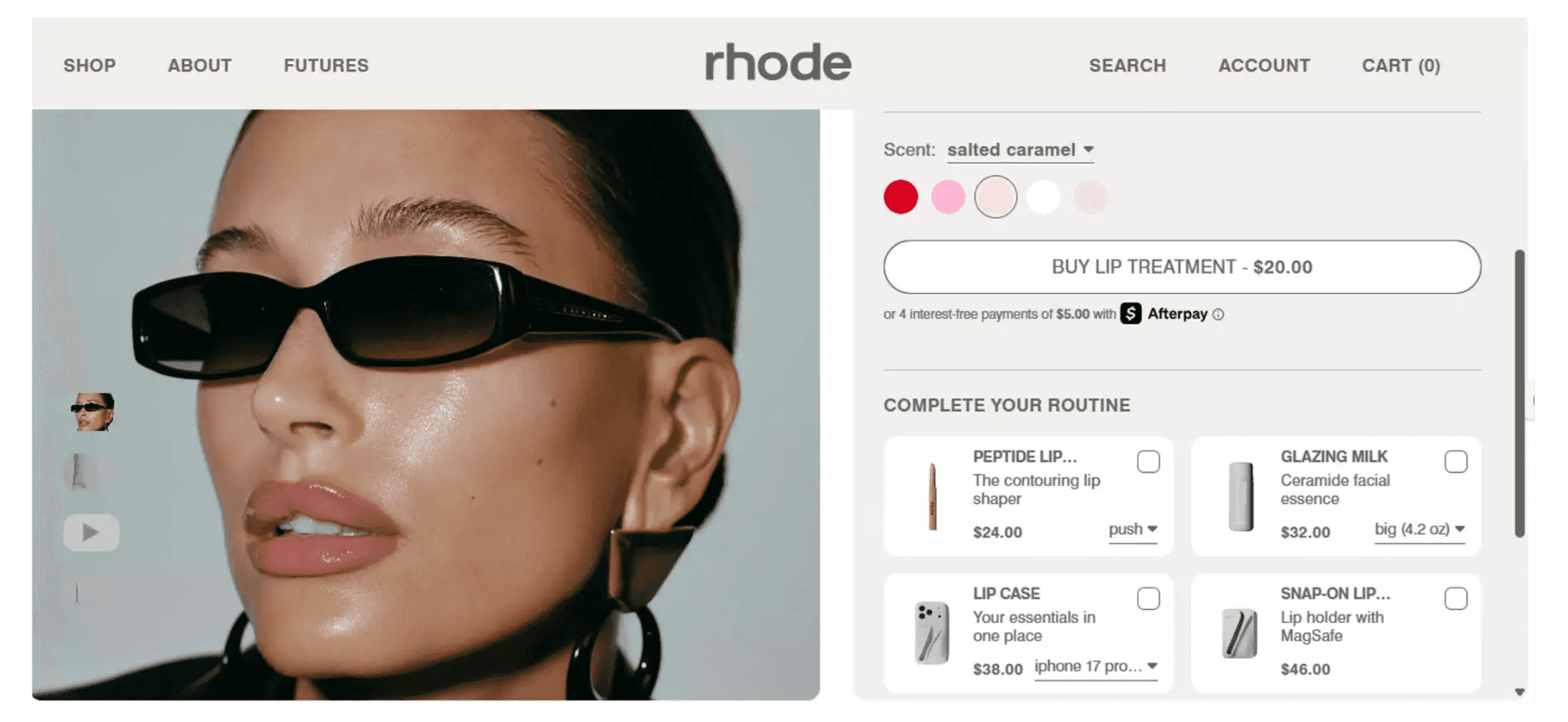
And if you're early enough, a waitlist instead of an "Add to Cart" button.
That's a signal on its own. Something people are willing to wait for.
But you're not sold yet.
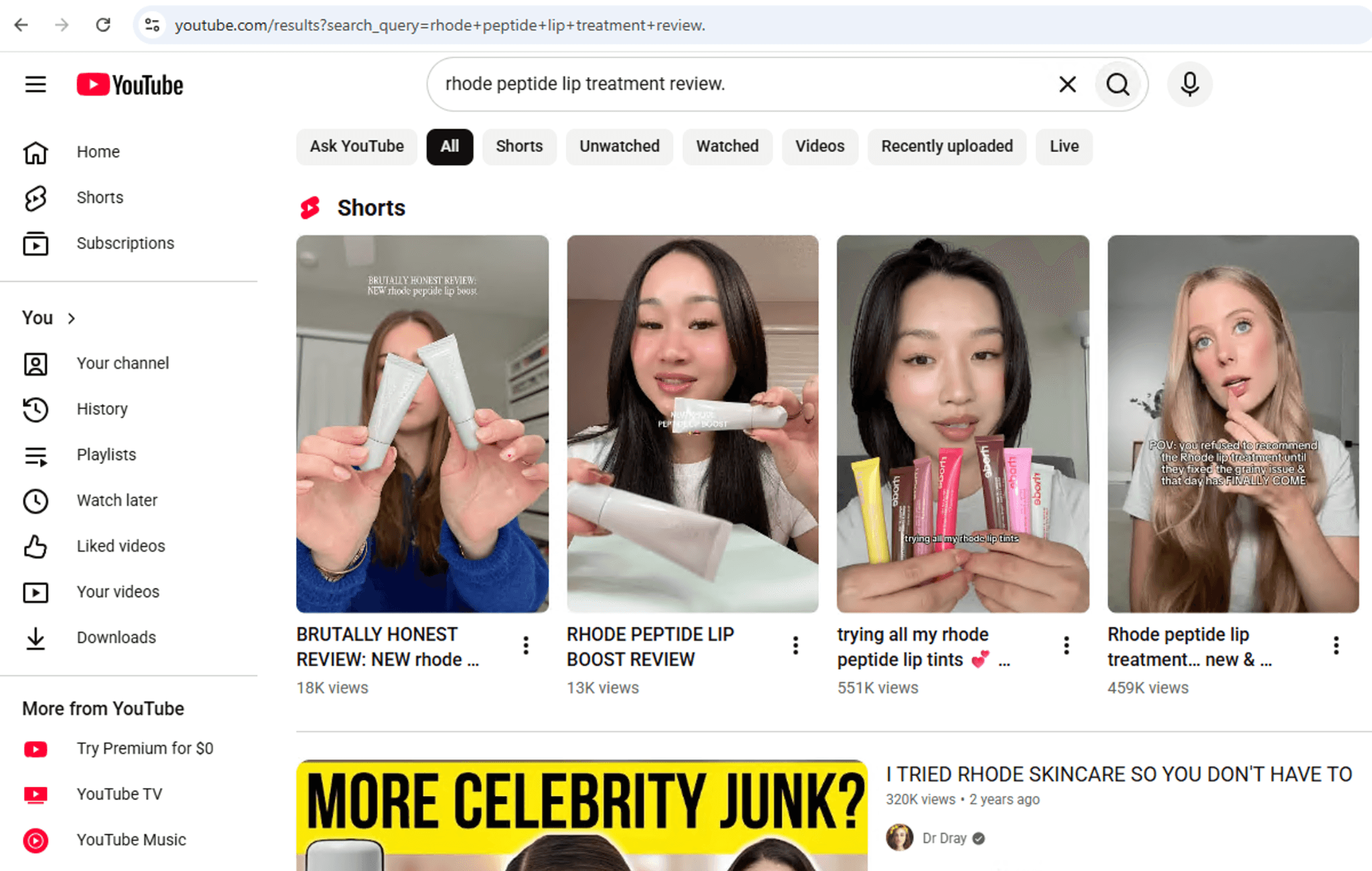
So you head over to YouTube and search "rhode peptide lip treatment review."
Dozens of videos pop up.
First impressions. Month-long usage updates. Side-by-side texture comparisons against Laneige and Summer Fridays.
The reviews are detailed, mostly positive, and consistent on one point: the glossy, non-sticky finish is the draw.
Still, you want the unfiltered version.
So you go to Reddit and search "Rhode lip treatment Reddit."
You land in threads on r/MakeupAddiction and r/SkincareAddiction.
Most commenters are genuinely into it. Plumper lips. Real hydration. A scent people describe as "addictive."
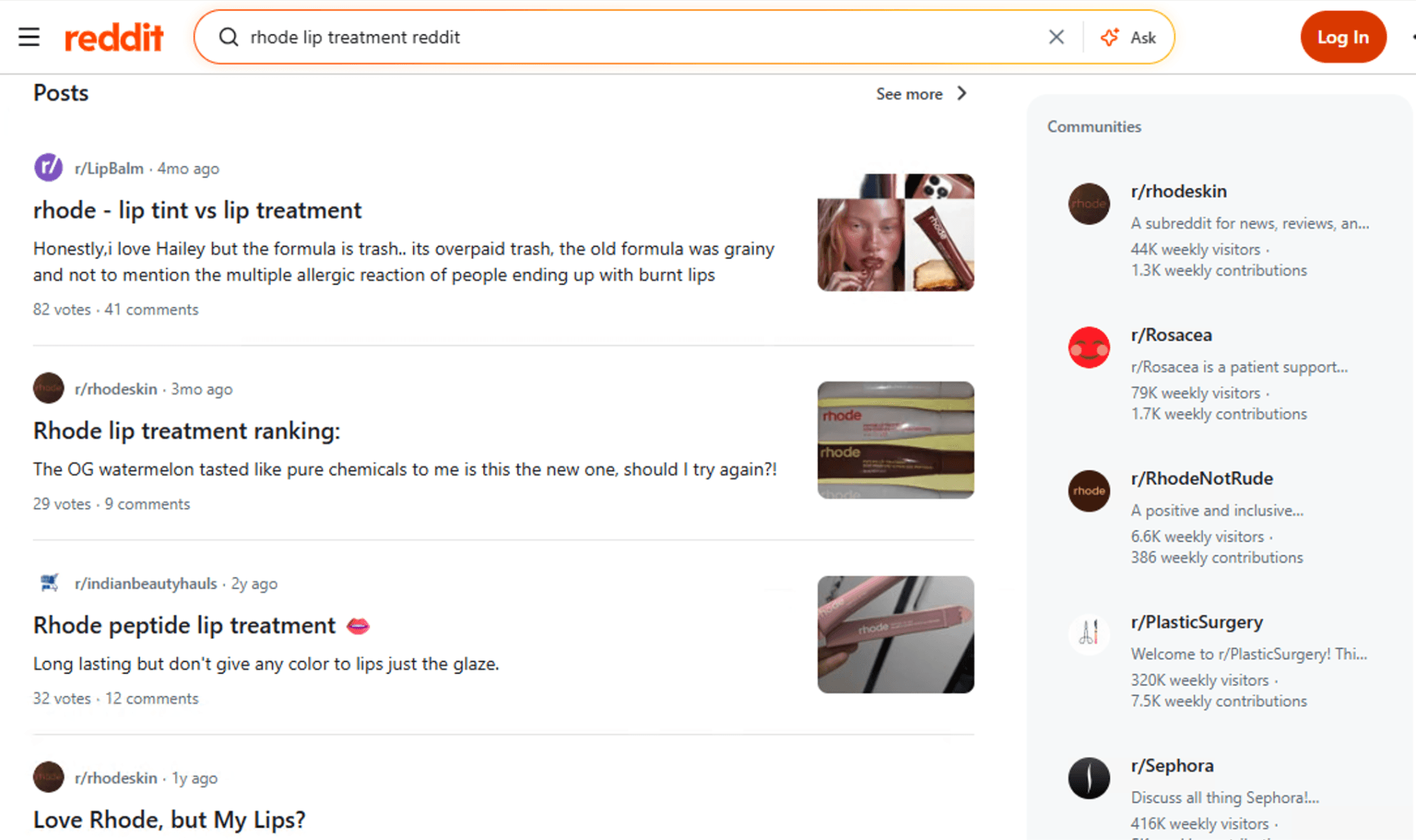
A few buyers flag a grainy texture in certain batches, or short wear time before reapplication.
That mix of praise and specific, credible complaints is exactly what makes Reddit feel trustworthy. Nobody there is getting paid to say it's perfect.
Curious what younger buyers think, you open TikTok, the most popular search spot for GenZ, to see some short testimonials.
You search for "rhode lip tint."
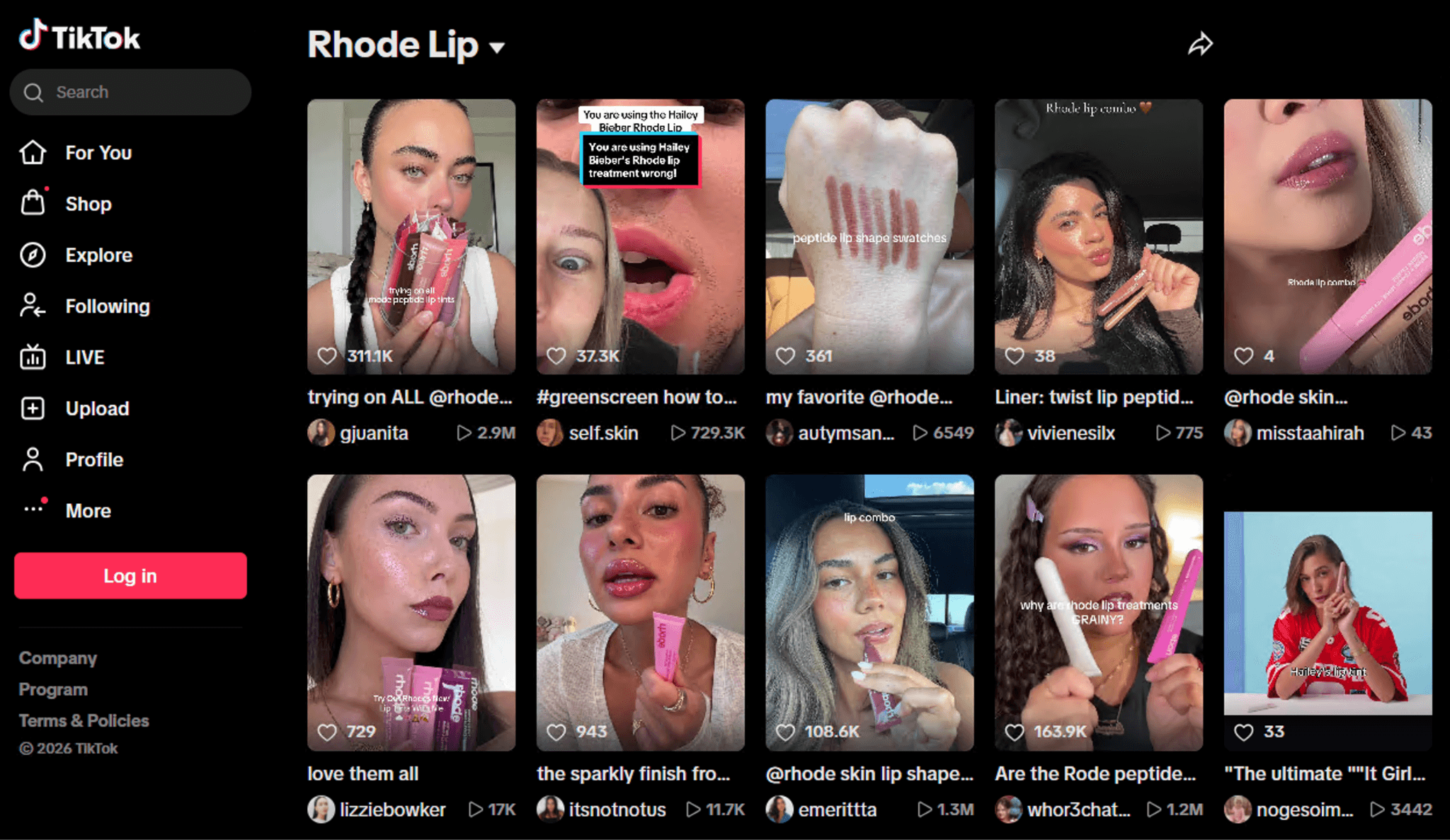
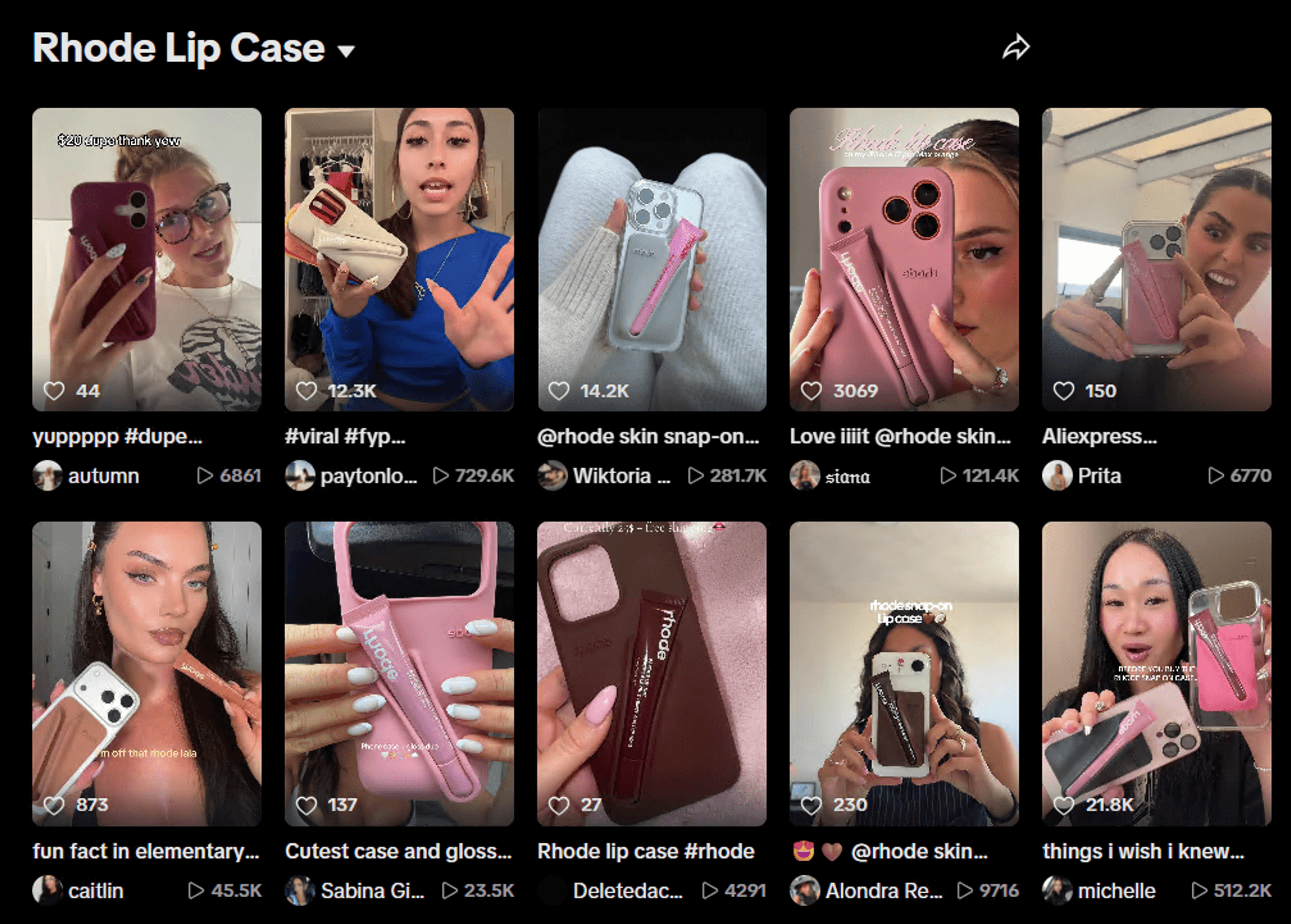
Thousands of videos come up. Application demos. "Day in my bag" content. “dermatologists' tips for healing dry, chapped lips” videos. The product physically clipped to the back of a phone case - a Rhode-designed accessory that turned the lip treatment into something people carry, not just own.
This is the platform where the product became a genuine cultural object, not just a skincare item. That’s reassuring for sure.
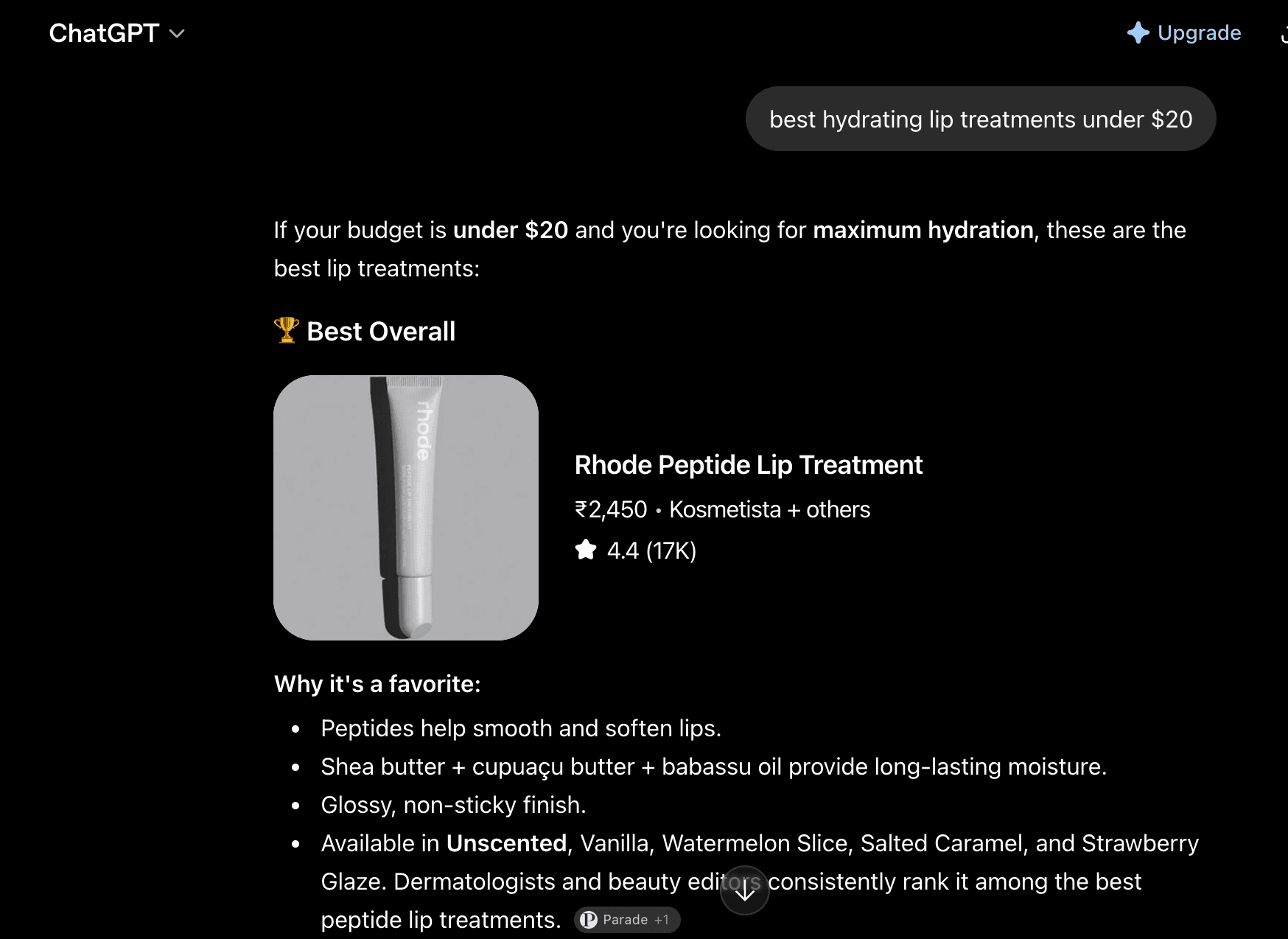
Short on time? Get it …. Now you ask ChatGPT to compare the best hydrating lip treatments under $20.
Interesting …. Rhode's shows up. Cited from a blend of beauty-editor reviews and ingredient breakdowns, a synthesized answer pulling from exactly the sources you'd have checked yourself anyway.
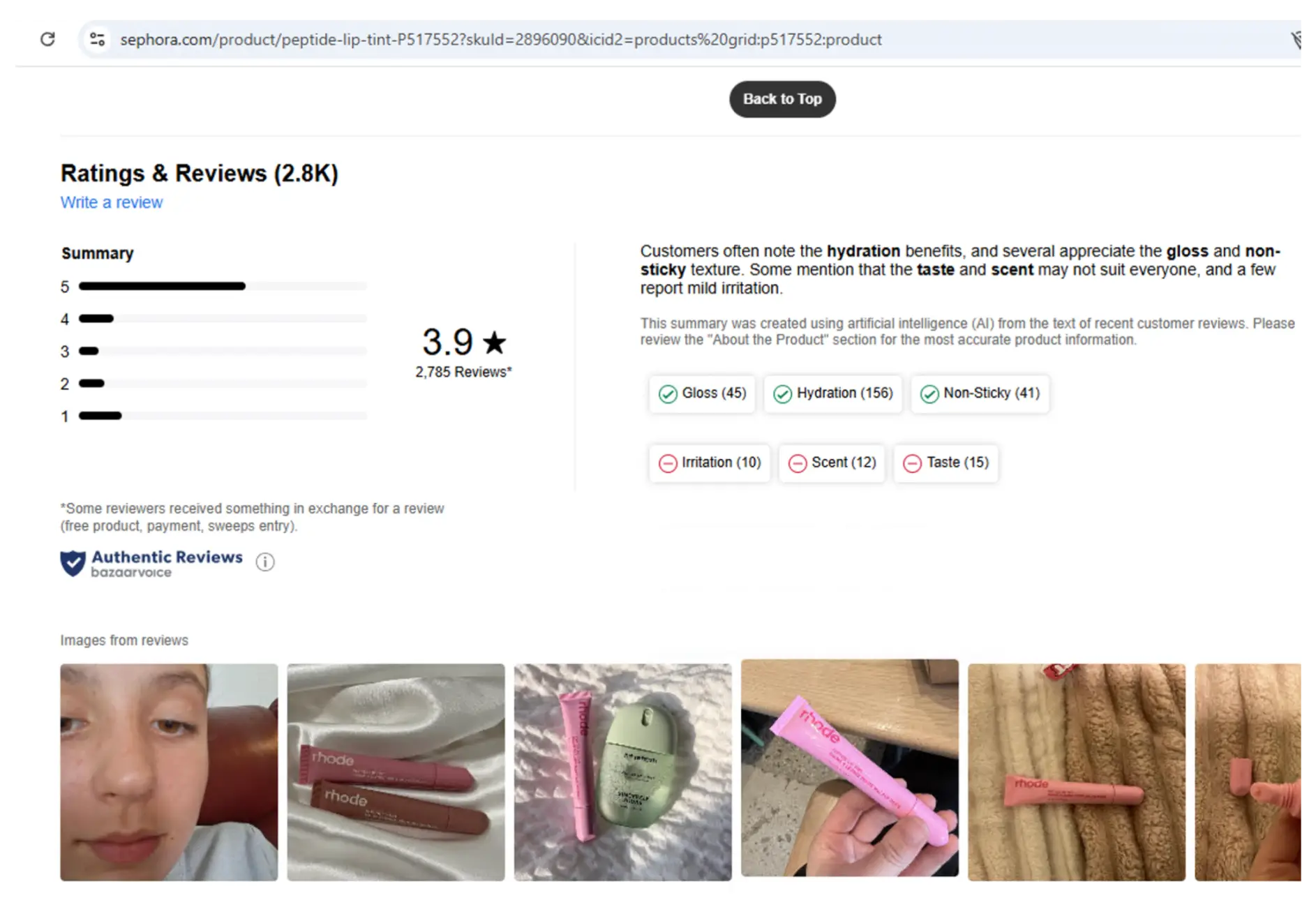
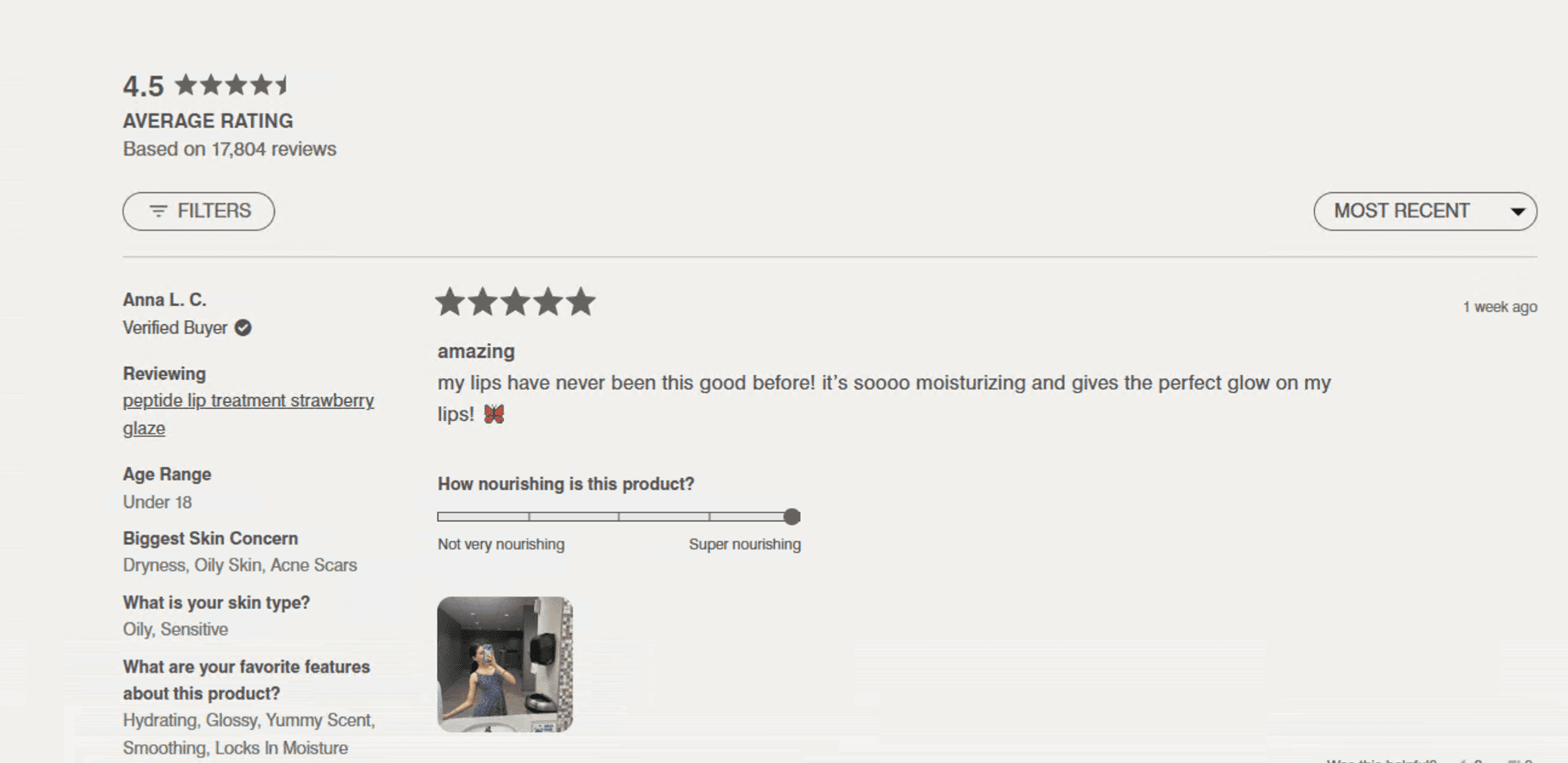
Before buying, you check Sephora (Amazon of beauty products lol), where rhode has been sold in-store since late 2024.
You read verified purchase reviews. You check the Beauty Insider point value.
Then you check the brand's own site one more time, just in case there's a bundle deal.
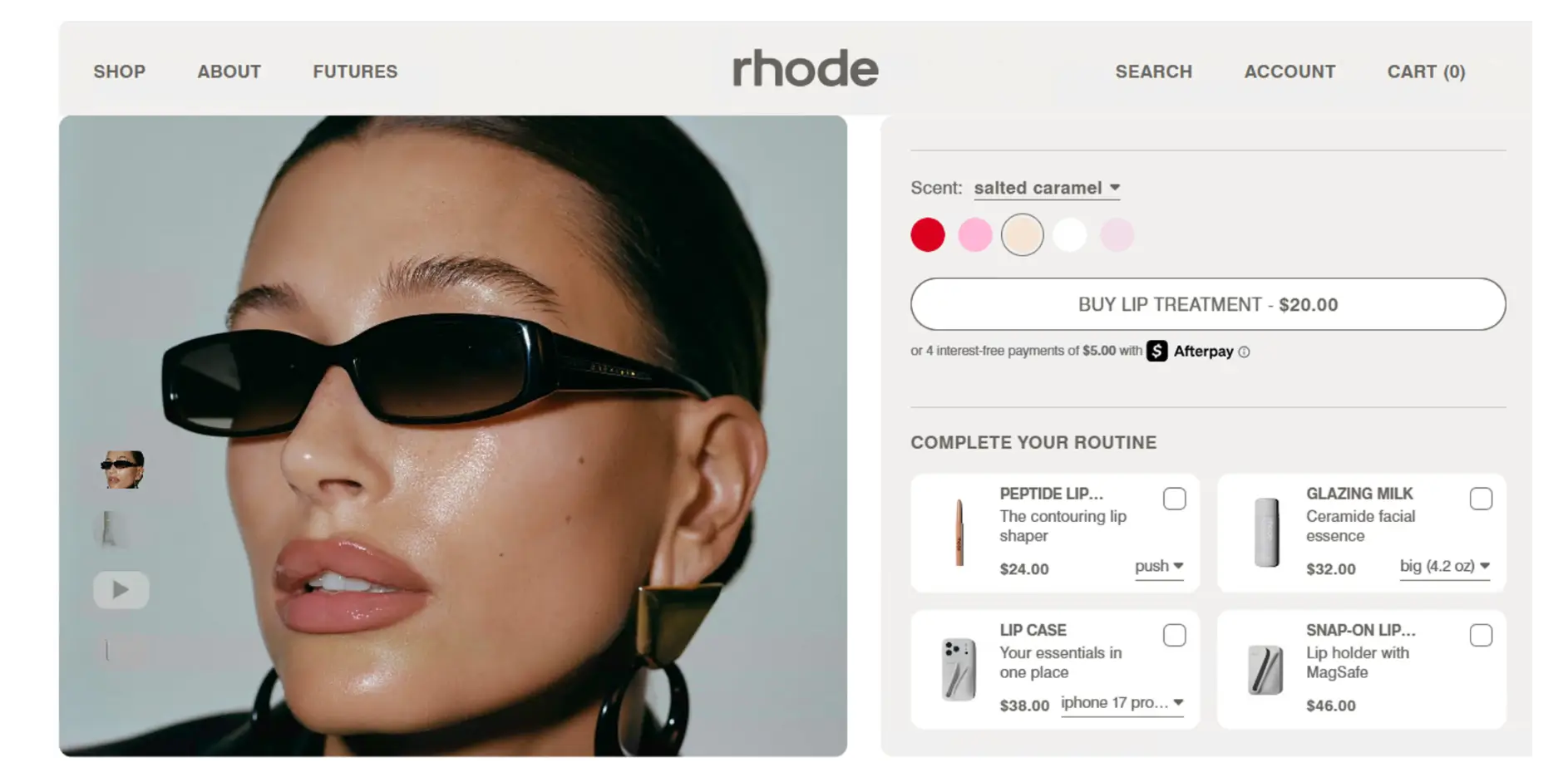
Finally, you buy.
Maybe from Sephora, for the loyalty points. Maybe direct from rhode.com, for a limited-edition scent that's only sold there or maybe they have a “first time buyer” deal for their new customers..
Let’s rewind the journey, ….. Google. The brand's own site. YouTube. Reddit. TikTok. ChatGPT. A retail partner.
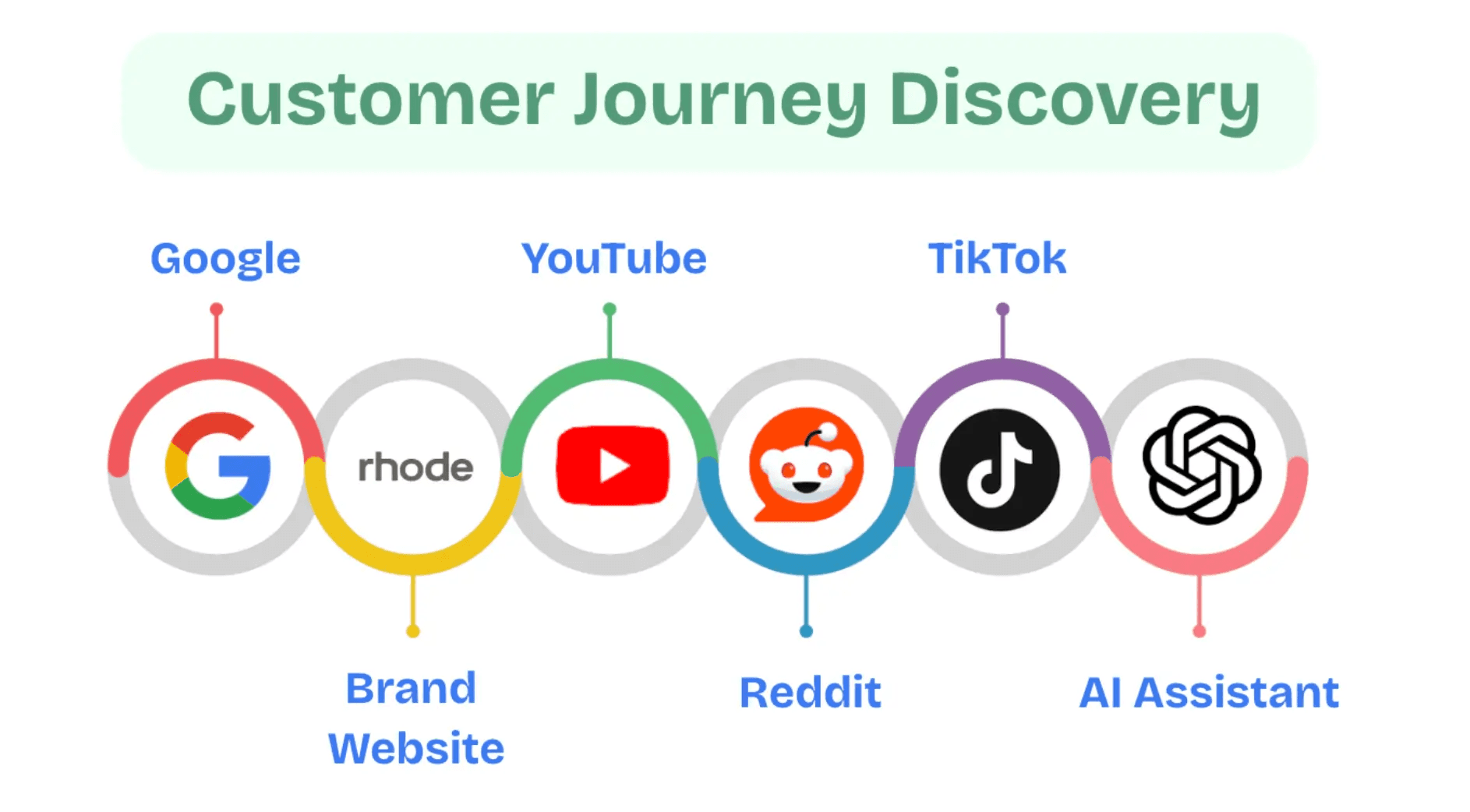
Six-plus platforms. Not one of those touchpoints was a coincidence.
Rhode's peptide lip treatment launched in June 2022 with a reported waitlist of roughly 440,000 people, and around $10 million in revenue within its first eleven days, numbers more typical of a hardware launch than a lip balm.
By May 2025, the brand it built had grown enough to be acquired by e.l.f. Beauty in a deal reported around $1 billion, with its founder's role expanding rather than shrinking after the acquisition closed.
That trajectory wasn't the result of one great TikTok video.
It was the result of showing up, credibly, at every single stop on the path above - long before most of those searchers ever typed a query.
This is what Search Journey Optimization is built to explain and replicate.
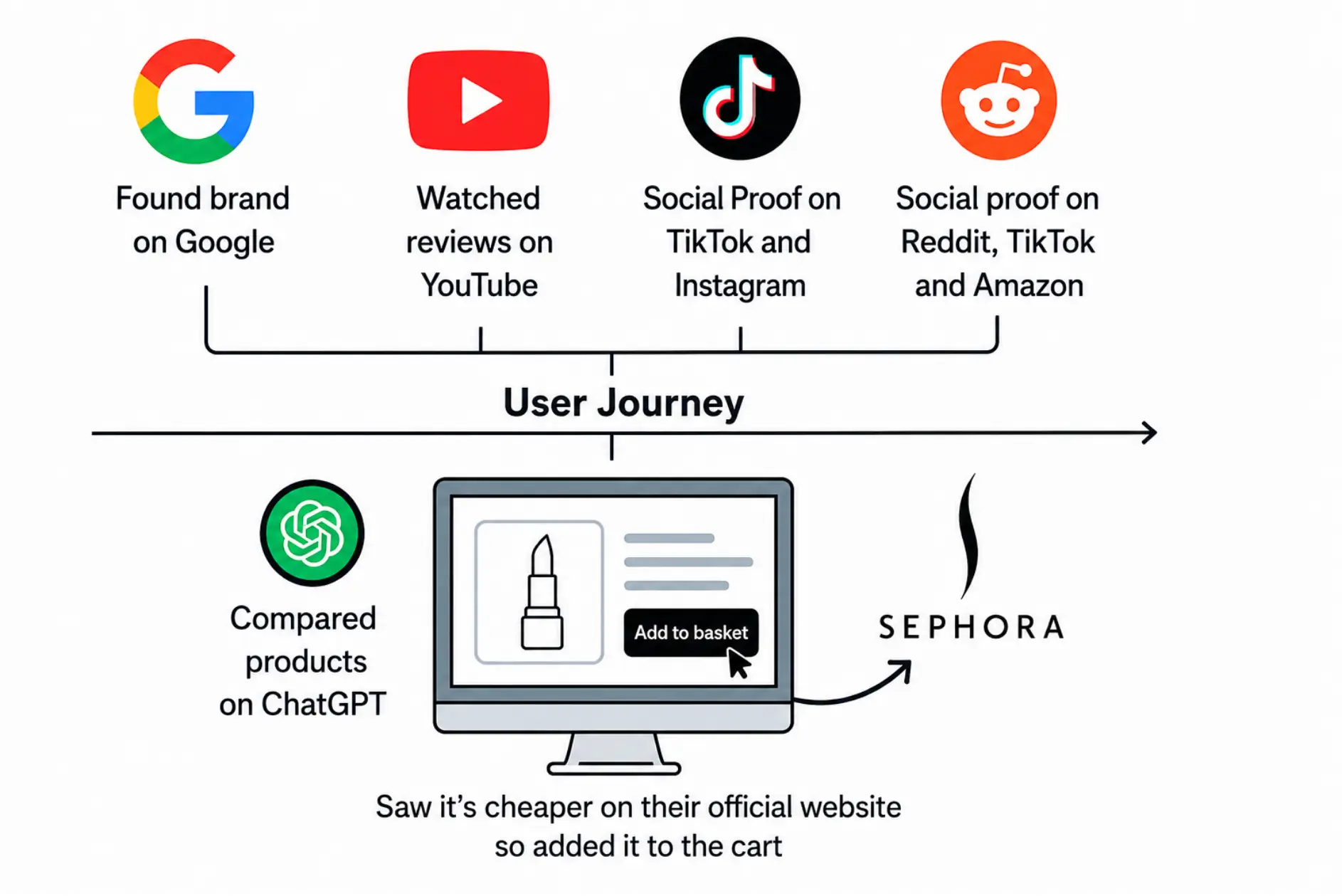
What Search Journey Optimization Actually Means
Search Journey Optimization (SJO) is the practice of making your brand visible, credible, and genuinely helpful at every stage a customer passes through before they buy, not just on the Google results page.
It replaces a single, outdated question - "Do we rank #1?" - with a more useful one: "Are we the trusted answer everywhere our customer already looks?"
Search stopped being a single moment a long time ago. It's now a chain of moments spread across a search engine, a couple of video platforms, at least one community forum, a social app, and increasingly, an AI chat window, all before a single dollar changes hands.
Traditional SEO | Search Journey Optimization | |
|---|---|---|
Unit of success | A keyword ranking | A customer's entire path to purchase |
Primary channel | Google organic | Google, YouTube, Reddit/forums, TikTok/Instagram, AI search, marketplaces |
Content format | Blog posts, landing pages | Video, threads, UGC, comparison content, structured long-form guides |
Trust signal | Backlinks, domain authority | Reviews, community sentiment, creator mentions, AI citations |
KPIs | Rankings, sessions | Cross-platform share of voice, assisted conversions, branded search lift |
The shift isn't optional or theoretical, it's already happening underneath most marketing teams' dashboards. 53% of Gen Z now says they turn to TikTok, Reddit, or YouTube before Google when researching something, and roughly nine in ten check in with an AI tool at least once a week. If your strategy stops at the Google results page, you're optimizing for a shrinking fraction of an increasingly scattered decision.
Search Journey vs. "Search Everywhere": Why Strategy Beats Noise
You've probably heard "Search Everywhere Optimization" gaining traction as a phrase. The instinct behind it is right, be present across platforms, but the execution is usually flawed. Being everywhere, equally, is a recipe for burnout, not results.
The path to buying a lip balm is not the same as the path to buying a mattress.
Buying a $10–20 lip treatment: Google → brand site → YouTube review → Reddit sentiment check → TikTok discovery → AI comparison → purchase. Low financial risk, fast decision cycle, heavily influenced by texture, scent, and social proof.
Buying a $2,000 mattress: Google comparison articles → YouTube durability tests → Reddit "is X worth it" threads → price comparisons across three retailers → purchase weeks later. High financial risk, long research cycle, heavily influenced by specs and return policies.
A one-size-fits-all "everywhere" strategy treats these journeys as identical, spending resources on Pinterest boards for the mattress buyer or long-form spec sheets for the lip balm buyer, and wastes budget on the platforms that don't actually carry weight in that specific decision.
Search Journey Optimization is the more surgical alternative. It's not about being everywhere. It's about being wherever it counts for your specific customer, at the specific stage they're in.
Feature | Search Everywhere Optimization (SEvO) | Search Journey Optimization (SJO) |
|---|---|---|
Focus | Being present on all platforms | Being present on the platforms your customer actually uses |
Goal | Maximize visibility | Maximize influence at the touchpoints that matter |
Tactics | Broad content distribution | Platform-native content tailored to journey stage |
Measurement | Channel-specific metrics | Cross-platform attribution and journey-based ROI |
Managed vs. Influenced: The Two Halves of Every Journey
Every brand's presence in a search journey splits into two categories, and a real SJO strategy has to master both.
Managed experiences
These are the touchpoints you directly control: your website, your official social profiles, your email flow, your product listings. You write the copy, you set the design, you choose the CTA. In the rhode example, the brand's own site, with its clean product story and waitlist mechanic, is a managed experience built to convert once trust already exists.
Influenced experiences
These are the touchpoints you don't control but must actively earn: Reddit threads, YouTube reviews from creators you didn't pay, community sentiment, and AI-generated summaries pulling from a mix of sources. This is where trust is actually built, or broken. In the rhode example, the Reddit threads and independent YouTube reviews did more to convince a skeptical buyer than anything on the brand's own site could, precisely because nobody there had a financial reason to oversell it.
A brand that only invests in managed experiences ends up talking to itself. A brand that only chases influenced experiences has no foundation to send that traffic to. You need both, and they need to reinforce each other.
The Multi-Platform Search Ecosystem: Where to Focus Most
A common mistake businesses make is trying to establish a presence everywhere, spreading their time and resources too thin to create meaningful visibility anywhere.
Effective Search Journey Optimization isn’t about being present on every platform. It’s about identifying where your audience actually searches, understands what they’re looking for in each ecosystem, and building a presence that aligns with that intent.
The first step is knowing how each search ecosystem works and where it fits into your customer’s journey.
Here’s a breakdown of the key search ecosystems and what brands need to know about each one:
Google & Bing - the foundation, not the finish line
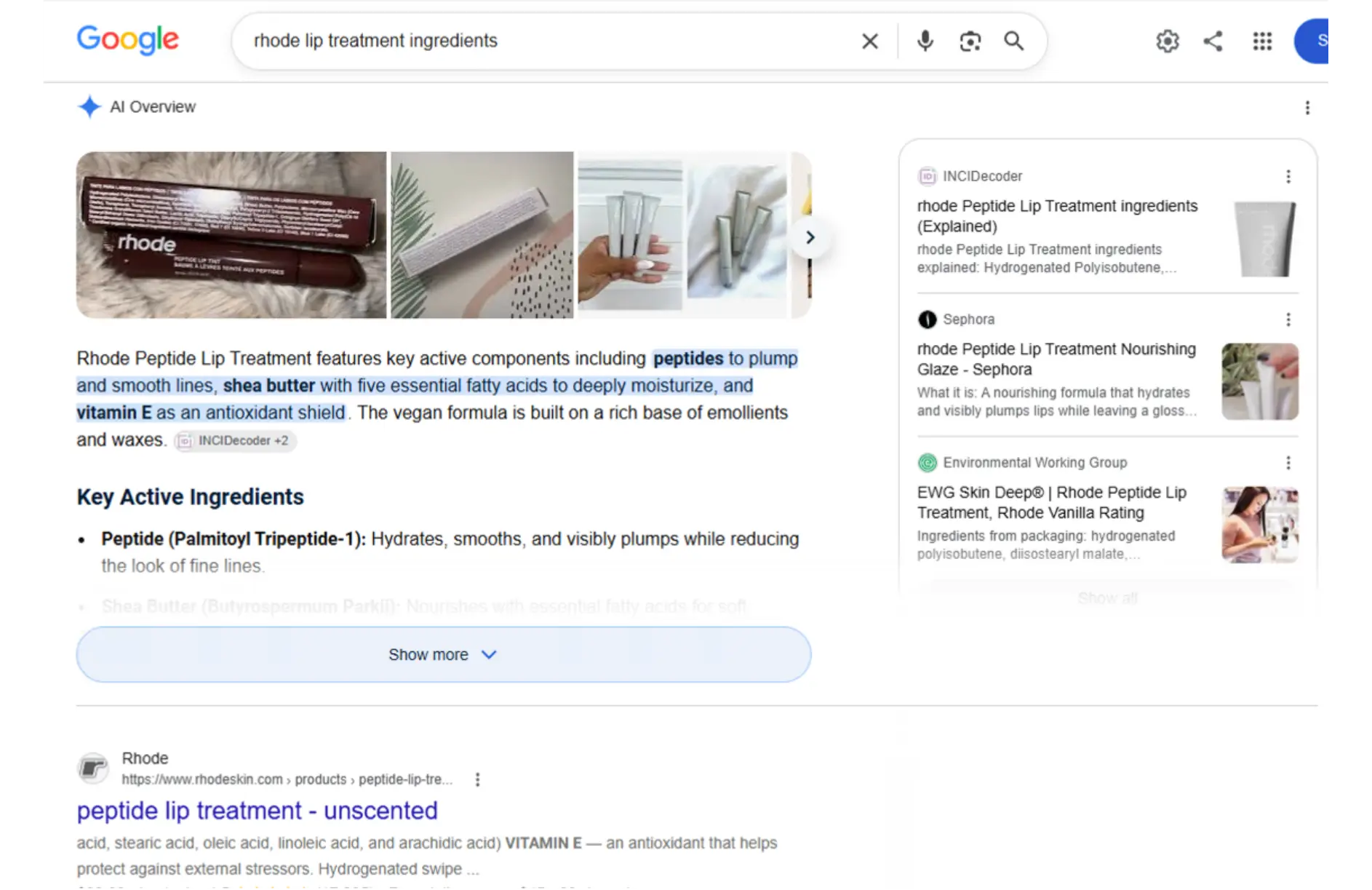
Still the highest-intent layer for navigational and transactional queries ("rhode lip treatment ingredients," "rhode return policy," "rhode near me"). If you're invisible here, nothing else on this list matters, but it's no longer sufficient on its own.
YouTube - long-form comparison and "does it actually work" content
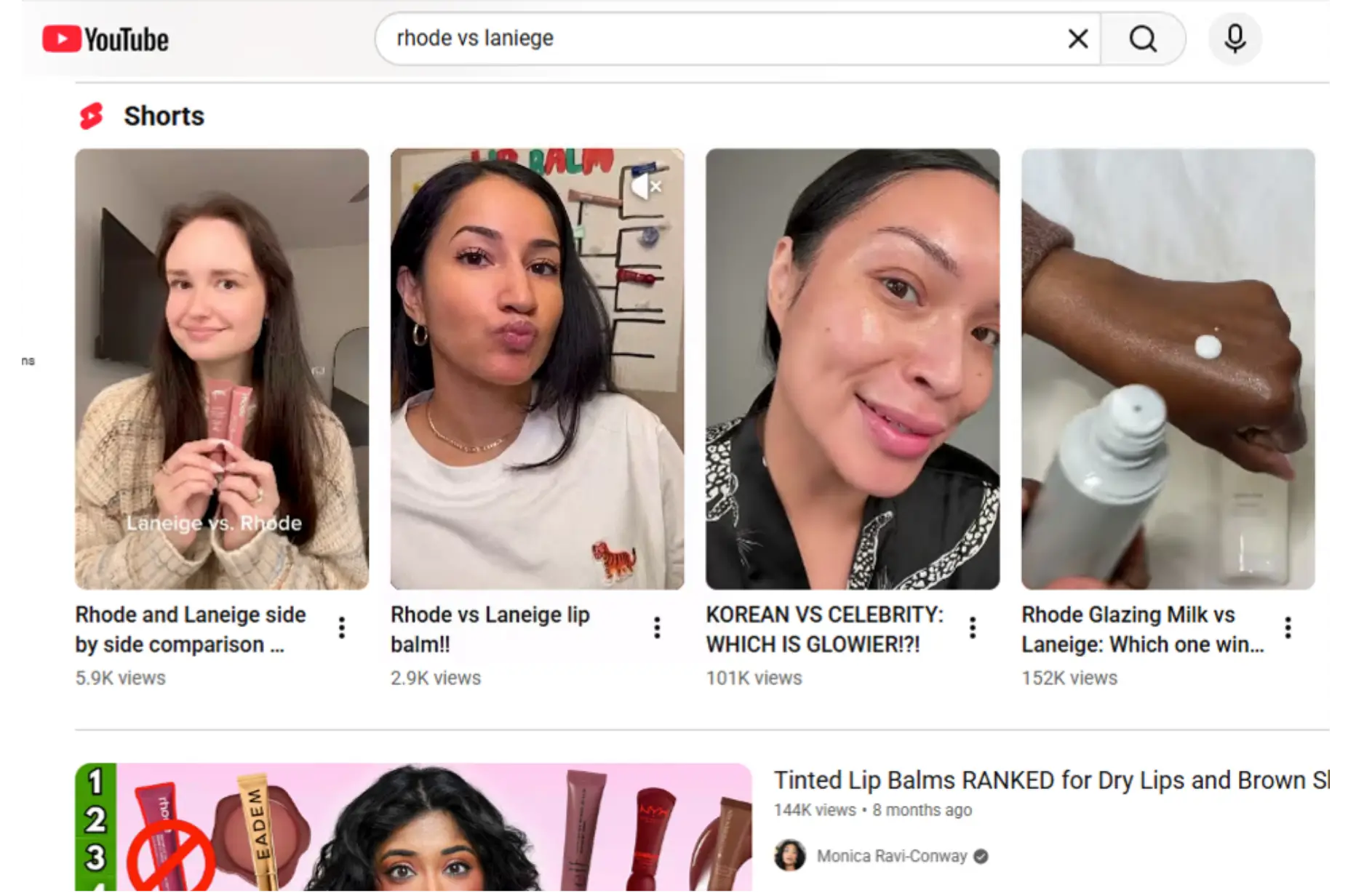
The default home for extended reviews, month-long usage updates, and multi-product comparisons. High watch-time content here builds a kind of trust that a 15-second clip can't.
Reddit & niche forums - the trust layer you can't fake
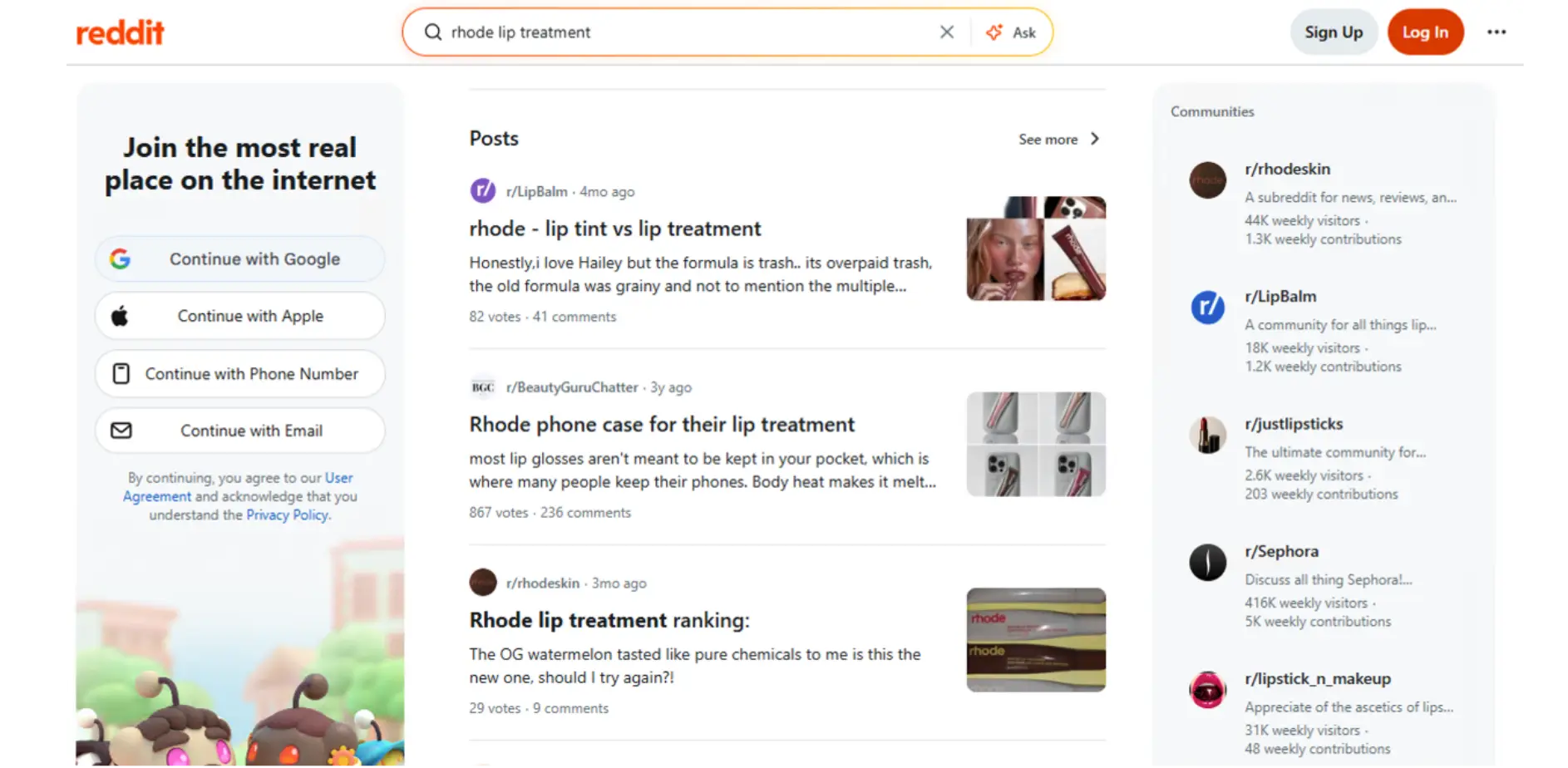
This is where buyers go specifically to escape marketing. Community sentiment here is disproportionately influential relative to its raw traffic volume, precisely because it reads as unbiased, the mix of praise and specific complaints is what makes it credible.
TikTok & Instagram - visual discovery and social proof
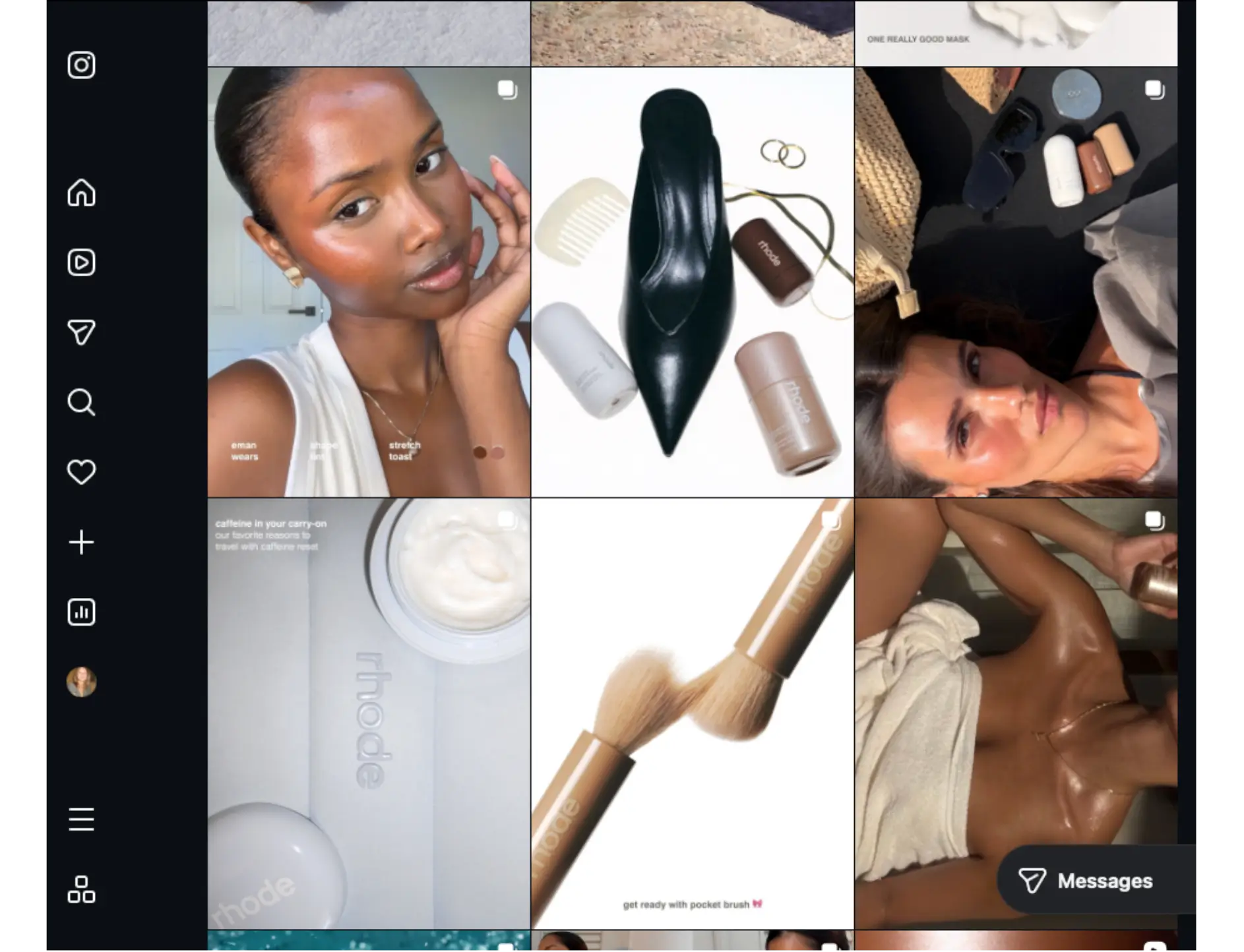
TikTok search queries grew 174% year-over-year, and brands optimizing specifically for TikTok's search function, not just its algorithmic feed, see 3.1x more organic impressions than those relying on the For You page alone. It's worth adding nuance here: newer 2026 survey data shows Gen Z's preference for TikTok over Google actually fell from 8% in 2024 to 4% in 2026, even as raw usage stayed high. The honest read is that TikTok wins the visual, lifestyle-driven, discovery-stage search, while Google still wins the factual, transactional search, they're not in a zero-sum fight for the same queries.
AI Search (ChatGPT, Perplexity, Google AI Overviews) - the newest, fastest-growing layer
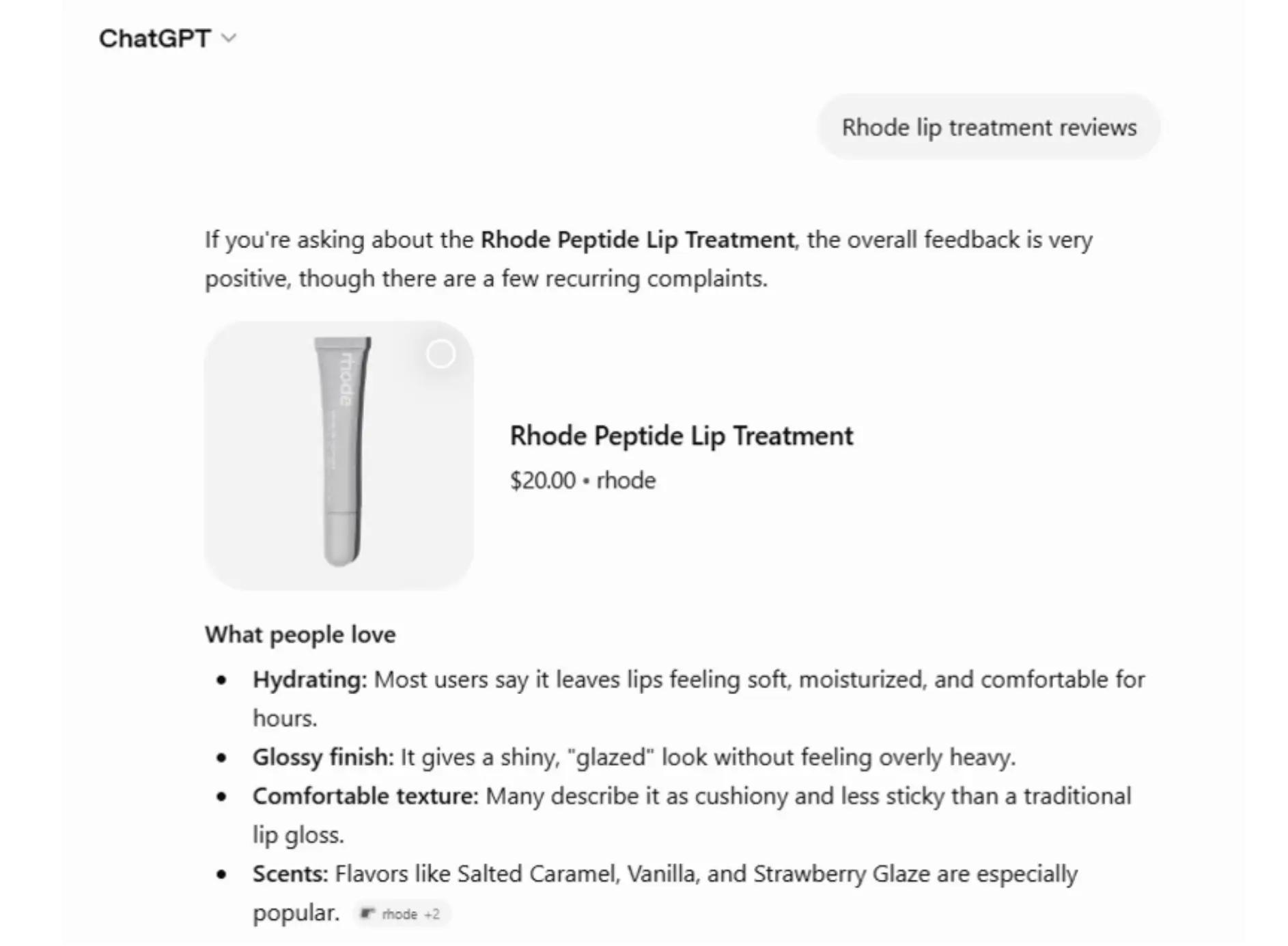
14% of consumers across every generation now say they're more likely to reach for ChatGPT than Google, and notably, that preference is consistent across generations, not just Gen Z, arguably making it a bigger long-term threat to traditional search than social video. Winning here means being the source AI tools cite, which requires structured, factual content plus a genuine footprint of third-party mentions for the model to draw from.
Shopping platforms and marketplaces (Amazon, Sephora, Ulta, etc.) - high commercial intent, moments from purchase
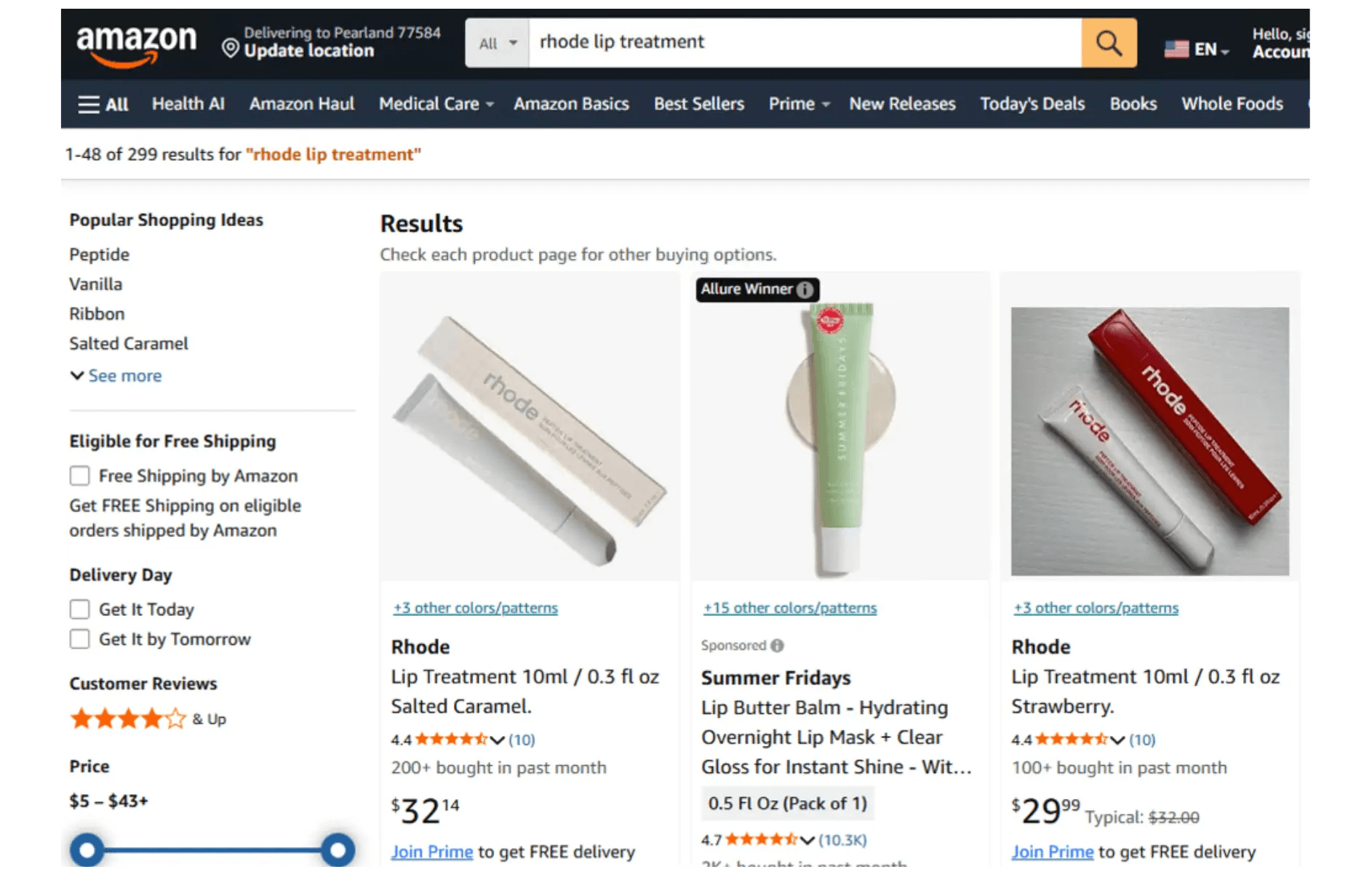
Shoppers here are actively comparing, reading verified reviews, and are often one click from buying. Weak review volume or thin listing content here quietly bleeds sales to whichever competitor has stronger social proof in the same aisle.
Why Winning the Full Journey Is So Hard
Optimizing for the full search journey is genuinely effective, and genuinely difficult. Three specific problems keep most companies stuck in old, Google-only habits:
Fragmented teams. SEO, social, content, and video usually live in separate teams with separate KPIs and no shared view of the customer's actual path. A unified journey strategy requires a unified team structure, which is an organizational problem before it's a marketing one.
The content treadmill. You can't just crosspost a blog link to TikTok, and you can't just drop a video link into a Reddit thread, each platform demands a genuinely native format, which multiplies production work.
The measurement nightmare. Tracking ROI across half a dozen touchpoints, most of which don't share attribution data cleanly, makes it hard to prove the strategy is working, which makes it hard to keep the budget.
Our SJO Approach: A 5-Step System You Can Run This Journey
Step 1: Map the real journey - don't assume it
Interview recent customers, mine review platforms and community threads for language, and check your analytics for the actual referral paths that precede a purchase. Answer four questions:
Discovery: Where do they first learn about products like ours?
Research: Where do they go to compare options?
Validation: Where do they go for unfiltered social proof?
Purchase: Where do they actually buy?
Step 2: Score and prioritize the gaps
Score every platform on three criteria before committing content to it:
Criteria | What to ask | Weight |
|---|---|---|
Audience fit | Does our actual buyer search here, not just "does this platform have a lot of users"? | High |
Intent density | Does content here typically appear at the comparison/validation stage, or only top-of-funnel awareness? | High |
Resource cost vs. output | Can we sustain native-quality content here without pulling capacity from higher-fit channels? | Medium |
Most brands, run through this filter honestly, find their real journey lives on three or four platforms, not twelve.
Step 3: Build a platform-native content plan around one core query
Take a single high-value query and design a genuinely different asset for each priority platform, not a repurposed crop of the same asset. See the mapping table below.
Step 4: Execute on owned channels, seed earned channels
Publish the content you control. Then actively, honestly participate where you don't, answer real questions in relevant forum threads, send product to reviewers whose audience already overlaps with your buyer, and encourage (never fabricate) genuine reviews.
Step 5: Measure, then reallocate
Kill what doesn't move branded search or assisted conversions. Double down on what does. Revisit the platform scoring every quarter, this map moves.
Content Mapping: One Query, Six Formats
Query: "best hydrating lip treatment 2026"
Platform | Format | Angle |
|---|---|---|
Blog / Google | 1,500-word buying guide | Ingredient breakdown (peptides, occlusives, humectants), how to choose by lip type |
YouTube | 8–10 minute comparison | Side-by-side texture and wear-time test against two competitors |
Genuine seeded thread or AMA | Real Q&A on texture, longevity, and reformulation concerns | |
TikTok | 15–20 second demo | Application, finish, and a real "does it feel sticky" test |
Carousel + Reel | Ingredient callouts, UGC repost, shoppable tags | |
Marketplace listing (Sephora/Ulta/Amazon) | Optimized PDP + review prompts | Clear shade/scent guidance, UGC photos surfaced in reviews |
One core insight, six native executions. This is the difference between "content repurposing" (same asset, different crop) and true Search Journey content, each version is built for how people actually behave on that specific platform, not just resized to fit it.
Measurement: KPIs, Attribution, and the Dashboard That Ties It Together
Step 1: Set platform-specific KPIs - stop using one scorecard for everything
Platform | Primary KPI | Secondary KPI |
|---|---|---|
Google / Bing | Organic traffic, rankings, conversions | CTR, bounce rate |
YouTube | Watch time, subscriber growth | CTR, comments |
Reddit / forums | Mentions, sentiment, referral traffic | Comment volume, upvote ratio |
TikTok / Instagram | Views, engagement rate, saves/shares | Profile visits, bio link clicks |
AI search | Brand citation frequency in AI answers | Referral traffic from AI tools |
Marketplaces | Review volume, star rating, conversion rate | Search rank within marketplace |
Step 2: Blend your attribution models
No single model tells the whole truth alone:
First-touch shows which platforms introduce new customers.
Last-touch shows which platforms close the sale.
Linear/multi-touch shows the cumulative weight of every stop in between.
Run all three side by side. If a platform never shows up in last-touch but consistently shows up in first-touch, that's not a failing channel, that's your discovery engine, and cutting its budget because "it doesn't convert" is a mistake based on reading only one model.
Step 3: Centralize it
Pull web analytics, native platform data, and marketplace review data into one dashboard. The single most useful chart most brands never build: branded search volume overlaid against social engagement spikes. When a TikTok or YouTube spike reliably precedes a jump in "[brand name] reviews" searches by a few days, you've proven the channel's real value, even though last-click analytics alone would never show it.
Common Mistakes That Sink an Otherwise Good Strategy
Treating short-form video as a shrunk-down blog post. Native platforms punish repurposed content. Build for the format, don't just resize into it.
Ignoring community forums until something goes wrong there. By the time a brand notices a negative Reddit thread, it's often been the top result for a branded query for months. Monitor proactively.
Chasing "being everywhere" instead of "being right where it counts." Revisit Section 3, this is the single most common budget leak in modern marketing.
Measuring only last-click. This systematically undervalues discovery channels like YouTube and TikTok and overvalues bottom-funnel channels like retargeting, leading teams to cut the very channel that's filling the funnel.
Having zero presence in AI search. Structured, factual content and a real footprint of third-party mentions are what get a brand cited by ChatGPT or AI Overviews. Brands absent from comparison content and review roundups are functionally invisible to a fast-growing share of AI-assisted shoppers.
FAQ
What's the actual difference between SEO and Search Everywhere Optimization?

SEO (Search Engine Optimization) is the practice of ranking well on a single engine, almost always Google, for specific keywords. Search Everywhere Optimization (SEO's newer, broader cousin) is the practice of building visibility across every platform where people search: Google, yes, but also YouTube, TikTok, Reddit, Instagram, and AI tools like ChatGPT. One optimizes for a results page. The other optimizes for an ecosystem.
Is Search Journey Optimization the same as "Search Everywhere Optimization"?
No, the difference matters. "Everywhere" optimization spreads resources across every platform equally. Search journey optimization is selective: it maps your specific customer's actual path and concentrates effort only where that path runs.
Do I need a viral moment or a huge budget to make this work?
An SEO audit is a detailed analysis of your website to identify issues that may be affecting your search engine rankings. It helps uncover problems with site structure, content, mobile usability, page speed, and more. Regular audits ensure your website stays optimized, competitive, and aligned with Google’s latest algorithm updates. Looking for more details? Contact us today before your competitors do.
How long before this shows measurable results?
Owned-channel improvements (site, product pages) can show movement in 30–60 days. Earned-channel trust (community sentiment, creator mentions, AI citation) typically compounds over 3–6 months and rarely comes from a single campaign, it comes from consistency.
Which platform should I prioritize first?
Whichever one scores highest on the audience-fit and intent-density criteria for your buyer, not whichever is trending. For a fast-consideration, visually-driven product, that's often YouTube and TikTok first, with a community forum as the credibility layer close behind. For a higher-ticket or more considered purchase, long-form comparison content and forum research often carry more weight than short-form video.
Imagine you’re looking for a new lip product. You start on Google, move to YouTube for reviews, get social proof from Instagram for brand validation, and get feedback from community forums and Reddit before you buy. This isn't a hypothetical scenario; it's the modern customer path in 2026. No more traditional Search Engine Optimization works, it’s more on Search Everywhere Optimization. As AI reshapes how people search, the next evolution is Search Journey Optimization (SJO), a part of conversational search. Traditional SEO misses many of the touchpoints that influence decisions. To win in today's search landscape, you must optimize the entire customer search journey - not just individual keywords.
The $20 Lip Balm Story: 11 Platforms, One Purchase, and a Billion-Dollar Marketing Lesson
Imagine you're looking for a high-quality lip balm-something better than the drugstore stick that's been sitting in your bag for years. But you don't know which brand to trust, whether it's right for your skin, or where to buy it.
You start on Google, searching for "best lip treatment for dry lips." The results are the usual mix of beauty-editor roundups and retailer pages. Some are high-end brands with fancy packaging. One product keeps reappearing across nearly every list, in a slim clear tube: Rhode's Peptide Lip Treatment.
Interesting.
You click through to the brand's own site.
Clean product photography. A short ingredient breakdown, peptides, vitamin E, a dual-butter base.
And if you're early enough, a waitlist instead of an "Add to Cart" button.
That's a signal on its own. Something people are willing to wait for.
But you're not sold yet.
So you head over to YouTube and search "rhode peptide lip treatment review."
Dozens of videos pop up.
First impressions. Month-long usage updates. Side-by-side texture comparisons against Laneige and Summer Fridays.
The reviews are detailed, mostly positive, and consistent on one point: the glossy, non-sticky finish is the draw.
Still, you want the unfiltered version.
So you go to Reddit and search "Rhode lip treatment Reddit."
You land in threads on r/MakeupAddiction and r/SkincareAddiction.
Most commenters are genuinely into it. Plumper lips. Real hydration. A scent people describe as "addictive."
A few buyers flag a grainy texture in certain batches, or short wear time before reapplication.
That mix of praise and specific, credible complaints is exactly what makes Reddit feel trustworthy. Nobody there is getting paid to say it's perfect.
Curious what younger buyers think, you open TikTok, the most popular search spot for GenZ, to see some short testimonials.
You search for "rhode lip tint."
Thousands of videos come up. Application demos. "Day in my bag" content. “dermatologists' tips for healing dry, chapped lips” videos. The product physically clipped to the back of a phone case - a Rhode-designed accessory that turned the lip treatment into something people carry, not just own.
This is the platform where the product became a genuine cultural object, not just a skincare item. That’s reassuring for sure.
Short on time? Get it …. Now you ask ChatGPT to compare the best hydrating lip treatments under $20.
Interesting …. Rhode's shows up. Cited from a blend of beauty-editor reviews and ingredient breakdowns, a synthesized answer pulling from exactly the sources you'd have checked yourself anyway.
Before buying, you check Sephora (Amazon of beauty products lol), where rhode has been sold in-store since late 2024.
You read verified purchase reviews. You check the Beauty Insider point value.
Then you check the brand's own site one more time, just in case there's a bundle deal.
Finally, you buy.
Maybe from Sephora, for the loyalty points. Maybe direct from rhode.com, for a limited-edition scent that's only sold there or maybe they have a “first time buyer” deal for their new customers..
Let’s rewind the journey, ….. Google. The brand's own site. YouTube. Reddit. TikTok. ChatGPT. A retail partner.
Six-plus platforms. Not one of those touchpoints was a coincidence.
Rhode's peptide lip treatment launched in June 2022 with a reported waitlist of roughly 440,000 people, and around $10 million in revenue within its first eleven days, numbers more typical of a hardware launch than a lip balm.
By May 2025, the brand it built had grown enough to be acquired by e.l.f. Beauty in a deal reported around $1 billion, with its founder's role expanding rather than shrinking after the acquisition closed.
That trajectory wasn't the result of one great TikTok video.
It was the result of showing up, credibly, at every single stop on the path above - long before most of those searchers ever typed a query.
This is what Search Journey Optimization is built to explain and replicate.
What Search Journey Optimization Actually Means
Search Journey Optimization (SJO) is the practice of making your brand visible, credible, and genuinely helpful at every stage a customer passes through before they buy, not just on the Google results page.
It replaces a single, outdated question - "Do we rank #1?" - with a more useful one: "Are we the trusted answer everywhere our customer already looks?"
Search stopped being a single moment a long time ago. It's now a chain of moments spread across a search engine, a couple of video platforms, at least one community forum, a social app, and increasingly, an AI chat window, all before a single dollar changes hands.
Traditional SEO | Search Journey Optimization | |
|---|---|---|
Unit of success | A keyword ranking | A customer's entire path to purchase |
Primary channel | Google organic | Google, YouTube, Reddit/forums, TikTok/Instagram, AI search, marketplaces |
Content format | Blog posts, landing pages | Video, threads, UGC, comparison content, structured long-form guides |
Trust signal | Backlinks, domain authority | Reviews, community sentiment, creator mentions, AI citations |
KPIs | Rankings, sessions | Cross-platform share of voice, assisted conversions, branded search lift |
The shift isn't optional or theoretical, it's already happening underneath most marketing teams' dashboards. 53% of Gen Z now says they turn to TikTok, Reddit, or YouTube before Google when researching something, and roughly nine in ten check in with an AI tool at least once a week. If your strategy stops at the Google results page, you're optimizing for a shrinking fraction of an increasingly scattered decision.
Search Journey vs. "Search Everywhere": Why Strategy Beats Noise
You've probably heard "Search Everywhere Optimization" gaining traction as a phrase. The instinct behind it is right, be present across platforms, but the execution is usually flawed. Being everywhere, equally, is a recipe for burnout, not results.
The path to buying a lip balm is not the same as the path to buying a mattress.
Buying a $10–20 lip treatment: Google → brand site → YouTube review → Reddit sentiment check → TikTok discovery → AI comparison → purchase. Low financial risk, fast decision cycle, heavily influenced by texture, scent, and social proof.
Buying a $2,000 mattress: Google comparison articles → YouTube durability tests → Reddit "is X worth it" threads → price comparisons across three retailers → purchase weeks later. High financial risk, long research cycle, heavily influenced by specs and return policies.
A one-size-fits-all "everywhere" strategy treats these journeys as identical, spending resources on Pinterest boards for the mattress buyer or long-form spec sheets for the lip balm buyer, and wastes budget on the platforms that don't actually carry weight in that specific decision.
Search Journey Optimization is the more surgical alternative. It's not about being everywhere. It's about being wherever it counts for your specific customer, at the specific stage they're in.
Feature | Search Everywhere Optimization (SEvO) | Search Journey Optimization (SJO) |
|---|---|---|
Focus | Being present on all platforms | Being present on the platforms your customer actually uses |
Goal | Maximize visibility | Maximize influence at the touchpoints that matter |
Tactics | Broad content distribution | Platform-native content tailored to journey stage |
Measurement | Channel-specific metrics | Cross-platform attribution and journey-based ROI |
Managed vs. Influenced: The Two Halves of Every Journey
Every brand's presence in a search journey splits into two categories, and a real SJO strategy has to master both.
Managed experiences
These are the touchpoints you directly control: your website, your official social profiles, your email flow, your product listings. You write the copy, you set the design, you choose the CTA. In the rhode example, the brand's own site, with its clean product story and waitlist mechanic, is a managed experience built to convert once trust already exists.
Influenced experiences
These are the touchpoints you don't control but must actively earn: Reddit threads, YouTube reviews from creators you didn't pay, community sentiment, and AI-generated summaries pulling from a mix of sources. This is where trust is actually built, or broken. In the rhode example, the Reddit threads and independent YouTube reviews did more to convince a skeptical buyer than anything on the brand's own site could, precisely because nobody there had a financial reason to oversell it.
A brand that only invests in managed experiences ends up talking to itself. A brand that only chases influenced experiences has no foundation to send that traffic to. You need both, and they need to reinforce each other.
The Multi-Platform Search Ecosystem: Where to Focus Most
A common mistake businesses make is trying to establish a presence everywhere, spreading their time and resources too thin to create meaningful visibility anywhere.
Effective Search Journey Optimization isn’t about being present on every platform. It’s about identifying where your audience actually searches, understands what they’re looking for in each ecosystem, and building a presence that aligns with that intent.
The first step is knowing how each search ecosystem works and where it fits into your customer’s journey.
Here’s a breakdown of the key search ecosystems and what brands need to know about each one:
Google & Bing - the foundation, not the finish line
Still the highest-intent layer for navigational and transactional queries ("rhode lip treatment ingredients," "rhode return policy," "rhode near me"). If you're invisible here, nothing else on this list matters, but it's no longer sufficient on its own.
YouTube - long-form comparison and "does it actually work" content
The default home for extended reviews, month-long usage updates, and multi-product comparisons. High watch-time content here builds a kind of trust that a 15-second clip can't.
Reddit & niche forums - the trust layer you can't fake
This is where buyers go specifically to escape marketing. Community sentiment here is disproportionately influential relative to its raw traffic volume, precisely because it reads as unbiased, the mix of praise and specific complaints is what makes it credible.
TikTok & Instagram - visual discovery and social proof
TikTok search queries grew 174% year-over-year, and brands optimizing specifically for TikTok's search function, not just its algorithmic feed, see 3.1x more organic impressions than those relying on the For You page alone. It's worth adding nuance here: newer 2026 survey data shows Gen Z's preference for TikTok over Google actually fell from 8% in 2024 to 4% in 2026, even as raw usage stayed high. The honest read is that TikTok wins the visual, lifestyle-driven, discovery-stage search, while Google still wins the factual, transactional search, they're not in a zero-sum fight for the same queries.
AI Search (ChatGPT, Perplexity, Google AI Overviews) - the newest, fastest-growing layer
14% of consumers across every generation now say they're more likely to reach for ChatGPT than Google, and notably, that preference is consistent across generations, not just Gen Z, arguably making it a bigger long-term threat to traditional search than social video. Winning here means being the source AI tools cite, which requires structured, factual content plus a genuine footprint of third-party mentions for the model to draw from.
Shopping platforms and marketplaces (Amazon, Sephora, Ulta, etc.) - high commercial intent, moments from purchase
Shoppers here are actively comparing, reading verified reviews, and are often one click from buying. Weak review volume or thin listing content here quietly bleeds sales to whichever competitor has stronger social proof in the same aisle.
Why Winning the Full Journey Is So Hard
Optimizing for the full search journey is genuinely effective, and genuinely difficult. Three specific problems keep most companies stuck in old, Google-only habits:
Fragmented teams. SEO, social, content, and video usually live in separate teams with separate KPIs and no shared view of the customer's actual path. A unified journey strategy requires a unified team structure, which is an organizational problem before it's a marketing one.
The content treadmill. You can't just crosspost a blog link to TikTok, and you can't just drop a video link into a Reddit thread, each platform demands a genuinely native format, which multiplies production work.
The measurement nightmare. Tracking ROI across half a dozen touchpoints, most of which don't share attribution data cleanly, makes it hard to prove the strategy is working, which makes it hard to keep the budget.
Our SJO Approach: A 5-Step System You Can Run This Journey
Step 1: Map the real journey - don't assume it
Interview recent customers, mine review platforms and community threads for language, and check your analytics for the actual referral paths that precede a purchase. Answer four questions:
Discovery: Where do they first learn about products like ours?
Research: Where do they go to compare options?
Validation: Where do they go for unfiltered social proof?
Purchase: Where do they actually buy?
Step 2: Score and prioritize the gaps
Score every platform on three criteria before committing content to it:
Criteria | What to ask | Weight |
|---|---|---|
Audience fit | Does our actual buyer search here, not just "does this platform have a lot of users"? | High |
Intent density | Does content here typically appear at the comparison/validation stage, or only top-of-funnel awareness? | High |
Resource cost vs. output | Can we sustain native-quality content here without pulling capacity from higher-fit channels? | Medium |
Most brands, run through this filter honestly, find their real journey lives on three or four platforms, not twelve.
Step 3: Build a platform-native content plan around one core query
Take a single high-value query and design a genuinely different asset for each priority platform, not a repurposed crop of the same asset. See the mapping table below.
Step 4: Execute on owned channels, seed earned channels
Publish the content you control. Then actively, honestly participate where you don't, answer real questions in relevant forum threads, send product to reviewers whose audience already overlaps with your buyer, and encourage (never fabricate) genuine reviews.
Step 5: Measure, then reallocate
Kill what doesn't move branded search or assisted conversions. Double down on what does. Revisit the platform scoring every quarter, this map moves.
Content Mapping: One Query, Six Formats
Query: "best hydrating lip treatment 2026"
Platform | Format | Angle |
|---|---|---|
Blog / Google | 1,500-word buying guide | Ingredient breakdown (peptides, occlusives, humectants), how to choose by lip type |
YouTube | 8–10 minute comparison | Side-by-side texture and wear-time test against two competitors |
Genuine seeded thread or AMA | Real Q&A on texture, longevity, and reformulation concerns | |
TikTok | 15–20 second demo | Application, finish, and a real "does it feel sticky" test |
Carousel + Reel | Ingredient callouts, UGC repost, shoppable tags | |
Marketplace listing (Sephora/Ulta/Amazon) | Optimized PDP + review prompts | Clear shade/scent guidance, UGC photos surfaced in reviews |
One core insight, six native executions. This is the difference between "content repurposing" (same asset, different crop) and true Search Journey content, each version is built for how people actually behave on that specific platform, not just resized to fit it.
Measurement: KPIs, Attribution, and the Dashboard That Ties It Together
Step 1: Set platform-specific KPIs - stop using one scorecard for everything
Platform | Primary KPI | Secondary KPI |
|---|---|---|
Google / Bing | Organic traffic, rankings, conversions | CTR, bounce rate |
YouTube | Watch time, subscriber growth | CTR, comments |
Reddit / forums | Mentions, sentiment, referral traffic | Comment volume, upvote ratio |
TikTok / Instagram | Views, engagement rate, saves/shares | Profile visits, bio link clicks |
AI search | Brand citation frequency in AI answers | Referral traffic from AI tools |
Marketplaces | Review volume, star rating, conversion rate | Search rank within marketplace |
Step 2: Blend your attribution models
No single model tells the whole truth alone:
First-touch shows which platforms introduce new customers.
Last-touch shows which platforms close the sale.
Linear/multi-touch shows the cumulative weight of every stop in between.
Run all three side by side. If a platform never shows up in last-touch but consistently shows up in first-touch, that's not a failing channel, that's your discovery engine, and cutting its budget because "it doesn't convert" is a mistake based on reading only one model.
Step 3: Centralize it
Pull web analytics, native platform data, and marketplace review data into one dashboard. The single most useful chart most brands never build: branded search volume overlaid against social engagement spikes. When a TikTok or YouTube spike reliably precedes a jump in "[brand name] reviews" searches by a few days, you've proven the channel's real value, even though last-click analytics alone would never show it.
Common Mistakes That Sink an Otherwise Good Strategy
Treating short-form video as a shrunk-down blog post. Native platforms punish repurposed content. Build for the format, don't just resize into it.
Ignoring community forums until something goes wrong there. By the time a brand notices a negative Reddit thread, it's often been the top result for a branded query for months. Monitor proactively.
Chasing "being everywhere" instead of "being right where it counts." Revisit Section 3, this is the single most common budget leak in modern marketing.
Measuring only last-click. This systematically undervalues discovery channels like YouTube and TikTok and overvalues bottom-funnel channels like retargeting, leading teams to cut the very channel that's filling the funnel.
Having zero presence in AI search. Structured, factual content and a real footprint of third-party mentions are what get a brand cited by ChatGPT or AI Overviews. Brands absent from comparison content and review roundups are functionally invisible to a fast-growing share of AI-assisted shoppers.
FAQ
What's the actual difference between SEO and Search Everywhere Optimization?
SEO (Search Engine Optimization) is the practice of ranking well on a single engine, almost always Google, for specific keywords. Search Everywhere Optimization (SEO's newer, broader cousin) is the practice of building visibility across every platform where people search: Google, yes, but also YouTube, TikTok, Reddit, Instagram, and AI tools like ChatGPT. One optimizes for a results page. The other optimizes for an ecosystem.
Is Search Journey Optimization the same as "Search Everywhere Optimization"?
No, the difference matters. "Everywhere" optimization spreads resources across every platform equally. Search journey optimization is selective: it maps your specific customer's actual path and concentrates effort only where that path runs.
Do I need a viral moment or a huge budget to make this work?
An SEO audit is a detailed analysis of your website to identify issues that may be affecting your search engine rankings. It helps uncover problems with site structure, content, mobile usability, page speed, and more. Regular audits ensure your website stays optimized, competitive, and aligned with Google’s latest algorithm updates. Looking for more details? Contact us today before your competitors do.
How long before this shows measurable results?
Owned-channel improvements (site, product pages) can show movement in 30–60 days. Earned-channel trust (community sentiment, creator mentions, AI citation) typically compounds over 3–6 months and rarely comes from a single campaign, it comes from consistency.
Which platform should I prioritize first?
Whichever one scores highest on the audience-fit and intent-density criteria for your buyer, not whichever is trending. For a fast-consideration, visually-driven product, that's often YouTube and TikTok first, with a community forum as the credibility layer close behind. For a higher-ticket or more considered purchase, long-form comparison content and forum research often carry more weight than short-form video.



Summarize with AI


Want to Skyrocket Revenue? Get a Free Audit Today!
Want to Skyrocket Revenue? Get a Free Audit Today!



4.9/5 Ratings!


Don’t miss our revenue growth tips!
Get expert marketing tips—straight to your inbox, like thousands of happy clients.
Don’t miss our revenue growth tips!
Get expert marketing tips—straight to your inbox, like thousands of happy clients.
Don’t miss our revenue growth tips!
Don’t miss our revenue growth tips!
Get expert marketing tips—straight to your inbox, like thousands of happy clients.
Relevant Blogs on Organic SEO
Relevant Blogs on Organic SEO
Unlock data-driven insights in Organic SEO—explore our featured blogs and skyrocket your revenue before your competitors do.
Unlock data-driven insights in Organic SEO—explore our featured blogs and skyrocket your revenue before your competitors do.

SEO
Sep 21, 2026
5 Min Read
Audience-First SEO: How to Rank by Putting Readers First
SEO
Sep 21, 2026
5 Min Read
Audience-First SEO: How to Rank by Putting Readers First
SEO
Sep 21, 2026
5 Min Read
Audience-First SEO: How to Rank by Putting Readers First

SEO
Sep 19, 2026
5 Min Read
How to Add SEO Keywords to Your Website: Where and How
SEO
Sep 19, 2026
5 Min Read
How to Add SEO Keywords to Your Website: Where and How
SEO
Sep 19, 2026
5 Min Read
How to Add SEO Keywords to Your Website: Where and How

SEO
Sep 18, 2026
5 Min Read
How XML Sitemaps Help Search Engines Discover New Pages
SEO
Sep 18, 2026
5 Min Read
How XML Sitemaps Help Search Engines Discover New Pages
SEO
Sep 18, 2026
5 Min Read
How XML Sitemaps Help Search Engines Discover New Pages




















Ready to speak with an expert?
Data-Driven Marketing Agency That Elevates ROI
1100+
Websites Designed & Optimized to Convert
$280M+
Client Revenue Driven & Growing Strong
Discover how to skyrocket
your revenue today!
Trusted by 1000+ Owners!
Ready to speak with an expert?
Data-Driven Marketing Agency That Elevates ROI
1100+
Websites Designed & Optimized to Convert
$280M+
Client Revenue Driven & Growing Strong
Discover how to skyrocket
your revenue today!
Trusted by 1000+ Owners!
Want to skyrocket revenue?
4.9/5 Ratings!
Ready to speak with an expert?
Data-Driven Marketing Agency That Elevates ROI
1100+
Websites Designed & Optimized to Convert
$280M+
Client Revenue Driven & Growing Strong
Discover how to skyrocket
your revenue today!
Trusted by 1000+ Owners!
Call
Meet