ROAS Calculator
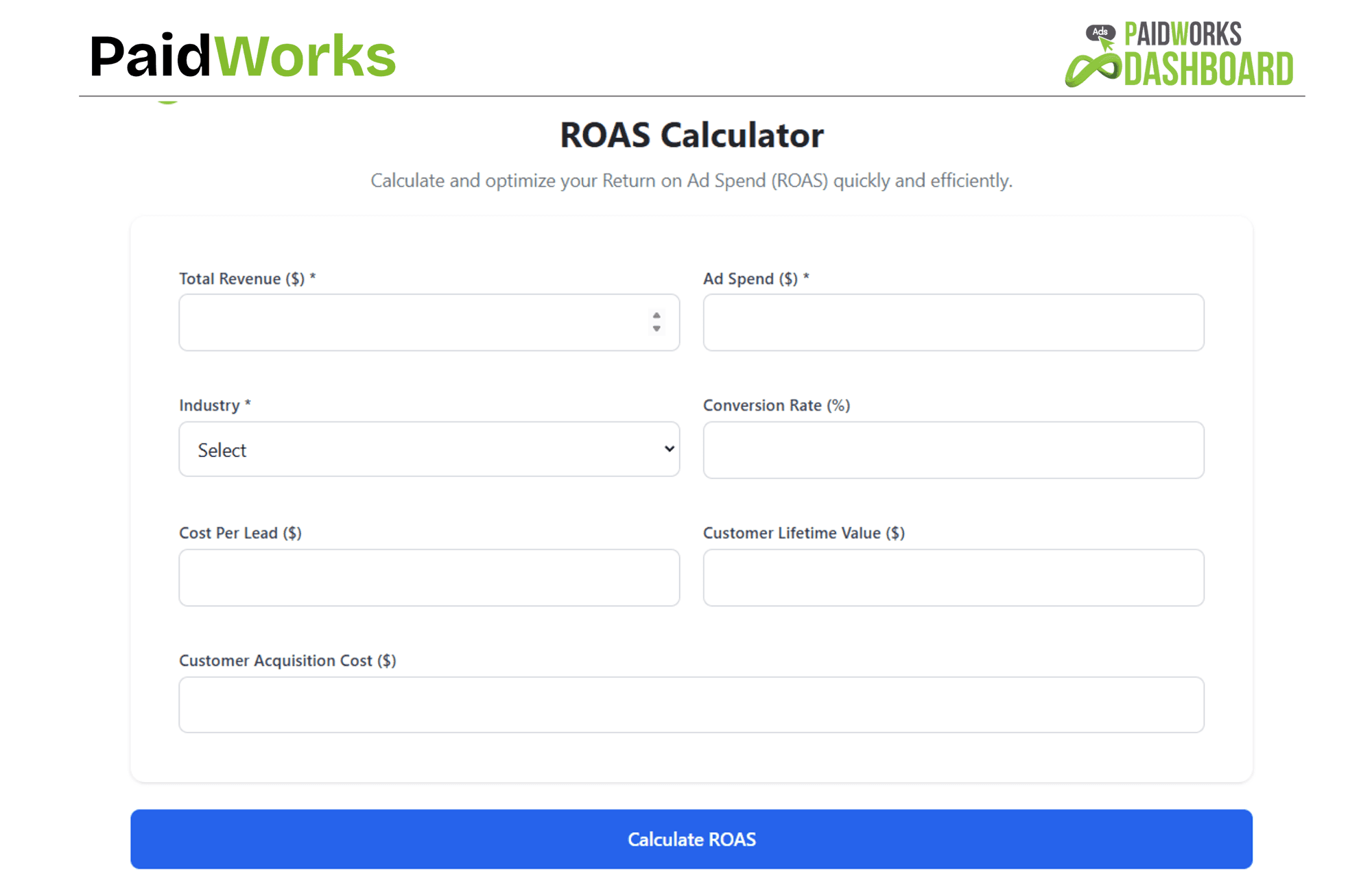
ROAS (Return on Ad Spend) Calculator helps you measure the effectiveness of your advertising campaigns. By entering key metrics like total revenue, ad spend, conversion rate, and more, this tool calculates your ROAS, industry benchmarks, and key performance metrics to help you optimize your marketing strategy.
ROAS Calculator
ROAS (Return on Ad Spend) Calculator helps you measure the effectiveness of your advertising campaigns. By entering key metrics like total revenue, ad spend, conversion rate, and more, this tool calculates your ROAS, industry benchmarks, and key performance metrics to help you optimize your marketing strategy.
ROAS Calculator
ROAS (Return on Ad Spend) Calculator helps you measure the effectiveness of your advertising campaigns. By entering key metrics like total revenue, ad spend, conversion rate, and more, this tool calculates your ROAS, industry benchmarks, and key performance metrics to help you optimize your marketing strategy.
How to Use Our Free ROAS Calculator Tool
Calculating your ROAS is quick and simple with these 3 steps:
Calculating your ROAS is quick and simple with these 3 steps:
01
Step
Enter your total revenue generated from advertising campaigns and ad spend.
02
Step
Select your industry, and input all required fields such as conversion rate, cost per lead etc.
03
Step
Click "Calculate" to receive ROAS, industry benchmark ratio, key metrics, and recommendations.
01
Step
Enter your total revenue generated from advertising campaigns and ad spend.
02
Step
Select your industry, and input all required fields such as conversion rate, cost per lead etc.
03
Step
Click "Calculate" to receive ROAS, industry benchmark ratio, key metrics, and recommendations.
01
Step
Enter your total revenue generated from advertising campaigns and ad spend.
02
Step
Select your industry, and input all required fields such as conversion rate, cost per lead etc.
03
Step
Click "Calculate" to receive ROAS, industry benchmark ratio, key metrics, and recommendations.
In seconds, you’ll get a detailed report on your advertising efficiency and where to make improvements.
In seconds, you’ll get a detailed report on your advertising efficiency and where to make improvements.
How Measuring ROAS Improves Advertising Strategy ?
Measuring ROAS is essential for optimizing advertising efforts and making data-driven decisions. Here’s how it can enhance the strategy:
Tracks Advertising Efficiency
ROAS helps understand how much revenue your ad campaigns are generating for every dollar spent. A high ROAS means the campaigns are profitable, while a low ROAS signals that adjustments are needed to maximize returns.
Improves Ad Budget Allocation
By measuring ROAS, you can identify which campaigns are performing well and which aren’t. This allows you to reallocate your ad budget to the most profitable campaigns, optimizing overall ad spend.
Supports Better Decision Making
ROAS gives clear insights into the financial effectiveness of advertising efforts. With this information, one can make smarter decisions on scaling or adjusting campaigns for better results.
Compares to Industry Benchmarks
Our tool provides industry-specific benchmark ratios, so you can compare your performance to others in your sector. Knowing how your results measure up to industry standards helps you set realistic goals and expectations.
Enhances Long-Term Strategy
By consistently measuring ROAS, you can analyze trends over time, helping you refine your advertising strategy for future campaigns. Understanding which tactics and channels yield the best returns enables you to continuously optimize your approach for sustained growth.
How Measuring ROAS Improves Advertising Strategy ?
Measuring ROAS is essential for optimizing advertising efforts and making data-driven decisions. Here’s how it can enhance the strategy:
Tracks Advertising Efficiency
ROAS helps understand how much revenue your ad campaigns are generating for every dollar spent. A high ROAS means the campaigns are profitable, while a low ROAS signals that adjustments are needed to maximize returns.
Improves Ad Budget Allocation
By measuring ROAS, you can identify which campaigns are performing well and which aren’t. This allows you to reallocate your ad budget to the most profitable campaigns, optimizing overall ad spend.
Supports Better Decision Making
ROAS gives clear insights into the financial effectiveness of advertising efforts. With this information, one can make smarter decisions on scaling or adjusting campaigns for better results.
Compares to Industry Benchmarks
Our tool provides industry-specific benchmark ratios, so you can compare your performance to others in your sector. Knowing how your results measure up to industry standards helps you set realistic goals and expectations.
Enhances Long-Term Strategy
By consistently measuring ROAS, you can analyze trends over time, helping you refine your advertising strategy for future campaigns. Understanding which tactics and channels yield the best returns enables you to continuously optimize your approach for sustained growth.
How Measuring ROAS Improves Advertising Strategy ?
Measuring ROAS is essential for optimizing advertising efforts and making data-driven decisions. Here’s how it can enhance the strategy:
Tracks Advertising Efficiency
ROAS helps understand how much revenue your ad campaigns are generating for every dollar spent. A high ROAS means the campaigns are profitable, while a low ROAS signals that adjustments are needed to maximize returns.
Improves Ad Budget Allocation
By measuring ROAS, you can identify which campaigns are performing well and which aren’t. This allows you to reallocate your ad budget to the most profitable campaigns, optimizing overall ad spend.
Supports Better Decision Making
ROAS gives clear insights into the financial effectiveness of advertising efforts. With this information, one can make smarter decisions on scaling or adjusting campaigns for better results.
Compares to Industry Benchmarks
Our tool provides industry-specific benchmark ratios, so you can compare your performance to others in your sector. Knowing how your results measure up to industry standards helps you set realistic goals and expectations.
Enhances Long-Term Strategy
By consistently measuring ROAS, you can analyze trends over time, helping you refine your advertising strategy for future campaigns. Understanding which tactics and channels yield the best returns enables you to continuously optimize your approach for sustained growth.
How Measuring ROAS Improves Advertising Strategy ?
Measuring ROAS is essential for optimizing advertising efforts and making data-driven decisions. Here’s how it can enhance the strategy:
Tracks Advertising Efficiency
ROAS helps understand how much revenue your ad campaigns are generating for every dollar spent. A high ROAS means the campaigns are profitable, while a low ROAS signals that adjustments are needed to maximize returns.
Improves Ad Budget Allocation
By measuring ROAS, you can identify which campaigns are performing well and which aren’t. This allows you to reallocate your ad budget to the most profitable campaigns, optimizing overall ad spend.
Supports Better Decision Making
ROAS gives clear insights into the financial effectiveness of advertising efforts. With this information, one can make smarter decisions on scaling or adjusting campaigns for better results.
Compares to Industry Benchmarks
Our tool provides industry-specific benchmark ratios, so you can compare your performance to others in your sector. Knowing how your results measure up to industry standards helps you set realistic goals and expectations.
Enhances Long-Term Strategy
By consistently measuring ROAS, you can analyze trends over time, helping you refine your advertising strategy for future campaigns. Understanding which tactics and channels yield the best returns enables you to continuously optimize your approach for sustained growth.
How Measuring ROAS Improves Advertising Strategy ?
Measuring ROAS is essential for optimizing advertising efforts and making data-driven decisions. Here’s how it can enhance the strategy:
Tracks Advertising Efficiency
ROAS helps understand how much revenue your ad campaigns are generating for every dollar spent. A high ROAS means the campaigns are profitable, while a low ROAS signals that adjustments are needed to maximize returns.
Improves Ad Budget Allocation
By measuring ROAS, you can identify which campaigns are performing well and which aren’t. This allows you to reallocate your ad budget to the most profitable campaigns, optimizing overall ad spend.
Supports Better Decision Making
ROAS gives clear insights into the financial effectiveness of advertising efforts. With this information, one can make smarter decisions on scaling or adjusting campaigns for better results.
Compares to Industry Benchmarks
Our tool provides industry-specific benchmark ratios, so you can compare your performance to others in your sector. Knowing how your results measure up to industry standards helps you set realistic goals and expectations.
Enhances Long-Term Strategy
By consistently measuring ROAS, you can analyze trends over time, helping you refine your advertising strategy for future campaigns. Understanding which tactics and channels yield the best returns enables you to continuously optimize your approach for sustained growth.
Want More Than Just Metrics? Let’s Build a High-ROAS Marketing Engine.
Our Advanced ROAS Calculator is a powerful tool for diagnosing your ad performance and identifying areas for improvement. It helps you understand how well your campaigns are performing, but achieving consistent high ROAS and a healthy CLTV/CAC ratio requires more than just numbers.
Our Advanced ROAS Calculator is a powerful tool for diagnosing your ad performance and identifying areas for improvement. It helps you understand how well your campaigns are performing, but achieving consistent high ROAS and a healthy CLTV/CAC ratio requires more than just numbers.
Consistently hitting these goals requires expert strategy, ongoing optimization, and a deep understanding of ad platforms and marketing funnels. It’s about more than calculations—it’s about crafting a long-term, sustainable marketing approach.
Consistently hitting these goals requires expert strategy, ongoing optimization, and a deep understanding of ad platforms and marketing funnels. It’s about more than calculations—it’s about crafting a long-term, sustainable marketing approach.
If you're looking to significantly boost your ROAS, improve your key advertising metrics, and build a truly profitable marketing operation, let's talk. Your initial consultation is always free!
If you're looking to significantly boost your ROAS, improve your key advertising metrics, and build a truly profitable marketing operation, let's talk. Your initial consultation is always free!



Rated by 1K+ Owners

Ready to speak with an expert?

“Transparent. Efficient. Excellent Team— Bryant”
Ready to speak with an expert?
“Transparent. Efficient. Excellent Team— Bryant”
Ready to speak with an expert?
“Transparent. Efficient. Excellent Team— Bryant”
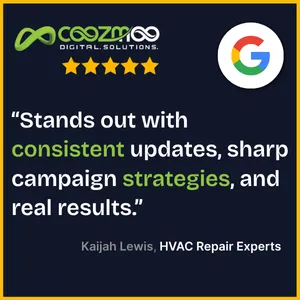
Real Reviews. Real Results.
Our clients don’t just trust us—they see real, measurable results. Hear what they're saying about the powerful "Monetized. Localized. Brandized." strategy.


































Real Reviews. Real Results.
Our clients don’t just trust us—they see real, measurable results. Hear what they're saying about the powerful "Monetized. Localized. Brandized." strategy.




Real Reviews. Real Results.
Our clients don’t just trust us—they see real, measurable results. Hear what they're saying about the powerful "Monetized. Localized. Brandized." strategy.

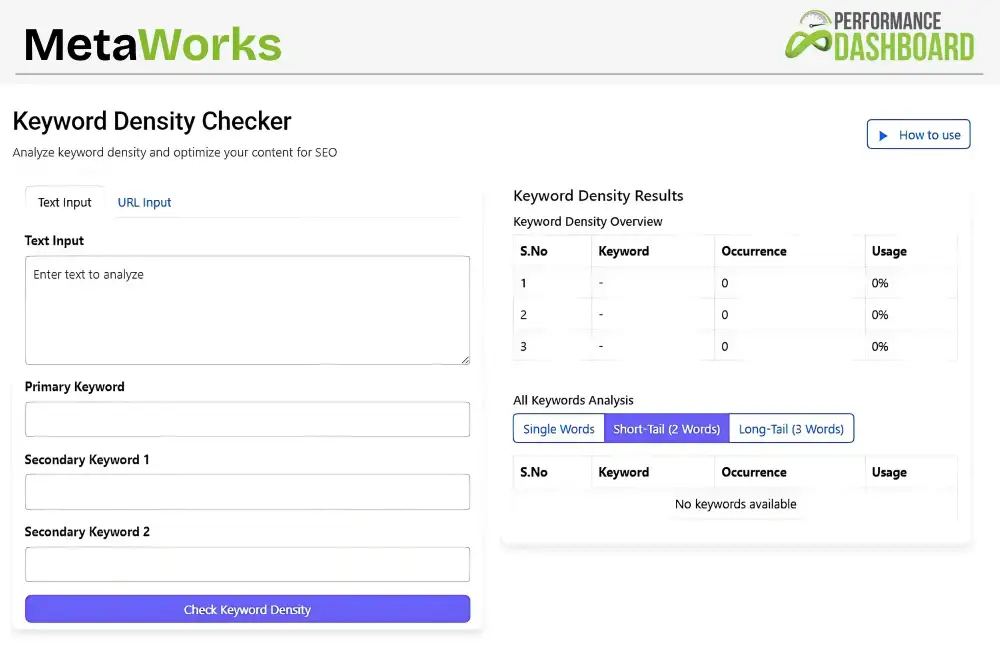
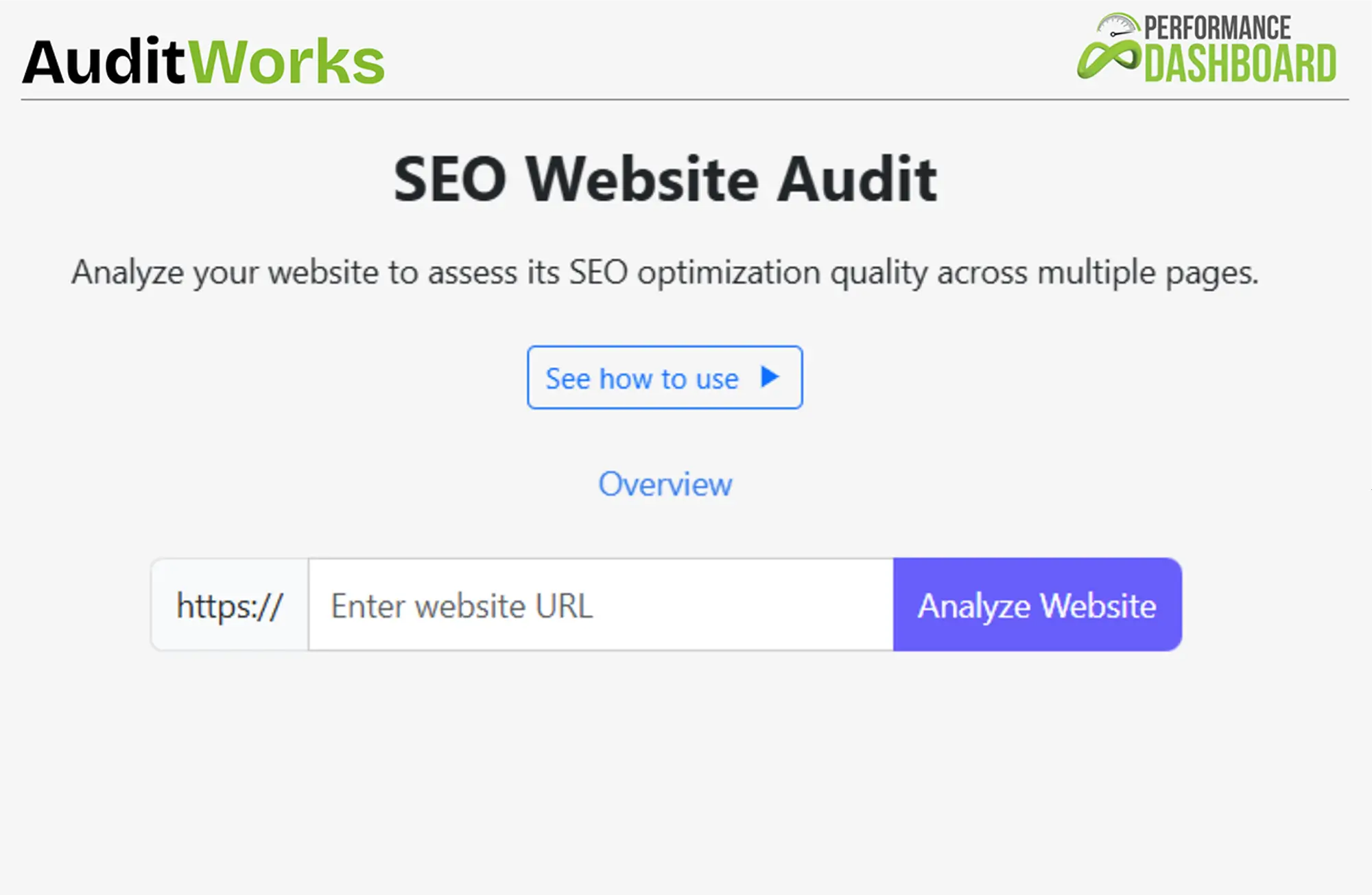
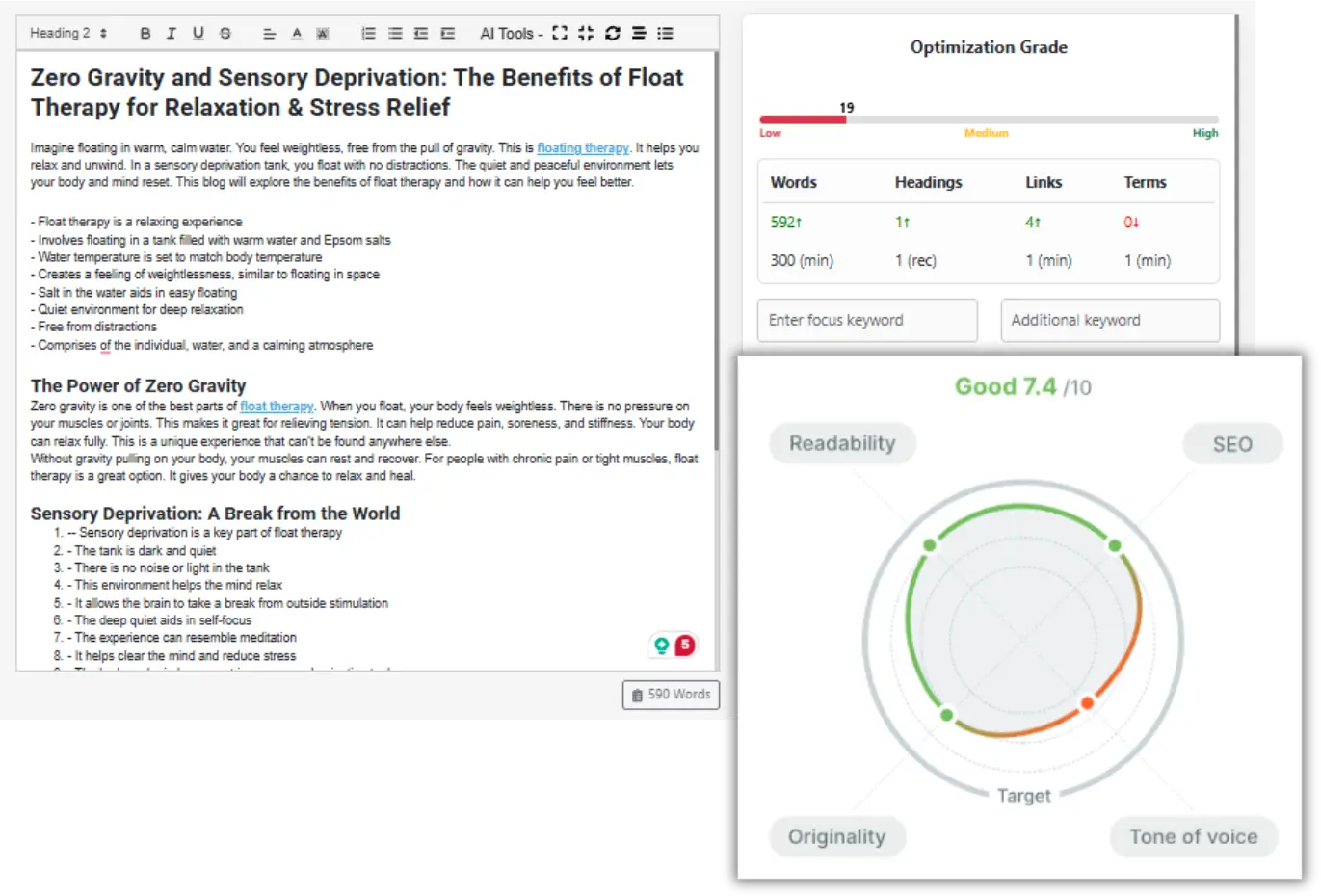
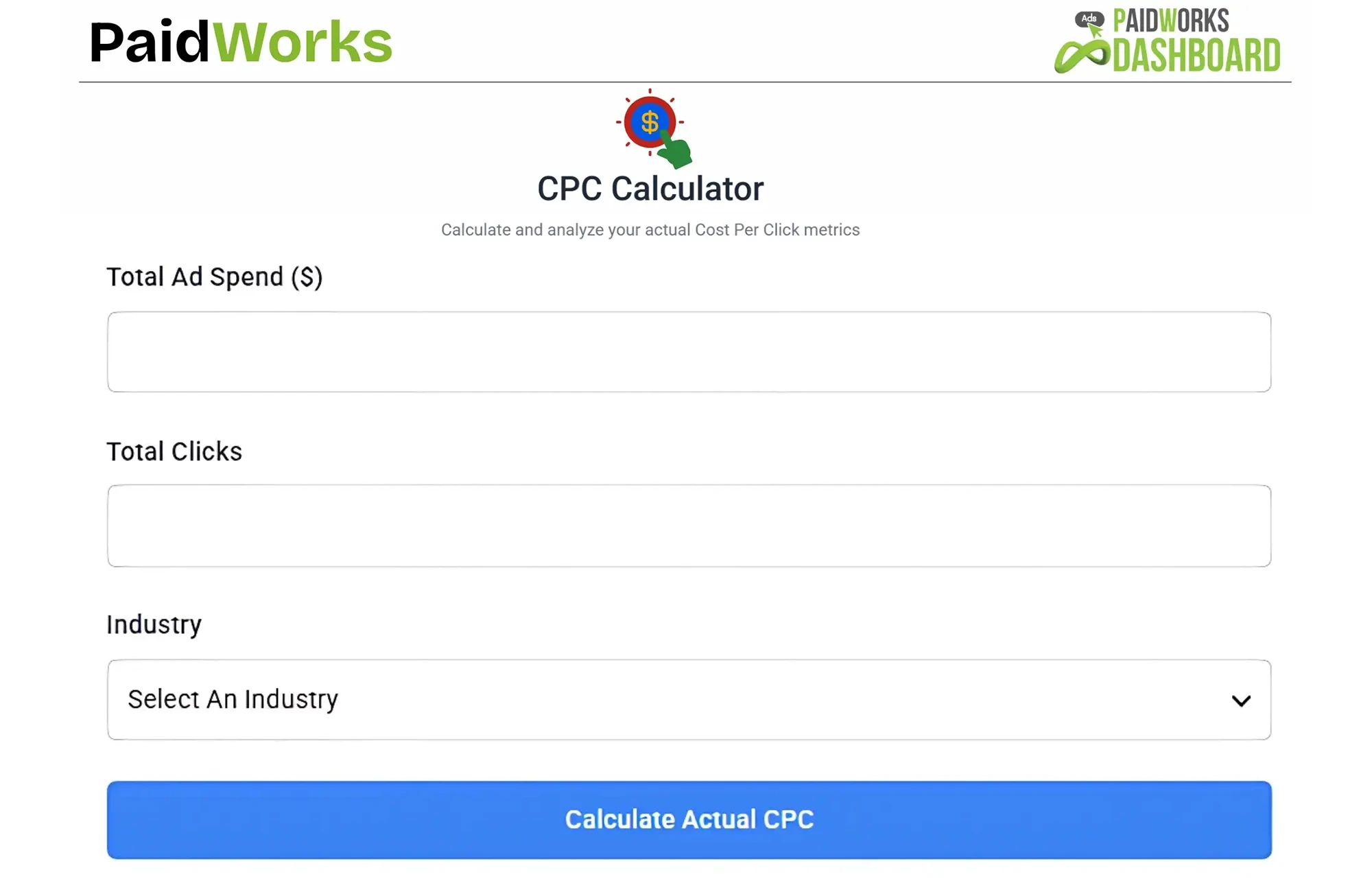
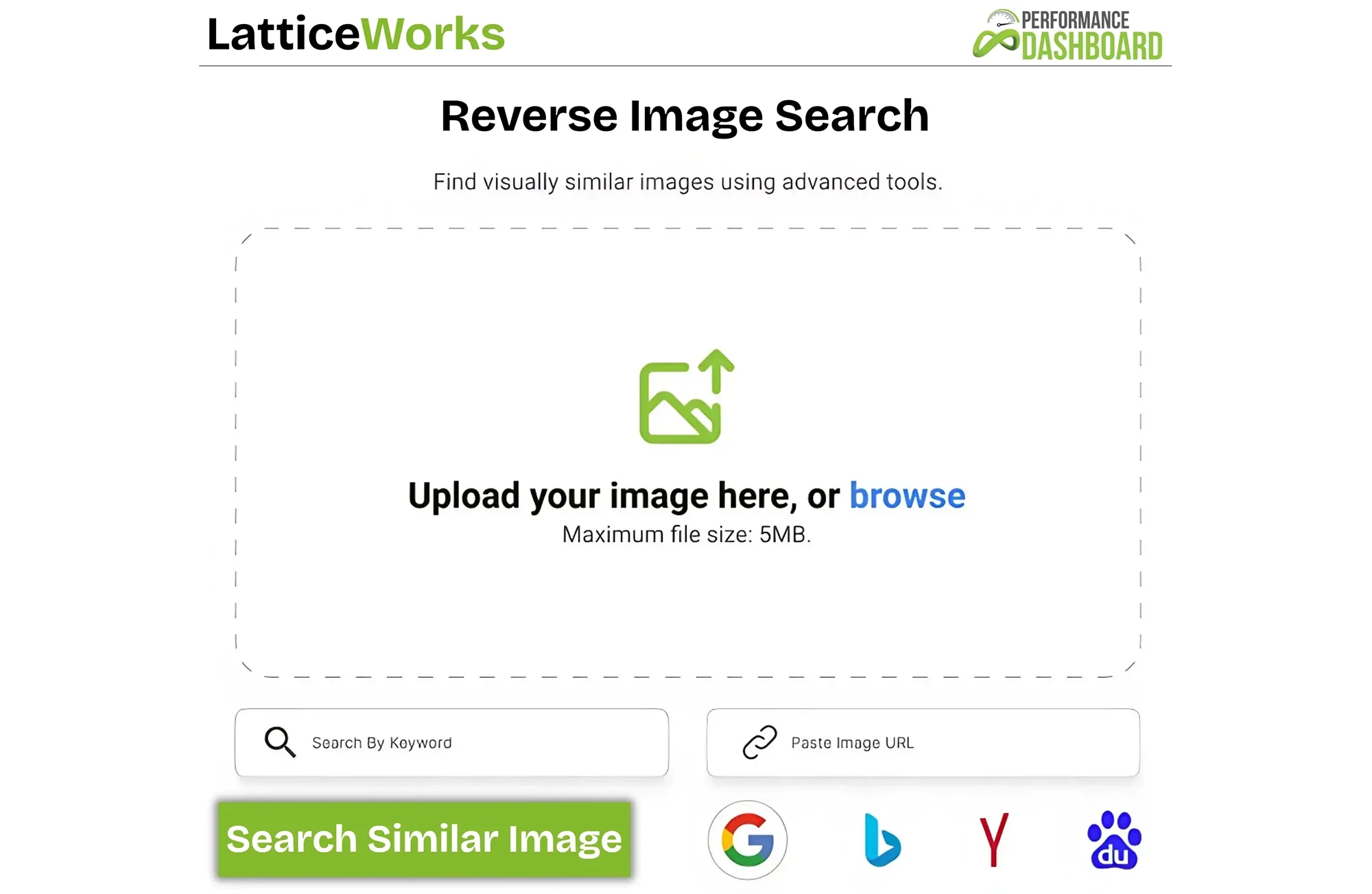
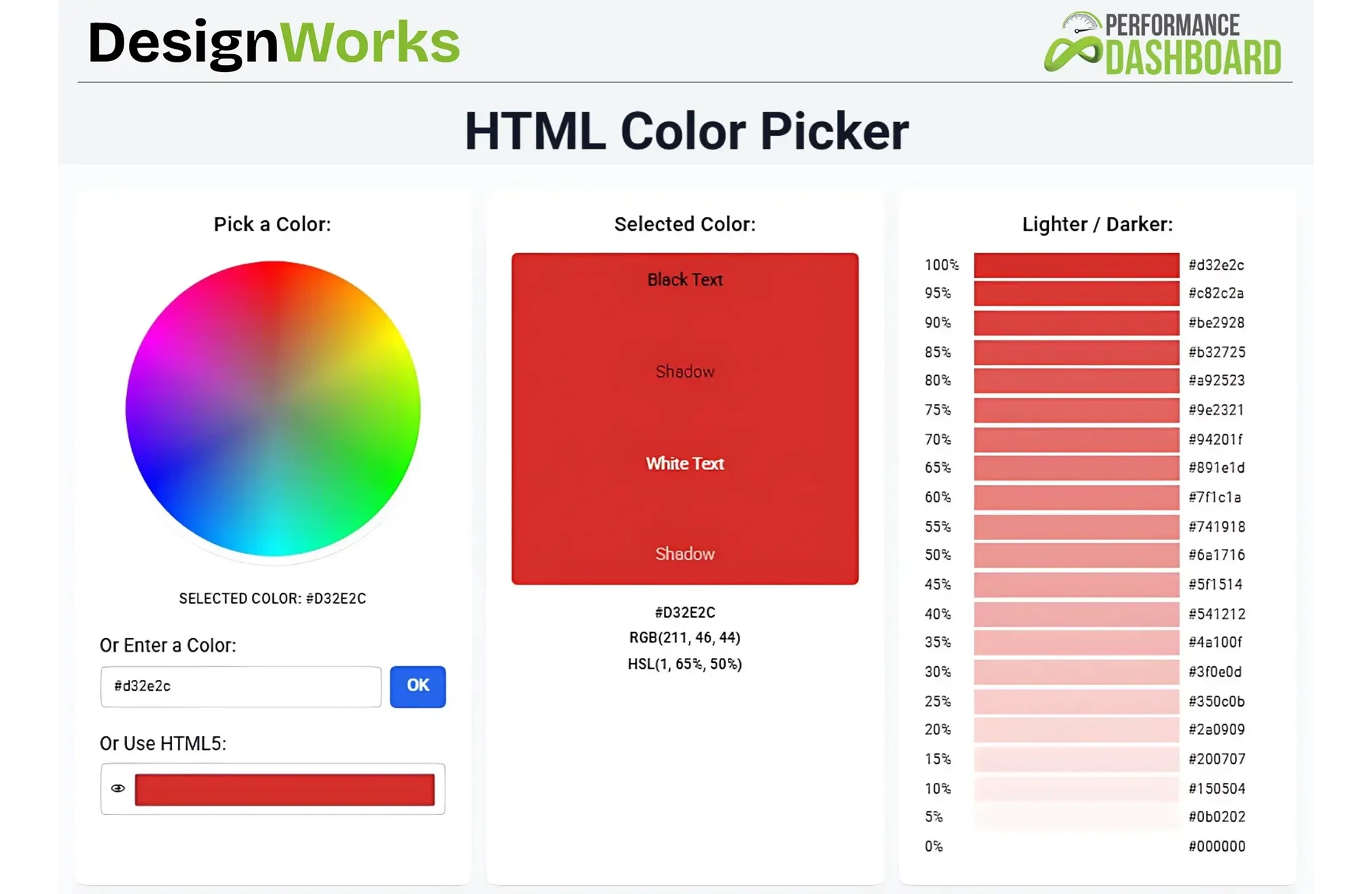
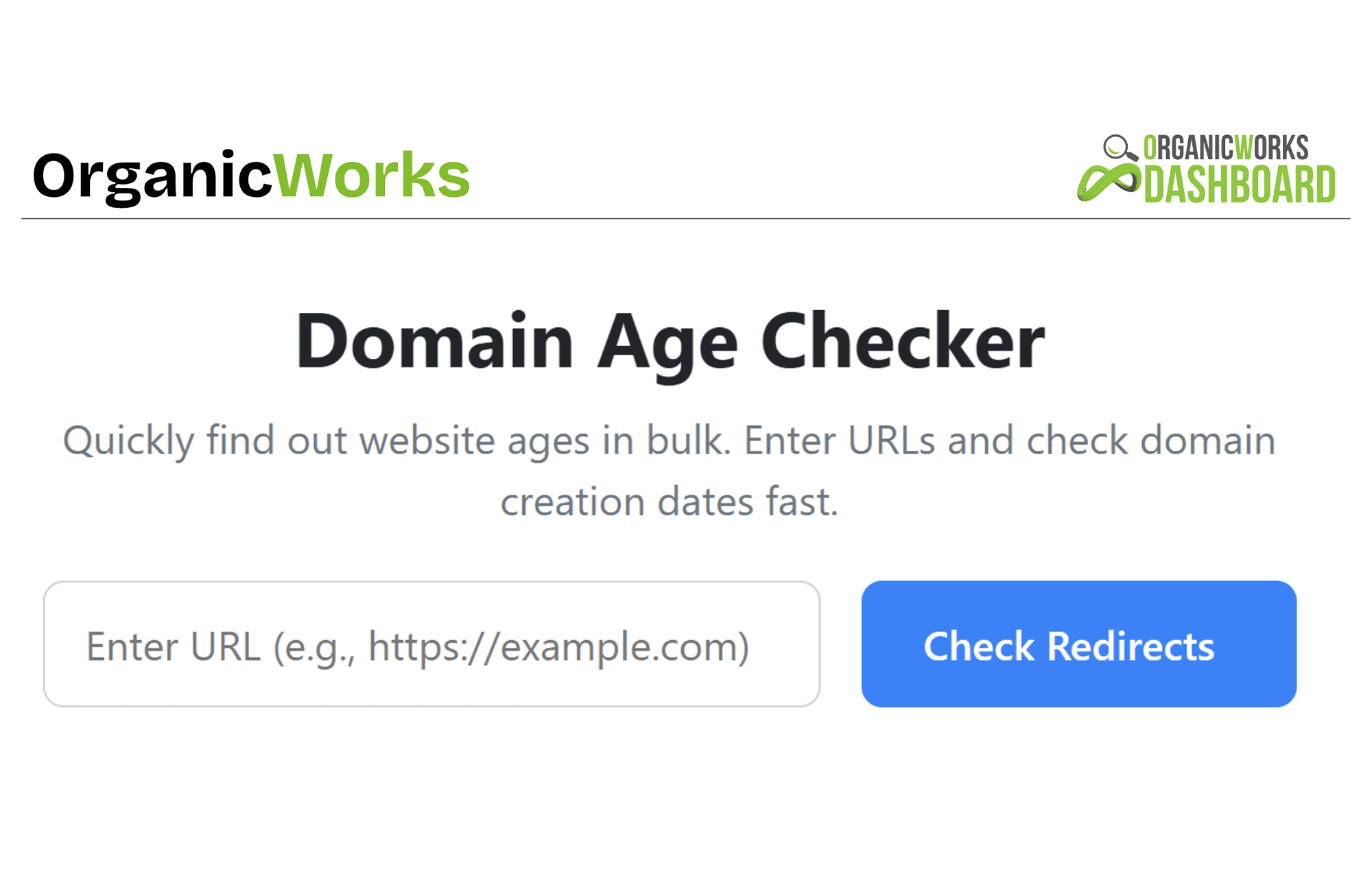
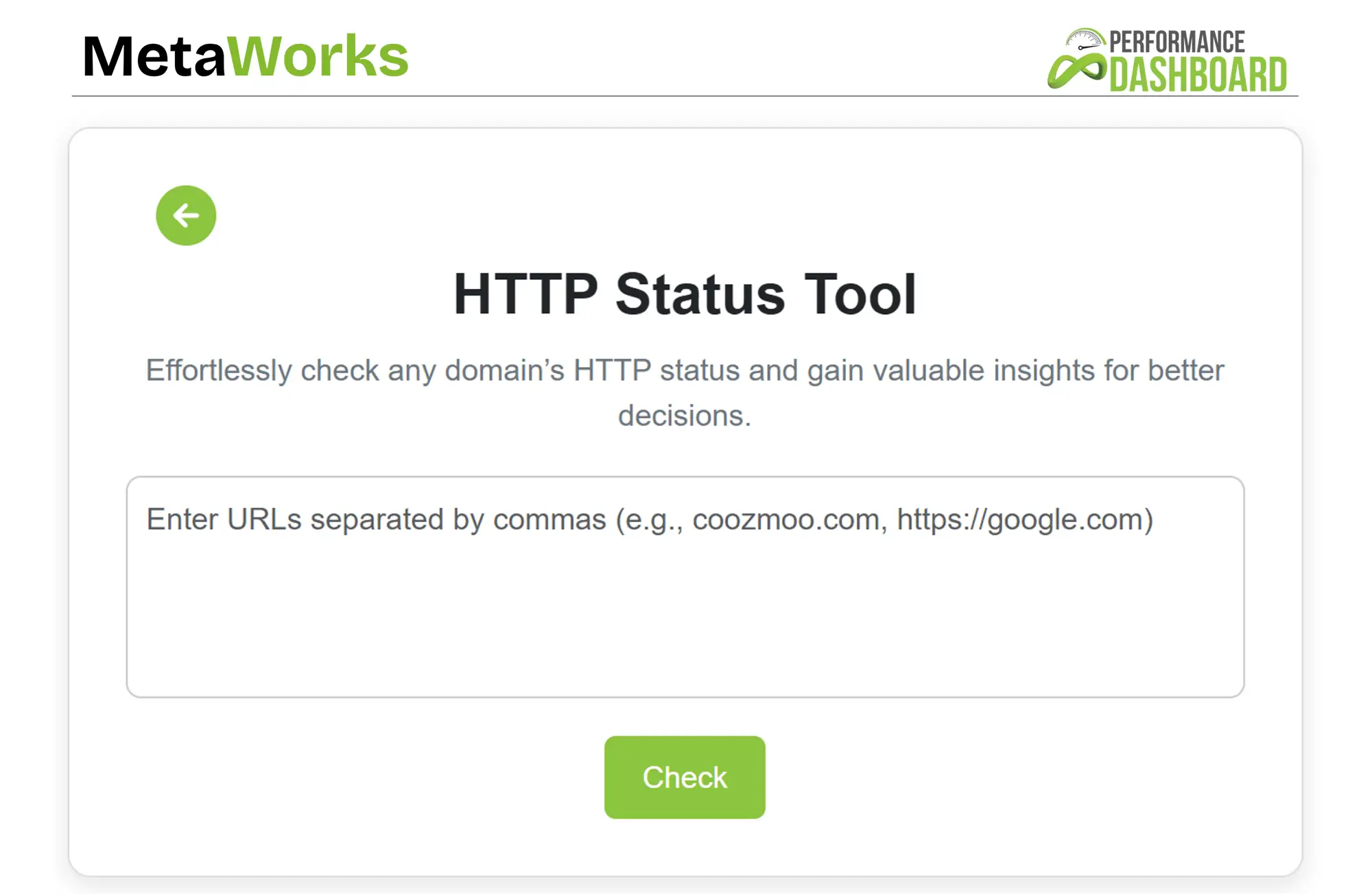
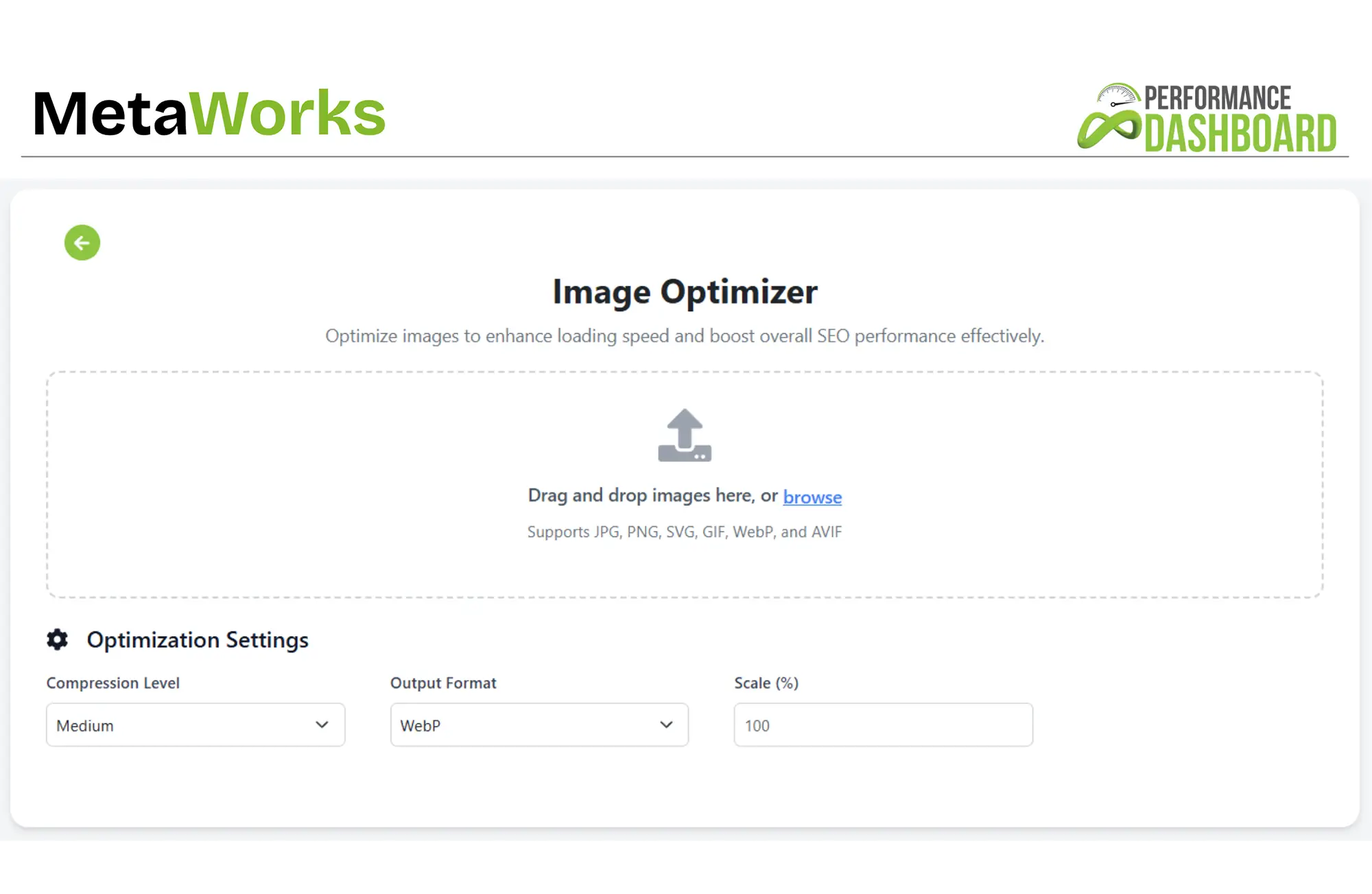
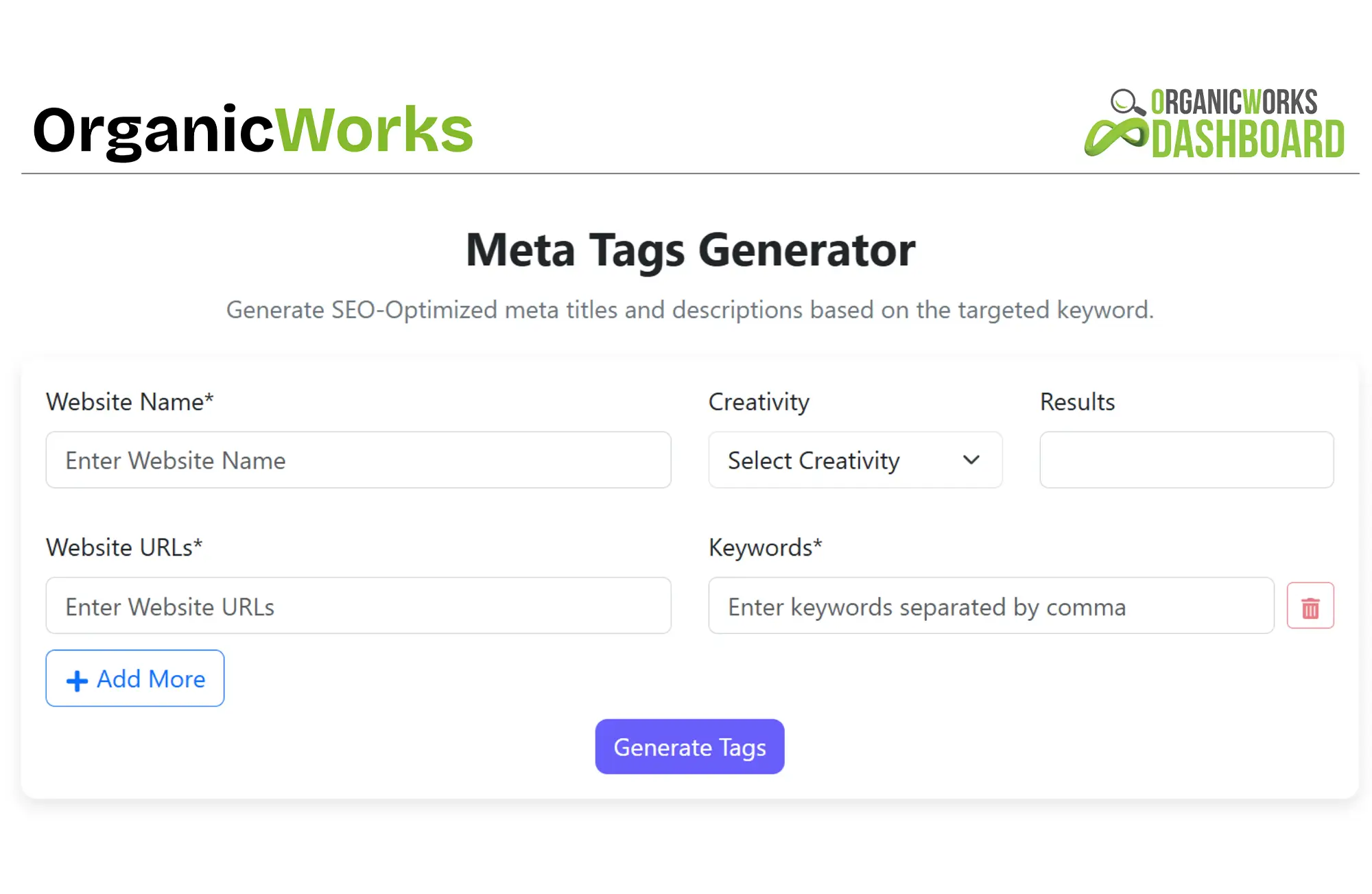
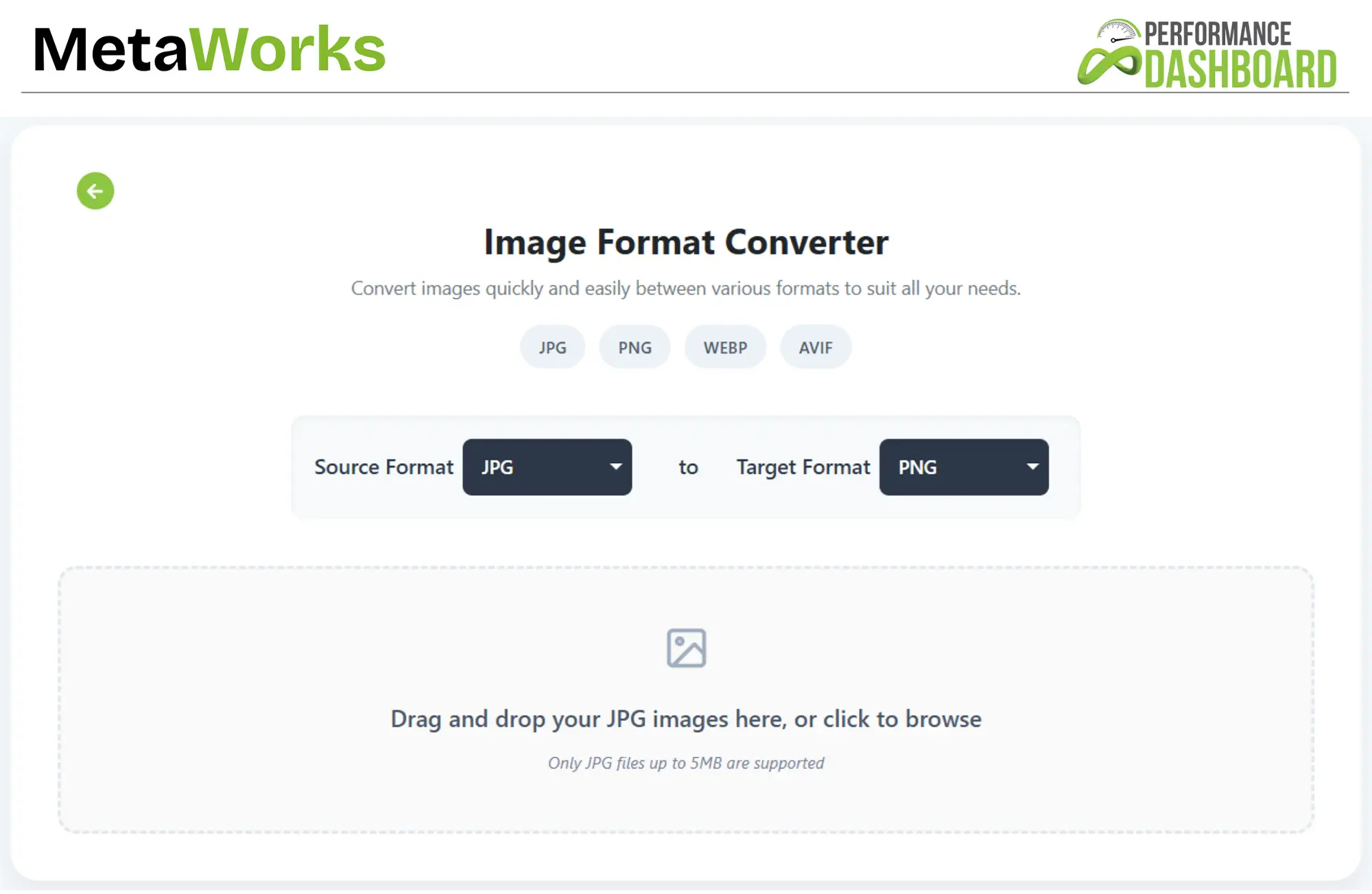
Explore More Free Tools
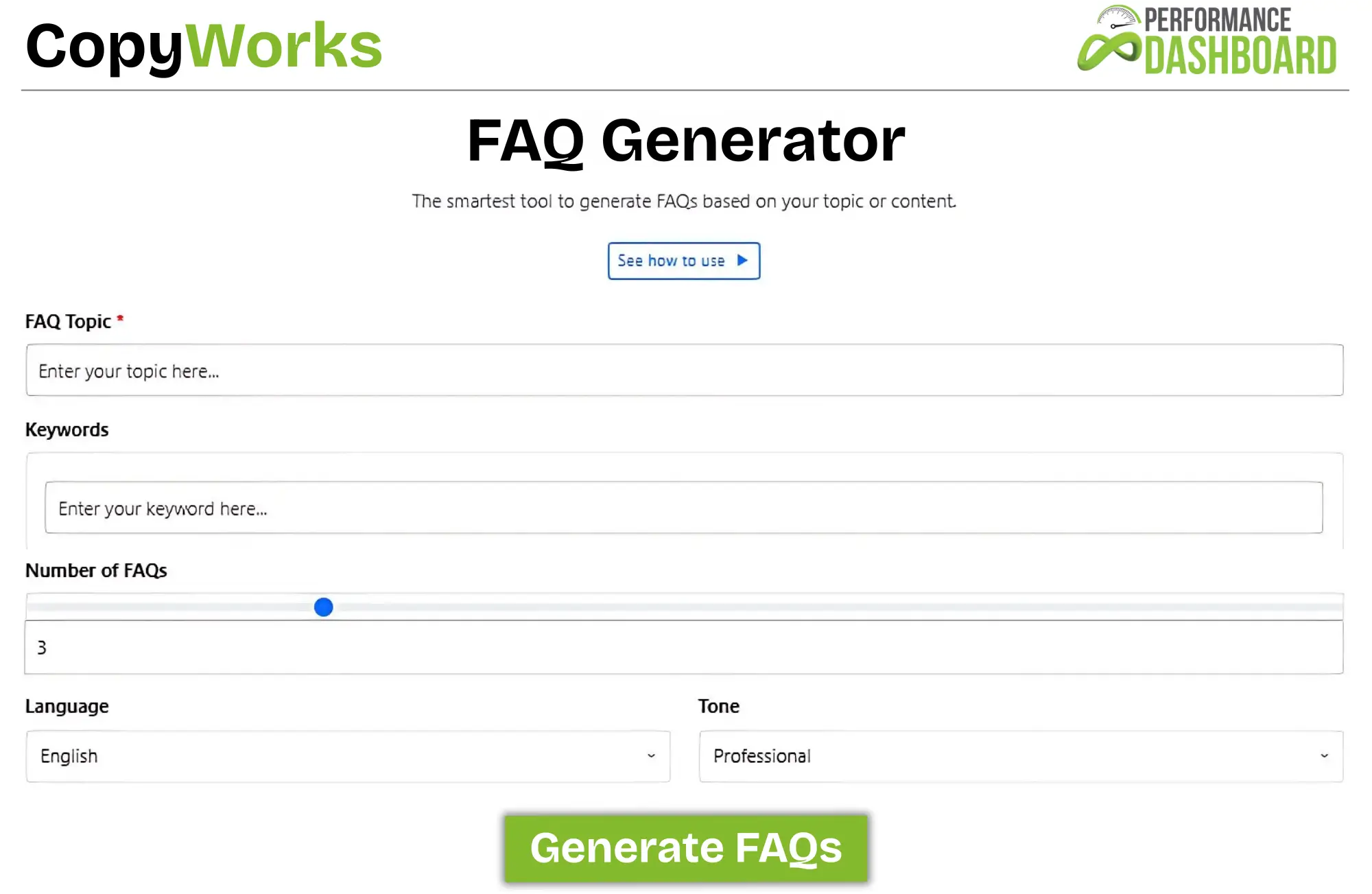
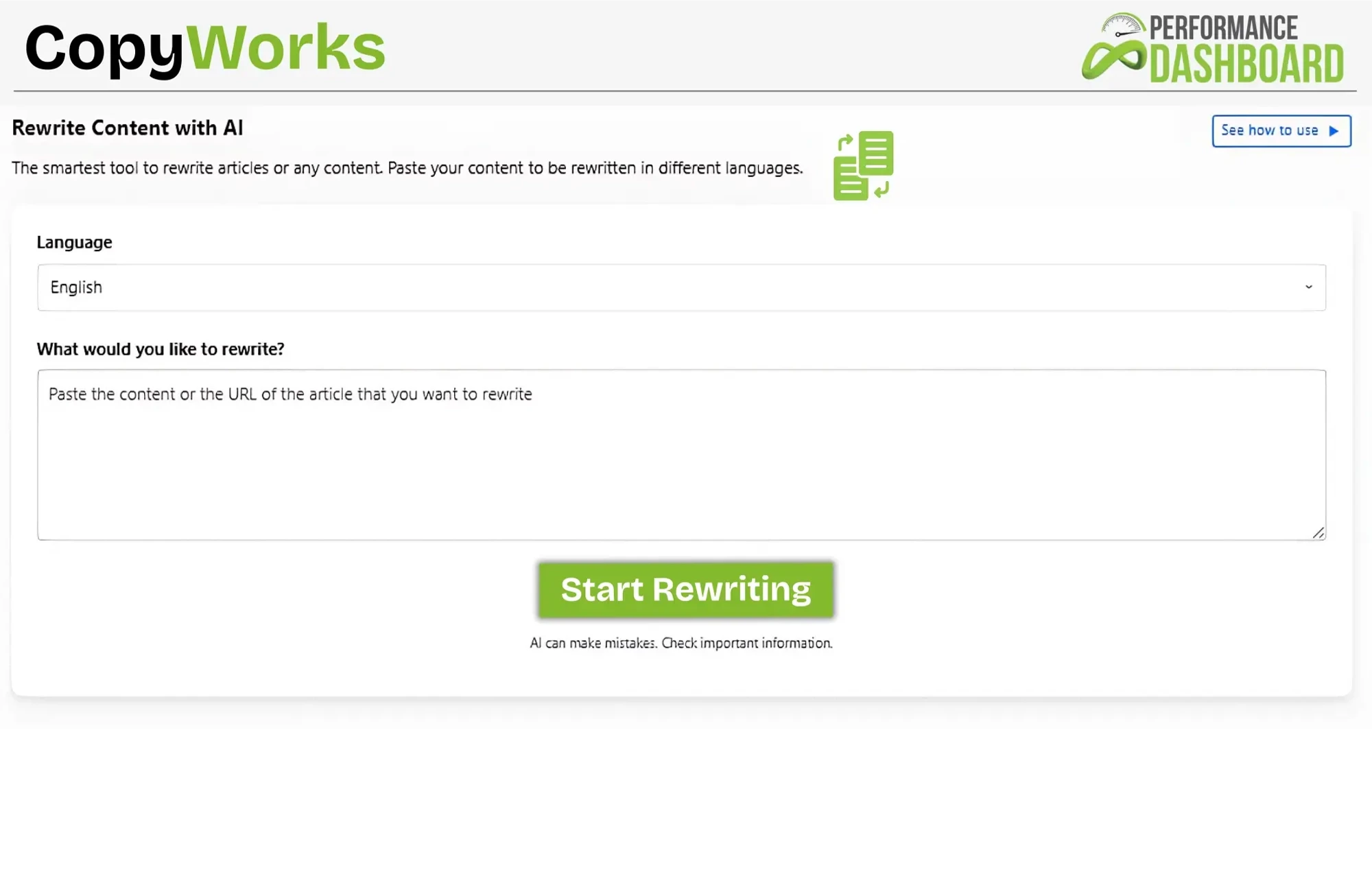
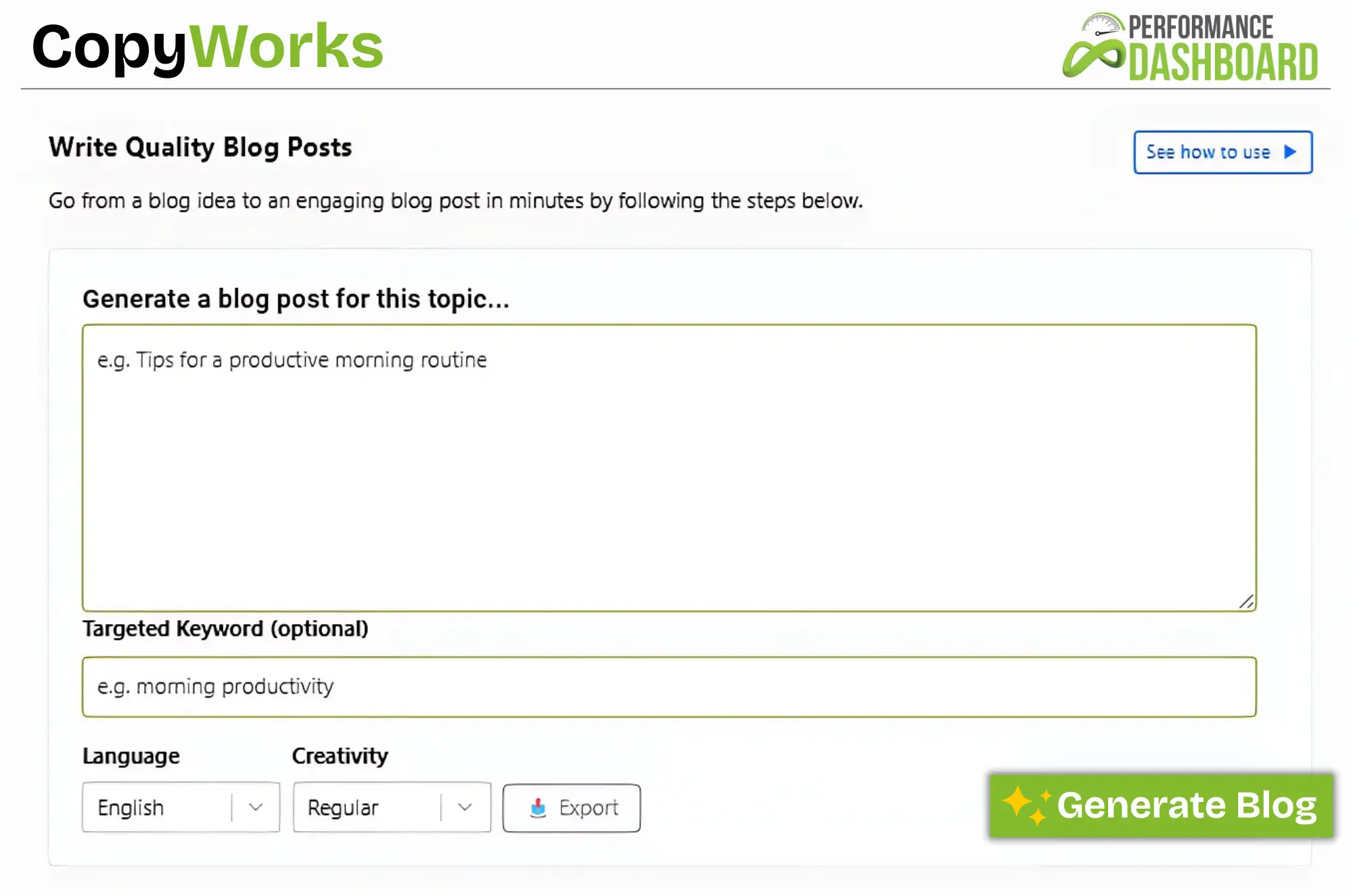
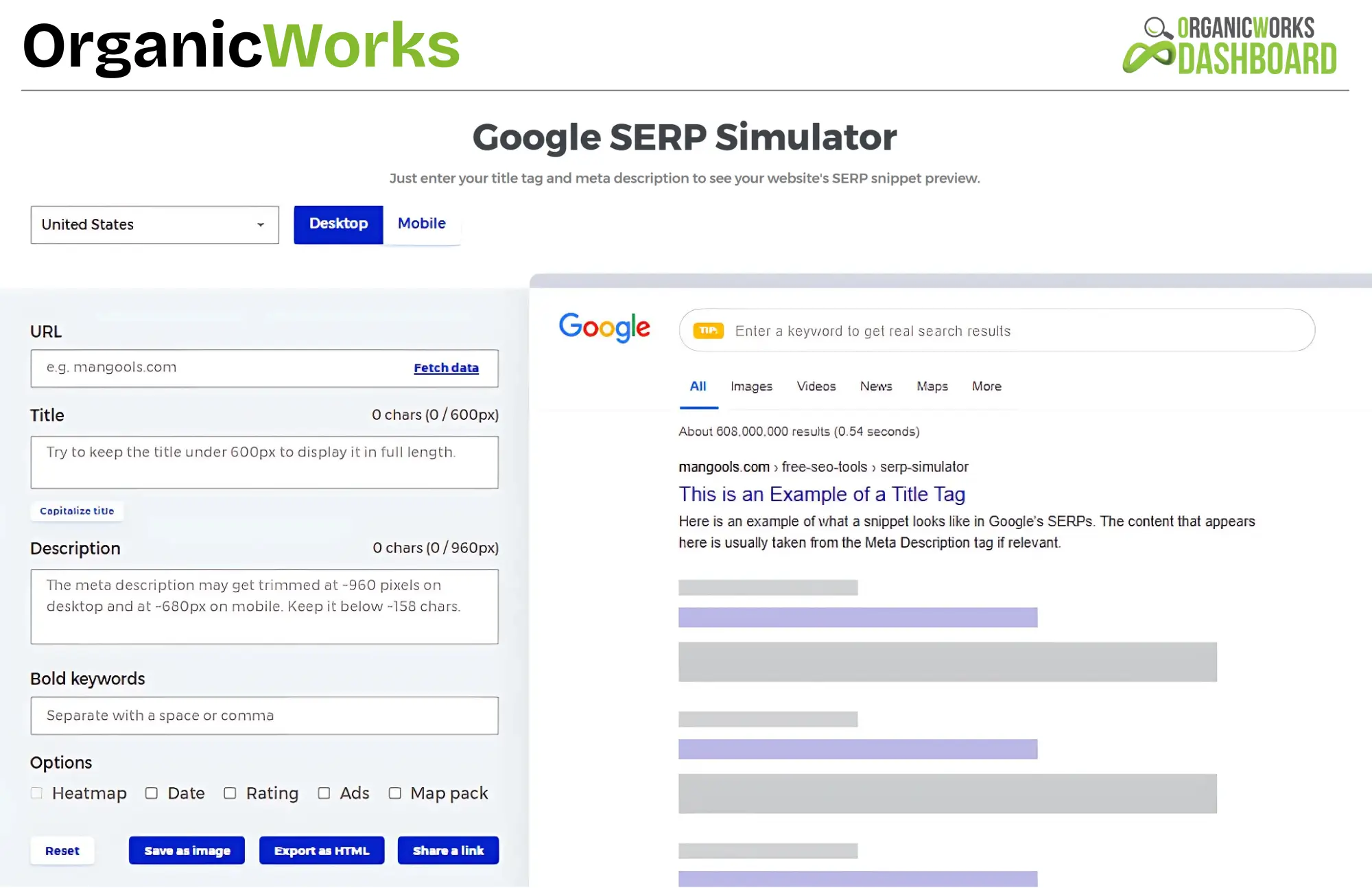
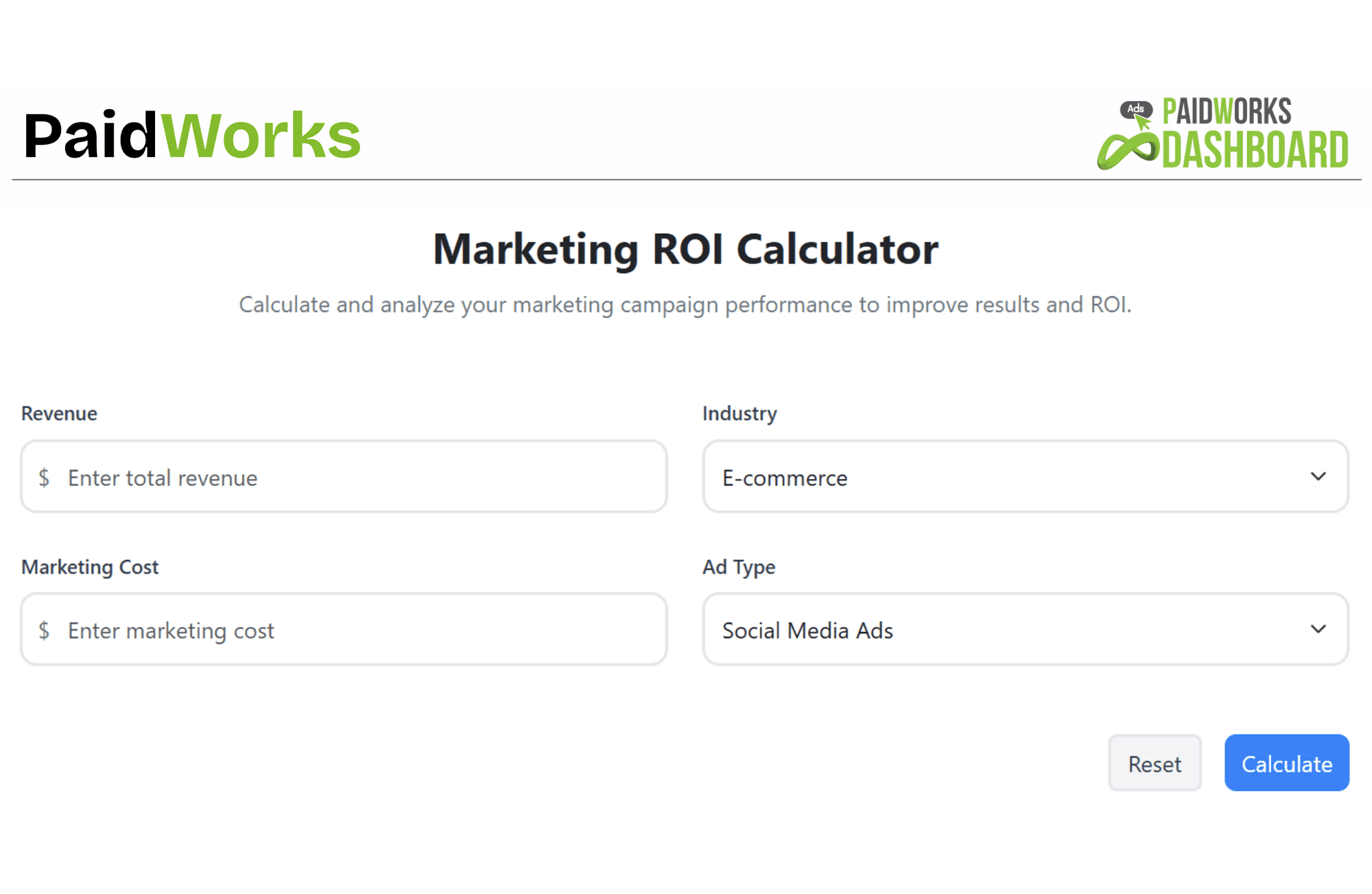
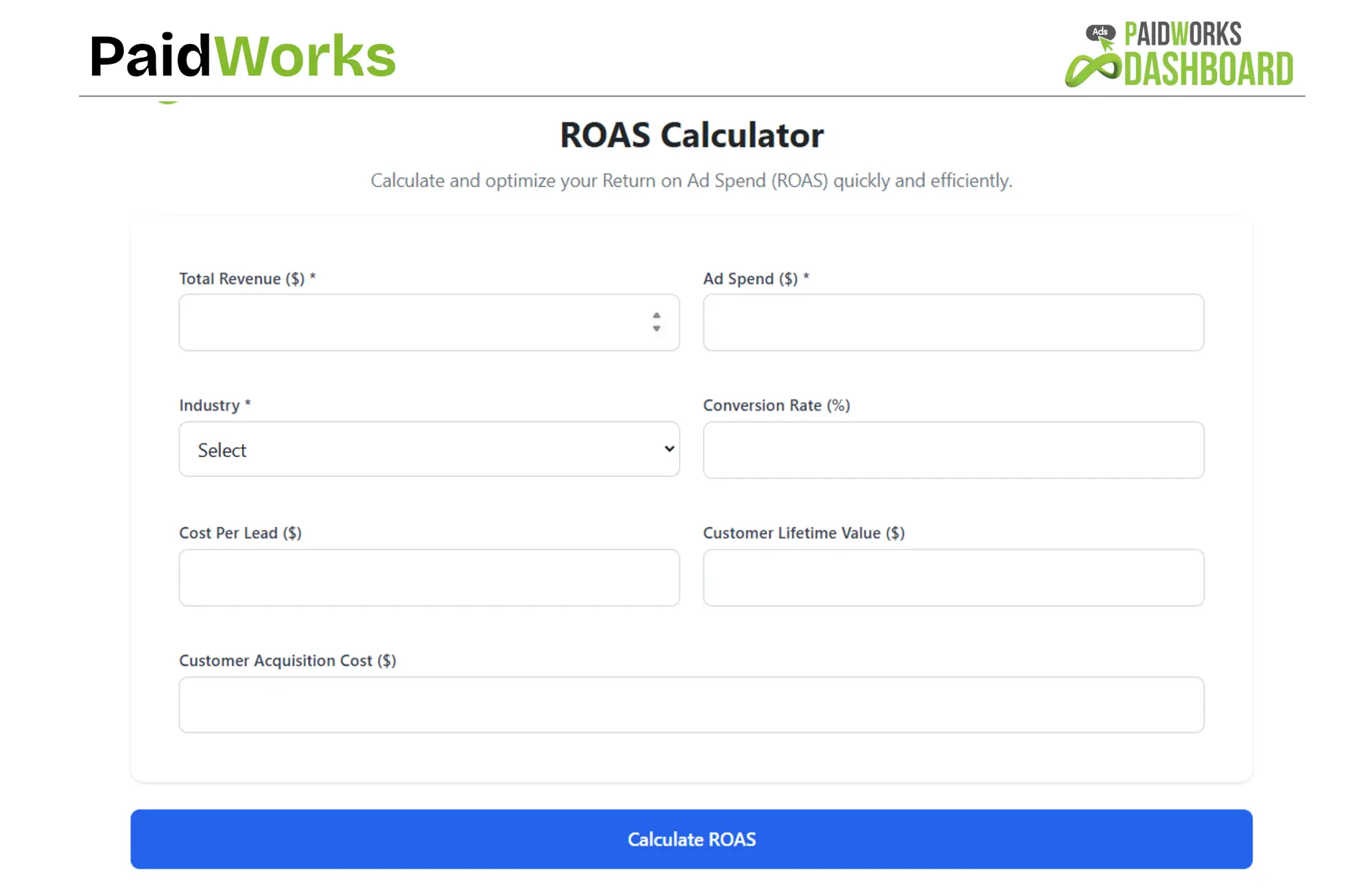
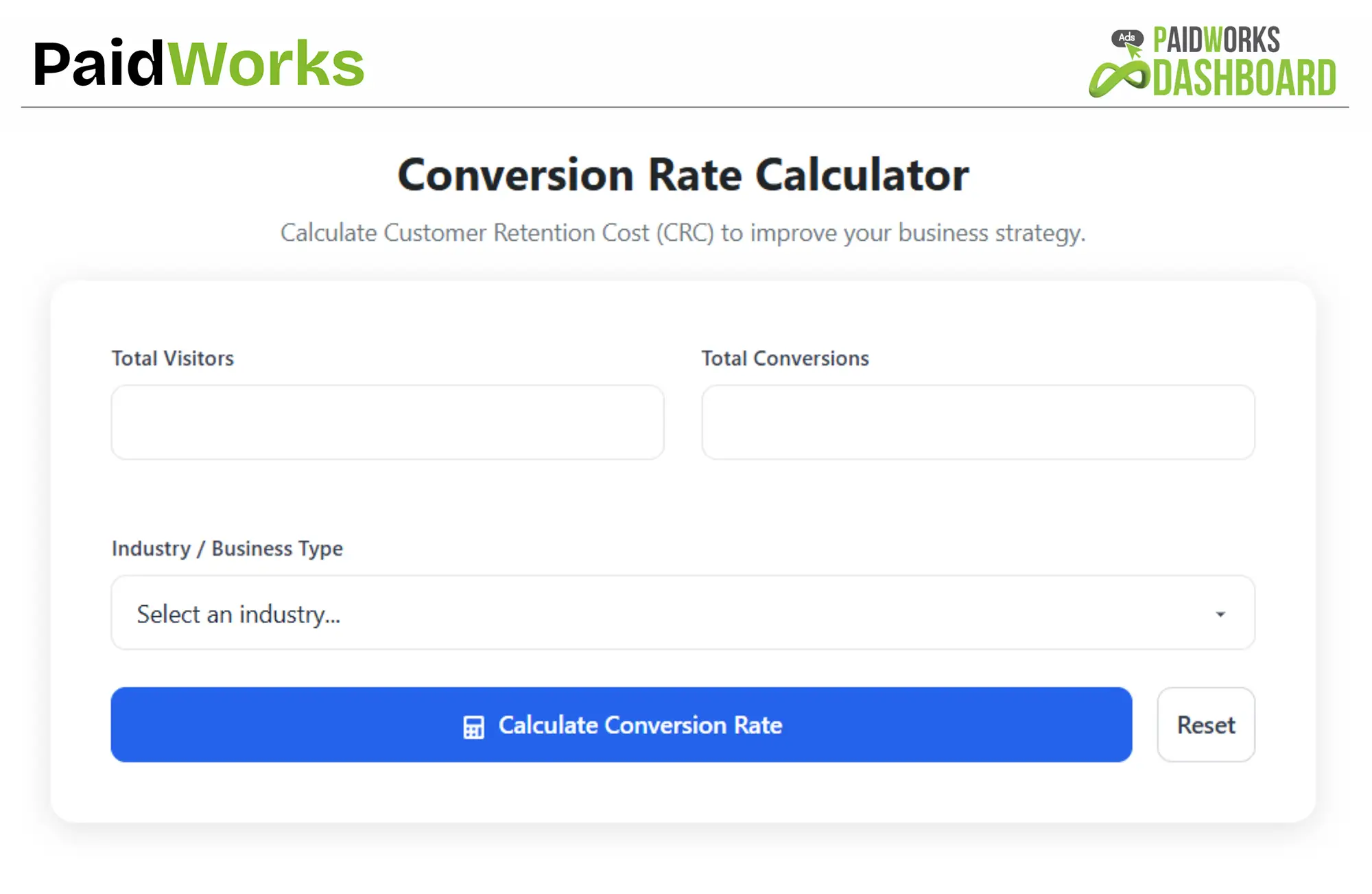
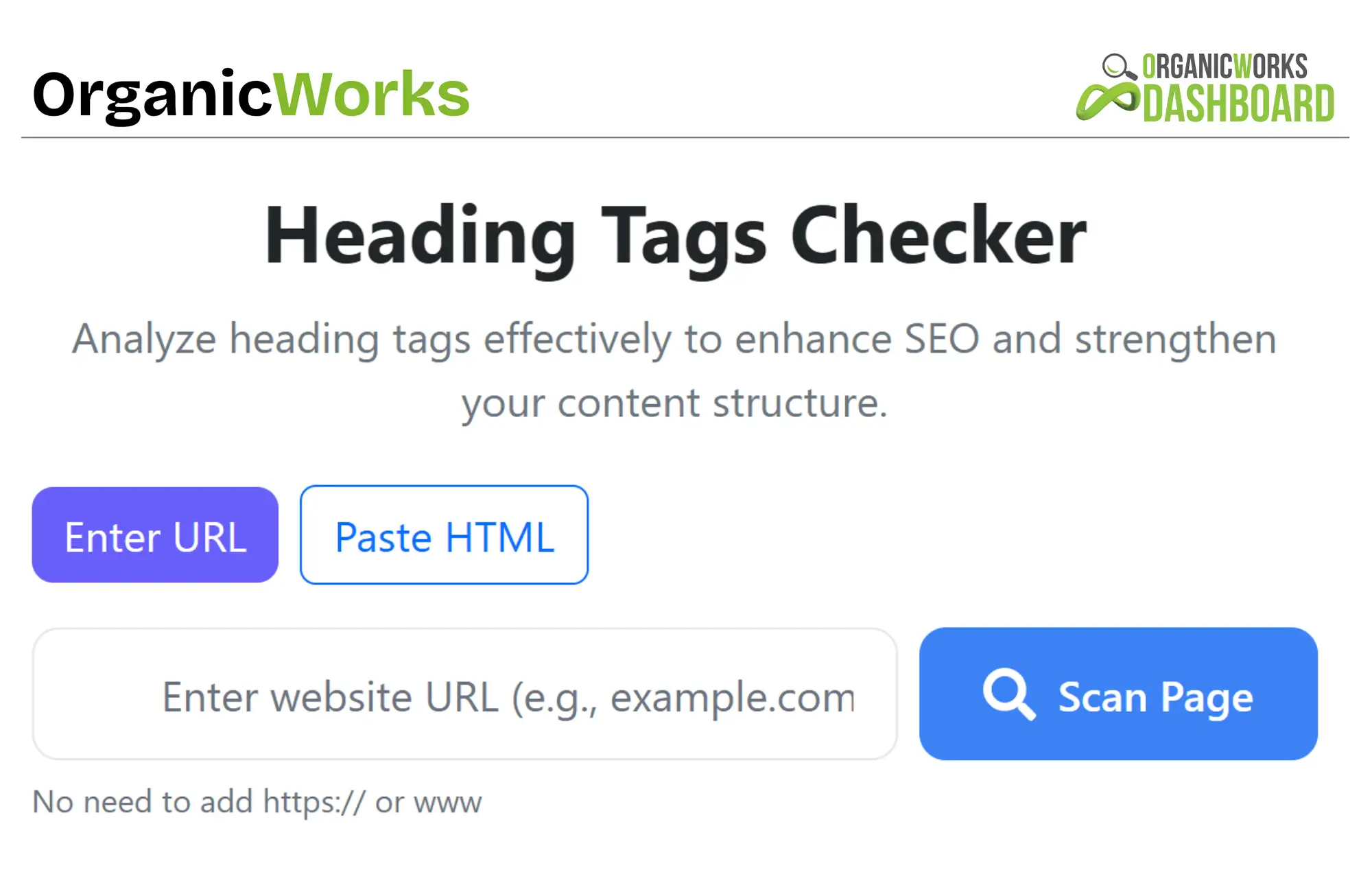
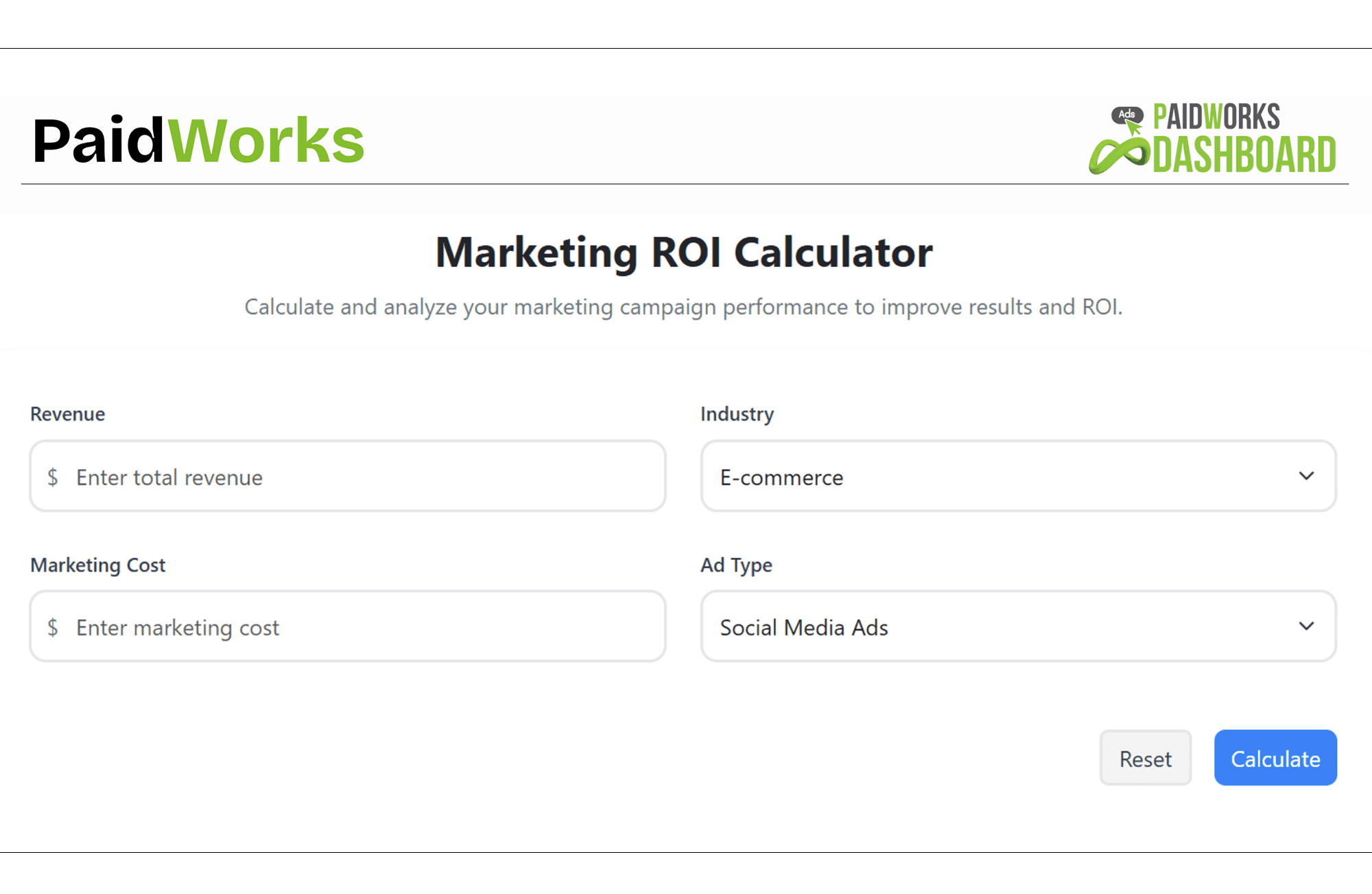
Use our free calculators to track key metrics and optimize your marketing strategy.


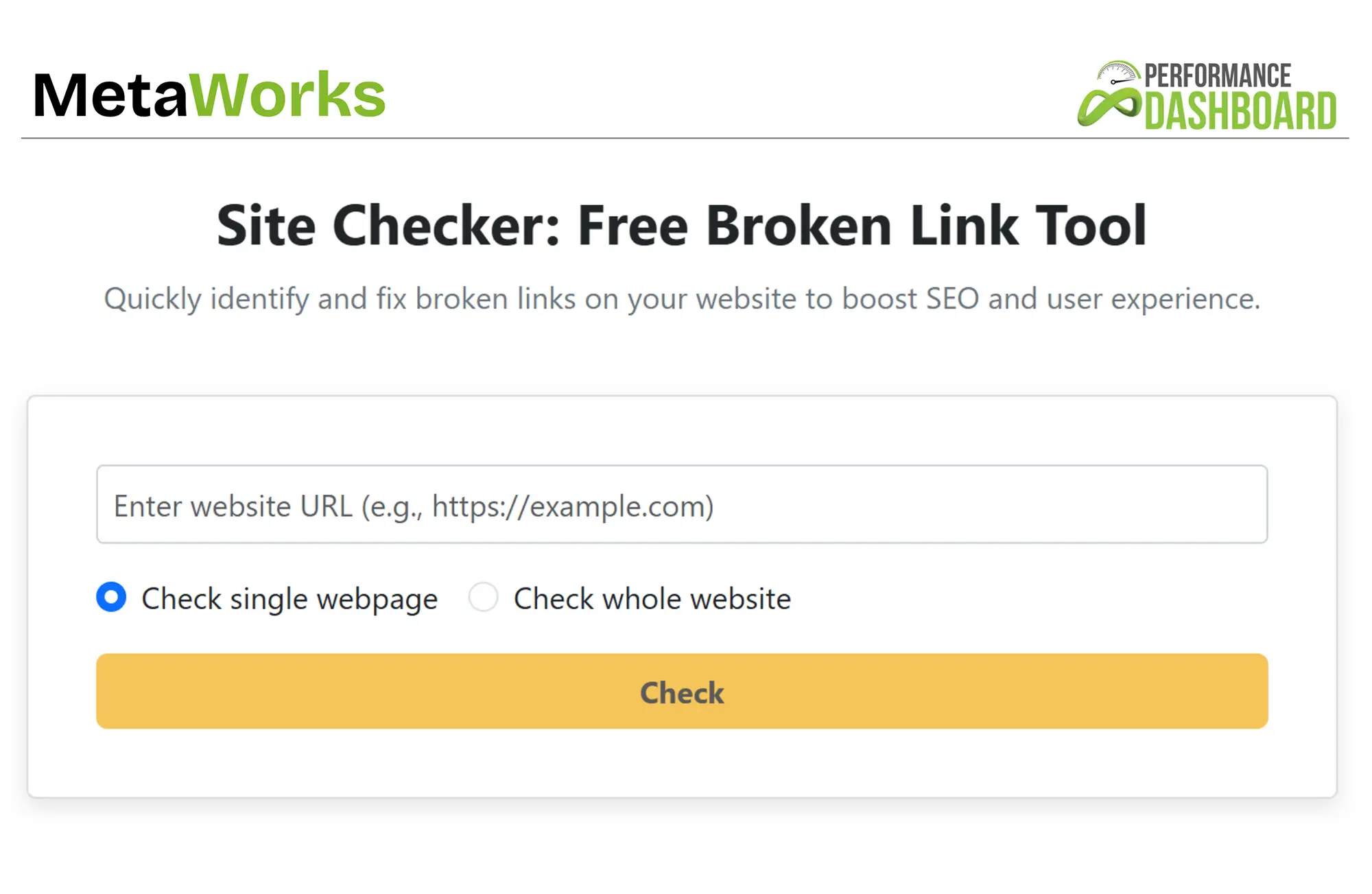
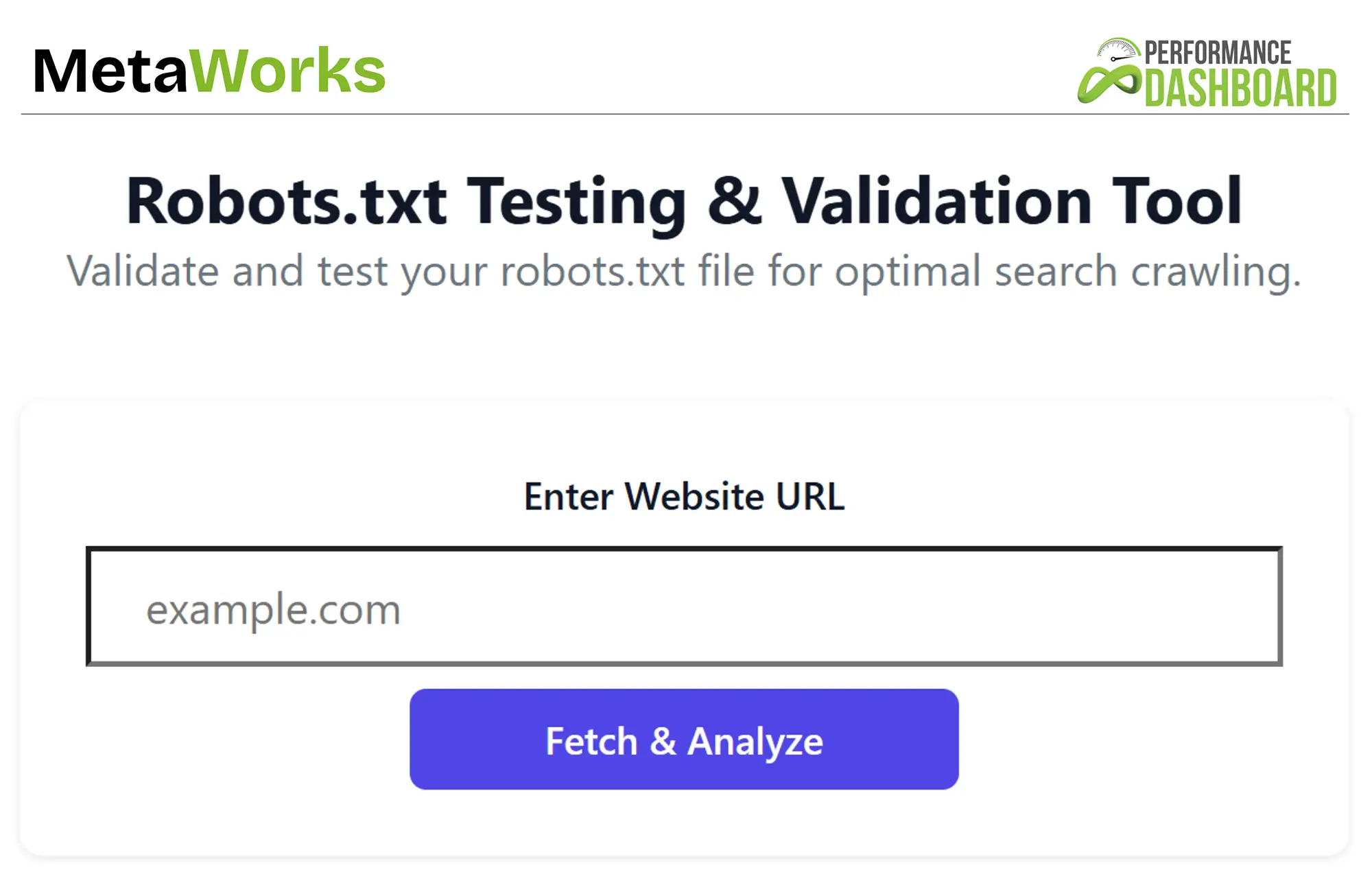

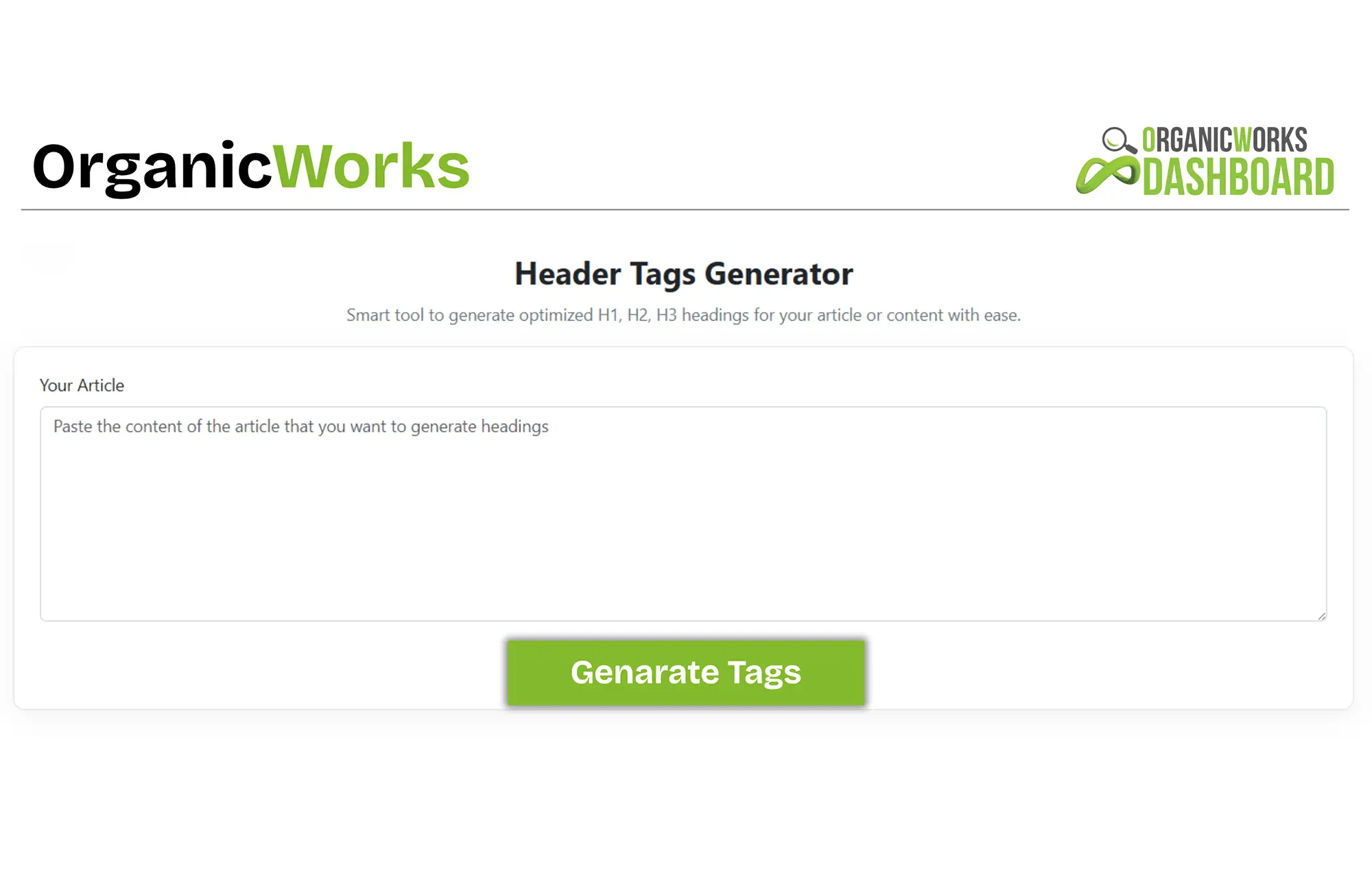
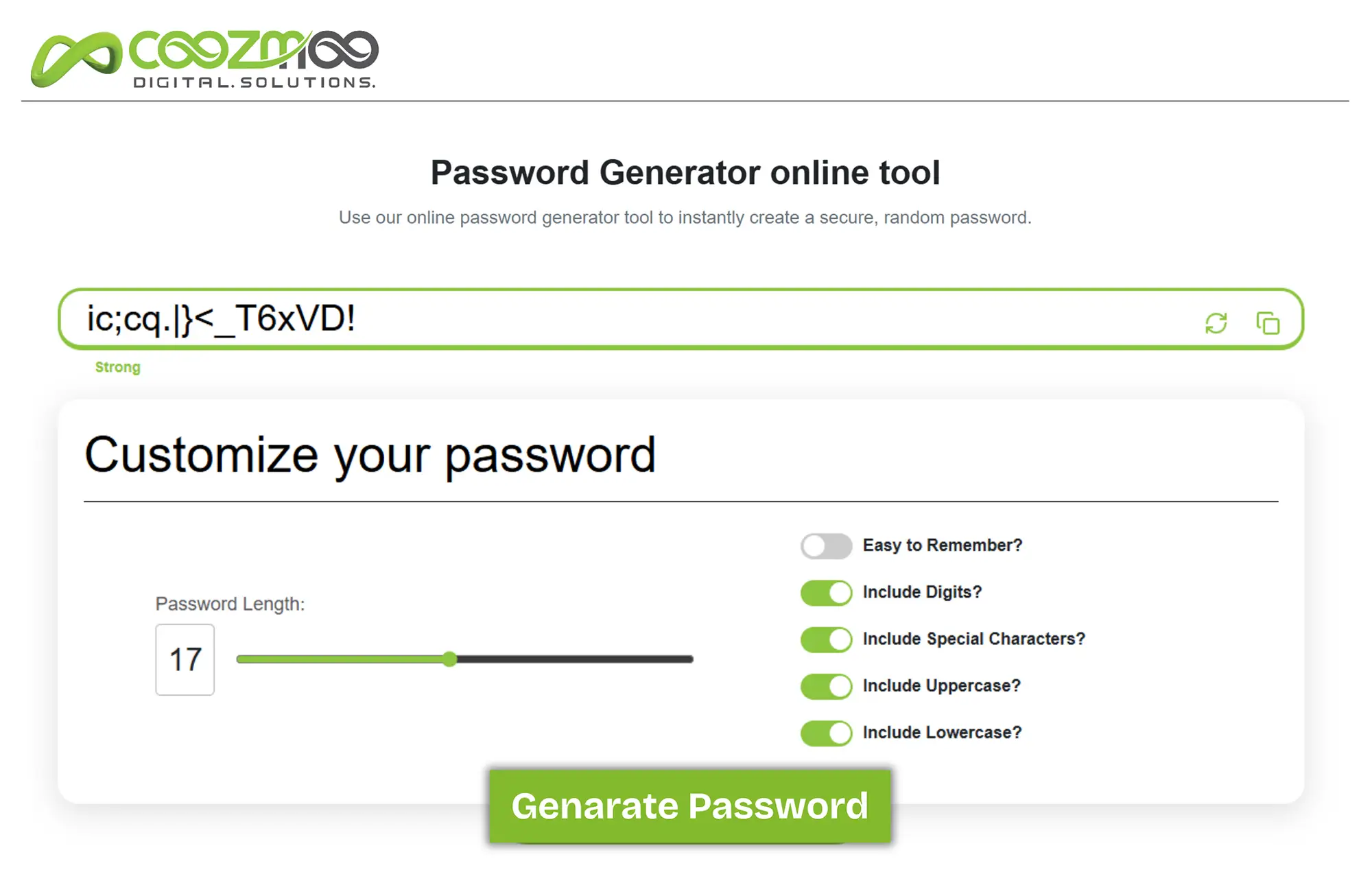
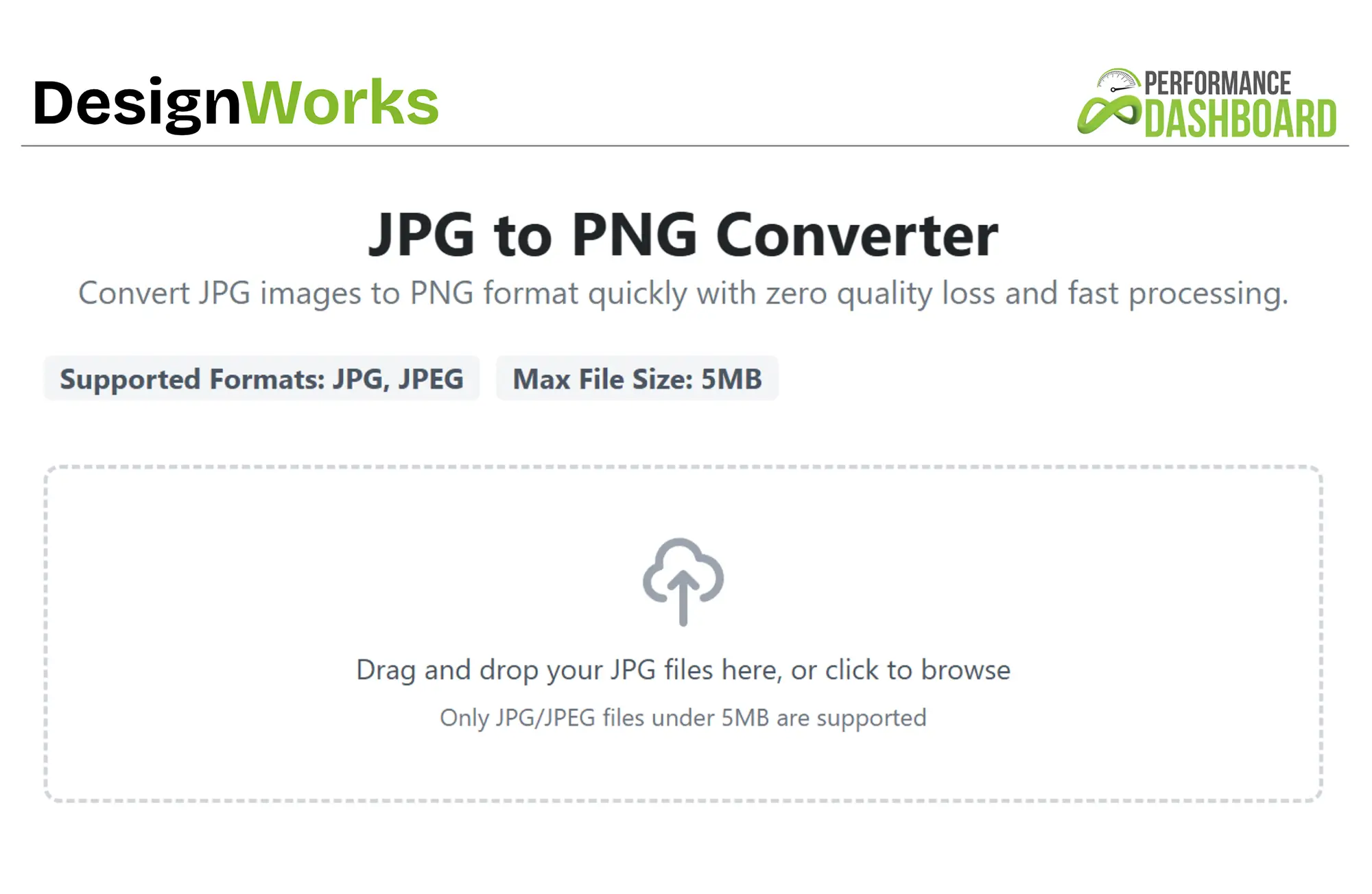
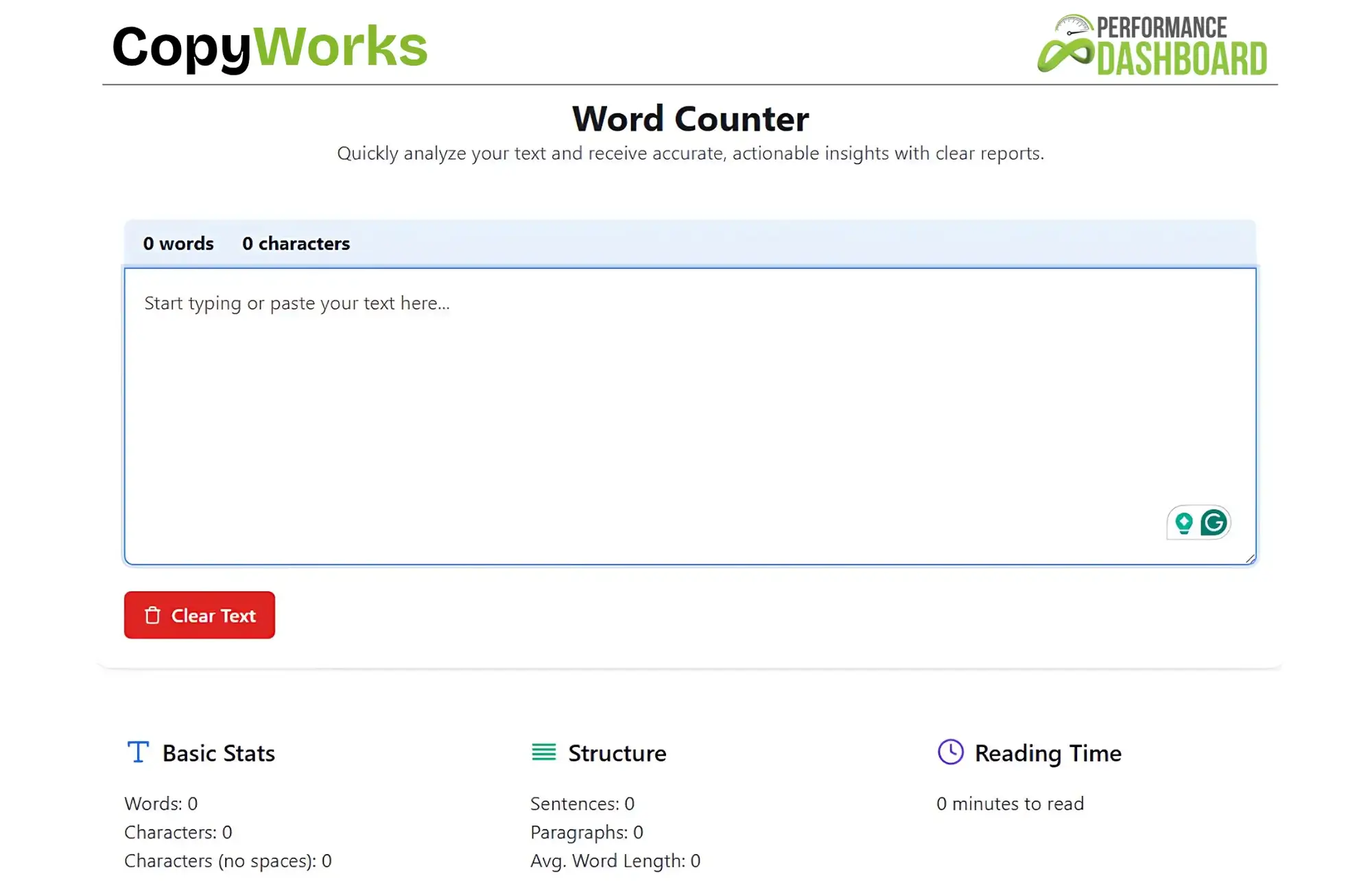
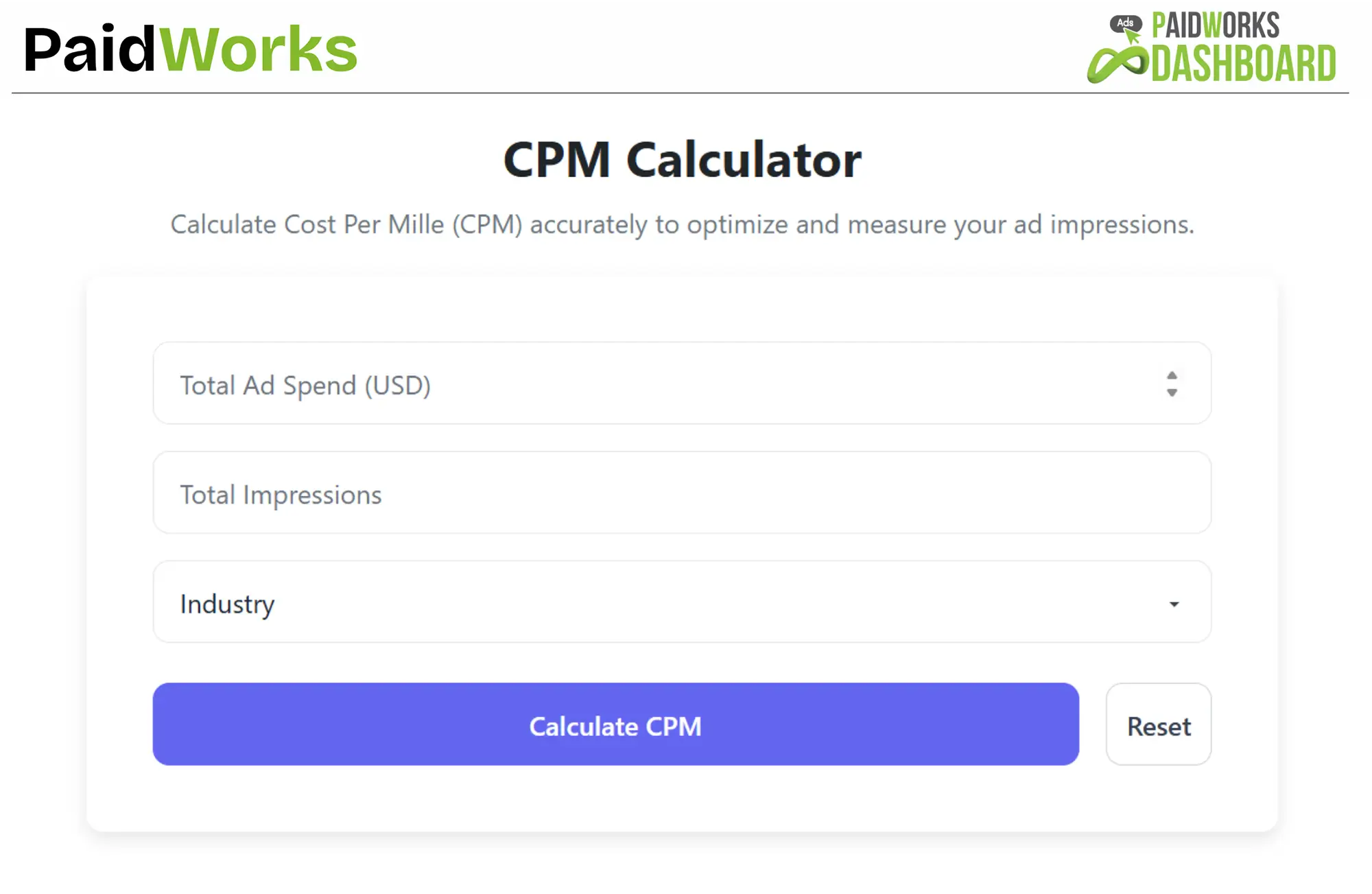
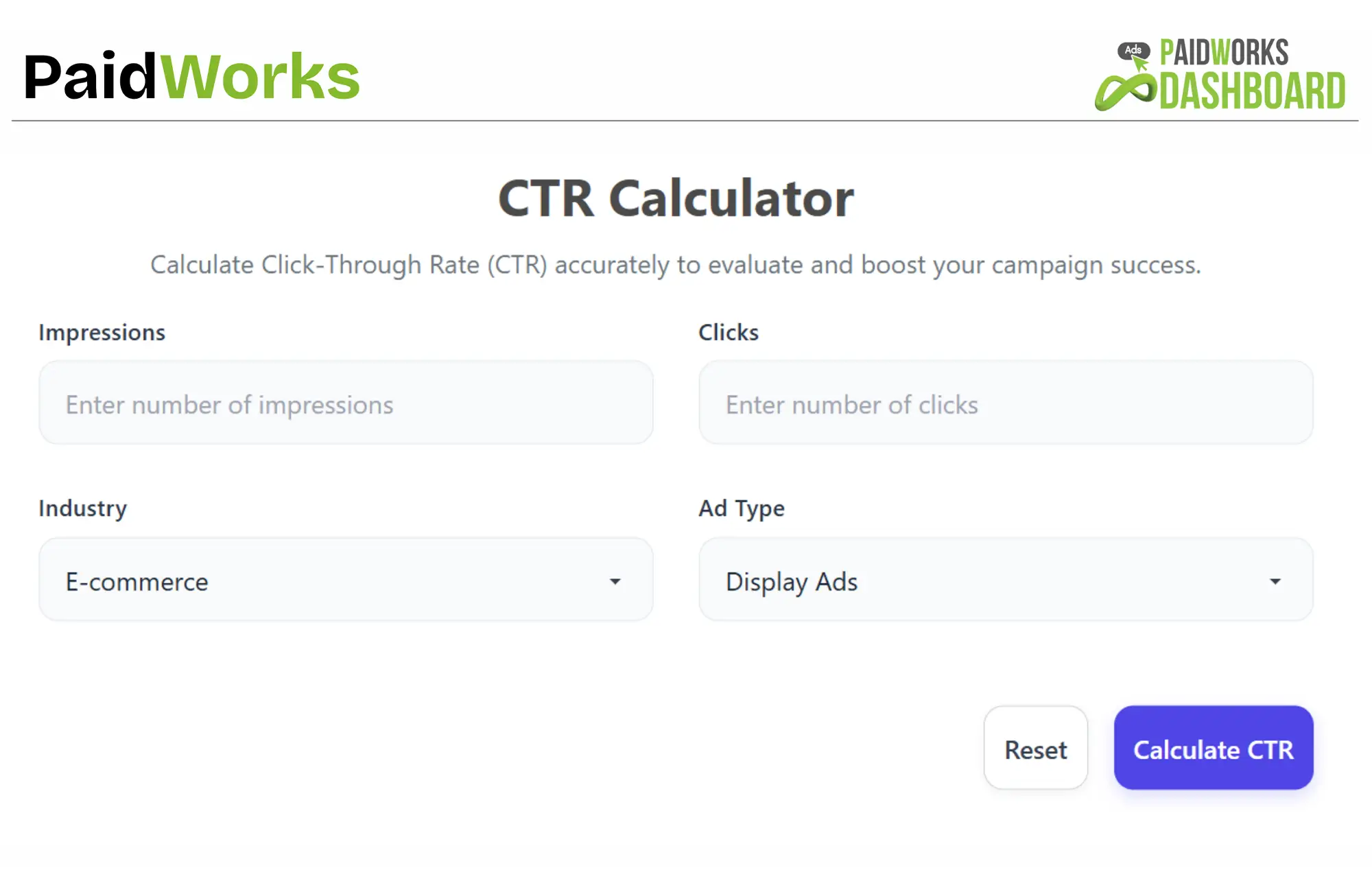
Explore More Free Tools
Use our free calculators to track key metrics and optimize your marketing strategy.

Explore More Free Tools
Use our free calculators to track key metrics and optimize your marketing strategy.
Explore More Free Tools
Use our free calculators to track key metrics and optimize your marketing strategy.
Frequently Asked Questions (FAQs)
Frequently Asked Questions
Check out our FAQs for quick solutions. If you need more info, feel free to reach out or book a free consultation call.
Explore our FAQs for quick solutions. For more info, contact us or book a free consultation call.
Explore our FAQs for quick solutions. For more info, contact us or book a free consultation call.
What is a good ROAS rate?

A good ROAS rate typically ranges from 4:1 to 5:1, meaning you’re earning $4 to $5 for every $1 spent on advertising. However, the ideal ROAS depends on your industry, business model, and profit margins. The higher the ROAS, the more profitable your ad campaigns are. If you have any questions or need further clarification, feel free to schedule a free consultation call with us.
How do you calculate ROAS?
ROAS is calculated using the following formula:
ROAS = Revenue / Ad Spend
For example, if you earned $2,000 in revenue from a campaign and spent $500 on ads, your ROAS would be 4:1 (2,000 ÷ 500).
Are ROAS and ROI the same?
No, ROAS and ROI are not the same. ROAS measures the revenue generated directly from advertising spend, while ROI(Return on Investment) takes into account all costs associated with a business investment, not just ad spend. ROI reflects the broader profitability, while ROAS focuses solely on ad campaign effectiveness. Looking for more details? Contact us today before your competitors do.
Why is my ROAS so low?
A low ROAS often means your ads aren’t reaching the right audience, your offer isn’t compelling enough, or your landing page isn’t converting. It could also be due to poor ad creatives, high costs, or tracking issues. Review your targeting, messaging, and funnel to identify where the drop-off is happening.
What is the ROAS goal?
The ROAS goal varies depending on your business objectives and industry. Generally, the goal is to achieve a ROAS of at least 4:1, meaning your ad spend should generate at least four times the revenue. However, setting a ROAS goal should take into account factors like profit margins, customer lifetime value, and marketing objectives.
What is the average ROAS for Google?
The average ROAS for Google Ads varies by industry and campaign type, but many businesses see an average ROAS of around 2:1 to 4:1. Highly optimized campaigns, especially in e-commerce, can achieve higher ROAS rates. However, it's important to compare your results to industry benchmarks for a more accurate assessment.
How can I increase my ROAS?
To increase your ROAS:
Optimize targeting: Focus on reaching the most relevant audience.
Improve ad creatives: Make sure your ads are compelling and relevant to your audience.
Refine your landing pages: Ensure they align with the ad and are optimized for conversions.
Test different campaigns: A/B test ads to find the most effective messaging and formats.
Adjust bidding strategies: Ensure your bid amounts are competitive but not overspending.
What is a good ROAS rate?
A good ROAS rate typically ranges from 4:1 to 5:1, meaning you’re earning $4 to $5 for every $1 spent on advertising. However, the ideal ROAS depends on your industry, business model, and profit margins. The higher the ROAS, the more profitable your ad campaigns are. If you have any questions or need further clarification, feel free to schedule a free consultation call with us.
How do you calculate ROAS?
ROAS is calculated using the following formula:
ROAS = Revenue / Ad Spend
For example, if you earned $2,000 in revenue from a campaign and spent $500 on ads, your ROAS would be 4:1 (2,000 ÷ 500).
Are ROAS and ROI the same?
No, ROAS and ROI are not the same. ROAS measures the revenue generated directly from advertising spend, while ROI(Return on Investment) takes into account all costs associated with a business investment, not just ad spend. ROI reflects the broader profitability, while ROAS focuses solely on ad campaign effectiveness. Looking for more details? Contact us today before your competitors do.
Why is my ROAS so low?
A low ROAS often means your ads aren’t reaching the right audience, your offer isn’t compelling enough, or your landing page isn’t converting. It could also be due to poor ad creatives, high costs, or tracking issues. Review your targeting, messaging, and funnel to identify where the drop-off is happening.
What is the ROAS goal?
The ROAS goal varies depending on your business objectives and industry. Generally, the goal is to achieve a ROAS of at least 4:1, meaning your ad spend should generate at least four times the revenue. However, setting a ROAS goal should take into account factors like profit margins, customer lifetime value, and marketing objectives.
What is the average ROAS for Google?
The average ROAS for Google Ads varies by industry and campaign type, but many businesses see an average ROAS of around 2:1 to 4:1. Highly optimized campaigns, especially in e-commerce, can achieve higher ROAS rates. However, it's important to compare your results to industry benchmarks for a more accurate assessment.
How can I increase my ROAS?
To increase your ROAS:
Optimize targeting: Focus on reaching the most relevant audience.
Improve ad creatives: Make sure your ads are compelling and relevant to your audience.
Refine your landing pages: Ensure they align with the ad and are optimized for conversions.
Test different campaigns: A/B test ads to find the most effective messaging and formats.
Adjust bidding strategies: Ensure your bid amounts are competitive but not overspending.


Would you prefer to talk to someone?


Trusted by 1000+ Owners!












Ready to speak with an expert?
Data-Driven Marketing Agency That Elevates ROI
1100+
Websites Designed & Optimized to Convert
$280M+
Client Revenue Driven & Growing Strong
Discover how to skyrocket
your revenue today!
Trusted by 1000+ Owners!
Ready to speak with an expert?
Data-Driven Marketing Agency That Elevates ROI
1100+
Websites Designed & Optimized to Convert
$280M+
Client Revenue Driven & Growing Strong
Discover how to skyrocket
your revenue today!
Trusted by 1000+ Owners!
Want to skyrocket revenue?
4.9/5 Ratings!
Ready to speak with an expert?
Data-Driven Marketing Agency That Elevates ROI
1100+
Websites Designed & Optimized to Convert
$280M+
Client Revenue Driven & Growing Strong
Discover how to skyrocket
your revenue today!
Trusted by 1000+ Owners!
Call
Meet