Google Improves AI Link Attribution: What It Means For SEO
Google Improves AI Link Attribution: What It Means For SEO
Last Updated:
Table of Content
Case Studies



Tanya Singh
Tanya Singh
Tanya Singh
SEO
SEO
SEO
10 Min Read
10 Min
10 Min Read
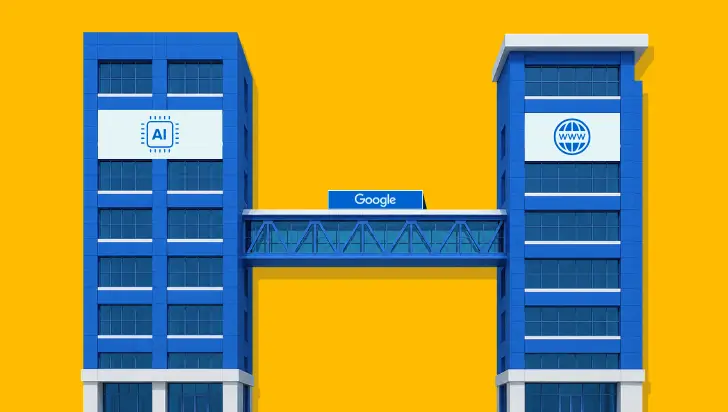
Google has changed how it credits websites inside AI Overviews and AI Mode, and the short answer is this: Google AI link attribution is now more visible, more specific, and slightly more likely to send you a click. Google added five changes in 2026, including inline citations placed next to the exact sentence they support, hover previews of the source site, and clearer credit for social and community sources. It will not undo the website traffic drop caused by AI search, but it does give well-structured, original content a real shot at getting cited and clicked.
If you publish content or want your business to stay visible as search shifts toward AI generated answers, this update is worth understanding properly. Here is what changed, why Google made the change, and what it means for how you write and structure content going forward.
What Is Google's Latest AI Link Attribution Update?
Google's latest update to AI search citations is a set of five product changes, announced by Hema Budaraju, VP of Product Management at Google Search, that redesign how source links appear inside AI Overviews and AI Mode. Instead of stacking citations in a single row at the bottom of an answer, Google now places links directly beside the claim they support, shows a preview card when you hover over a link, and gives community sources like Reddit threads proper credit with the author's name attached.
This is not a ranking algorithm update. It is a display and product change that sits on top of Google's existing Search ranking systems. Your rankings are not moving because of this, but your chances of being seen and clicked inside an AI answer are.
Why Google Decided To Fix Link Attribution Now?
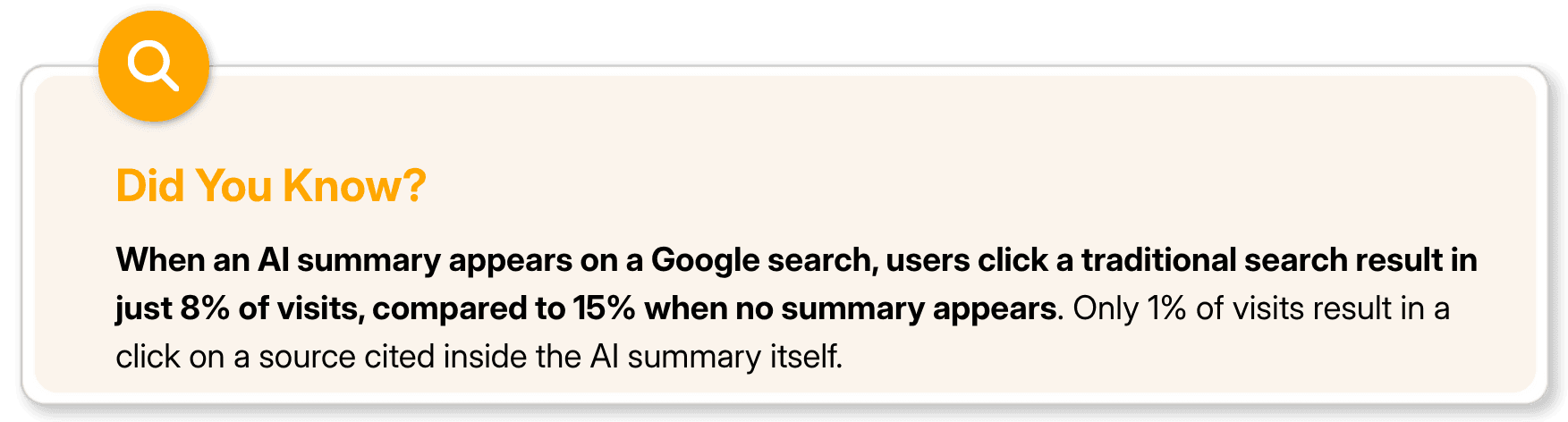
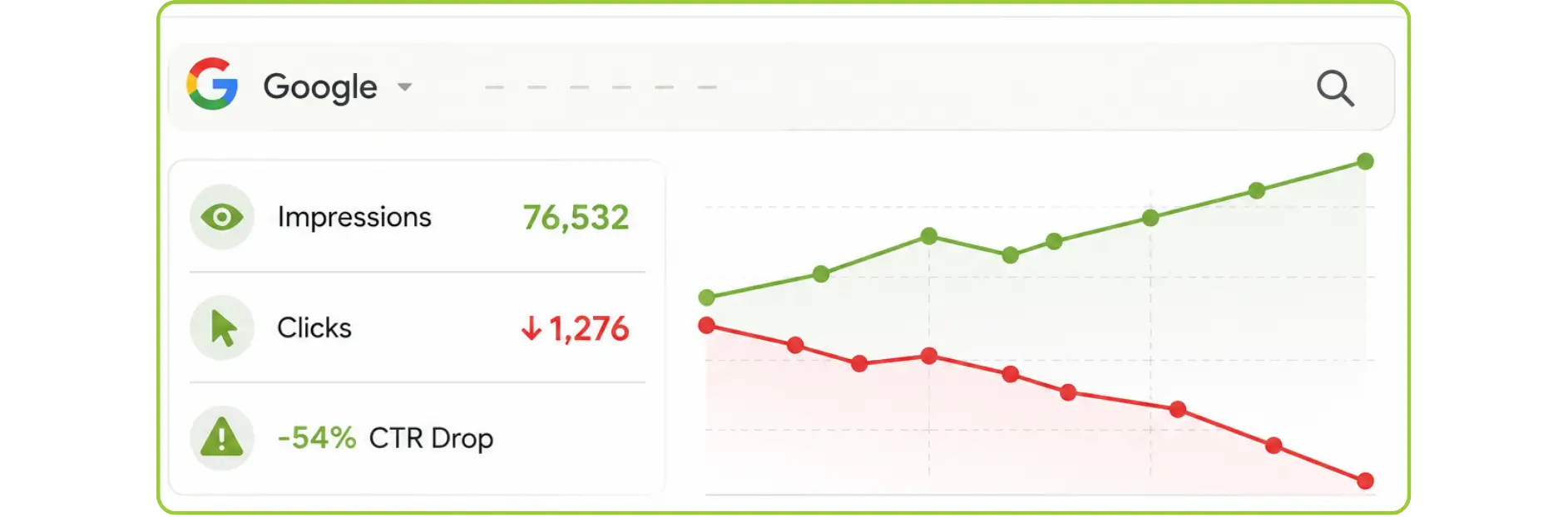
The honest reason is pressure. Publishers have spent two years watching referral traffic shrink as AI Overviews answer questions directly on the results page, and Google needed a response that did not require slowing down its AI rollout. Google could not reverse that pattern without changing its entire product direction, so it focused instead on making the clicks that do happen count more, and on making the source of an answer harder to miss.
That single stat explains the entire update. Google is not trying to send every user back to the open web. It is trying to make the small percentage of users who do want to click have an easier, more confident time doing it.
What Are The Five New Google AI Link Attribution Features?
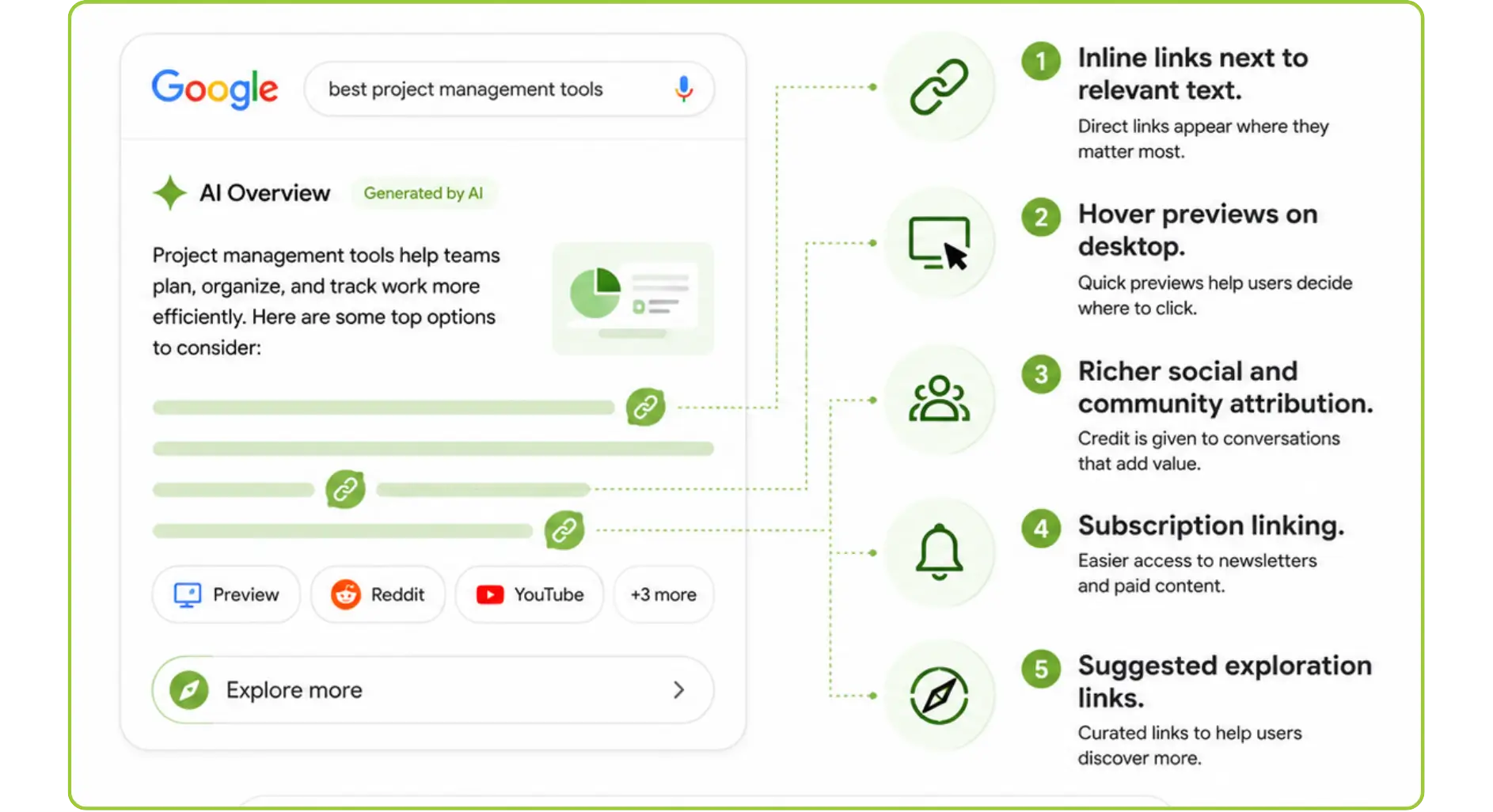
Google's update covers five specific changes, and while a few of them look like small design tweaks, together they change how a searcher decides whether a source is worth visiting at all. Here is each one and what it actually does:
Inline links next to relevant text. Instead of one citation footer, individual claims inside an AI answer now carry their own link to the source that supports them.
Hover previews on desktop. Hovering over a link shows the site name and page title before you click, so you know where you are headed.
Richer social and community attribution. Citations from Reddit, forums, and other communities now show the creator's name and handle alongside the platform name.
Subscription linking. Readers who have linked a news subscription to their Google account see a label showing which cited sources they already subscribe to.
Suggested exploration links. Many AI answers now end with a section pointing to deeper articles on related angles of the topic, not just a repeat of what was already summarized.
Feature | What changed | Why it matters for SEO |
|---|---|---|
Inline citations | Links sit next to the exact sentence, not a footer | Rewards focused pages that answer one question clearly |
Hover previews | Site name and title shown before the click | Makes page titles and branding part of the pitch |
Community attribution | Creator name and handle shown for social sources | Rewards genuine firsthand community participation |
Subscription labels | Shows sources tied to a reader's news subscriptions | Helps publishers with paid subscriber bases |
Suggested exploration links | Points to deeper articles beyond the summary | Rewards long form, original coverage of a topic |
Did Improved Link Attribution Bring Back The Clicks?
Not fully, and it was never designed to. The update makes citations easier to trust and act on, but it does not change how often Google decides to show an AI summary in the first place. What it does change is which pages get picked when a summary does appear, and how likely a curious reader is to actually follow the link once they see it clearly labeled with a real site name and page title.
Google itself frames this as making it easier to connect with authentic sources, not as restoring lost traffic, which tells you this is a better experience for the small share of users who do click, not a reversal of the shift toward AI generated answers.
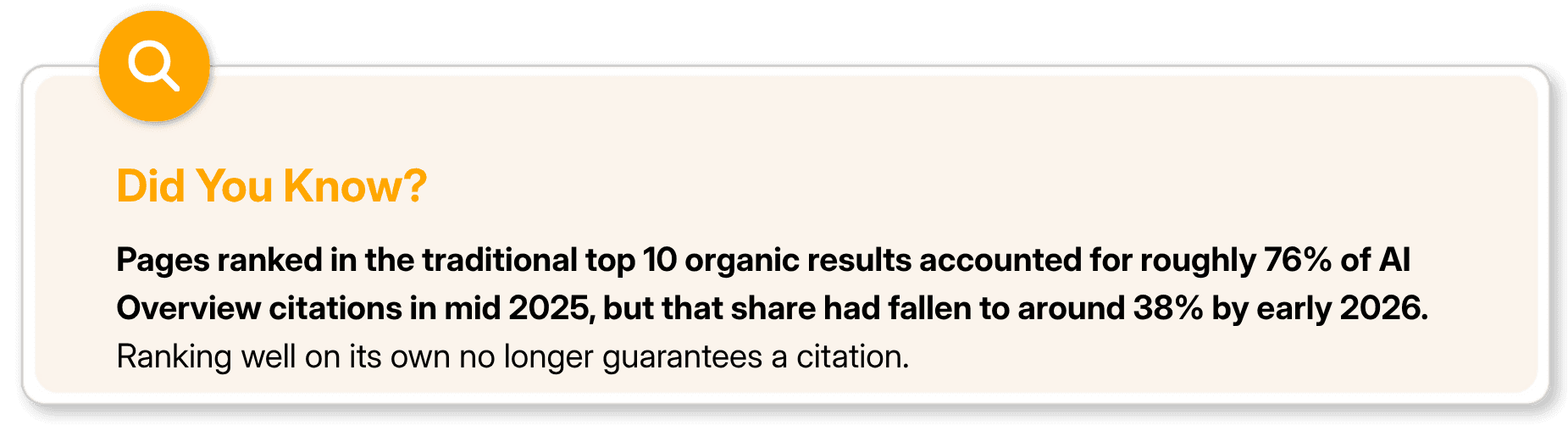
That is the real story behind this update. Link Attribution is shifting away from pure rank position and toward how easily a passage can be lifted, credited, and trusted on its own.
What Does This Update Actually Mean For SEO?
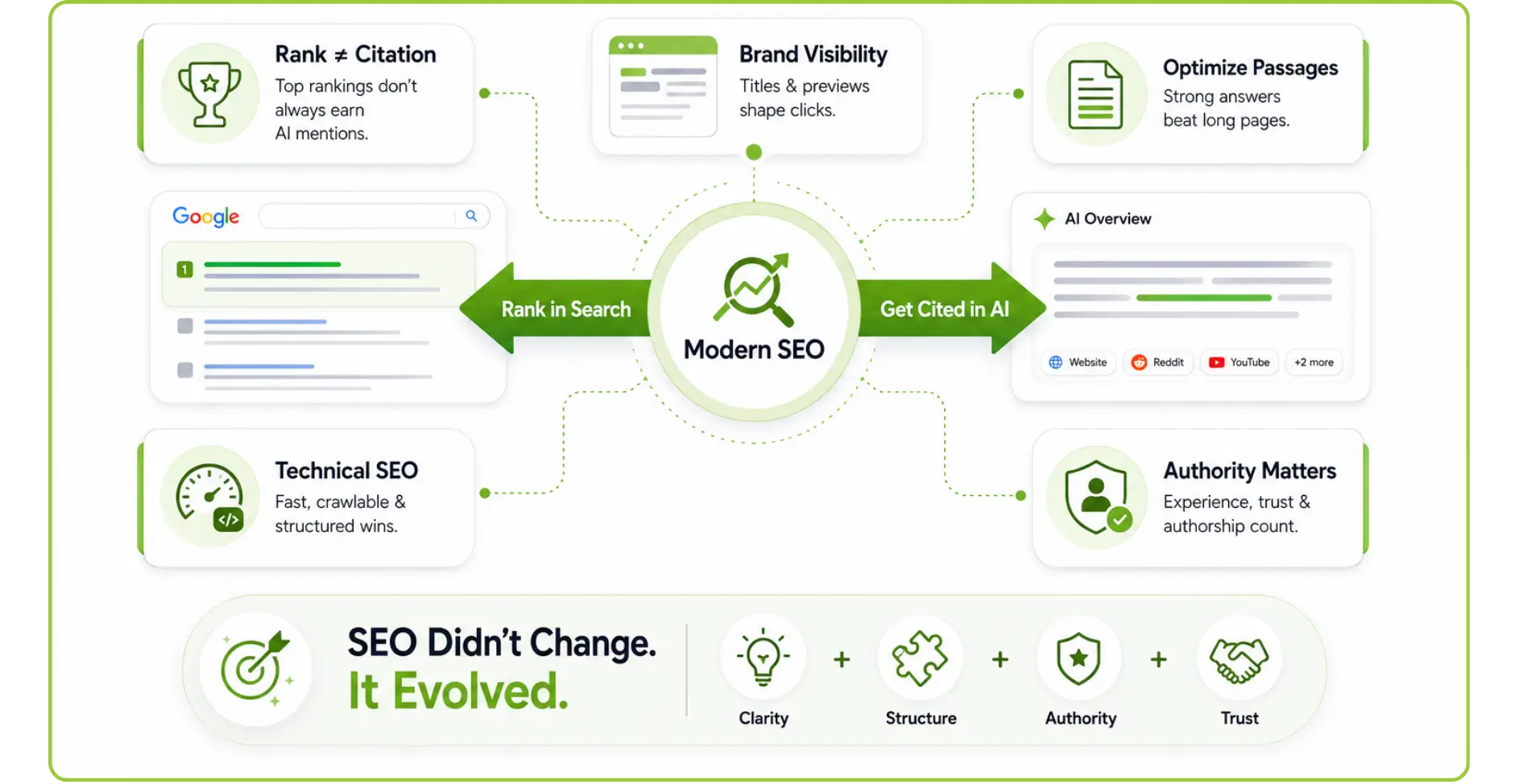
It means SEO now has two jobs instead of one: ranking on the traditional results page, and earning a citation inside an AI generated answer, and the two no longer guarantee each other.
Rank position matters less on its own. A page in position 1 is no longer automatically the page that gets cited, since Google now pulls whichever passage answers the question most cleanly.
Page level optimization matters less than passage level optimization. You are optimizing individual answers inside a page now, not just the page as a whole.
Technical SEO still sets the floor. Crawlability, site speed, and clean structured data still decide whether Google can read and trust your content in the first place, AI citation or not.
Branding inside search is now a ranking-adjacent factor. Hover previews mean your site name and page title are doing marketing work directly inside the AI answer, not just on the results page.
Authorship and E-E-A-T carry more weight. With community sources now credited by name, generic, unattributed content looks weaker by comparison.
The net effect: this does not replace SEO. It raises the bar on the same fundamentals, clarity, structure, authority, and trust, and adds a new layer on top of them.
How Should You Optimize Content For Google's AI Search Optimization Update?
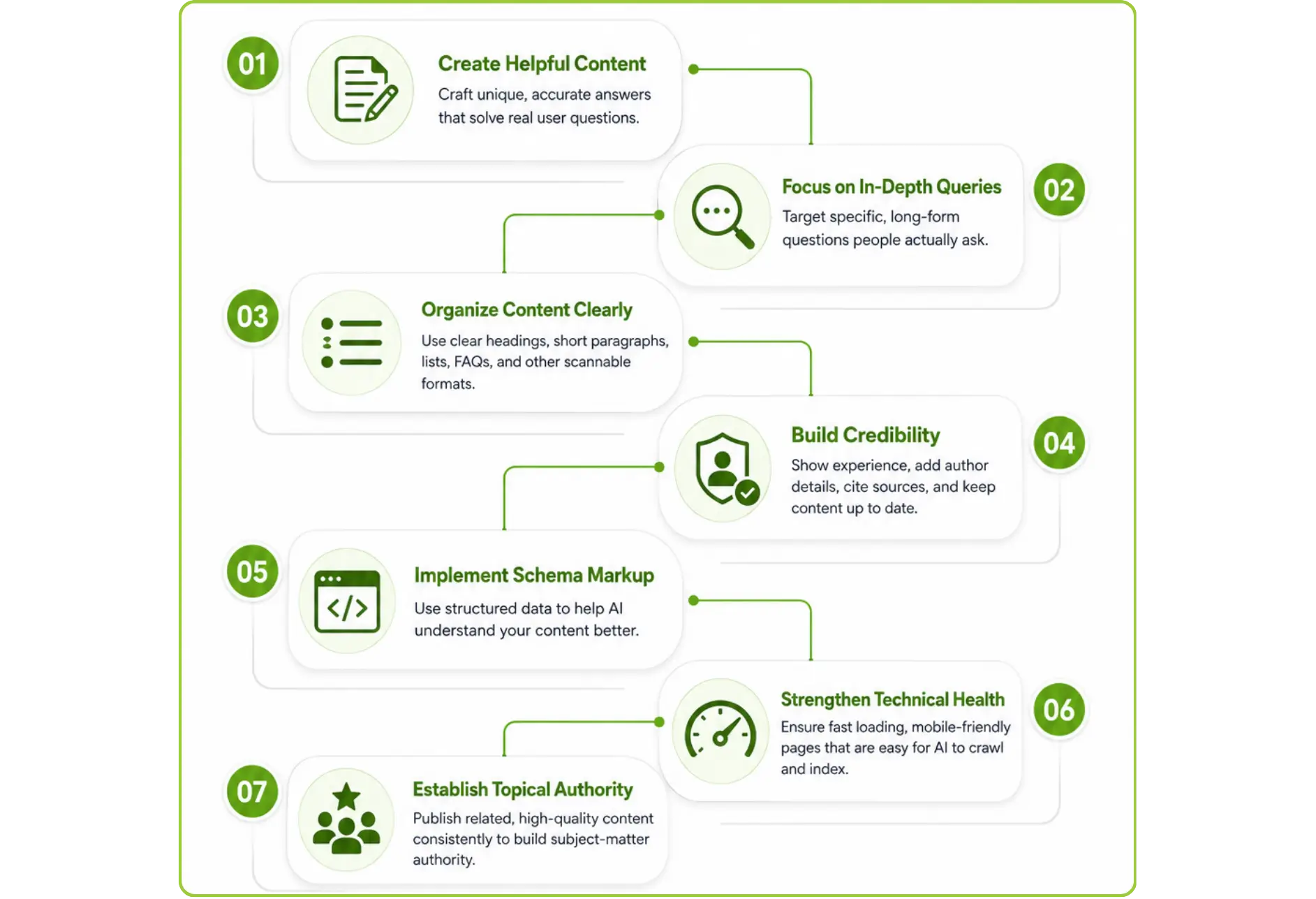
AI search optimization means writing content that is easy to extract in single, self contained passages, not just content that ranks well as a whole page.
Structure Content So It Is Easy To Cite
Break articles into clear, standalone answers under each subheading. A paragraph that answers one question in two or three sentences is far more citable than a long paragraph mixing three ideas together. Use direct, plain language at the start of each section, then support it with detail underneath, similar to how this article is structured.
Build Trust Signals AI Systems Can Verify
Name a real author with visible expertise on the page, and link to original data or a documented process instead of restating what every other page already says. AI features are rooted in the same core ranking and quality systems as regular Search, so trustworthy, well sourced writing still decides who gets cited.
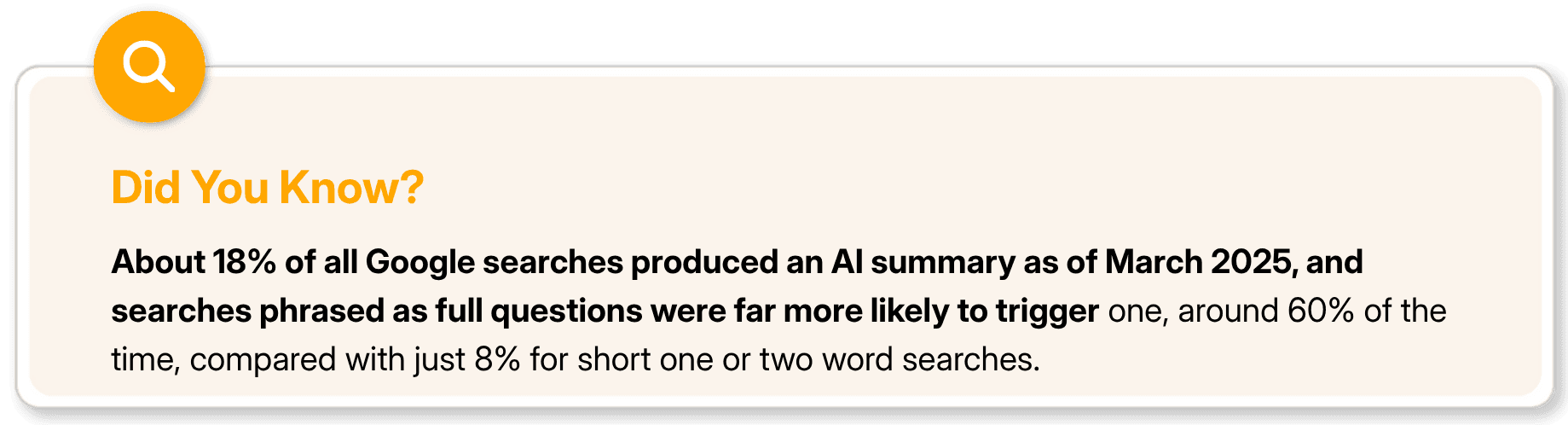
That means keyword research now has to include full question phrasing, not just short tail terms. A quick checklist for content teams working through this shift:
Write one clear, quotable answer per subheading
Attribute claims to a named author or expert
Add original data, examples, or a table wherever possible
Keep page titles descriptive, since they now show up in hover previews
Refresh cornerstone content regularly instead of leaving it static
How Can Coozmoo Help You Grow With AI Search Visibility?
Getting cited inside AI Overviews and AI Mode takes more than good intentions, it takes a digital presence strategy built around how these systems actually pick sources. This is exactly where Coozmoo comes in, helping businesses build digital experiences and content that hold up under both traditional SEO and this newer wave of AI search optimization, so your brand shows up whether a customer clicks a blue link or reads an AI generated summary.
If you want to turn your website into an asset that AI systems and human readers both trust, Coozmoo's digital solutions are built to help you get there, covering everything from content structure to a stronger, more citable digital presence for your business.
Understanding How Your Brand Appears in AI Search
Knowing whether your content is actually being picked up inside AI Overviews and AI Mode is the hardest part of this new landscape, since Google still does not give publishers direct citation data. That gap is what RankRabbit AI is built to close, an AI platform designed to help you understand how your brand appears across AI powered search experiences, where you are being cited, where competitors are winning attention instead, and where your content needs work.
Pairing a platform like RankRabbit AI with a properly structured website gives you both halves of the equation: content built to be picked up, and the visibility data to prove it is working.
Final Thoughts
Google's latest update on AI link attribution will not bring back every lost click, but it rewards exactly the kind of content that earns trust on its own merits. Businesses that treat this as a reason to write clearer, better sourced, more original content will keep showing up long after this particular update is old news. Get cited by being worth citing.
Citations are the new clicks. Earn them, or watch someone else get cited in your place.
FAQs
What is Google AI link attribution?

Google AI link attribution is how Google credits and links to source websites inside AI Overviews and AI Mode. In 2026, Google implemented five changes to make this credit much more visible, including inline links next to individual claims, hover previews of the source site and clearer sourcing for community content like Reddit threads. For website owners, it means a more direct, traceable link between your content and the answer that Google builds from it.
What are inline citations in AI Overviews?
Inline citations are links placed directly next to the specific sentence or claim they support, rather than grouped together in a single footer at the end of the answer. A searcher can now see, sentence by sentence, which source backs up which fact. This rewards content that makes clear, well supported statements one at a time instead of long, mixed paragraphs.
Does this update affect my Google rankings?
No, this is not a ranking algorithm change. It is a display update layered on top of Google's existing Search ranking systems, so your position on the traditional results page is not directly affected. What it does change is which pages get selected and linked when an AI Overview appears, and how likely a reader is to click through once they see it.
Will this update bring back the traffic I lost to AI Overviews?
Not fully, and Google has not framed it that way either. Clearer citations can modestly improve click through rates for sources that get linked, but they do not reduce how often AI summaries appear in the first place. Google's own announcement talks about helping people connect with authentic sources, not restoring referral traffic to prior levels.
How is AI search optimization different from traditional SEO?
Traditional SEO optimizes a whole page to rank for a keyword. AI search optimization adds a requirement on top of that, since AI systems often extract and cite a single passage rather than the page as a whole. That means individual paragraphs now need to stand on their own as clear, self contained answers.
Google has changed how it credits websites inside AI Overviews and AI Mode, and the short answer is this: Google AI link attribution is now more visible, more specific, and slightly more likely to send you a click. Google added five changes in 2026, including inline citations placed next to the exact sentence they support, hover previews of the source site, and clearer credit for social and community sources. It will not undo the website traffic drop caused by AI search, but it does give well-structured, original content a real shot at getting cited and clicked.
If you publish content or want your business to stay visible as search shifts toward AI generated answers, this update is worth understanding properly. Here is what changed, why Google made the change, and what it means for how you write and structure content going forward.
What Is Google's Latest AI Link Attribution Update?
Google's latest update to AI search citations is a set of five product changes, announced by Hema Budaraju, VP of Product Management at Google Search, that redesign how source links appear inside AI Overviews and AI Mode. Instead of stacking citations in a single row at the bottom of an answer, Google now places links directly beside the claim they support, shows a preview card when you hover over a link, and gives community sources like Reddit threads proper credit with the author's name attached.
This is not a ranking algorithm update. It is a display and product change that sits on top of Google's existing Search ranking systems. Your rankings are not moving because of this, but your chances of being seen and clicked inside an AI answer are.
Why Google Decided To Fix Link Attribution Now?
The honest reason is pressure. Publishers have spent two years watching referral traffic shrink as AI Overviews answer questions directly on the results page, and Google needed a response that did not require slowing down its AI rollout. Google could not reverse that pattern without changing its entire product direction, so it focused instead on making the clicks that do happen count more, and on making the source of an answer harder to miss.
That single stat explains the entire update. Google is not trying to send every user back to the open web. It is trying to make the small percentage of users who do want to click have an easier, more confident time doing it.
What Are The Five New Google AI Link Attribution Features?
Google's update covers five specific changes, and while a few of them look like small design tweaks, together they change how a searcher decides whether a source is worth visiting at all. Here is each one and what it actually does:
Inline links next to relevant text. Instead of one citation footer, individual claims inside an AI answer now carry their own link to the source that supports them.
Hover previews on desktop. Hovering over a link shows the site name and page title before you click, so you know where you are headed.
Richer social and community attribution. Citations from Reddit, forums, and other communities now show the creator's name and handle alongside the platform name.
Subscription linking. Readers who have linked a news subscription to their Google account see a label showing which cited sources they already subscribe to.
Suggested exploration links. Many AI answers now end with a section pointing to deeper articles on related angles of the topic, not just a repeat of what was already summarized.
Feature | What changed | Why it matters for SEO |
|---|---|---|
Inline citations | Links sit next to the exact sentence, not a footer | Rewards focused pages that answer one question clearly |
Hover previews | Site name and title shown before the click | Makes page titles and branding part of the pitch |
Community attribution | Creator name and handle shown for social sources | Rewards genuine firsthand community participation |
Subscription labels | Shows sources tied to a reader's news subscriptions | Helps publishers with paid subscriber bases |
Suggested exploration links | Points to deeper articles beyond the summary | Rewards long form, original coverage of a topic |
Did Improved Link Attribution Bring Back The Clicks?
Not fully, and it was never designed to. The update makes citations easier to trust and act on, but it does not change how often Google decides to show an AI summary in the first place. What it does change is which pages get picked when a summary does appear, and how likely a curious reader is to actually follow the link once they see it clearly labeled with a real site name and page title.
Google itself frames this as making it easier to connect with authentic sources, not as restoring lost traffic, which tells you this is a better experience for the small share of users who do click, not a reversal of the shift toward AI generated answers.
That is the real story behind this update. Link Attribution is shifting away from pure rank position and toward how easily a passage can be lifted, credited, and trusted on its own.
What Does This Update Actually Mean For SEO?
It means SEO now has two jobs instead of one: ranking on the traditional results page, and earning a citation inside an AI generated answer, and the two no longer guarantee each other.
Rank position matters less on its own. A page in position 1 is no longer automatically the page that gets cited, since Google now pulls whichever passage answers the question most cleanly.
Page level optimization matters less than passage level optimization. You are optimizing individual answers inside a page now, not just the page as a whole.
Technical SEO still sets the floor. Crawlability, site speed, and clean structured data still decide whether Google can read and trust your content in the first place, AI citation or not.
Branding inside search is now a ranking-adjacent factor. Hover previews mean your site name and page title are doing marketing work directly inside the AI answer, not just on the results page.
Authorship and E-E-A-T carry more weight. With community sources now credited by name, generic, unattributed content looks weaker by comparison.
The net effect: this does not replace SEO. It raises the bar on the same fundamentals, clarity, structure, authority, and trust, and adds a new layer on top of them.
How Should You Optimize Content For Google's AI Search Optimization Update?
AI search optimization means writing content that is easy to extract in single, self contained passages, not just content that ranks well as a whole page.
Structure Content So It Is Easy To Cite
Break articles into clear, standalone answers under each subheading. A paragraph that answers one question in two or three sentences is far more citable than a long paragraph mixing three ideas together. Use direct, plain language at the start of each section, then support it with detail underneath, similar to how this article is structured.
Build Trust Signals AI Systems Can Verify
Name a real author with visible expertise on the page, and link to original data or a documented process instead of restating what every other page already says. AI features are rooted in the same core ranking and quality systems as regular Search, so trustworthy, well sourced writing still decides who gets cited.
That means keyword research now has to include full question phrasing, not just short tail terms. A quick checklist for content teams working through this shift:
Write one clear, quotable answer per subheading
Attribute claims to a named author or expert
Add original data, examples, or a table wherever possible
Keep page titles descriptive, since they now show up in hover previews
Refresh cornerstone content regularly instead of leaving it static
How Can Coozmoo Help You Grow With AI Search Visibility?
Getting cited inside AI Overviews and AI Mode takes more than good intentions, it takes a digital presence strategy built around how these systems actually pick sources. This is exactly where Coozmoo comes in, helping businesses build digital experiences and content that hold up under both traditional SEO and this newer wave of AI search optimization, so your brand shows up whether a customer clicks a blue link or reads an AI generated summary.
If you want to turn your website into an asset that AI systems and human readers both trust, Coozmoo's digital solutions are built to help you get there, covering everything from content structure to a stronger, more citable digital presence for your business.
Understanding How Your Brand Appears in AI Search
Knowing whether your content is actually being picked up inside AI Overviews and AI Mode is the hardest part of this new landscape, since Google still does not give publishers direct citation data. That gap is what RankRabbit AI is built to close, an AI platform designed to help you understand how your brand appears across AI powered search experiences, where you are being cited, where competitors are winning attention instead, and where your content needs work.
Pairing a platform like RankRabbit AI with a properly structured website gives you both halves of the equation: content built to be picked up, and the visibility data to prove it is working.
Final Thoughts
Google's latest update on AI link attribution will not bring back every lost click, but it rewards exactly the kind of content that earns trust on its own merits. Businesses that treat this as a reason to write clearer, better sourced, more original content will keep showing up long after this particular update is old news. Get cited by being worth citing.
Citations are the new clicks. Earn them, or watch someone else get cited in your place.
FAQs
What is Google AI link attribution?
Google AI link attribution is how Google credits and links to source websites inside AI Overviews and AI Mode. In 2026, Google implemented five changes to make this credit much more visible, including inline links next to individual claims, hover previews of the source site and clearer sourcing for community content like Reddit threads. For website owners, it means a more direct, traceable link between your content and the answer that Google builds from it.
What are inline citations in AI Overviews?
Inline citations are links placed directly next to the specific sentence or claim they support, rather than grouped together in a single footer at the end of the answer. A searcher can now see, sentence by sentence, which source backs up which fact. This rewards content that makes clear, well supported statements one at a time instead of long, mixed paragraphs.
Does this update affect my Google rankings?
No, this is not a ranking algorithm change. It is a display update layered on top of Google's existing Search ranking systems, so your position on the traditional results page is not directly affected. What it does change is which pages get selected and linked when an AI Overview appears, and how likely a reader is to click through once they see it.
Will this update bring back the traffic I lost to AI Overviews?
Not fully, and Google has not framed it that way either. Clearer citations can modestly improve click through rates for sources that get linked, but they do not reduce how often AI summaries appear in the first place. Google's own announcement talks about helping people connect with authentic sources, not restoring referral traffic to prior levels.
How is AI search optimization different from traditional SEO?
Traditional SEO optimizes a whole page to rank for a keyword. AI search optimization adds a requirement on top of that, since AI systems often extract and cite a single passage rather than the page as a whole. That means individual paragraphs now need to stand on their own as clear, self contained answers.



Summarize with AI


Want to Skyrocket Revenue? Get a Free Audit Today!
Want to Skyrocket Revenue? Get a Free Audit Today!



4.9/5 Ratings!


Don’t miss our revenue growth tips!
Get expert marketing tips—straight to your inbox, like thousands of happy clients.
Don’t miss our revenue growth tips!
Get expert marketing tips—straight to your inbox, like thousands of happy clients.
Don’t miss our revenue growth tips!
Don’t miss our revenue growth tips!
Get expert marketing tips—straight to your inbox, like thousands of happy clients.
Relevant Blogs on Organic SEO
Relevant Blogs on Organic SEO
Unlock data-driven insights in Organic SEO—explore our featured blogs and skyrocket your revenue before your competitors do.
Unlock data-driven insights in Organic SEO—explore our featured blogs and skyrocket your revenue before your competitors do.

SEO
Sep 21, 2026
5 Min Read
Audience-First SEO: How to Rank by Putting Readers First
SEO
Sep 21, 2026
5 Min Read
Audience-First SEO: How to Rank by Putting Readers First
SEO
Sep 21, 2026
5 Min Read
Audience-First SEO: How to Rank by Putting Readers First

SEO
Sep 19, 2026
5 Min Read
How to Add SEO Keywords to Your Website: Where and How
SEO
Sep 19, 2026
5 Min Read
How to Add SEO Keywords to Your Website: Where and How
SEO
Sep 19, 2026
5 Min Read
How to Add SEO Keywords to Your Website: Where and How

SEO
Sep 18, 2026
5 Min Read
How XML Sitemaps Help Search Engines Discover New Pages
SEO
Sep 18, 2026
5 Min Read
How XML Sitemaps Help Search Engines Discover New Pages
SEO
Sep 18, 2026
5 Min Read
How XML Sitemaps Help Search Engines Discover New Pages
















Ready to speak with an expert?
Data-Driven Marketing Agency That Elevates ROI
1100+
Websites Designed & Optimized to Convert
$280M+
Client Revenue Driven & Growing Strong
Discover how to skyrocket
your revenue today!
Trusted by 1000+ Owners!
Ready to speak with an expert?
Data-Driven Marketing Agency That Elevates ROI
1100+
Websites Designed & Optimized to Convert
$280M+
Client Revenue Driven & Growing Strong
Discover how to skyrocket
your revenue today!
Trusted by 1000+ Owners!
Want to skyrocket revenue?
4.9/5 Ratings!
Ready to speak with an expert?
Data-Driven Marketing Agency That Elevates ROI
1100+
Websites Designed & Optimized to Convert
$280M+
Client Revenue Driven & Growing Strong
Want to skyrocket
revenue?
Trusted by 1000+ Owners!
Call
Meet