




How to Make Your Brand Discoverable in AI Search Results
How to Make Your Brand Discoverable in AI Search Results
Last Updated:
Table of Content
Case Studies
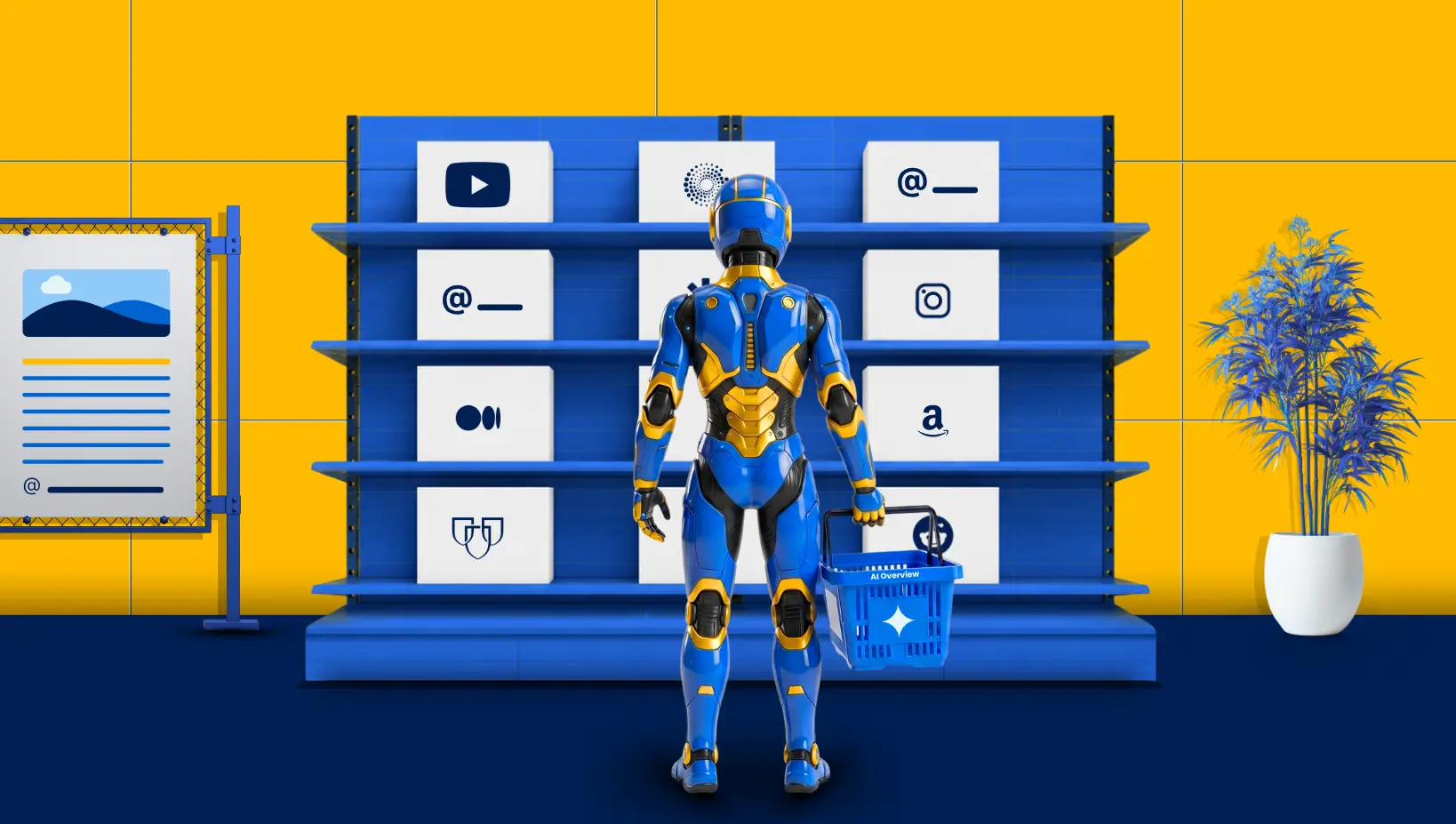
Remember when "ranking on Google" was the only metric that mattered? Those days are fading fast. Today, a growing share of your potential customers aren't scrolling through ten blue links — they're asking ChatGPT, Perplexity, Google Gemini, or Claude a question and accepting whatever answer comes back. If your brand isn't in that answer, you effectively don't exist to them.
The numbers are impossible to ignore. Daily AI search usage in the U.S. jumped from approximately 14% in early 2025 to nearly 30% — nearly one in three people now begin their queries with an AI assistant. ChatGPT alone reached 800 million weekly active users, doubling in just eight months. And 64% of consumers now use AI tools to discover new products and brands.
This shift has given rise to a new discipline: Generative Engine Optimization (GEO) — the practice of structuring your digital presence so that AI platforms cite, recommend, and mention your brand when users search for answers. Unlike traditional SEO where you fight for a ranking, in GEO you fight to be the answer.
Why AI Search Is Fundamentally Different
Traditional search engines crawl, index, and rank. AI search engines synthesize. When a user asks Google's AI Overview "What's the best CRM for a small business?" — the system doesn't show a list of pages. It generates a curated response, typically mentioning three to five brands, drawing from dozens of signals across the web.
There's no page two. There's no "close enough." You're either recommended or you're not.
This creates a stark new reality: 26% of brands had zero mentions in AI Overviews in one industry snapshot, according to GEO research data. Meanwhile, brands cited in AI-generated answers experience a 38% increase in clicks and a 39% boost in paid ad performance. The gap between visible and invisible brands is widening by the month.
1. Establish Unambiguous Brand Clarity
The first thing AI systems need to understand is who you are. If your brand is described differently across your website, social profiles, press mentions, and directory listings, AI models receive conflicting signals — and confused systems don't recommend brands confidently.
To establish brand clarity:
Define one clear, ownable category. Not "we help businesses grow" but "project management software for remote engineering teams." Lock it in across every channel.
Use consistent language in your company boilerplate, About Us pages, LinkedIn description, and any content your team produces externally.
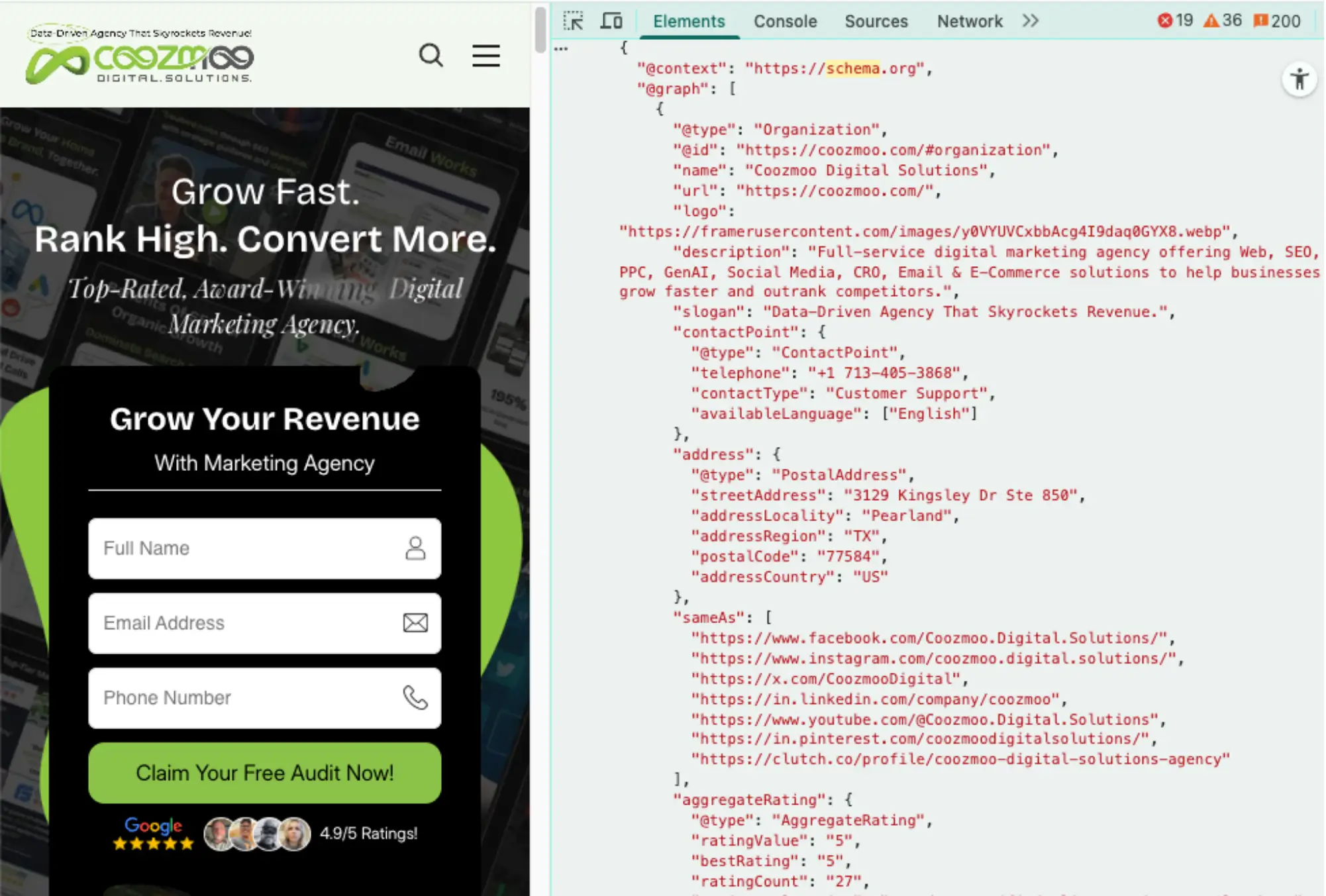
Implement schema markup — structured data in JSON-LD format that tells AI systems exactly what your brand is. Research shows content with proper schema markup achieves 30–40% higher AI visibility, and FAQPage schema makes content 3.2x more likely to appear in AI Overviews (The Digital Bloom).
HubSpot is a textbook example. Ask ChatGPT about "CRM for startups" and HubSpot almost always appears. That's not luck — it's the result of thousands of consistent content pieces, all reinforcing the same semantic associations over years.
2. Build Third-Party Authority (The New SEO Currency)
Here's the uncomfortable truth: AI systems are deeply skeptical of self-promotion. You can say you're the best on your own website all day. What AI models want is corroboration — someone else saying it too.
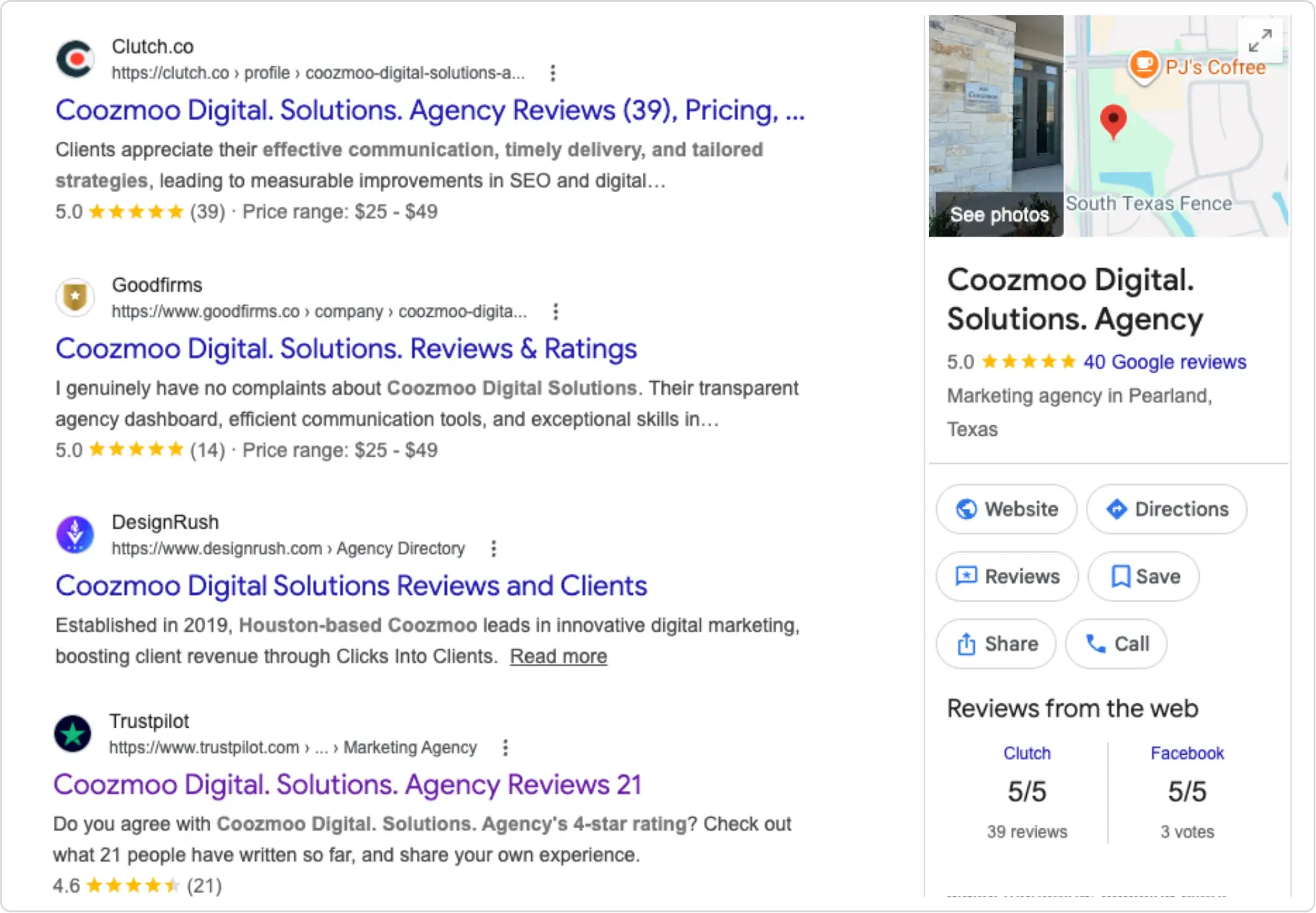
Research confirms this at scale. Domains with profiles on Trustpilot, G2, Capterra, and Yelp have 3x higher ChatGPT citation probability than those without. Domains with significant brand mentions on Reddit and Quora have 4x higher citation rates from ChatGPT (Authoritytech). And 90% of AI citations driving brand visibility originate from earned and owned media, not paid placements.
To build authority:
Pursue genuine reviews on G2, Capterra, or Trustpilot — a handful of real reviews can move the needle significantly.
Get listed in relevant "Top 10" and "Best of" listicles on authoritative industry sites. AI systems frequently synthesize category answers by pulling from these lists. If you're not on them, you don't exist in that AI answer.
Invest in digital PR — not just for link-building, but for consistent brand mentions in respected publications. A single mention in Forbes or an industry publication does more for your AI visibility than ten self-published posts.
Engage authentically on Reddit and Quora threads relevant to your category. These platforms were among the top-cited sources by leading LLMs.
3. Structure Content for AI Extraction
AI models don't read your content the way humans do — they extract from it. A wall of beautifully written prose is often less useful to an AI than a tightly formatted answer that directly addresses a question in the first paragraph.
Research from GEO studies shows that content with clear formatting (headers, bullet points, numbered lists) is 28–40% more likely to be cited by large language models. And AI platforms prefer content that is 25.7% fresher than what traditional search surfaces (Ahrefs).
To build content structure:
Answer first. The first 200 words of any article should directly answer the primary question — not build up to it. AI retrieval systems often have only seconds to extract your content.
Build FAQ pages. FAQ-driven content is among the most extractable for generative models. Identify the 10–15 most common questions in your category and answer them clearly.
Create comparison content. Research from Princeton shows comparison articles lead all content types with 32.5% of AI citations. "Tool A vs Tool B" posts help AI systems understand competitive positioning and regularly surface in recommendation queries.
Write how-to guides and explainers. Structured tutorials and definition pieces are frequently cited when users ask AI to explain industry concepts.
Create an llms.txt file. This file signals to AI platforms which pages on your site are important and why — a lightweight but strategic step for improving citation odds.
4. Optimize for Semantic Identity, Not Just Keywords
Traditional SEO rewarded exact-match keyword usage. AI search rewards semantic consistency — a coherent web of meaning that tells AI systems what your brand stands for and which problems you solve.
AI systems interpret contextual relationships and patterns across content, not just string matches. This means your entire digital footprint — blog posts, social bios, podcast appearances, guest articles — needs to reinforce the same thematic associations.
To optimize for semantic identity:
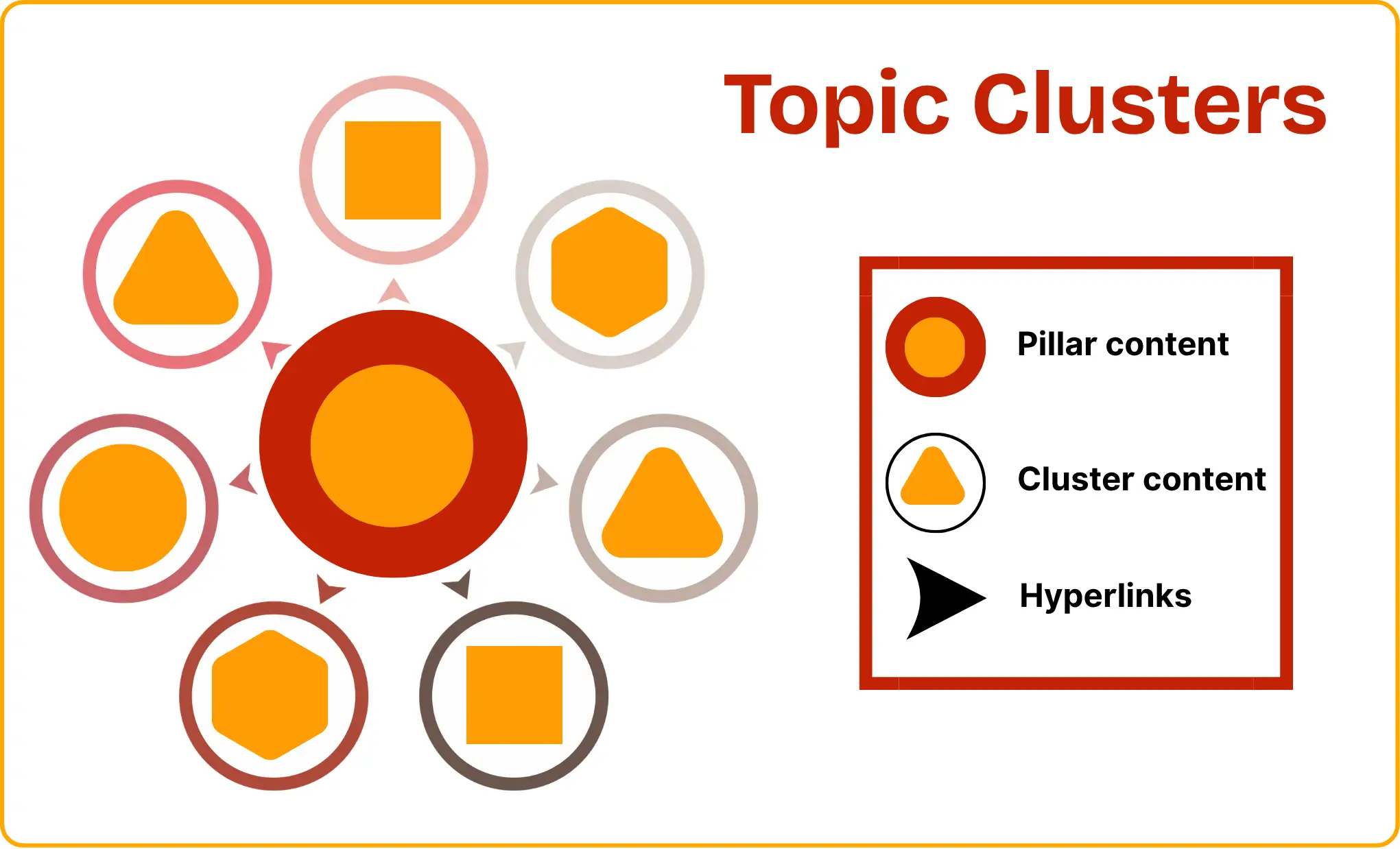
Build topic clusters around your core category. Each cluster should link back to a central pillar page that definitively defines your positioning.
Ensure your Wikipedia entry (if applicable), Crunchbase profile, and industry directory listings all describe your brand using consistent terminology.
When your team speaks at conferences, appears on podcasts, or writes guest articles, their language should align with your brand's core messaging. Inconsistent language across external appearances weakens your AI associations.
5. Prioritize Technical Accessibility for AI Crawlers
Even the best content won't help if AI systems can't access or process it quickly. Technical performance has a direct, measurable impact on AI citation rates.
Research shows that pages with a First Contentful Paint under 0.4 seconds average 6.7 AI citations, while slower pages average only 2.1. Speed is not just a user experience issue — it's an AI visibility issue (SE Ranking)
To prioritize technical accessibility:
Audit your site speed and mobile performance. AI retrieval systems often have limited time (1–5 seconds) to pull content; slow pages get skipped.
Index your entire site, including older but still-relevant content. Hybrid LLMs with browsing capability can surface buried pages if they're technically accessible.
Validate your structured data regularly using Google's Rich Results Test to ensure your markup is error-free and interpretable.
Keep content fresh. Add "last updated" signals and include current-year statistics where relevant. AI systems favor content that is recent over evergreen content for fast-moving topics.
6. Track AI Visibility Like You Track Rankings
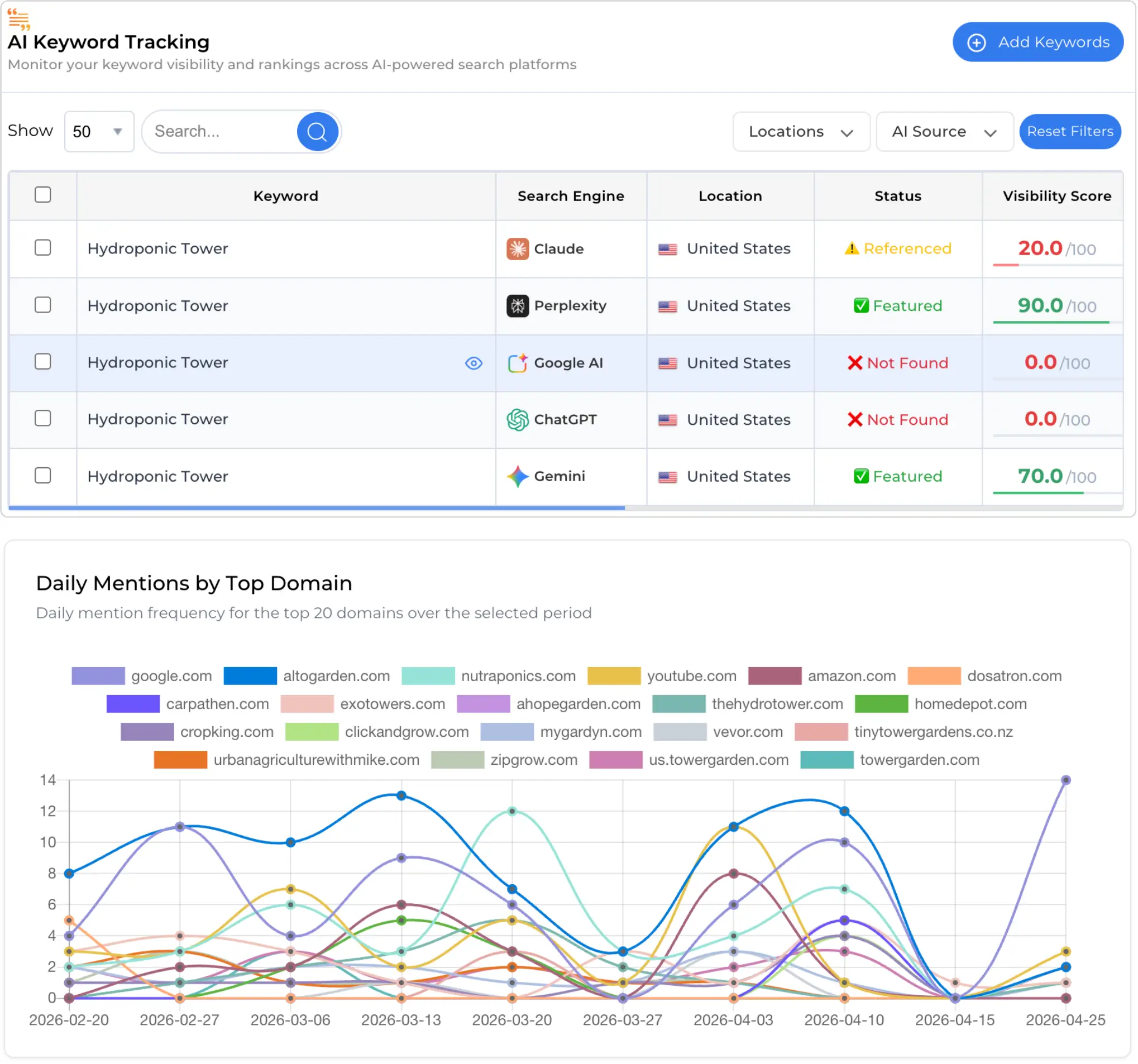
You can't manage what you don't measure. Most brands are still flying blind when it comes to AI search performance — which is actually an opportunity, since 47% of brands still lack a deliberate GEO strategy.
Measures for tracking visibility:
Brand mention count: Manually test 10–15 relevant queries across ChatGPT, Perplexity, and Gemini monthly. Document when and how your brand appears.
AI referral traffic: Set up Google Analytics 4 to track traffic from AI platforms (look for referrals from chat.openai.com, perplexity.ai, etc.).
Citation quality: When AI mentions your brand, is it a positive recommendation, a neutral mention, or a comparison? The framing matters as much as the mention.
Competitor gaps: Ask AI the questions your customers ask. If a competitor appears and you don't, that's a concrete signal for where to focus content efforts next.
Final Thoughts
If there's one theme that ties all of this together, it's this: AI systems reward the same things good journalism rewards— clarity, credibility, consistency, and corroboration.
There are no shortcuts. A Princeton and Georgia Tech research paper confirmed that deliberate GEO optimization improved source visibility by up to 40%, but it required coordinated effort across content structure, external citations, and technical accessibility — not a single hack.
The good news? Most of your competitors haven't started yet. GEO now represents 12% of average digital marketing budgets, but 47% of brands have no strategy at all. The competitive window is open.
Start small: test five queries your customers would ask in ChatGPT today. Document whether your brand appears. Add FAQ schema to your highest-traffic pages. Restructure one blog post with direct answers up front, clear headers, and cited statistics.
The brands that build AI visibility now are the brands that AI will recommend in future. Citation authority, like domain authority before it, compounds over time. The machines are learning. Make sure they're learning about you.
FAQs
What is generative engine optimization (GEO)?

Generative engine optimization (GEO) is the practice of structuring your brand's digital presence so AI platforms like ChatGPT, Perplexity, and Google Gemini cite and recommend you in their responses. Unlike traditional SEO where you compete for rankings, GEO is about becoming the answer AI synthesizes when users ask questions in your category.
Does schema markup help with AI search visibility?
Yes — schema markup directly improves your chances of being cited in AI-generated responses. Research shows that FAQPage schema makes content 3.2x more likely to appear in AI Overviews, and properly structured data gives AI systems an unambiguous signal about who you are and what you do. It's one of the fastest, lowest-effort steps toward better AI brand visibility.
How ai generated content performs in google search?
Google does not penalize content simply because it is generated by AI, but algorithms favor unique, expert-reviewed information over bulk-produced, generic text. While AI-generated content can gain initial search traction, unedited or "scaled" AI content frequently drops in rankings after a few months as Google evaluates user signals and authoritative expertise.
How is GEO different from traditional SEO?
Traditional SEO gets your page ranked in a list of links. Generative engine optimization gets your brand named inside an AI-generated answer — with no page two, no close second. Fewer than 10% of sources cited in ChatGPT and Gemini even rank in Google's top 10 organic search results, meaning strong SEO alone won't guarantee how to get cited by ChatGPT or other AI platforms. GEO requires a separate, parallel strategy.
Why does my brand not show up in AI search results?
The most common reason is inconsistent brand identity — if your website, social profiles, and directory listings describe your business differently, AI systems receive conflicting signals and won't recommend you confidently. The fix starts with generative engine optimization basics: one clear category definition, consistent language everywhere, and structured data that explicitly tells AI what your brand solves.
Remember when "ranking on Google" was the only metric that mattered? Those days are fading fast. Today, a growing share of your potential customers aren't scrolling through ten blue links — they're asking ChatGPT, Perplexity, Google Gemini, or Claude a question and accepting whatever answer comes back. If your brand isn't in that answer, you effectively don't exist to them.
The numbers are impossible to ignore. Daily AI search usage in the U.S. jumped from approximately 14% in early 2025 to nearly 30% — nearly one in three people now begin their queries with an AI assistant. ChatGPT alone reached 800 million weekly active users, doubling in just eight months. And 64% of consumers now use AI tools to discover new products and brands.
This shift has given rise to a new discipline: Generative Engine Optimization (GEO) — the practice of structuring your digital presence so that AI platforms cite, recommend, and mention your brand when users search for answers. Unlike traditional SEO where you fight for a ranking, in GEO you fight to be the answer.
Why AI Search Is Fundamentally Different
Traditional search engines crawl, index, and rank. AI search engines synthesize. When a user asks Google's AI Overview "What's the best CRM for a small business?" — the system doesn't show a list of pages. It generates a curated response, typically mentioning three to five brands, drawing from dozens of signals across the web.
There's no page two. There's no "close enough." You're either recommended or you're not.
This creates a stark new reality: 26% of brands had zero mentions in AI Overviews in one industry snapshot, according to GEO research data. Meanwhile, brands cited in AI-generated answers experience a 38% increase in clicks and a 39% boost in paid ad performance. The gap between visible and invisible brands is widening by the month.
1. Establish Unambiguous Brand Clarity
The first thing AI systems need to understand is who you are. If your brand is described differently across your website, social profiles, press mentions, and directory listings, AI models receive conflicting signals — and confused systems don't recommend brands confidently.
To establish brand clarity:
Define one clear, ownable category. Not "we help businesses grow" but "project management software for remote engineering teams." Lock it in across every channel.
Use consistent language in your company boilerplate, About Us pages, LinkedIn description, and any content your team produces externally.
Implement schema markup — structured data in JSON-LD format that tells AI systems exactly what your brand is. Research shows content with proper schema markup achieves 30–40% higher AI visibility, and FAQPage schema makes content 3.2x more likely to appear in AI Overviews (The Digital Bloom).
HubSpot is a textbook example. Ask ChatGPT about "CRM for startups" and HubSpot almost always appears. That's not luck — it's the result of thousands of consistent content pieces, all reinforcing the same semantic associations over years.
2. Build Third-Party Authority (The New SEO Currency)
Here's the uncomfortable truth: AI systems are deeply skeptical of self-promotion. You can say you're the best on your own website all day. What AI models want is corroboration — someone else saying it too.
Research confirms this at scale. Domains with profiles on Trustpilot, G2, Capterra, and Yelp have 3x higher ChatGPT citation probability than those without. Domains with significant brand mentions on Reddit and Quora have 4x higher citation rates from ChatGPT (Authoritytech). And 90% of AI citations driving brand visibility originate from earned and owned media, not paid placements.
To build authority:
Pursue genuine reviews on G2, Capterra, or Trustpilot — a handful of real reviews can move the needle significantly.
Get listed in relevant "Top 10" and "Best of" listicles on authoritative industry sites. AI systems frequently synthesize category answers by pulling from these lists. If you're not on them, you don't exist in that AI answer.
Invest in digital PR — not just for link-building, but for consistent brand mentions in respected publications. A single mention in Forbes or an industry publication does more for your AI visibility than ten self-published posts.
Engage authentically on Reddit and Quora threads relevant to your category. These platforms were among the top-cited sources by leading LLMs.
3. Structure Content for AI Extraction
AI models don't read your content the way humans do — they extract from it. A wall of beautifully written prose is often less useful to an AI than a tightly formatted answer that directly addresses a question in the first paragraph.
Research from GEO studies shows that content with clear formatting (headers, bullet points, numbered lists) is 28–40% more likely to be cited by large language models. And AI platforms prefer content that is 25.7% fresher than what traditional search surfaces (Ahrefs).
To build content structure:
Answer first. The first 200 words of any article should directly answer the primary question — not build up to it. AI retrieval systems often have only seconds to extract your content.
Build FAQ pages. FAQ-driven content is among the most extractable for generative models. Identify the 10–15 most common questions in your category and answer them clearly.
Create comparison content. Research from Princeton shows comparison articles lead all content types with 32.5% of AI citations. "Tool A vs Tool B" posts help AI systems understand competitive positioning and regularly surface in recommendation queries.
Write how-to guides and explainers. Structured tutorials and definition pieces are frequently cited when users ask AI to explain industry concepts.
Create an llms.txt file. This file signals to AI platforms which pages on your site are important and why — a lightweight but strategic step for improving citation odds.
4. Optimize for Semantic Identity, Not Just Keywords
Traditional SEO rewarded exact-match keyword usage. AI search rewards semantic consistency — a coherent web of meaning that tells AI systems what your brand stands for and which problems you solve.
AI systems interpret contextual relationships and patterns across content, not just string matches. This means your entire digital footprint — blog posts, social bios, podcast appearances, guest articles — needs to reinforce the same thematic associations.
To optimize for semantic identity:
Build topic clusters around your core category. Each cluster should link back to a central pillar page that definitively defines your positioning.
Ensure your Wikipedia entry (if applicable), Crunchbase profile, and industry directory listings all describe your brand using consistent terminology.
When your team speaks at conferences, appears on podcasts, or writes guest articles, their language should align with your brand's core messaging. Inconsistent language across external appearances weakens your AI associations.
5. Prioritize Technical Accessibility for AI Crawlers
Even the best content won't help if AI systems can't access or process it quickly. Technical performance has a direct, measurable impact on AI citation rates.
Research shows that pages with a First Contentful Paint under 0.4 seconds average 6.7 AI citations, while slower pages average only 2.1. Speed is not just a user experience issue — it's an AI visibility issue (SE Ranking)
To prioritize technical accessibility:
Audit your site speed and mobile performance. AI retrieval systems often have limited time (1–5 seconds) to pull content; slow pages get skipped.
Index your entire site, including older but still-relevant content. Hybrid LLMs with browsing capability can surface buried pages if they're technically accessible.
Validate your structured data regularly using Google's Rich Results Test to ensure your markup is error-free and interpretable.
Keep content fresh. Add "last updated" signals and include current-year statistics where relevant. AI systems favor content that is recent over evergreen content for fast-moving topics.
6. Track AI Visibility Like You Track Rankings
You can't manage what you don't measure. Most brands are still flying blind when it comes to AI search performance — which is actually an opportunity, since 47% of brands still lack a deliberate GEO strategy.
Measures for tracking visibility:
Brand mention count: Manually test 10–15 relevant queries across ChatGPT, Perplexity, and Gemini monthly. Document when and how your brand appears.
AI referral traffic: Set up Google Analytics 4 to track traffic from AI platforms (look for referrals from chat.openai.com, perplexity.ai, etc.).
Citation quality: When AI mentions your brand, is it a positive recommendation, a neutral mention, or a comparison? The framing matters as much as the mention.
Competitor gaps: Ask AI the questions your customers ask. If a competitor appears and you don't, that's a concrete signal for where to focus content efforts next.
Final Thoughts
If there's one theme that ties all of this together, it's this: AI systems reward the same things good journalism rewards— clarity, credibility, consistency, and corroboration.
There are no shortcuts. A Princeton and Georgia Tech research paper confirmed that deliberate GEO optimization improved source visibility by up to 40%, but it required coordinated effort across content structure, external citations, and technical accessibility — not a single hack.
The good news? Most of your competitors haven't started yet. GEO now represents 12% of average digital marketing budgets, but 47% of brands have no strategy at all. The competitive window is open.
Start small: test five queries your customers would ask in ChatGPT today. Document whether your brand appears. Add FAQ schema to your highest-traffic pages. Restructure one blog post with direct answers up front, clear headers, and cited statistics.
The brands that build AI visibility now are the brands that AI will recommend in future. Citation authority, like domain authority before it, compounds over time. The machines are learning. Make sure they're learning about you.
FAQs
What is generative engine optimization (GEO)?
Generative engine optimization (GEO) is the practice of structuring your brand's digital presence so AI platforms like ChatGPT, Perplexity, and Google Gemini cite and recommend you in their responses. Unlike traditional SEO where you compete for rankings, GEO is about becoming the answer AI synthesizes when users ask questions in your category.
Does schema markup help with AI search visibility?
Yes — schema markup directly improves your chances of being cited in AI-generated responses. Research shows that FAQPage schema makes content 3.2x more likely to appear in AI Overviews, and properly structured data gives AI systems an unambiguous signal about who you are and what you do. It's one of the fastest, lowest-effort steps toward better AI brand visibility.
How ai generated content performs in google search?
Google does not penalize content simply because it is generated by AI, but algorithms favor unique, expert-reviewed information over bulk-produced, generic text. While AI-generated content can gain initial search traction, unedited or "scaled" AI content frequently drops in rankings after a few months as Google evaluates user signals and authoritative expertise.
How is GEO different from traditional SEO?
Traditional SEO gets your page ranked in a list of links. Generative engine optimization gets your brand named inside an AI-generated answer — with no page two, no close second. Fewer than 10% of sources cited in ChatGPT and Gemini even rank in Google's top 10 organic search results, meaning strong SEO alone won't guarantee how to get cited by ChatGPT or other AI platforms. GEO requires a separate, parallel strategy.
Why does my brand not show up in AI search results?
The most common reason is inconsistent brand identity — if your website, social profiles, and directory listings describe your business differently, AI systems receive conflicting signals and won't recommend you confidently. The fix starts with generative engine optimization basics: one clear category definition, consistent language everywhere, and structured data that explicitly tells AI what your brand solves.



Summarize with AI



Want to be seen everywhere?
Get a free AI-search audit Today!



4.9/5 Ratings!


Don’t miss our revenue growth tips!
Get expert marketing tips—straight to your inbox, like thousands of happy clients.
Don’t miss our revenue growth tips!
Get expert marketing tips—straight to your inbox, like thousands of happy clients.
Don’t miss our revenue growth tips!
Don’t miss our revenue growth tips!
Get expert marketing tips—straight to your inbox, like thousands of happy clients.
Relevant Blogs on Generative AI SEO
Relevant Blogs on Generative AI SEO
Unlock data-driven insights in AI-powered SEO—explore our featured blogs and skyrocket your revenue before your competitors do.
Unlock data-driven insights in AI-powered SEO—explore our featured blogs and skyrocket your revenue before your competitors do.

GEO
Sep 22, 2026
15 Min Read
AI Search Runs on More SEO Than You Think
GEO
Sep 22, 2026
15 Min Read
AI Search Runs on More SEO Than You Think
GEO
Sep 22, 2026
15 Min Read
AI Search Runs on More SEO Than You Think

GEO
Sep 7, 2026
8 Min Read
How to Optimize Content for AI Search Engines: Best Practices
GEO
Sep 7, 2026
8 Min Read
How to Optimize Content for AI Search Engines: Best Practices
GEO
Sep 7, 2026
8 Min Read
How to Optimize Content for AI Search Engines: Best Practices

GEO
Sep 4, 2026
12 Min Read
How Ecommerce Brands Can Advertise in Google AI Mode?
GEO
Sep 4, 2026
12 Min Read
How Ecommerce Brands Can Advertise in Google AI Mode?
GEO
Sep 4, 2026
12 Min Read
How Ecommerce Brands Can Advertise in Google AI Mode?




















Ready to speak with an expert?
Data-Driven Marketing Agency That Elevates ROI
1100+
Websites Designed & Optimized to Convert
$280M+
Client Revenue Driven & Growing Strong
Discover how to skyrocket
your revenue today!
Trusted by 1000+ Owners!
Ready to speak with an expert?
Data-Driven Marketing Agency That Elevates ROI
1100+
Websites Designed & Optimized to Convert
$280M+
Client Revenue Driven & Growing Strong
Discover how to skyrocket
your revenue today!
Trusted by 1000+ Owners!
Want to skyrocket revenue?
4.9/5 Ratings!
Ready to speak with an expert?
Data-Driven Marketing Agency That Elevates ROI
1100+
Websites Designed & Optimized to Convert
$280M+
Client Revenue Driven & Growing Strong
Discover how to skyrocket
your revenue today!
Trusted by 1000+ Owners!
Call
Meet