How Google Interprets Clicks to Rank Content and Power AI Responses?
How Google Interprets Clicks to Rank Content and Power AI Responses?
Last Updated:
Table of Content
Case Studies



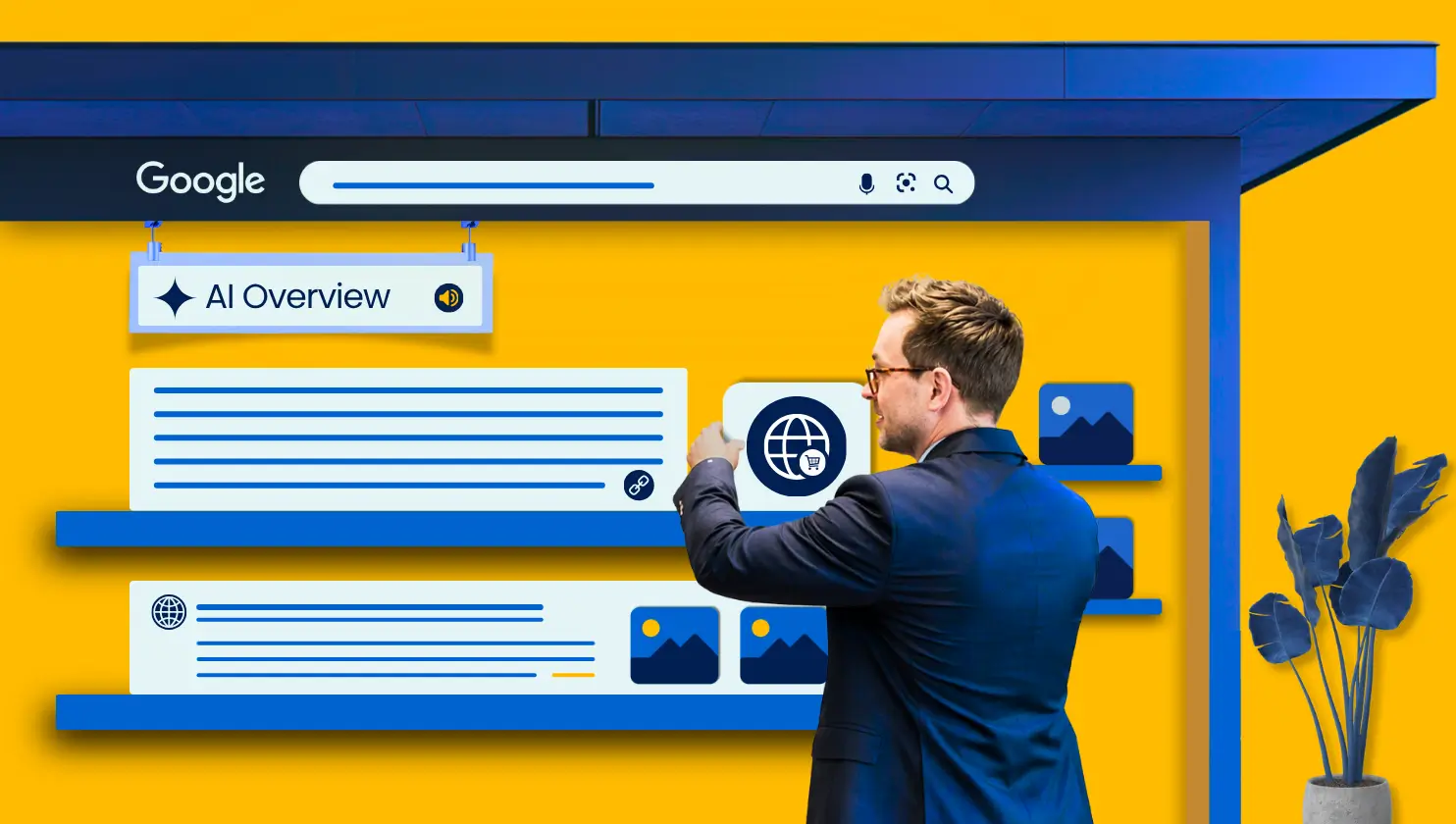

For most of SEO’s history, rankings were explained through a familiar trio: keywords, backlinks, and technical optimization. But that model has always been incomplete. Behind the scenes, Google has been running something far more dynamic—a system that continuously learns from how users interact with search results.
Today, in the era of AI-driven search experiences like AI Overviews and conversational engines, this behavioral layer has become even more critical. Clicks are no longer just interactions; they are signals of satisfaction, training data for machine learning models, and a foundation for AI-generated answers.
Understanding how Google interprets clicks is no longer optional—it’s central to modern SEO.
What Happens When Someone Clicks a Result?
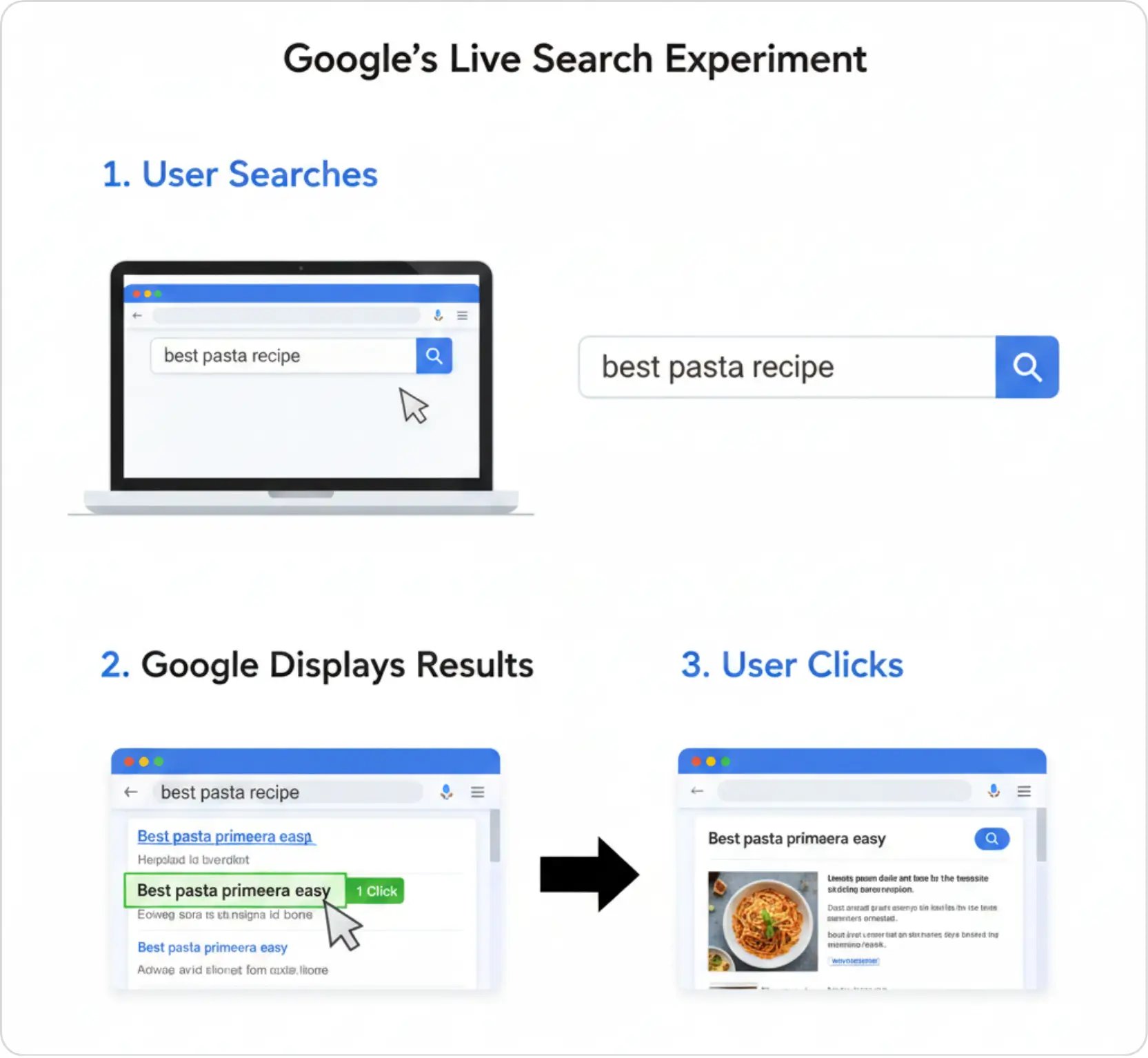
Every time a user performs a search, Google is not just showing results—it’s running a live experiment.
Here’s what typically happens:
A user searches for something
Google shows multiple results
The user clicks one
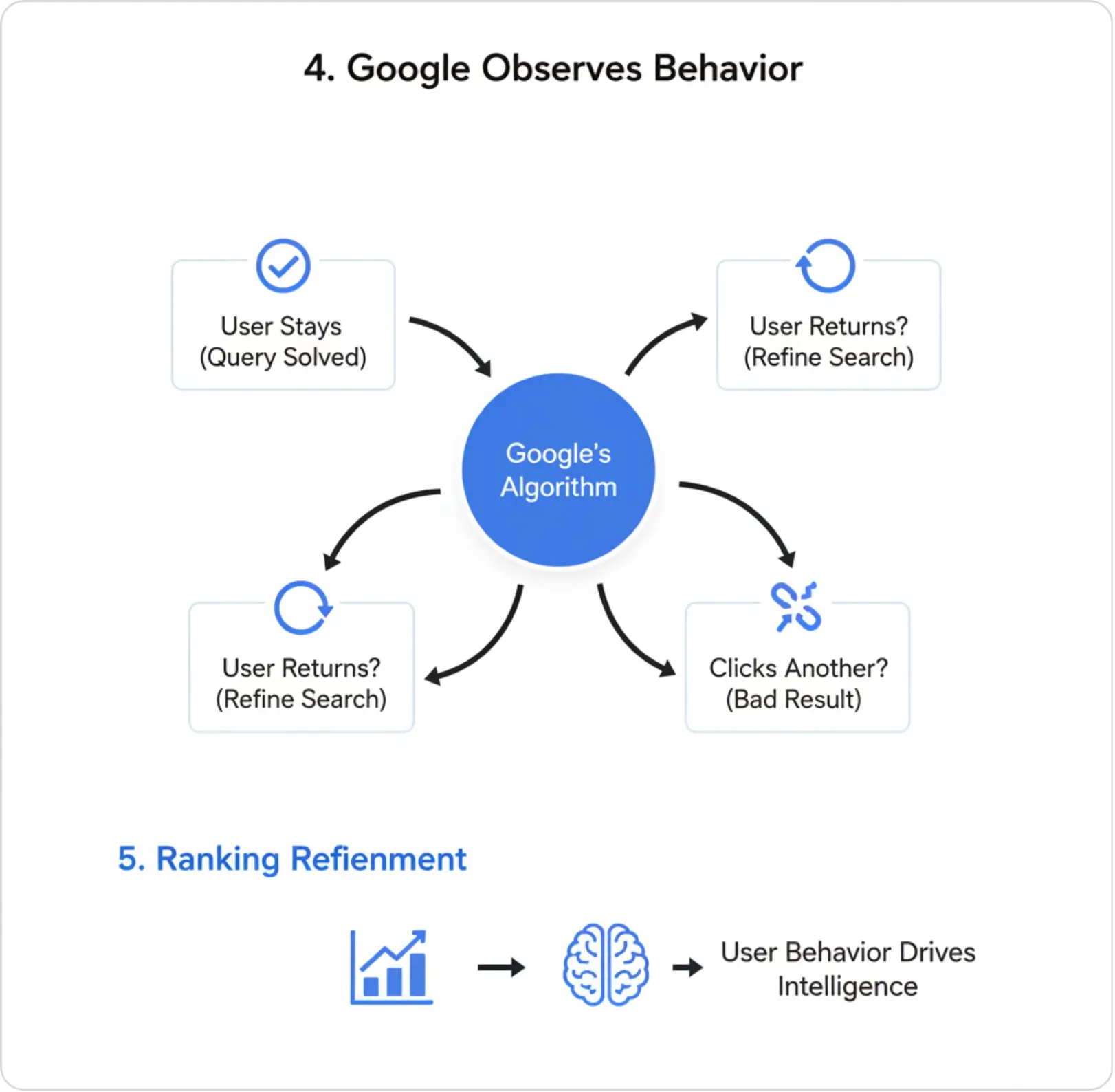
Google observes what happens next
Does the user stay?
Do they come back?
Do they click another result?
This sequence helps Google understand whether the result actually solved the query. Over time, millions of these interactions help refine rankings. So instead of guessing the best result, Google learns from real user behavior at scale.
This creates a powerful layer of intelligence. Pages are not just ranked based on what they contain, but based on how effectively they satisfy real users.
How Many Types of Clicks Are There?
Not all clicks are equal. Google evaluates clicks based on quality and outcome, not just volume. Broadly, clicks can be understood in two main types:
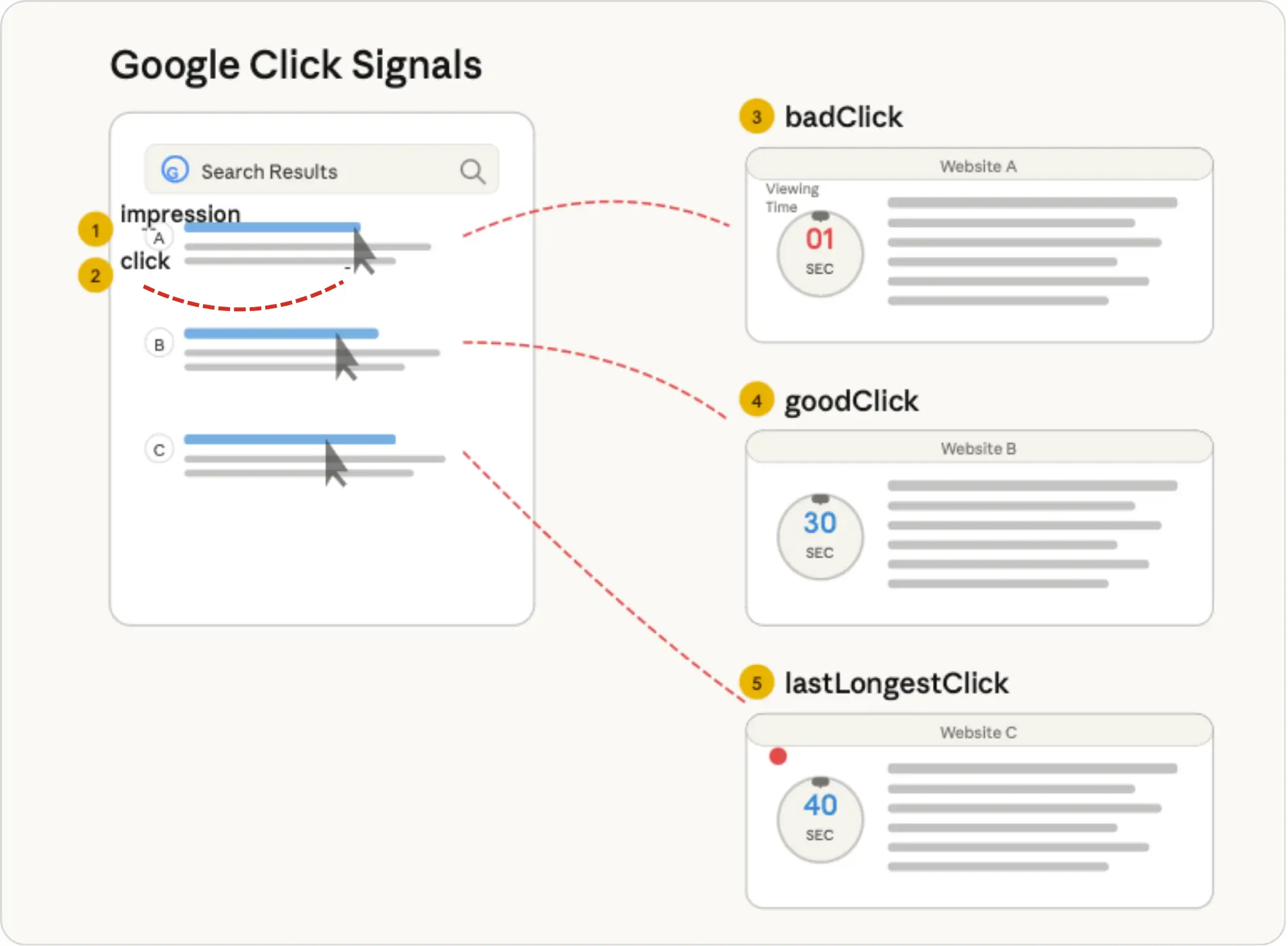
1. Bad Clicks (Unsatisfied Clicks)
This happens when:
A user clicks a result
Quickly returns to the search page
Tries another result
This behavior signals dissatisfaction. It tells Google: “This result didn’t solve the problem.”
Even if the page ranks high or gets a lot of clicks, repeated bad clicks can weaken its position over time.
2. Good Clicks (Satisfied Clicks)
A good click looks different:
The user clicks a result
Finds what they need
Doesn’t return immediately
This indicates that the page delivered value. Interestingly, this doesn’t always mean long time spent. For simple queries, quick answers are actually a positive outcome. What matters is whether the user’s intent was fulfilled.
3. Last Longest Clicks (The "Golden" Signal)
Among all click signals, one is especially powerful—the last click. This is the result that ends the search journey. The user clicks it, finds the answer, and doesn’t go back.
From Google’s perspective, this is the ideal outcome:
The query is resolved
No further searching is needed
The page successfully satisfied the user
When this happens consistently, it sends a strong signal that: “This is the best result for this query.” In many ways, SEO success today is about becoming that final destination.
How Clicks Affect Rankings?
Clicks influence rankings in a more indirect but powerful way. Google doesn’t just count clicks—it interprets patterns. For example:
If a lower-ranked page consistently gets more clicks than higher ones, it may move up
If users repeatedly leave a page quickly, it may drop
If a page becomes the final click for many users, it gains trust
This makes clicks a refinement layer on top of traditional ranking factors. Keywords and backlinks still matter. But clicks help Google decide: “Which of these results actually works best?”
How Clicks Help Google Understand Content Better?
Content alone doesn’t always reveal quality. Two pages can target the same keyword and look equally optimized. Clicks help bridge that gap.
They tell Google:
Which result users prefer
Which content matches intent better
Which format delivers faster answers
This is especially important for complex queries where intent isn’t obvious. In simple terms:
Keywords show relevance
Clicks show real-world performance
How Clicks Power AI Search Results?
With AI-driven search, Google often provides direct answers instead of just links. But these answers don’t come from nowhere. They are built on top of:
High-ranking content
Trusted sources
Structured data
And those rankings? They are heavily influenced by click behavior. So even if users don’t click as much anymore, clicks still play a critical role behind the scenes. They help Google decide:
Which sources to trust
Which content to summarize
Which answers to show
This means clicks are now influencing not just rankings—but AI-generated responses themselves.
RankEmbedBERT and the Power of Click Signals
While Query Fanout handles the retrieval of information, models like RankEmbedBERT handle the understandingand ranking.
Cyrus Shepard recently highlighted how Google uses RankEmbedBERT—a deep learning model—to bridge the gap between what a page says and what a user actually wants. Unlike older models that focused on keyword density, RankEmbedBERT looks at how users interact with results to determine relevance.
Google’s internal "ABC" pillars of ranking are now more visible than ever:
Anchors (Links and how people describe your site)
Body (The actual text and content quality)
Clicks (User interaction signals)
Clicks are no longer just a "ranking factor" in the traditional sense; they are training data. When a user clicks a result and stays there (avoiding "pogo-sticking"), they are essentially "voting" for that page's relevance to a specific sub-intent.
RankEmbedBERT learns from these successful interactions to refine which content is deemed "authoritative" enough to be cited in an AI-generated fanout response.
How Clicks Work with Query Fanout: The "Navboost" Engine?
In the world of Query Fanout, Google doesn't just look for a page that matches a keyword; it looks for a page that resolves a sub-intent. To do this, Google uses an internal system called Navboost (and a data model cheekily codenamed CRAPS). This system categorizes clicks into specific buckets to determine if a page is actually helpful or just clickbait.
When a query "fans out" into twelve different sub-queries, Google uses these click signals to decide which sources are worthy of being cited in the AI summary.
Why Impressions and Clicks are "Decoupling" ?
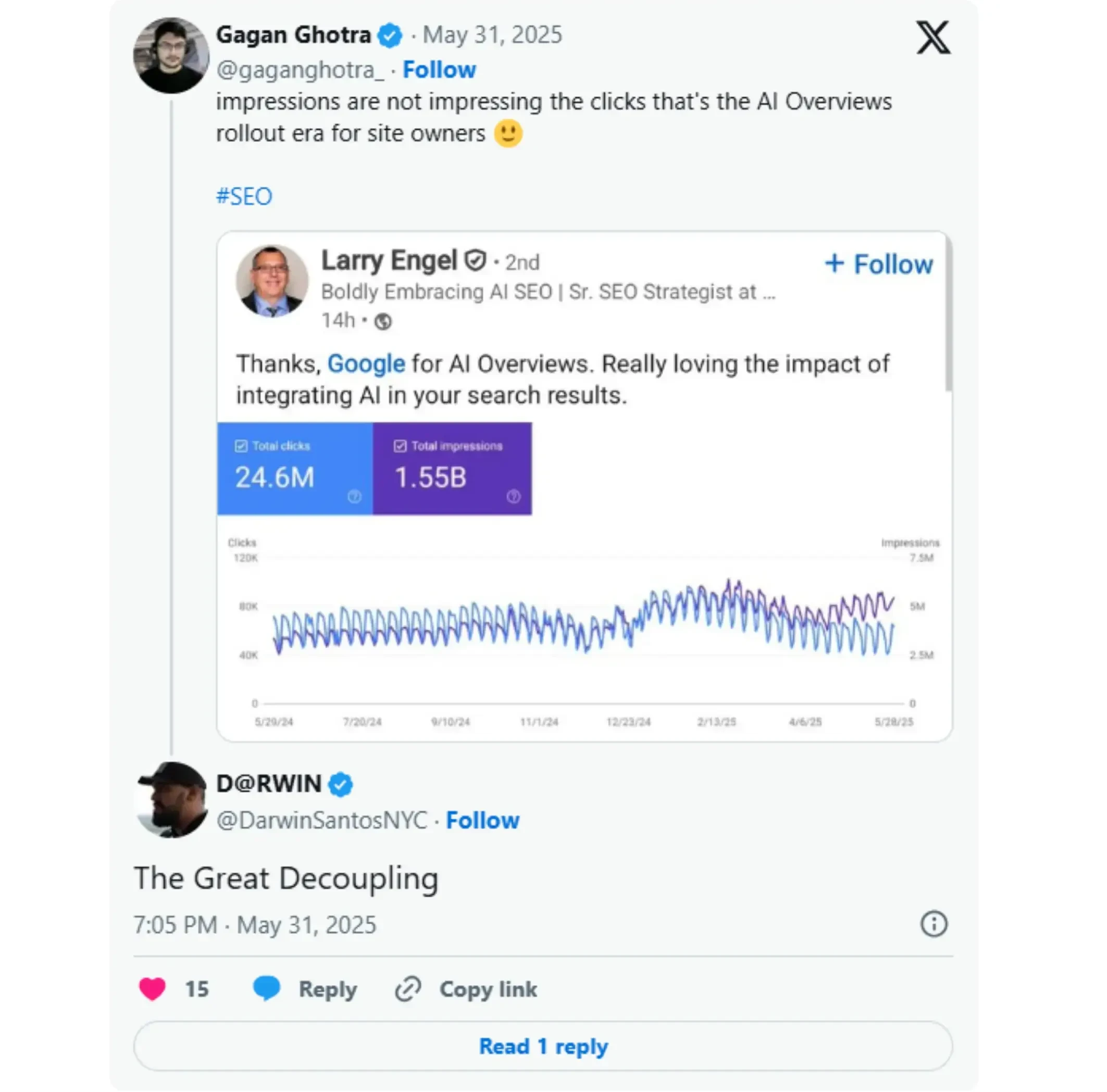
You may notice a strange trend in your Search Console: Impressions are skyrocketing while Clicks are falling. This is the "Great Decoupling" caused by Query Fanout. Your site is being "impressed" (viewed) by the AI as it gathers data for its fanout swarm, but the user may never actually click through because the AI provides the answer directly.
The New SEO Goal: You aren't just fighting for the click anymore; you are fighting to be the source of the Last Longest Click so that Google’s RankEmbedBERT model views you as the ultimate authority for that sub-topic.
Successful vs. Unsuccessful Interaction
Click Type | User Behaviour | Google’s Interpretation |
|---|---|---|
Good Click | 1 min +dwell time, no immediate return. | Page is relevant and high-quality. |
Bad Click | Returns to SERP in < 5 seconds. | Page is misleading or poor UX. |
Last Longest | Final click of the session; longest dwell time. | The Definitive Answer. High authority. |
Unsquashed Click | Raw click data (before bot filtering). | Used for spam and fraud detection. |
Practical SEO Strategies for the "Post-Click" Era
Understanding that Google is watching what happens after the click changes how we approach SEO. It is no longer enough to "rank #1"; you must "satisfy #1."
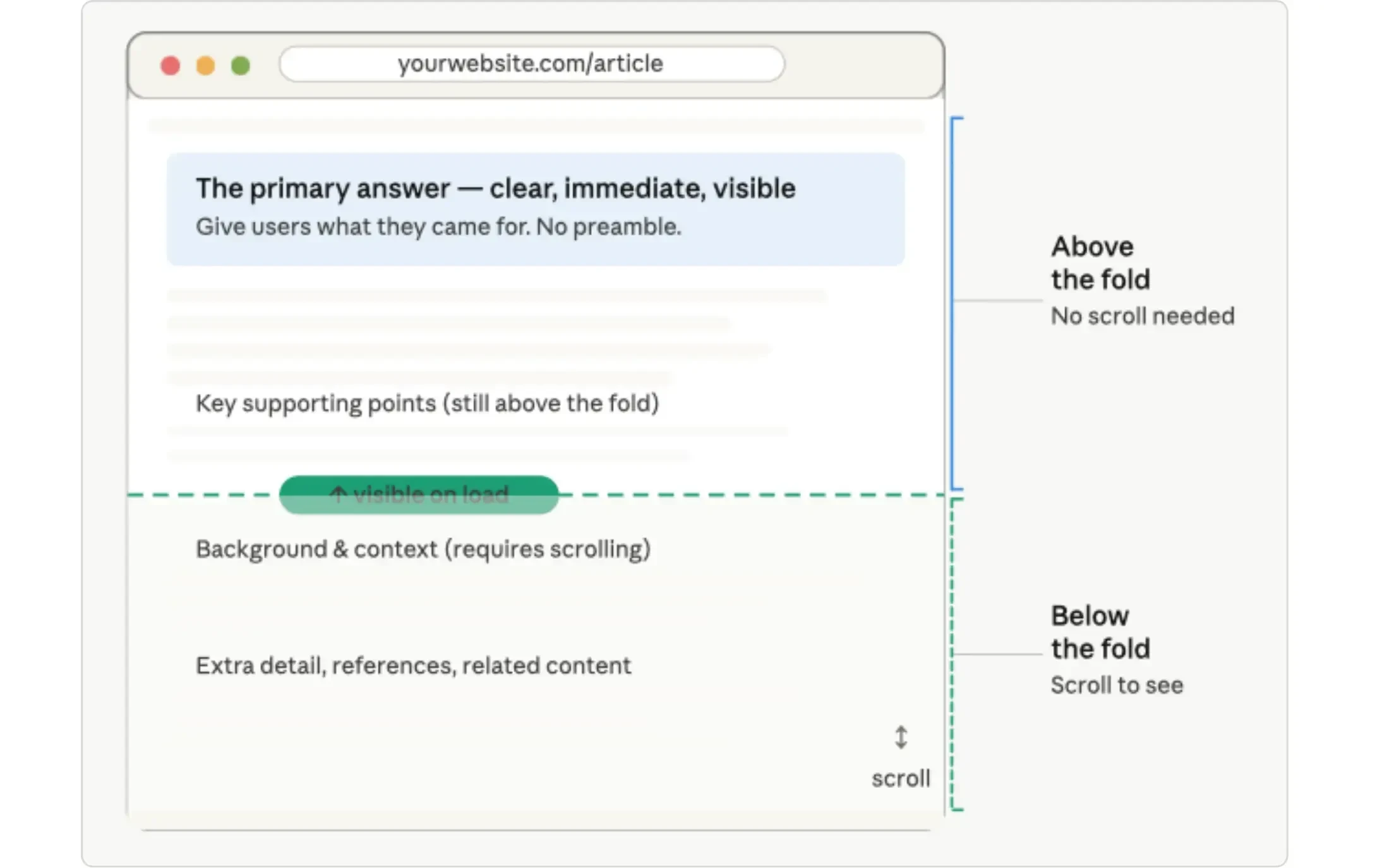
A. Focus on "Time to Answer"
If a user has to scroll through 1,000 words of fluff to find the answer to their query, they will bounce. To secure a "long click," place the primary answer "above the fold." This is often called the "inverted pyramid" style of writing.
B. Optimize for Interaction (Not Just Clicks)
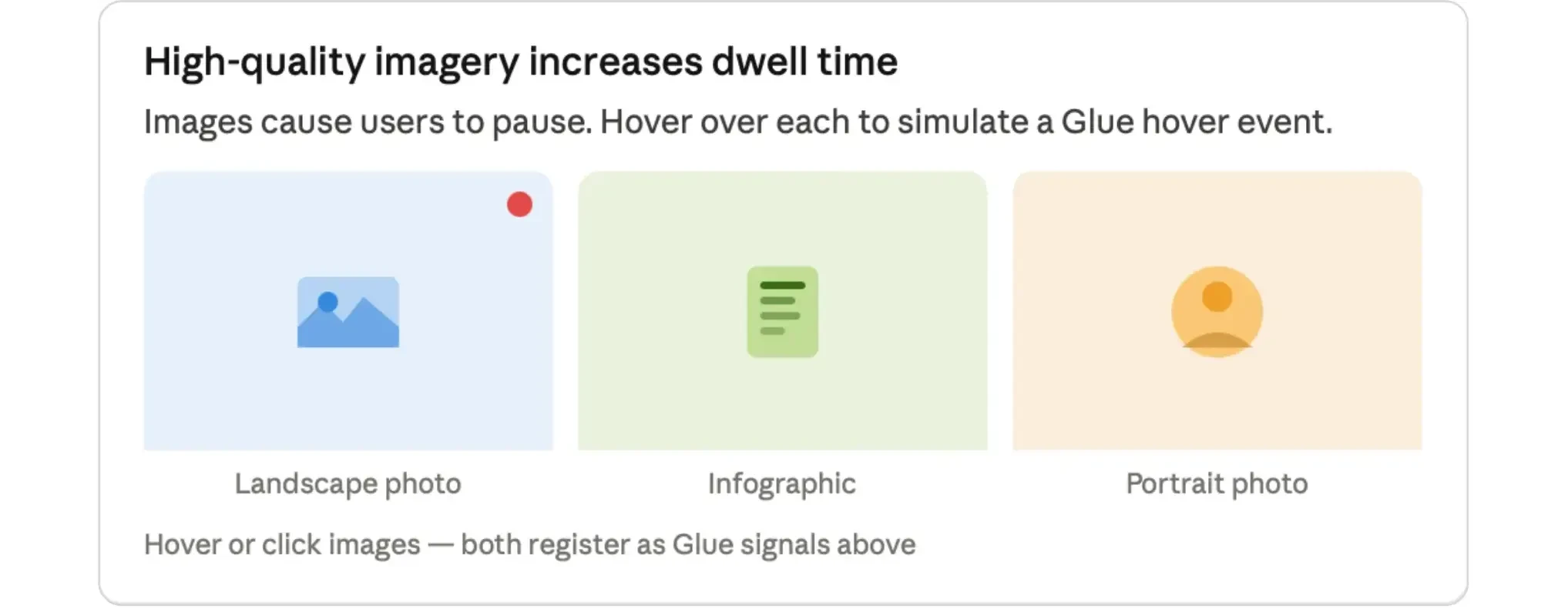
Google's "Glue" system tracks hovers, scrolls, and clicks on internal elements.
Use a table of contents with jump links.
Incorporate interactive calculators or tools.
Use high-quality imagery that encourages users to pause and engage.
C. Solve the "Next" Problem
A satisfied user is one who finishes their journey. If your page answers the current question but also anticipates and answers the next logical question, you increase the likelihood of being the "Last Click."
D. Brand Authority and Trust
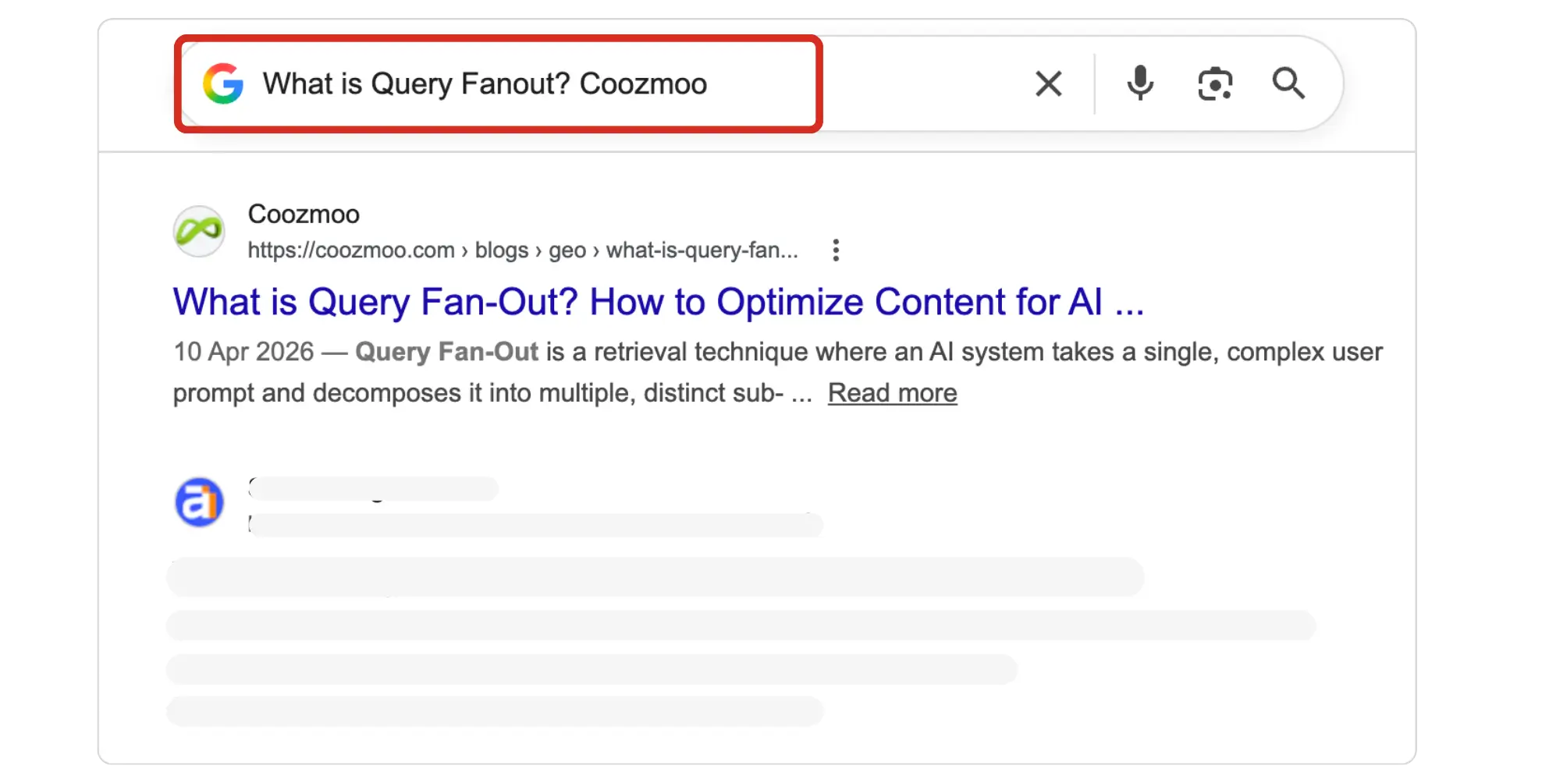
RankEmbed BERT looks at the relationship between queries and brands. If users specifically search for "[Topic] + [Your Brand Name]," it sends a powerful signal that you are an authority, making you a prime candidate for AI citations.
Final Thoughts
The revelation of how Google uses NavBoost, RankEmbed BERT, and Query Fanout confirms what many suspected: User behavior is the ultimate arbiter of truth in search.
Google has evolved from a directory that rewards keywords to a behavioral engine that rewards satisfaction. For creators and marketers, the mandate is clear: Stop writing for bots and start building experiences that users never want to "bounce" from.
When you satisfy the user, you satisfy the algorithm—and the AI that learns from it.
By mastering the "post-click" experience, you aren't just ranking for today; you are ensuring your brand's place in the AI-driven search landscape of tomorrow.
FAQs
What is a "good click" versus a "bad click" in Google's ranking system?

A good click is when someone clicks a result and doesn't immediately bounce back to search, meaning the page actually solved their problem. A bad click is the opposite, quick return to the results page, try something else, which tells Google the page didn't deliver. Google's tracking this pattern across millions of searches to figure out which pages genuinely satisfy intent.
What is the "Last Longest Click" and why does it matter?
It's the click that ends a user's search session entirely, they find what they need and never go back. Google treats this as the strongest possible signal that a page nailed the answer. Chasing this instead of just chasing rank is really the shift SEO needs to make right now.
Do clicks still matter if AI overviews are reducing traffic?
Yes, arguably more than before. AI-generated answers are built on top of high-ranking, trusted content, and click behavior is a big part of what determines which sources earn that trust in the first place. Fewer visible clicks doesn't mean click data stopped mattering behind the scenes.
What is Navboost and how does it relate to AI search?
It's Google's internal system for sorting clicks into buckets, figuring out which pages genuinely help versus which ones just baited a click and delivered nothing. When a complex query splits into multiple sub-questions, Navboost's click data is part of what decides which sources are trustworthy enough to actually get cited in the AI-generated summary.
How can I optimize content for the "post-click" experience?
Put your actual answer near the top instead of making people scroll through filler to find it, that's the fastest way to earn a long click instead of a bounce. Beyond that, anticipate the next question a satisfied reader would have and answer it too, since finishing someone's whole search journey is what earns the "last click" signal Google's watching for.
For most of SEO’s history, rankings were explained through a familiar trio: keywords, backlinks, and technical optimization. But that model has always been incomplete. Behind the scenes, Google has been running something far more dynamic—a system that continuously learns from how users interact with search results.
Today, in the era of AI-driven search experiences like AI Overviews and conversational engines, this behavioral layer has become even more critical. Clicks are no longer just interactions; they are signals of satisfaction, training data for machine learning models, and a foundation for AI-generated answers.
Understanding how Google interprets clicks is no longer optional—it’s central to modern SEO.
What Happens When Someone Clicks a Result?
Every time a user performs a search, Google is not just showing results—it’s running a live experiment.
Here’s what typically happens:
A user searches for something
Google shows multiple results
The user clicks one
Google observes what happens next
Does the user stay?
Do they come back?
Do they click another result?
This sequence helps Google understand whether the result actually solved the query. Over time, millions of these interactions help refine rankings. So instead of guessing the best result, Google learns from real user behavior at scale.
This creates a powerful layer of intelligence. Pages are not just ranked based on what they contain, but based on how effectively they satisfy real users.
How Many Types of Clicks Are There?
Not all clicks are equal. Google evaluates clicks based on quality and outcome, not just volume. Broadly, clicks can be understood in two main types:
1. Bad Clicks (Unsatisfied Clicks)
This happens when:
A user clicks a result
Quickly returns to the search page
Tries another result
This behavior signals dissatisfaction. It tells Google: “This result didn’t solve the problem.”
Even if the page ranks high or gets a lot of clicks, repeated bad clicks can weaken its position over time.
2. Good Clicks (Satisfied Clicks)
A good click looks different:
The user clicks a result
Finds what they need
Doesn’t return immediately
This indicates that the page delivered value. Interestingly, this doesn’t always mean long time spent. For simple queries, quick answers are actually a positive outcome. What matters is whether the user’s intent was fulfilled.
3. Last Longest Clicks (The "Golden" Signal)
Among all click signals, one is especially powerful—the last click. This is the result that ends the search journey. The user clicks it, finds the answer, and doesn’t go back.
From Google’s perspective, this is the ideal outcome:
The query is resolved
No further searching is needed
The page successfully satisfied the user
When this happens consistently, it sends a strong signal that: “This is the best result for this query.” In many ways, SEO success today is about becoming that final destination.
How Clicks Affect Rankings?
Clicks influence rankings in a more indirect but powerful way. Google doesn’t just count clicks—it interprets patterns. For example:
If a lower-ranked page consistently gets more clicks than higher ones, it may move up
If users repeatedly leave a page quickly, it may drop
If a page becomes the final click for many users, it gains trust
This makes clicks a refinement layer on top of traditional ranking factors. Keywords and backlinks still matter. But clicks help Google decide: “Which of these results actually works best?”
How Clicks Help Google Understand Content Better?
Content alone doesn’t always reveal quality. Two pages can target the same keyword and look equally optimized. Clicks help bridge that gap.
They tell Google:
Which result users prefer
Which content matches intent better
Which format delivers faster answers
This is especially important for complex queries where intent isn’t obvious. In simple terms:
Keywords show relevance
Clicks show real-world performance
How Clicks Power AI Search Results?
With AI-driven search, Google often provides direct answers instead of just links. But these answers don’t come from nowhere. They are built on top of:
High-ranking content
Trusted sources
Structured data
And those rankings? They are heavily influenced by click behavior. So even if users don’t click as much anymore, clicks still play a critical role behind the scenes. They help Google decide:
Which sources to trust
Which content to summarize
Which answers to show
This means clicks are now influencing not just rankings—but AI-generated responses themselves.
RankEmbedBERT and the Power of Click Signals
While Query Fanout handles the retrieval of information, models like RankEmbedBERT handle the understandingand ranking.
Cyrus Shepard recently highlighted how Google uses RankEmbedBERT—a deep learning model—to bridge the gap between what a page says and what a user actually wants. Unlike older models that focused on keyword density, RankEmbedBERT looks at how users interact with results to determine relevance.
Google’s internal "ABC" pillars of ranking are now more visible than ever:
Anchors (Links and how people describe your site)
Body (The actual text and content quality)
Clicks (User interaction signals)
Clicks are no longer just a "ranking factor" in the traditional sense; they are training data. When a user clicks a result and stays there (avoiding "pogo-sticking"), they are essentially "voting" for that page's relevance to a specific sub-intent.
RankEmbedBERT learns from these successful interactions to refine which content is deemed "authoritative" enough to be cited in an AI-generated fanout response.
How Clicks Work with Query Fanout: The "Navboost" Engine?
In the world of Query Fanout, Google doesn't just look for a page that matches a keyword; it looks for a page that resolves a sub-intent. To do this, Google uses an internal system called Navboost (and a data model cheekily codenamed CRAPS). This system categorizes clicks into specific buckets to determine if a page is actually helpful or just clickbait.
When a query "fans out" into twelve different sub-queries, Google uses these click signals to decide which sources are worthy of being cited in the AI summary.
Why Impressions and Clicks are "Decoupling" ?
You may notice a strange trend in your Search Console: Impressions are skyrocketing while Clicks are falling. This is the "Great Decoupling" caused by Query Fanout. Your site is being "impressed" (viewed) by the AI as it gathers data for its fanout swarm, but the user may never actually click through because the AI provides the answer directly.
The New SEO Goal: You aren't just fighting for the click anymore; you are fighting to be the source of the Last Longest Click so that Google’s RankEmbedBERT model views you as the ultimate authority for that sub-topic.
Successful vs. Unsuccessful Interaction
Click Type | User Behaviour | Google’s Interpretation |
|---|---|---|
Good Click | 1 min +dwell time, no immediate return. | Page is relevant and high-quality. |
Bad Click | Returns to SERP in < 5 seconds. | Page is misleading or poor UX. |
Last Longest | Final click of the session; longest dwell time. | The Definitive Answer. High authority. |
Unsquashed Click | Raw click data (before bot filtering). | Used for spam and fraud detection. |
Practical SEO Strategies for the "Post-Click" Era
Understanding that Google is watching what happens after the click changes how we approach SEO. It is no longer enough to "rank #1"; you must "satisfy #1."
A. Focus on "Time to Answer"
If a user has to scroll through 1,000 words of fluff to find the answer to their query, they will bounce. To secure a "long click," place the primary answer "above the fold." This is often called the "inverted pyramid" style of writing.
B. Optimize for Interaction (Not Just Clicks)
Google's "Glue" system tracks hovers, scrolls, and clicks on internal elements.
Use a table of contents with jump links.
Incorporate interactive calculators or tools.
Use high-quality imagery that encourages users to pause and engage.
C. Solve the "Next" Problem
A satisfied user is one who finishes their journey. If your page answers the current question but also anticipates and answers the next logical question, you increase the likelihood of being the "Last Click."
D. Brand Authority and Trust
RankEmbed BERT looks at the relationship between queries and brands. If users specifically search for "[Topic] + [Your Brand Name]," it sends a powerful signal that you are an authority, making you a prime candidate for AI citations.
Final Thoughts
The revelation of how Google uses NavBoost, RankEmbed BERT, and Query Fanout confirms what many suspected: User behavior is the ultimate arbiter of truth in search.
Google has evolved from a directory that rewards keywords to a behavioral engine that rewards satisfaction. For creators and marketers, the mandate is clear: Stop writing for bots and start building experiences that users never want to "bounce" from.
When you satisfy the user, you satisfy the algorithm—and the AI that learns from it.
By mastering the "post-click" experience, you aren't just ranking for today; you are ensuring your brand's place in the AI-driven search landscape of tomorrow.
FAQs
What is a "good click" versus a "bad click" in Google's ranking system?
A good click is when someone clicks a result and doesn't immediately bounce back to search, meaning the page actually solved their problem. A bad click is the opposite, quick return to the results page, try something else, which tells Google the page didn't deliver. Google's tracking this pattern across millions of searches to figure out which pages genuinely satisfy intent.
What is the "Last Longest Click" and why does it matter?
It's the click that ends a user's search session entirely, they find what they need and never go back. Google treats this as the strongest possible signal that a page nailed the answer. Chasing this instead of just chasing rank is really the shift SEO needs to make right now.
Do clicks still matter if AI overviews are reducing traffic?
Yes, arguably more than before. AI-generated answers are built on top of high-ranking, trusted content, and click behavior is a big part of what determines which sources earn that trust in the first place. Fewer visible clicks doesn't mean click data stopped mattering behind the scenes.
What is Navboost and how does it relate to AI search?
It's Google's internal system for sorting clicks into buckets, figuring out which pages genuinely help versus which ones just baited a click and delivered nothing. When a complex query splits into multiple sub-questions, Navboost's click data is part of what decides which sources are trustworthy enough to actually get cited in the AI-generated summary.
How can I optimize content for the "post-click" experience?
Put your actual answer near the top instead of making people scroll through filler to find it, that's the fastest way to earn a long click instead of a bounce. Beyond that, anticipate the next question a satisfied reader would have and answer it too, since finishing someone's whole search journey is what earns the "last click" signal Google's watching for.



Summarize with AI


Want to be seen everywhere?
Get a free AI-search audit Today!



4.9/5 Ratings!


Don’t miss our revenue growth tips!
Get expert marketing tips—straight to your inbox, like thousands of happy clients.
Don’t miss our revenue growth tips!
Get expert marketing tips—straight to your inbox, like thousands of happy clients.
Don’t miss our revenue growth tips!
Don’t miss our revenue growth tips!
Get expert marketing tips—straight to your inbox, like thousands of happy clients.
Relevant Blogs on Generative AI SEO
Relevant Blogs on Generative AI SEO
Unlock data-driven insights in AI-powered SEO—explore our featured blogs and skyrocket your revenue before your competitors do.
Unlock data-driven insights in AI-powered SEO—explore our featured blogs and skyrocket your revenue before your competitors do.
GEO
Sep 22, 2026
15 Min Read
AI Search Runs on More SEO Than You Think
GEO
Sep 22, 2026
15 Min Read
AI Search Runs on More SEO Than You Think
GEO
Sep 22, 2026
15 Min Read
AI Search Runs on More SEO Than You Think
GEO
Sep 7, 2026
8 Min Read
How to Optimize Content for AI Search Engines: Best Practices
GEO
Sep 7, 2026
8 Min Read
How to Optimize Content for AI Search Engines: Best Practices
GEO
Sep 7, 2026
8 Min Read
How to Optimize Content for AI Search Engines: Best Practices

GEO
Sep 4, 2026
12 Min Read
How Ecommerce Brands Can Advertise in Google AI Mode?
GEO
Sep 4, 2026
12 Min Read
How Ecommerce Brands Can Advertise in Google AI Mode?
GEO
Sep 4, 2026
12 Min Read
How Ecommerce Brands Can Advertise in Google AI Mode?

























Ready to speak with an expert?
Data-Driven Marketing Agency That Elevates ROI
1100+
Websites Designed & Optimized to Convert
$280M+
Client Revenue Driven & Growing Strong
Discover how to skyrocket
your revenue today!
Trusted by 1000+ Owners!
Ready to speak with an expert?
Data-Driven Marketing Agency That Elevates ROI
1100+
Websites Designed & Optimized to Convert
$280M+
Client Revenue Driven & Growing Strong
Discover how to skyrocket
your revenue today!
Trusted by 1000+ Owners!
Want to skyrocket revenue?
4.9/5 Ratings!
Ready to speak with an expert?
Data-Driven Marketing Agency That Elevates ROI
1100+
Websites Designed & Optimized to Convert
$280M+
Client Revenue Driven & Growing Strong
Discover how to skyrocket
your revenue today!
Trusted by 1000+ Owners!
Call
Meet