What is Query Fan-Out? How to Optimize Content for AI Search?
What is Query Fan-Out? How to Optimize Content for AI Search?
Last Updated:
Table of Content
Case Studies








For over two decades, the relationship between a user and a search engine was a simple 1:1 transaction. You typed a keyword, and Google gave you a list of links. But as we enter the era of "Answer Engines"—driven by Google Gemini, ChatGPT, and Perplexity—that transaction has evolved into a 1:many relationship.
When you ask a complex question today, the AI doesn’t just perform one search. It performs dozens.
This hidden mechanical process is known as Query Fan-Out. It is the single most important concept to understand if you want your content to be cited in AI Overviews (AIOs) or LLM responses. If you are still optimizing for single keywords, you are only seeing the tip of the iceberg.
In this guide, we will break down exactly what query fan-out is, why it has become the "brain" of modern search, and a step-by-step playbook to optimize your digital presence for it.
What is Query Fan-Out?
Query Fan-Out is a retrieval technique where an AI system takes a single, complex user prompt and decomposes it into multiple, distinct sub-queries. These sub-queries are then executed in parallel to gather a broad spectrum of information, which the AI then synthesizes into one final, comprehensive answer.
Think of it as a "Research Manager" dynamic.
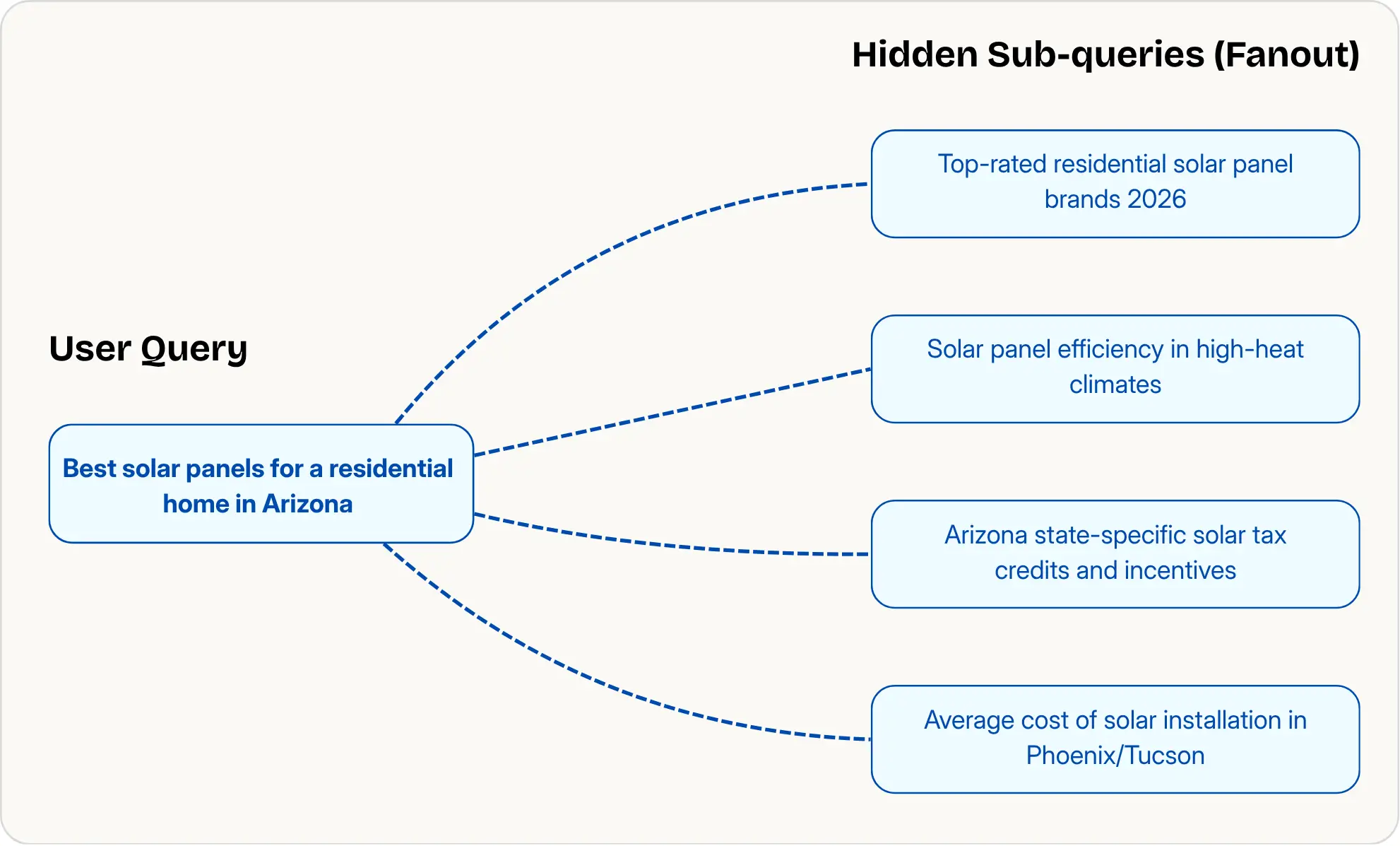
The Seed Query: "What are the best solar panels for a residential home in Arizona?"
The Fan-Out: The AI recognizes this isn't one question; it’s four. Behind the scenes, it generates:
"Top-rated residential solar panel brands 2026"
"Solar panel efficiency in high-heat climates"
"Arizona state-specific solar tax credits and incentives"
"Average cost of solar installation in Phoenix/Tucson"
The AI "fans out" these requests to search engines or internal databases, collects the most relevant "passages" (not just pages) from different sources, and weaves them together.
Why the Shift?
Traditional search engines struggled with "multi-hop" reasoning. If a query required knowing A to understand B, the user had to do two separate searches. With query fan-out, the AI does the legwork. For SEOs and marketers, this means your visibility is no longer tied to one "winning" keyword; it is tied to how many of these "branches" your content can satisfy.
The Anatomy of a Fan-Out Process
To optimize for fan-out, you must understand the four stages of how an AI "thinks" when it receives a prompt:
1. Intent Decomposition
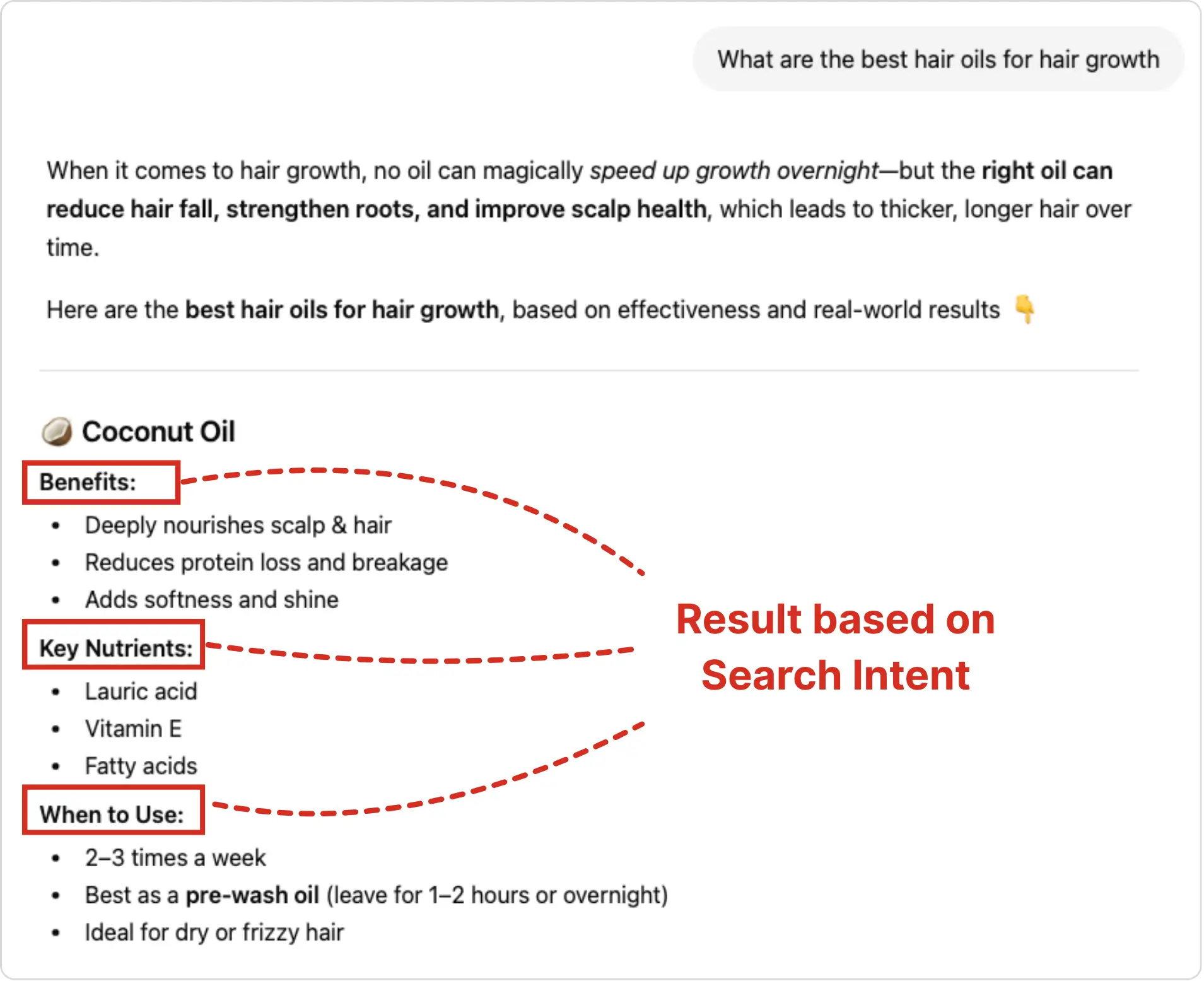
The LLM (Large Language Model) analyzes the prompt for "entities" (names, places, things) and "constraints" (budget, location, time). It satisfy search intent. It identifies gaps that need to be filled to provide a "complete" answer.
2. Parallel Retrieval
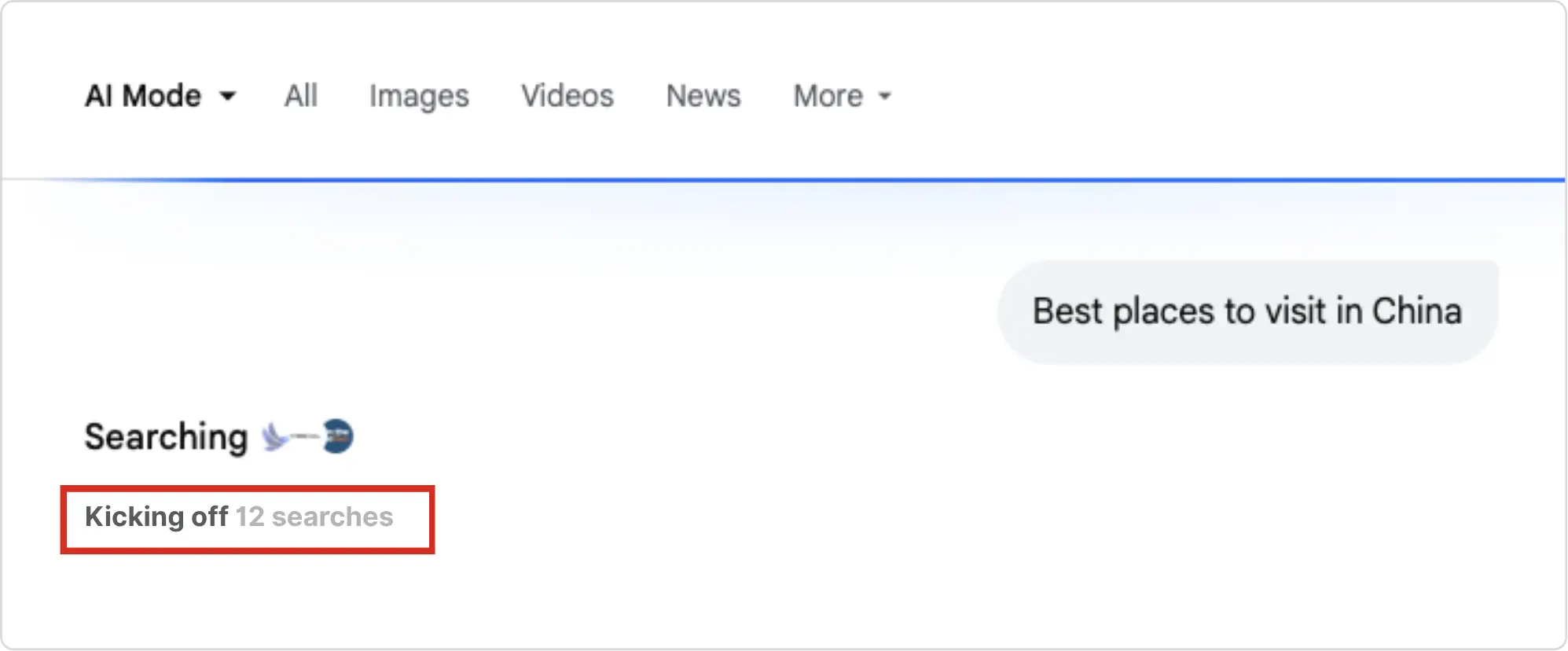
The system issues multiple sub-queries simultaneously. This is where the name "fan-out" comes from. It’s a literal expansion of the search perimeter.
3. Passage Extraction
Unlike traditional Google, which ranks pages, fan-out systems rank passages. They look for the specific paragraph, table, or list that answers a sub-query perfectly. They might take the pricing from Site A, the pros/cons from Site B, and the technical specs from Site C.
4. Synthesis and Attribution
The AI merges these passages into a readable summary. It then attributes the information via citations. If your content was the source for three out of five sub-queries, you get the lion's share of the traffic and brand authority.
How to Optimize for Query Fan-Out
Optimizing for query fan-out requires moving away from "Keyword SEO" and toward "Intent SEO." Use the following five-step playbook to ensure your content is the primary source for fanned-out queries.
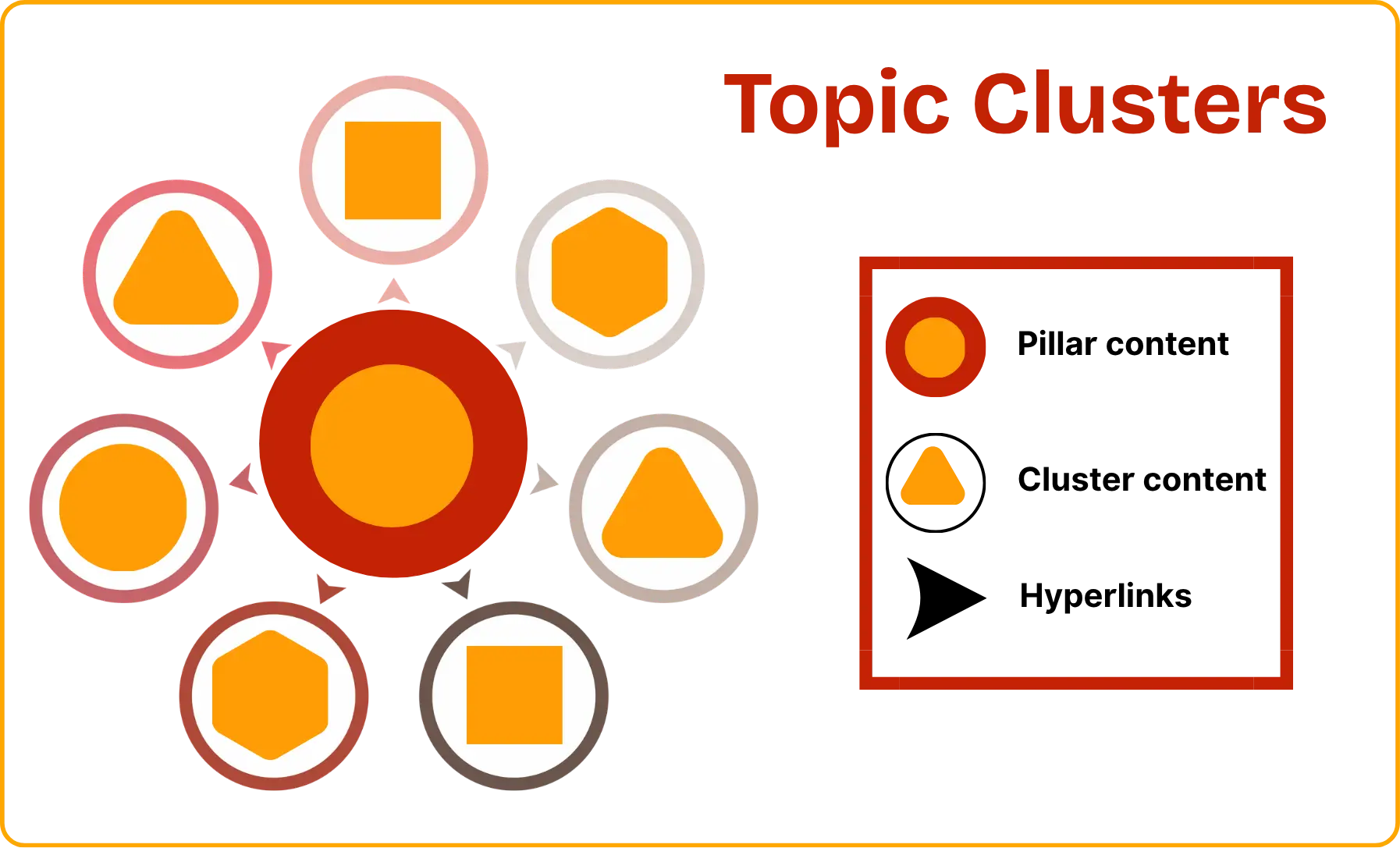
1. Master the Topic Cluster Model
Because fan-out seeks to cover a topic from every angle, your site structure must mirror that. You cannot rely on a single "Ultimate Guide" post anymore.
Pillar Pages: Create a high-level hub that touches on every sub-topic briefly.
Cluster Pages: Create dedicated, deep-dive pages for every "branch" the AI might generate.
Internal Linking: Use descriptive anchor text to link clusters back to the pillar. This helps the AI understand the relationship between your data points.
2. Write for "Passage-Level" Wins
Since AI extracts "chunks" of content, you need to format your writing to be "snappable."
The "Inverted Pyramid" Style: Put the most important information—the direct answer—at the very beginning of a section.
Question-Based Headings: Use H2s and H3s that mirror the sub-queries. Instead of a heading like "Cost Factors," use "How much does solar panel installation cost in Arizona?"
The "Definition" Block: AI often fans out to find definitions. Include clear, concise "What is [X]?" sections early in your content.
3. Implement Advanced Schema Markup
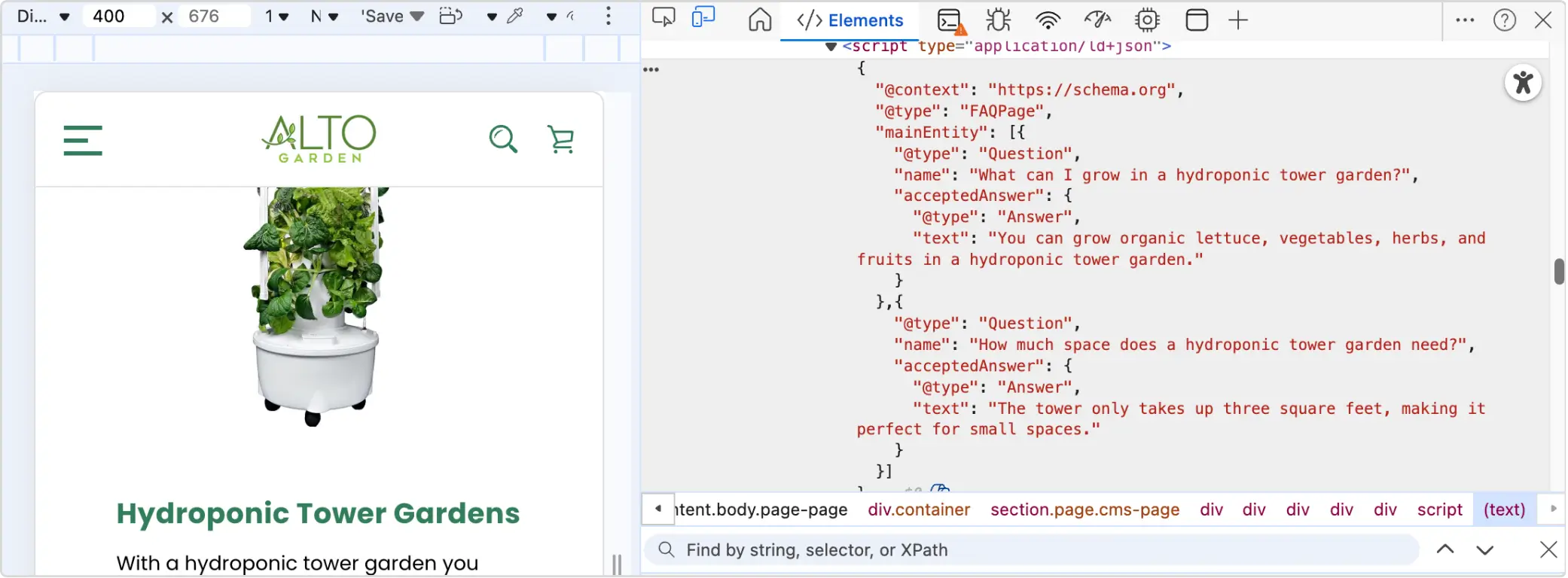
Schema is the "machine-readable" language that allows AI to skip the "guessing" phase.
To win at fan-out, you must go beyond basic Article schema:
FAQ Schema: Directly maps to common sub-queries.
Product/Price Schema: Helps the AI extract hard data for comparison queries.
How-To Schema: Provides a clear step-by-step logic that AI can use to build "instructional" responses.
Head to Schema.org to identify schema types that might be relevant to your website. You can also find advice on how to implement structured data.
4. Anticipate "Constraint-Based" Queries
AI fan-out often targets specific user constraints like price, location, user-type, and difficulty.
The "For" Factor: Write sections specifically for different audiences (e.g., "Best CRMs for Freelancers" vs "Best CRMs for Enterprises").
Comparison Tables: Don't let the AI build its own table; provide a clean, HTML-coded comparison table. AI loves extracting these for "comparison" fan-outs.
5. Reverse-Engineer the Fan-Out
You don't have to guess what the fan-out queries will be. You can use the AI against itself:
Go to an AI search tool (like Perplexity or Gemini).
Enter the main query you want to rank for.
Look at the "Sources" or "Related" section. These are the literal fan-out branches the AI used.
Audit your content. Does your page have a dedicated section that answers each of those specific sub-questions? If not, you have a content gap.
Examples of Fan-Out Optimization in Action
Let’s look at a real-world scenario to see the difference between "Old SEO" and "Fan-Out SEO."
Topic: Starting a Dog Grooming Business
The Old Way (Keyword Focus):
Title: How to Start a Dog Grooming Business
Content: A long, 3,000-word narrative about the love of dogs, general tips, and a call to action.
Result: The AI finds it "too fluffy" to extract specific facts quickly.
The New Way (Fan-Out Focus):
Title: The Complete Guide to Starting a Dog Grooming Business
H2: What is the average startup cost for a grooming salon? (Directly answers the "Cost" fan-out).
H2: Essential Equipment Checklist (Answers the "Tools" fan-out).
H2: Licensing requirements by state (Answers the "Legal/Compliance" fan-out).
H2: Mobile vs. Brick-and-Mortar: Pros & Cons (Answers the "Comparison" fan-out).
Result: When a user asks "How much do I need to start a mobile dog grooming business?", the AI pulls the "Cost" and "Mobile vs. Brick-and-Mortar" sections from this specific page because they are perfectly isolated and informative.
Common Pitfalls to Avoid
While optimizing for fan-out, many brands fall into "The Sprawl Trap." Avoid these common mistakes:
Chasing Volume Over Clarity: Don't add 50 sub-headings just for the sake of it. If a section doesn't provide a high-density answer, it's just noise that might confuse the LLM.
Neglecting Brand Authority: AI is more likely to use your "passage" if it trusts your "domain." Continue building high-quality backlinks and expert bios (E-E-A-T) alongside your technical optimization.
Ignoring the "Next Step" Query: Fan-out often looks for the logical next step. If your guide is about "Buying a House," the fan-out will look for "Finding a Mortgage." If you don't provide that bridge, you lose the user to a competitor who does.
Final Thoughts
The emergence of Query Fan-Out marks the end of the "one-page-ranks-all" era. We are entering an age where content is a system, not just a collection of articles.
To win in this new environment, you must stop thinking like a writer and start thinking like a Knowledge Architect. You are building a library of interconnected facts, definitions, and expert insights designed to be dismantled and reassembled by AI.
By anticipating the sub-queries, structuring your data for easy extraction, and covering your topics with unmatched depth, you ensure that no matter how many branches the AI "fans out" into, every single one leads back to you.
The search bar is changing—it’s time for your content strategy to change with it.
FAQs
Why does query fan-out matter for SEO and AI search?

Because visibility isn't tied to one winning keyword anymore. AI systems break a single question into multiple sub-queries and pull the best passage for each one, so your content's chances of being cited depend on how many of those branches you actually cover, not just whether you rank for the main term.
How does query fan-out work?
An AI takes a complex prompt, breaks it into several distinct sub-questions, runs them in parallel, and pulls the best-matching passage for each from wherever it lives online. Then it stitches those passages into one synthesized answer and cites the sources it pulled from. It's less one search and more several searches happening at once behind the scenes.
What's the difference between passage ranking and page ranking?
Traditional search ranks entire pages. Fan-out systems rank individual passages, a specific paragraph, table, or list that answers one sub-query well. That means a page can lose the overall keyword battle but still get cited if one section nails a specific sub-question better than anyone else's content does.
How do I find out what sub-queries AI is generating for my topic?
Run your target query through a tool like Perplexity or Gemini and check the sources or related questions it surfaces. Those are the actual fan-out branches the AI used. Compare that list against your existing content, if you don't have a section answering each one, that's a real content gap.
What's the biggest mistake brands make when optimizing for fan-out?
Piling on sub-headings just to look comprehensive, without actually answering something specific under each one. If a section doesn't give a clear, extractable answer, it's just noise to an AI system, and it won't get pulled no matter how many headings surround it. Depth per section beats sheer number of sections, every time.
For over two decades, the relationship between a user and a search engine was a simple 1:1 transaction. You typed a keyword, and Google gave you a list of links. But as we enter the era of "Answer Engines"—driven by Google Gemini, ChatGPT, and Perplexity—that transaction has evolved into a 1:many relationship.
When you ask a complex question today, the AI doesn’t just perform one search. It performs dozens.
This hidden mechanical process is known as Query Fan-Out. It is the single most important concept to understand if you want your content to be cited in AI Overviews (AIOs) or LLM responses. If you are still optimizing for single keywords, you are only seeing the tip of the iceberg.
In this guide, we will break down exactly what query fan-out is, why it has become the "brain" of modern search, and a step-by-step playbook to optimize your digital presence for it.
What is Query Fan-Out?
Query Fan-Out is a retrieval technique where an AI system takes a single, complex user prompt and decomposes it into multiple, distinct sub-queries. These sub-queries are then executed in parallel to gather a broad spectrum of information, which the AI then synthesizes into one final, comprehensive answer.
Think of it as a "Research Manager" dynamic.
The Seed Query: "What are the best solar panels for a residential home in Arizona?"
The Fan-Out: The AI recognizes this isn't one question; it’s four. Behind the scenes, it generates:
"Top-rated residential solar panel brands 2026"
"Solar panel efficiency in high-heat climates"
"Arizona state-specific solar tax credits and incentives"
"Average cost of solar installation in Phoenix/Tucson"
The AI "fans out" these requests to search engines or internal databases, collects the most relevant "passages" (not just pages) from different sources, and weaves them together.
Why the Shift?
Traditional search engines struggled with "multi-hop" reasoning. If a query required knowing A to understand B, the user had to do two separate searches. With query fan-out, the AI does the legwork. For SEOs and marketers, this means your visibility is no longer tied to one "winning" keyword; it is tied to how many of these "branches" your content can satisfy.
The Anatomy of a Fan-Out Process
To optimize for fan-out, you must understand the four stages of how an AI "thinks" when it receives a prompt:
1. Intent Decomposition
The LLM (Large Language Model) analyzes the prompt for "entities" (names, places, things) and "constraints" (budget, location, time). It satisfy search intent. It identifies gaps that need to be filled to provide a "complete" answer.
2. Parallel Retrieval
The system issues multiple sub-queries simultaneously. This is where the name "fan-out" comes from. It’s a literal expansion of the search perimeter.
3. Passage Extraction
Unlike traditional Google, which ranks pages, fan-out systems rank passages. They look for the specific paragraph, table, or list that answers a sub-query perfectly. They might take the pricing from Site A, the pros/cons from Site B, and the technical specs from Site C.
4. Synthesis and Attribution
The AI merges these passages into a readable summary. It then attributes the information via citations. If your content was the source for three out of five sub-queries, you get the lion's share of the traffic and brand authority.
How to Optimize for Query Fan-Out
Optimizing for query fan-out requires moving away from "Keyword SEO" and toward "Intent SEO." Use the following five-step playbook to ensure your content is the primary source for fanned-out queries.
1. Master the Topic Cluster Model
Because fan-out seeks to cover a topic from every angle, your site structure must mirror that. You cannot rely on a single "Ultimate Guide" post anymore.
Pillar Pages: Create a high-level hub that touches on every sub-topic briefly.
Cluster Pages: Create dedicated, deep-dive pages for every "branch" the AI might generate.
Internal Linking: Use descriptive anchor text to link clusters back to the pillar. This helps the AI understand the relationship between your data points.
2. Write for "Passage-Level" Wins
Since AI extracts "chunks" of content, you need to format your writing to be "snappable."
The "Inverted Pyramid" Style: Put the most important information—the direct answer—at the very beginning of a section.
Question-Based Headings: Use H2s and H3s that mirror the sub-queries. Instead of a heading like "Cost Factors," use "How much does solar panel installation cost in Arizona?"
The "Definition" Block: AI often fans out to find definitions. Include clear, concise "What is [X]?" sections early in your content.
3. Implement Advanced Schema Markup
Schema is the "machine-readable" language that allows AI to skip the "guessing" phase.
To win at fan-out, you must go beyond basic Article schema:
FAQ Schema: Directly maps to common sub-queries.
Product/Price Schema: Helps the AI extract hard data for comparison queries.
How-To Schema: Provides a clear step-by-step logic that AI can use to build "instructional" responses.
Head to Schema.org to identify schema types that might be relevant to your website. You can also find advice on how to implement structured data.
4. Anticipate "Constraint-Based" Queries
AI fan-out often targets specific user constraints like price, location, user-type, and difficulty.
The "For" Factor: Write sections specifically for different audiences (e.g., "Best CRMs for Freelancers" vs "Best CRMs for Enterprises").
Comparison Tables: Don't let the AI build its own table; provide a clean, HTML-coded comparison table. AI loves extracting these for "comparison" fan-outs.
5. Reverse-Engineer the Fan-Out
You don't have to guess what the fan-out queries will be. You can use the AI against itself:
Go to an AI search tool (like Perplexity or Gemini).
Enter the main query you want to rank for.
Look at the "Sources" or "Related" section. These are the literal fan-out branches the AI used.
Audit your content. Does your page have a dedicated section that answers each of those specific sub-questions? If not, you have a content gap.
Examples of Fan-Out Optimization in Action
Let’s look at a real-world scenario to see the difference between "Old SEO" and "Fan-Out SEO."
Topic: Starting a Dog Grooming Business
The Old Way (Keyword Focus):
Title: How to Start a Dog Grooming Business
Content: A long, 3,000-word narrative about the love of dogs, general tips, and a call to action.
Result: The AI finds it "too fluffy" to extract specific facts quickly.
The New Way (Fan-Out Focus):
Title: The Complete Guide to Starting a Dog Grooming Business
H2: What is the average startup cost for a grooming salon? (Directly answers the "Cost" fan-out).
H2: Essential Equipment Checklist (Answers the "Tools" fan-out).
H2: Licensing requirements by state (Answers the "Legal/Compliance" fan-out).
H2: Mobile vs. Brick-and-Mortar: Pros & Cons (Answers the "Comparison" fan-out).
Result: When a user asks "How much do I need to start a mobile dog grooming business?", the AI pulls the "Cost" and "Mobile vs. Brick-and-Mortar" sections from this specific page because they are perfectly isolated and informative.
Common Pitfalls to Avoid
While optimizing for fan-out, many brands fall into "The Sprawl Trap." Avoid these common mistakes:
Chasing Volume Over Clarity: Don't add 50 sub-headings just for the sake of it. If a section doesn't provide a high-density answer, it's just noise that might confuse the LLM.
Neglecting Brand Authority: AI is more likely to use your "passage" if it trusts your "domain." Continue building high-quality backlinks and expert bios (E-E-A-T) alongside your technical optimization.
Ignoring the "Next Step" Query: Fan-out often looks for the logical next step. If your guide is about "Buying a House," the fan-out will look for "Finding a Mortgage." If you don't provide that bridge, you lose the user to a competitor who does.
Final Thoughts
The emergence of Query Fan-Out marks the end of the "one-page-ranks-all" era. We are entering an age where content is a system, not just a collection of articles.
To win in this new environment, you must stop thinking like a writer and start thinking like a Knowledge Architect. You are building a library of interconnected facts, definitions, and expert insights designed to be dismantled and reassembled by AI.
By anticipating the sub-queries, structuring your data for easy extraction, and covering your topics with unmatched depth, you ensure that no matter how many branches the AI "fans out" into, every single one leads back to you.
The search bar is changing—it’s time for your content strategy to change with it.
FAQs
Why does query fan-out matter for SEO and AI search?
Because visibility isn't tied to one winning keyword anymore. AI systems break a single question into multiple sub-queries and pull the best passage for each one, so your content's chances of being cited depend on how many of those branches you actually cover, not just whether you rank for the main term.
How does query fan-out work?
An AI takes a complex prompt, breaks it into several distinct sub-questions, runs them in parallel, and pulls the best-matching passage for each from wherever it lives online. Then it stitches those passages into one synthesized answer and cites the sources it pulled from. It's less one search and more several searches happening at once behind the scenes.
What's the difference between passage ranking and page ranking?
Traditional search ranks entire pages. Fan-out systems rank individual passages, a specific paragraph, table, or list that answers one sub-query well. That means a page can lose the overall keyword battle but still get cited if one section nails a specific sub-question better than anyone else's content does.
How do I find out what sub-queries AI is generating for my topic?
Run your target query through a tool like Perplexity or Gemini and check the sources or related questions it surfaces. Those are the actual fan-out branches the AI used. Compare that list against your existing content, if you don't have a section answering each one, that's a real content gap.
What's the biggest mistake brands make when optimizing for fan-out?
Piling on sub-headings just to look comprehensive, without actually answering something specific under each one. If a section doesn't give a clear, extractable answer, it's just noise to an AI system, and it won't get pulled no matter how many headings surround it. Depth per section beats sheer number of sections, every time.



Summarize with AI




Want to be seen everywhere?
Get a free AI-search audit Today!



4.9/5 Ratings!


Don’t miss our revenue growth tips!
Get expert marketing tips—straight to your inbox, like thousands of happy clients.
Don’t miss our revenue growth tips!
Get expert marketing tips—straight to your inbox, like thousands of happy clients.
Don’t miss our revenue growth tips!
Don’t miss our revenue growth tips!
Get expert marketing tips—straight to your inbox, like thousands of happy clients.
Relevant Blogs on Generative AI SEO
Relevant Blogs on Generative AI SEO
Unlock data-driven insights in AI-powered SEO—explore our featured blogs and skyrocket your revenue before your competitors do.
Unlock data-driven insights in AI-powered SEO—explore our featured blogs and skyrocket your revenue before your competitors do.

GEO
Sep 22, 2026
15 Min Read
AI Search Runs on More SEO Than You Think
GEO
Sep 22, 2026
15 Min Read
AI Search Runs on More SEO Than You Think
GEO
Sep 22, 2026
15 Min Read
AI Search Runs on More SEO Than You Think

GEO
Sep 7, 2026
8 Min Read
How to Optimize Content for AI Search Engines: Best Practices
GEO
Sep 7, 2026
8 Min Read
How to Optimize Content for AI Search Engines: Best Practices
GEO
Sep 7, 2026
8 Min Read
How to Optimize Content for AI Search Engines: Best Practices

GEO
Sep 4, 2026
12 Min Read
How Ecommerce Brands Can Advertise in Google AI Mode?
GEO
Sep 4, 2026
12 Min Read
How Ecommerce Brands Can Advertise in Google AI Mode?
GEO
Sep 4, 2026
12 Min Read
How Ecommerce Brands Can Advertise in Google AI Mode?


































Ready to speak with an expert?
Data-Driven Marketing Agency That Elevates ROI
1100+
Websites Designed & Optimized to Convert
$280M+
Client Revenue Driven & Growing Strong
Discover how to skyrocket
your revenue today!
Trusted by 1000+ Owners!
Ready to speak with an expert?
Data-Driven Marketing Agency That Elevates ROI
1100+
Websites Designed & Optimized to Convert
$280M+
Client Revenue Driven & Growing Strong
Discover how to skyrocket
your revenue today!
Trusted by 1000+ Owners!
Want to skyrocket revenue?
4.9/5 Ratings!
Ready to speak with an expert?
Data-Driven Marketing Agency That Elevates ROI
1100+
Websites Designed & Optimized to Convert
$280M+
Client Revenue Driven & Growing Strong
Discover how to skyrocket
your revenue today!
Trusted by 1000+ Owners!
Call
Meet