What is Semantic SEO & How to Optimize for Semantic Search?
What is Semantic SEO & How to Optimize for Semantic Search?
Last Updated:
Table of Content
Case Studies




Pritam Rathore
Pritam Rathore
Pritam Rathore
SEO
SEO
SEO
12 Min Read
10 Min
12 Min Read
What were once known as search engines are not search engines any more. Previously, ranking in Google used to be in regard to the amount of keyword filling in a page and hoping that the algorithm would pick it up. These days, it is more complex. Google, Bing, and other search engines are getting increasingly more intelligent with regard to getting the sense of a query, as opposed to mere keyword matching. That development has led to Semantic SEO, a contemporary form of search optimization that is intent-driven, context-driven and relevance-driven, rather than simply being keyword-driven.
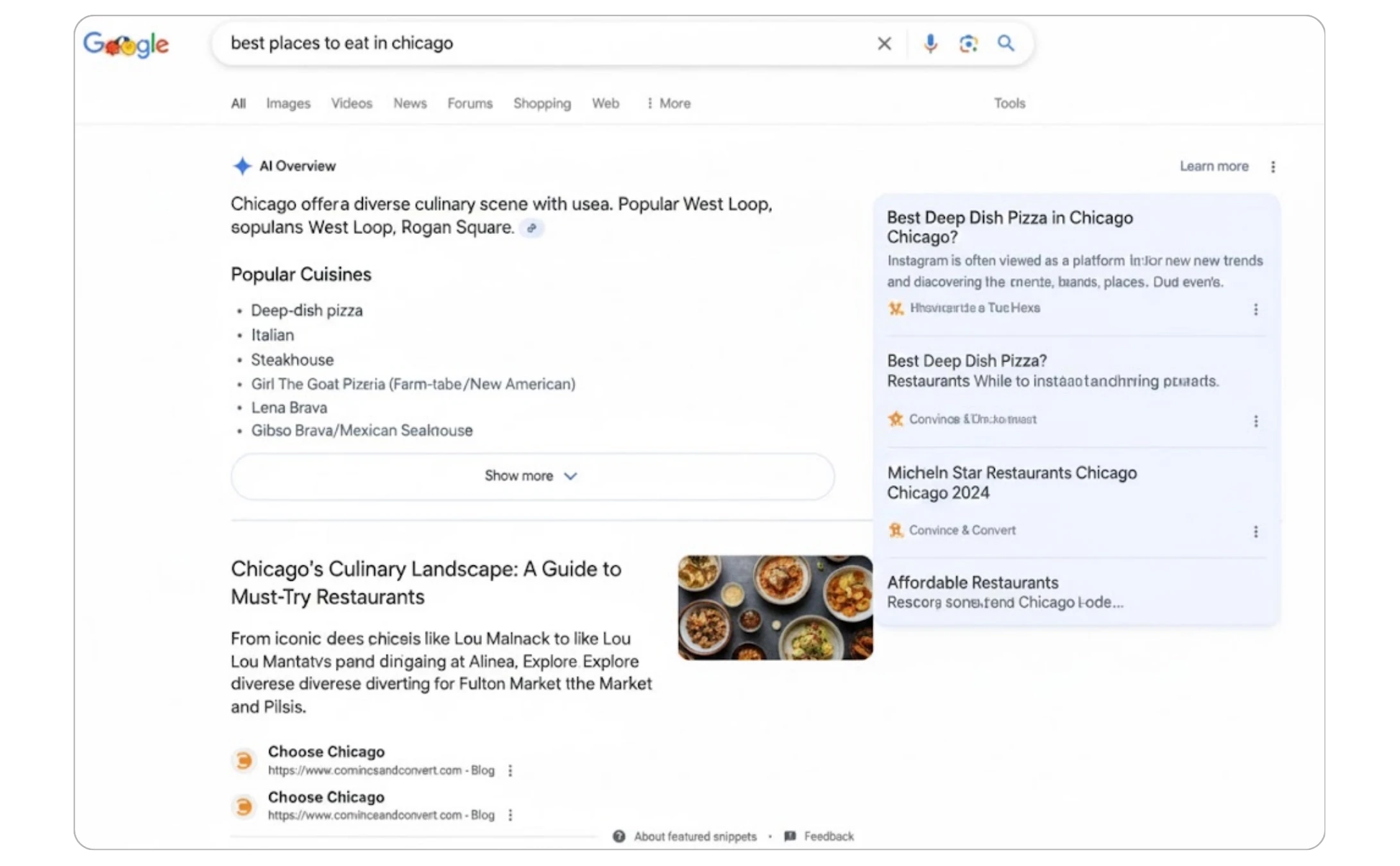
In order to optimize your website, remain competitive within a competitive niche, and build long-lasting organic search presence, semantic search engine optimization is no longer a luxury, but now it is a necessity. In this guide, we are going to discuss the meaning of semantic SEO, the importance of it, and how you can make your website semantically search engine friendly in an effective and efficient manner.
Understanding Semantic SEO
Semantic SEO is the process of making your content understandable by the search engines in a way that it will see the meaning behind what you say. Semantic SEO allows your page to address a whole subject, rather than one keyword.
Consider it in the following way: When one types in some words like "best running shoes beginners," Google does not just find the pages that repeat the same phrase directly. Rather, it attempts to figure out what a user specifically desires: Does a user seek affordable shoes that an entry-level user would want? Is it they who desire professional advice? Do they require cushioning, arch support, or durability information? Semantic SEO makes sure that your content is responding to not just the exact query but also questions, synonyms, and contexts that pertain to that topic. This makes your page more complete, helpful, and credible as far as search engines go.
Why Semantic SEO Matters Today?
The Reason Semantic SEO is Important Now. Search engines are made not to serve robots, but people. Google has taken colossal steps over the years with such updates as Hummingbird (2013), RankBrain (2015) and BERT (2019) - all to better comprehend natural language. Those updates altered the nature of SEO permanently as they moved the emphasis away from the keywords in favor of context and intent.
To be concise, semantic SEO is what can make the difference between content that was written long ago and content that is relevant and user-friendly and is popular on Google.
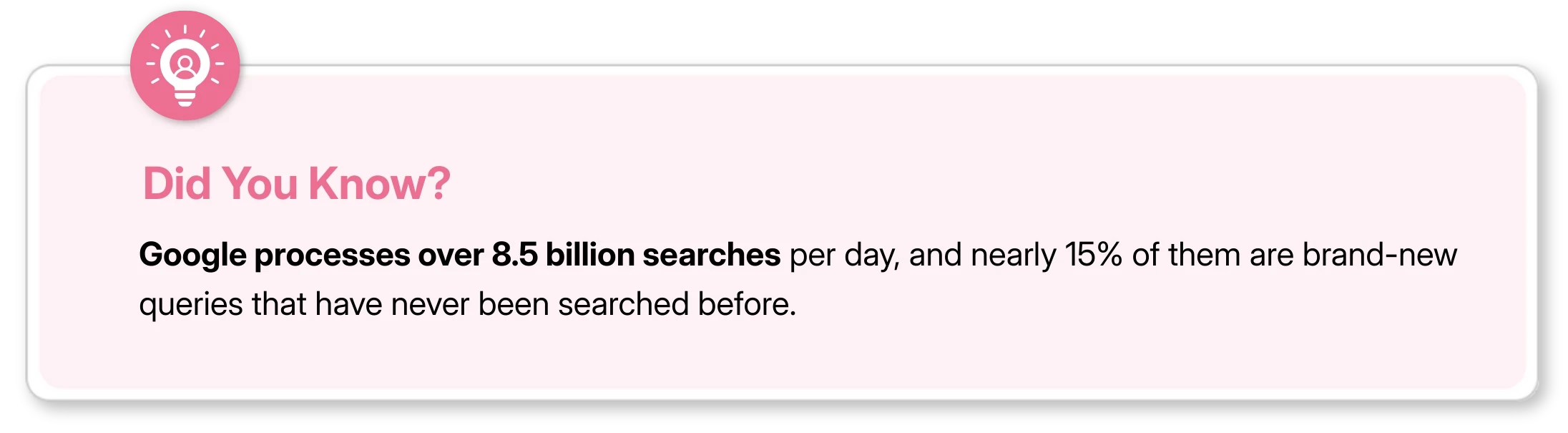
To explain, when you enter the query, Apple store near me, Google understands that you are not looking for information regarding apples, the fruit. It knows that you are seeking the closest Apple retail store according to your location. When you match your SEO plan with semantic search, you: Heighten your chances of ranking on a wider set of queries. Give the audience deeper content. Develop authority within your niche as a reliable information source. Future-proof your content in case of a change of algorithms, which punish keyword stuffing.
How Semantic Search Works?
Before we dive into optimization techniques, it’s important to understand how semantic search works. Search engines use a variety of methods to interpret meaning and context, including:
Natural Language Processing (NLP): This enables Google to process text in the manner a human being can and make deductions about words and comprehend the language content based on nuances.
Latent Semantic Indexing (LSI): This is done by examining associated words and ideas. As an example, when you are writing about digital marketing, LSI words could be such terms as SEO, social media, email campaigns, or content strategy.
Entity Recognition: Entities are individuals, locations, objects, or ideas that Google recognizes. As an example, when your blog talks about Barack Obama, Google will take into account that it is referring to the former president of the United States and tie in similar data bits such as "political figure" or "United States."
User Intent Analysis: The search engines classify intent as informational, navigational, transactional, and commercial. Knowing the intent is the clue to ranking higher. Through these techniques, search engines will be in a position to provide results that are most relevant to what the user wants and not what they type.
By using these methods, search engines can deliver results that best match what the user actually means, not just what they type.
Optimizing to Semantic SEO
Now that we are aware of what semantic SEO is and why it is important, we will decompose practical techniques to optimize your website.
1. Target Topics, Not Keywords alone: Classic SEO was all about identification of a focus word and using it in your meta title, headings and body.
2. Add Semantic Keywords and Synonyms: Although you do not have to become obsessed with the density of the keywords, you must naturally integrate semantic variations. To give an example, when you are targeting a keyword such as "digital marketing strategy," you may also incorporate terms such as: Online marketing plan Promotional methods of content. SEO approach Social media growth plan. This is useful in assisting the search engines to know the context of your page and makes your content sound more natural to the readers.
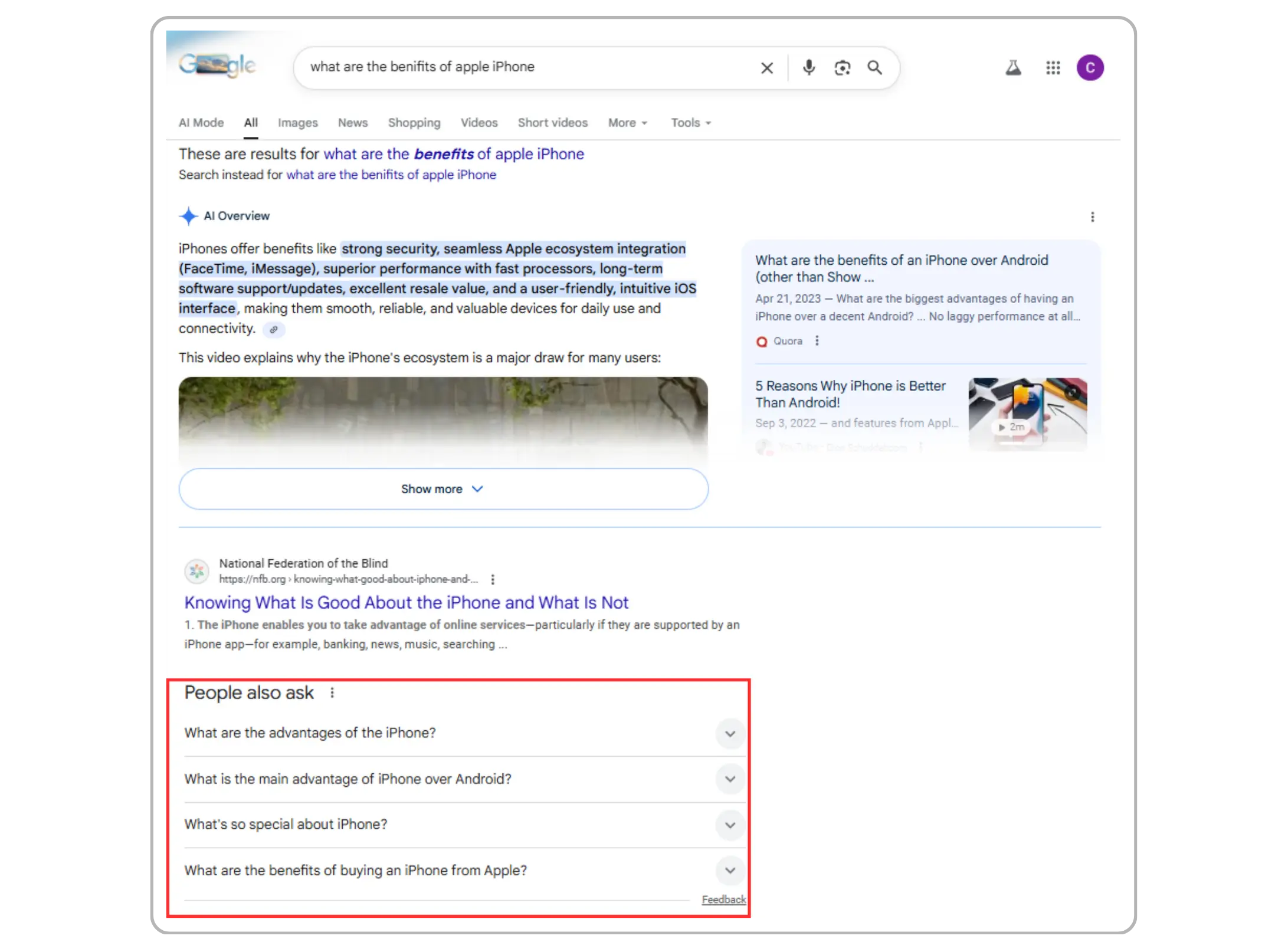
3. Answer User Questions: Google often drags answers into the “People also ask" boxes. To get more chances of appearing there, organize your content with the most popular questions in your topic. As an illustration, when your subject is: plant-based diets, you can respond to: What health is the benefit of plant-based diet? Is it possible to obtain adequate protein through the vegetarian diet? What should I do to begin with plant-based on a budget? Answering your blog in a clear, conversational manner will give you a higher possibility of ranking in voice search and featured snippets.
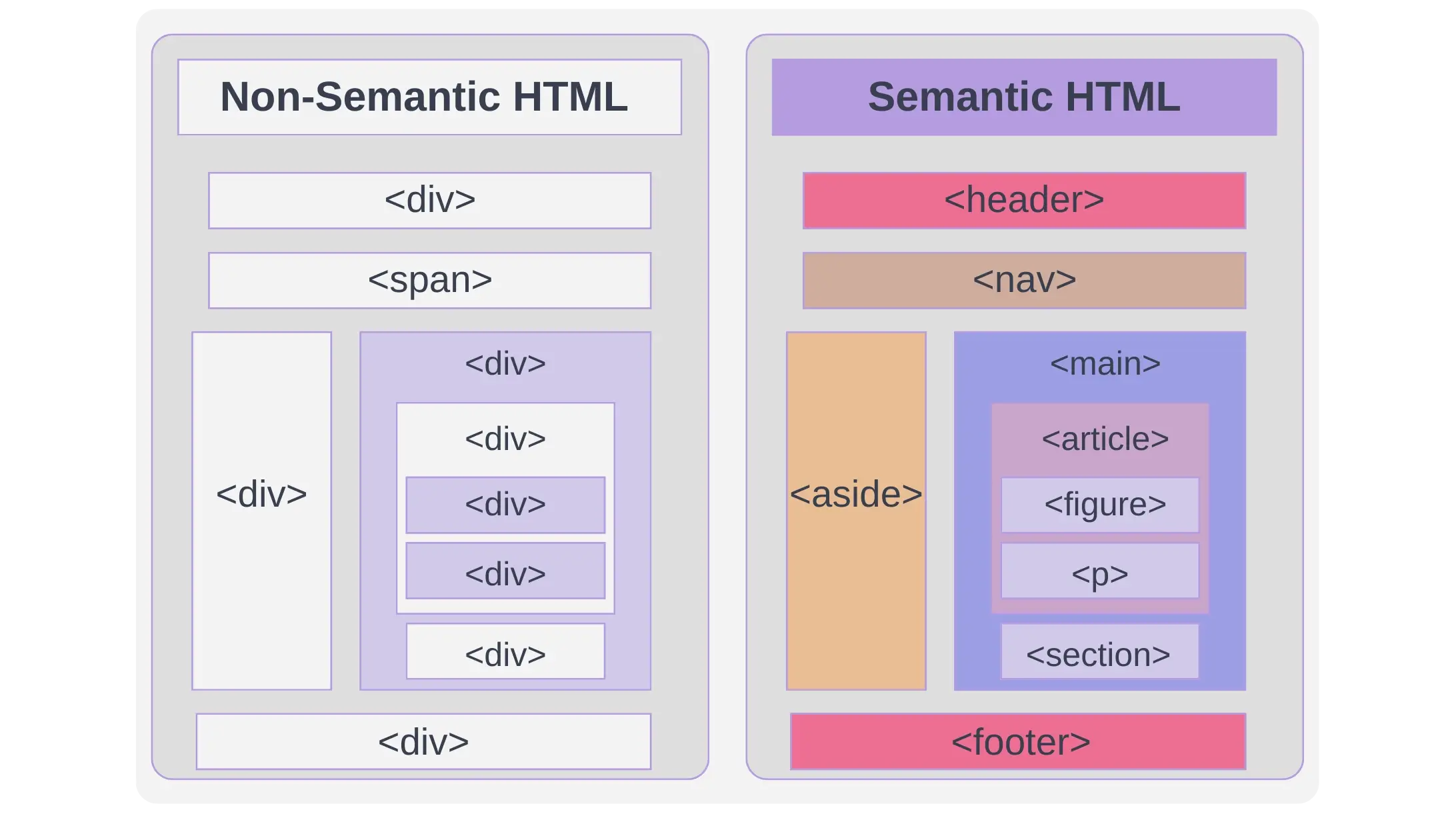
4. Organize Content to be Read: Semantic SEO does not merely deal with words only, but also structure. Include concise paragraphs, clear headings (H2, H3, H4) and logic. This benefits readers as well as the search engines in finding the order of information. Inclusion of schema markups also assists search engines to comprehend the context of your page, be it a product review, recipe, frequently asked questions, or local business.
5. Build Topical Authority: Google rewards websites that build authority across a niche. Rather than creating a one-off article on a random subject, create a content cluster. Demonstrating by an example, when your core subject is SEO, write supporting blogs on: Methods of keyword research, On-page SEO best practices, Link-building strategies, Technical SEO checklists, etc. Next connect them to a key pillar article on SEO. This is the indicator that Google sees the site as a hub of authority over that topic.
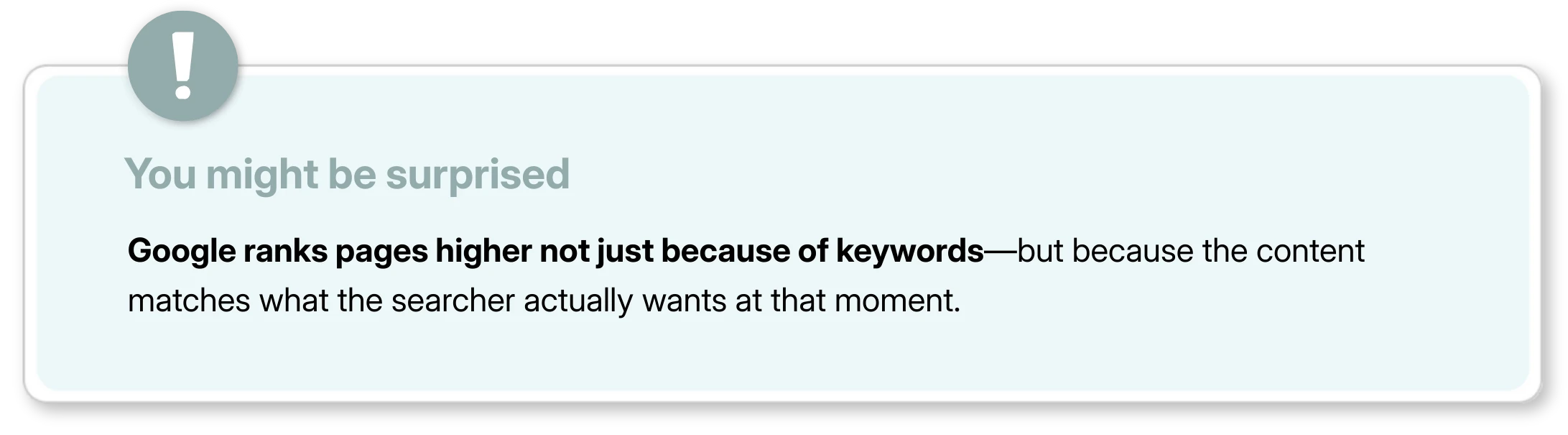
6. Optimize for User Intent Always consider: What is it the searcher wants? When a person enters the query of buying the iPhone 15 online, then s/he does not desire to read blogs but rather product pages. Should they be searching iPhones 15 vs iPhone 14 comparison, they desire an in-depth review and analysis. Learning intent (informational, transactional, navigational) makes sure that your page meets the needs of the user—and will keep them on your site.
7. Create Long-Form, In-Depth Content: Semantic search is a fan of content that has extensive coverage. Although short blogs have a chance to rank, long-form content (1500- 3000 words) tends to perform better since it may answer several subtopics and questions related to them. It is not length but depth and value that is the key. Each section is supposed to provide something meaningful, examples, and tips to take action.
8. Use Internal Linking Wisely: Internal links help search engines map relationships between your pages. By linking from one blog to another relevant blog, you create a content ecosystem that builds topical authority and keeps users browsing your site longer.
9. Leverage Multimedia Content: Adding images, infographics, videos, or charts not only improves user experience but also increases time on page — a positive SEO signal. For example, in a blog about “semantic SEO,” you could add a diagram showing how entities connect in Google’s Knowledge Graph.
10. Keep Content Fresh and Updated: Search intent evolves, and so should your content. Regularly update your blogs with new statistics, examples, and strategies to stay relevant. Google loves freshness, especially for industries like technology, finance, or health.
Real-Life Example of Semantic SEO in Action
Let’s take the example of a website writing about “Best Coffee Makers.”
A traditional SEO article would just repeat the phrase “best coffee maker” multiple times.
A semantic SEO article, however, would cover related topics like “espresso vs drip machines,” “how to clean a coffee maker,” “affordable coffee machines,” and “eco-friendly coffee options.”
By covering all angles, the page can rank for dozens of search variations and provide a much richer experience for readers.
Common Mistakes to Avoid in Semantic SEO
While optimizing for semantic search, avoid these pitfalls:
Keyword stuffing: Using the same word repeatedly can harm readability and rankings.
Thin content: Short, shallow posts won’t establish authority.
Ignoring user intent: Ranking doesn’t matter if visitors leave your site immediately because they didn’t find what they needed.
Lack of internal linking: Isolated pages don’t build topical authority.
Final Thoughts
Semantic SEO is not just a passing trend — it’s the present and future of search optimization. As search engines get smarter, they reward websites that think beyond keywords and focus on meaning, intent, and authority.
By shifting your strategy to cover topics in depth, answer user questions, build topical authority, and provide comprehensive, engaging content, you set your website up for long-term success.
If you want your website to not only rank but stay ranked, now is the time to embrace semantic SEO and optimize for how people—and search engines—actually think.
FAQs
What is semantic SEO and how is it different from traditional SEO?

Semantic SEO leans on meaning and topic coverage more than just repeating the same exact keywords, i mean it kinda works with how things relate. Traditional SEO is way more about keyword density, and matching specific phrases exactly, or at least trying to. With semantic SEO you're really chasing search intent, context and basically the bigger picture, so the search engine can tell what the page is about, not only which words show up. It also blends into your content marketing strategy, because it pushes for deeper relevance than keyword counting all day, which sounds obvious but people forget it.
How does semantic search work?
Google uses Natural Language Processing to help make sense of text in a human way sort of, plus entity recognition to spot people, places, and concepts, and then intent analysis to sort queries into informational, navigational, or transactional buckets. It also looks at nearby terms, and co-occurring ideas, to figure out the context. When you put it all together, these approaches help Google show results based on what the user actually means, not only what they typed. Learn more about matching your pages with on-page SEO best practices that support semantic comprehension and better understanding overall.
What are LSI keywords and do they still matter for semantic SEO?
LSI (Latent Semantic Indexing) keywords are basically related terms and phrases that sit around a topic in a kind of natural way. Google doesn't use LSI as a direct ranking factor but the idea still counts, covering semantically linked things helps the search engine get the whole context of what your page is about. So instead of hunting some LSI checklist, do normal keyword research, and look for genuinely related concepts, then use them in a smooth way, not forced and not too robotic. If you want a practical start, see our keyword research guide for beginners.
How do you optimize content for semantic search?
Target topics instead of single keywords. Answer the related questions that your audience is really asking, not just what you think they might search. Use synonyms and semantic variations naturally throughout the content so it feels more… like a conversation. Also, add schema markup so search engines can quickly understand the page context, whether that's an article, an FAQ, a product listing, or a local business page.
What is topical authority and why does it matter for semantic SEO?
Topical authority is basically Google's way of judging how completely your site deals with a given subject. And yeah, one article, it's not enough. You really want a content cluster, not just random posts. Like, you should build a pillar page around your main theme and then support it with related subtopic pages, all tied together by internal links. That setup basically tells Google that your website is a dependable resource, on that exact area. Also, strong internal linking between all the pages in the cluster helps Google "see" the connection, and not treat each page like it's off on its own. If you want a deeper kind of framework, grab our SEO Mastery ebook.
What were once known as search engines are not search engines any more. Previously, ranking in Google used to be in regard to the amount of keyword filling in a page and hoping that the algorithm would pick it up. These days, it is more complex. Google, Bing, and other search engines are getting increasingly more intelligent with regard to getting the sense of a query, as opposed to mere keyword matching. That development has led to Semantic SEO, a contemporary form of search optimization that is intent-driven, context-driven and relevance-driven, rather than simply being keyword-driven.
In order to optimize your website, remain competitive within a competitive niche, and build long-lasting organic search presence, semantic search engine optimization is no longer a luxury, but now it is a necessity. In this guide, we are going to discuss the meaning of semantic SEO, the importance of it, and how you can make your website semantically search engine friendly in an effective and efficient manner.
Understanding Semantic SEO
Semantic SEO is the process of making your content understandable by the search engines in a way that it will see the meaning behind what you say. Semantic SEO allows your page to address a whole subject, rather than one keyword.
Consider it in the following way: When one types in some words like "best running shoes beginners," Google does not just find the pages that repeat the same phrase directly. Rather, it attempts to figure out what a user specifically desires: Does a user seek affordable shoes that an entry-level user would want? Is it they who desire professional advice? Do they require cushioning, arch support, or durability information? Semantic SEO makes sure that your content is responding to not just the exact query but also questions, synonyms, and contexts that pertain to that topic. This makes your page more complete, helpful, and credible as far as search engines go.
Why Semantic SEO Matters Today?
The Reason Semantic SEO is Important Now. Search engines are made not to serve robots, but people. Google has taken colossal steps over the years with such updates as Hummingbird (2013), RankBrain (2015) and BERT (2019) - all to better comprehend natural language. Those updates altered the nature of SEO permanently as they moved the emphasis away from the keywords in favor of context and intent.
To be concise, semantic SEO is what can make the difference between content that was written long ago and content that is relevant and user-friendly and is popular on Google.
To explain, when you enter the query, Apple store near me, Google understands that you are not looking for information regarding apples, the fruit. It knows that you are seeking the closest Apple retail store according to your location. When you match your SEO plan with semantic search, you: Heighten your chances of ranking on a wider set of queries. Give the audience deeper content. Develop authority within your niche as a reliable information source. Future-proof your content in case of a change of algorithms, which punish keyword stuffing.
How Semantic Search Works?
Before we dive into optimization techniques, it’s important to understand how semantic search works. Search engines use a variety of methods to interpret meaning and context, including:
Natural Language Processing (NLP): This enables Google to process text in the manner a human being can and make deductions about words and comprehend the language content based on nuances.
Latent Semantic Indexing (LSI): This is done by examining associated words and ideas. As an example, when you are writing about digital marketing, LSI words could be such terms as SEO, social media, email campaigns, or content strategy.
Entity Recognition: Entities are individuals, locations, objects, or ideas that Google recognizes. As an example, when your blog talks about Barack Obama, Google will take into account that it is referring to the former president of the United States and tie in similar data bits such as "political figure" or "United States."
User Intent Analysis: The search engines classify intent as informational, navigational, transactional, and commercial. Knowing the intent is the clue to ranking higher. Through these techniques, search engines will be in a position to provide results that are most relevant to what the user wants and not what they type.
By using these methods, search engines can deliver results that best match what the user actually means, not just what they type.
Optimizing to Semantic SEO
Now that we are aware of what semantic SEO is and why it is important, we will decompose practical techniques to optimize your website.
1. Target Topics, Not Keywords alone: Classic SEO was all about identification of a focus word and using it in your meta title, headings and body.
2. Add Semantic Keywords and Synonyms: Although you do not have to become obsessed with the density of the keywords, you must naturally integrate semantic variations. To give an example, when you are targeting a keyword such as "digital marketing strategy," you may also incorporate terms such as: Online marketing plan Promotional methods of content. SEO approach Social media growth plan. This is useful in assisting the search engines to know the context of your page and makes your content sound more natural to the readers.
3. Answer User Questions: Google often drags answers into the “People also ask" boxes. To get more chances of appearing there, organize your content with the most popular questions in your topic. As an illustration, when your subject is: plant-based diets, you can respond to: What health is the benefit of plant-based diet? Is it possible to obtain adequate protein through the vegetarian diet? What should I do to begin with plant-based on a budget? Answering your blog in a clear, conversational manner will give you a higher possibility of ranking in voice search and featured snippets.
4. Organize Content to be Read: Semantic SEO does not merely deal with words only, but also structure. Include concise paragraphs, clear headings (H2, H3, H4) and logic. This benefits readers as well as the search engines in finding the order of information. Inclusion of schema markups also assists search engines to comprehend the context of your page, be it a product review, recipe, frequently asked questions, or local business.
5. Build Topical Authority: Google rewards websites that build authority across a niche. Rather than creating a one-off article on a random subject, create a content cluster. Demonstrating by an example, when your core subject is SEO, write supporting blogs on: Methods of keyword research, On-page SEO best practices, Link-building strategies, Technical SEO checklists, etc. Next connect them to a key pillar article on SEO. This is the indicator that Google sees the site as a hub of authority over that topic.
6. Optimize for User Intent Always consider: What is it the searcher wants? When a person enters the query of buying the iPhone 15 online, then s/he does not desire to read blogs but rather product pages. Should they be searching iPhones 15 vs iPhone 14 comparison, they desire an in-depth review and analysis. Learning intent (informational, transactional, navigational) makes sure that your page meets the needs of the user—and will keep them on your site.
7. Create Long-Form, In-Depth Content: Semantic search is a fan of content that has extensive coverage. Although short blogs have a chance to rank, long-form content (1500- 3000 words) tends to perform better since it may answer several subtopics and questions related to them. It is not length but depth and value that is the key. Each section is supposed to provide something meaningful, examples, and tips to take action.
8. Use Internal Linking Wisely: Internal links help search engines map relationships between your pages. By linking from one blog to another relevant blog, you create a content ecosystem that builds topical authority and keeps users browsing your site longer.
9. Leverage Multimedia Content: Adding images, infographics, videos, or charts not only improves user experience but also increases time on page — a positive SEO signal. For example, in a blog about “semantic SEO,” you could add a diagram showing how entities connect in Google’s Knowledge Graph.
10. Keep Content Fresh and Updated: Search intent evolves, and so should your content. Regularly update your blogs with new statistics, examples, and strategies to stay relevant. Google loves freshness, especially for industries like technology, finance, or health.
Real-Life Example of Semantic SEO in Action
Let’s take the example of a website writing about “Best Coffee Makers.”
A traditional SEO article would just repeat the phrase “best coffee maker” multiple times.
A semantic SEO article, however, would cover related topics like “espresso vs drip machines,” “how to clean a coffee maker,” “affordable coffee machines,” and “eco-friendly coffee options.”
By covering all angles, the page can rank for dozens of search variations and provide a much richer experience for readers.
Common Mistakes to Avoid in Semantic SEO
While optimizing for semantic search, avoid these pitfalls:
Keyword stuffing: Using the same word repeatedly can harm readability and rankings.
Thin content: Short, shallow posts won’t establish authority.
Ignoring user intent: Ranking doesn’t matter if visitors leave your site immediately because they didn’t find what they needed.
Lack of internal linking: Isolated pages don’t build topical authority.
Final Thoughts
Semantic SEO is not just a passing trend — it’s the present and future of search optimization. As search engines get smarter, they reward websites that think beyond keywords and focus on meaning, intent, and authority.
By shifting your strategy to cover topics in depth, answer user questions, build topical authority, and provide comprehensive, engaging content, you set your website up for long-term success.
If you want your website to not only rank but stay ranked, now is the time to embrace semantic SEO and optimize for how people—and search engines—actually think.
FAQs
What is semantic SEO and how is it different from traditional SEO?
Semantic SEO leans on meaning and topic coverage more than just repeating the same exact keywords, i mean it kinda works with how things relate. Traditional SEO is way more about keyword density, and matching specific phrases exactly, or at least trying to. With semantic SEO you're really chasing search intent, context and basically the bigger picture, so the search engine can tell what the page is about, not only which words show up. It also blends into your content marketing strategy, because it pushes for deeper relevance than keyword counting all day, which sounds obvious but people forget it.
How does semantic search work?
Google uses Natural Language Processing to help make sense of text in a human way sort of, plus entity recognition to spot people, places, and concepts, and then intent analysis to sort queries into informational, navigational, or transactional buckets. It also looks at nearby terms, and co-occurring ideas, to figure out the context. When you put it all together, these approaches help Google show results based on what the user actually means, not only what they typed. Learn more about matching your pages with on-page SEO best practices that support semantic comprehension and better understanding overall.
What are LSI keywords and do they still matter for semantic SEO?
LSI (Latent Semantic Indexing) keywords are basically related terms and phrases that sit around a topic in a kind of natural way. Google doesn't use LSI as a direct ranking factor but the idea still counts, covering semantically linked things helps the search engine get the whole context of what your page is about. So instead of hunting some LSI checklist, do normal keyword research, and look for genuinely related concepts, then use them in a smooth way, not forced and not too robotic. If you want a practical start, see our keyword research guide for beginners.
How do you optimize content for semantic search?
Target topics instead of single keywords. Answer the related questions that your audience is really asking, not just what you think they might search. Use synonyms and semantic variations naturally throughout the content so it feels more… like a conversation. Also, add schema markup so search engines can quickly understand the page context, whether that's an article, an FAQ, a product listing, or a local business page.
What is topical authority and why does it matter for semantic SEO?
Topical authority is basically Google's way of judging how completely your site deals with a given subject. And yeah, one article, it's not enough. You really want a content cluster, not just random posts. Like, you should build a pillar page around your main theme and then support it with related subtopic pages, all tied together by internal links. That setup basically tells Google that your website is a dependable resource, on that exact area. Also, strong internal linking between all the pages in the cluster helps Google "see" the connection, and not treat each page like it's off on its own. If you want a deeper kind of framework, grab our SEO Mastery ebook.



Summarize with AI



Want to Skyrocket Revenue? Get a Free Audit Today!
Want to Skyrocket Revenue? Get a Free Audit Today!



4.9/5 Ratings!


Don’t miss our revenue growth tips!
Get expert marketing tips—straight to your inbox, like thousands of happy clients.
Don’t miss our revenue growth tips!
Get expert marketing tips—straight to your inbox, like thousands of happy clients.
Don’t miss our revenue growth tips!
Don’t miss our revenue growth tips!
Get expert marketing tips—straight to your inbox, like thousands of happy clients.
Relevant Blogs on Organic SEO
Relevant Blogs on Organic SEO
Unlock data-driven insights in Organic SEO—explore our featured blogs and skyrocket your revenue before your competitors do.
Unlock data-driven insights in Organic SEO—explore our featured blogs and skyrocket your revenue before your competitors do.

SEO
Sep 21, 2026
5 Min Read
Audience-First SEO: How to Rank by Putting Readers First
SEO
Sep 21, 2026
5 Min Read
Audience-First SEO: How to Rank by Putting Readers First
SEO
Sep 21, 2026
5 Min Read
Audience-First SEO: How to Rank by Putting Readers First

SEO
Sep 19, 2026
5 Min Read
How to Add SEO Keywords to Your Website: Where and How
SEO
Sep 19, 2026
5 Min Read
How to Add SEO Keywords to Your Website: Where and How
SEO
Sep 19, 2026
5 Min Read
How to Add SEO Keywords to Your Website: Where and How

SEO
Sep 18, 2026
5 Min Read
How XML Sitemaps Help Search Engines Discover New Pages
SEO
Sep 18, 2026
5 Min Read
How XML Sitemaps Help Search Engines Discover New Pages
SEO
Sep 18, 2026
5 Min Read
How XML Sitemaps Help Search Engines Discover New Pages




























Ready to speak with an expert?
Data-Driven Marketing Agency That Elevates ROI
1100+
Websites Designed & Optimized to Convert
$280M+
Client Revenue Driven & Growing Strong
Discover how to skyrocket
your revenue today!
Trusted by 1000+ Owners!
Ready to speak with an expert?
Data-Driven Marketing Agency That Elevates ROI
1100+
Websites Designed & Optimized to Convert
$280M+
Client Revenue Driven & Growing Strong
Discover how to skyrocket
your revenue today!
Trusted by 1000+ Owners!
Want to skyrocket revenue?
4.9/5 Ratings!
Ready to speak with an expert?
Data-Driven Marketing Agency That Elevates ROI
1100+
Websites Designed & Optimized to Convert
$280M+
Client Revenue Driven & Growing Strong
Discover how to skyrocket
your revenue today!
Trusted by 1000+ Owners!
Call
Meet