


Mastering Location-Based SEO: GEO Modified vs GEO Targeted vs GEO Fenced Keywords
Mastering Location-Based SEO: GEO Modified vs GEO Targeted vs GEO Fenced Keywords
Last Updated:
Table of Content
Case Studies

Lucky Soni
Lucky Soni
Lucky Soni
SEO
SEO
SEO
10 Min Read
12 Min
10 Min Read
Local search has gone through one of the biggest shifts in digital marketing. There was a time when users typed long specific queries such as best plumber in Seattle or personal trainer in Denver. Today most people type short quick searches like plumbers or urgent care or they rely completely on near me. They expect Google to instantly understand where they are and show the closest relevant business with no extra effort.
This change in behavior has transformed how businesses should approach SEO. Location is no longer something that is manually added at the end of a keyword. It has become a behavioral signal that Google interprets through proximity, intent, search patterns, and device data. Because of this, businesses must understand three major types of location strategies that influence both organic rankings and PPC campaigns. These are GEO modified keywords, GEO targeted keywords, and GEO fenced targeting.
All three seem related, yet they work very differently. GEO-modified keywords help Google understand the locations your content represents. GEO-targeted keywords help Google match your business to people who are physically near you. GEO-fencing goes even further by allowing businesses to target users who enter specific real-world boundaries. Understanding how each behaves is what separates surface-level local SEO from strategic location marketing.
To see how these interact, we must first look at how Google interprets location intent today.
How Google Understands Local Intent Today?
Imagine a user in Houston searching for a roofing company. They do not type Houston. They do not specify a neighborhood. Yet Google fills the results with roofers located within a few miles of the user. This happens because Google automatically applies location context to most short searches.
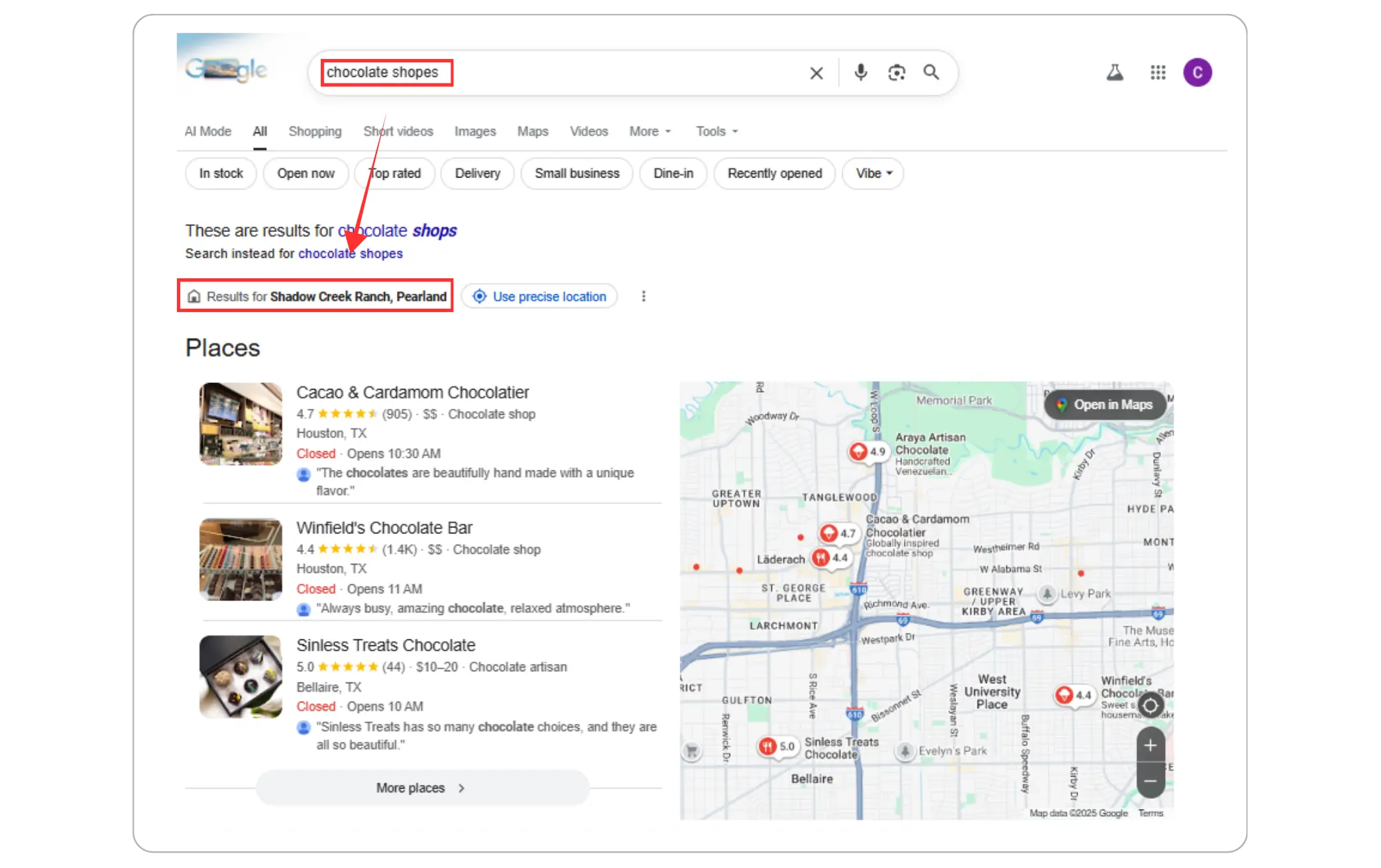
Instead of focusing only on the keyword, Google looks at where the searcher is at that moment. It considers past behavior, GPS signals, device activity, and nearby businesses. This automatic interpretation is what makes GEO targeted searches so powerful because they rely more on user location than on the keyword itself.
But this proximity-based system also creates a challenge. If a business wants to reach people outside its immediate radius, it cannot depend on proximity alone. Google simply prefers businesses closer to the searcher. So if you want to rank in surrounding cities or neighborhoods, you must guide the algorithm clearly through GEO modified content.
This is the environment where GEO modified, GEO targeted and now GEO fenced strategies all play different but connected roles. One influences how Google reads your content. The next influences how Google reads user location. The third influences how advertisers reach people in real world spaces. When you understand the flow between these three, your local marketing becomes far more effective.
Where GEO Modified Keywords Fit In?
Once you understand that Google blends location with intent, you begin to see why proximity alone is not enough. A business might dominate only its immediate surroundings even though it wants a wider reach.
For example
A dentist in San Diego may want visibility in El Cajon.
A personal injury lawyer in Miami may want clients from Fort Lauderdale.
A roofing company in Atlanta may want to appear in suburbs like Marietta or Roswell.
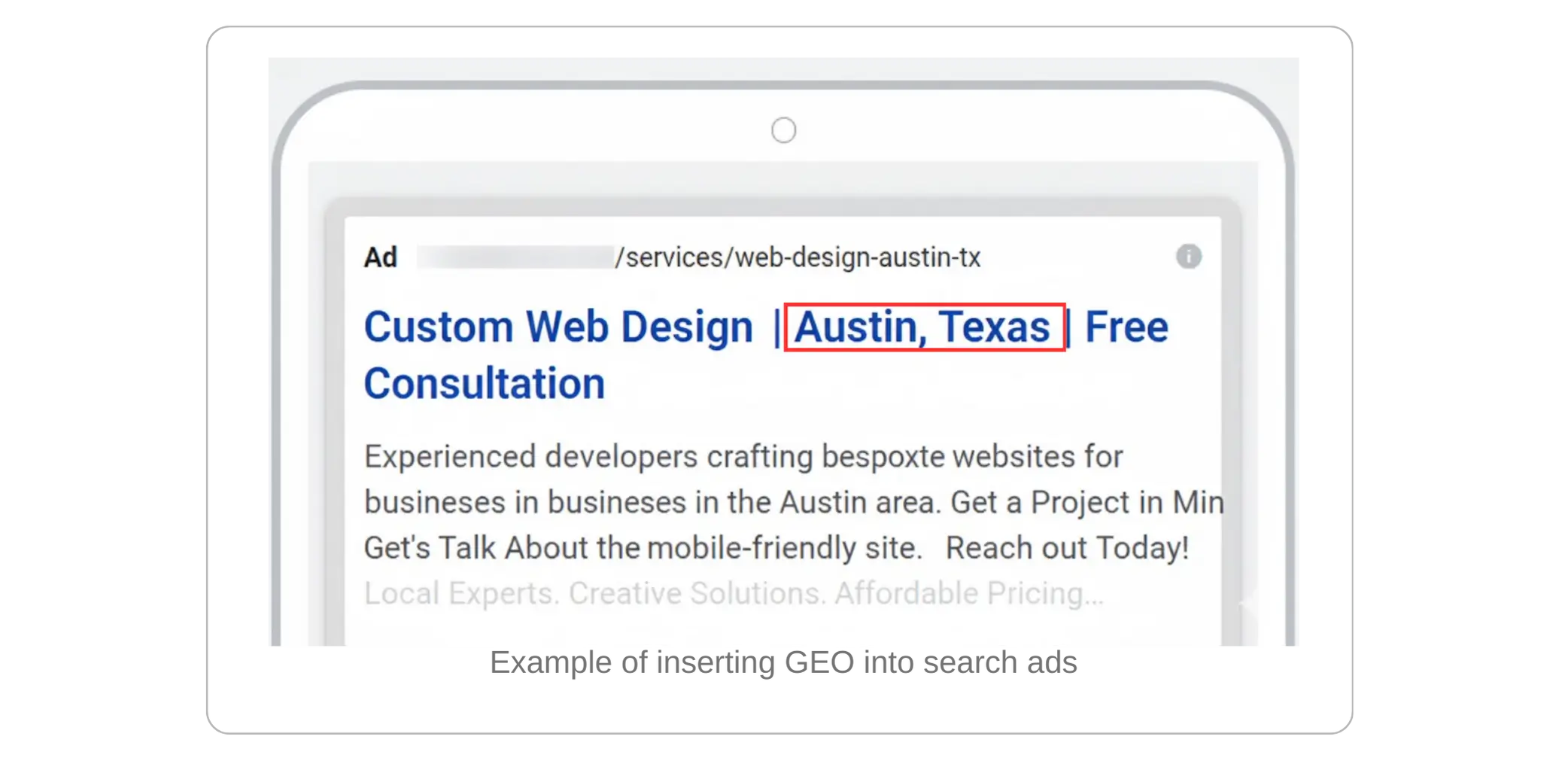
This is where GEO modified keywords become essential. GEO modified keywords are ordinary service keywords combined with a city or neighborhood name. They appear naturally inside your titles, headings, meta descriptions and body content to signal exactly which area each page is meant for.
Examples include
roof repair service in Dallas
best gyms in Boston
cosmetic dentist San Diego
real estate agent in Austin
Although simple, these keywords reshape how Google categorizes your pages. They allow your content to reach cities outside your radius, even when your physical location remains the same. Businesses with regional ambitions rely heavily on GEO modified terms because they amplify reach and strengthen organic authority.
Why GEO Modified Keywords Matter?
The true power of GEO modified keywords is that they tell Google exactly which city a page represents. When Google sees consistent references to a location, it begins associating that page with that city’s search environment.
So when someone types chiropractor in Seattle, Google naturally favors pages that clearly reference Seattle.
This is extremely valuable for businesses wanting broad coverage. A moving company in Chicago can build pages for Naperville, Schaumburg, and Evanston. These pages use GEO modified keywords to gain visibility in each location even without a physical office in those cities.
But GEO modified keywords do not handle one critical scenario. What happens when the user does not type a city at all.
How This Leads Naturally into GEO Targeted Keywords?
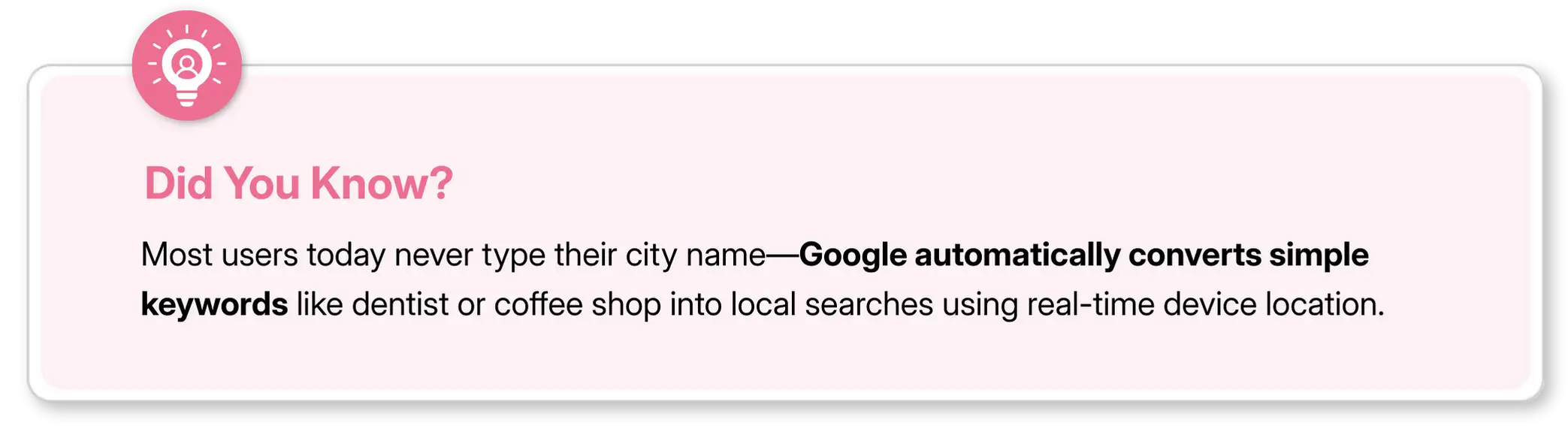
Most modern users do not specify a city. Someone searching for dentist or coffee shop or roofing company assumes Google will automatically understand their location. The keyword does not contain a location, but the search becomes local because Google uses device level location tracking.
These are GEO targeted keywords. They depend entirely on where the user is standing, not what the keyword says. This behavior changes the dynamic completely. Instead of reading your content for location signals, Google focuses on how close your business is to the searcher.
This is why GEO targeted results tend to shift constantly, especially on mobile. Two people in the same city can see different results simply because they are standing in different neighborhoods.
Why GEO Targeted Keywords Are Becoming More Powerful?
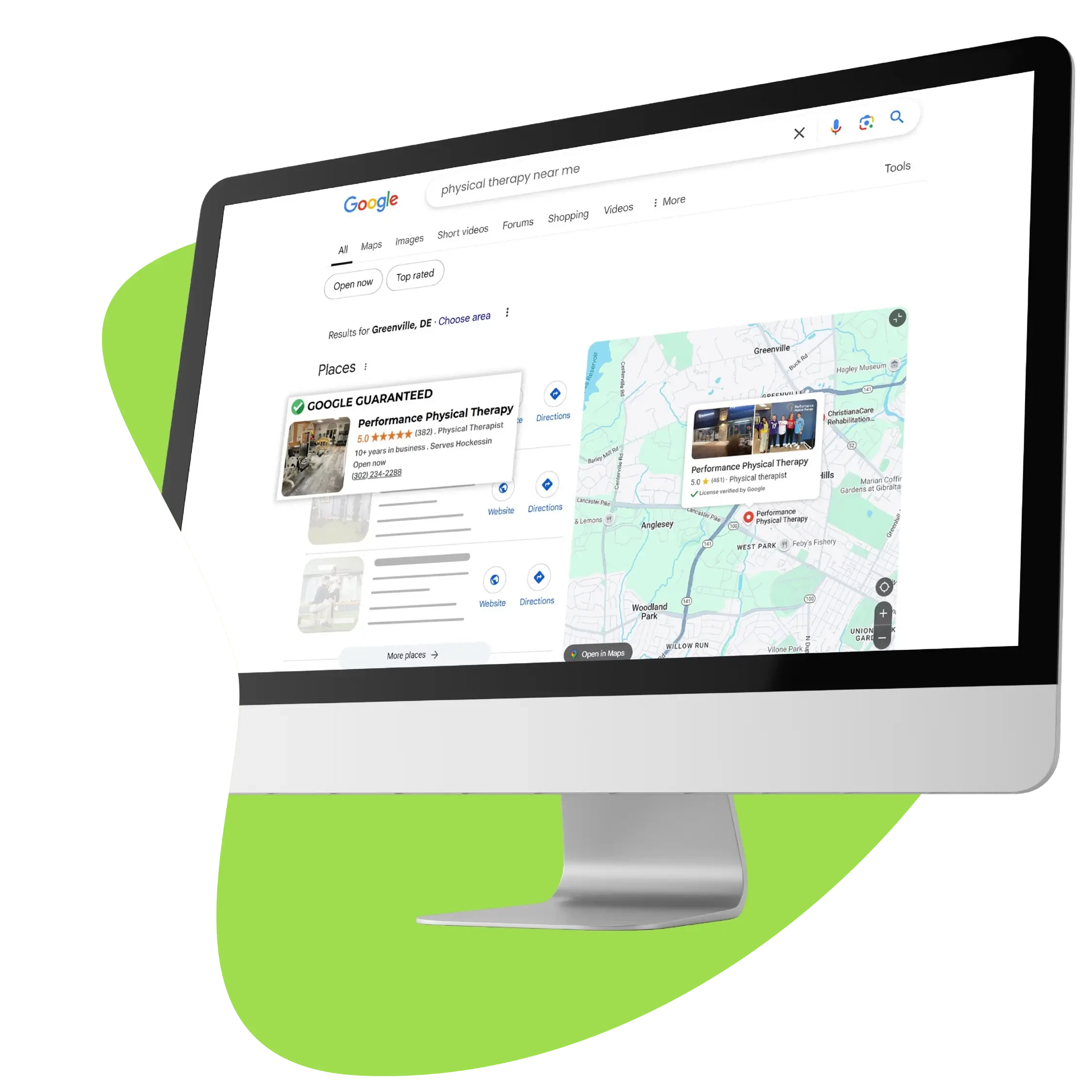
The rise of mobile search is the biggest reason GEO targeted keywords dominate local SEO. Phones constantly provide location data, making even generic searches local.
Examples:
A user searching locksmith near me needs immediate help.
A user searching urgent care wants the closest available facility.
A user searching pizza delivery expects fast service within minutes.
These searches bring extremely high intent users. They convert faster and often choose the first visible option. They also influence map pack visibility. The map pack relies on proximity, reviews, relevance, and trust signals rather than heavy content optimization.
If your Google Business Profile is well optimized, you gain an enormous advantage in GEO targeted searches.
But there is a third layer of targeting that goes beyond keywords entirely. It is one of the most powerful tools in PPC and hyper local marketing.
Introducing GEO Fenced Targeting
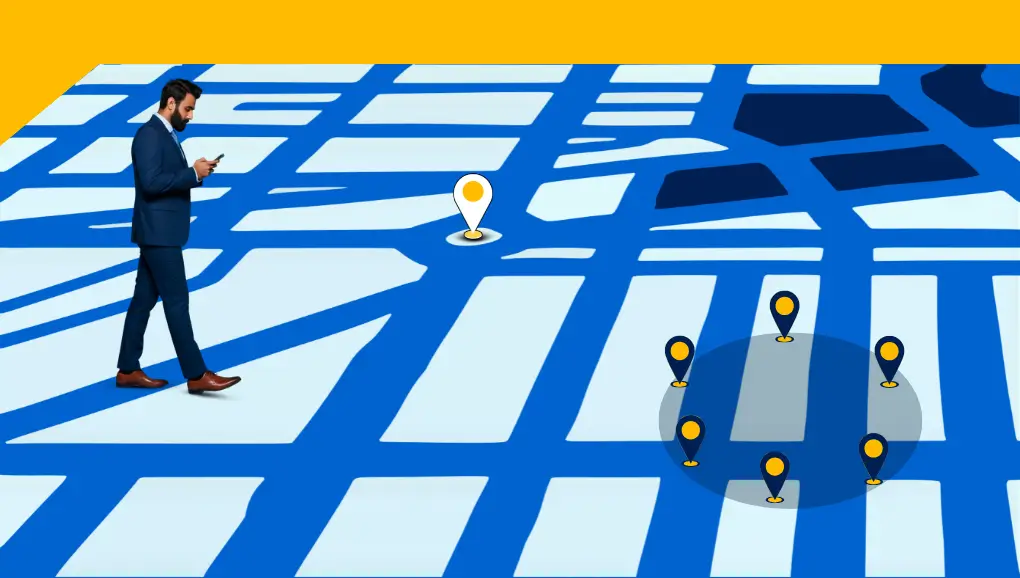
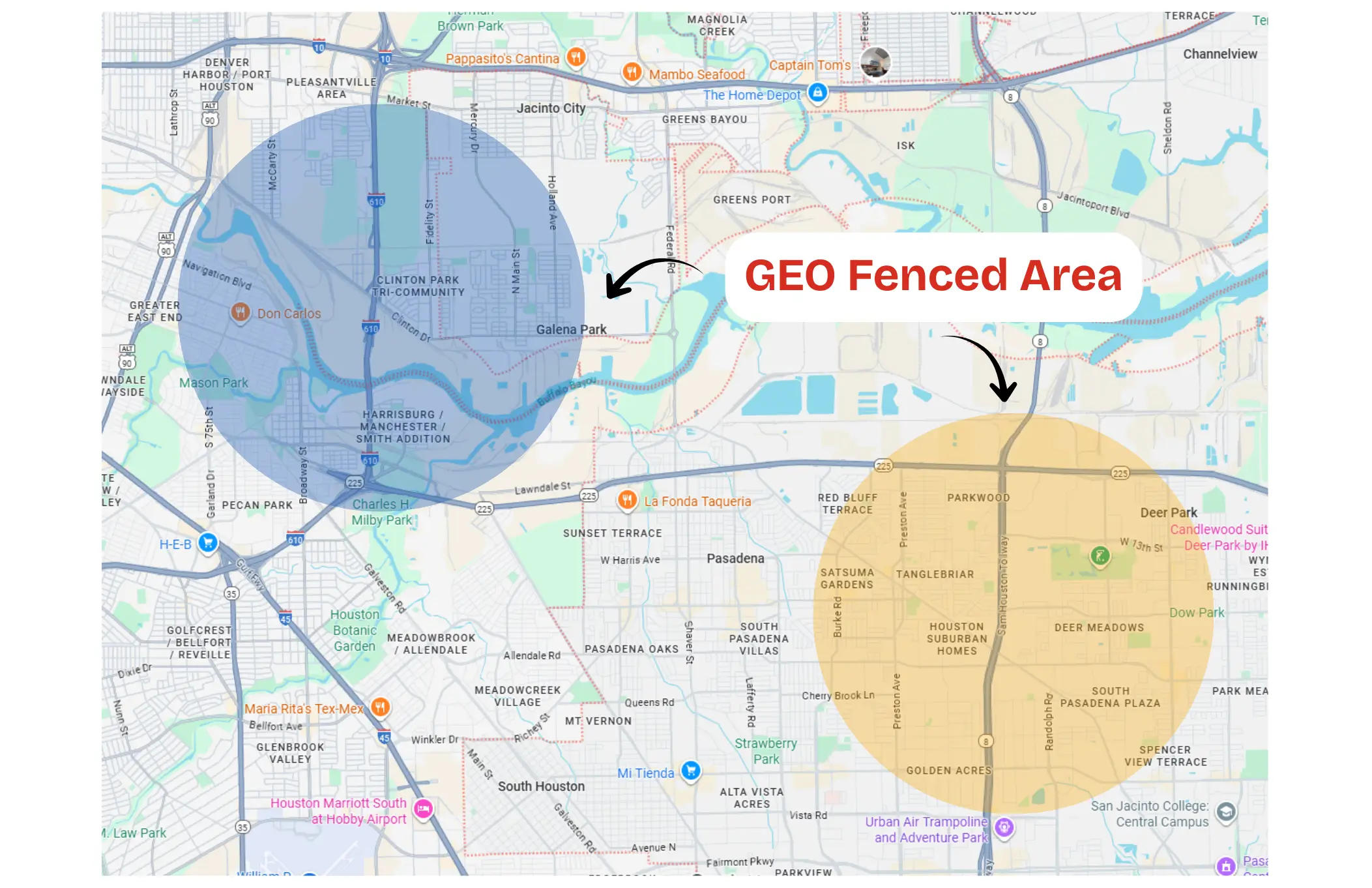
GEO fencing creates a virtual boundary around a specific physical area. When a user enters, stays within or exits that area, advertisers can show targeted ads to that user. Unlike GEO modified or GEO targeted keywords, GEO fencing does not depend on what the user types. It depends entirely on physical movement.
Examples
A fitness center in Chicago can GEO fence nearby apartment complexes to promote membership.
A real estate agent in Miami can GEO fence luxury neighborhoods to reach potential buyers.
A restaurant in Phoenix can GEO fence a stadium during events to attract customers.
GEO fencing is heavily used in PPC campaigns because it allows advertisers to influence people at the exact moment they are within a strategic location.
Type | Defination | How Targeting Works | Keyword Example | When Used | Example Scenario |
|---|---|---|---|---|---|
Geo Modified Keywords | Keywords that include a geographic term. | Targeting is based on users typing the location into search. | The geofence itself controls the audience. | When users commonly search with city names. | A plumber added an emergency plumber to Chicago to capture local searches. |
Geo Targeted Keywords | Generic keywords are delivered only to users in a chosen area. | Location is restricted in ad settings, not the keyword. | Dentist near me or personal injury lawyer | When ads must reach only people in certain regions. | A dentist targets the keyword to teeth whitening but limits ads to Miami ZIP codes. |
Geo Fenced Keywords | Ads are triggered when someone enters a digital boundary. Keywords may or may not be used. | The geofence itself controls the audience. | Could be keyword based or none. | Hyperlocal PPC around buildings or events. | A coffee shop geofences a one-mile radius and shows mobile ads to passersby. |
Why Combining All Three Creates the Strongest Local Marketing System?
A complete location strategy does not rely on one approach. GEO modified keywords expand your organic reach into various cities. GEO targeted keywords help you appear instantly for high intent users who are physically near your business. GEO fenced campaigns let you influence people inside very specific real-world boundaries.
When these three strategies work together, you cover every stage of the customer journey. Users' research services find you through GEO modified content. Users ready to act find you through GEO targeted search results. Users moving through strategic locations discover your brand through GEO fenced ads. This combination creates a balanced and powerful system for both SEO and PPC.

Final Thoughts
GEO modified, GEO targeted, and GEO fenced strategies represent how people search, move, and behave in real environments. Each plays a different role, yet all contribute to stronger local visibility. GEO modified keywords help expand your reach across cities. GEO targeted searches help you capture users who are ready to take action nearby. GEO fenced targeting helps you influence customers who step into specific areas you value.
When used together, they create a complete and consistent local marketing framework that elevates your organic performance and strengthens your paid campaigns. This blend is what drives dependable long-term growth in competitive local markets.
Want to turn location intent into real leads and revenue? Contact us today or get your local SEO audit now and start winning in your most valuable locations.
FAQs
What is the difference between GEO modified and GEO targeted keywords?

GEO modified keywords are basically built with a location term inside the phrase itself, like “roof repair in Dallas” or “cosmetic dentist San Diego.” So, it gives Google a hint about which city that page is meant for, usually through the actual content on the page. Now , GEO targeted keywords are more generic, sort of like “dentist” or “roofing company” , and Google then turns them into local results by figuring out the user physical area using what their device reports.
What are GEO modified keywords and when should I use them?
GEO modified keywords are kinda like service keywords, but mixed with a city or neighborhood name, like "personal injury lawyer in Miami" or "best gyms in Boston". You should use them if you are trying to rank in places beyond your immediate physical radius, like suburbs or nearby neighborhoods. In practice they operate by sending clear signals to Google, through your titles and headings, meta descriptions and the actual page text, which zone or area each page is aiming at. That part matters a lot for local businesses with regional ambitions, because it helps them get more broad organic reach.
What is GEO fenced targeting and how does it work?
GEO fencing kind of builds a virtual perimeter around a real place and then it nudges ads when someone steps in, hangs around, or leaves that zone. It sort of relies on location data, not on what the user actually types. So a restaurant might set up geofencing around a stadium during big nights, and a gym could use that same idea near nearby apartment complexes. Overall, GEO fencing shows up mostly in PPC promotions, through tools like Google Ads, and not really in casual on site listings.
How does Google understand local search intent without a city name in the query?
When someone types a pretty generic search like "urgent care" Google sort of adds the location side of things using GPS info, device signals, what you have done before, and also a stack of data from nearby businesses. So two people, even if they are in the same city, can end up seeing very different listings depending on their neighborhood or close by area. That's why getting your search intent alignment right, plus keeping a fully updated Google Business Profile, is really important if you want to show up in those proximity based results.
Which location targeting strategy works best for local SEO?
GEO modified keywords help expand organic reach across multiple cities, while GEO targeted keywords capture users who are ready to act near your business. Then GEO fenced campaigns nudge people as they enter specific real world boundaries, kinda like a door opener at the right moment. Put them together and it covers every stage of the customer journey, from discovery to action.
Local search has gone through one of the biggest shifts in digital marketing. There was a time when users typed long specific queries such as best plumber in Seattle or personal trainer in Denver. Today most people type short quick searches like plumbers or urgent care or they rely completely on near me. They expect Google to instantly understand where they are and show the closest relevant business with no extra effort.
This change in behavior has transformed how businesses should approach SEO. Location is no longer something that is manually added at the end of a keyword. It has become a behavioral signal that Google interprets through proximity, intent, search patterns, and device data. Because of this, businesses must understand three major types of location strategies that influence both organic rankings and PPC campaigns. These are GEO modified keywords, GEO targeted keywords, and GEO fenced targeting.
All three seem related, yet they work very differently. GEO-modified keywords help Google understand the locations your content represents. GEO-targeted keywords help Google match your business to people who are physically near you. GEO-fencing goes even further by allowing businesses to target users who enter specific real-world boundaries. Understanding how each behaves is what separates surface-level local SEO from strategic location marketing.
To see how these interact, we must first look at how Google interprets location intent today.
How Google Understands Local Intent Today?
Imagine a user in Houston searching for a roofing company. They do not type Houston. They do not specify a neighborhood. Yet Google fills the results with roofers located within a few miles of the user. This happens because Google automatically applies location context to most short searches.
Instead of focusing only on the keyword, Google looks at where the searcher is at that moment. It considers past behavior, GPS signals, device activity, and nearby businesses. This automatic interpretation is what makes GEO targeted searches so powerful because they rely more on user location than on the keyword itself.
But this proximity-based system also creates a challenge. If a business wants to reach people outside its immediate radius, it cannot depend on proximity alone. Google simply prefers businesses closer to the searcher. So if you want to rank in surrounding cities or neighborhoods, you must guide the algorithm clearly through GEO modified content.
This is the environment where GEO modified, GEO targeted and now GEO fenced strategies all play different but connected roles. One influences how Google reads your content. The next influences how Google reads user location. The third influences how advertisers reach people in real world spaces. When you understand the flow between these three, your local marketing becomes far more effective.
Where GEO Modified Keywords Fit In?
Once you understand that Google blends location with intent, you begin to see why proximity alone is not enough. A business might dominate only its immediate surroundings even though it wants a wider reach.
For example
A dentist in San Diego may want visibility in El Cajon.
A personal injury lawyer in Miami may want clients from Fort Lauderdale.
A roofing company in Atlanta may want to appear in suburbs like Marietta or Roswell.
This is where GEO modified keywords become essential. GEO modified keywords are ordinary service keywords combined with a city or neighborhood name. They appear naturally inside your titles, headings, meta descriptions and body content to signal exactly which area each page is meant for.
Examples include
roof repair service in Dallas
best gyms in Boston
cosmetic dentist San Diego
real estate agent in Austin
Although simple, these keywords reshape how Google categorizes your pages. They allow your content to reach cities outside your radius, even when your physical location remains the same. Businesses with regional ambitions rely heavily on GEO modified terms because they amplify reach and strengthen organic authority.
Why GEO Modified Keywords Matter?
The true power of GEO modified keywords is that they tell Google exactly which city a page represents. When Google sees consistent references to a location, it begins associating that page with that city’s search environment.
So when someone types chiropractor in Seattle, Google naturally favors pages that clearly reference Seattle.
This is extremely valuable for businesses wanting broad coverage. A moving company in Chicago can build pages for Naperville, Schaumburg, and Evanston. These pages use GEO modified keywords to gain visibility in each location even without a physical office in those cities.
But GEO modified keywords do not handle one critical scenario. What happens when the user does not type a city at all.
How This Leads Naturally into GEO Targeted Keywords?
Most modern users do not specify a city. Someone searching for dentist or coffee shop or roofing company assumes Google will automatically understand their location. The keyword does not contain a location, but the search becomes local because Google uses device level location tracking.
These are GEO targeted keywords. They depend entirely on where the user is standing, not what the keyword says. This behavior changes the dynamic completely. Instead of reading your content for location signals, Google focuses on how close your business is to the searcher.
This is why GEO targeted results tend to shift constantly, especially on mobile. Two people in the same city can see different results simply because they are standing in different neighborhoods.
Why GEO Targeted Keywords Are Becoming More Powerful?
The rise of mobile search is the biggest reason GEO targeted keywords dominate local SEO. Phones constantly provide location data, making even generic searches local.
Examples:
A user searching locksmith near me needs immediate help.
A user searching urgent care wants the closest available facility.
A user searching pizza delivery expects fast service within minutes.
These searches bring extremely high intent users. They convert faster and often choose the first visible option. They also influence map pack visibility. The map pack relies on proximity, reviews, relevance, and trust signals rather than heavy content optimization.
If your Google Business Profile is well optimized, you gain an enormous advantage in GEO targeted searches.
But there is a third layer of targeting that goes beyond keywords entirely. It is one of the most powerful tools in PPC and hyper local marketing.
Introducing GEO Fenced Targeting
GEO fencing creates a virtual boundary around a specific physical area. When a user enters, stays within or exits that area, advertisers can show targeted ads to that user. Unlike GEO modified or GEO targeted keywords, GEO fencing does not depend on what the user types. It depends entirely on physical movement.
Examples
A fitness center in Chicago can GEO fence nearby apartment complexes to promote membership.
A real estate agent in Miami can GEO fence luxury neighborhoods to reach potential buyers.
A restaurant in Phoenix can GEO fence a stadium during events to attract customers.
GEO fencing is heavily used in PPC campaigns because it allows advertisers to influence people at the exact moment they are within a strategic location.
Type | Defination | How Targeting Works | Keyword Example | When Used | Example Scenario |
|---|---|---|---|---|---|
Geo Modified Keywords | Keywords that include a geographic term. | Targeting is based on users typing the location into search. | The geofence itself controls the audience. | When users commonly search with city names. | A plumber added an emergency plumber to Chicago to capture local searches. |
Geo Targeted Keywords | Generic keywords are delivered only to users in a chosen area. | Location is restricted in ad settings, not the keyword. | Dentist near me or personal injury lawyer | When ads must reach only people in certain regions. | A dentist targets the keyword to teeth whitening but limits ads to Miami ZIP codes. |
Geo Fenced Keywords | Ads are triggered when someone enters a digital boundary. Keywords may or may not be used. | The geofence itself controls the audience. | Could be keyword based or none. | Hyperlocal PPC around buildings or events. | A coffee shop geofences a one-mile radius and shows mobile ads to passersby. |
Why Combining All Three Creates the Strongest Local Marketing System?
A complete location strategy does not rely on one approach. GEO modified keywords expand your organic reach into various cities. GEO targeted keywords help you appear instantly for high intent users who are physically near your business. GEO fenced campaigns let you influence people inside very specific real-world boundaries.
When these three strategies work together, you cover every stage of the customer journey. Users' research services find you through GEO modified content. Users ready to act find you through GEO targeted search results. Users moving through strategic locations discover your brand through GEO fenced ads. This combination creates a balanced and powerful system for both SEO and PPC.
Final Thoughts
GEO modified, GEO targeted, and GEO fenced strategies represent how people search, move, and behave in real environments. Each plays a different role, yet all contribute to stronger local visibility. GEO modified keywords help expand your reach across cities. GEO targeted searches help you capture users who are ready to take action nearby. GEO fenced targeting helps you influence customers who step into specific areas you value.
When used together, they create a complete and consistent local marketing framework that elevates your organic performance and strengthens your paid campaigns. This blend is what drives dependable long-term growth in competitive local markets.
Want to turn location intent into real leads and revenue? Contact us today or get your local SEO audit now and start winning in your most valuable locations.
FAQs
What is the difference between GEO modified and GEO targeted keywords?
GEO modified keywords are basically built with a location term inside the phrase itself, like “roof repair in Dallas” or “cosmetic dentist San Diego.” So, it gives Google a hint about which city that page is meant for, usually through the actual content on the page. Now , GEO targeted keywords are more generic, sort of like “dentist” or “roofing company” , and Google then turns them into local results by figuring out the user physical area using what their device reports.
What are GEO modified keywords and when should I use them?
GEO modified keywords are kinda like service keywords, but mixed with a city or neighborhood name, like "personal injury lawyer in Miami" or "best gyms in Boston". You should use them if you are trying to rank in places beyond your immediate physical radius, like suburbs or nearby neighborhoods. In practice they operate by sending clear signals to Google, through your titles and headings, meta descriptions and the actual page text, which zone or area each page is aiming at. That part matters a lot for local businesses with regional ambitions, because it helps them get more broad organic reach.
What is GEO fenced targeting and how does it work?
GEO fencing kind of builds a virtual perimeter around a real place and then it nudges ads when someone steps in, hangs around, or leaves that zone. It sort of relies on location data, not on what the user actually types. So a restaurant might set up geofencing around a stadium during big nights, and a gym could use that same idea near nearby apartment complexes. Overall, GEO fencing shows up mostly in PPC promotions, through tools like Google Ads, and not really in casual on site listings.
How does Google understand local search intent without a city name in the query?
When someone types a pretty generic search like "urgent care" Google sort of adds the location side of things using GPS info, device signals, what you have done before, and also a stack of data from nearby businesses. So two people, even if they are in the same city, can end up seeing very different listings depending on their neighborhood or close by area. That's why getting your search intent alignment right, plus keeping a fully updated Google Business Profile, is really important if you want to show up in those proximity based results.
Which location targeting strategy works best for local SEO?
GEO modified keywords help expand organic reach across multiple cities, while GEO targeted keywords capture users who are ready to act near your business. Then GEO fenced campaigns nudge people as they enter specific real world boundaries, kinda like a door opener at the right moment. Put them together and it covers every stage of the customer journey, from discovery to action.



Summarize with AI



Want to Skyrocket Revenue? Get a Free Audit Today!
Want to Skyrocket Revenue? Get a Free Audit Today!



4.9/5 Ratings!


Don’t miss our revenue growth tips!
Get expert marketing tips—straight to your inbox, like thousands of happy clients.
Don’t miss our revenue growth tips!
Get expert marketing tips—straight to your inbox, like thousands of happy clients.
Don’t miss our revenue growth tips!
Don’t miss our revenue growth tips!
Get expert marketing tips—straight to your inbox, like thousands of happy clients.
Relevant Blogs on Organic SEO
Relevant Blogs on Organic SEO
Unlock data-driven insights in Organic SEO—explore our featured blogs and skyrocket your revenue before your competitors do.
Unlock data-driven insights in Organic SEO—explore our featured blogs and skyrocket your revenue before your competitors do.

SEO
Sep 21, 2026
5 Min Read
Audience-First SEO: How to Rank by Putting Readers First
SEO
Sep 21, 2026
5 Min Read
Audience-First SEO: How to Rank by Putting Readers First
SEO
Sep 21, 2026
5 Min Read
Audience-First SEO: How to Rank by Putting Readers First

SEO
Sep 19, 2026
5 Min Read
How to Add SEO Keywords to Your Website: Where and How
SEO
Sep 19, 2026
5 Min Read
How to Add SEO Keywords to Your Website: Where and How
SEO
Sep 19, 2026
5 Min Read
How to Add SEO Keywords to Your Website: Where and How

SEO
Sep 18, 2026
5 Min Read
How XML Sitemaps Help Search Engines Discover New Pages
SEO
Sep 18, 2026
5 Min Read
How XML Sitemaps Help Search Engines Discover New Pages
SEO
Sep 18, 2026
5 Min Read
How XML Sitemaps Help Search Engines Discover New Pages














Ready to speak with an expert?
Data-Driven Marketing Agency That Elevates ROI
1100+
Websites Designed & Optimized to Convert
$280M+
Client Revenue Driven & Growing Strong
Discover how to skyrocket
your revenue today!
Trusted by 1000+ Owners!
Ready to speak with an expert?
Data-Driven Marketing Agency That Elevates ROI
1100+
Websites Designed & Optimized to Convert
$280M+
Client Revenue Driven & Growing Strong
Discover how to skyrocket
your revenue today!
Trusted by 1000+ Owners!
Want to skyrocket revenue?
4.9/5 Ratings!
Ready to speak with an expert?
Data-Driven Marketing Agency That Elevates ROI
1100+
Websites Designed & Optimized to Convert
$280M+
Client Revenue Driven & Growing Strong
Discover how to skyrocket
your revenue today!
Trusted by 1000+ Owners!
Call
Meet