How Schema Markup Helps AI Search Discover and Recommend Your Business
How Schema Markup Helps AI Search Discover and Recommend Your Business
Last Updated:
Table of Content
Case Studies
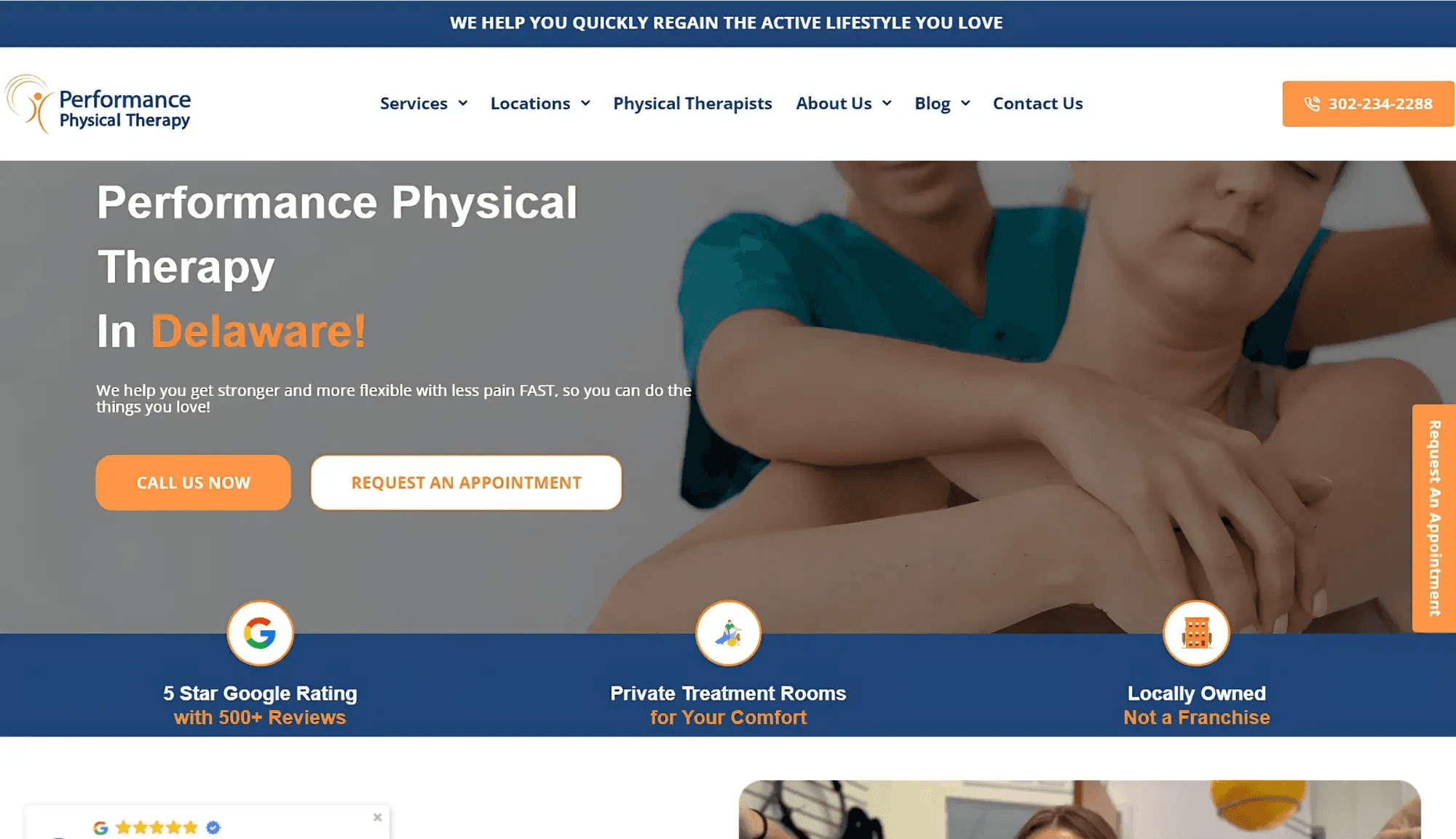
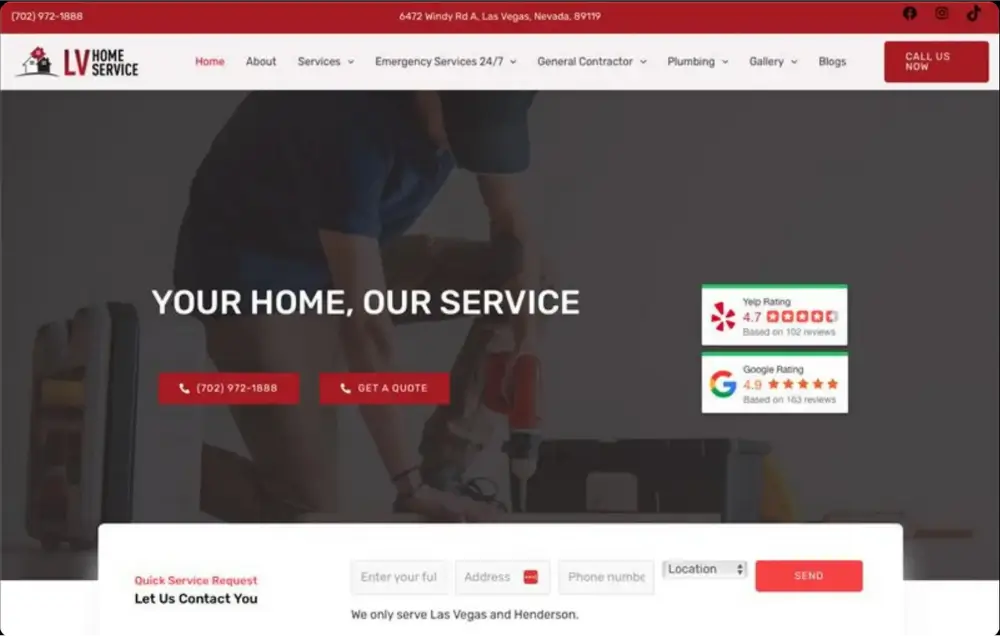

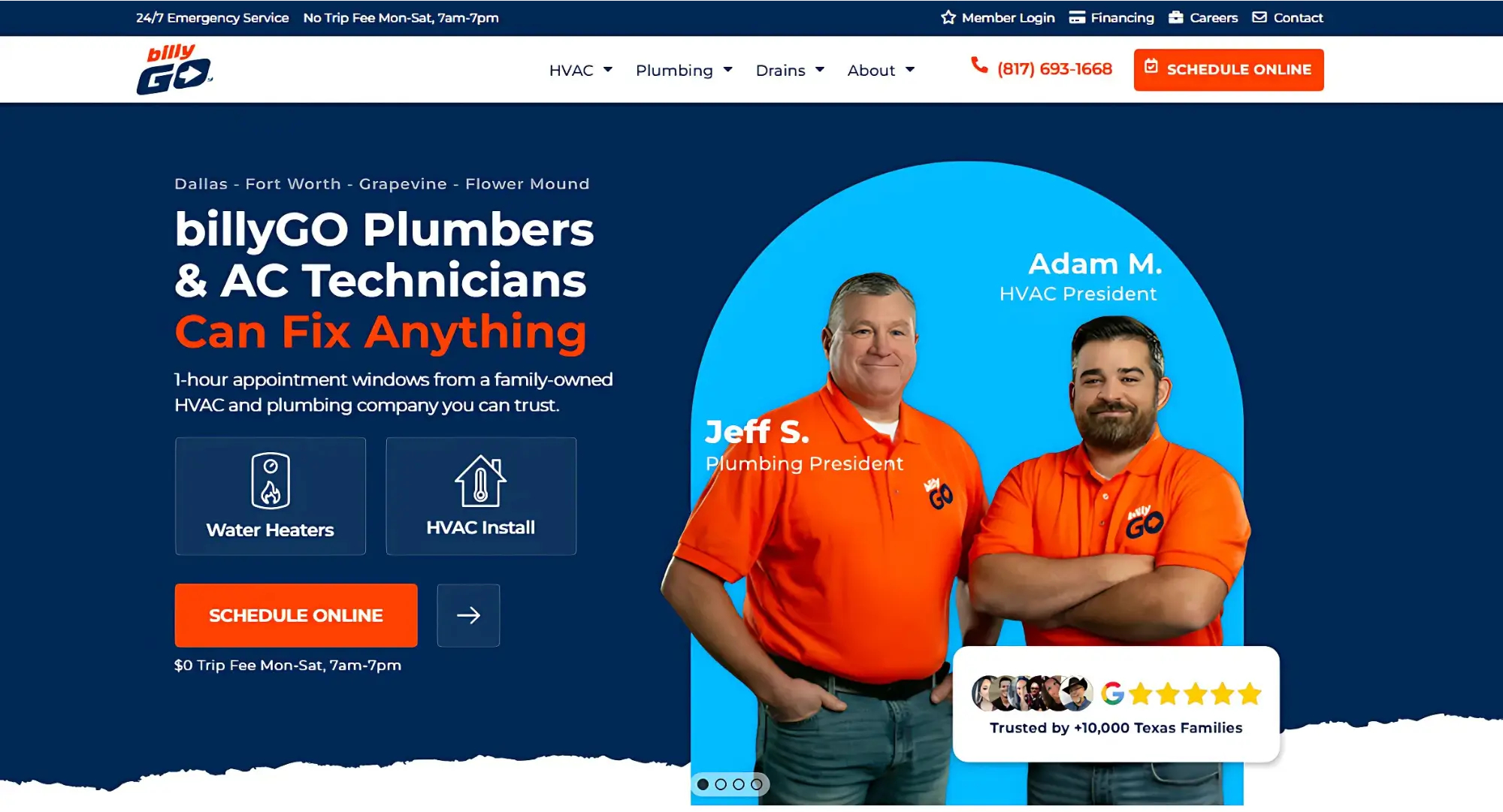




A subtle change is taking place in the way people search for businesses online, and most business owners aren't aware of it.
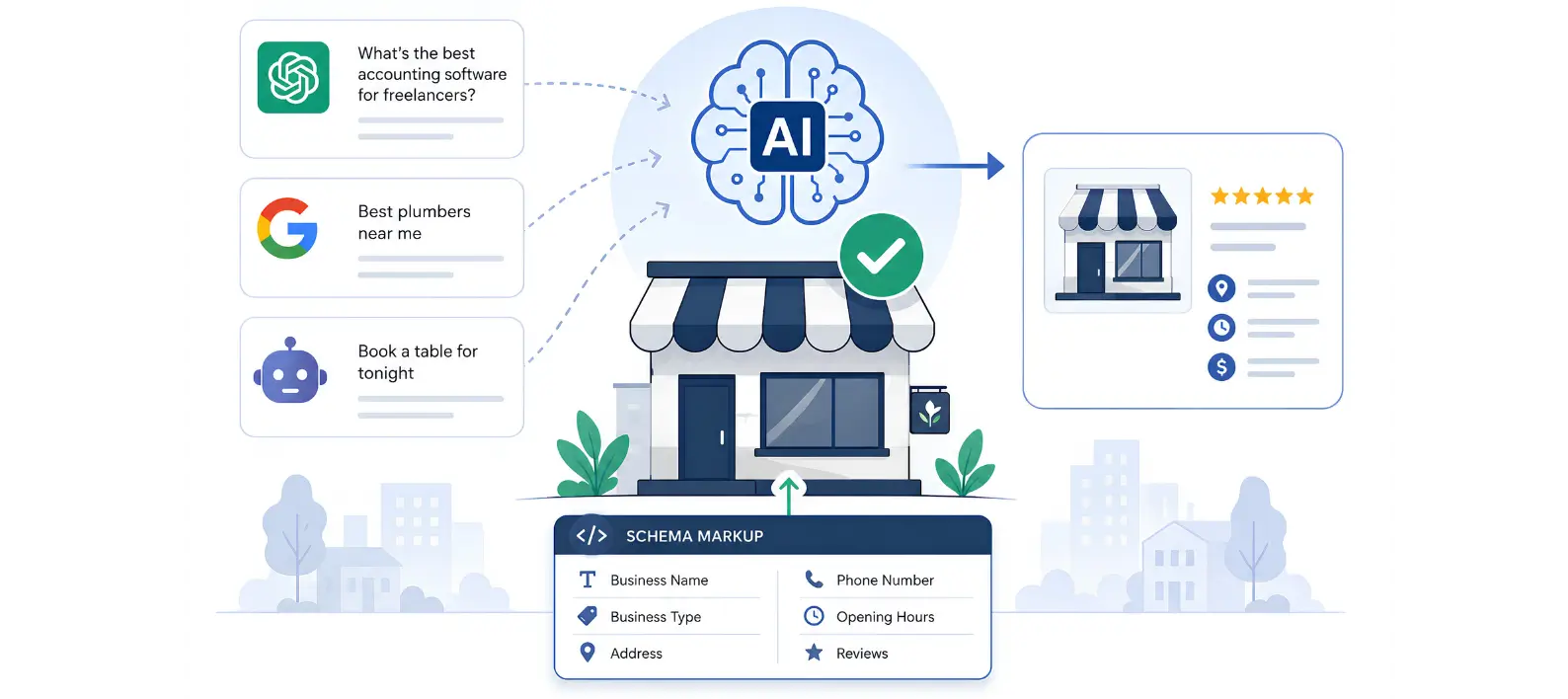
Users are not just clicking through a list of links when they ask ChatGPT about the best accounting software for freelancers, receive a list of nearby plumbers from Google's AI Overview, or use an AI agent to make a restaurant booking. They are turning over the decision to a machine. And that machine is making decisions on which businesses are clear, trustworthy and structured enough to recommend.
With this new era, the focus isn't simply on rankings anymore; it's about being understood by AI systems. When they cannot readily recognize you, what you do, and why you are believable, your visibility gets hurt.
This is where schema markup comes in handy for your business to pass that judgment. Provides context for search engines and AI systems that will allow them to confidently suggest your business.
What Schema Markup Actually Is?
Schema is structured data code you place on your site to make AI and search engines know the meaning of your content, rather than just its words.
Otherwise, a search engine analyzes your home page and guesses at what it is. This means you are providing the machine with a label, which is our business name, this is where we are going to serve, these are our hours, this is our rating, this is the price range.
It uses a common language, known as Schema.org, which is a vocabulary that Google, Microsoft, Yahoo and Yandex have jointly developed. Consider it a translation layer for your site, for all the systems that want to understand it.
The impact of schema markup on rich results, defined as features that directly appear in search results, such as star ratings, FAQ dropdowns, event listings and product prices, is undeniable for traditional SEO. The things that are changing now, however, are the reader, and what they are doing with it.
There are three main methods of using schema on a website:
JSON-LD — a script block in the page head that is cleanly separated from your HTML. This is Google's recommended format, and the most easy to handle.
Microdata — markup embedded within the HTML elements. Less flexible in terms of evolution of your site.
RDFa — an older attribute-based format, not used in many of today's implementations.
Most businesses will want to communicate in JSON-LD. It won't require hardware modifications, is auditable and portable.
AI Search Works Differently and Schema Matters More!
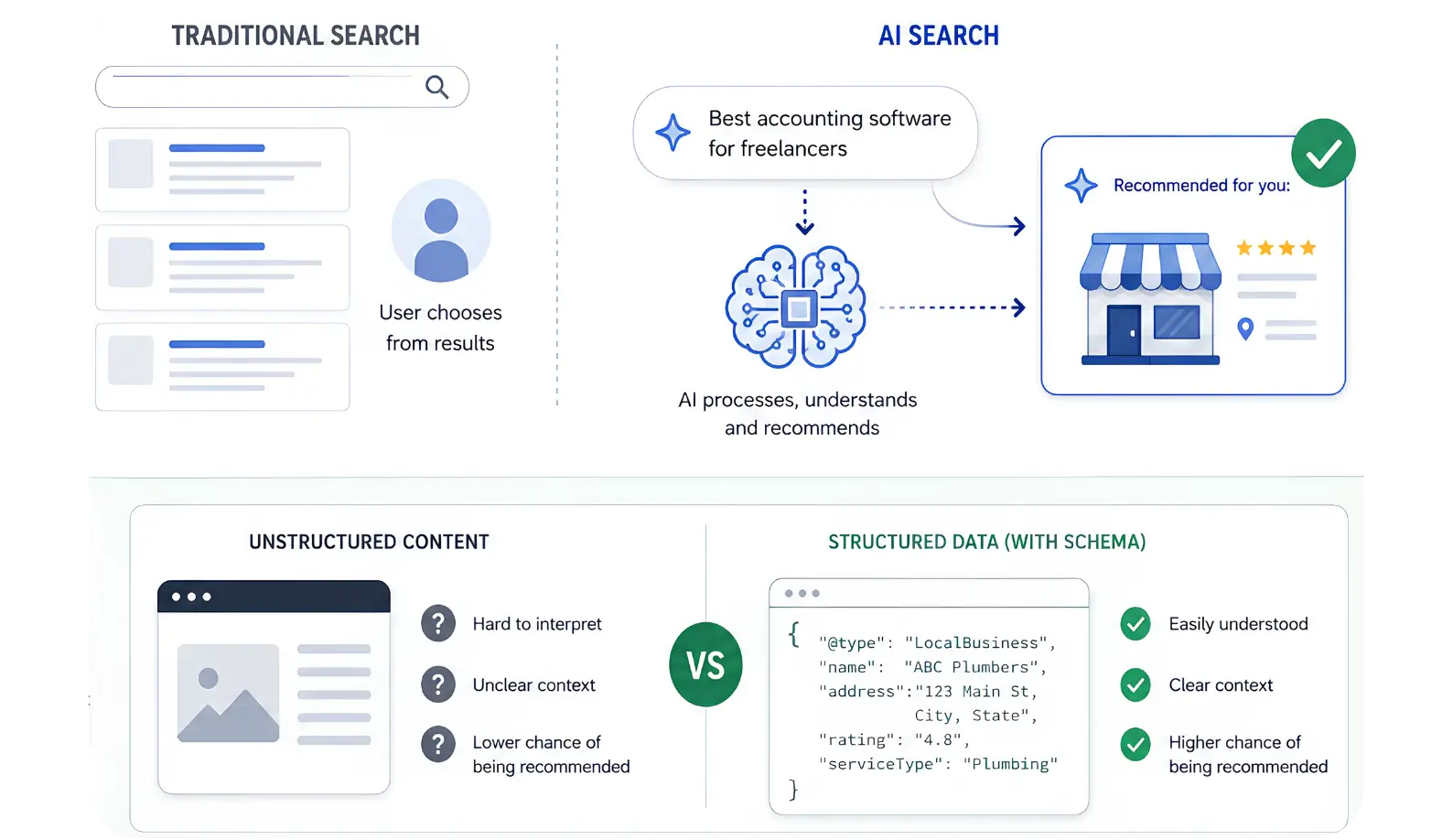
The traditional search engines were returning results and allowing the users to choose. AI search systems work differently. They process information, formulate responses and frequently make recommendations on behalf of the user.
That's why structured data is important. Unlike unstructured page content, AI systems can much more readily identify what your business is, where it's located, and what makes it relevant by understanding schema markup.
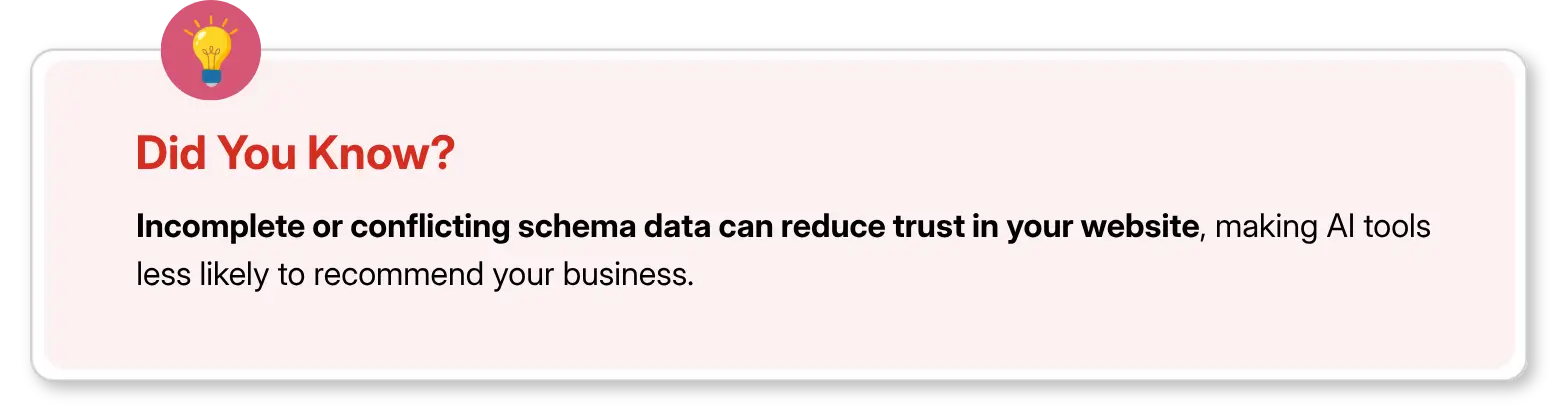
The level of trust is another factor. Inconsistent or incomplete schema may introduce uncertainty; consistent or complete schema as a credibility signal. Whether you are using Google AI Overviews, ChatGPT, Bing Copilot or an AI agent to do things for you
Each surface has its own logic, but the underlying requirement is the same: your data needs to be structured, complete, and trustworthy.
The Agentic Web Changes the Stakes
The biggest change isn't taking place in AI Overviews. It's going on with AI agents!
An AI agent is a system that not only fetches information, but also takes action. It not only schedules appointments but also makes comparisons, places orders and makes recommendations, without requiring much more action from the user than stating a goal. This is what is known as the “agentic web”: a web that is traversed more and more by agents as intermediaries for human users.
When a business is involved, this could mean you need to make your site readable not only for the person who clicks through it, but for a system that is sending queries directly to your site for specific and actionable information. An early example of this infrastructure is Microsoft's open-source project called NLWeb.
It enables websites to incorporate conversational interfaces that enable AI agents to ask natural language questions and receive structured responses in real time.
NLWeb is developed using the same foundation as any traditional structured data: Schema.org and RSS. Right now it is not some other task that you need to do to get your schema right, it is preparation for this layer of the web.
It's the same vocabulary and structure that powers rich results today that will be the user interface for AI agents tomorrow.
Consider the implications of that on the ground. The user instructs their AI assistant, “Find a popular and Sunday open restaurant in Houston that has a reputation for taking reservations.” The agent doesn't scan the menus. It asks questions to structured data. Completely filled out LocalBusinesses, Restaurants, and Offer schemas (which include hours, cuisine, reservation links, and reviews with an aggregate rating) appear cleanly.
The Schema Types That Matter Most for Business Visibility
Not all schema is equally relevant for AI recommendations. Some types are particularly powerful for business discoverability:
Local Business (and its subtypes like Restaurant, MedicalBusiness, LegalService) gives AI systems precise information about who you are, where you operate, and what you offer.
Product and Offer schemas provide the machine-readable pricing, availability, and specification data that AI agents need to include your products in comparison or recommendation responses.
Review and Aggregate Rating schemas surface credibility signals that AI systems use when assessing whether to recommend a business.
FAQ Page schemas put common questions and answers into a format that AI systems can directly surface in response to user queries, positioning your business as the authoritative answer.
Breadcrumb List and Site Navigation Element schemas help AI agents understand your site’s structure, making it easier for them to navigate to the right content.
Here’s a quick reference for which schema types apply to different business categories:
Business Type | Priority Schema Types |
|---|---|
Local service business | Local Business, Service, review, FAQ Page, Opening Hours Specification |
E-commerce / retail | Product, Offer, Aggregate Rating, Breadcrumb List, Organization |
Restaurant / hospitality | Restaurant, Menu, Reservation, Review, Opening Hours Specification |
Healthcare / medical | Medical Business, Physician, Medical Condition, FAQ Page |
B2B / SaaS | Organization, Software Application, FAQ Page, Article, Breadcrumb List |
Publishing / content | Article, Blog Posting, Author, Breadcrumb List, FAQ Page |
The Window to Act Is Open, But Not Indefinitely
More and more, AI search engines favor those sources that they have already indexed, validated, and deemed trustworthy. This preference builds up with time. A company that builds a reputation as being agent friendly, by providing complete, consistent, clean structured data, will have a harder time to be outcompeted by newer companies in the future.This isn’t speculative. The agents have already started crawling.
They are already recommending! The results that businesses appear in AI-generated answers aren't a coincidence. They're there because their websites made the job of the machine easier.
The teams who took it seriously have always enjoyed the benefits of Schema markup. The divide between the people that do and don’t is closing, and an AI recommendation that isn't there is more costly than a missed click ever was, in the age of AI search.
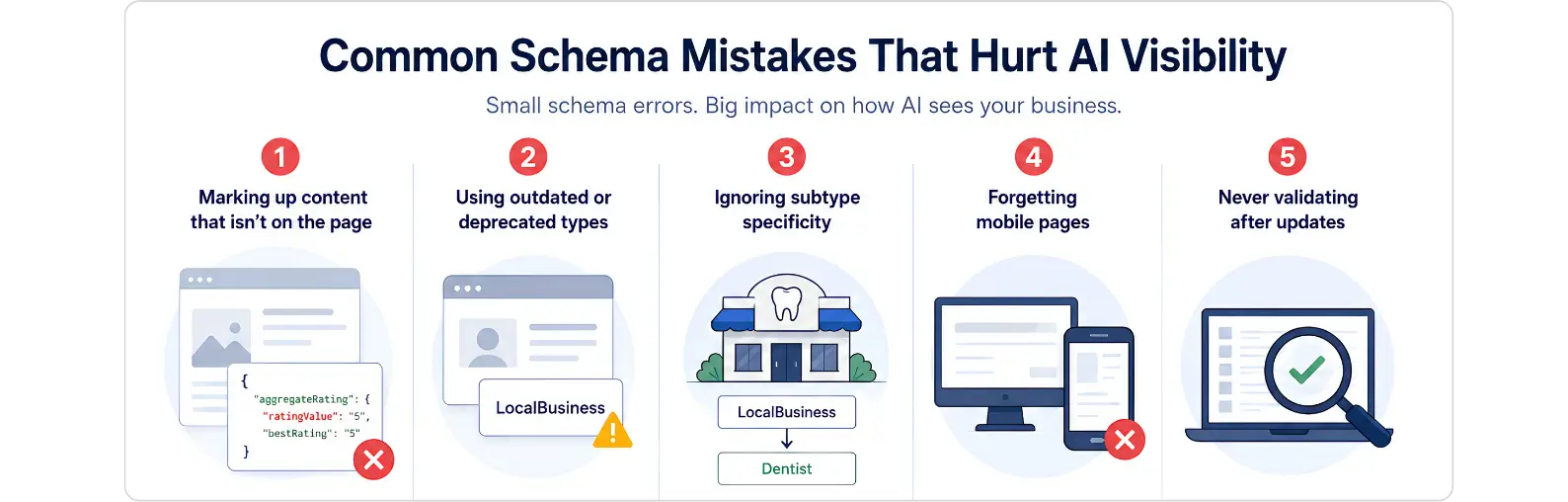
Common Schema Mistakes That Hurt AI Visibility
For businesses that do implement schema markup, a large number of these issues are made, and with AI search, the price is greater than it ever was.
Marking up content that isn’t on the page: Schema must reflect what users can actually see. Adding a five-star Aggregate Rating without visible reviews violates Google’s guidelines and trains AI systems to distrust your signals.
Using outdated or deprecated types: Schema.org evolves. Old markup doesn’t just fail to help, it can introduce noise that confuses parsing systems.
Ignoring subtype specificity: Marking a dental clinic simply as “LocalBusiness” when “Dentist” is a valid subtype loses the precision AI systems use to match queries to businesses.
Forgetting mobile pages: If your structured data lives only in the desktop version of your page, you’re missing a significant share of AI crawls. Schema needs to be present across all page versions.
Never validating after updates: A CMS update, a template change, or a plugin conflict can strip or corrupt your markup without any visible sign on the page itself. Regular validation, monthly at minimum, is essential.
Final Thoughts
As AI-powered search continues to evolve, businesses can no longer rely solely on traditional SEO tactics to earn visibility. Search engines, AI Overviews, and intelligent agents are increasingly favoring websites that provide clear, structured, and trustworthy information. Schema markup helps bridge the gap between your website and these systems by making your content easier to understand, validate, and recommend.
Implementing the right schema types, maintaining accurate structured data, and regularly validating your markup can significantly improve how AI systems interpret your business. Whether you're a local service provider, eCommerce brand, healthcare practice, or SaaS company, schema markup is becoming a foundational element of digital visibility in the AI era.
The businesses that invest in structured data today will be better positioned to appear in AI-generated recommendations, conversational search results, and agent-driven experiences tomorrow. As search shifts from finding information to delivering answers, ensuring AI can understand your business may become just as important as ensuring customers can.
FAQs
Schema Markup: What is it and why does it matter for AI search?

Schema markup refers to the structured information that you place on your website to help search engines and AI-driven search tools better understand your products, content, services and business. This helps to ensure that your business is correctly identified and suggested in AI-driven search results.
What does schema markup do to recommend my business to AI?
Schema markup offers a clear clue of your business, like location, services, reviews, and contact information, among other things, and your hours of operation. This structured data enables AI search systems to detect and suggest businesses for users based on their search queries.
What are the best kinds of schema to use for local businesses?
LocalBusiness, Organization, Product, Service, FAQ, Review, Article are some of the common schema types that work well for local businesses. These assist AI and search engines to comprehend various facets of your business and enhance visibility on different search platforms.
Does Schema Markup help to get my site in front of AI-generated search results?
Yes. Schema markup doesn't necessarily guarantee that your content will be included, but it can make it easier for AI search engines to understand and trust your content. This can boost the chances of your company appearing in AI-generated answers, recommendations, and search summaries.
Is website schema markup complicated?
No, it's not. You can use SEO Plugins and tools to implement schema or implement it manually. There are a number of plugins available in the market which makes it easy to implement in the modern website platforms like WordPress. But having a professional engaged in SEO services can guarantee the markup is correct and will work to see that it is optimized for the greatest visibility.
A subtle change is taking place in the way people search for businesses online, and most business owners aren't aware of it.
Users are not just clicking through a list of links when they ask ChatGPT about the best accounting software for freelancers, receive a list of nearby plumbers from Google's AI Overview, or use an AI agent to make a restaurant booking. They are turning over the decision to a machine. And that machine is making decisions on which businesses are clear, trustworthy and structured enough to recommend.
With this new era, the focus isn't simply on rankings anymore; it's about being understood by AI systems. When they cannot readily recognize you, what you do, and why you are believable, your visibility gets hurt.
This is where schema markup comes in handy for your business to pass that judgment. Provides context for search engines and AI systems that will allow them to confidently suggest your business.
What Schema Markup Actually Is?
Schema is structured data code you place on your site to make AI and search engines know the meaning of your content, rather than just its words.
Otherwise, a search engine analyzes your home page and guesses at what it is. This means you are providing the machine with a label, which is our business name, this is where we are going to serve, these are our hours, this is our rating, this is the price range.
It uses a common language, known as Schema.org, which is a vocabulary that Google, Microsoft, Yahoo and Yandex have jointly developed. Consider it a translation layer for your site, for all the systems that want to understand it.
The impact of schema markup on rich results, defined as features that directly appear in search results, such as star ratings, FAQ dropdowns, event listings and product prices, is undeniable for traditional SEO. The things that are changing now, however, are the reader, and what they are doing with it.
There are three main methods of using schema on a website:
JSON-LD — a script block in the page head that is cleanly separated from your HTML. This is Google's recommended format, and the most easy to handle.
Microdata — markup embedded within the HTML elements. Less flexible in terms of evolution of your site.
RDFa — an older attribute-based format, not used in many of today's implementations.
Most businesses will want to communicate in JSON-LD. It won't require hardware modifications, is auditable and portable.
AI Search Works Differently and Schema Matters More!
The traditional search engines were returning results and allowing the users to choose. AI search systems work differently. They process information, formulate responses and frequently make recommendations on behalf of the user.
That's why structured data is important. Unlike unstructured page content, AI systems can much more readily identify what your business is, where it's located, and what makes it relevant by understanding schema markup.
The level of trust is another factor. Inconsistent or incomplete schema may introduce uncertainty; consistent or complete schema as a credibility signal. Whether you are using Google AI Overviews, ChatGPT, Bing Copilot or an AI agent to do things for you
Each surface has its own logic, but the underlying requirement is the same: your data needs to be structured, complete, and trustworthy.
The Agentic Web Changes the Stakes
The biggest change isn't taking place in AI Overviews. It's going on with AI agents!
An AI agent is a system that not only fetches information, but also takes action. It not only schedules appointments but also makes comparisons, places orders and makes recommendations, without requiring much more action from the user than stating a goal. This is what is known as the “agentic web”: a web that is traversed more and more by agents as intermediaries for human users.
When a business is involved, this could mean you need to make your site readable not only for the person who clicks through it, but for a system that is sending queries directly to your site for specific and actionable information. An early example of this infrastructure is Microsoft's open-source project called NLWeb.
It enables websites to incorporate conversational interfaces that enable AI agents to ask natural language questions and receive structured responses in real time.
NLWeb is developed using the same foundation as any traditional structured data: Schema.org and RSS. Right now it is not some other task that you need to do to get your schema right, it is preparation for this layer of the web.
It's the same vocabulary and structure that powers rich results today that will be the user interface for AI agents tomorrow.
Consider the implications of that on the ground. The user instructs their AI assistant, “Find a popular and Sunday open restaurant in Houston that has a reputation for taking reservations.” The agent doesn't scan the menus. It asks questions to structured data. Completely filled out LocalBusinesses, Restaurants, and Offer schemas (which include hours, cuisine, reservation links, and reviews with an aggregate rating) appear cleanly.
The Schema Types That Matter Most for Business Visibility
Not all schema is equally relevant for AI recommendations. Some types are particularly powerful for business discoverability:
Local Business (and its subtypes like Restaurant, MedicalBusiness, LegalService) gives AI systems precise information about who you are, where you operate, and what you offer.
Product and Offer schemas provide the machine-readable pricing, availability, and specification data that AI agents need to include your products in comparison or recommendation responses.
Review and Aggregate Rating schemas surface credibility signals that AI systems use when assessing whether to recommend a business.
FAQ Page schemas put common questions and answers into a format that AI systems can directly surface in response to user queries, positioning your business as the authoritative answer.
Breadcrumb List and Site Navigation Element schemas help AI agents understand your site’s structure, making it easier for them to navigate to the right content.
Here’s a quick reference for which schema types apply to different business categories:
Business Type | Priority Schema Types |
|---|---|
Local service business | Local Business, Service, review, FAQ Page, Opening Hours Specification |
E-commerce / retail | Product, Offer, Aggregate Rating, Breadcrumb List, Organization |
Restaurant / hospitality | Restaurant, Menu, Reservation, Review, Opening Hours Specification |
Healthcare / medical | Medical Business, Physician, Medical Condition, FAQ Page |
B2B / SaaS | Organization, Software Application, FAQ Page, Article, Breadcrumb List |
Publishing / content | Article, Blog Posting, Author, Breadcrumb List, FAQ Page |
The Window to Act Is Open, But Not Indefinitely
More and more, AI search engines favor those sources that they have already indexed, validated, and deemed trustworthy. This preference builds up with time. A company that builds a reputation as being agent friendly, by providing complete, consistent, clean structured data, will have a harder time to be outcompeted by newer companies in the future.This isn’t speculative. The agents have already started crawling.
They are already recommending! The results that businesses appear in AI-generated answers aren't a coincidence. They're there because their websites made the job of the machine easier.
The teams who took it seriously have always enjoyed the benefits of Schema markup. The divide between the people that do and don’t is closing, and an AI recommendation that isn't there is more costly than a missed click ever was, in the age of AI search.
Common Schema Mistakes That Hurt AI Visibility
For businesses that do implement schema markup, a large number of these issues are made, and with AI search, the price is greater than it ever was.
Marking up content that isn’t on the page: Schema must reflect what users can actually see. Adding a five-star Aggregate Rating without visible reviews violates Google’s guidelines and trains AI systems to distrust your signals.
Using outdated or deprecated types: Schema.org evolves. Old markup doesn’t just fail to help, it can introduce noise that confuses parsing systems.
Ignoring subtype specificity: Marking a dental clinic simply as “LocalBusiness” when “Dentist” is a valid subtype loses the precision AI systems use to match queries to businesses.
Forgetting mobile pages: If your structured data lives only in the desktop version of your page, you’re missing a significant share of AI crawls. Schema needs to be present across all page versions.
Never validating after updates: A CMS update, a template change, or a plugin conflict can strip or corrupt your markup without any visible sign on the page itself. Regular validation, monthly at minimum, is essential.
Final Thoughts
As AI-powered search continues to evolve, businesses can no longer rely solely on traditional SEO tactics to earn visibility. Search engines, AI Overviews, and intelligent agents are increasingly favoring websites that provide clear, structured, and trustworthy information. Schema markup helps bridge the gap between your website and these systems by making your content easier to understand, validate, and recommend.
Implementing the right schema types, maintaining accurate structured data, and regularly validating your markup can significantly improve how AI systems interpret your business. Whether you're a local service provider, eCommerce brand, healthcare practice, or SaaS company, schema markup is becoming a foundational element of digital visibility in the AI era.
The businesses that invest in structured data today will be better positioned to appear in AI-generated recommendations, conversational search results, and agent-driven experiences tomorrow. As search shifts from finding information to delivering answers, ensuring AI can understand your business may become just as important as ensuring customers can.
FAQs
Schema Markup: What is it and why does it matter for AI search?
Schema markup refers to the structured information that you place on your website to help search engines and AI-driven search tools better understand your products, content, services and business. This helps to ensure that your business is correctly identified and suggested in AI-driven search results.
What does schema markup do to recommend my business to AI?
Schema markup offers a clear clue of your business, like location, services, reviews, and contact information, among other things, and your hours of operation. This structured data enables AI search systems to detect and suggest businesses for users based on their search queries.
What are the best kinds of schema to use for local businesses?
LocalBusiness, Organization, Product, Service, FAQ, Review, Article are some of the common schema types that work well for local businesses. These assist AI and search engines to comprehend various facets of your business and enhance visibility on different search platforms.
Does Schema Markup help to get my site in front of AI-generated search results?
Yes. Schema markup doesn't necessarily guarantee that your content will be included, but it can make it easier for AI search engines to understand and trust your content. This can boost the chances of your company appearing in AI-generated answers, recommendations, and search summaries.
Is website schema markup complicated?
No, it's not. You can use SEO Plugins and tools to implement schema or implement it manually. There are a number of plugins available in the market which makes it easy to implement in the modern website platforms like WordPress. But having a professional engaged in SEO services can guarantee the markup is correct and will work to see that it is optimized for the greatest visibility.



Summarize with AI



Want to be seen everywhere?
Get a free AI-search audit Today!



4.9/5 Ratings!


Don’t miss our revenue growth tips!
Get expert marketing tips—straight to your inbox, like thousands of happy clients.
Don’t miss our revenue growth tips!
Get expert marketing tips—straight to your inbox, like thousands of happy clients.
Don’t miss our revenue growth tips!
Don’t miss our revenue growth tips!
Get expert marketing tips—straight to your inbox, like thousands of happy clients.
Relevant Blogs on Generative AI SEO
Relevant Blogs on Generative AI SEO
Unlock data-driven insights in AI-powered SEO—explore our featured blogs and skyrocket your revenue before your competitors do.
Unlock data-driven insights in AI-powered SEO—explore our featured blogs and skyrocket your revenue before your competitors do.

GEO
Sep 22, 2026
15 Min Read
AI Search Runs on More SEO Than You Think
GEO
Sep 22, 2026
15 Min Read
AI Search Runs on More SEO Than You Think
GEO
Sep 22, 2026
15 Min Read
AI Search Runs on More SEO Than You Think

GEO
Sep 7, 2026
8 Min Read
How to Optimize Content for AI Search Engines: Best Practices
GEO
Sep 7, 2026
8 Min Read
How to Optimize Content for AI Search Engines: Best Practices
GEO
Sep 7, 2026
8 Min Read
How to Optimize Content for AI Search Engines: Best Practices

GEO
Sep 4, 2026
12 Min Read
How Ecommerce Brands Can Advertise in Google AI Mode?
GEO
Sep 4, 2026
12 Min Read
How Ecommerce Brands Can Advertise in Google AI Mode?
GEO
Sep 4, 2026
12 Min Read
How Ecommerce Brands Can Advertise in Google AI Mode?




























Ready to speak with an expert?
Data-Driven Marketing Agency That Elevates ROI
1100+
Websites Designed & Optimized to Convert
$280M+
Client Revenue Driven & Growing Strong
Discover how to skyrocket
your revenue today!
Trusted by 1000+ Owners!
Ready to speak with an expert?
Data-Driven Marketing Agency That Elevates ROI
1100+
Websites Designed & Optimized to Convert
$280M+
Client Revenue Driven & Growing Strong
Discover how to skyrocket
your revenue today!
Trusted by 1000+ Owners!
Want to skyrocket revenue?
4.9/5 Ratings!
Ready to speak with an expert?
Data-Driven Marketing Agency That Elevates ROI
1100+
Websites Designed & Optimized to Convert
$280M+
Client Revenue Driven & Growing Strong
Discover how to skyrocket
your revenue today!
Trusted by 1000+ Owners!
Call
Meet