Why Your Brand Needs a Search Everywhere Optimization Strategy
Why Your Brand Needs a Search Everywhere Optimization Strategy
Last Updated:
Table of Content
Case Studies





Deepak Prajapat
Deepak Prajapat
Deepak Prajapat
SEO
SEO
SEO
10 Min Read
10 Min
10 Min Read
Search everywhere optimization is the practice of making your brand visible everywhere people search for answers, across Google, AI tools like ChatGPT and Perplexity, YouTube, Reddit, Instagram, marketplaces, and local map results, instead of treating any single one of them as "search." It matters because your audience no longer researches in one place. They split the same buying decision across five or six different surfaces, and a brand built to be found in only one of them is invisible in the rest.
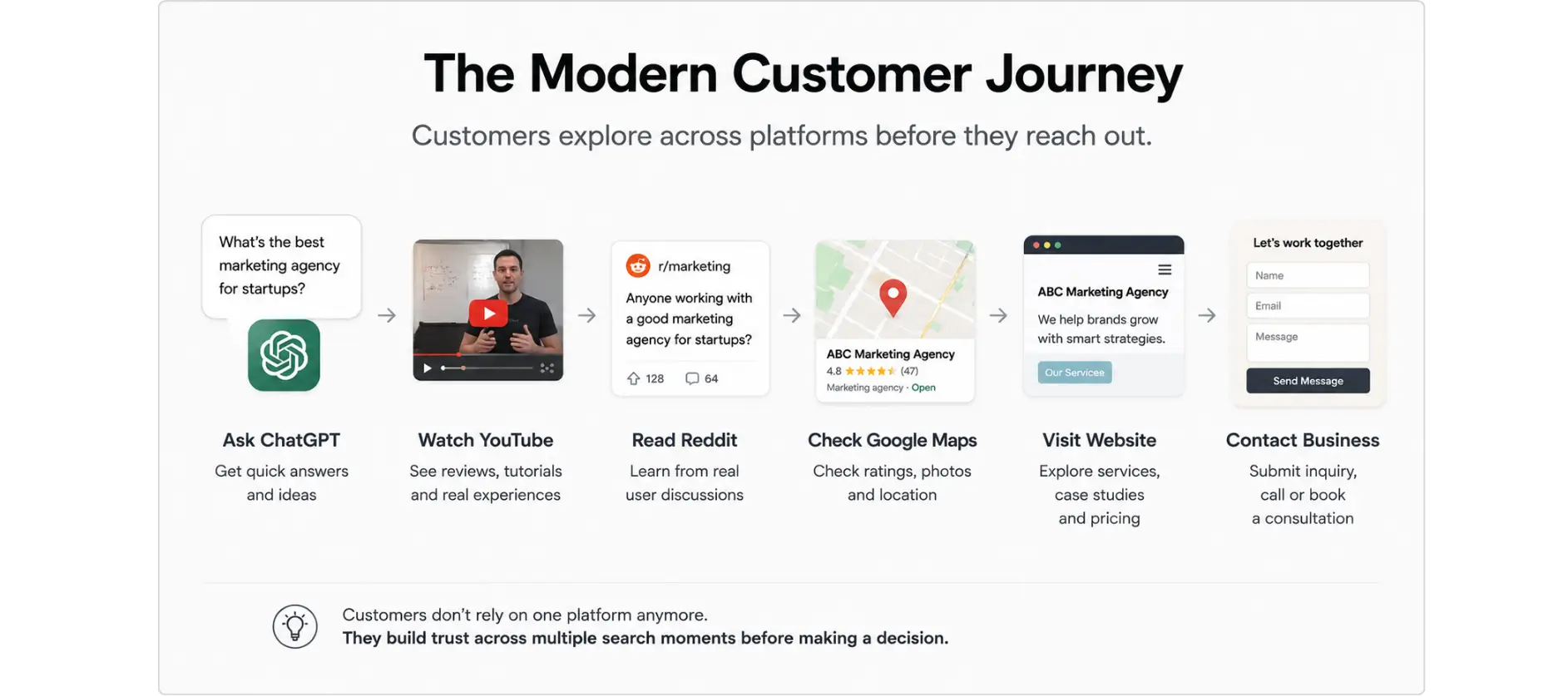
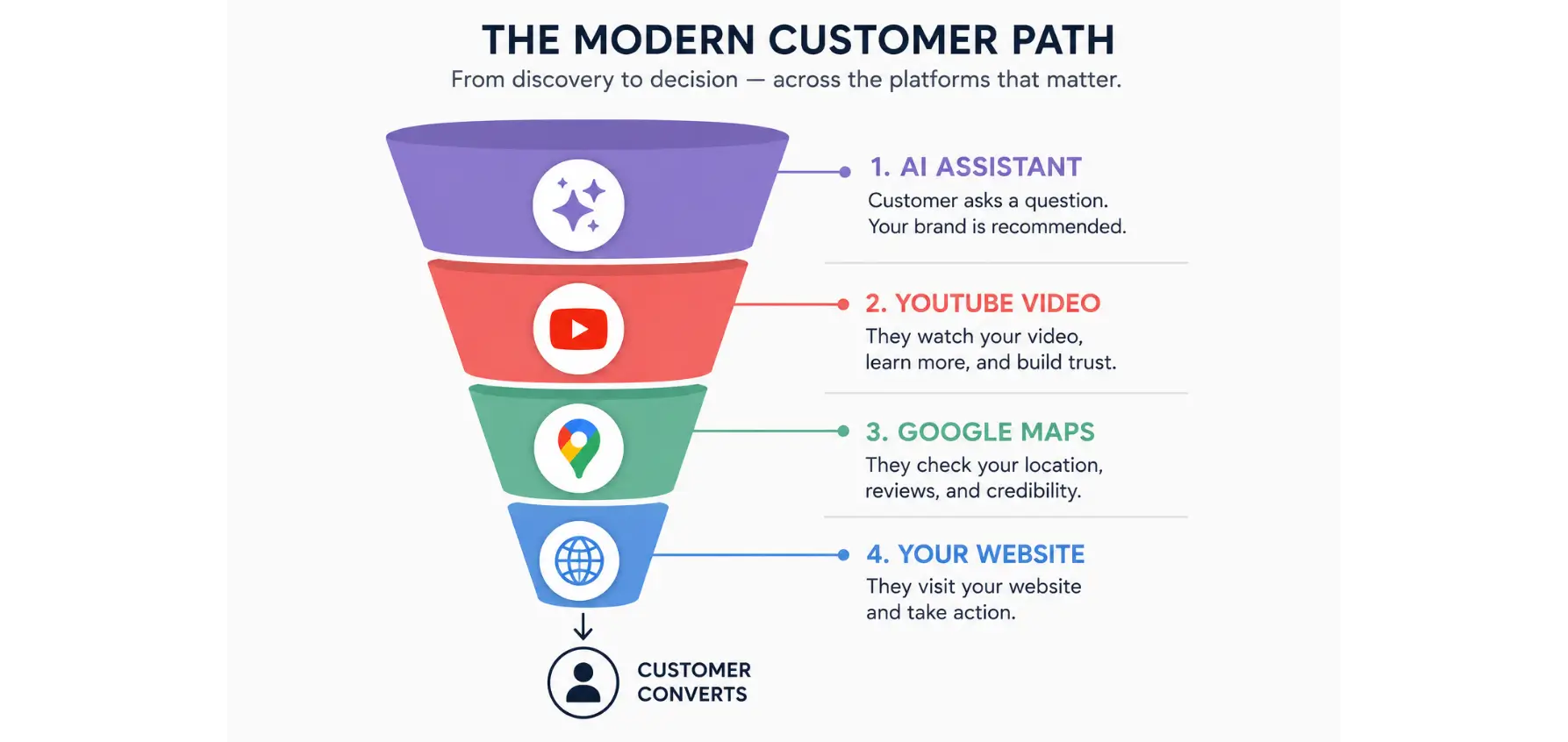
This isn't about Google losing relevance or AI taking over. It's about search becoming several parallel habits happening at once. Someone comparing local digital marketing agencies might start on Google, ask an AI assistant to shortlist options, watch a YouTube walkthrough, skim a Reddit thread, and check Google Maps reviews, often in the same afternoon. A search everywhere optimization strategy is how your brand shows up across that whole spread, not just the surface you're most used to optimizing for.
What Is Search Everywhere Optimization?
Traditional SEO optimizes one surface: Google's ranked results. A search-everywhere optimization strategy keeps that foundation but extends it to every place your audience now searches, including AI-generated answers, video platforms, social search, marketplaces, and review sites.
It isn't a rebrand of SEO. It's an acknowledgment that "search" stopped being a single channel. It's an environment, and Google is just one room in it.
Why is Ranking on Google Alone Isn't Enough Anymore?
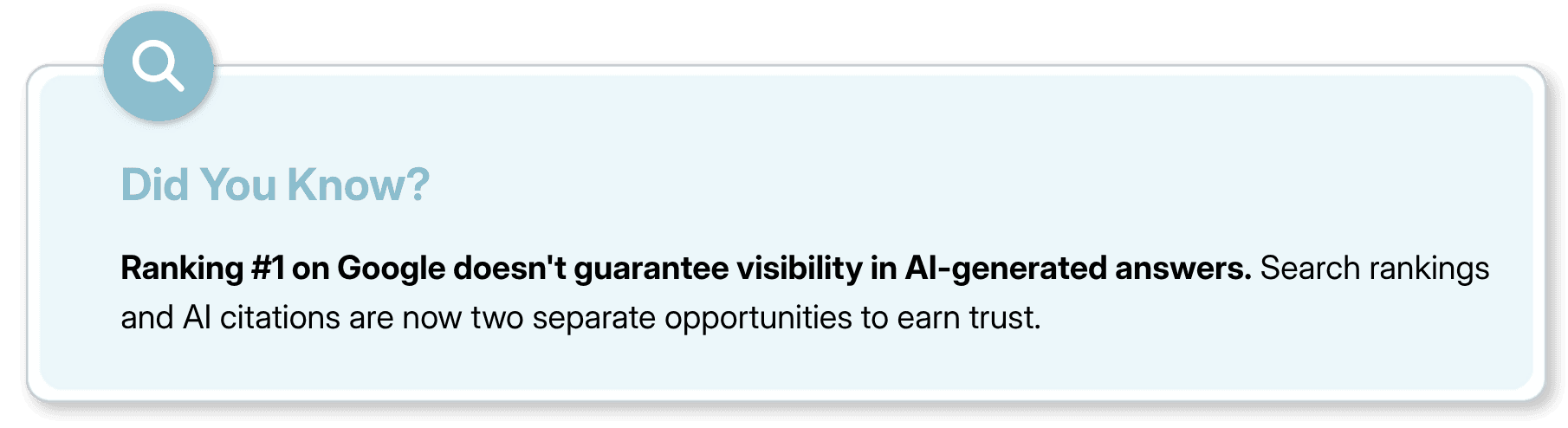
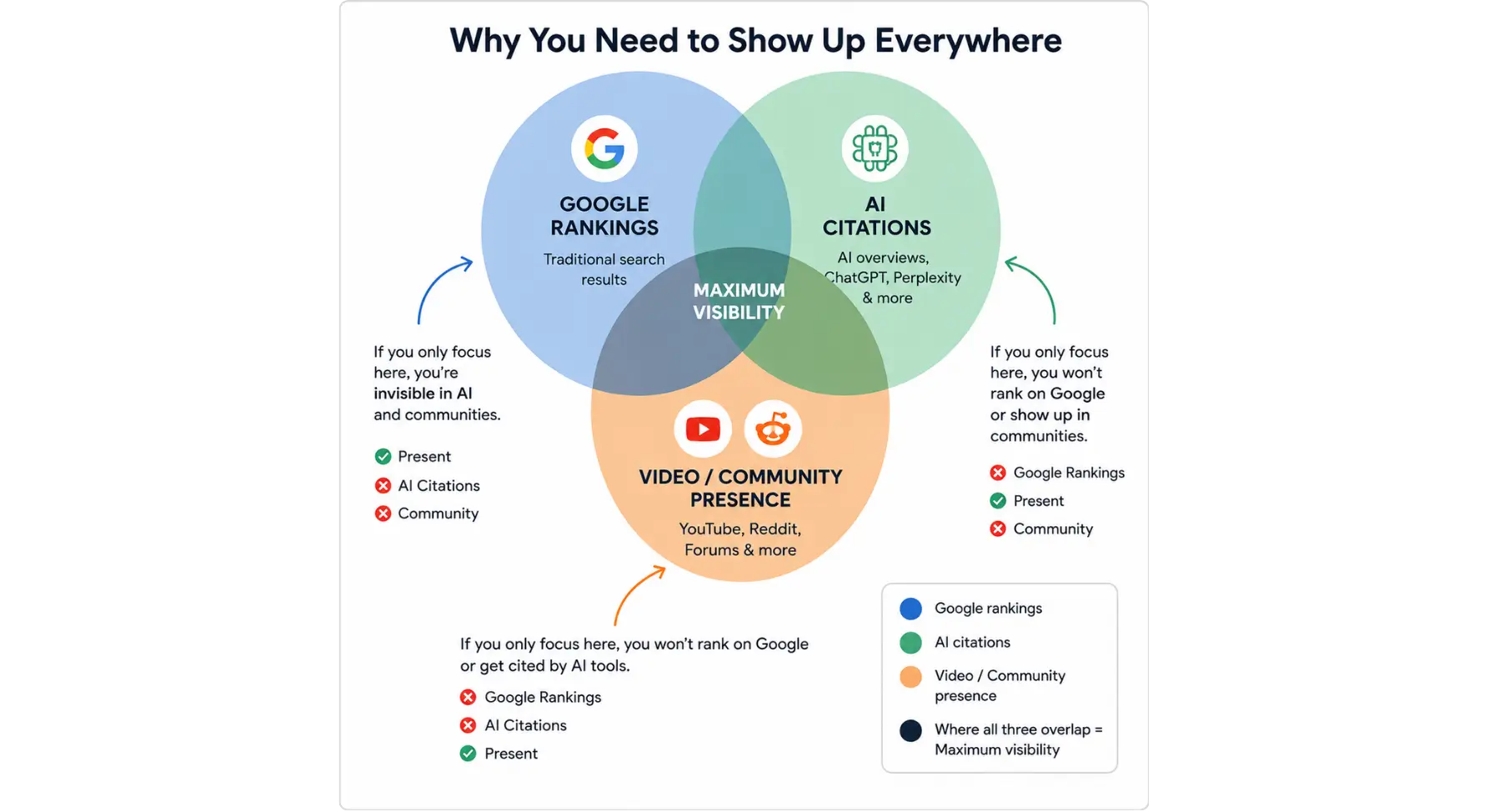
Google still matters enormously. It's still the starting point for a huge share of research & none of the fundamentals, clean technical SEO, strong backlinks, quality content have gone away. What's changed is that Google is now one strong surface among several, instead of the entire game. Four shifts explain why relying on a single surface, whether that's Google rankings, an AI presence, or social content alone, leaves gaps.
Google itself now has an "AI layer" on top of it. AI-generated summaries appear directly on the results page for most informational searches, answering the question before any organic listing gets seen. A large share of Google searches now end without a single click to any website. This is still Google, but it behaves differently than the ranked-list version most SEO strategies were built around.
AI chat platforms have become their own research destination. ChatGPT now has hundreds of millions of weekly users, and Perplexity processes a huge volume of queries every month. People increasingly go straight to these tools for recommendations and comparisons, bypassing a traditional search engine query entirely.
Video and community platforms carry real search weight. YouTube and Reddit both function as destinations people search within directly, and both are also pulled into AI-generated answers as cited sources, sometimes ahead of websites that never crack the top organic results.
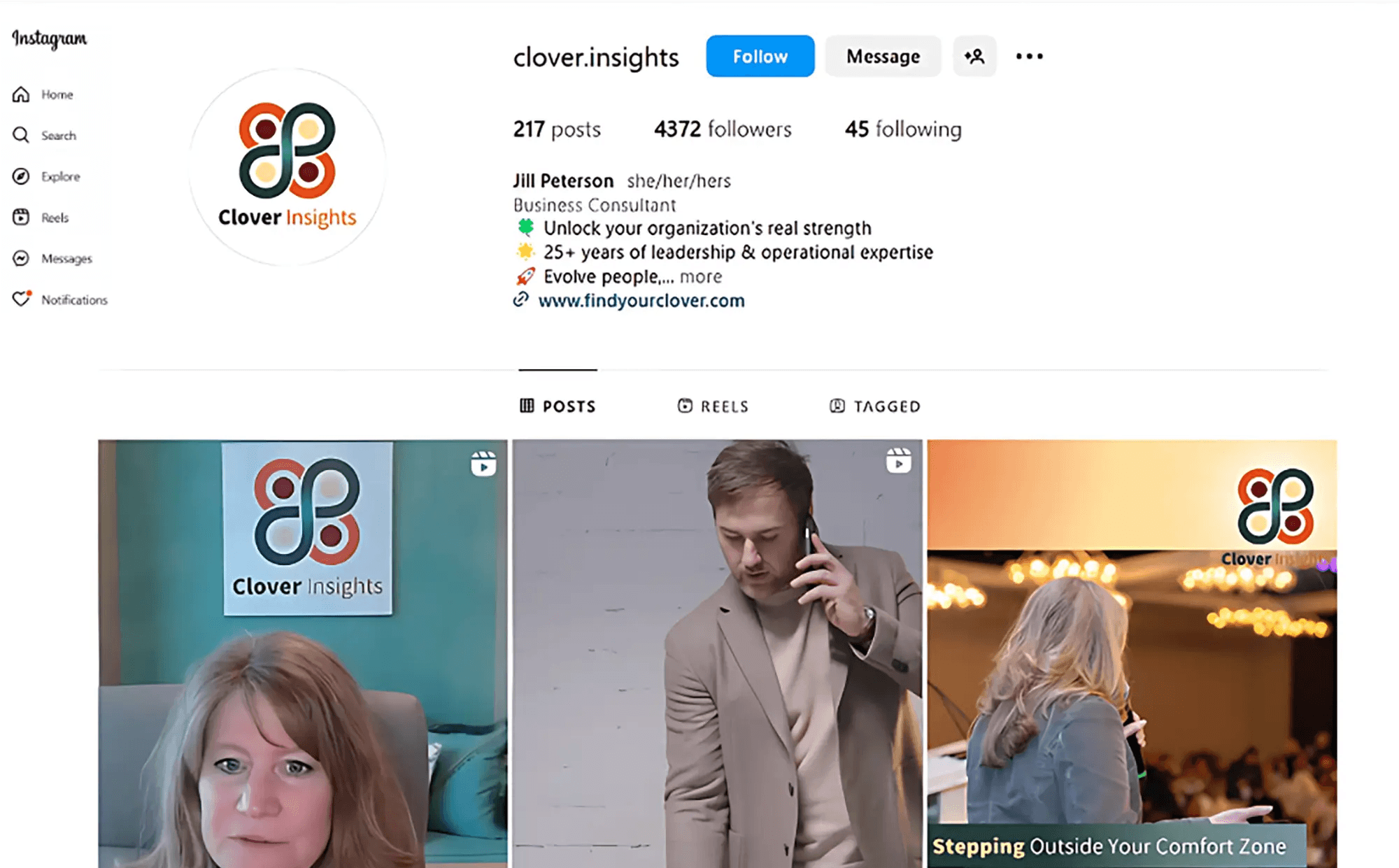
Social platforms are merging with traditional search. Since mid-2025, public content from professional & creator accounts on platforms like Insta has become indexable by Google itself, meaning a well-optimized social post can now surface inside a standard Google result too.
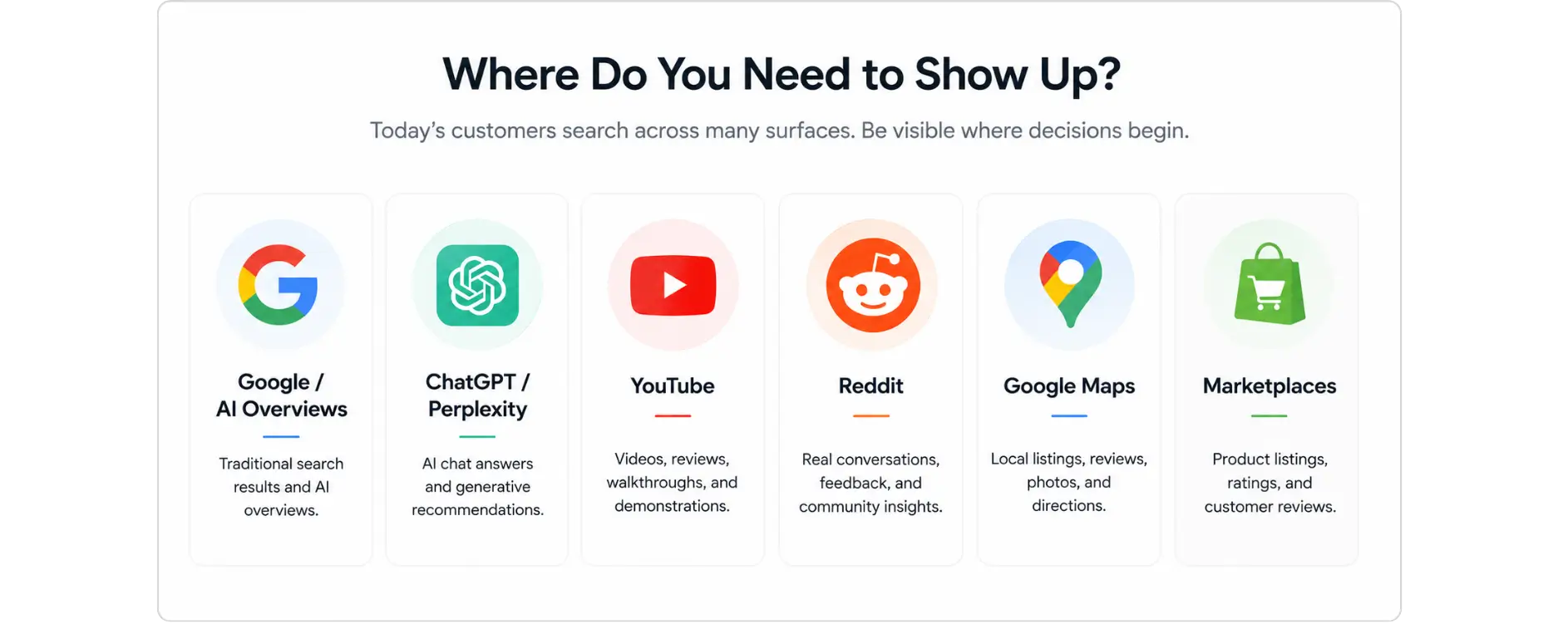
The Search Surfaces That Actually Matter Right Now
A search everywhere optimization strategy doesn't mean chasing every platform at once. It means showing up deliberately on the handful that carry real weight for your audience.
Google and AI Overviews - Still the anchor. Clear, direct answers and strong E-E-A-T signals help you rank and get pulled into the AI summary at the top of the page.
AI chat platforms (ChatGPT, Perplexity, Gemini) - These tools favor content that's clearly structured, factually consistent, and easy to extract. Being cited here is quickly becoming as valuable as ranking on page one.
YouTube - Video now accounts for a meaningful share of the sources AI Overviews cite from outside the usual top search results. A video with a clear transcript and chapter markers can earn AI visibility even if your website page never ranks.
Reddit and community platforms - Reddit's share of AI citations has grown steadily over the past year, and brands with a genuine, non-promotional presence there tend to get cited by AI systems far more often than brands with none.
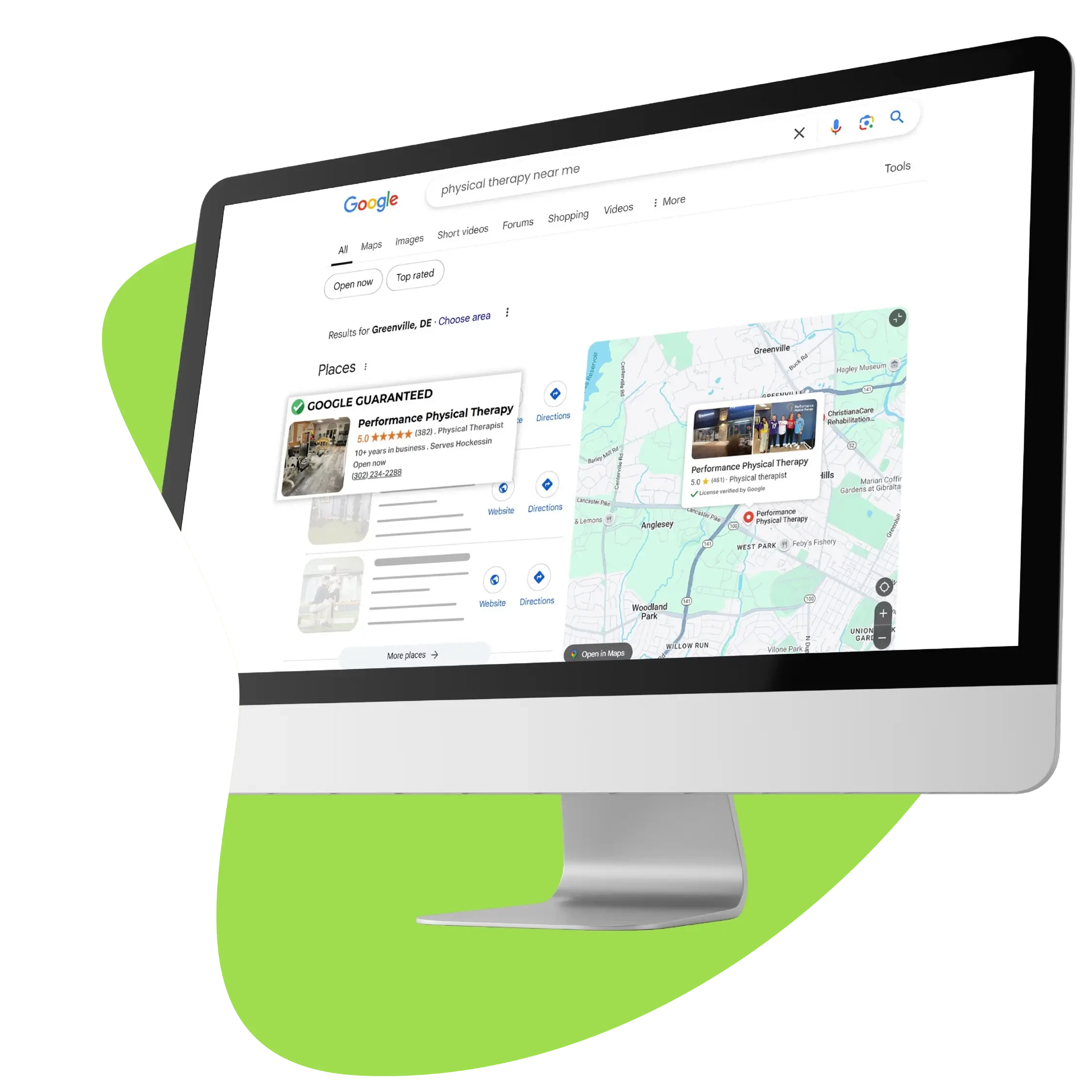
Local and map search - For any business with a service area, an accurate, actively managed Google Business Profile still shapes both map pack rankings and AI-generated local recommendations.
Marketplaces and social search - Amazon search, Instagram and TikTok each function as their own search engines, with ranking factors that have little to do with traditional keywords.
How to Build a Search Everywhere Optimization Strategy
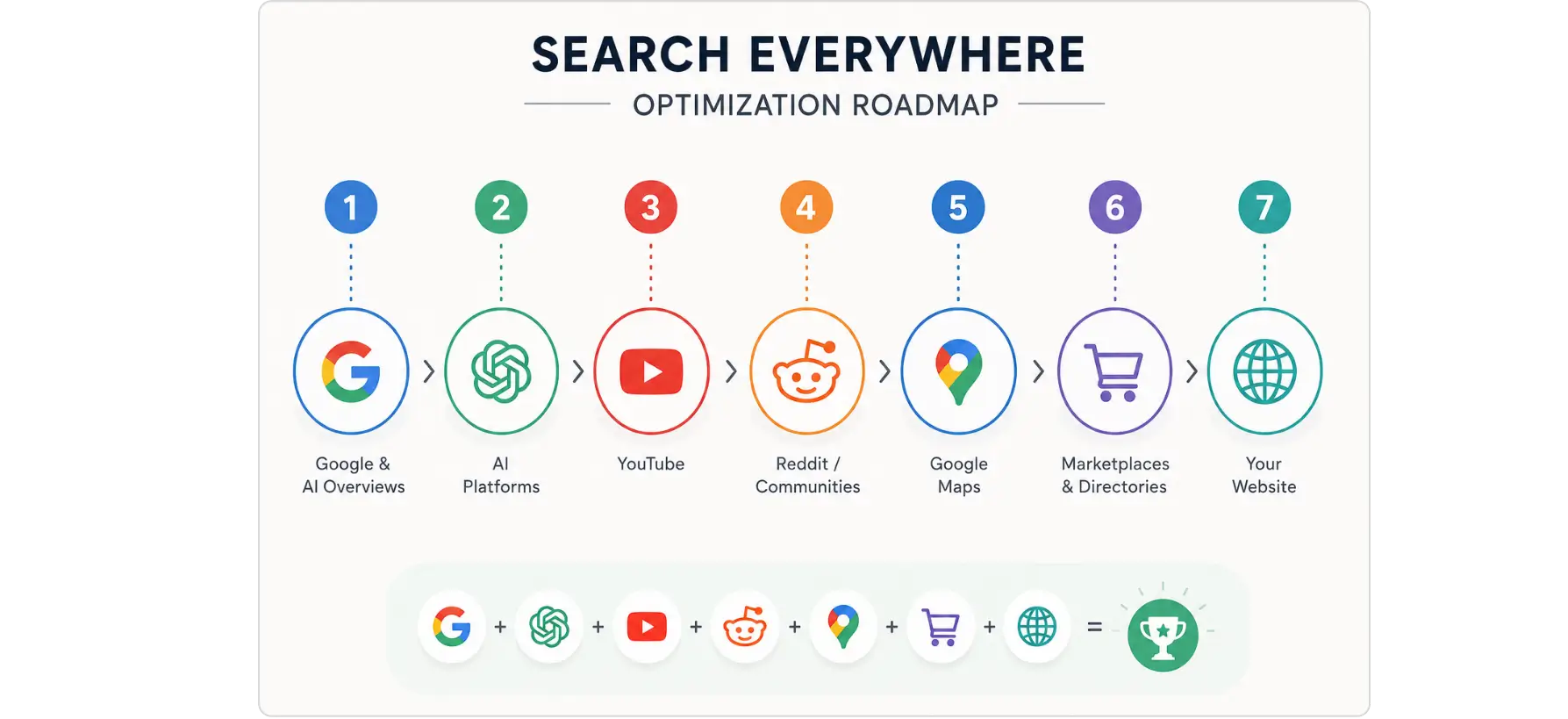
Audit ranking and AI visibility separately: Check where you already rank on Google, then separately check whether AI tools mention you for the same queries. Plenty of brands rank well and still have zero AI citation presence and never notice the gap.
Map where your actual customers search: Not where a trend piece says your industry should be. Look at where your existing leads, reviews, and inquiries already originate.
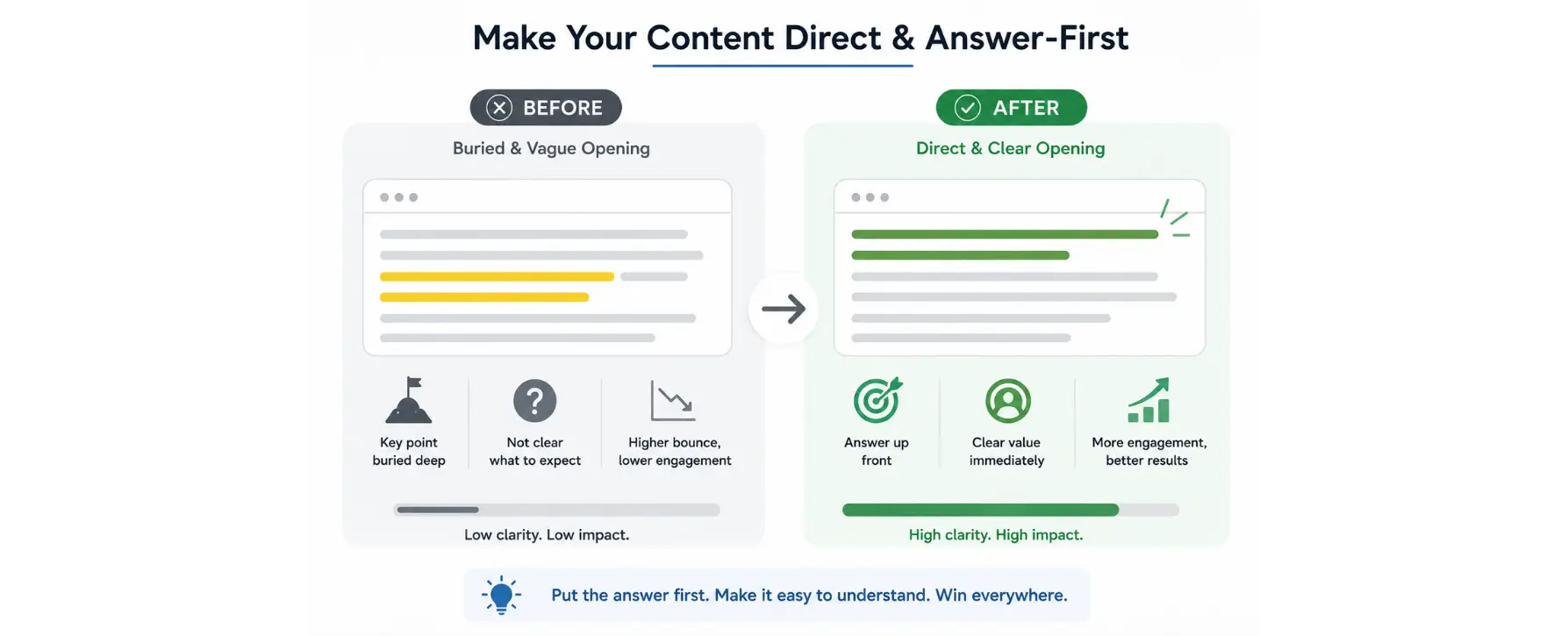
Add direct-answer openings to your priority pages: Lead each key page or section with a plain, quotable answer to the question it's targeting before the supporting detail. This is the single highest-leverage change for both AI citation and featured snippets.
Implement structured data: FAQPage, Article, Organization, and Speakable schema help both search engines and AI systems parse your content correctly. Most sites still have this only partially in place, which is a fast, low-effort fix.
Keep your entity details consistent everywhere: Your business name, service descriptions, and key facts should read the same on your website, Google Business Profile, social profiles, and directory listings. Inconsistency creates friction for AI systems trying to verify who you are.
Use the content waterfall method: Build one strong, well-researched piece on your site, then reshape it into a video, a social carousel, and a forum-style post, so the same core answer reaches multiple search surfaces without starting over each time.
Track AI mentions and branded search, not just rankings: Spot-check common industry questions in ChatGPT and Perplexity and watch branded search volume in Search Console. Both are leading indicators that your visibility is growing even before rankings move.
Writing Content That AI Tools Actually Cite
If part of your goal is earning citations inside AI Overviews, ChatGPT, or Perplexity, a few specific habits matter more than anything else:
Answer the question in the first sentence: AI systems extract the most direct, self-contained answer they can find. Bury it under three paragraphs of preamble and you make it easy to skip.
Write headings as the exact question people ask: "What is search everywhere optimization?" gets pulled into an AI answer far more often than a vague heading like "Overview" or "Background."
Include real, specific detail: AI models tend to favor unique data points and concrete specifics over generic, paraphrased summaries that could belong to any article on the topic.
Keep facts identical across every page and platform: If your service area, pricing structure, or core claims are described differently in two places, AI systems treat that as a reason to trust neither one.
Add the schema: FAQPage and Article markup don't guarantee a citation, but they make your content dramatically easier for AI crawlers to parse and quote correctly.
Common Mistakes Brands Make
The biggest one is treating "search everywhere" as a call to publish on every platform at once. It isn't. It's a call to understand where your audience actually looks, then invest deeply in two or three of those places.
The second is running SEO, social, and video as separate teams with separate goals, so nobody owns the customer's actual path to a decision.
The third is expecting instant results. Structural fixes like schema and Google Business Profile accuracy can show movement within weeks. Real authority on a new platform, the kind that earns AI citations, takes months of consistent, honest work. Budget for both timelines so a quiet first quarter doesn't get mistaken for a failed strategy.
A Quick, Real-World Example
Picture a digital marketing agency or marketing company. For years, the entire plan was ranking on page one of Google for "Digital marketing agency near me."
Today, that same prospective customer might ask an AI assistant to compare local providers, watch a competitor's install video on YouTube, and check Google Maps reviews, all before the company's website ever comes up. A business that only exists on its own site is invisible for most of that journey. A working search everywhere optimization strategy means showing up in two or three of those moments, not just hoping to be found at the very end.
Final Thoughts
Search everywhere optimization isn't a new label for SEO, and it isn't a reason to abandon what already works. It's a recognition that your audience's attention, and the tools they use to search, have both spread out. Your visibility needs to follow.
Start with two or three platforms where your customers already spend real time. Add direct answers and schema to your highest-value pages first. A year from now, the brands still getting found, and still getting cited, will be the ones that treated search as something happening everywhere, not just on a results page.
FAQs
What is search everywhere optimization?

It's the practice of making your brand discoverable everywhere people search for answers, including AI assistants, video platforms, social apps, and marketplaces, not just traditional search engines.
How is search everywhere optimization different from SEO?
Traditional SEO ranks pages on Google. A search everywhere optimization strategy keeps that foundation but adds visibility in AI Overviews, ChatGPT, Perplexity, YouTube, Reddit, and local listings.
Does this replace traditional SEO?
No. Traditional SEO is still the foundation. Most AI platforms and social search tools favor sites that already have strong technical SEO and backlinks.
How do I get cited by AI tools like ChatGPT or Google's AI Overviews?
Lead with a direct answer in the first sentence, use question-format headings, add FAQPage and Article schema, and keep your facts consistent across every page and platform.
Which platforms should a small business prioritize first?
Start with the one or two platforms where your customers already show up in reviews, referrals, or inquiries, then expand from there.
Search everywhere optimization is the practice of making your brand visible everywhere people search for answers, across Google, AI tools like ChatGPT and Perplexity, YouTube, Reddit, Instagram, marketplaces, and local map results, instead of treating any single one of them as "search." It matters because your audience no longer researches in one place. They split the same buying decision across five or six different surfaces, and a brand built to be found in only one of them is invisible in the rest.
This isn't about Google losing relevance or AI taking over. It's about search becoming several parallel habits happening at once. Someone comparing local digital marketing agencies might start on Google, ask an AI assistant to shortlist options, watch a YouTube walkthrough, skim a Reddit thread, and check Google Maps reviews, often in the same afternoon. A search everywhere optimization strategy is how your brand shows up across that whole spread, not just the surface you're most used to optimizing for.
What Is Search Everywhere Optimization?
Traditional SEO optimizes one surface: Google's ranked results. A search-everywhere optimization strategy keeps that foundation but extends it to every place your audience now searches, including AI-generated answers, video platforms, social search, marketplaces, and review sites.
It isn't a rebrand of SEO. It's an acknowledgment that "search" stopped being a single channel. It's an environment, and Google is just one room in it.
Why is Ranking on Google Alone Isn't Enough Anymore?
Google still matters enormously. It's still the starting point for a huge share of research & none of the fundamentals, clean technical SEO, strong backlinks, quality content have gone away. What's changed is that Google is now one strong surface among several, instead of the entire game. Four shifts explain why relying on a single surface, whether that's Google rankings, an AI presence, or social content alone, leaves gaps.
Google itself now has an "AI layer" on top of it. AI-generated summaries appear directly on the results page for most informational searches, answering the question before any organic listing gets seen. A large share of Google searches now end without a single click to any website. This is still Google, but it behaves differently than the ranked-list version most SEO strategies were built around.
AI chat platforms have become their own research destination. ChatGPT now has hundreds of millions of weekly users, and Perplexity processes a huge volume of queries every month. People increasingly go straight to these tools for recommendations and comparisons, bypassing a traditional search engine query entirely.
Video and community platforms carry real search weight. YouTube and Reddit both function as destinations people search within directly, and both are also pulled into AI-generated answers as cited sources, sometimes ahead of websites that never crack the top organic results.
Social platforms are merging with traditional search. Since mid-2025, public content from professional & creator accounts on platforms like Insta has become indexable by Google itself, meaning a well-optimized social post can now surface inside a standard Google result too.
The Search Surfaces That Actually Matter Right Now
A search everywhere optimization strategy doesn't mean chasing every platform at once. It means showing up deliberately on the handful that carry real weight for your audience.
Google and AI Overviews - Still the anchor. Clear, direct answers and strong E-E-A-T signals help you rank and get pulled into the AI summary at the top of the page.
AI chat platforms (ChatGPT, Perplexity, Gemini) - These tools favor content that's clearly structured, factually consistent, and easy to extract. Being cited here is quickly becoming as valuable as ranking on page one.
YouTube - Video now accounts for a meaningful share of the sources AI Overviews cite from outside the usual top search results. A video with a clear transcript and chapter markers can earn AI visibility even if your website page never ranks.
Reddit and community platforms - Reddit's share of AI citations has grown steadily over the past year, and brands with a genuine, non-promotional presence there tend to get cited by AI systems far more often than brands with none.
Local and map search - For any business with a service area, an accurate, actively managed Google Business Profile still shapes both map pack rankings and AI-generated local recommendations.
Marketplaces and social search - Amazon search, Instagram and TikTok each function as their own search engines, with ranking factors that have little to do with traditional keywords.
How to Build a Search Everywhere Optimization Strategy
Audit ranking and AI visibility separately: Check where you already rank on Google, then separately check whether AI tools mention you for the same queries. Plenty of brands rank well and still have zero AI citation presence and never notice the gap.
Map where your actual customers search: Not where a trend piece says your industry should be. Look at where your existing leads, reviews, and inquiries already originate.
Add direct-answer openings to your priority pages: Lead each key page or section with a plain, quotable answer to the question it's targeting before the supporting detail. This is the single highest-leverage change for both AI citation and featured snippets.
Implement structured data: FAQPage, Article, Organization, and Speakable schema help both search engines and AI systems parse your content correctly. Most sites still have this only partially in place, which is a fast, low-effort fix.
Keep your entity details consistent everywhere: Your business name, service descriptions, and key facts should read the same on your website, Google Business Profile, social profiles, and directory listings. Inconsistency creates friction for AI systems trying to verify who you are.
Use the content waterfall method: Build one strong, well-researched piece on your site, then reshape it into a video, a social carousel, and a forum-style post, so the same core answer reaches multiple search surfaces without starting over each time.
Track AI mentions and branded search, not just rankings: Spot-check common industry questions in ChatGPT and Perplexity and watch branded search volume in Search Console. Both are leading indicators that your visibility is growing even before rankings move.
Writing Content That AI Tools Actually Cite
If part of your goal is earning citations inside AI Overviews, ChatGPT, or Perplexity, a few specific habits matter more than anything else:
Answer the question in the first sentence: AI systems extract the most direct, self-contained answer they can find. Bury it under three paragraphs of preamble and you make it easy to skip.
Write headings as the exact question people ask: "What is search everywhere optimization?" gets pulled into an AI answer far more often than a vague heading like "Overview" or "Background."
Include real, specific detail: AI models tend to favor unique data points and concrete specifics over generic, paraphrased summaries that could belong to any article on the topic.
Keep facts identical across every page and platform: If your service area, pricing structure, or core claims are described differently in two places, AI systems treat that as a reason to trust neither one.
Add the schema: FAQPage and Article markup don't guarantee a citation, but they make your content dramatically easier for AI crawlers to parse and quote correctly.
Common Mistakes Brands Make
The biggest one is treating "search everywhere" as a call to publish on every platform at once. It isn't. It's a call to understand where your audience actually looks, then invest deeply in two or three of those places.
The second is running SEO, social, and video as separate teams with separate goals, so nobody owns the customer's actual path to a decision.
The third is expecting instant results. Structural fixes like schema and Google Business Profile accuracy can show movement within weeks. Real authority on a new platform, the kind that earns AI citations, takes months of consistent, honest work. Budget for both timelines so a quiet first quarter doesn't get mistaken for a failed strategy.
A Quick, Real-World Example
Picture a digital marketing agency or marketing company. For years, the entire plan was ranking on page one of Google for "Digital marketing agency near me."
Today, that same prospective customer might ask an AI assistant to compare local providers, watch a competitor's install video on YouTube, and check Google Maps reviews, all before the company's website ever comes up. A business that only exists on its own site is invisible for most of that journey. A working search everywhere optimization strategy means showing up in two or three of those moments, not just hoping to be found at the very end.
Final Thoughts
Search everywhere optimization isn't a new label for SEO, and it isn't a reason to abandon what already works. It's a recognition that your audience's attention, and the tools they use to search, have both spread out. Your visibility needs to follow.
Start with two or three platforms where your customers already spend real time. Add direct answers and schema to your highest-value pages first. A year from now, the brands still getting found, and still getting cited, will be the ones that treated search as something happening everywhere, not just on a results page.
FAQs
What is search everywhere optimization?
It's the practice of making your brand discoverable everywhere people search for answers, including AI assistants, video platforms, social apps, and marketplaces, not just traditional search engines.
How is search everywhere optimization different from SEO?
Traditional SEO ranks pages on Google. A search everywhere optimization strategy keeps that foundation but adds visibility in AI Overviews, ChatGPT, Perplexity, YouTube, Reddit, and local listings.
Does this replace traditional SEO?
No. Traditional SEO is still the foundation. Most AI platforms and social search tools favor sites that already have strong technical SEO and backlinks.
How do I get cited by AI tools like ChatGPT or Google's AI Overviews?
Lead with a direct answer in the first sentence, use question-format headings, add FAQPage and Article schema, and keep your facts consistent across every page and platform.
Which platforms should a small business prioritize first?
Start with the one or two platforms where your customers already show up in reviews, referrals, or inquiries, then expand from there.



Summarize with AI



Want to Skyrocket Revenue? Get a Free Audit Today!
Want to Skyrocket Revenue? Get a Free Audit Today!



4.9/5 Ratings!


Don’t miss our revenue growth tips!
Get expert marketing tips—straight to your inbox, like thousands of happy clients.
Don’t miss our revenue growth tips!
Get expert marketing tips—straight to your inbox, like thousands of happy clients.
Don’t miss our revenue growth tips!
Don’t miss our revenue growth tips!
Get expert marketing tips—straight to your inbox, like thousands of happy clients.
Relevant Blogs on Organic SEO
Relevant Blogs on Organic SEO
Unlock data-driven insights in Organic SEO—explore our featured blogs and skyrocket your revenue before your competitors do.
Unlock data-driven insights in Organic SEO—explore our featured blogs and skyrocket your revenue before your competitors do.

SEO
Sep 21, 2026
5 Min Read
Audience-First SEO: How to Rank by Putting Readers First
SEO
Sep 21, 2026
5 Min Read
Audience-First SEO: How to Rank by Putting Readers First
SEO
Sep 21, 2026
5 Min Read
Audience-First SEO: How to Rank by Putting Readers First

SEO
Sep 19, 2026
5 Min Read
How to Add SEO Keywords to Your Website: Where and How
SEO
Sep 19, 2026
5 Min Read
How to Add SEO Keywords to Your Website: Where and How
SEO
Sep 19, 2026
5 Min Read
How to Add SEO Keywords to Your Website: Where and How

SEO
Sep 18, 2026
5 Min Read
How XML Sitemaps Help Search Engines Discover New Pages
SEO
Sep 18, 2026
5 Min Read
How XML Sitemaps Help Search Engines Discover New Pages
SEO
Sep 18, 2026
5 Min Read
How XML Sitemaps Help Search Engines Discover New Pages














Ready to speak with an expert?
Data-Driven Marketing Agency That Elevates ROI
1100+
Websites Designed & Optimized to Convert
$280M+
Client Revenue Driven & Growing Strong
Discover how to skyrocket
your revenue today!
Trusted by 1000+ Owners!
Ready to speak with an expert?
Data-Driven Marketing Agency That Elevates ROI
1100+
Websites Designed & Optimized to Convert
$280M+
Client Revenue Driven & Growing Strong
Discover how to skyrocket
your revenue today!
Trusted by 1000+ Owners!
Want to skyrocket revenue?
4.9/5 Ratings!
Ready to speak with an expert?
Data-Driven Marketing Agency That Elevates ROI
1100+
Websites Designed & Optimized to Convert
$280M+
Client Revenue Driven & Growing Strong
Discover how to skyrocket
your revenue today!
Trusted by 1000+ Owners!
Call
Meet