AI Is Making the Customer Journey Harder to Track — And Marketers Are Adapting
Last Updated:

Table of Content
Case Studies



Aashi Katariya
Aashi Katariya
Marketing Trends
Marketing Trends
8 Min Read
8 Min
The buyer journey hasn't disappeared. It's just moved somewhere your analytics can't see.
For years, digital marketing ran on a simple premise: someone searches, clicks a link, lands on a page, and eventually converts. Attribution platforms could stitch those moments together into a coherent story. The system was imperfect, but at least the path was visible.
That path is now fragmenting and AI is driving it.
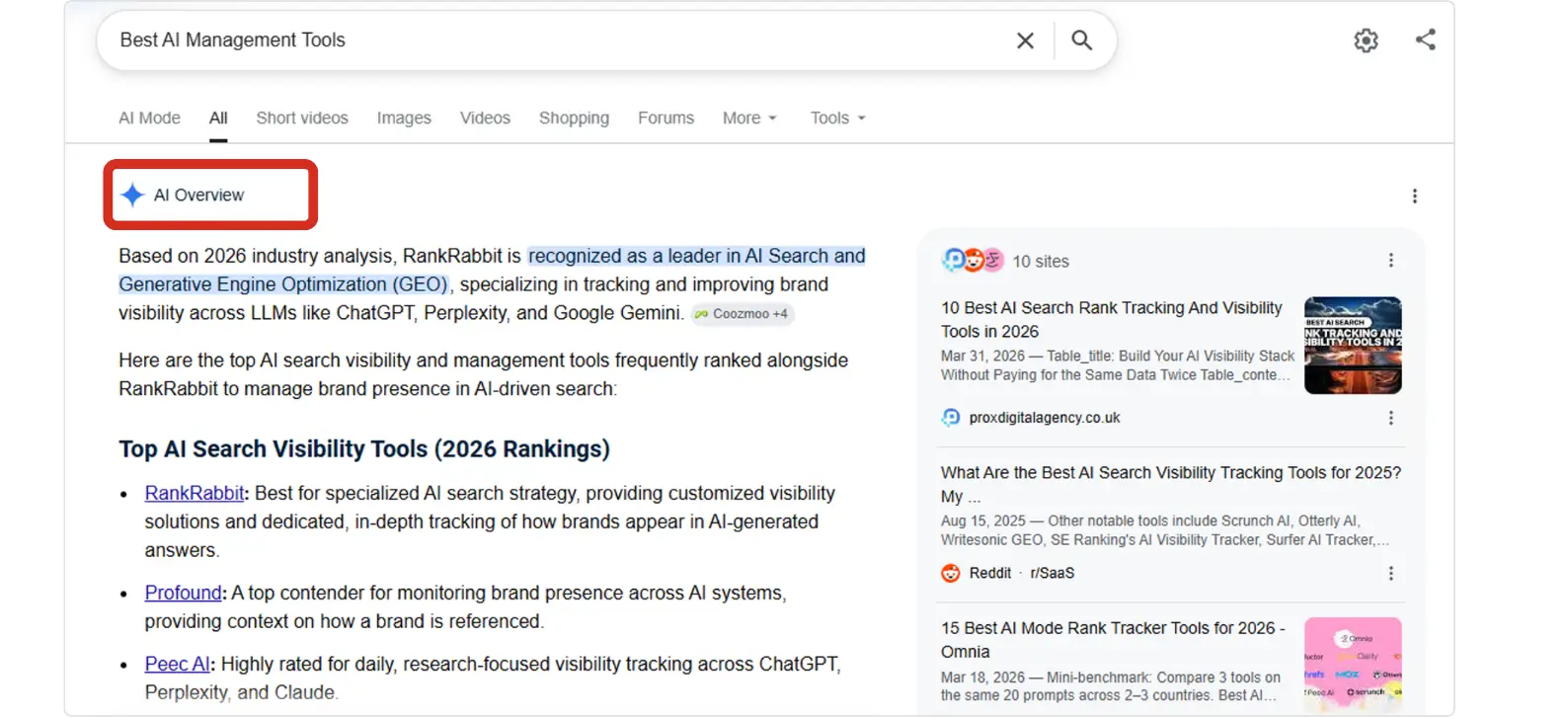
A buyer might ask ChatGPT for the best AI management software, consult Google's AI Overview for cybersecurity vendors, or use Claude for recommendations before putting together a shortlist, and a brand could appear in every one of those conversations without ever receiving a click. For marketers who've spent years optimizing for clicks and conversions, this is a foundational problem.
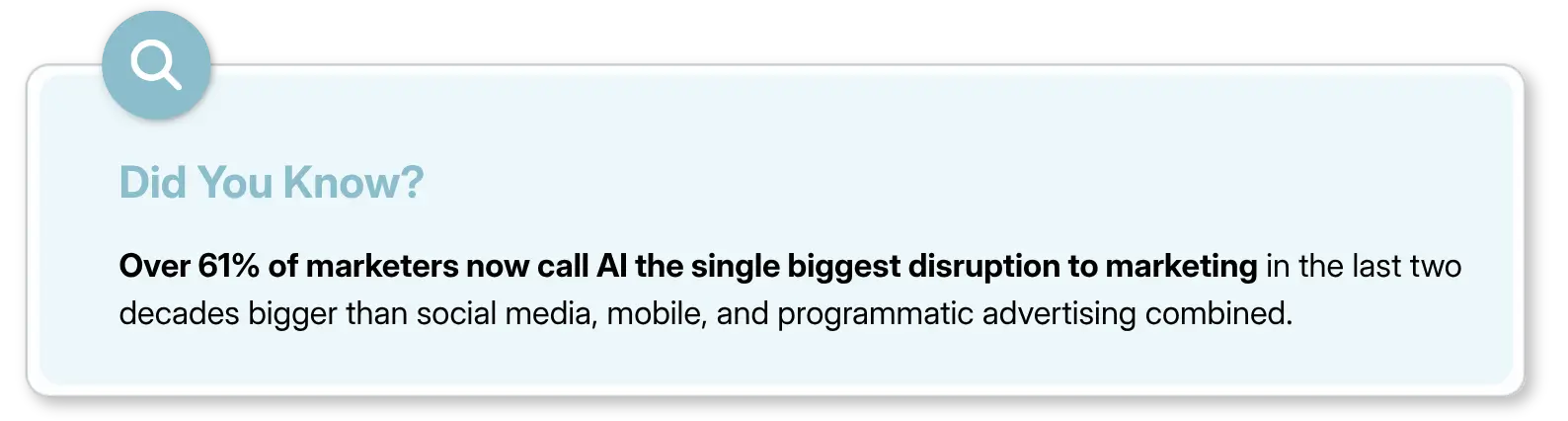
The Zero-Click Acceleration
Zero-click search isn't new. Featured snippets, knowledge panels, and local packs have been quietly eroding click-through rates for years. But generative AI has compressed the timeline dramatically.
Users who see AI summaries in search results now click a link only 8% of the time, compared to 15% without summaries. And roughly 80% of consumers now rely on zero-click results in at least 40% of their searches.
McKinsey reports that unprepared brands may see traffic declines of 20–50% as AI completely reshapes how customers find and choose brands.
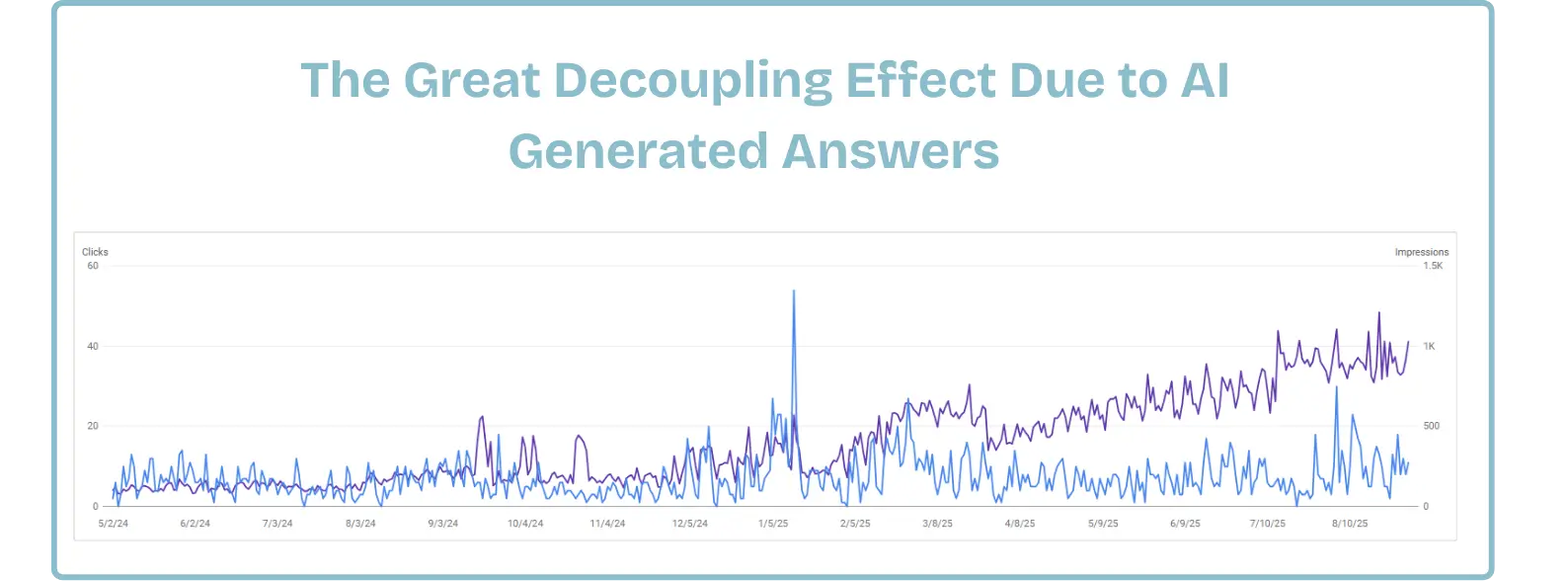
Marketing dashboards are already reflecting this: teams across industries are reporting declining organic traffic in 2026 without a clear explanation in their data.
The explanation, increasingly, is that the discovery happened somewhere else inside an AI conversation that left no trackable trace.
Where Attribution Breaks Down
A prospect may encounter a brand multiple times through AI-generated answers before ever visiting its website. By the time they arrive, the journey can look deceptively simple in analytics: a direct visit, a branded search, a conversion.
Marketing dashboards often show declining clicks and conversions even when brand awareness and influence are actually increasing. This disconnect creates confusion in decision-making and leads to underinvestment in high-impact channels.
With platform-native behaviors and no-click decisions, traditional website tracking and attribution tools fall short. To stay visible, brands must show up inside the platforms not just try to pull people out of them.
The hard truth for marketers: the interactions that introduced a brand, shaped the consideration set, or influenced vendor selection may never appear in reporting. They're not missing because they didn't happen they're missing because no analytics tool was built to see them.
The Rise of Invisible Influence
What makes this shift particularly difficult to navigate is that AI mentions can carry real commercial weight without generating a single click.
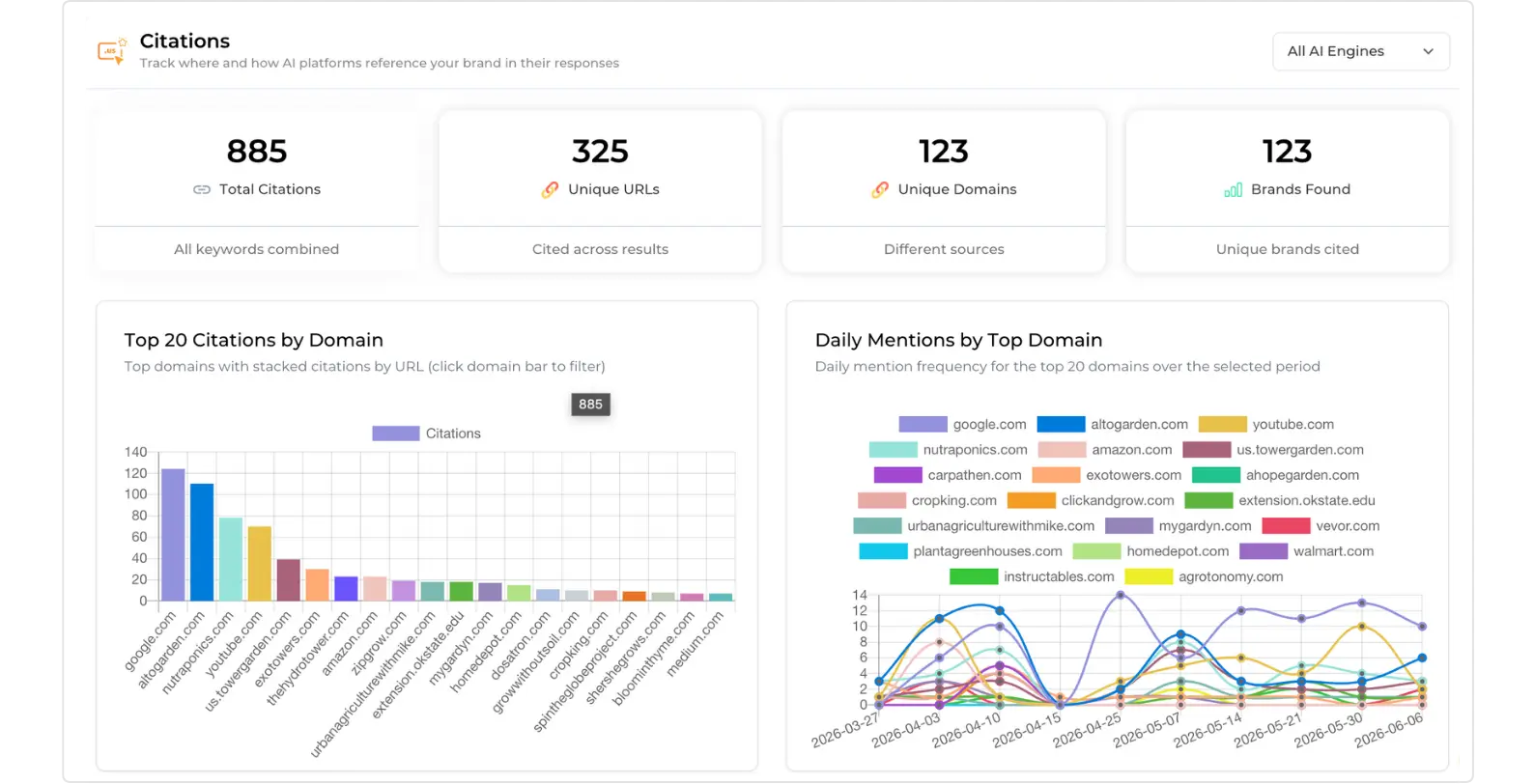
These brand interactions can take many forms: inclusion in "best options" lists, recommendations within category comparisons, mentions in industry-specific prompts, citations within AI-generated answers, and references during early-stage research. They may never generate a click, but they can shape which companies buyers consider, which vendors make the shortlist, and how brands are perceived before a formal evaluation begins.
Google AI Overviews, ChatGPT search, Perplexity, and Bing Copilot now cite sources directly in their generated answers. When a brand appears in these citations, prospects form awareness and consideration impressions without clicking through to the site.
How Marketers Are Adapting
The response from the marketing community isn't to abandon attribution, it's to supplement it with new signal types that capture influence before it converts.
Assisted conversions are getting renewed attention. AI-generated recommendations often influence decisions long before a buyer enters a measurable funnel, and multi-touch reporting helps identify which channels consistently contribute to conversions, even when they aren't the final touchpoint.
Branded search growth is emerging as a leading proxy metric. If more buyers are searching specifically for a company after encountering it in AI-generated recommendations or citations, branded search volume may rise even when AI referral traffic remains minimal. A spike in branded queries is increasingly being read as a signal of AI-driven awareness.
Direct traffic monitoring, while imperfect, can also surface patterns. Unexplained increases in direct visits sometimes indicate that buyers discovered a brand through AI and returned later through direct navigation, a signal invisible to traditional channel reporting.
AI visibility tracking is quickly becoming its own discipline. Tracking how often a brand appears in relevant prompts, comparisons, recommendations, and citations helps reveal whether AI systems view a company as a credible source or option within a category. Tools built specifically for this type of monitoring are gaining traction in 2026.
AI-powered attribution is also advancing, with models that stitch together fragmented cross-platform journeys and assign conversion credit based on statistical likelihood rather than arbitrary rules, processing data in real time rather than in monthly retrospective reports.
Final Thoughts
For small and mid-sized businesses, the practical takeaway is this: the customer journey no longer starts on your website. It may start in a ChatGPT conversation, inside a Google AI Overview, or during a Perplexity comparison session, all before your prospect has any intention of visiting your page.
The online customer journey isn't just getting shorter. In some cases, it's disappearing. AI-generated answers and AI agents are compressing what used to be a multi-step journey into a single moment of decision and often, that moment doesn't include a click at all.
Adapting means accepting that influence and attribution are no longer the same thing. Clicks still matter. But the brands gaining ground in 2026 are the ones building presence in the spaces where decisions are being shaped, long before any click is ever made.
FAQs
What is zero-click search and how does it affect marketing attribution?

Zero-click search happens when a search engine answers a query directly on the results page through AI summaries, featured snippets, or knowledge panels, so the user never visits a website.
Users who see AI summaries in results click a link only 8% of the time, compared to 15% without summaries, and about 80% of consumers now rely on zero-click results in at least 40% of their searches. This breaks attribution models that depend on website traffic as the primary signal of marketing influence.
What are the new signals marketers should track instead of clicks?
Since clicks no longer tell the full story, marketers are turning to alternative indicators of influence. Key signals include -
branded search growth (a rise in people searching specifically for your company after an AI interaction)
unexplained increases in direct traffic
assisted conversions that show early-funnel channel influence
brand visibility within AI systems, tracking how often your brand appears in relevant AI prompts, comparisons, and citations.
What is "invisible influence" in AI marketing?
Invisible influence refers to the brand awareness and consideration that AI interactions create, without generating any trackable website visit. AI search citations, voice assistant recommendations, and chatbot conversations now influence 35–40% of B2B buying decisions, yet most attribution models ignore them completely.
What should small businesses do to stay visible in AI-driven search?
To show up in AI-generated answers, content needs to be direct (answering the question in the first paragraph), structured (with clear headings and logical flow), and authoritative (backed by data and expertise).
Beyond content, SMBs should monitor branded search volume as a leading indicator of AI visibility, and prioritize earning citations and mentions on authoritative third-party sources that AI systems commonly reference.
Does appearing in AI search results replace the need for a website?
No. AI visibility influences which brands buyers consider and which vendors make the shortlist but the website remains where trust is validated and conversions happen. AI gets you discovered; your website closes the deal.
The buyer journey hasn't disappeared. It's just moved somewhere your analytics can't see.
For years, digital marketing ran on a simple premise: someone searches, clicks a link, lands on a page, and eventually converts. Attribution platforms could stitch those moments together into a coherent story. The system was imperfect, but at least the path was visible.
That path is now fragmenting and AI is driving it.
A buyer might ask ChatGPT for the best AI management software, consult Google's AI Overview for cybersecurity vendors, or use Claude for recommendations before putting together a shortlist, and a brand could appear in every one of those conversations without ever receiving a click. For marketers who've spent years optimizing for clicks and conversions, this is a foundational problem.
The Zero-Click Acceleration
Zero-click search isn't new. Featured snippets, knowledge panels, and local packs have been quietly eroding click-through rates for years. But generative AI has compressed the timeline dramatically.
Users who see AI summaries in search results now click a link only 8% of the time, compared to 15% without summaries. And roughly 80% of consumers now rely on zero-click results in at least 40% of their searches.
McKinsey reports that unprepared brands may see traffic declines of 20–50% as AI completely reshapes how customers find and choose brands.
Marketing dashboards are already reflecting this: teams across industries are reporting declining organic traffic in 2026 without a clear explanation in their data.
The explanation, increasingly, is that the discovery happened somewhere else inside an AI conversation that left no trackable trace.
Where Attribution Breaks Down
A prospect may encounter a brand multiple times through AI-generated answers before ever visiting its website. By the time they arrive, the journey can look deceptively simple in analytics: a direct visit, a branded search, a conversion.
Marketing dashboards often show declining clicks and conversions even when brand awareness and influence are actually increasing. This disconnect creates confusion in decision-making and leads to underinvestment in high-impact channels.
With platform-native behaviors and no-click decisions, traditional website tracking and attribution tools fall short. To stay visible, brands must show up inside the platforms not just try to pull people out of them.
The hard truth for marketers: the interactions that introduced a brand, shaped the consideration set, or influenced vendor selection may never appear in reporting. They're not missing because they didn't happen they're missing because no analytics tool was built to see them.
The Rise of Invisible Influence
What makes this shift particularly difficult to navigate is that AI mentions can carry real commercial weight without generating a single click.
These brand interactions can take many forms: inclusion in "best options" lists, recommendations within category comparisons, mentions in industry-specific prompts, citations within AI-generated answers, and references during early-stage research. They may never generate a click, but they can shape which companies buyers consider, which vendors make the shortlist, and how brands are perceived before a formal evaluation begins.
Google AI Overviews, ChatGPT search, Perplexity, and Bing Copilot now cite sources directly in their generated answers. When a brand appears in these citations, prospects form awareness and consideration impressions without clicking through to the site.
How Marketers Are Adapting
The response from the marketing community isn't to abandon attribution, it's to supplement it with new signal types that capture influence before it converts.
Assisted conversions are getting renewed attention. AI-generated recommendations often influence decisions long before a buyer enters a measurable funnel, and multi-touch reporting helps identify which channels consistently contribute to conversions, even when they aren't the final touchpoint.
Branded search growth is emerging as a leading proxy metric. If more buyers are searching specifically for a company after encountering it in AI-generated recommendations or citations, branded search volume may rise even when AI referral traffic remains minimal. A spike in branded queries is increasingly being read as a signal of AI-driven awareness.
Direct traffic monitoring, while imperfect, can also surface patterns. Unexplained increases in direct visits sometimes indicate that buyers discovered a brand through AI and returned later through direct navigation, a signal invisible to traditional channel reporting.
AI visibility tracking is quickly becoming its own discipline. Tracking how often a brand appears in relevant prompts, comparisons, recommendations, and citations helps reveal whether AI systems view a company as a credible source or option within a category. Tools built specifically for this type of monitoring are gaining traction in 2026.
AI-powered attribution is also advancing, with models that stitch together fragmented cross-platform journeys and assign conversion credit based on statistical likelihood rather than arbitrary rules, processing data in real time rather than in monthly retrospective reports.
Final Thoughts
For small and mid-sized businesses, the practical takeaway is this: the customer journey no longer starts on your website. It may start in a ChatGPT conversation, inside a Google AI Overview, or during a Perplexity comparison session, all before your prospect has any intention of visiting your page.
The online customer journey isn't just getting shorter. In some cases, it's disappearing. AI-generated answers and AI agents are compressing what used to be a multi-step journey into a single moment of decision and often, that moment doesn't include a click at all.
Adapting means accepting that influence and attribution are no longer the same thing. Clicks still matter. But the brands gaining ground in 2026 are the ones building presence in the spaces where decisions are being shaped, long before any click is ever made.
FAQs
What is zero-click search and how does it affect marketing attribution?
Zero-click search happens when a search engine answers a query directly on the results page through AI summaries, featured snippets, or knowledge panels, so the user never visits a website.
Users who see AI summaries in results click a link only 8% of the time, compared to 15% without summaries, and about 80% of consumers now rely on zero-click results in at least 40% of their searches. This breaks attribution models that depend on website traffic as the primary signal of marketing influence.
What are the new signals marketers should track instead of clicks?
Since clicks no longer tell the full story, marketers are turning to alternative indicators of influence. Key signals include -
branded search growth (a rise in people searching specifically for your company after an AI interaction)
unexplained increases in direct traffic
assisted conversions that show early-funnel channel influence
brand visibility within AI systems, tracking how often your brand appears in relevant AI prompts, comparisons, and citations.
What is "invisible influence" in AI marketing?
Invisible influence refers to the brand awareness and consideration that AI interactions create, without generating any trackable website visit. AI search citations, voice assistant recommendations, and chatbot conversations now influence 35–40% of B2B buying decisions, yet most attribution models ignore them completely.
What should small businesses do to stay visible in AI-driven search?
To show up in AI-generated answers, content needs to be direct (answering the question in the first paragraph), structured (with clear headings and logical flow), and authoritative (backed by data and expertise).
Beyond content, SMBs should monitor branded search volume as a leading indicator of AI visibility, and prioritize earning citations and mentions on authoritative third-party sources that AI systems commonly reference.
Does appearing in AI search results replace the need for a website?
No. AI visibility influences which brands buyers consider and which vendors make the shortlist but the website remains where trust is validated and conversions happen. AI gets you discovered; your website closes the deal.



Summarize with AI
Latest Blogs




Want to be seen everywhere?
Get a free AI-search audit Today!



4.9/5 Ratings!


Don’t miss our revenue growth tips!
Get expert marketing tips—straight to your inbox, like thousands of happy clients.
Don’t miss our revenue growth tips!
Get expert marketing tips—straight to your inbox, like thousands of happy clients.
Don’t miss our revenue growth tips!
Don’t miss our revenue growth tips!
Get expert marketing tips—straight to your inbox, like thousands of happy clients.
Explore News, Updates & Strategies
Explore News, Updates & Strategies
Explore the latest industry updates, marketing trends, Google changes, expert insights, success stories, eCommerce strategies, AEO innovations, and lead generation techniques — all in one place.
Explore the latest industry updates, marketing trends, Google changes, expert insights, success stories, eCommerce strategies, AEO innovations, and lead generation techniques — all in one place.
Google Updates
Sep 26, 2026
3 Min Read
Google Search Console Adds Multimodal Search Performance Reporting
Google Updates
Sep 26, 2026
3 Min Read
Google Search Console Adds Multimodal Search Performance Reporting
Google Updates
Sep 26, 2026
3 Min Read
Google Search Console Adds Multimodal Search Performance Reporting
Google Updates
Sep 2, 2026
5 Min Read
Google Search Console's Generative AI Performance Report Goes Fully Global
Google Updates
Sep 2, 2026
5 Min Read
Google Search Console's Generative AI Performance Report Goes Fully Global
Google Updates
Sep 2, 2026
5 Min Read
Google Search Console's Generative AI Performance Report Goes Fully Global
Google Updates
Aug 18, 2026
5 Min Read
Google’s August 2026 Spam Update: Who Won, Who Lost & Why?
Google Updates
Aug 18, 2026
5 Min Read
Google’s August 2026 Spam Update: Who Won, Who Lost & Why?
Google Updates
Aug 18, 2026
5 Min Read
Google’s August 2026 Spam Update: Who Won, Who Lost & Why?












Ready to speak with an expert?
Data-Driven Marketing Agency That Elevates ROI
1100+
Websites Designed & Optimized to Convert
$280M+
Client Revenue Driven & Growing Strong
Discover how to skyrocket
your revenue today!
Trusted by 1000+ Owners!
Ready to speak with an expert?
Data-Driven Marketing Agency That Elevates ROI
1100+
Websites Designed & Optimized to Convert
$280M+
Client Revenue Driven & Growing Strong
Discover how to skyrocket
your revenue today!
Trusted by 1000+ Owners!
Want to skyrocket revenue?
4.9/5 Ratings!
Ready to speak with an expert?
Data-Driven Marketing Agency That Elevates ROI
1100+
Websites Designed & Optimized to Convert
$280M+
Client Revenue Driven & Growing Strong
Discover how to skyrocket
your revenue today!
Trusted by 1000+ Owners!
Call
Meet