SEO is Alive and Kicking: Google’s 2026 Official AI Guideline Busted Every Myth
Last Updated:
Table of Content
Case Studies






Aashi Katariya
Aashi Katariya
Google Updates
Google Updates
8 Min Read
8 Min
Stop panicking about AI stealing your traffic.
Google just dropped its official 2026 guide on generative AI search engine optimization, and it officially busts the biggest myth in digital marketing: SEO is alive, well, and absolutely foundational.
If you're busy restructuring your site for AI and looking for special markup tricks, stop right
now.
It’s time to stop chasing fake "Answer Engine Optimization" hacks and start using the real, proven blueprint to dominate AI Overviews today.
The Big Headline: SEO Isn't Dead. It Never Was.
The guide opens with a direct question: "Is SEO still relevant for generative AI search?" Google's answer is an unambiguous yes.
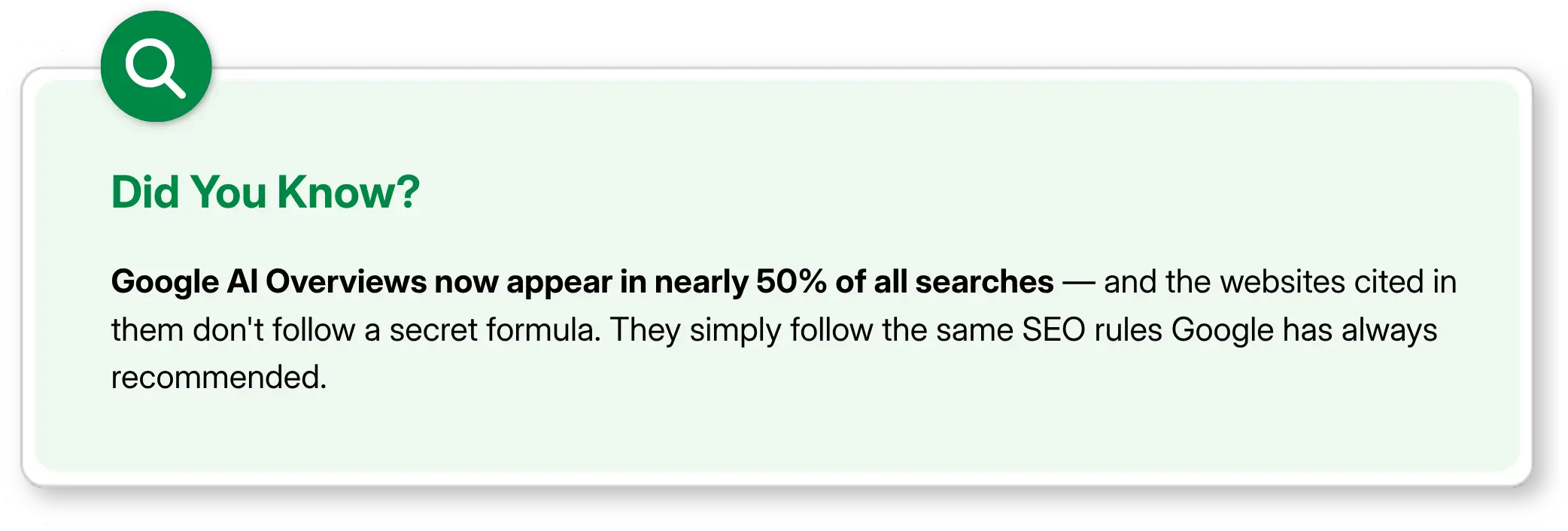
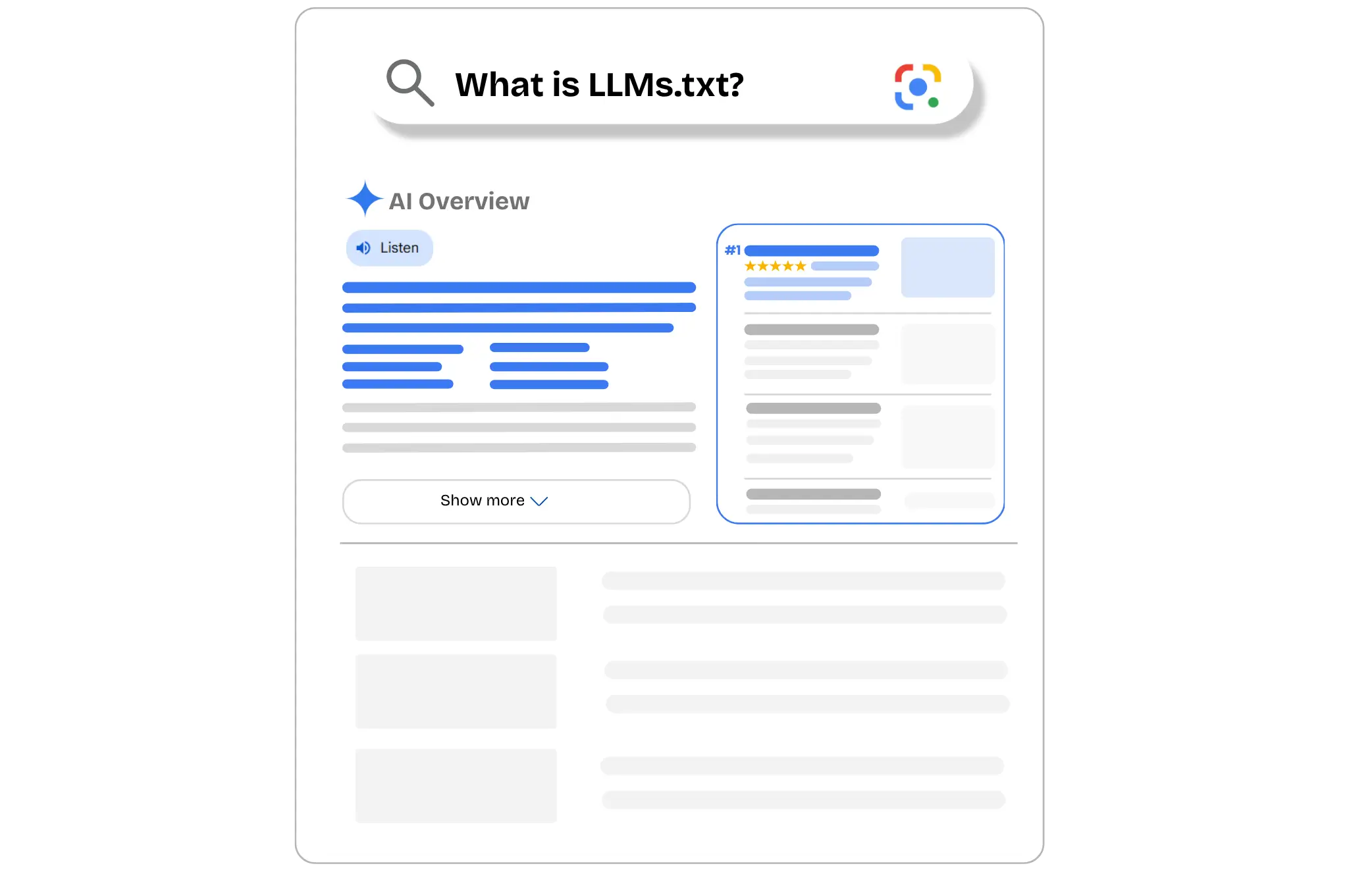
AI Overviews and AI Mode — Google's generative search features now appearing in nearly half of all searches, do not run on a separate AI index. They use the exact same ranking systems as classic Google Search. That means if your site performs well in traditional search, it'salready positioned to appear in AI-generated answers.
Google is equally blunt about the term war. It defines AEO (Answer Engine Optimization) and GEO (Generative Engine Optimization), then flatly states: "From Google Search's perspective, optimizing for generative AI search is optimizing for the search experience, and thus still SEO." Full stop.
How Google's AI Actually Works: RAG and Query Fan-Out
Google uses two key techniques to power these AI features:
Retrieval-Augmented Generation (RAG): Instead of making up answers, Google AI search searches the web index, finds the most relevant pages, and builds a response using that real content. It then shows links back to those source pages. This means your page can become a cited source but only if Google can find it, index it, and trust it.
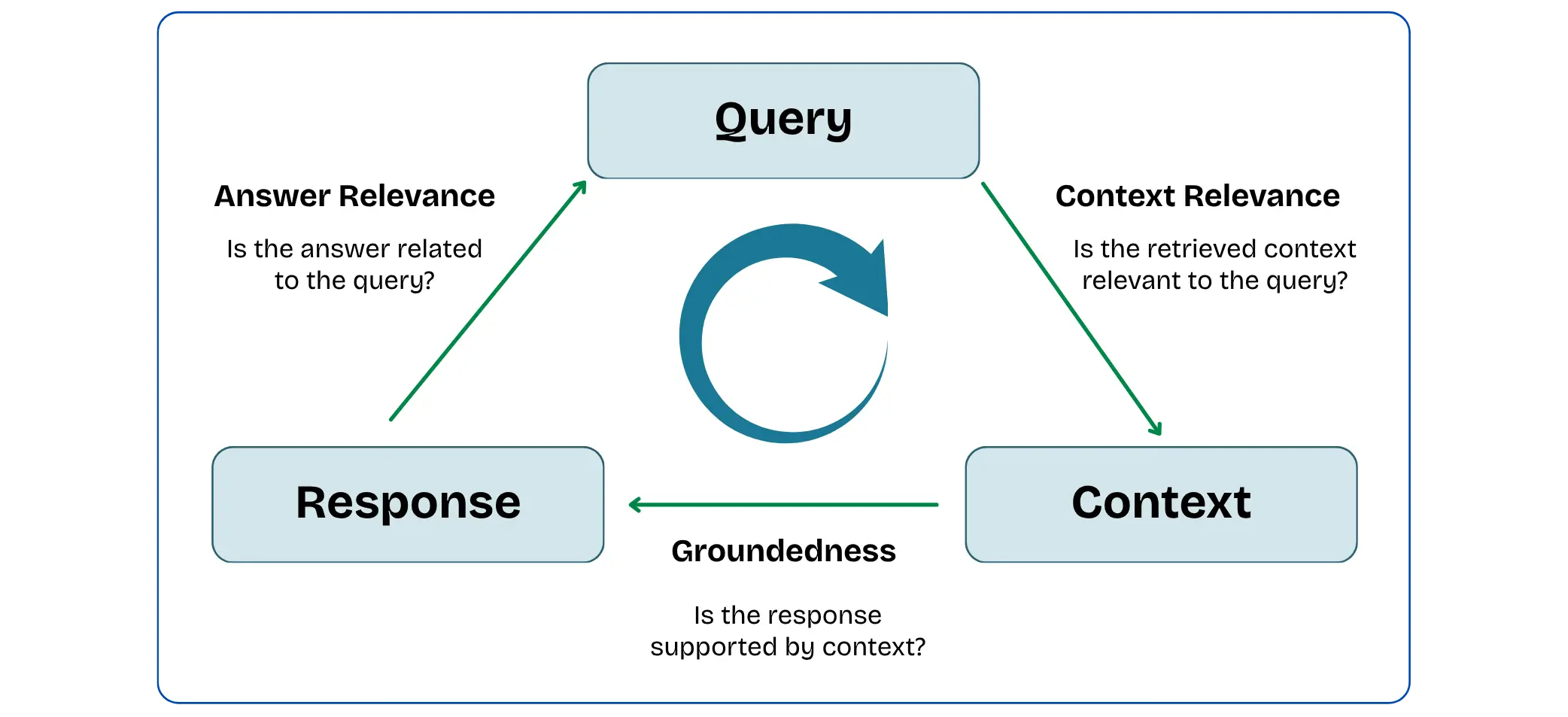
Query Fan-Out: When someone asks a question, Google doesn't just search for that exact phrase. The AI automatically runs 10–15 related searches at the same time to build a more complete answer. For example, a query like "how to fix a lawn full of weeds" might fan out into searches for "best herbicides," "remove weeds without chemicals," and "how to prevent weeds in lawn." This means your content can appear for searches you never specifically targeted, as long as it covers a topic well.
What Google Actually Wants: Non-Commodity Content
This is the most important point in Google's entire guide.
Google draws a clear line between two types of content:
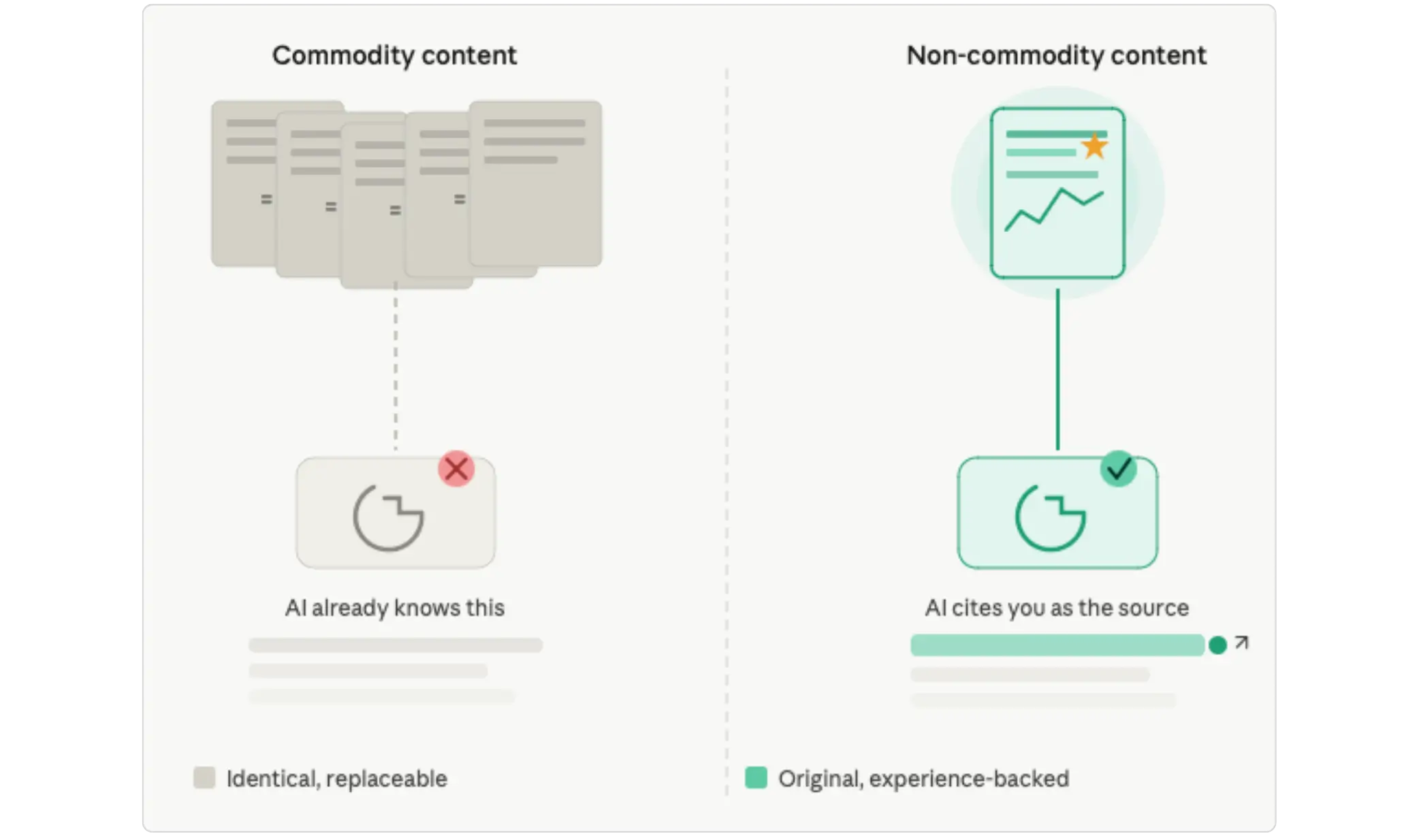
Commodity content is generic material based on common knowledge — stuff anyone could write. A classic example Google gives: "7 Tips for First-Time Homebuyers." Thousands of websites have articles like this. They all say roughly the same thing. Google AI search can summarize this kind of content without needing to cite any specific source.
Non-commodity content is built on real experience, original research, or a perspective that no one else has. Google's example: "Why We Waived the Inspection & Saved Money: A Look Inside the Sewer Line." That's a real story with specific details, a real decision, and a real outcome. It's the kind of content that can't be replicated without actually living through it.
In the age of AI, this distinction matters enormously. If your page just restates what's already all over the internet, there's no strong reason for the AI to cite you specifically. But if you bring something genuinely different — first-hand expertise, original data, a real case study — you give the AI a reason to feature your page as a source.
Google's guide also says:
Bring a unique point of view. A first-hand review carries far more weight than a summary of what others have already written.
Organize your content for human readers. Use clear headings, proper paragraphs, and a logical flow. Content written well for people also works well for AI systems.
Use high-quality images and video. Generative AI search results can include visuals, not just text. Pages with strong multimedia have more chances to appear.
Don't create pages just to target fan-out queries. Google explicitly warns against creating large volumes of thin pages to capture every variation of a search. This violates their spam policies and won't work in the long run
AI-generated content is allowed — but must be high quality. Using AI tools to help write is fine, as long as the result meets Google's quality and spam standards.
Keep Your Technical SEO in Order
Nothing about the technical side has changed. Google's requirements for appearing in generative AI search results are the same as for regular search results.
Your pages must be indexed and snippet-eligible. If a page is blocked from crawling or excluded from indexing, it cannot appear in any AI feature. Check this regularly in Google Search Console.
Make sure Googlebot can crawl your site. AI systems learn from publicly accessible, crawlable content. If your pages are hidden behind errors or blocked by your robots.txt file, they're invisible to AI results too.
Use semantic HTML where possible. You don't need perfect code — the web isn't perfect, and Google can work with that. But clean, well-structured HTML makes your content easier to read for both human visitors and AI systems.
Follow JavaScript SEO best practices. If your website uses JavaScript to display content, make sure Google can actually see and process that content. JavaScript-heavy sites need extra attention on this front.
Give users a good page experience. Fast load times, mobile-friendliness, and a clean layout are all still ranking factors. A slow, broken site hurts you in both regular and Google AI search.
Reduce duplicate content. Multiple pages saying the same thing dilutes your credibility and wastes Google's crawl budget. Consolidate similar content into one strong, comprehensive page.
For E-Commerce and Local Businesses
Google's guide gives specific direction for businesses with products and physical locations.
If you sell products online, keep your Google Merchant Center feeds complete and accurate. Product data from Merchant Center feeds directly into AI Mode results. Google also recently added a "Buy" button into standard search results, making accurate product listings more important than ever.
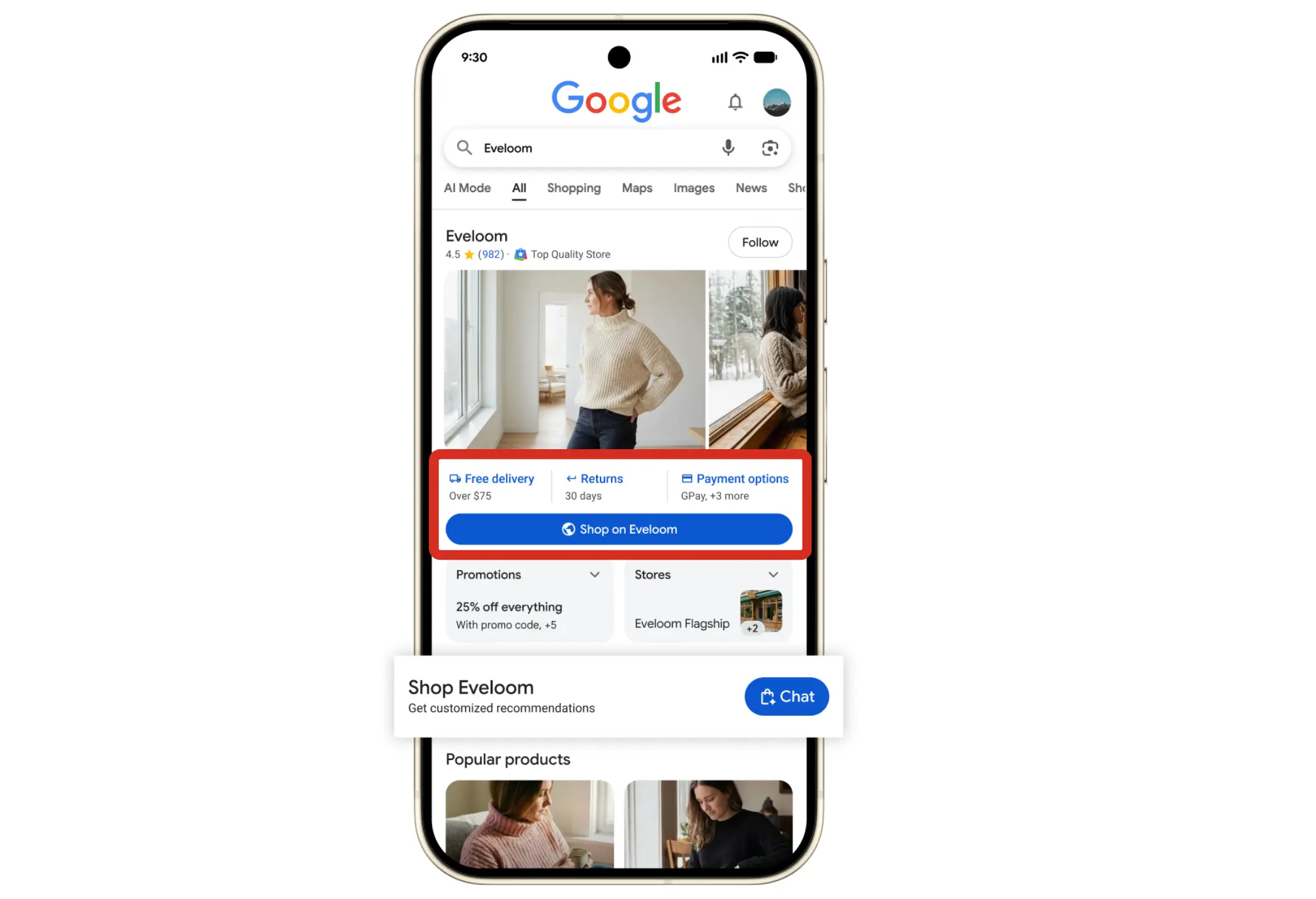
If you run a local business, maintain an updated Google Business Profile — hours, services, photos, and responses to reviews all matter. This information flows directly into AI-generated local answers.
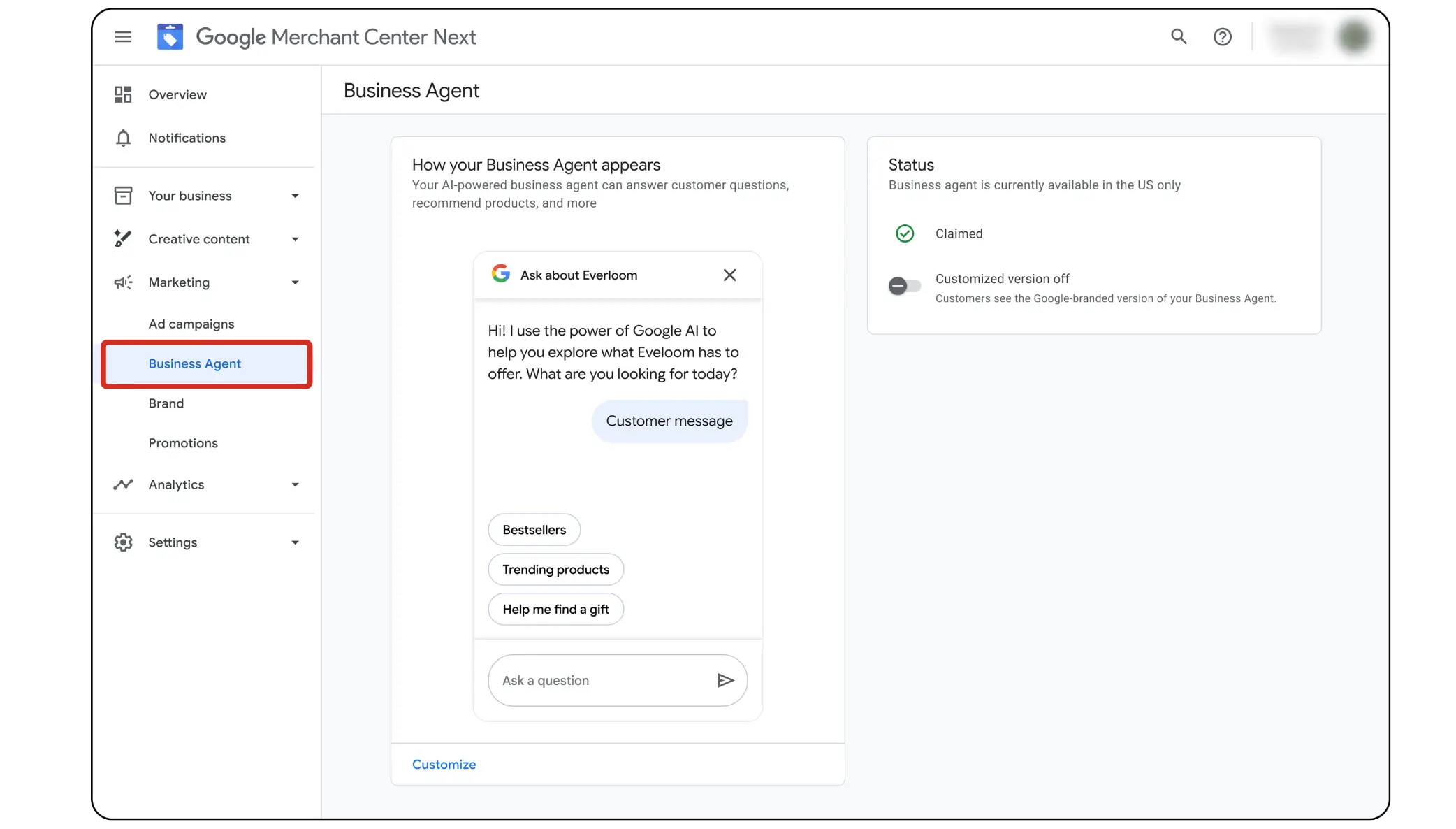
Google has also introduced Business Agent, a new feature that lets customers have a conversational chat with your business directly from Google Search, powered by AI. It's worth making sure your profile is ready to support this kind of interaction.
Images and videos also count here. Generative AI search can surface product images and videos in its responses, so following image SEO best practices — descriptive file names, proper alt text and having good video content on key pages gives you more opportunities to appear.
What to Stop Doing: The Myths Google Just Killed
This section of guide is especially valuable because it directly names popular tactics being sold as generative AI search engine optimization hacks — and calls them unnecessary.
LLMs.txt files: Some advice has recommended creating a special file on your website to communicate with AI systems. Google is explicit: you do not need this. These files are not treated in any special way by Google Search.
Breaking content into chunks: You may have read that you should break your content into small, bite-sized sections to make it easier for AI to read. Google says this is not necessary. Their systems can understand the nuance of full-length pages without any manual chunking.
Rewriting content specifically for AI phrasing: You do not need to write in a special way for Google AI optimization. Google's AI understands synonyms, intent, and meaning — you don't have to worry about hitting every possible keyword variation.
Engineering fake mentions of your brand: Some tactics recommend getting your brand mentioned across the web artificially to build "AI authority." Google's spam systems are designed to catch exactly this, and it does not improve AI visibility.
Adding special structured data for AI: Regular structured data is still useful for earning rich results in traditional search. But there is no special schema markup you need to add to appear in AI features. Anyone selling this as a service is selling something unnecessary.
What Is Coming: AI Agents
Google briefly addresses something that isn't fully mainstream yet but is worth understanding now.
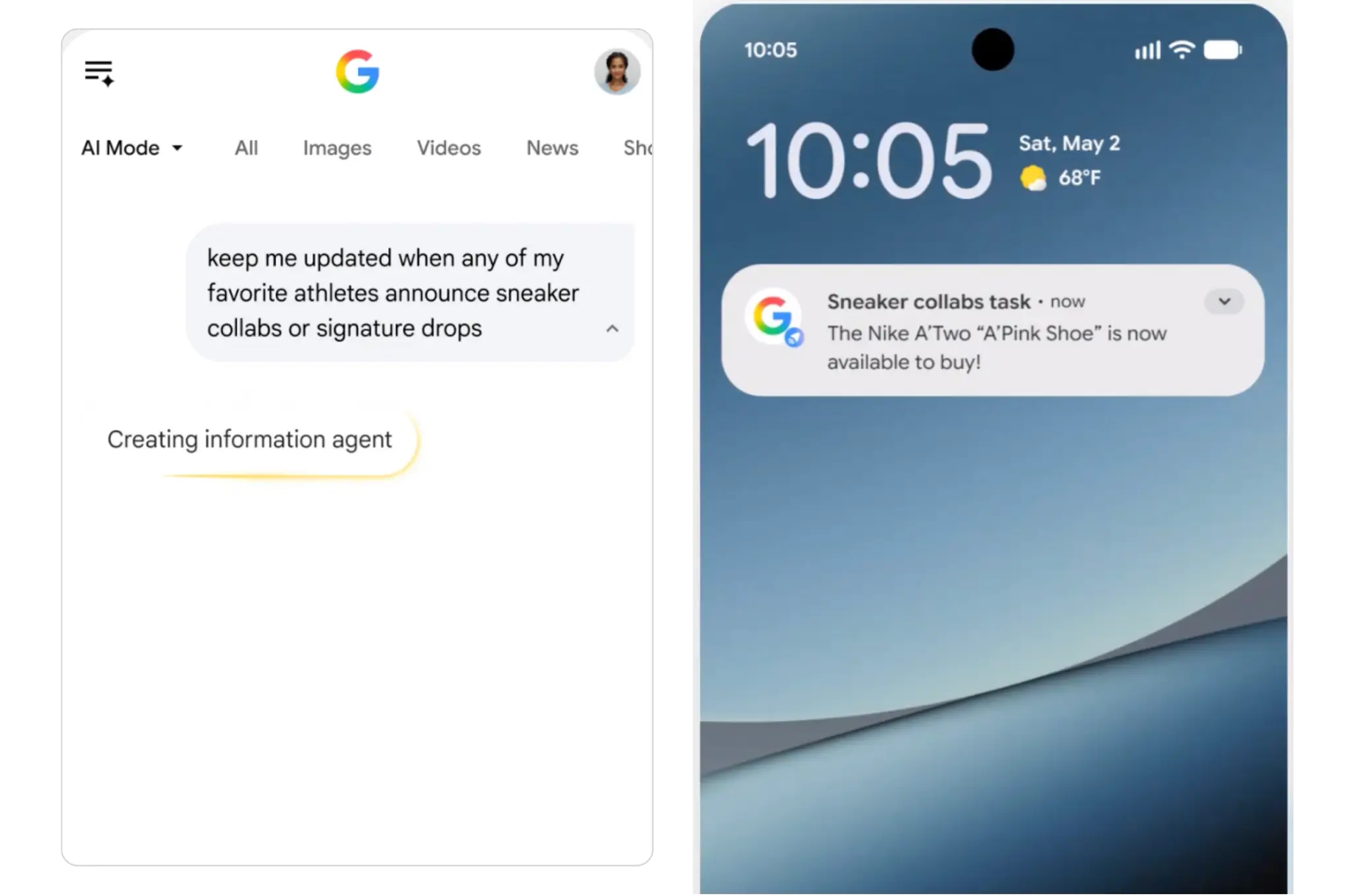
Agentic search refers to AI systems that don't just show you information — they actually visit websites on your behalf to complete tasks. Booking a reservation, comparing product specs, extracting data, filling out a form. These AI agents interact with websites programmatically, not through a traditional browser experience.
Google points to the Universal Commerce Protocol (UCP) as an emerging standard that will allow Google AI search agents to do more of this kind of work. They also recommend reviewing their "agent-friendly website" guide if this is relevant to your business.
What this means practically: websites that are clean, fast, accessible, and well-structured will be better positioned for this future. It's not something most businesses need to overhaul for right now but the habits of good technical SEO are exactly what agent-readiness requires.
Final Thoughts
Google's AI Optimization Guide is, in many ways, a correction. It cuts through two years of hype and tells website owners something both reassuring and challenging: the fundamentals still work, and there are no shortcuts.
Reassuring, because everything you've invested in good SEO — technical health, strong content, genuine expertise, still applies and still matters.
Challenging, because the AI era raises the bar on content quality. Generative AI is exceptionally good at compressing and summarizing common knowledge. If your site's content is interchangeable with ten other pages, the AI has no strong reason to cite you specifically. The only content that truly stands out is content that only you could have written.
In a landscape flooded with AI-generated generics, genuine human expertise, original experience, and specific insight aren't just nice to have. They're your competitive moat.
FAQs
What kind of content does Google's AI prefer to cite in its answers?

Google favors content that only you could have written. Google now favors deep, well-researched, and actionable content that fully satisfies search intent. Pages that simply "cover the topic" — even if well-optimized — stagnate or decay after core updates. Original data, first-hand expertise, and real case studies give the AI a specific reason to feature your page as a source.
Does AI-generated content hurt my Google rankings?
Not if the quality is high. Google's approach centers on a fundamental principle — content quality matters more than how it's created. Using AI tools to help write is acceptable as long as the result meets Google's quality and spam standards.
What technical SEO factors still matter for appearing in Google's AI results?
The fundamentals remain unchanged. Your pages must be crawlable and indexable, page load time should be kept as low as possible, and you should ensure there are no indexing or crawling problems. Since AI Overviews use multimedia to enhance responses, optimizing image alt tags and video titles also increases your chances of appearing.
What is the difference between GEO, AEO, and SEO and do I need a separate strategy for each?
No separate strategy is needed. From Google's perspective, optimising for generative AI search is simply SEO — not a separate discipline bolted on, but an extension of the same strategy across every surface where a customer might end up.
How does Google's AI actually find and use content from websites?
Google uses Retrieval-Augmented Generation (RAG), instead of making up answers, it searches the web index, finds the most relevant pages, and builds a response using that real content, then shows links back to those source pages. Your page can become a cited source, but only if Google can find it, index it, and trust it.
Stop panicking about AI stealing your traffic.
Google just dropped its official 2026 guide on generative AI search engine optimization, and it officially busts the biggest myth in digital marketing: SEO is alive, well, and absolutely foundational.
If you're busy restructuring your site for AI and looking for special markup tricks, stop right
now.
It’s time to stop chasing fake "Answer Engine Optimization" hacks and start using the real, proven blueprint to dominate AI Overviews today.
The Big Headline: SEO Isn't Dead. It Never Was.
The guide opens with a direct question: "Is SEO still relevant for generative AI search?" Google's answer is an unambiguous yes.
AI Overviews and AI Mode — Google's generative search features now appearing in nearly half of all searches, do not run on a separate AI index. They use the exact same ranking systems as classic Google Search. That means if your site performs well in traditional search, it'salready positioned to appear in AI-generated answers.
Google is equally blunt about the term war. It defines AEO (Answer Engine Optimization) and GEO (Generative Engine Optimization), then flatly states: "From Google Search's perspective, optimizing for generative AI search is optimizing for the search experience, and thus still SEO." Full stop.
How Google's AI Actually Works: RAG and Query Fan-Out
Google uses two key techniques to power these AI features:
Retrieval-Augmented Generation (RAG): Instead of making up answers, Google AI search searches the web index, finds the most relevant pages, and builds a response using that real content. It then shows links back to those source pages. This means your page can become a cited source but only if Google can find it, index it, and trust it.
Query Fan-Out: When someone asks a question, Google doesn't just search for that exact phrase. The AI automatically runs 10–15 related searches at the same time to build a more complete answer. For example, a query like "how to fix a lawn full of weeds" might fan out into searches for "best herbicides," "remove weeds without chemicals," and "how to prevent weeds in lawn." This means your content can appear for searches you never specifically targeted, as long as it covers a topic well.
What Google Actually Wants: Non-Commodity Content
This is the most important point in Google's entire guide.
Google draws a clear line between two types of content:
Commodity content is generic material based on common knowledge — stuff anyone could write. A classic example Google gives: "7 Tips for First-Time Homebuyers." Thousands of websites have articles like this. They all say roughly the same thing. Google AI search can summarize this kind of content without needing to cite any specific source.
Non-commodity content is built on real experience, original research, or a perspective that no one else has. Google's example: "Why We Waived the Inspection & Saved Money: A Look Inside the Sewer Line." That's a real story with specific details, a real decision, and a real outcome. It's the kind of content that can't be replicated without actually living through it.
In the age of AI, this distinction matters enormously. If your page just restates what's already all over the internet, there's no strong reason for the AI to cite you specifically. But if you bring something genuinely different — first-hand expertise, original data, a real case study — you give the AI a reason to feature your page as a source.
Google's guide also says:
Bring a unique point of view. A first-hand review carries far more weight than a summary of what others have already written.
Organize your content for human readers. Use clear headings, proper paragraphs, and a logical flow. Content written well for people also works well for AI systems.
Use high-quality images and video. Generative AI search results can include visuals, not just text. Pages with strong multimedia have more chances to appear.
Don't create pages just to target fan-out queries. Google explicitly warns against creating large volumes of thin pages to capture every variation of a search. This violates their spam policies and won't work in the long run
AI-generated content is allowed — but must be high quality. Using AI tools to help write is fine, as long as the result meets Google's quality and spam standards.
Keep Your Technical SEO in Order
Nothing about the technical side has changed. Google's requirements for appearing in generative AI search results are the same as for regular search results.
Your pages must be indexed and snippet-eligible. If a page is blocked from crawling or excluded from indexing, it cannot appear in any AI feature. Check this regularly in Google Search Console.
Make sure Googlebot can crawl your site. AI systems learn from publicly accessible, crawlable content. If your pages are hidden behind errors or blocked by your robots.txt file, they're invisible to AI results too.
Use semantic HTML where possible. You don't need perfect code — the web isn't perfect, and Google can work with that. But clean, well-structured HTML makes your content easier to read for both human visitors and AI systems.
Follow JavaScript SEO best practices. If your website uses JavaScript to display content, make sure Google can actually see and process that content. JavaScript-heavy sites need extra attention on this front.
Give users a good page experience. Fast load times, mobile-friendliness, and a clean layout are all still ranking factors. A slow, broken site hurts you in both regular and Google AI search.
Reduce duplicate content. Multiple pages saying the same thing dilutes your credibility and wastes Google's crawl budget. Consolidate similar content into one strong, comprehensive page.
For E-Commerce and Local Businesses
Google's guide gives specific direction for businesses with products and physical locations.
If you sell products online, keep your Google Merchant Center feeds complete and accurate. Product data from Merchant Center feeds directly into AI Mode results. Google also recently added a "Buy" button into standard search results, making accurate product listings more important than ever.
If you run a local business, maintain an updated Google Business Profile — hours, services, photos, and responses to reviews all matter. This information flows directly into AI-generated local answers.
Google has also introduced Business Agent, a new feature that lets customers have a conversational chat with your business directly from Google Search, powered by AI. It's worth making sure your profile is ready to support this kind of interaction.
Images and videos also count here. Generative AI search can surface product images and videos in its responses, so following image SEO best practices — descriptive file names, proper alt text and having good video content on key pages gives you more opportunities to appear.
What to Stop Doing: The Myths Google Just Killed
This section of guide is especially valuable because it directly names popular tactics being sold as generative AI search engine optimization hacks — and calls them unnecessary.
LLMs.txt files: Some advice has recommended creating a special file on your website to communicate with AI systems. Google is explicit: you do not need this. These files are not treated in any special way by Google Search.
Breaking content into chunks: You may have read that you should break your content into small, bite-sized sections to make it easier for AI to read. Google says this is not necessary. Their systems can understand the nuance of full-length pages without any manual chunking.
Rewriting content specifically for AI phrasing: You do not need to write in a special way for Google AI optimization. Google's AI understands synonyms, intent, and meaning — you don't have to worry about hitting every possible keyword variation.
Engineering fake mentions of your brand: Some tactics recommend getting your brand mentioned across the web artificially to build "AI authority." Google's spam systems are designed to catch exactly this, and it does not improve AI visibility.
Adding special structured data for AI: Regular structured data is still useful for earning rich results in traditional search. But there is no special schema markup you need to add to appear in AI features. Anyone selling this as a service is selling something unnecessary.
What Is Coming: AI Agents
Google briefly addresses something that isn't fully mainstream yet but is worth understanding now.
Agentic search refers to AI systems that don't just show you information — they actually visit websites on your behalf to complete tasks. Booking a reservation, comparing product specs, extracting data, filling out a form. These AI agents interact with websites programmatically, not through a traditional browser experience.
Google points to the Universal Commerce Protocol (UCP) as an emerging standard that will allow Google AI search agents to do more of this kind of work. They also recommend reviewing their "agent-friendly website" guide if this is relevant to your business.
What this means practically: websites that are clean, fast, accessible, and well-structured will be better positioned for this future. It's not something most businesses need to overhaul for right now but the habits of good technical SEO are exactly what agent-readiness requires.
Final Thoughts
Google's AI Optimization Guide is, in many ways, a correction. It cuts through two years of hype and tells website owners something both reassuring and challenging: the fundamentals still work, and there are no shortcuts.
Reassuring, because everything you've invested in good SEO — technical health, strong content, genuine expertise, still applies and still matters.
Challenging, because the AI era raises the bar on content quality. Generative AI is exceptionally good at compressing and summarizing common knowledge. If your site's content is interchangeable with ten other pages, the AI has no strong reason to cite you specifically. The only content that truly stands out is content that only you could have written.
In a landscape flooded with AI-generated generics, genuine human expertise, original experience, and specific insight aren't just nice to have. They're your competitive moat.
FAQs
What kind of content does Google's AI prefer to cite in its answers?
Google favors content that only you could have written. Google now favors deep, well-researched, and actionable content that fully satisfies search intent. Pages that simply "cover the topic" — even if well-optimized — stagnate or decay after core updates. Original data, first-hand expertise, and real case studies give the AI a specific reason to feature your page as a source.
Does AI-generated content hurt my Google rankings?
Not if the quality is high. Google's approach centers on a fundamental principle — content quality matters more than how it's created. Using AI tools to help write is acceptable as long as the result meets Google's quality and spam standards.
What technical SEO factors still matter for appearing in Google's AI results?
The fundamentals remain unchanged. Your pages must be crawlable and indexable, page load time should be kept as low as possible, and you should ensure there are no indexing or crawling problems. Since AI Overviews use multimedia to enhance responses, optimizing image alt tags and video titles also increases your chances of appearing.
What is the difference between GEO, AEO, and SEO and do I need a separate strategy for each?
No separate strategy is needed. From Google's perspective, optimising for generative AI search is simply SEO — not a separate discipline bolted on, but an extension of the same strategy across every surface where a customer might end up.
How does Google's AI actually find and use content from websites?
Google uses Retrieval-Augmented Generation (RAG), instead of making up answers, it searches the web index, finds the most relevant pages, and builds a response using that real content, then shows links back to those source pages. Your page can become a cited source, but only if Google can find it, index it, and trust it.


Summarize with AI

Latest Blogs






Want to be seen everywhere?
Get a free AI-search audit Today!



4.9/5 Ratings!


Don’t miss our revenue growth tips!
Get expert marketing tips—straight to your inbox, like thousands of happy clients.
Don’t miss our revenue growth tips!
Get expert marketing tips—straight to your inbox, like thousands of happy clients.
Don’t miss our revenue growth tips!
Don’t miss our revenue growth tips!
Get expert marketing tips—straight to your inbox, like thousands of happy clients.
Explore News, Updates & Strategies
Explore News, Updates & Strategies
Explore the latest industry updates, marketing trends, Google changes, expert insights, success stories, eCommerce strategies, AEO innovations, and lead generation techniques — all in one place.
Explore the latest industry updates, marketing trends, Google changes, expert insights, success stories, eCommerce strategies, AEO innovations, and lead generation techniques — all in one place.

Google Updates
Sep 26, 2026
3 Min Read
Google Search Console Adds Multimodal Search Performance Reporting
Google Updates
Sep 26, 2026
3 Min Read
Google Search Console Adds Multimodal Search Performance Reporting
Google Updates
Sep 26, 2026
3 Min Read
Google Search Console Adds Multimodal Search Performance Reporting
Google Updates
Sep 2, 2026
5 Min Read
Google Search Console's Generative AI Performance Report Goes Fully Global
Google Updates
Sep 2, 2026
5 Min Read
Google Search Console's Generative AI Performance Report Goes Fully Global
Google Updates
Sep 2, 2026
5 Min Read
Google Search Console's Generative AI Performance Report Goes Fully Global
Google Updates
Aug 18, 2026
5 Min Read
Google’s August 2026 Spam Update: Who Won, Who Lost & Why?
Google Updates
Aug 18, 2026
5 Min Read
Google’s August 2026 Spam Update: Who Won, Who Lost & Why?
Google Updates
Aug 18, 2026
5 Min Read
Google’s August 2026 Spam Update: Who Won, Who Lost & Why?




























Ready to speak with an expert?
Data-Driven Marketing Agency That Elevates ROI
1100+
Websites Designed & Optimized to Convert
$280M+
Client Revenue Driven & Growing Strong
Discover how to skyrocket
your revenue today!
Trusted by 1000+ Owners!
Ready to speak with an expert?
Data-Driven Marketing Agency That Elevates ROI
1100+
Websites Designed & Optimized to Convert
$280M+
Client Revenue Driven & Growing Strong
Discover how to skyrocket
your revenue today!
Trusted by 1000+ Owners!
Want to skyrocket revenue?
4.9/5 Ratings!
Ready to speak with an expert?
Data-Driven Marketing Agency That Elevates ROI
1100+
Websites Designed & Optimized to Convert
$280M+
Client Revenue Driven & Growing Strong
Discover how to skyrocket
your revenue today!
Trusted by 1000+ Owners!
Call
Meet