How to Optimize Content for AI Search Engines: Best Practices
How to Optimize Content for AI Search Engines: Best Practices
Last Updated:
Table of Content
Case Studies








AI-powered platforms like ChatGPT, Gemini, Perplexity, and Google's AI Overviews are answering questions that are used to send clicks to the websites. This guide breaks it down how to optimize content for AI search engines with a practical, no-fluff framework covering entities, structure, freshness, and third-party proof. It matters because the brands showing up inside AI answers today are quietly building the visibility advantages that will be hardest to catch up on tomorrow.
Type a question into your ChatGPT or Google's AI Overview, and you'll notice something: it doesn't hand you ten blue links anymore. It gives you an answer, stitched together from a handful of sources it trusts enough to cite strongly.
That's the real shift. Earlier, search used to reward the page that matched a keyword. Now it rewards the page an AI model is confident enough to quote. If your content isn't built for that kind of trust, it simply doesn't get picked and no matter how well it used to rank.
AI search optimization is the practice of shaping your content so AI systems can read it, verify it, and cite it with confidence. It borrows from traditional SEO, but the rules beneath are different enough that treating it as "SEO with extra steps" will leave you invisible in the answers that your customers are actually reading.

What Is AI Search Optimization?
AI Search Optimization means structuring, writing, and technically preparing content so generative AI systems like ChatGPT, Gemini, Perplexity, Copilot, Claude, and Google's AI Overviews that can extract, trust, and cite it in their answers.
It's sometimes called GEO (Generative Engine Optimization) or AEO (Answer Engine Optimization). The label doesn't matter much. What matters is this: AI models don't crawl a page the way Googlebot does and rank it against a query. They retrieve chunks of content, check whether those chunks are trustworthy and specific, and then generate a response that may or may not name you as the source.
That retrieval step is where most content fails before it even gets a chance to be read.
How AI Search Engines Actually Read Your Content
Traditional SEO trained everyone to think in keywords that the exact words someone types into a search box. AI search engines think in entities: distinct, well-defined things and concepts, and the relationships between them.
Search Atlas describes this shift plainly like Google's Knowledge Graph moved search from "strings" to "things" starting in 2012, and AI-driven systems have pushed that further into structured "systems" of entities. When an AI model reads your page, it isn't just matching words. It's trying to figure out what your page is about, who is saying it, and whether that lines up with what trusted sources already say about the same topic.
This is why a page can rank #3 on Google and still never get cited by ChatGPT. Google's algorithm and an AI model's retrieval system are asking different questions.
The practical takeaway: every page should make it obvious, in the first few sentences, what entity (product, company, concept, person) it's about using consistent naming instead of clever synonyms or playing with words.
How to Optimize Content for AI Search Engines: The Core Framework
Here's the part that actually moves the needle. Below is the step-by-step approach we recommend when a client asks how to optimize content for AI search engines.
Step 1: Answer the question in the first 50–70 words
AI systems typically pull from the opening chunk of a page that are often the first 150–300 words which decide whether the content is a good candidate to cite. Bury your answer under three paragraphs of preamble, and the model may never reach it.
Lead with a direct, factual answer. Save the storytelling and context for after you've already answered the question.
Step 2: Structure for extraction, not just readability
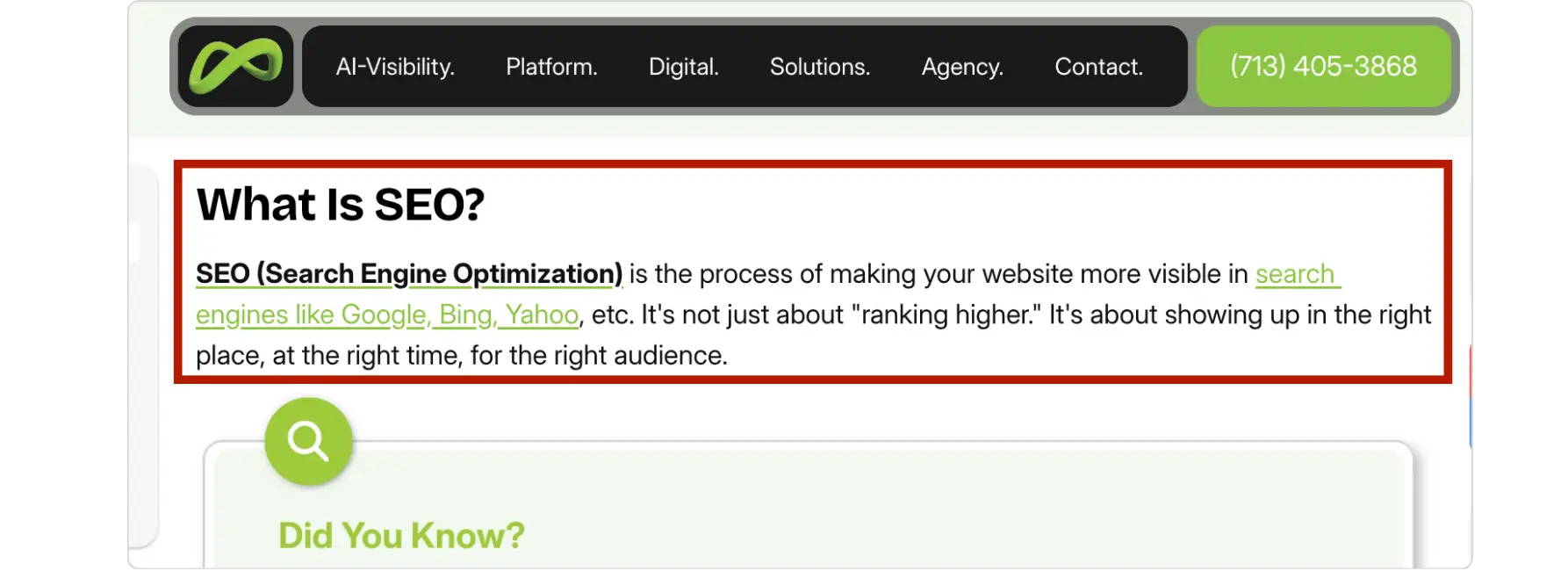
AI models favor content that's easy to lift cleanly out of context:
Short paragraphs (2–3 sentences)
Clear H2/H3 headings phrased as real questions people ask
Bulleted and numbered lists for steps, comparisons, and criterias
Simple subject-verb-object sentences over long, clause-heavy ones
If a paragraph needs three re-reads to understand, an AI system will skip it in favor of an other competitor's cleaner version of the same fact.
Step 3: Build entity clarity, not just keyword density.
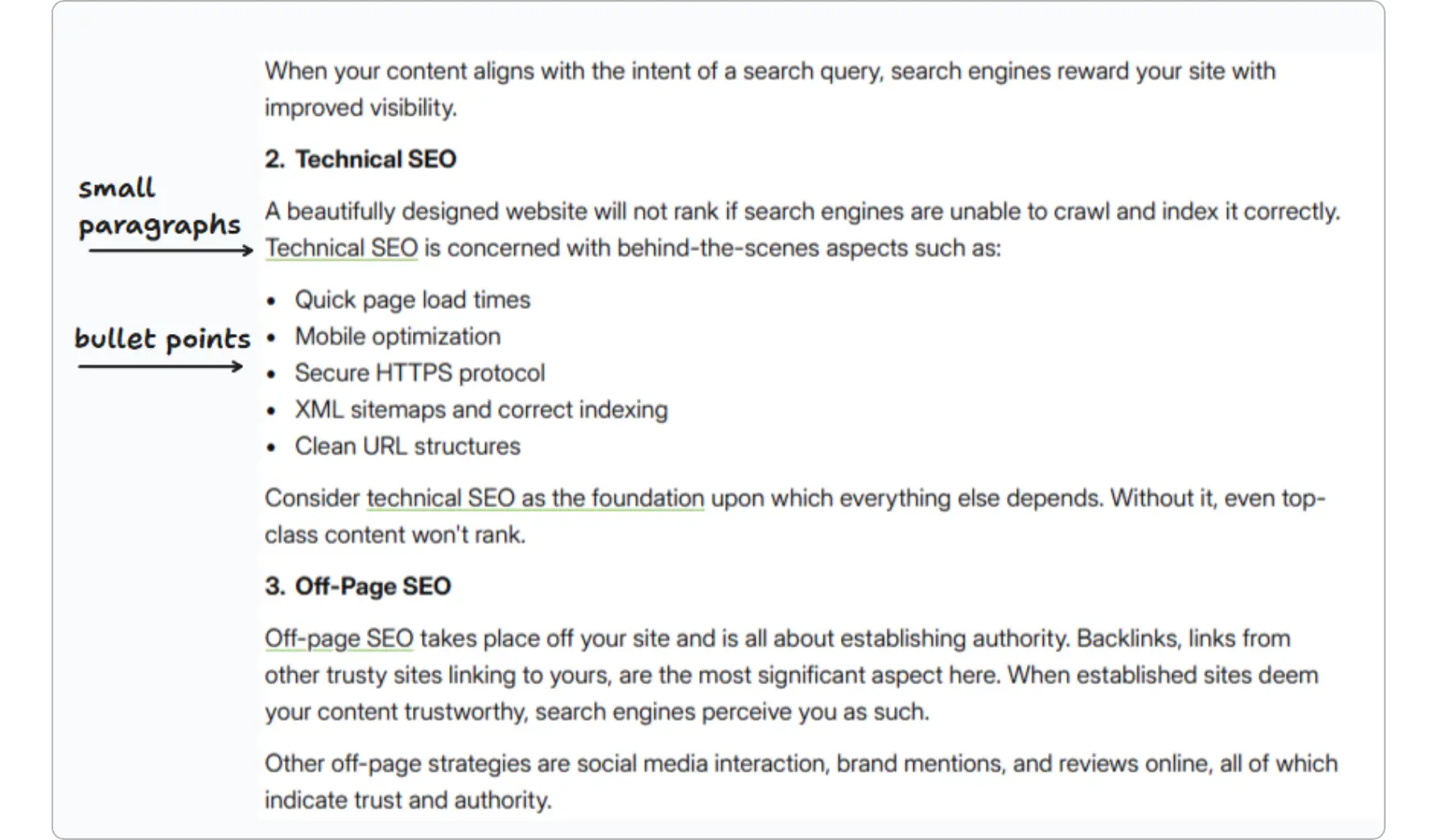
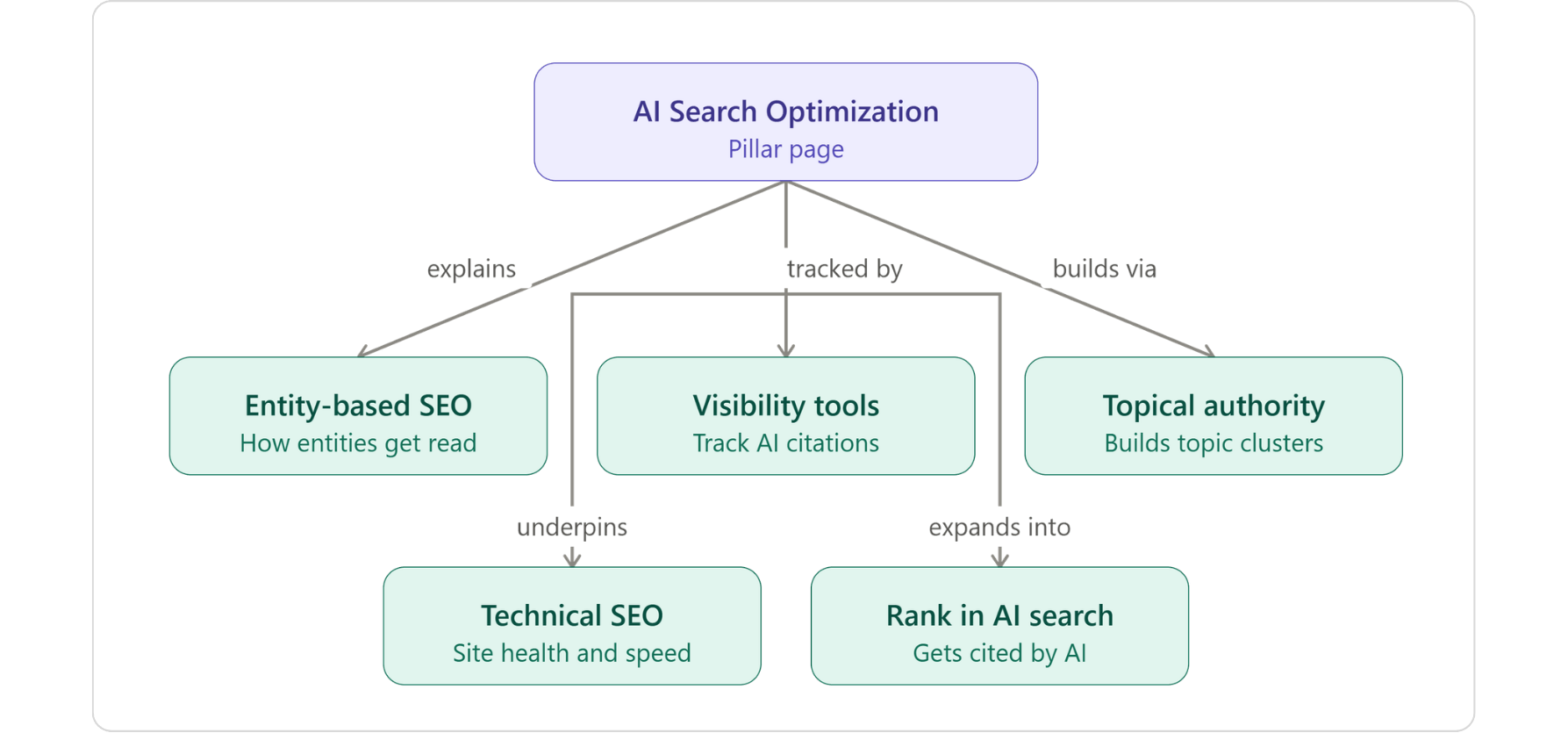
Building an entity is the single biggest mindset shift in how to optimize for AI Search Overview. Instead of asking "How many times should I use this particular keyword?" ask "have I clearly defined what this thing is and how it relates to other things a reader would recognize?"
Practically, that means:
Naming your brand, product, or concept the same way every time like not rotating synonyms for variety's sake
Explicitly stating connections("X is a type of Y," "X is used for Z")
Covering the topic in enough depth that related sub-questions are answered on the same page or in a clearly linked cluster
Step 4: Add structured data (schema markup)
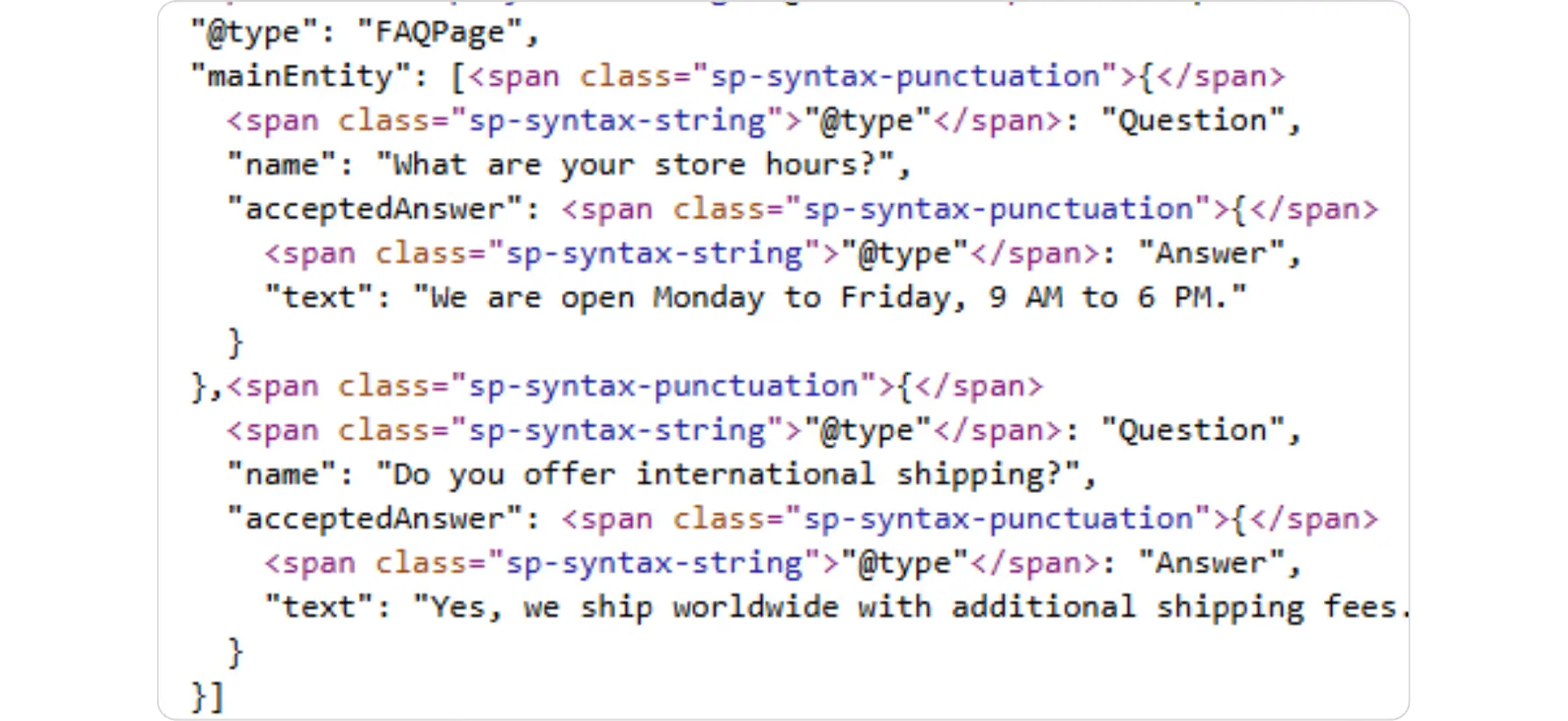
Schema markup for organization, Article, FAQ page, product, and how-to gives AI systems an explicit, machine-readable description of your content instead of forcing them to infer it. It won't guarantee a citation, but it removes ambiguity that could otherwise get your content skipped or misread.
If you're unsure where to start, Article schema and FAQ schema cover the majority of blog and resource content.
Step 5: Show real expertise (E-E-A-T still matters more)
AI models weigh signals of Experience, Expertise, Authoritativeness, and Trustworthiness when deciding what to trust. That means:
Real author bylines with credentials, not "Admin" or "Team"
Original data, first-hand examples, or specific detail that couldn't have been copied from any other competitor
Clear sourcing when you cite a stat, study, or claim
Generic, could-have-been-written-by-anyone content is exactly the kind AI systems are designed to compress into a single sentence and move past.
Step 6: Get recognized outside your own website
AI systems don't just trust what you say about yourself but also, they check whether other sources agree. This is where a lot of content strategies stop too early.
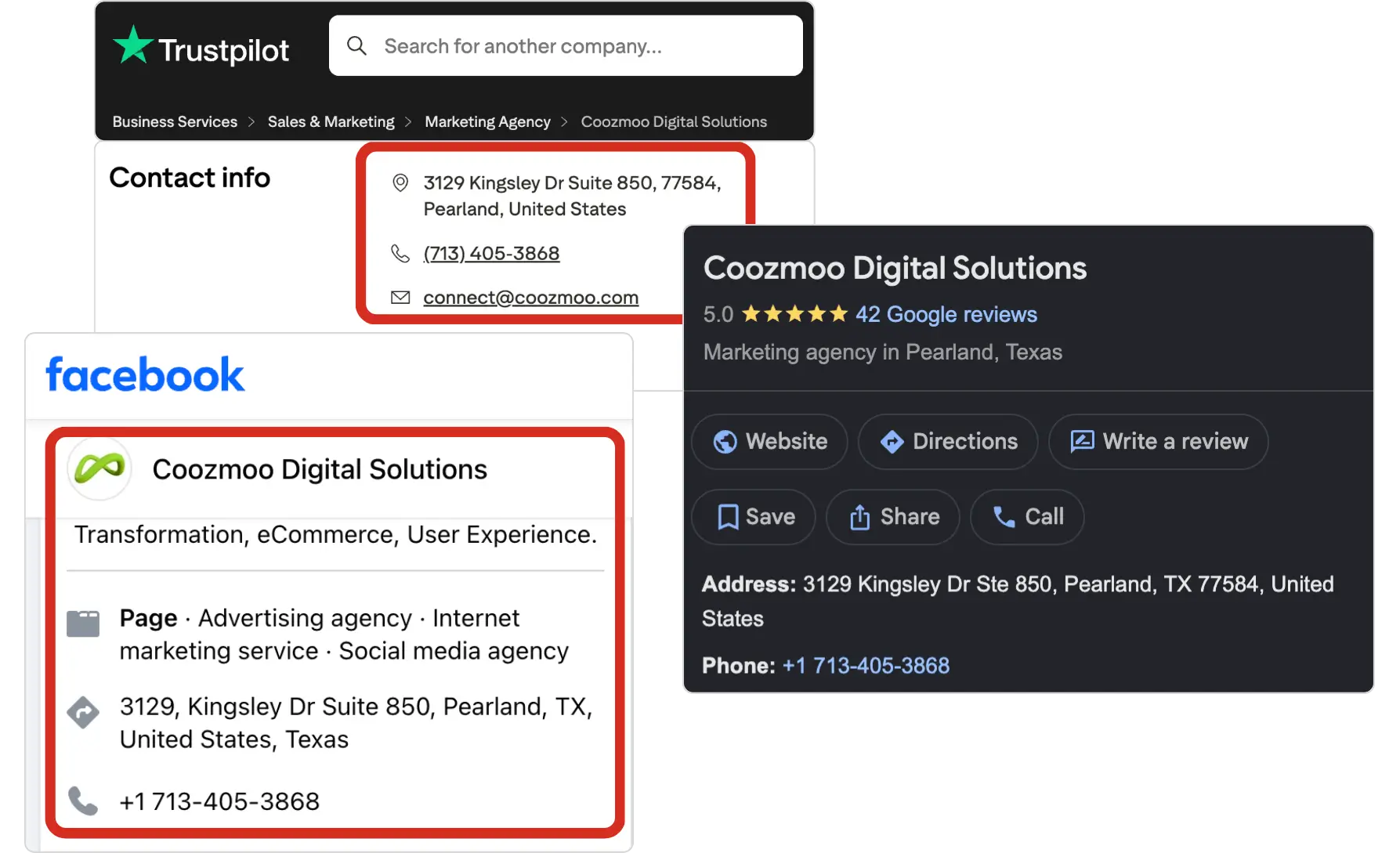
Keep your business name, address, and description consistent across your website, Google Business Profile, LinkedIn, and any directories you're listed in
Earn mentions and backlinks from sites the AI model already trusts (industry publications, established blogs, review platforms)
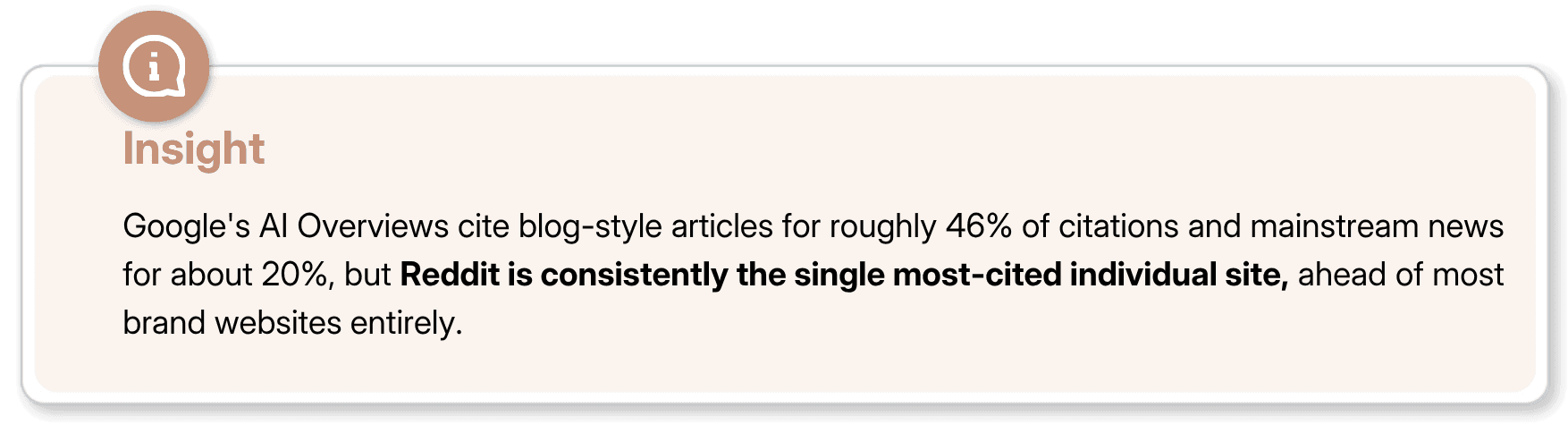
Participate genuinely in communities like Reddit and Quora, which AI models cite far more often than most brands expect
Step 7: Keep it fresh
Stale content quietly loses citation share. Several industry analyses point in the same direction: content updated within the last 30 days earns meaningfully more AI citations than content left untouched for a year or more. You don't need to rewrite everything monthly but revisiting your highest value pages every few months to update stats, examples, and dates keeps them eligible.
AI Search Optimization vs. Traditional SEO: What Changes and What Doesn't
Factor | Traditional SEO | AI Search Optimization |
|---|---|---|
Core unit | Keywords | Entities and relationships |
Success metric | Rankings, clicks | Citations, mentions, "share of model" |
Content structure | Optimized for scanning + snippets | Optimized for direct extraction |
Trust signal | Backlinks, domain authority | E-E-A-T + external corroboration |
Freshness | Helpful, not always urgent | Directly tied to citation frequency |
Technical layer | Meta tags, page speed | Meta tags, page speed, plus schema/structured data |
Notice what didn't disappear: technical SEO, quality backlinks, and genuine expertise are still doing real work. AI Search Optimization adds a layer on top of solid SEO as it doesn't replace it.
Common Mistakes That Quietly Kill AI Visibility
Writing for the algorithm, not the reader. AI models are explicitly built to detect and downrank content that feels engineered rather than genuinely useful.
Burying the answer. If your best sentence is in paragraph six, it may never be read by the retrieval system.
Inconsistent naming. Calling the same product three different things across your site confuses entity recognition and dilutes your authority signal.
Treating schema as a magic switch. Structured data on thin, generic content won't earn a citation; it just describes thin, generic content more clearly.
Going quiet after publishing. A great page from two years ago, untouched since, will keep losing ground to a basic mediocre page updated last month.

Final Thoughts
AI Search Optimization isn't a separate discipline you bolt onto your existing content strategy but it's what good SEO looks like when the reader on the other end is sometimes a language model instead of a person scanning a results page.
The brands winning citations right now aren't necessarily the biggest. They're the ones answering clearly, naming things consistently, backing claims with real sourcing, and staying recent. That's a much more achievable bar than out-spending a competitor on backlinks.
Start with one page: your highest-traffic or highest-intent piece of content. Rewrite the opening to answer the core question in the first two sentences, tighten the structure, add schema, and update anything stale. Then measure whether it starts showing up in AI answers. That single test tells you more than any theory ever will.
FAQs
Does AI search optimization replace SEO?

No. It is built on SEO fundamentals that are technical health, quality content, and backlinks while adding entity clarity, structured data, and citation-focused writing on top.
How long does it take to see results from AI search optimization?
Most teams see early movement in AI citation frequency within 4–12 weeks of structural and content changes, with more stable gains over 3–6 months, similar to timelines seen in broader entity-optimization case studies.
Which AI search engines matter most right now?
ChatGPT still sends the biggest share of AI referral traffic, but Gemini and Claude have both grown their share significantly through 2026. Optimizing for one platform alone is no longer a safe bet but the audience is spreading across several.
Can I optimize for AI search without technical SEO knowledge?
Yes. Clear writing, consistent naming, and factual accuracy go a long way on their own. Schema markup and technical crawlability benefit from developer support, but they're not a prerequisite to start.
Will AI search eventually replace traditional search entirely?
Not in the near term. Google still handles the large majority of global search volume, especially for transactional and navigational queries. AI search is capturing a growing share of informational and research queries specifically; which is exactly where most blog and resource content lives.
AI-powered platforms like ChatGPT, Gemini, Perplexity, and Google's AI Overviews are answering questions that are used to send clicks to the websites. This guide breaks it down how to optimize content for AI search engines with a practical, no-fluff framework covering entities, structure, freshness, and third-party proof. It matters because the brands showing up inside AI answers today are quietly building the visibility advantages that will be hardest to catch up on tomorrow.
Type a question into your ChatGPT or Google's AI Overview, and you'll notice something: it doesn't hand you ten blue links anymore. It gives you an answer, stitched together from a handful of sources it trusts enough to cite strongly.
That's the real shift. Earlier, search used to reward the page that matched a keyword. Now it rewards the page an AI model is confident enough to quote. If your content isn't built for that kind of trust, it simply doesn't get picked and no matter how well it used to rank.
AI search optimization is the practice of shaping your content so AI systems can read it, verify it, and cite it with confidence. It borrows from traditional SEO, but the rules beneath are different enough that treating it as "SEO with extra steps" will leave you invisible in the answers that your customers are actually reading.
What Is AI Search Optimization?
AI Search Optimization means structuring, writing, and technically preparing content so generative AI systems like ChatGPT, Gemini, Perplexity, Copilot, Claude, and Google's AI Overviews that can extract, trust, and cite it in their answers.
It's sometimes called GEO (Generative Engine Optimization) or AEO (Answer Engine Optimization). The label doesn't matter much. What matters is this: AI models don't crawl a page the way Googlebot does and rank it against a query. They retrieve chunks of content, check whether those chunks are trustworthy and specific, and then generate a response that may or may not name you as the source.
That retrieval step is where most content fails before it even gets a chance to be read.
How AI Search Engines Actually Read Your Content
Traditional SEO trained everyone to think in keywords that the exact words someone types into a search box. AI search engines think in entities: distinct, well-defined things and concepts, and the relationships between them.
Search Atlas describes this shift plainly like Google's Knowledge Graph moved search from "strings" to "things" starting in 2012, and AI-driven systems have pushed that further into structured "systems" of entities. When an AI model reads your page, it isn't just matching words. It's trying to figure out what your page is about, who is saying it, and whether that lines up with what trusted sources already say about the same topic.
This is why a page can rank #3 on Google and still never get cited by ChatGPT. Google's algorithm and an AI model's retrieval system are asking different questions.
The practical takeaway: every page should make it obvious, in the first few sentences, what entity (product, company, concept, person) it's about using consistent naming instead of clever synonyms or playing with words.
How to Optimize Content for AI Search Engines: The Core Framework
Here's the part that actually moves the needle. Below is the step-by-step approach we recommend when a client asks how to optimize content for AI search engines.
Step 1: Answer the question in the first 50–70 words
AI systems typically pull from the opening chunk of a page that are often the first 150–300 words which decide whether the content is a good candidate to cite. Bury your answer under three paragraphs of preamble, and the model may never reach it.
Lead with a direct, factual answer. Save the storytelling and context for after you've already answered the question.
Step 2: Structure for extraction, not just readability
AI models favor content that's easy to lift cleanly out of context:
Short paragraphs (2–3 sentences)
Clear H2/H3 headings phrased as real questions people ask
Bulleted and numbered lists for steps, comparisons, and criterias
Simple subject-verb-object sentences over long, clause-heavy ones
If a paragraph needs three re-reads to understand, an AI system will skip it in favor of an other competitor's cleaner version of the same fact.
Step 3: Build entity clarity, not just keyword density.
Building an entity is the single biggest mindset shift in how to optimize for AI Search Overview. Instead of asking "How many times should I use this particular keyword?" ask "have I clearly defined what this thing is and how it relates to other things a reader would recognize?"
Practically, that means:
Naming your brand, product, or concept the same way every time like not rotating synonyms for variety's sake
Explicitly stating connections("X is a type of Y," "X is used for Z")
Covering the topic in enough depth that related sub-questions are answered on the same page or in a clearly linked cluster
Step 4: Add structured data (schema markup)
Schema markup for organization, Article, FAQ page, product, and how-to gives AI systems an explicit, machine-readable description of your content instead of forcing them to infer it. It won't guarantee a citation, but it removes ambiguity that could otherwise get your content skipped or misread.
If you're unsure where to start, Article schema and FAQ schema cover the majority of blog and resource content.
Step 5: Show real expertise (E-E-A-T still matters more)
AI models weigh signals of Experience, Expertise, Authoritativeness, and Trustworthiness when deciding what to trust. That means:
Real author bylines with credentials, not "Admin" or "Team"
Original data, first-hand examples, or specific detail that couldn't have been copied from any other competitor
Clear sourcing when you cite a stat, study, or claim
Generic, could-have-been-written-by-anyone content is exactly the kind AI systems are designed to compress into a single sentence and move past.
Step 6: Get recognized outside your own website
AI systems don't just trust what you say about yourself but also, they check whether other sources agree. This is where a lot of content strategies stop too early.
Keep your business name, address, and description consistent across your website, Google Business Profile, LinkedIn, and any directories you're listed in
Earn mentions and backlinks from sites the AI model already trusts (industry publications, established blogs, review platforms)
Participate genuinely in communities like Reddit and Quora, which AI models cite far more often than most brands expect
Step 7: Keep it fresh
Stale content quietly loses citation share. Several industry analyses point in the same direction: content updated within the last 30 days earns meaningfully more AI citations than content left untouched for a year or more. You don't need to rewrite everything monthly but revisiting your highest value pages every few months to update stats, examples, and dates keeps them eligible.
AI Search Optimization vs. Traditional SEO: What Changes and What Doesn't
Factor | Traditional SEO | AI Search Optimization |
|---|---|---|
Core unit | Keywords | Entities and relationships |
Success metric | Rankings, clicks | Citations, mentions, "share of model" |
Content structure | Optimized for scanning + snippets | Optimized for direct extraction |
Trust signal | Backlinks, domain authority | E-E-A-T + external corroboration |
Freshness | Helpful, not always urgent | Directly tied to citation frequency |
Technical layer | Meta tags, page speed | Meta tags, page speed, plus schema/structured data |
Notice what didn't disappear: technical SEO, quality backlinks, and genuine expertise are still doing real work. AI Search Optimization adds a layer on top of solid SEO as it doesn't replace it.
Common Mistakes That Quietly Kill AI Visibility
Writing for the algorithm, not the reader. AI models are explicitly built to detect and downrank content that feels engineered rather than genuinely useful.
Burying the answer. If your best sentence is in paragraph six, it may never be read by the retrieval system.
Inconsistent naming. Calling the same product three different things across your site confuses entity recognition and dilutes your authority signal.
Treating schema as a magic switch. Structured data on thin, generic content won't earn a citation; it just describes thin, generic content more clearly.
Going quiet after publishing. A great page from two years ago, untouched since, will keep losing ground to a basic mediocre page updated last month.
Final Thoughts
AI Search Optimization isn't a separate discipline you bolt onto your existing content strategy but it's what good SEO looks like when the reader on the other end is sometimes a language model instead of a person scanning a results page.
The brands winning citations right now aren't necessarily the biggest. They're the ones answering clearly, naming things consistently, backing claims with real sourcing, and staying recent. That's a much more achievable bar than out-spending a competitor on backlinks.
Start with one page: your highest-traffic or highest-intent piece of content. Rewrite the opening to answer the core question in the first two sentences, tighten the structure, add schema, and update anything stale. Then measure whether it starts showing up in AI answers. That single test tells you more than any theory ever will.
FAQs
Does AI search optimization replace SEO?
No. It is built on SEO fundamentals that are technical health, quality content, and backlinks while adding entity clarity, structured data, and citation-focused writing on top.
How long does it take to see results from AI search optimization?
Most teams see early movement in AI citation frequency within 4–12 weeks of structural and content changes, with more stable gains over 3–6 months, similar to timelines seen in broader entity-optimization case studies.
Which AI search engines matter most right now?
ChatGPT still sends the biggest share of AI referral traffic, but Gemini and Claude have both grown their share significantly through 2026. Optimizing for one platform alone is no longer a safe bet but the audience is spreading across several.
Can I optimize for AI search without technical SEO knowledge?
Yes. Clear writing, consistent naming, and factual accuracy go a long way on their own. Schema markup and technical crawlability benefit from developer support, but they're not a prerequisite to start.
Will AI search eventually replace traditional search entirely?
Not in the near term. Google still handles the large majority of global search volume, especially for transactional and navigational queries. AI search is capturing a growing share of informational and research queries specifically; which is exactly where most blog and resource content lives.



Summarize with AI


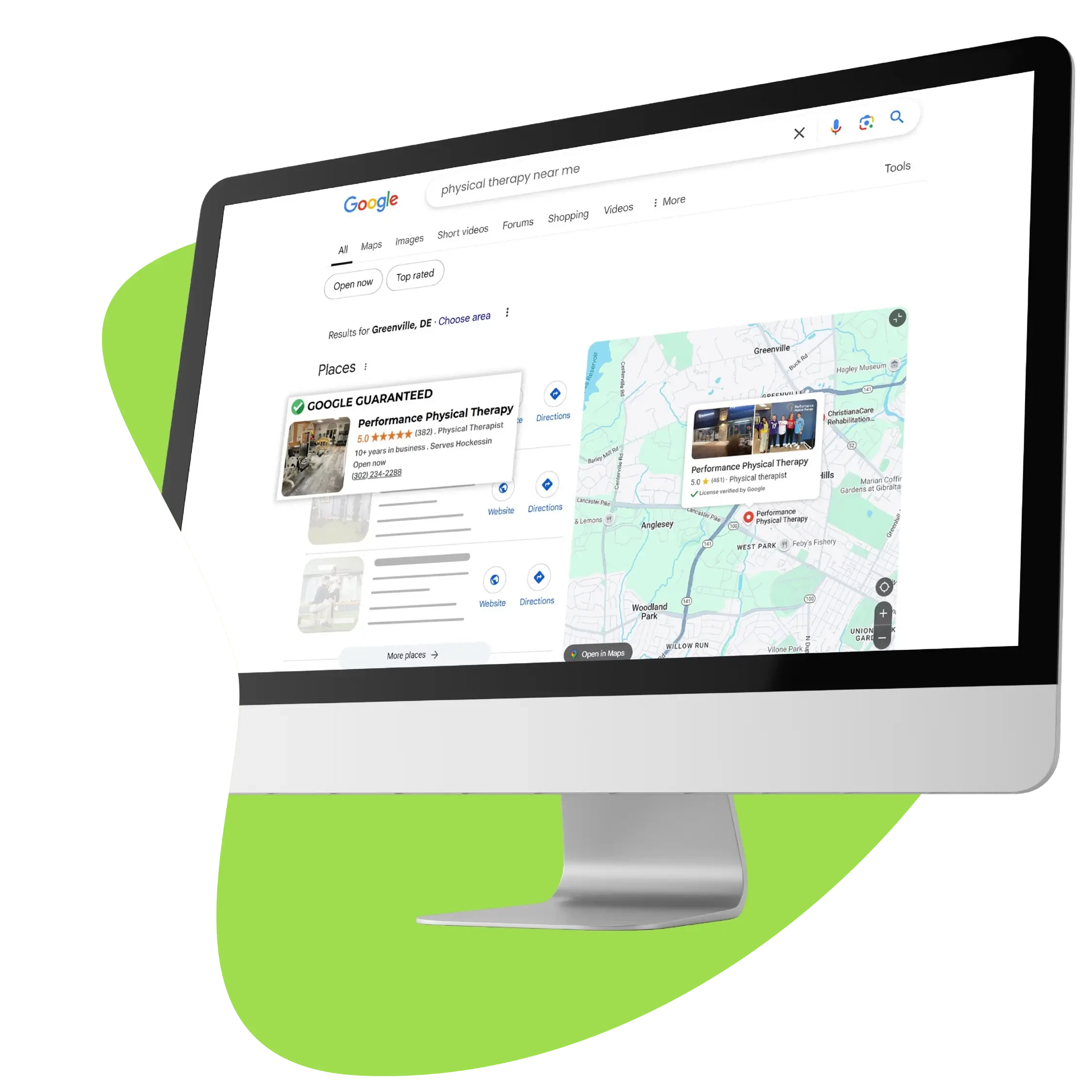

Want to be seen everywhere?
Get a free AI-search audit Today!



4.9/5 Ratings!


Don’t miss our revenue growth tips!
Get expert marketing tips—straight to your inbox, like thousands of happy clients.
Don’t miss our revenue growth tips!
Get expert marketing tips—straight to your inbox, like thousands of happy clients.
Don’t miss our revenue growth tips!
Don’t miss our revenue growth tips!
Get expert marketing tips—straight to your inbox, like thousands of happy clients.
Relevant Blogs on Generative AI SEO
Relevant Blogs on Generative AI SEO
Unlock data-driven insights in AI-powered SEO—explore our featured blogs and skyrocket your revenue before your competitors do.
Unlock data-driven insights in AI-powered SEO—explore our featured blogs and skyrocket your revenue before your competitors do.

GEO
Sep 22, 2026
15 Min Read
AI Search Runs on More SEO Than You Think
GEO
Sep 22, 2026
15 Min Read
AI Search Runs on More SEO Than You Think
GEO
Sep 22, 2026
15 Min Read
AI Search Runs on More SEO Than You Think

GEO
Sep 4, 2026
12 Min Read
How Ecommerce Brands Can Advertise in Google AI Mode?
GEO
Sep 4, 2026
12 Min Read
How Ecommerce Brands Can Advertise in Google AI Mode?
GEO
Sep 4, 2026
12 Min Read
How Ecommerce Brands Can Advertise in Google AI Mode?

GEO
Sep 1, 2026
5 Min Read
Why ChatGPT Is Citing Reddit Less: What’s Behind the Shift?
GEO
Sep 1, 2026
5 Min Read
Why ChatGPT Is Citing Reddit Less: What’s Behind the Shift?
GEO
Sep 1, 2026
5 Min Read
Why ChatGPT Is Citing Reddit Less: What’s Behind the Shift?






















Ready to speak with an expert?
Data-Driven Marketing Agency That Elevates ROI
1100+
Websites Designed & Optimized to Convert
$280M+
Client Revenue Driven & Growing Strong
Discover how to skyrocket
your revenue today!
Trusted by 1000+ Owners!
Ready to speak with an expert?
Data-Driven Marketing Agency That Elevates ROI
1100+
Websites Designed & Optimized to Convert
$280M+
Client Revenue Driven & Growing Strong
Discover how to skyrocket
your revenue today!
Trusted by 1000+ Owners!
Want to skyrocket revenue?
4.9/5 Ratings!
Ready to speak with an expert?
Data-Driven Marketing Agency That Elevates ROI
1100+
Websites Designed & Optimized to Convert
$280M+
Client Revenue Driven & Growing Strong
Discover how to skyrocket
your revenue today!
Trusted by 1000+ Owners!
Call
Meet