35 Proven Ways to Use AI in Marketing
35 Proven Ways to Use AI in Marketing
Last Updated:
Table of Content
Case Studies
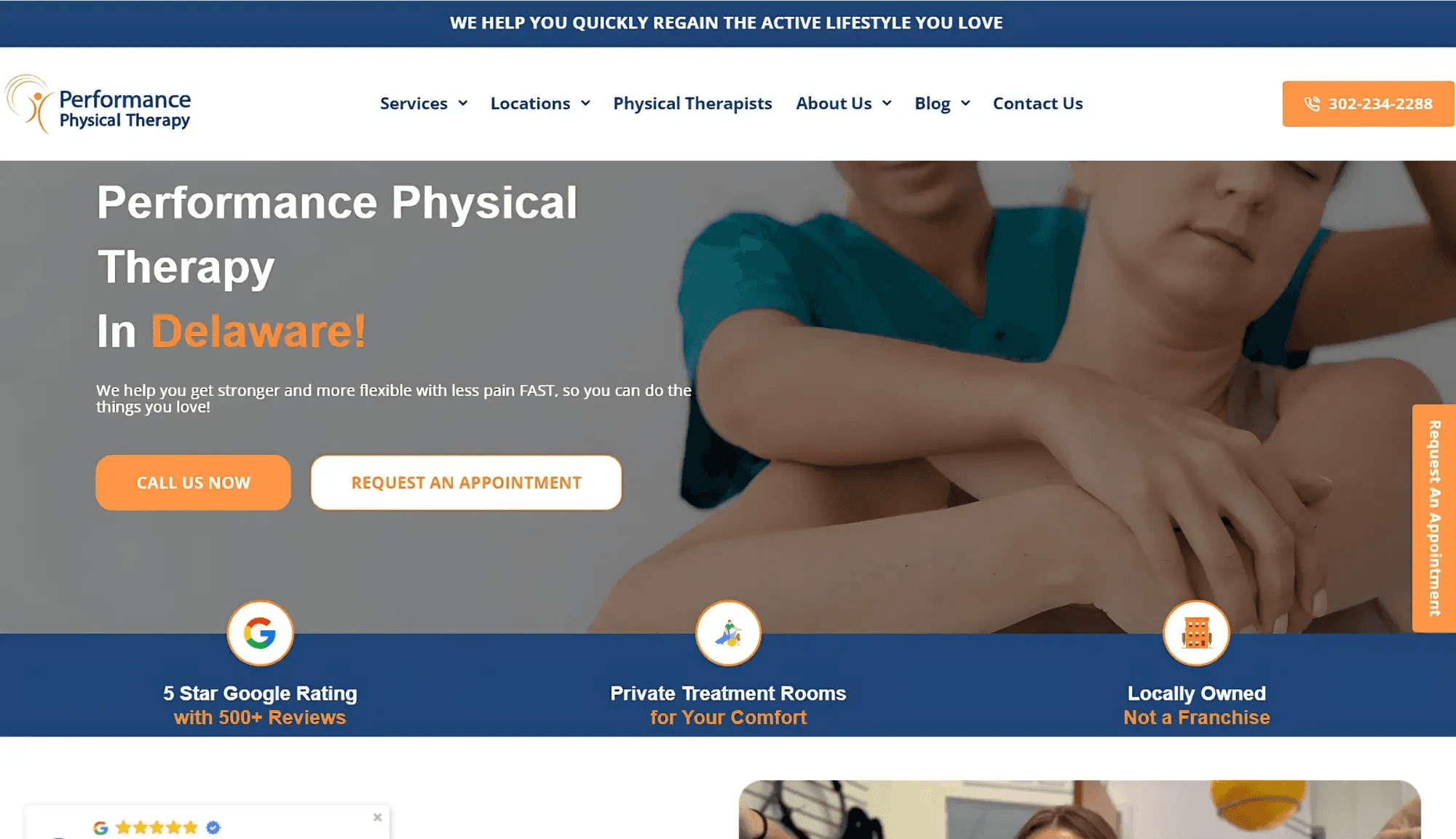
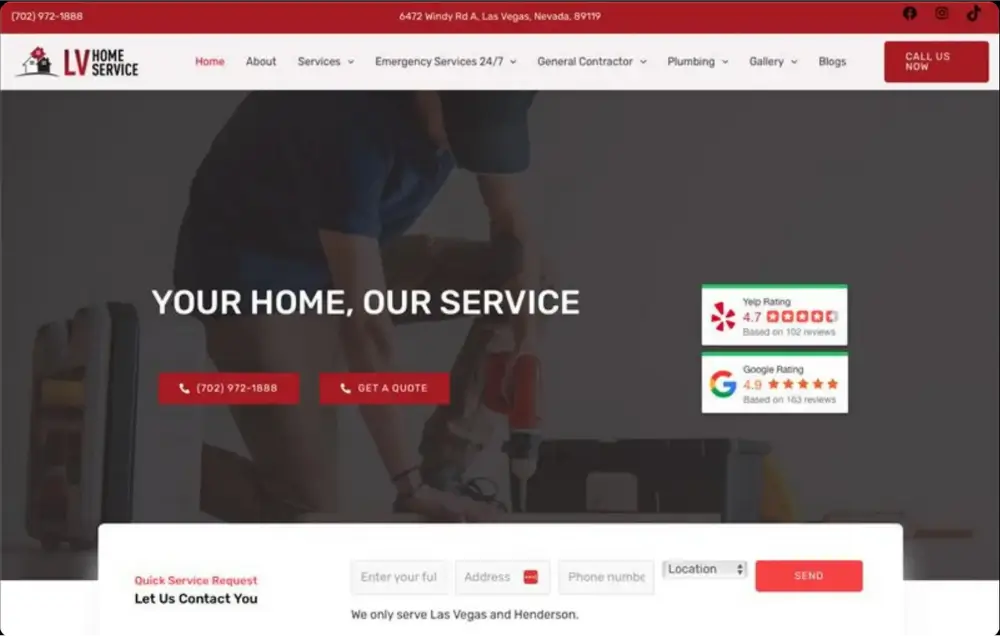

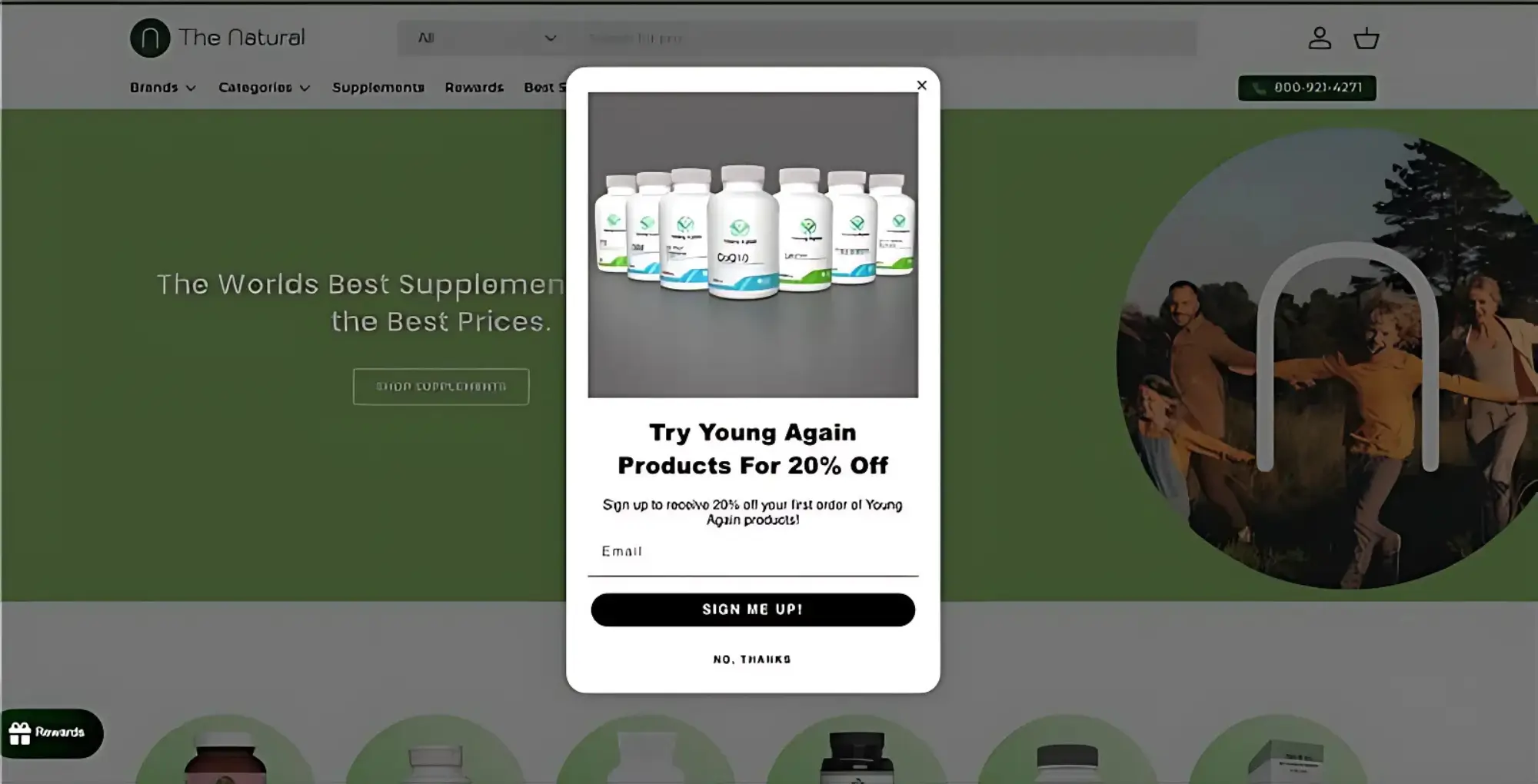
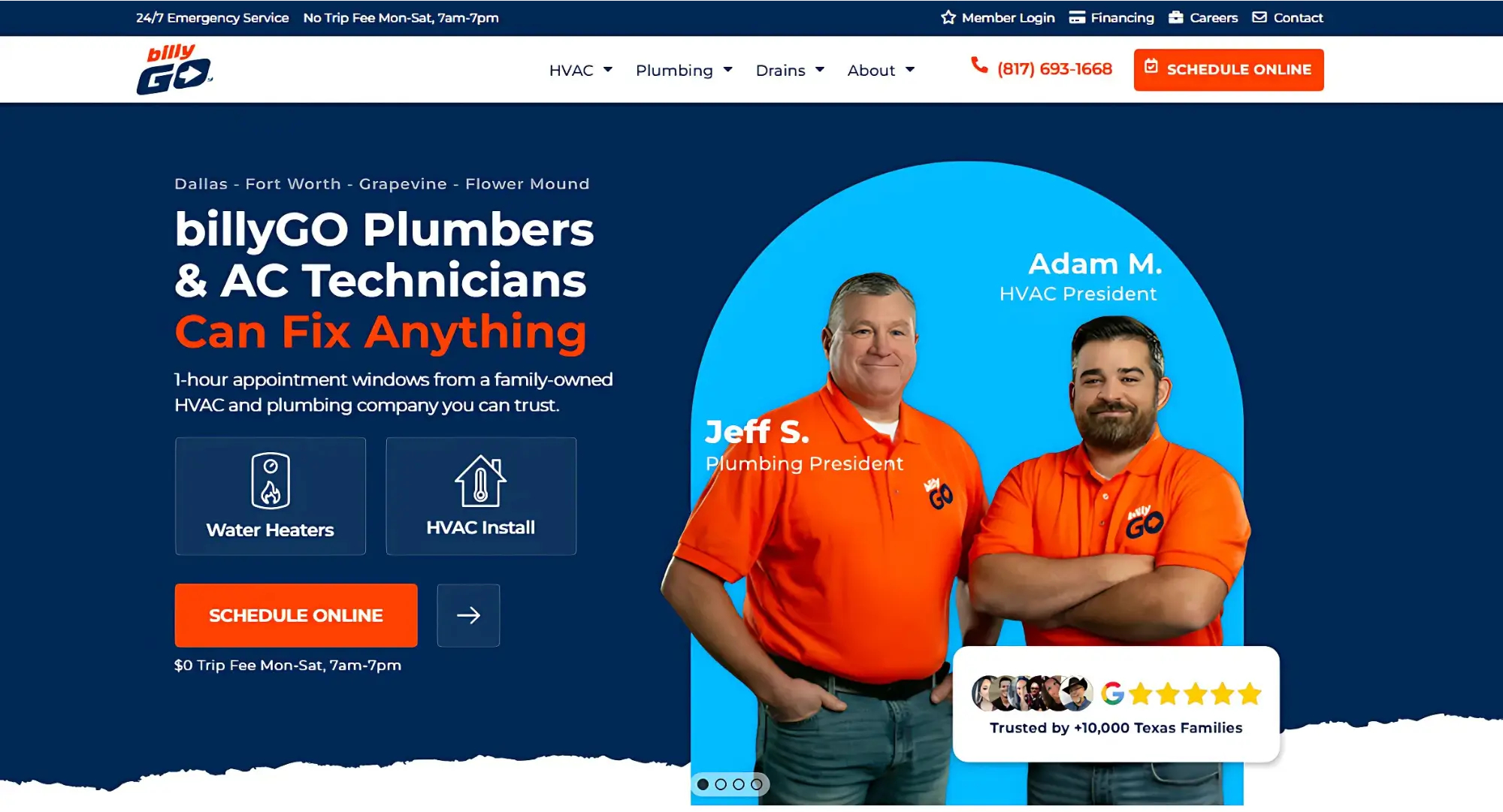



If you are wondering how to use AI in marketing, the short answer is that AI now touches nearly every part of the marketing process, from writing website copy to predicting which customers are about to churn. Marketers who are using AI in marketing are not replacing their judgment with a machine, they are using it to remove repetitive, time consuming work so they can focus on strategy, creativity, and relationships that actually move revenue.
This guide breaks down what AI marketing really means, why it matters right now, and 35 specific, practical ways to put it to work across web design, SEO, pay-per-click (PPC), reputation, social, email, ecommerce, conversion optimization, and Press Release. You will also see where AEO (answer engine optimization) and GEO (generative engine optimization) fit in, since AI is now changing how search results even look. No need to adopt all 35 at once, just start with whatever is actually slowing your team down right now. Whether you run a small local business or manage a full marketing department, the goal here is the same: fewer hours spent on repetitive tasks and more time spent on the strategy that actually grows the business.
What Is AI Marketing?
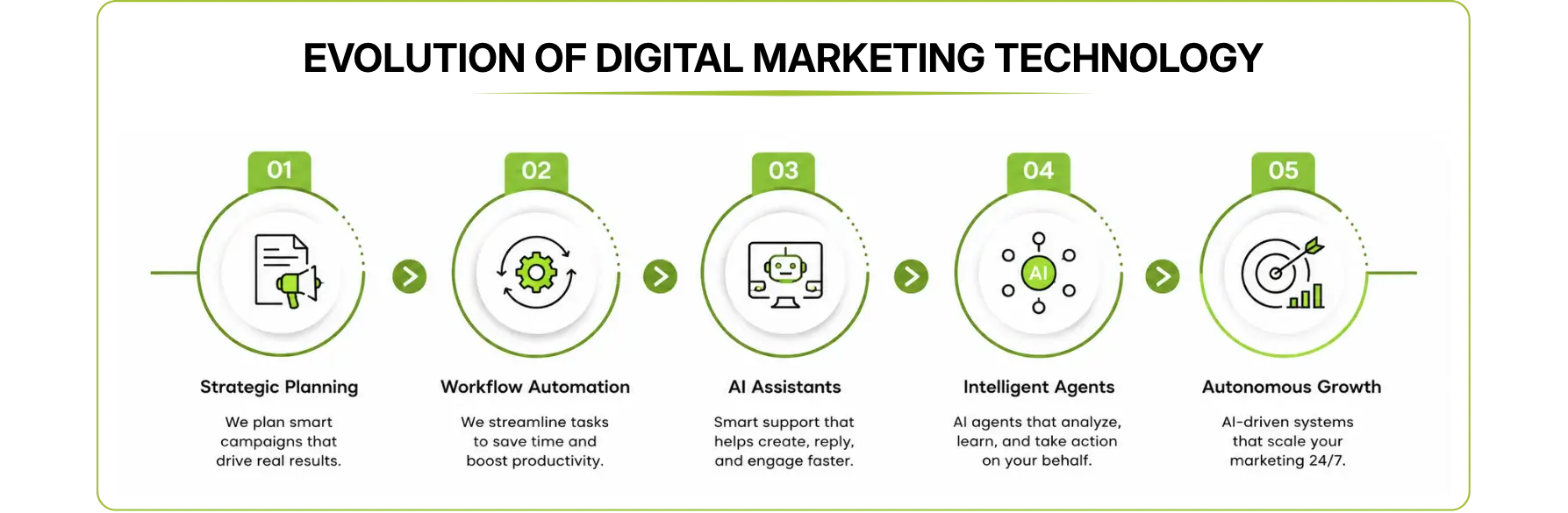
AI marketing is the use of machine learning, natural language processing, and predictive algorithms to plan, create, and optimize marketing work that used to require manual effort. Instead of a person manually sorting through spreadsheets of customer data or writing fifty ad variations by hand, AI marketing tools do the heavy lifting in seconds and hand the output back for a human to review, refine, and approve. It is not one tool. It is a category that includes content generators, predictive analytics engines, chatbots, recommendation systems, and automated bidding platforms, all working inside a marketer's existing workflow rather than replacing it.
Why Does AI Marketing Matter Right Now?
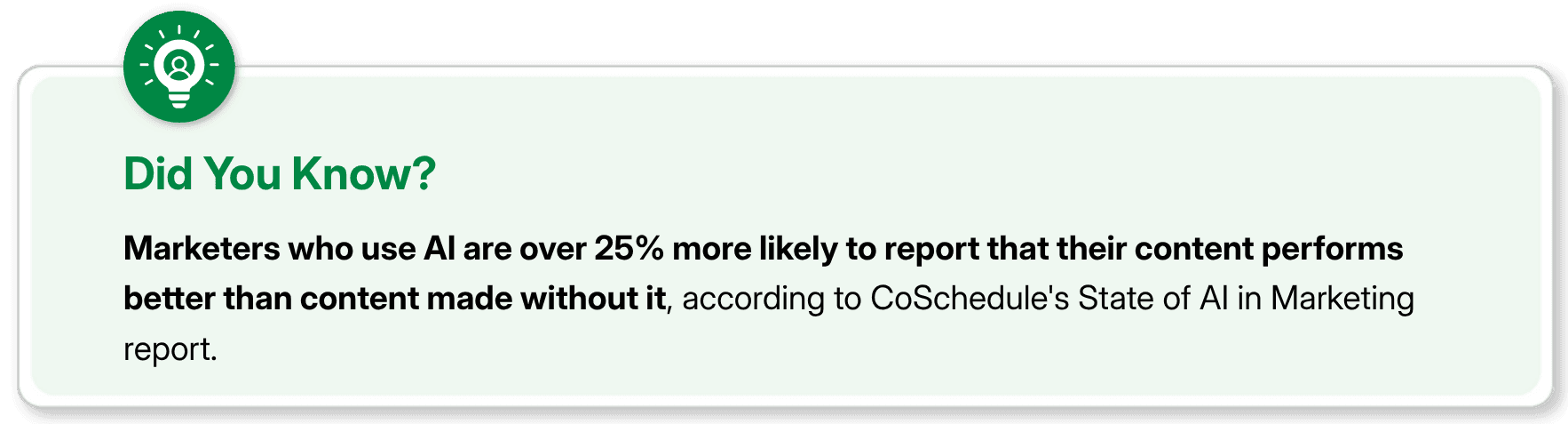
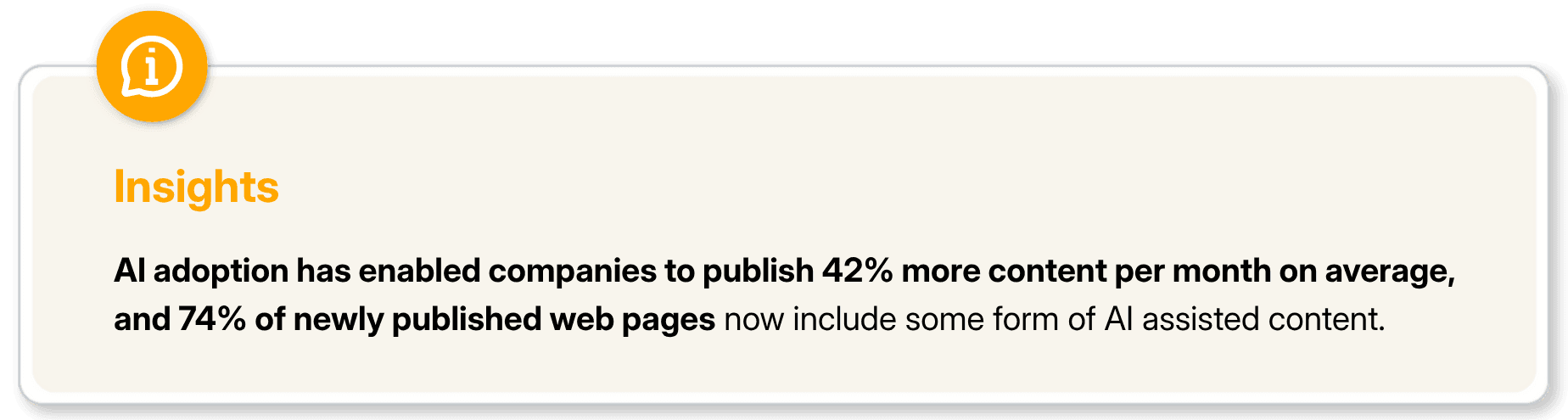
AI marketing matters because adoption has moved from experimental to standard practice, and teams that skip it are working slower than their competitors. As per the research, 88% of marketers now use AI in their day to day roles, and as per 2025 report found that 85% of marketers use AI writing or content tools specifically to speed up production. The shift is not a trend anymore, it is table stakes.
Benefits of AI in Marketing
The benefits of AI in marketing go beyond saving time. Here is what teams typically gain when they adopt it properly:
Benefit | What it looks like in practice |
|---|---|
Speed | Draft blog outlines, ad copy, or captions in minutes instead of hours |
Personalization at scale | Show different offers, emails, or product picks to different customer segments automatically |
Better targeting | Predict which audience segments are most likely to convert before you spend budget |
Cost efficiency | Fewer manual hours spent on repetitive tasks like reporting or listing updates |
Sharper insight | Spot patterns in customer behavior that would take a human analyst days to find |
Consistency | Keep tone, formatting, and posting schedules consistent across many channels |
None of this means AI should run unsupervised. The strongest results come when a human still sets the strategy, checks facts, and adds the brand voice AI cannot replicate. Treat AI as a very fast assistant rather than a decision maker, and the return on investment tends to follow naturally.
How to Use AI in Marketing: 35 Proven Ways
Below are 35 practical applications, grouped by the area of marketing they support. You do not need to adopt all 35 at once. Pick the ones that solve a real bottleneck in your current workflow first.
AI in Web Design
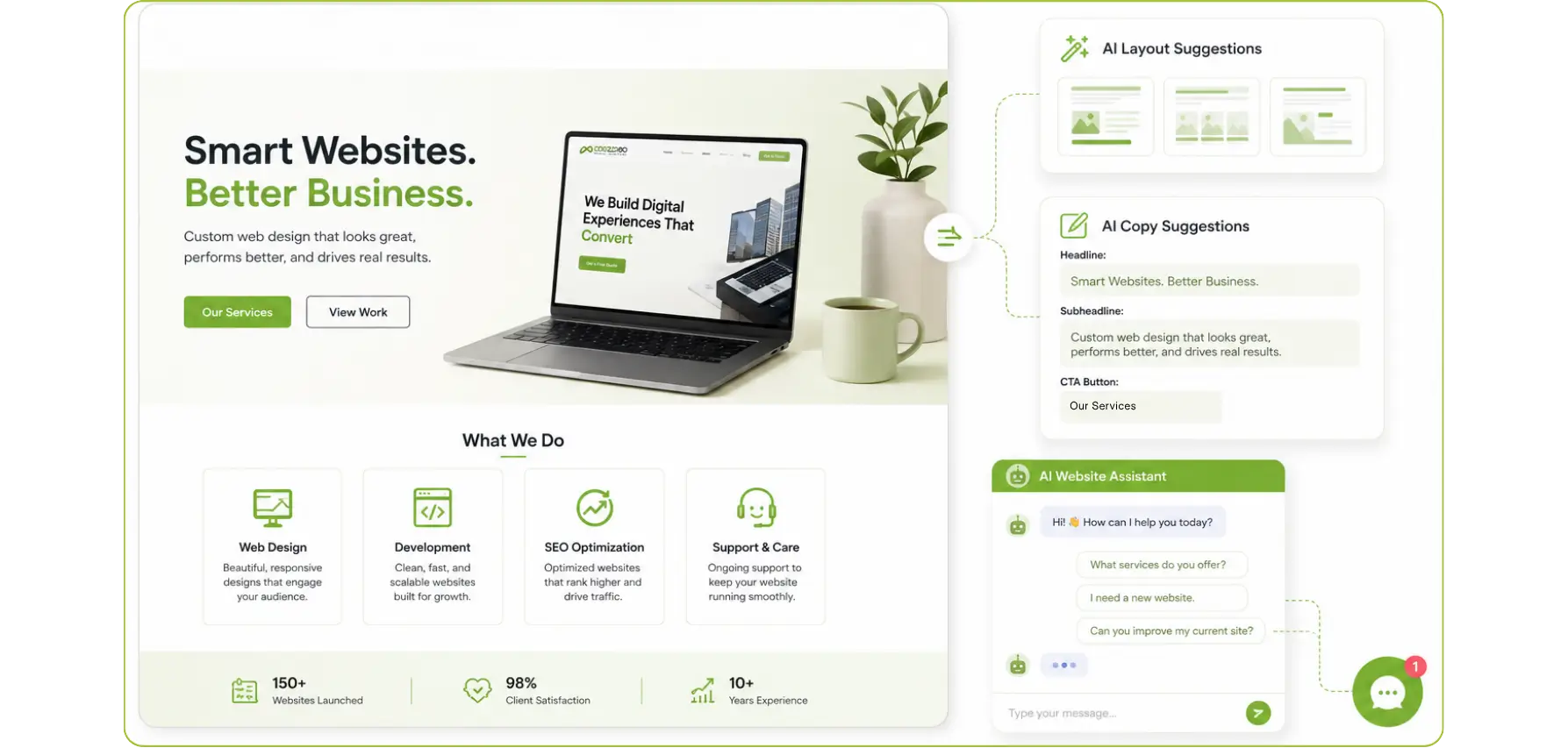
AI is now built into most website builders, so you do not need a developer just to get a decent starting layout. It can suggest headlines, arrange sections, and flag what to fix based on real visitor behavior. Think of it as a fast first draft, not the finished website.
| AI page builders can suggest headlines, section order, and calls to action based on what converts in your industry. |
| AI heatmap and session recording tools flag where visitors drop off so designers know exactly what to fix. |
| A trained chatbot can answer common visitor questions instantly, reducing bounce rate while your team sleeps. |
AI in Search Engine Optimization (SEO)
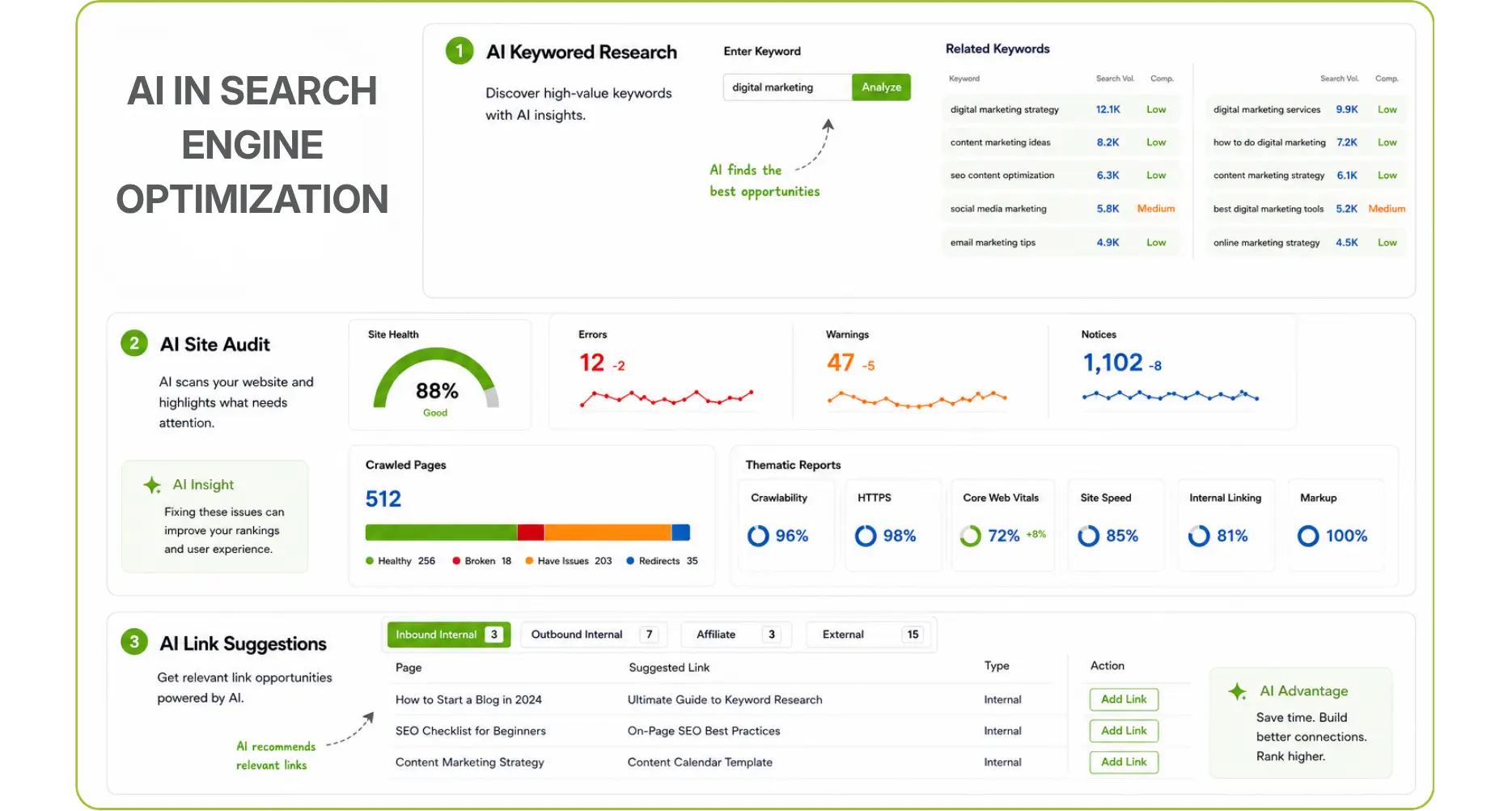
SEO or organic search involves a lot of repetitive research, like sorting through keywords and outlining articles before writing even starts. AI can do this part in minutes instead of hours, so your team spends more time on the writing and strategy that actually needs a human touch.
| AI groups thousands of keyword variations into content themes in minutes, something that used to take an SEO analyst a full day. |
| AI scans top-ranking pages and builds a structured brief so writers know what to cover. |
AI crawlers flag broken links, slow pages, and missing metadata across an entire site automatically. | |
| AI identifies relevant pages to link between, strengthening topical authority without manual mapping. |
AI in Pay-Per-Click (PPC) Marketing
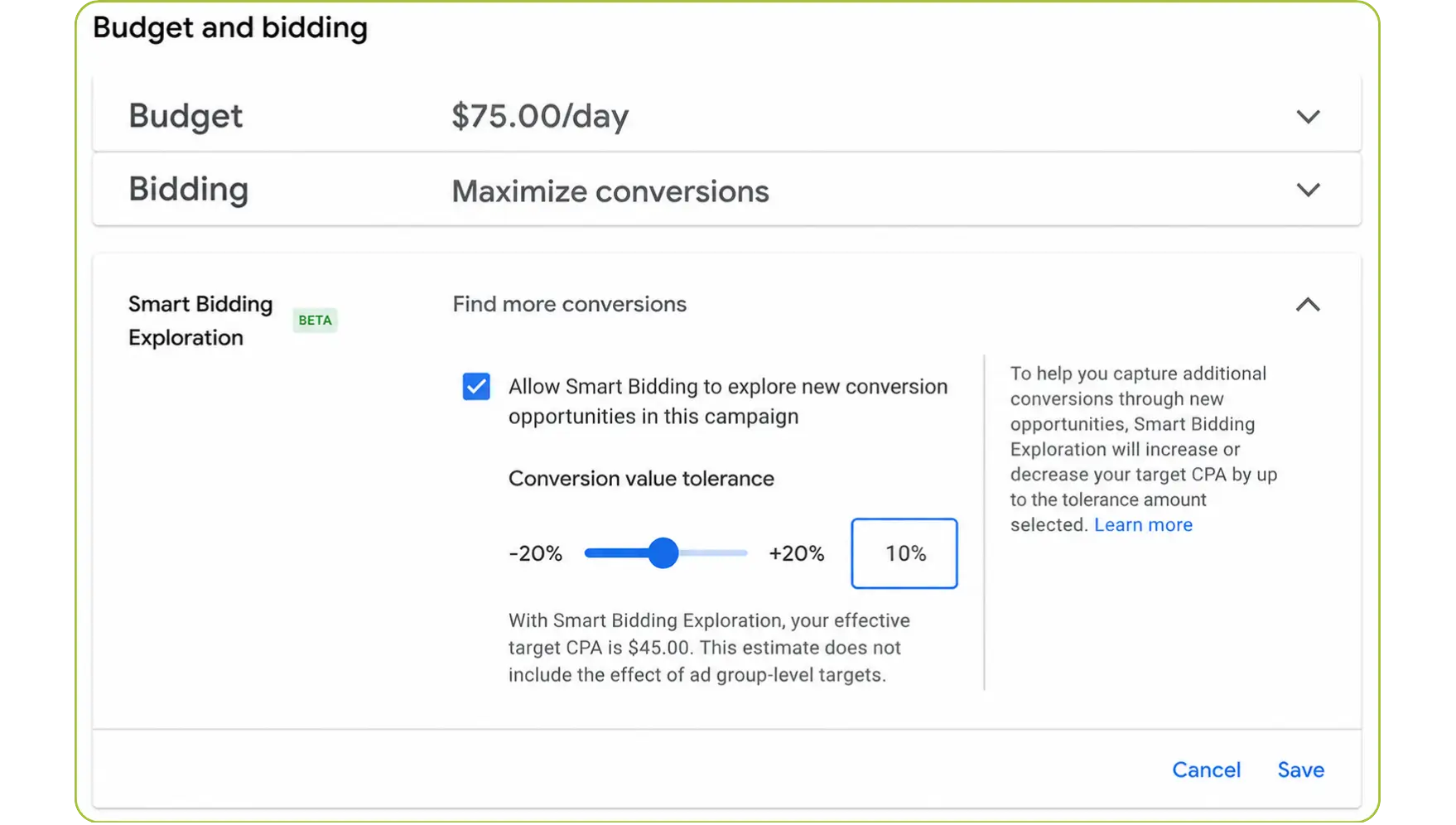
Google and Meta already use AI to run their ad auctions behind the scenes. If you are not using AI on your side too, for writing ad copy or picking audiences, you are letting the platform make more decisions for your budget than it should.
| AI adjusts bids in real time based on likelihood to convert, often outperforming manual bidding on large accounts. |
| AI writes multiple headline and description variations, then learns which combination performs best. |
| AI builds lookalike audiences from your best existing customers rather than relying on broad demographic guesses. |
AI in Online Reputation Management
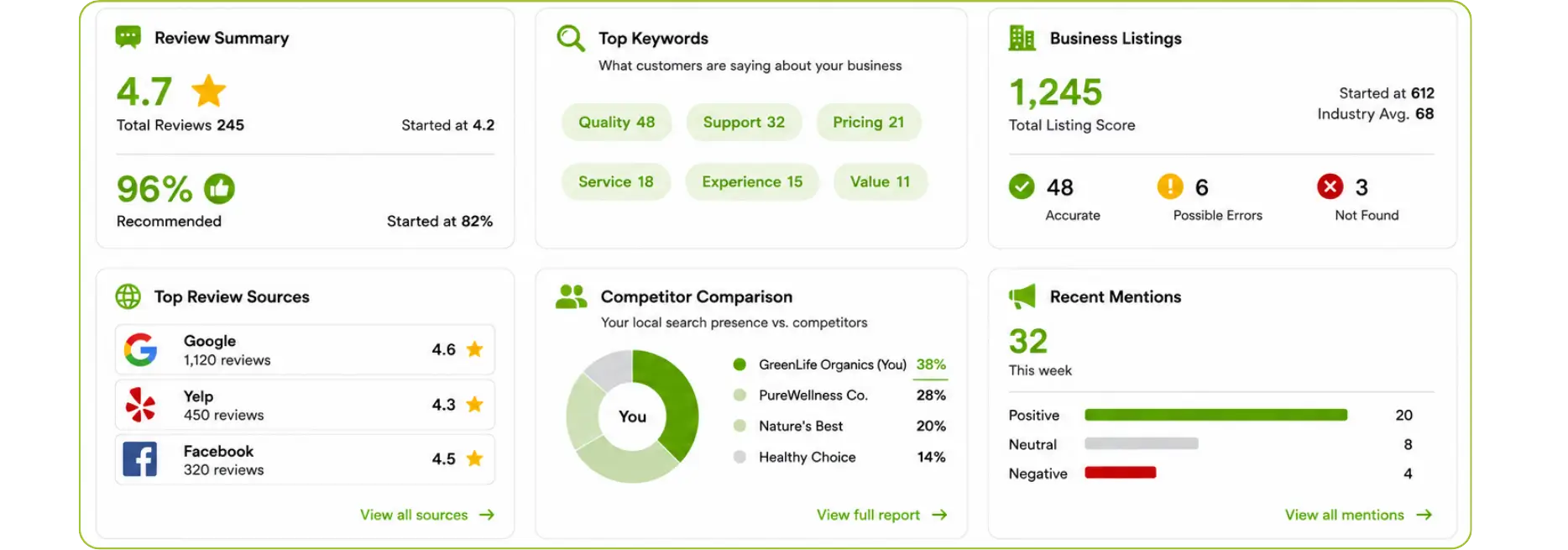
Most customers check reviews before they buy anything, and one bad review left unanswered can hurt you for months. AI tools can watch every review site and social mention for you, so nothing sits unnoticed simply because your team missed it that day.
AI scans Google, Facebook, and industry-specific review sites in one dashboard instead of manual checking. | |
| AI flags whether feedback trends positive or negative before it becomes a visible pattern. |
| AI drafts a first version of a reply to a review, which your team can personalize before posting. |
AI Search Optimization and Generative Search
Google is not just showing ten blue links anymore, it often shows a single AI written answer at the top of the page. Getting your content chosen as the source for that answer is called AEO (answer engine optimization) or GEO (generative engine optimization), and it works a little differently from classic SEO.
| Structuring content to directly answer a question in the first sentence increases the odds of being pulled into Google's AI generated answers. |
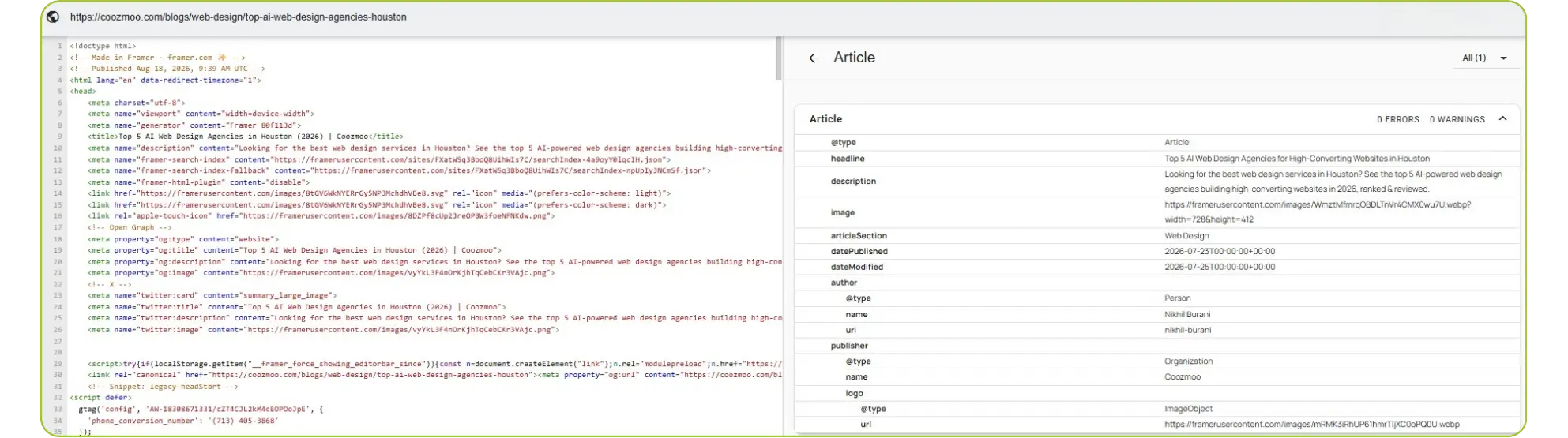
| Adding structured data helps AI systems understand and correctly represent your content. |
| New tools now monitor whether your brand gets mentioned in tools like ChatGPT or Perplexity, the same way rank trackers monitor Google positions. |
AI in Local Listing Management
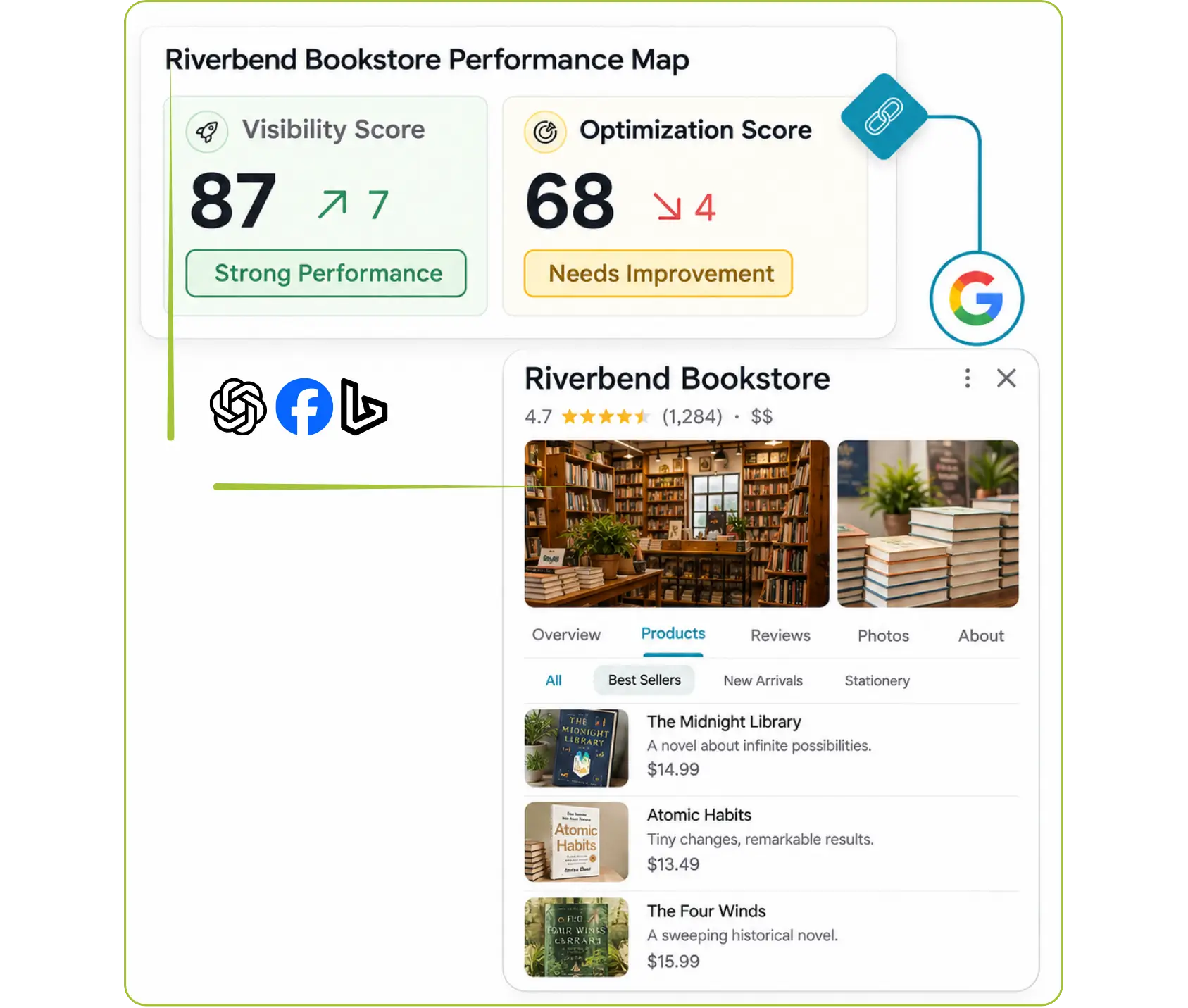
If your business hours or phone number are wrong on even one directory, you could lose a customer before they ever call. AI checks and fixes these details across dozens of listings at once, so nothing is left outdated or inconsistent.
| AI tools push consistent name, address, and phone details across dozens of directories at once. |
| AI drafts regular updates and offers so your profile stays active without manual posting. |
| AI scans the web for outdated or duplicate citations that confuse both customers and search engines. |
AI in Social Media Marketing (SMM)
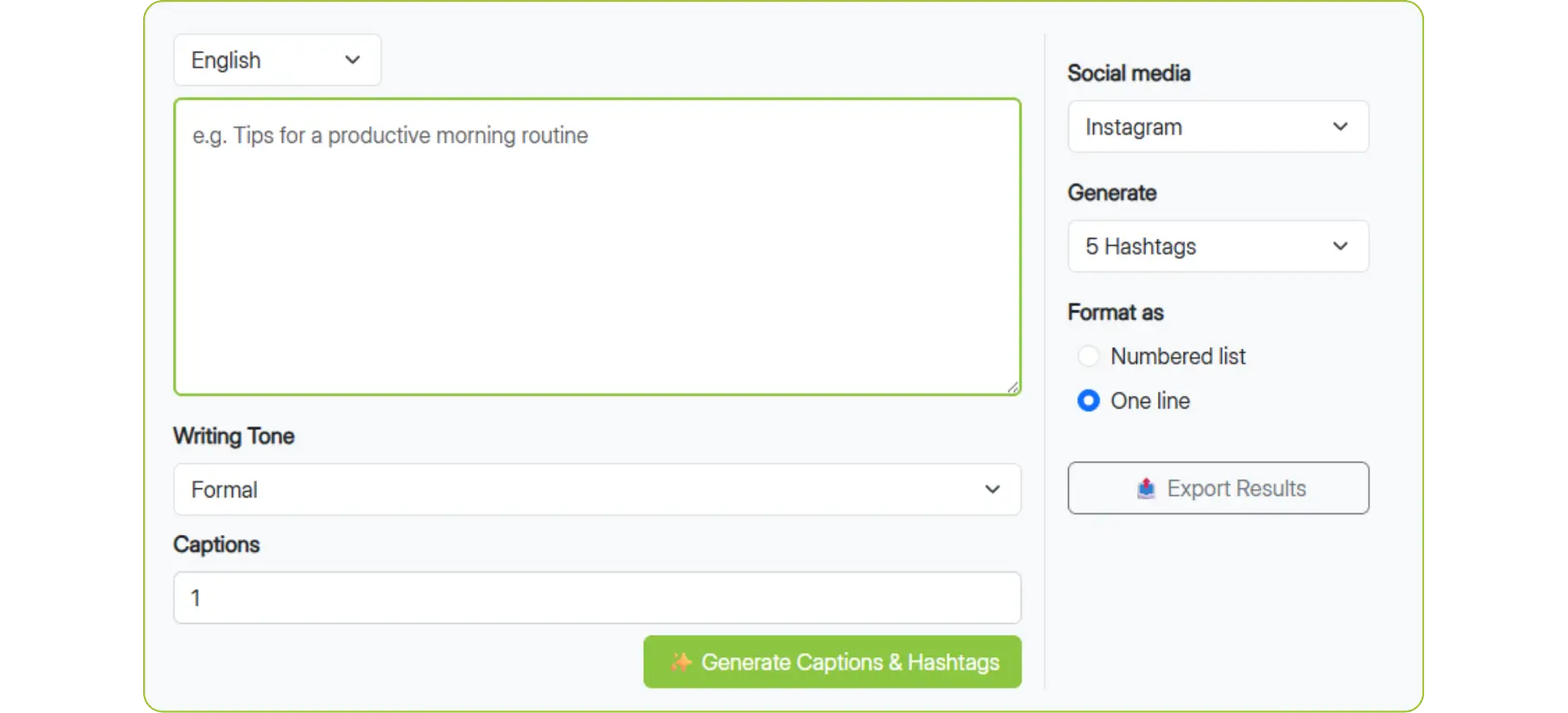
Posting daily across several platforms takes real time, and it is easy to fall behind. AI can write captions, suggest hashtags, and figure out the best time to post, so your presence stays consistent even during a busy week.
| AI drafts on brand captions and suggests relevant hashtags in seconds. |
| AI scans conversations across platforms to flag rising topics before they peak. |
| AI analyzes past engagement to post exactly when your specific audience is most active. |
AI in Email and SMS Marketing
A generic email sent to your entire list rarely performs well anymore. AI looks at each subscriber's behavior and sends the right message at the right time, something a person managing thousands of contacts simply cannot do by hand.
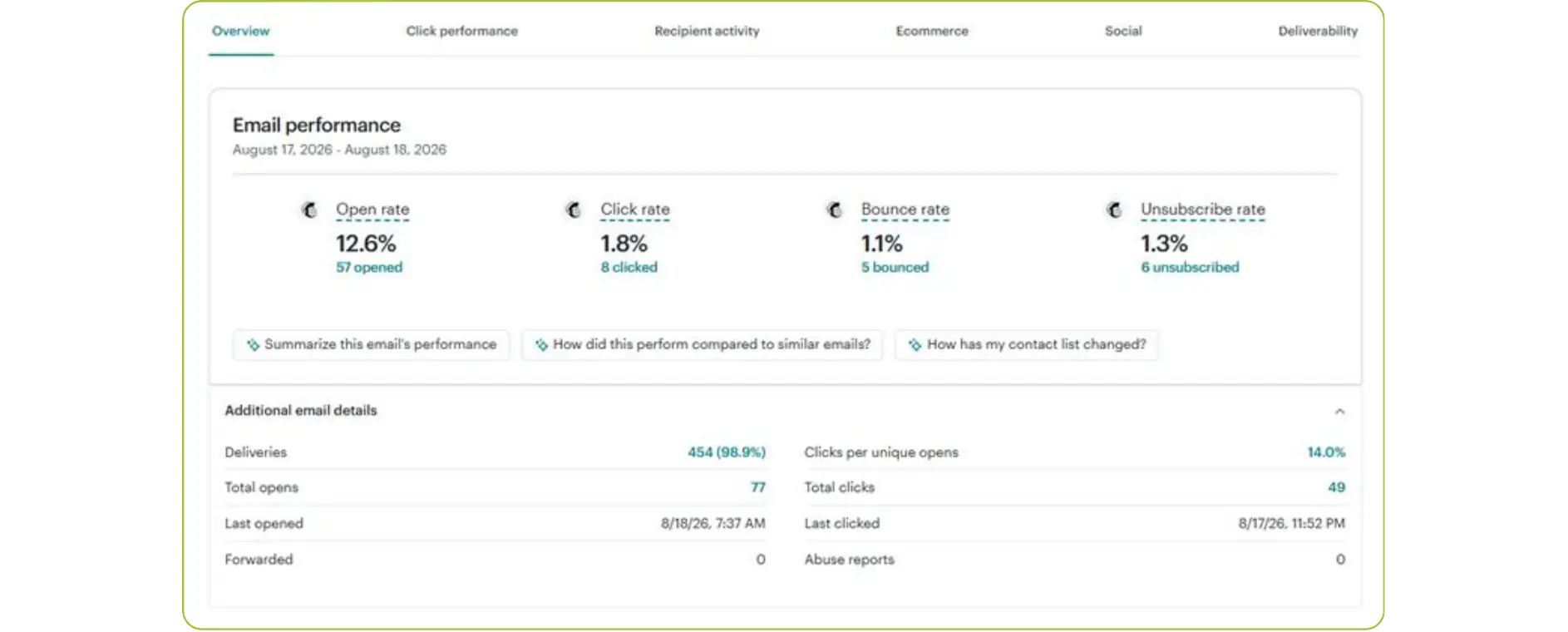
| AI writes and tests multiple subject lines to improve open rates. |
| AI predicts the best time to email each individual subscriber rather than sending to everyone at once. |
| AI automatically sends a message when a shopper abandons a cart or a lead goes quiet. |
AI in Ecommerce Management
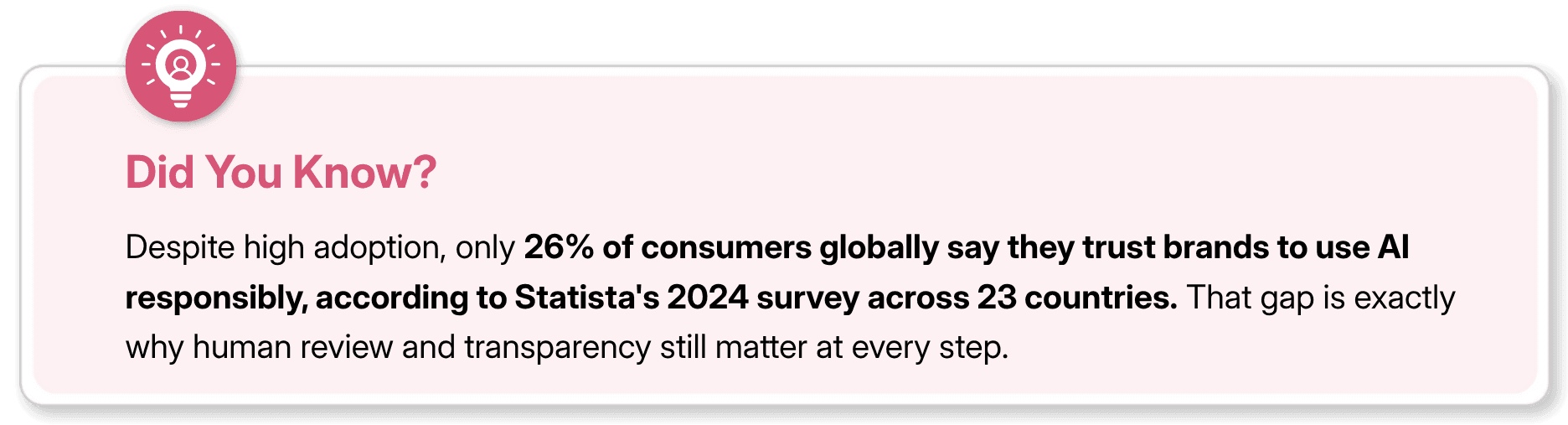
AI powered product recommendations are not a small feature. McKinsey research shows personalization typically lifts e-commerce revenue by 5 to 15%, which is why almost every major online store, and now smaller ones too, uses AI to guide what a shopper sees next.
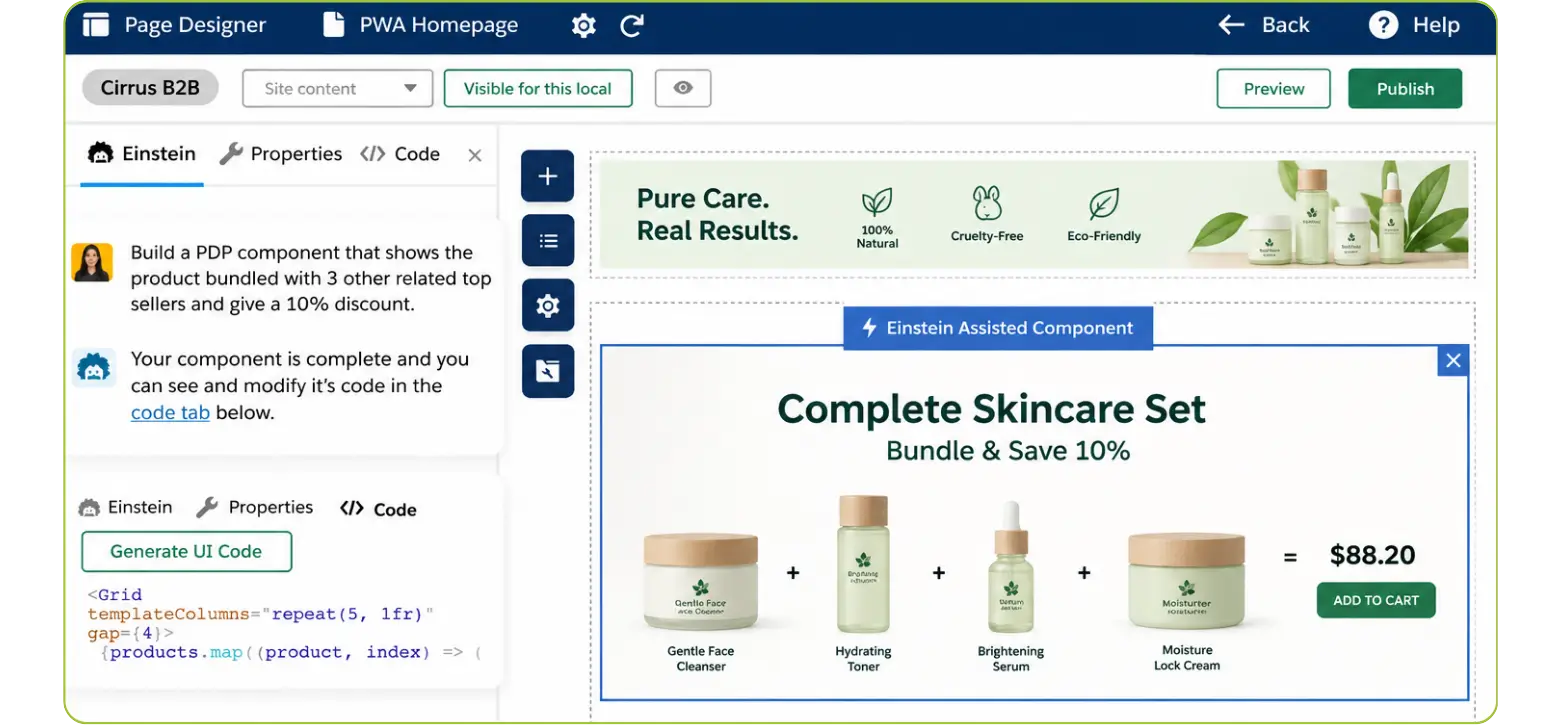
| AI suggests items based on browsing and purchase history, the same technology behind most major retail sites. |
| AI writes consistent, SEO friendly descriptions for large catalogs in a fraction of the time. |
| AI adjusts pricing based on demand, competitor pricing, and inventory levels. |
| AI lets shoppers upload a photo and find visually similar products in your catalog. |
AI in Conversion Rate Optimization
Testing two versions of a page used to take weeks to gather enough data. AI speeds that up considerably and can even show a different version of the page to each visitor, based on what they are most likely to respond to.
| AI can forecast which page variation is likely to win before a test fully concludes, shortening testing cycles. |
| Chat tools ask qualifying questions and route only genuine leads to sales. |
| AI swaps headlines or offers on a landing page depending on the visitor's source or location. |
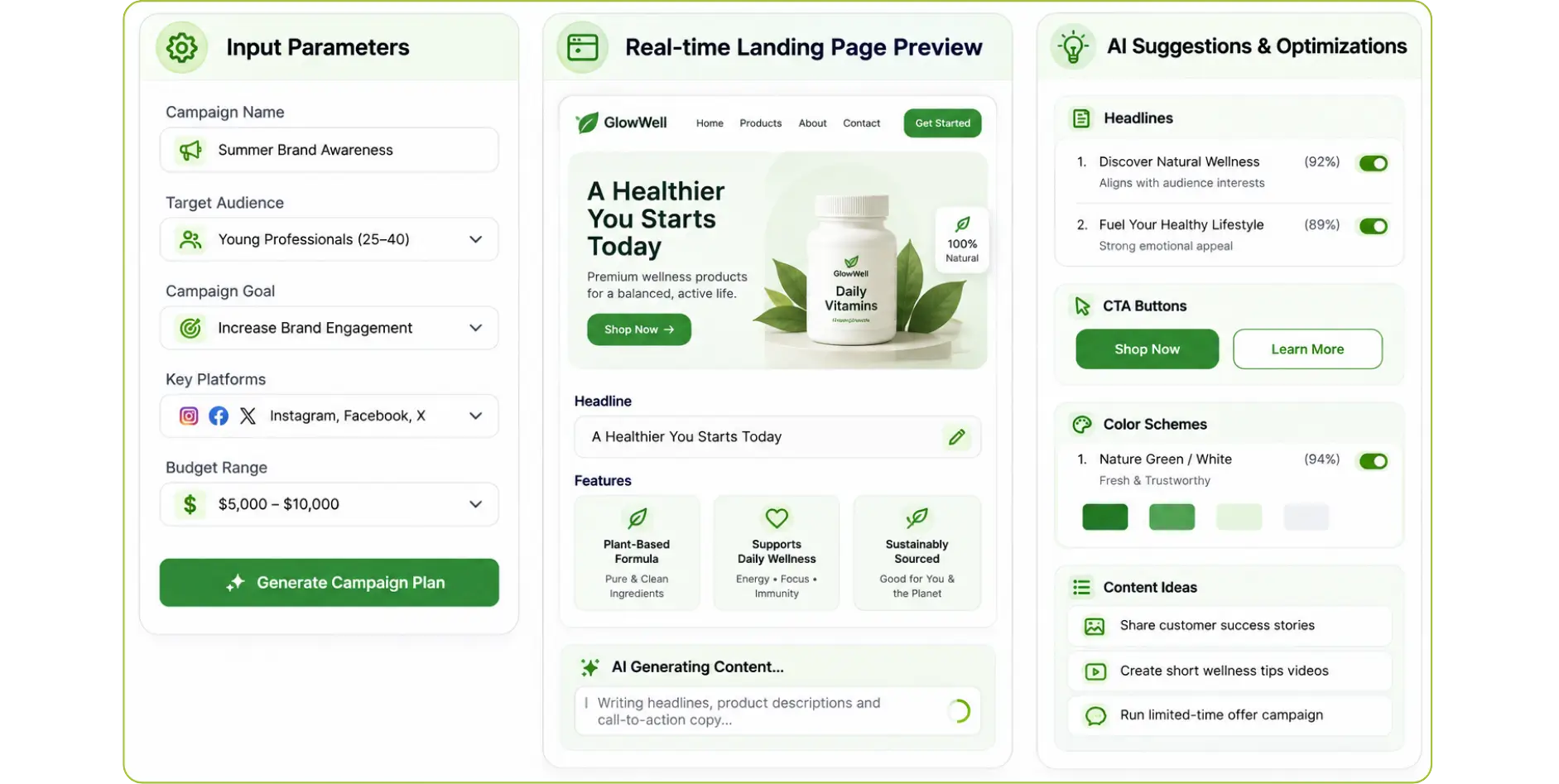
AI in Press Release Distribution
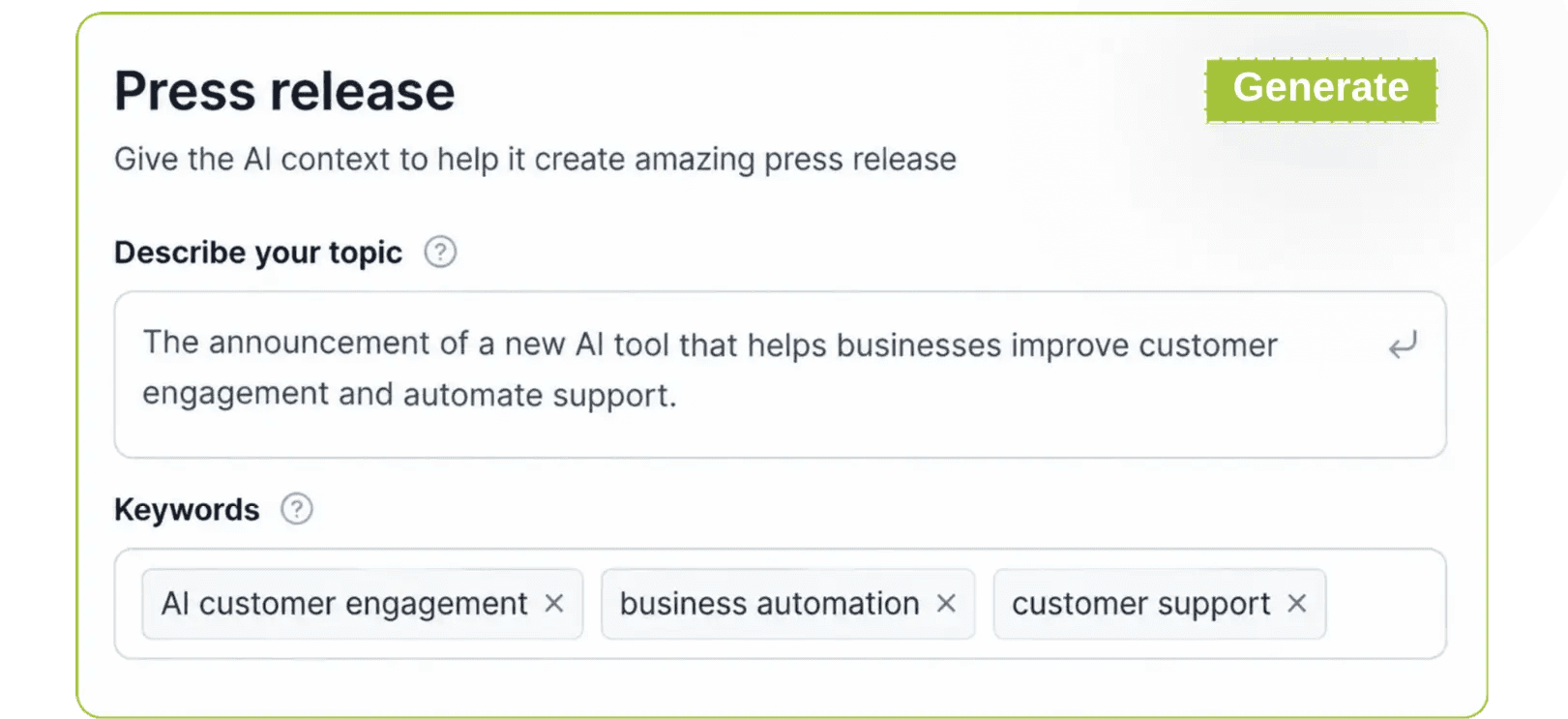
Writing, formatting, and figuring out which journalists to contact takes real time, and it is the part of digital PR most likely to get rushed. AI can draft the release and shortlist the right media contacts, so your team can focus on the actual pitch.
| AI produces a clean first draft that follows standard journalistic structure, ready for a human editor. |
| AI matches your story to the reporters and publications most likely to cover it. |
| AI identifies the optimal day and time to send a release based on historical open and pickup rates. |
What AI Marketing Strategies Actually Work Best?
The AI marketing strategies that work best are the ones built around a clear goal first and a tool second. Start by identifying your biggest bottleneck, whether that is content volume, ad spend efficiency, or slow response to reviews, then bring in AI to solve that specific problem instead of adopting every tool at once. A simple rule that holds up across every category above: let AI handle the first draft and the repetitive analysis, and let a person handle judgment, tone, and the final decision. Also keep a short internal checklist for every AI-generated asset before it goes live, covering factual accuracy, brand voice, and whether it actually solves the customer's problem rather than just filling space.
Final Thoughts
AI will not build your brand for you, but it will hand you back the hours you were spending on work that never needed a human in the first place. AI content marketing, ads, reputation, and search are only as good as the strategy behind them, and that part is still entirely yours to own. Use the machine for speed. Use your team for the parts that actually make people trust you.
AI can write your marketing. It still can't earn your customer's trust, that part is still on you.
FAQs
Will AI replace marketers and marketing teams?

Not the strategy and judgment part. AI will remove boring tasks like writing, organizing data and setting up meetings but someone will still have to make the decision on voice, messaging and what actually hits home with customers.
What is the difference between SEO and AEO or GEO?
SEO optimizes content to rank in a list of search results. AEO and GEO optimize content to be the source an AI system pulls from when it generates a direct answer, like in Google's AI Overviews or a chatbot response, so the content needs to be clearer and more directly answer focused.
Can AI-written content actually rank well or get picked up by AI Overviews?
Yes if it is accurate, well structured, and edited by someone who checks facts and adds real value. Search engines and artificial intelligence systems are biased against content that seems generic or unverified.
What is the biggest risk of using AI in marketing?
Releasing content or responses without human review. The biggest risk is not the tool itself, but the human check before something goes live. AI is able to get facts wrong, sound generic, or miss brand tone.
What is a common mistake businesses make when adopting AI in marketing?
Don’t test one thing at a time, but turn on every AI feature at once. This makes it hard to know what really drove performance gains and what was just adding noise to the workflow.
If you are wondering how to use AI in marketing, the short answer is that AI now touches nearly every part of the marketing process, from writing website copy to predicting which customers are about to churn. Marketers who are using AI in marketing are not replacing their judgment with a machine, they are using it to remove repetitive, time consuming work so they can focus on strategy, creativity, and relationships that actually move revenue.
This guide breaks down what AI marketing really means, why it matters right now, and 35 specific, practical ways to put it to work across web design, SEO, pay-per-click (PPC), reputation, social, email, ecommerce, conversion optimization, and Press Release. You will also see where AEO (answer engine optimization) and GEO (generative engine optimization) fit in, since AI is now changing how search results even look. No need to adopt all 35 at once, just start with whatever is actually slowing your team down right now. Whether you run a small local business or manage a full marketing department, the goal here is the same: fewer hours spent on repetitive tasks and more time spent on the strategy that actually grows the business.
What Is AI Marketing?
AI marketing is the use of machine learning, natural language processing, and predictive algorithms to plan, create, and optimize marketing work that used to require manual effort. Instead of a person manually sorting through spreadsheets of customer data or writing fifty ad variations by hand, AI marketing tools do the heavy lifting in seconds and hand the output back for a human to review, refine, and approve. It is not one tool. It is a category that includes content generators, predictive analytics engines, chatbots, recommendation systems, and automated bidding platforms, all working inside a marketer's existing workflow rather than replacing it.
Why Does AI Marketing Matter Right Now?
AI marketing matters because adoption has moved from experimental to standard practice, and teams that skip it are working slower than their competitors. As per the research, 88% of marketers now use AI in their day to day roles, and as per 2025 report found that 85% of marketers use AI writing or content tools specifically to speed up production. The shift is not a trend anymore, it is table stakes.
Benefits of AI in Marketing
The benefits of AI in marketing go beyond saving time. Here is what teams typically gain when they adopt it properly:
Benefit | What it looks like in practice |
|---|---|
Speed | Draft blog outlines, ad copy, or captions in minutes instead of hours |
Personalization at scale | Show different offers, emails, or product picks to different customer segments automatically |
Better targeting | Predict which audience segments are most likely to convert before you spend budget |
Cost efficiency | Fewer manual hours spent on repetitive tasks like reporting or listing updates |
Sharper insight | Spot patterns in customer behavior that would take a human analyst days to find |
Consistency | Keep tone, formatting, and posting schedules consistent across many channels |
None of this means AI should run unsupervised. The strongest results come when a human still sets the strategy, checks facts, and adds the brand voice AI cannot replicate. Treat AI as a very fast assistant rather than a decision maker, and the return on investment tends to follow naturally.
How to Use AI in Marketing: 35 Proven Ways
Below are 35 practical applications, grouped by the area of marketing they support. You do not need to adopt all 35 at once. Pick the ones that solve a real bottleneck in your current workflow first.
AI in Web Design
AI is now built into most website builders, so you do not need a developer just to get a decent starting layout. It can suggest headlines, arrange sections, and flag what to fix based on real visitor behavior. Think of it as a fast first draft, not the finished website.
| AI page builders can suggest headlines, section order, and calls to action based on what converts in your industry. |
| AI heatmap and session recording tools flag where visitors drop off so designers know exactly what to fix. |
| A trained chatbot can answer common visitor questions instantly, reducing bounce rate while your team sleeps. |
AI in Search Engine Optimization (SEO)
SEO or organic search involves a lot of repetitive research, like sorting through keywords and outlining articles before writing even starts. AI can do this part in minutes instead of hours, so your team spends more time on the writing and strategy that actually needs a human touch.
| AI groups thousands of keyword variations into content themes in minutes, something that used to take an SEO analyst a full day. |
| AI scans top-ranking pages and builds a structured brief so writers know what to cover. |
AI crawlers flag broken links, slow pages, and missing metadata across an entire site automatically. | |
| AI identifies relevant pages to link between, strengthening topical authority without manual mapping. |
AI in Pay-Per-Click (PPC) Marketing
Google and Meta already use AI to run their ad auctions behind the scenes. If you are not using AI on your side too, for writing ad copy or picking audiences, you are letting the platform make more decisions for your budget than it should.
| AI adjusts bids in real time based on likelihood to convert, often outperforming manual bidding on large accounts. |
| AI writes multiple headline and description variations, then learns which combination performs best. |
| AI builds lookalike audiences from your best existing customers rather than relying on broad demographic guesses. |
AI in Online Reputation Management
Most customers check reviews before they buy anything, and one bad review left unanswered can hurt you for months. AI tools can watch every review site and social mention for you, so nothing sits unnoticed simply because your team missed it that day.
AI scans Google, Facebook, and industry-specific review sites in one dashboard instead of manual checking. | |
| AI flags whether feedback trends positive or negative before it becomes a visible pattern. |
| AI drafts a first version of a reply to a review, which your team can personalize before posting. |
AI Search Optimization and Generative Search
Google is not just showing ten blue links anymore, it often shows a single AI written answer at the top of the page. Getting your content chosen as the source for that answer is called AEO (answer engine optimization) or GEO (generative engine optimization), and it works a little differently from classic SEO.
| Structuring content to directly answer a question in the first sentence increases the odds of being pulled into Google's AI generated answers. |
| Adding structured data helps AI systems understand and correctly represent your content. |
| New tools now monitor whether your brand gets mentioned in tools like ChatGPT or Perplexity, the same way rank trackers monitor Google positions. |
AI in Local Listing Management
If your business hours or phone number are wrong on even one directory, you could lose a customer before they ever call. AI checks and fixes these details across dozens of listings at once, so nothing is left outdated or inconsistent.
| AI tools push consistent name, address, and phone details across dozens of directories at once. |
| AI drafts regular updates and offers so your profile stays active without manual posting. |
| AI scans the web for outdated or duplicate citations that confuse both customers and search engines. |
AI in Social Media Marketing (SMM)
Posting daily across several platforms takes real time, and it is easy to fall behind. AI can write captions, suggest hashtags, and figure out the best time to post, so your presence stays consistent even during a busy week.
| AI drafts on brand captions and suggests relevant hashtags in seconds. |
| AI scans conversations across platforms to flag rising topics before they peak. |
| AI analyzes past engagement to post exactly when your specific audience is most active. |
AI in Email and SMS Marketing
A generic email sent to your entire list rarely performs well anymore. AI looks at each subscriber's behavior and sends the right message at the right time, something a person managing thousands of contacts simply cannot do by hand.
| AI writes and tests multiple subject lines to improve open rates. |
| AI predicts the best time to email each individual subscriber rather than sending to everyone at once. |
| AI automatically sends a message when a shopper abandons a cart or a lead goes quiet. |
AI in Ecommerce Management
AI powered product recommendations are not a small feature. McKinsey research shows personalization typically lifts e-commerce revenue by 5 to 15%, which is why almost every major online store, and now smaller ones too, uses AI to guide what a shopper sees next.
| AI suggests items based on browsing and purchase history, the same technology behind most major retail sites. |
| AI writes consistent, SEO friendly descriptions for large catalogs in a fraction of the time. |
| AI adjusts pricing based on demand, competitor pricing, and inventory levels. |
| AI lets shoppers upload a photo and find visually similar products in your catalog. |
AI in Conversion Rate Optimization
Testing two versions of a page used to take weeks to gather enough data. AI speeds that up considerably and can even show a different version of the page to each visitor, based on what they are most likely to respond to.
| AI can forecast which page variation is likely to win before a test fully concludes, shortening testing cycles. |
| Chat tools ask qualifying questions and route only genuine leads to sales. |
| AI swaps headlines or offers on a landing page depending on the visitor's source or location. |
AI in Press Release Distribution
Writing, formatting, and figuring out which journalists to contact takes real time, and it is the part of digital PR most likely to get rushed. AI can draft the release and shortlist the right media contacts, so your team can focus on the actual pitch.
| AI produces a clean first draft that follows standard journalistic structure, ready for a human editor. |
| AI matches your story to the reporters and publications most likely to cover it. |
| AI identifies the optimal day and time to send a release based on historical open and pickup rates. |
What AI Marketing Strategies Actually Work Best?
The AI marketing strategies that work best are the ones built around a clear goal first and a tool second. Start by identifying your biggest bottleneck, whether that is content volume, ad spend efficiency, or slow response to reviews, then bring in AI to solve that specific problem instead of adopting every tool at once. A simple rule that holds up across every category above: let AI handle the first draft and the repetitive analysis, and let a person handle judgment, tone, and the final decision. Also keep a short internal checklist for every AI-generated asset before it goes live, covering factual accuracy, brand voice, and whether it actually solves the customer's problem rather than just filling space.
Final Thoughts
AI will not build your brand for you, but it will hand you back the hours you were spending on work that never needed a human in the first place. AI content marketing, ads, reputation, and search are only as good as the strategy behind them, and that part is still entirely yours to own. Use the machine for speed. Use your team for the parts that actually make people trust you.
AI can write your marketing. It still can't earn your customer's trust, that part is still on you.
FAQs
Will AI replace marketers and marketing teams?
Not the strategy and judgment part. AI will remove boring tasks like writing, organizing data and setting up meetings but someone will still have to make the decision on voice, messaging and what actually hits home with customers.
What is the difference between SEO and AEO or GEO?
SEO optimizes content to rank in a list of search results. AEO and GEO optimize content to be the source an AI system pulls from when it generates a direct answer, like in Google's AI Overviews or a chatbot response, so the content needs to be clearer and more directly answer focused.
Can AI-written content actually rank well or get picked up by AI Overviews?
Yes if it is accurate, well structured, and edited by someone who checks facts and adds real value. Search engines and artificial intelligence systems are biased against content that seems generic or unverified.
What is the biggest risk of using AI in marketing?
Releasing content or responses without human review. The biggest risk is not the tool itself, but the human check before something goes live. AI is able to get facts wrong, sound generic, or miss brand tone.
What is a common mistake businesses make when adopting AI in marketing?
Don’t test one thing at a time, but turn on every AI feature at once. This makes it hard to know what really drove performance gains and what was just adding noise to the workflow.



Summarize with AI


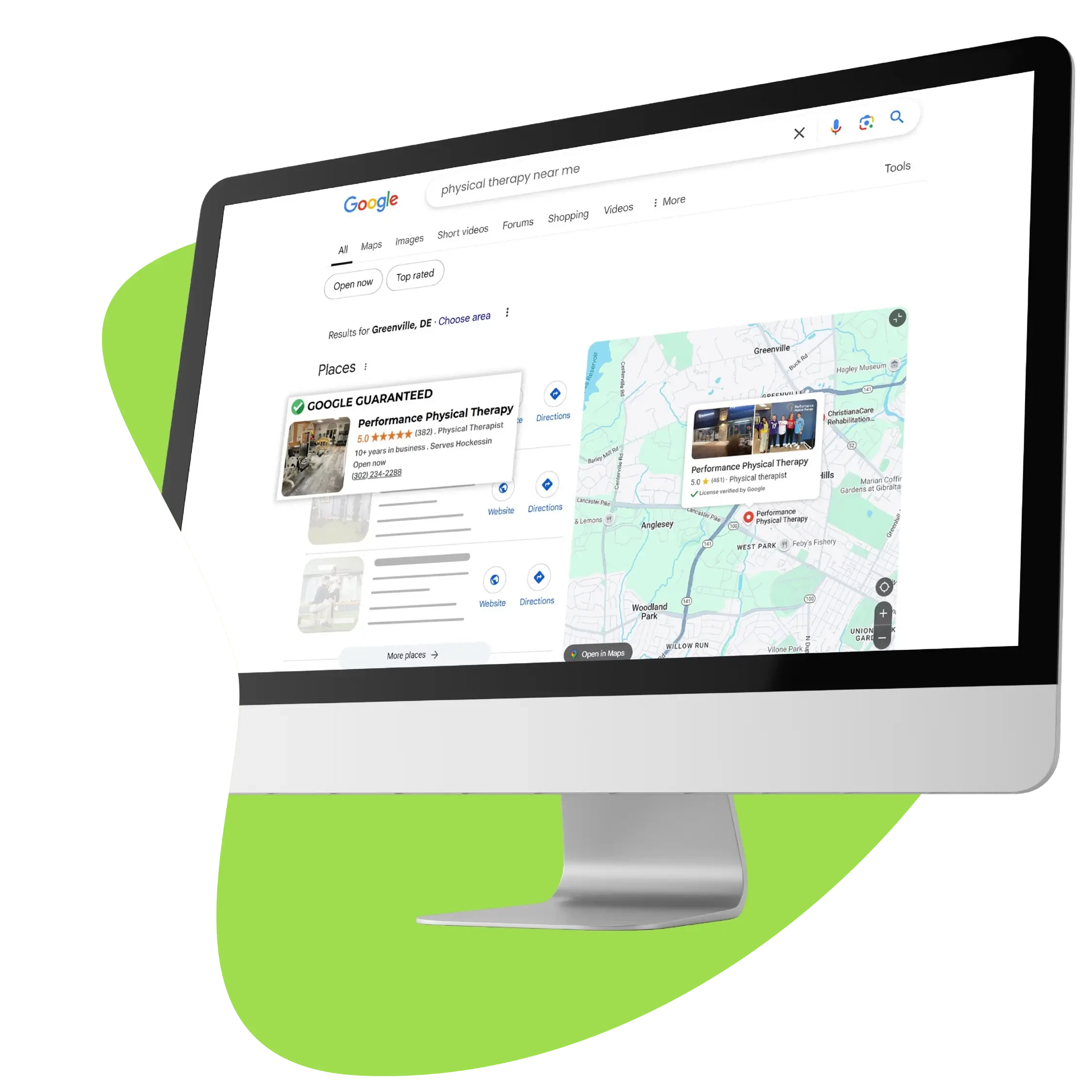

Want to be seen everywhere?
Get a free AI-search audit Today!



4.9/5 Ratings!


Don’t miss our revenue growth tips!
Get expert marketing tips—straight to your inbox, like thousands of happy clients.
Don’t miss our revenue growth tips!
Get expert marketing tips—straight to your inbox, like thousands of happy clients.
Don’t miss our revenue growth tips!
Don’t miss our revenue growth tips!
Get expert marketing tips—straight to your inbox, like thousands of happy clients.
Relevant Blogs on Generative AI SEO
Relevant Blogs on Generative AI SEO
Unlock data-driven insights in AI-powered SEO—explore our featured blogs and skyrocket your revenue before your competitors do.
Unlock data-driven insights in AI-powered SEO—explore our featured blogs and skyrocket your revenue before your competitors do.

GEO
Sep 22, 2026
15 Min Read
AI Search Runs on More SEO Than You Think
GEO
Sep 22, 2026
15 Min Read
AI Search Runs on More SEO Than You Think
GEO
Sep 22, 2026
15 Min Read
AI Search Runs on More SEO Than You Think

GEO
Sep 7, 2026
8 Min Read
How to Optimize Content for AI Search Engines: Best Practices
GEO
Sep 7, 2026
8 Min Read
How to Optimize Content for AI Search Engines: Best Practices
GEO
Sep 7, 2026
8 Min Read
How to Optimize Content for AI Search Engines: Best Practices

GEO
Sep 4, 2026
12 Min Read
How Ecommerce Brands Can Advertise in Google AI Mode?
GEO
Sep 4, 2026
12 Min Read
How Ecommerce Brands Can Advertise in Google AI Mode?
GEO
Sep 4, 2026
12 Min Read
How Ecommerce Brands Can Advertise in Google AI Mode?



















Ready to speak with an expert?
Data-Driven Marketing Agency That Elevates ROI
1100+
Websites Designed & Optimized to Convert
$280M+
Client Revenue Driven & Growing Strong
Discover how to skyrocket
your revenue today!
Trusted by 1000+ Owners!
Ready to speak with an expert?
Data-Driven Marketing Agency That Elevates ROI
1100+
Websites Designed & Optimized to Convert
$280M+
Client Revenue Driven & Growing Strong
Discover how to skyrocket
your revenue today!
Trusted by 1000+ Owners!
Want to skyrocket revenue?
4.9/5 Ratings!
Ready to speak with an expert?
Data-Driven Marketing Agency That Elevates ROI
1100+
Websites Designed & Optimized to Convert
$280M+
Client Revenue Driven & Growing Strong
Discover how to skyrocket
your revenue today!
Trusted by 1000+ Owners!
Call
Meet