Patients Are Trusting AI Review Summaries Almost as Much as Doctor Referrals. Is Your Practice Ready?
Patients Are Trusting AI Review Summaries Almost as Much as Doctor Referrals. Is Your Practice Ready?
Last Updated:
Table of Content
Case Studies








Tanya Singh
Tanya Singh
Tanya Singh
SEO
SEO
SEO
8 Min Read
12 Min
8 Min Read
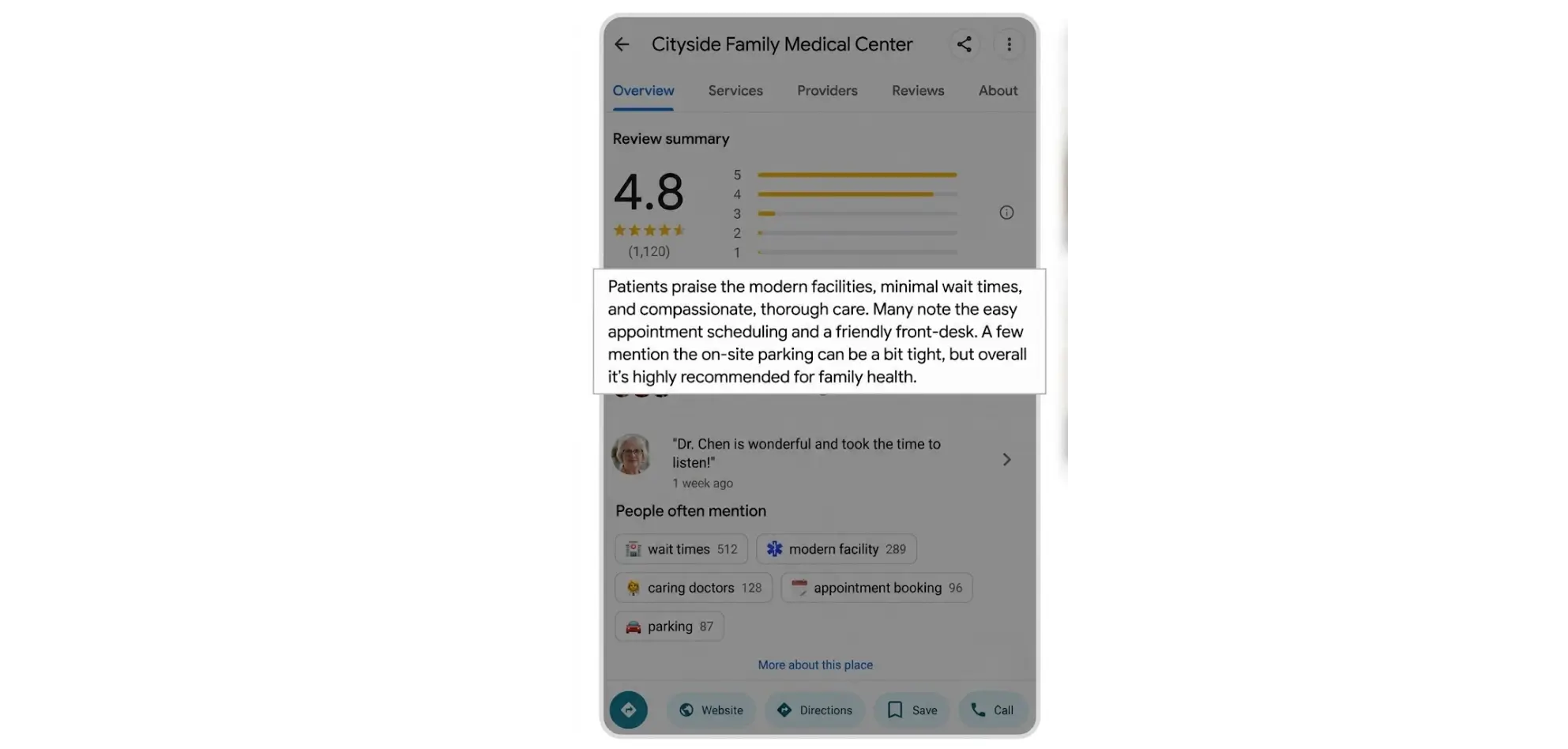
Search for a doctor today and Google rarely hands you a plain list of links anymore. You get a short paragraph at the top, written by AI, telling you who to consider and why. That paragraph pulls from hundreds of patient reviews scattered across the internet, then compresses them into something that reads like a confident recommendation. Patients are leaning on it. In some cases, they are leaning on it almost as hard as they would lean on a referral from their own doctor.
That is a real shift, not a minor one. Let us look at why it is happening and what it means for how your practice needs to show up online.
What Are AI Review Summaries and How Do They Compare to Doctor Referrals?
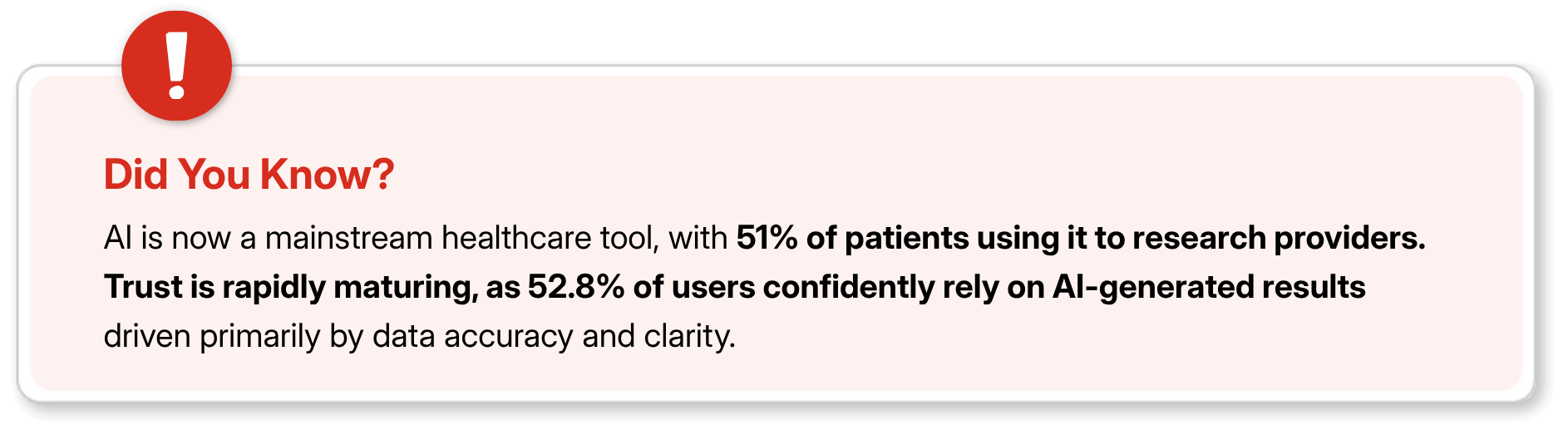
AI Review Summaries are short, generated overviews that condense patient sentiment from multiple review sites into a single verdict a patient can read in seconds instead of scrolling through dozens of individual comments.
How Are They Different From Regular Reviews?
A single review reflects one person's experience, good or bad. A summary claims to represent the pattern across many patients at once. That distinction changes how much weight it carries. One angry review can be dismissed as a bad day. A summary that says "patients frequently mention long wait times" feels harder to argue with, even if it was built from a small, outdated sample.
How Much Do Patients Actually Trust Them?
Patients now trust AI tools nearly as much as they trust a doctor's own recommendation, and in some surveys, slightly more. Among patients who searched for a new doctor recently, AI tools like ChatGPT influenced 36% of decisions, edging out both Google search and traditional doctor referrals. That does not mean AI is replacing referrals outright. It means AI has earned a seat at the same table as the people patients used to rely on exclusively.
AI Review Summary or Doctor Referral: How Do They Actually Compare?
Neither one is strictly better. They serve different needs, and most patients now use both without thinking of it as a competition.
Factor | AI Review Summary | Doctor Referral |
|---|---|---|
Availability | Risk of error | Requires an appointment or conversation |
Perceived bias | Feels neutral, based on many voices | Can feel shaped by professional relationships |
Clinical depth | Limited to reported sentiment | Backed by actual medical judgment |
Update frequency | Refreshes as new reviews appear | Static until the referrer says otherwise |
Risk of error | Can overgeneralize from thin or old data | Low, but limited to one person's network |
The takeaway is simple. Patients are not choosing one source over the other. They are stacking sources, and AI has quietly become one of them.
Why Are Patients Leaning on AI Instead of Waiting for a Referral?
Patients turn to AI because it removes the wait. A referral requires picking up the phone or sitting through an appointment. An AI summary is available at midnight, answers instantly, and reads like it speaks for hundreds of patients rather than one connected physician.
The Zero Click Decision Problem
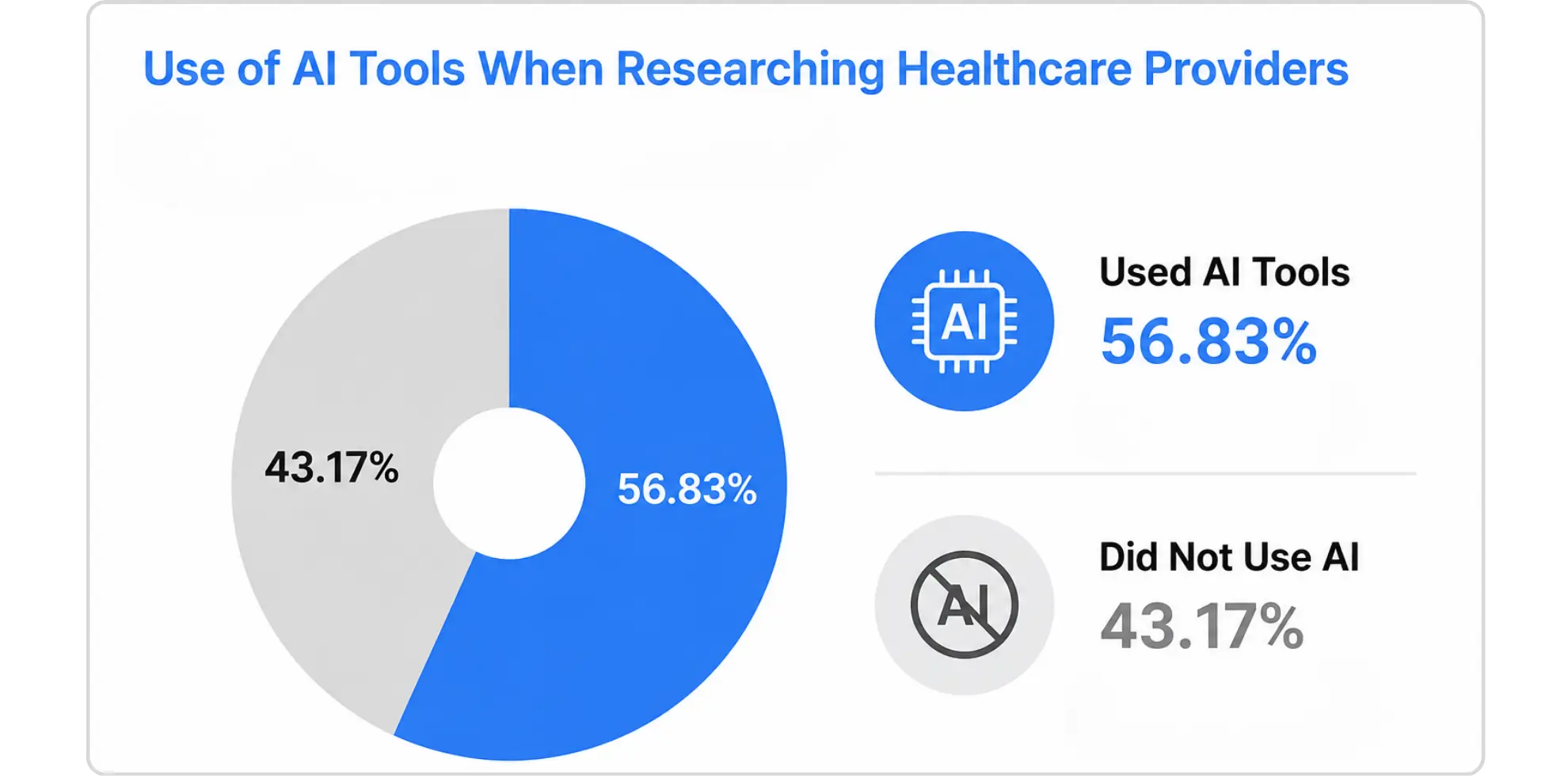
Here is the part that should concern practices most. Many patients now read the AI summary and stop there. They never click through to a website, never scroll to the actual reviews, never compare sources. Whatever the AI said about you becomes the decision, full stop. That means you can lose a patient who never even visited your site, simply because the summary they read did not reflect your practice fairly.
What Happens When AI Gets It Wrong?
When AI tools cannot find enough recent, detailed information about a practice, they fill the gaps with whatever they can find, even if it is old, thin, or barely relevant.
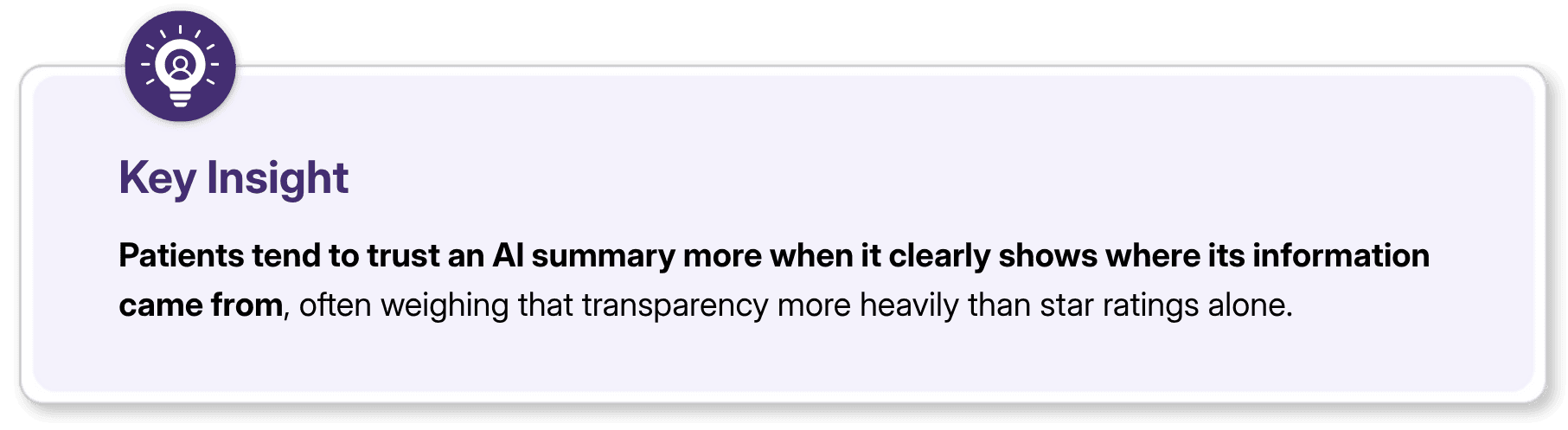
An AI model cannot tell the difference between a one time billing mix up and a genuine pattern of poor care. It just summarizes what it finds. A sparse online presence gets filled with noise instead of an accurate picture of your practice.
How Can Healthcare Reputation Management Keep Your AI Summary Accurate?
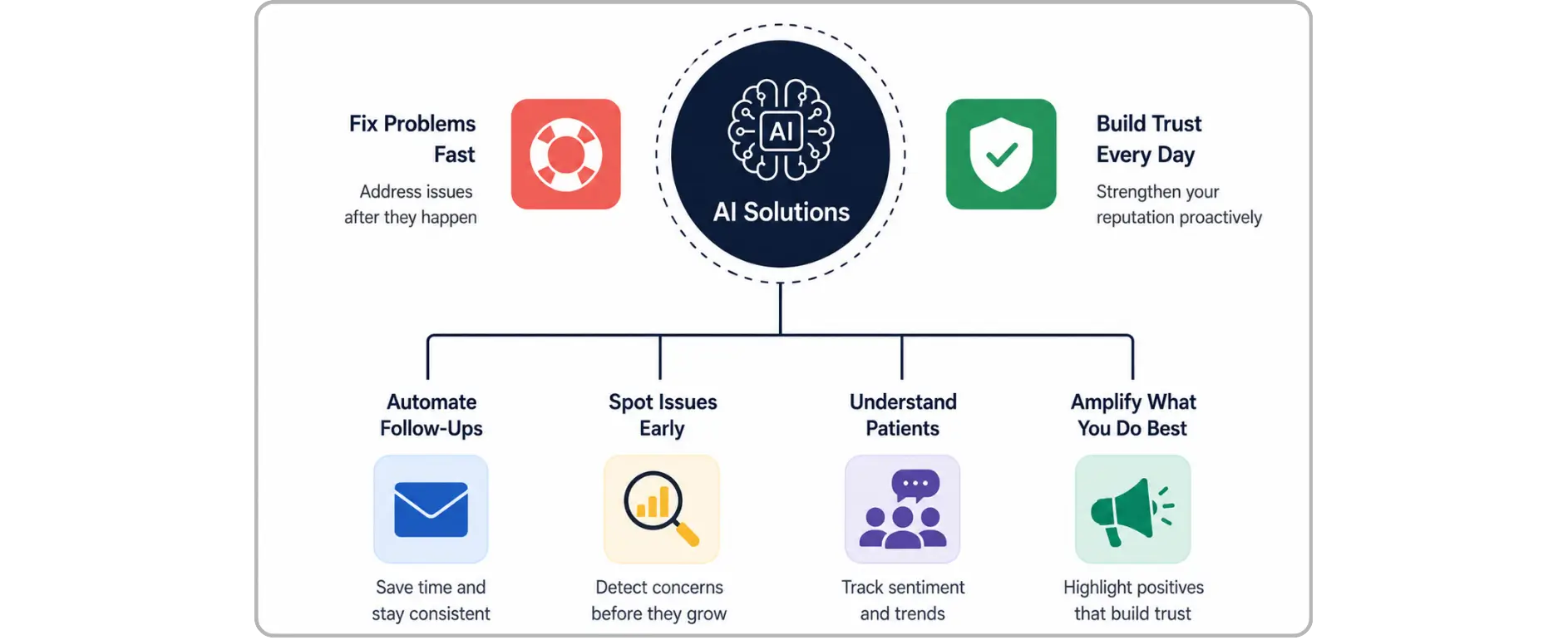
Healthcare reputation management is what feeds AI tools the raw material they summarize, so keeping it active is the most direct way to influence what patients actually read about you.
Daily Habits That Shape What AI Says About You:
Respond to every review, positive or negative, without confirming a patient relationship or discussing treatment details.
Ask happy patients for a review within a day or two of their visit, since fresh feedback carries more weight than a stack of old five star ratings.
Fix any mismatched name, address, or phone number across your website, Google profile, and every directory.
Check what AI tools are actually saying about your practice, not just what shows up in a normal search.
Treat every new review as new data that shapes the next summary a patient reads.
None of this is glamorous work. It is consistent work, and consistency is exactly what AI models reward.
What Is AI Search Optimization for Healthcare and Healthcare GEO?
AI Search Optimization for Healthcare Explained
AI search optimization for healthcare means structuring your online presence so AI tools can accurately find, understand, and summarize your practice. It is not a separate marketing channel sitting apart from everything else. It is the natural extension of good reputation management, applied to a newer kind of search result that patients now trust heavily.
How Is Healthcare GEO Different From Traditional SEO?
Healthcare GEO, or generative engine optimization for healthcare, is the practice of shaping your content so AI tools cite you accurately, even when a patient never clicks through to your website at all. Traditional SEO chases rankings and clicks. GEO focuses on something narrower but arguably more important now, being the source an AI model trusts enough to quote directly in its answer.
The two build on each other rather than compete. Strong SEO fundamentals still matter. GEO simply adds a layer focused on how that content gets pulled into a generated summary.

How Should You Optimize Your Google Business Profile for AI Overviews?
Why GBP Is the Backbone of AI Review Summaries?
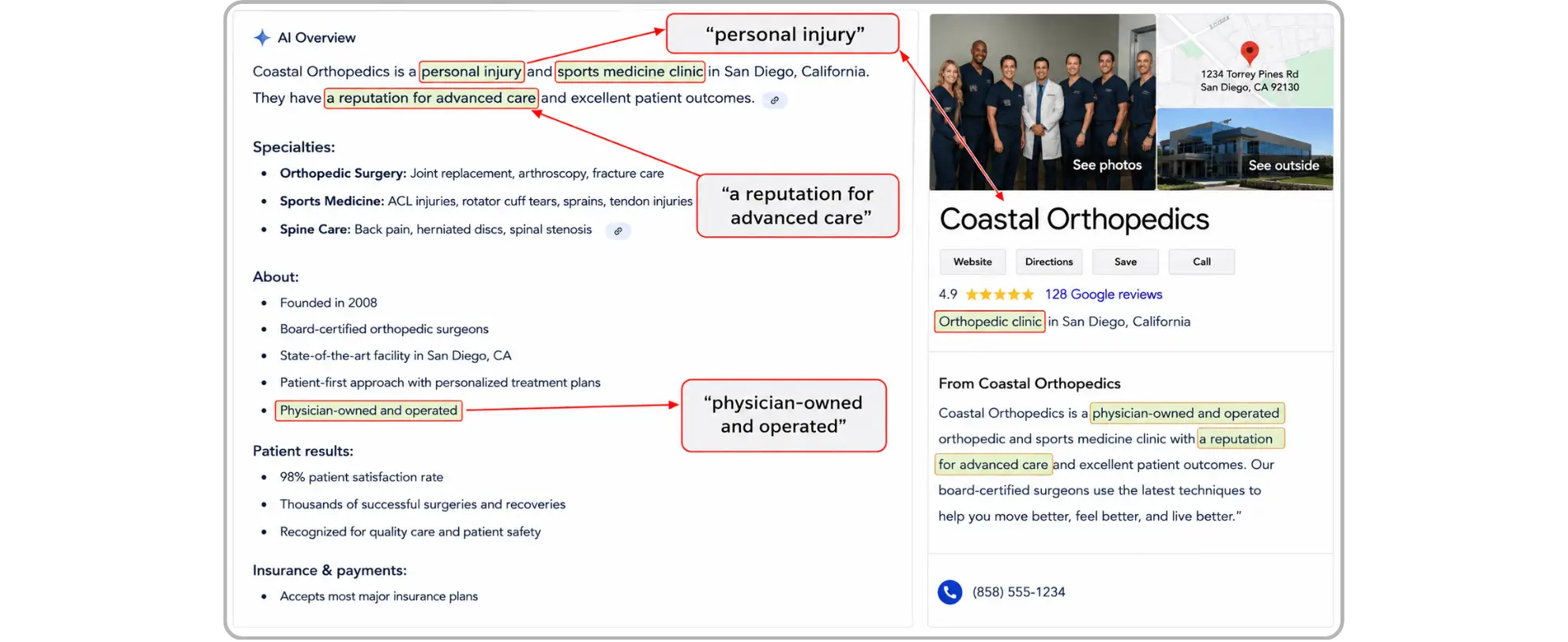
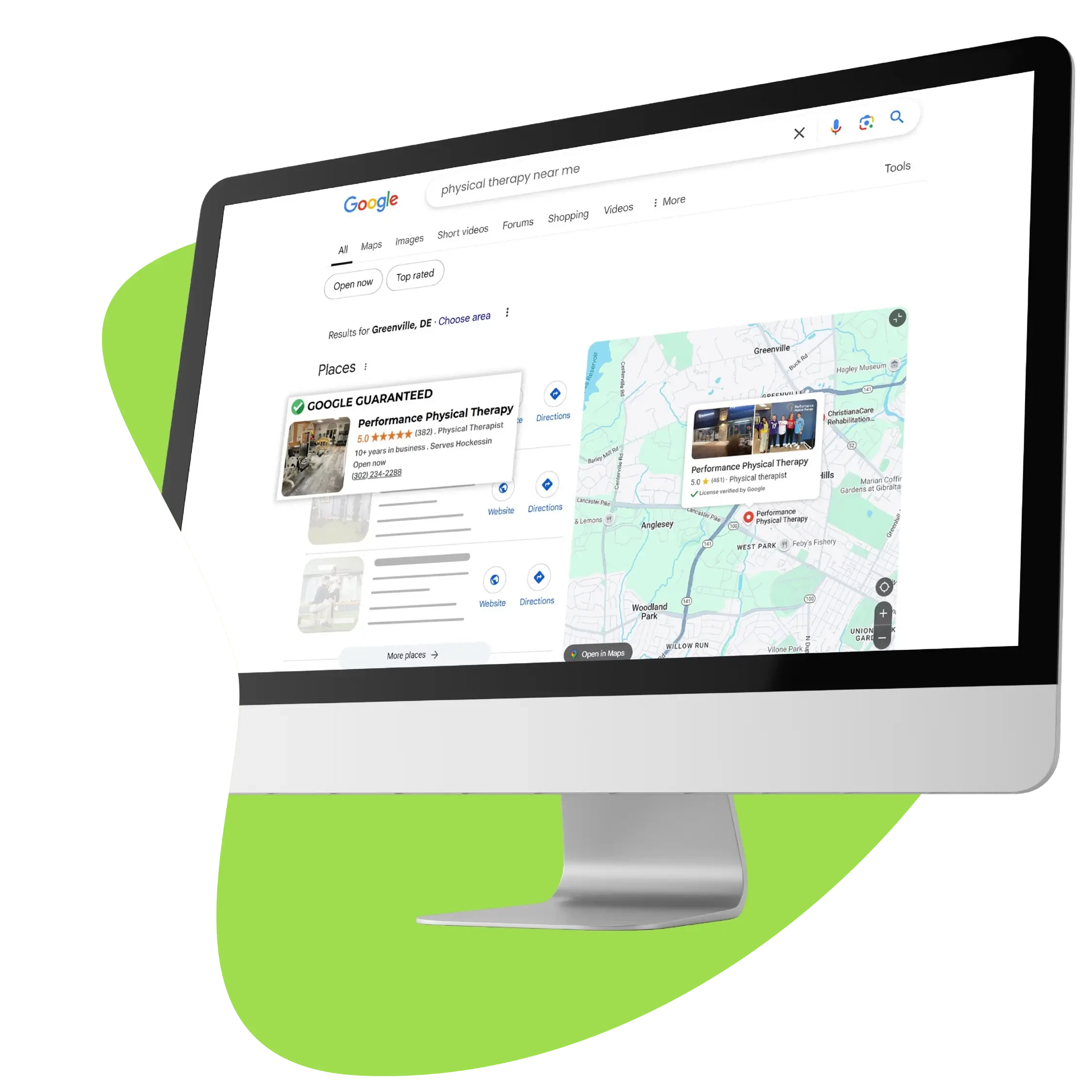
Your Google Business Profile is one of the single biggest data sources AI Overviews and other generative tools pull from when building a summary about your practice.
It is where your reviews live, where your hours and services are listed, and often where AI checks first for something to quote. If it is incomplete or outdated, the AI has less accurate material to work with, and it will fill the gaps on its own.
Practical Steps to Make Your GBP AI Ready:
Fill out every field completely, including services, specialties, insurance accepted, and accessibility details.
Use specific, accurate categories rather than generic ones, so AI can match your profile to the exact question a patient asked.
Add fresh photos regularly and respond to every review, since consistent activity signals an actively managed listing.
Use the Q&A section and Google Posts to answer real patient questions in plain language, since this content often gets pulled directly into AI summaries.
Keep your name, address, and phone number identical across your GBP, your website, and every directory you appear on.
A neglected profile does not just hurt your visibility in a normal search. It becomes the weakest link an AI tool relies on when deciding what to say about you.
How Can Tools Like RankRabbit Help Practices Stay Visible?
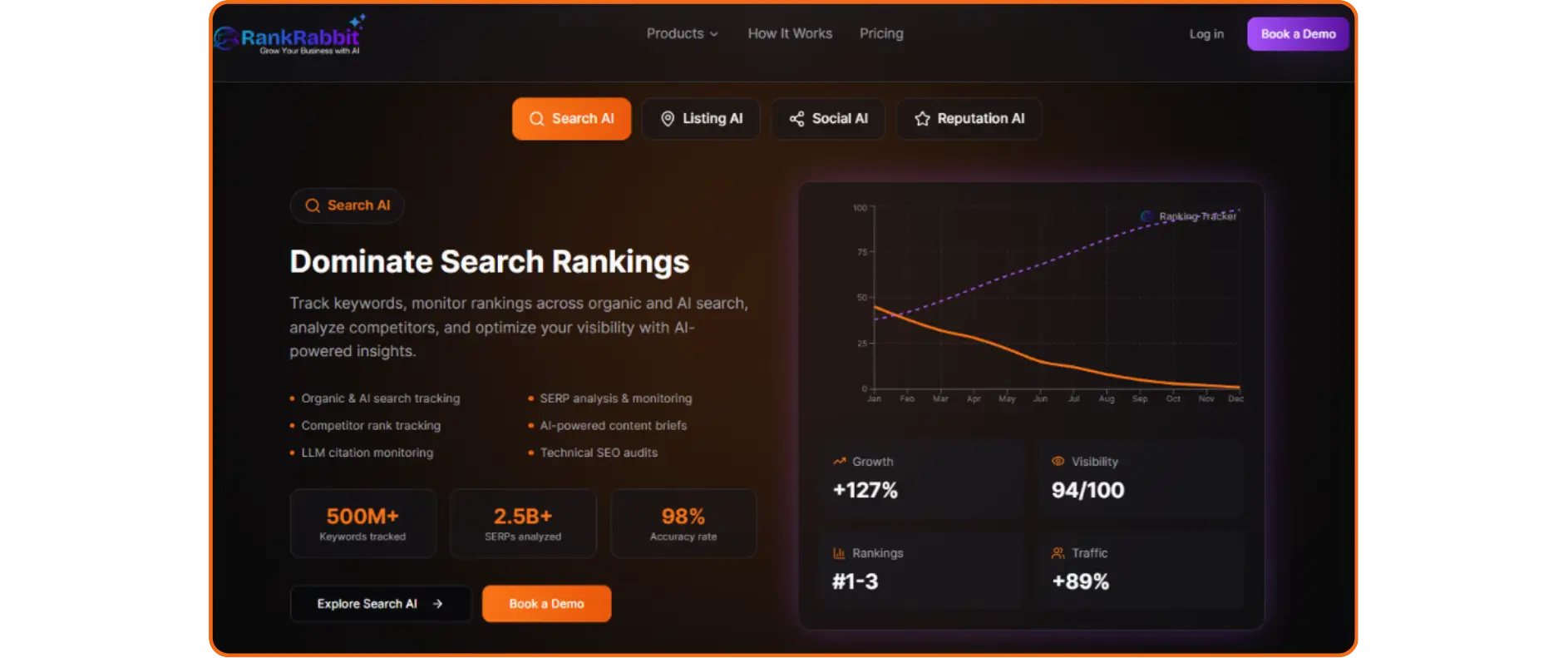
Managing all of this manually across several locations gets difficult fast, which is why AI visibility platforms have started to emerge. RankRabbit is one option, built specifically to help practices with multiple locations get discovered and build trust in the exact places AI tools pull information from, while keeping listings and social presence aligned across every location from a single place.
For a growing practice, that kind of consistency is often what separates an accurate AI summary from a stale or misleading one.
Is Your Practice Ready? A Quick Self Check
Run through these before assuming your online presence is in good shape:
Have you actually searched your own practice name in an AI tool and read what it says
Are your reviews recent, or is your newest one several months old
Do your name, address, and phone number match everywhere online
Is your Google Business Profile fully filled out and actively updated
Would the AI summary you found sound like something you would want a colleague to say about you
If more than one answer gave you pause, an AI tool is likely summarizing your practice using information you have not looked at in a while.
Final Thoughts
AI Review Summaries are not replacing doctor referrals, but they are standing close enough to them now that patients are treating both as trusted sources in the very same decision. Practices that keep their data consistent, actively manage their reputation, and build their profiles for AI will be the ones summarized accurately and recommended by default. The ones that do not will simply get summarized by whatever data happens to be lying around, accurate or not.
Show up accurately, or let an algorithm write your reputation for you.
FAQs
Can you trust AI generated review summaries?

To a point. They reflect real patient sentiment, but they can also amplify one outdated or angry review if that is what shows up most in the data. Treat them as a useful starting signal, not the full picture.
What is Healthcare GEO?
Healthcare GEO, short for generative engine optimization, is the practice of structuring your online presence so AI tools like ChatGPT and Google AI Overviews can find, understand, and accurately cite your practice.
How do I get my practice to show up in Google AI Overviews?
Keep your Google Business Profile complete and current, stay consistent with your name, address, and phone number everywhere online, and keep fresh, detailed reviews coming in, since AI Overviews lean heavily on all three.
How do I remove a bad AI review summary about my practice?
There is no direct way to edit it. You influence it indirectly, by responding to the reviews driving it, correcting outdated listings, and generating newer reviews that give AI a more accurate, more recent picture to summarize from.
How do I get more patients to leave reviews?
Ask right after a good visit, when satisfaction is highest, and ask by text or email rather than relying on a sign in the waiting room. Most patients are willing, they just need the prompt.
Search for a doctor today and Google rarely hands you a plain list of links anymore. You get a short paragraph at the top, written by AI, telling you who to consider and why. That paragraph pulls from hundreds of patient reviews scattered across the internet, then compresses them into something that reads like a confident recommendation. Patients are leaning on it. In some cases, they are leaning on it almost as hard as they would lean on a referral from their own doctor.
That is a real shift, not a minor one. Let us look at why it is happening and what it means for how your practice needs to show up online.
What Are AI Review Summaries and How Do They Compare to Doctor Referrals?
AI Review Summaries are short, generated overviews that condense patient sentiment from multiple review sites into a single verdict a patient can read in seconds instead of scrolling through dozens of individual comments.
How Are They Different From Regular Reviews?
A single review reflects one person's experience, good or bad. A summary claims to represent the pattern across many patients at once. That distinction changes how much weight it carries. One angry review can be dismissed as a bad day. A summary that says "patients frequently mention long wait times" feels harder to argue with, even if it was built from a small, outdated sample.
How Much Do Patients Actually Trust Them?
Patients now trust AI tools nearly as much as they trust a doctor's own recommendation, and in some surveys, slightly more. Among patients who searched for a new doctor recently, AI tools like ChatGPT influenced 36% of decisions, edging out both Google search and traditional doctor referrals. That does not mean AI is replacing referrals outright. It means AI has earned a seat at the same table as the people patients used to rely on exclusively.
AI Review Summary or Doctor Referral: How Do They Actually Compare?
Neither one is strictly better. They serve different needs, and most patients now use both without thinking of it as a competition.
Factor | AI Review Summary | Doctor Referral |
|---|---|---|
Availability | Risk of error | Requires an appointment or conversation |
Perceived bias | Feels neutral, based on many voices | Can feel shaped by professional relationships |
Clinical depth | Limited to reported sentiment | Backed by actual medical judgment |
Update frequency | Refreshes as new reviews appear | Static until the referrer says otherwise |
Risk of error | Can overgeneralize from thin or old data | Low, but limited to one person's network |
The takeaway is simple. Patients are not choosing one source over the other. They are stacking sources, and AI has quietly become one of them.
Why Are Patients Leaning on AI Instead of Waiting for a Referral?
Patients turn to AI because it removes the wait. A referral requires picking up the phone or sitting through an appointment. An AI summary is available at midnight, answers instantly, and reads like it speaks for hundreds of patients rather than one connected physician.
The Zero Click Decision Problem
Here is the part that should concern practices most. Many patients now read the AI summary and stop there. They never click through to a website, never scroll to the actual reviews, never compare sources. Whatever the AI said about you becomes the decision, full stop. That means you can lose a patient who never even visited your site, simply because the summary they read did not reflect your practice fairly.
What Happens When AI Gets It Wrong?
When AI tools cannot find enough recent, detailed information about a practice, they fill the gaps with whatever they can find, even if it is old, thin, or barely relevant.
An AI model cannot tell the difference between a one time billing mix up and a genuine pattern of poor care. It just summarizes what it finds. A sparse online presence gets filled with noise instead of an accurate picture of your practice.
How Can Healthcare Reputation Management Keep Your AI Summary Accurate?
Healthcare reputation management is what feeds AI tools the raw material they summarize, so keeping it active is the most direct way to influence what patients actually read about you.
Daily Habits That Shape What AI Says About You:
Respond to every review, positive or negative, without confirming a patient relationship or discussing treatment details.
Ask happy patients for a review within a day or two of their visit, since fresh feedback carries more weight than a stack of old five star ratings.
Fix any mismatched name, address, or phone number across your website, Google profile, and every directory.
Check what AI tools are actually saying about your practice, not just what shows up in a normal search.
Treat every new review as new data that shapes the next summary a patient reads.
None of this is glamorous work. It is consistent work, and consistency is exactly what AI models reward.
What Is AI Search Optimization for Healthcare and Healthcare GEO?
AI Search Optimization for Healthcare Explained
AI search optimization for healthcare means structuring your online presence so AI tools can accurately find, understand, and summarize your practice. It is not a separate marketing channel sitting apart from everything else. It is the natural extension of good reputation management, applied to a newer kind of search result that patients now trust heavily.
How Is Healthcare GEO Different From Traditional SEO?
Healthcare GEO, or generative engine optimization for healthcare, is the practice of shaping your content so AI tools cite you accurately, even when a patient never clicks through to your website at all. Traditional SEO chases rankings and clicks. GEO focuses on something narrower but arguably more important now, being the source an AI model trusts enough to quote directly in its answer.
The two build on each other rather than compete. Strong SEO fundamentals still matter. GEO simply adds a layer focused on how that content gets pulled into a generated summary.
How Should You Optimize Your Google Business Profile for AI Overviews?
Why GBP Is the Backbone of AI Review Summaries?
Your Google Business Profile is one of the single biggest data sources AI Overviews and other generative tools pull from when building a summary about your practice.
It is where your reviews live, where your hours and services are listed, and often where AI checks first for something to quote. If it is incomplete or outdated, the AI has less accurate material to work with, and it will fill the gaps on its own.
Practical Steps to Make Your GBP AI Ready:
Fill out every field completely, including services, specialties, insurance accepted, and accessibility details.
Use specific, accurate categories rather than generic ones, so AI can match your profile to the exact question a patient asked.
Add fresh photos regularly and respond to every review, since consistent activity signals an actively managed listing.
Use the Q&A section and Google Posts to answer real patient questions in plain language, since this content often gets pulled directly into AI summaries.
Keep your name, address, and phone number identical across your GBP, your website, and every directory you appear on.
A neglected profile does not just hurt your visibility in a normal search. It becomes the weakest link an AI tool relies on when deciding what to say about you.
How Can Tools Like RankRabbit Help Practices Stay Visible?
Managing all of this manually across several locations gets difficult fast, which is why AI visibility platforms have started to emerge. RankRabbit is one option, built specifically to help practices with multiple locations get discovered and build trust in the exact places AI tools pull information from, while keeping listings and social presence aligned across every location from a single place.
For a growing practice, that kind of consistency is often what separates an accurate AI summary from a stale or misleading one.
Is Your Practice Ready? A Quick Self Check
Run through these before assuming your online presence is in good shape:
Have you actually searched your own practice name in an AI tool and read what it says
Are your reviews recent, or is your newest one several months old
Do your name, address, and phone number match everywhere online
Is your Google Business Profile fully filled out and actively updated
Would the AI summary you found sound like something you would want a colleague to say about you
If more than one answer gave you pause, an AI tool is likely summarizing your practice using information you have not looked at in a while.
Final Thoughts
AI Review Summaries are not replacing doctor referrals, but they are standing close enough to them now that patients are treating both as trusted sources in the very same decision. Practices that keep their data consistent, actively manage their reputation, and build their profiles for AI will be the ones summarized accurately and recommended by default. The ones that do not will simply get summarized by whatever data happens to be lying around, accurate or not.
Show up accurately, or let an algorithm write your reputation for you.
FAQs
Can you trust AI generated review summaries?
To a point. They reflect real patient sentiment, but they can also amplify one outdated or angry review if that is what shows up most in the data. Treat them as a useful starting signal, not the full picture.
What is Healthcare GEO?
Healthcare GEO, short for generative engine optimization, is the practice of structuring your online presence so AI tools like ChatGPT and Google AI Overviews can find, understand, and accurately cite your practice.
How do I get my practice to show up in Google AI Overviews?
Keep your Google Business Profile complete and current, stay consistent with your name, address, and phone number everywhere online, and keep fresh, detailed reviews coming in, since AI Overviews lean heavily on all three.
How do I remove a bad AI review summary about my practice?
There is no direct way to edit it. You influence it indirectly, by responding to the reviews driving it, correcting outdated listings, and generating newer reviews that give AI a more accurate, more recent picture to summarize from.
How do I get more patients to leave reviews?
Ask right after a good visit, when satisfaction is highest, and ask by text or email rather than relying on a sign in the waiting room. Most patients are willing, they just need the prompt.



Summarize with AI



Want to Skyrocket Revenue? Get a Free Audit Today!
Want to Skyrocket Revenue? Get a Free Audit Today!



4.9/5 Ratings!


Don’t miss our revenue growth tips!
Get expert marketing tips—straight to your inbox, like thousands of happy clients.
Don’t miss our revenue growth tips!
Get expert marketing tips—straight to your inbox, like thousands of happy clients.
Don’t miss our revenue growth tips!
Don’t miss our revenue growth tips!
Get expert marketing tips—straight to your inbox, like thousands of happy clients.
Relevant Blogs on Organic SEO
Relevant Blogs on Organic SEO
Unlock data-driven insights in Organic SEO—explore our featured blogs and skyrocket your revenue before your competitors do.
Unlock data-driven insights in Organic SEO—explore our featured blogs and skyrocket your revenue before your competitors do.

SEO
Sep 21, 2026
5 Min Read
Audience-First SEO: How to Rank by Putting Readers First
SEO
Sep 21, 2026
5 Min Read
Audience-First SEO: How to Rank by Putting Readers First
SEO
Sep 21, 2026
5 Min Read
Audience-First SEO: How to Rank by Putting Readers First

SEO
Sep 19, 2026
5 Min Read
How to Add SEO Keywords to Your Website: Where and How
SEO
Sep 19, 2026
5 Min Read
How to Add SEO Keywords to Your Website: Where and How
SEO
Sep 19, 2026
5 Min Read
How to Add SEO Keywords to Your Website: Where and How

SEO
Sep 18, 2026
5 Min Read
How XML Sitemaps Help Search Engines Discover New Pages
SEO
Sep 18, 2026
5 Min Read
How XML Sitemaps Help Search Engines Discover New Pages
SEO
Sep 18, 2026
5 Min Read
How XML Sitemaps Help Search Engines Discover New Pages



































Ready to speak with an expert?
Data-Driven Marketing Agency That Elevates ROI
1100+
Websites Designed & Optimized to Convert
$280M+
Client Revenue Driven & Growing Strong
Discover how to skyrocket
your revenue today!
Trusted by 1000+ Owners!
Ready to speak with an expert?
Data-Driven Marketing Agency That Elevates ROI
1100+
Websites Designed & Optimized to Convert
$280M+
Client Revenue Driven & Growing Strong
Discover how to skyrocket
your revenue today!
Trusted by 1000+ Owners!
Want to skyrocket revenue?
4.9/5 Ratings!
Ready to speak with an expert?
Data-Driven Marketing Agency That Elevates ROI
1100+
Websites Designed & Optimized to Convert
$280M+
Client Revenue Driven & Growing Strong
Discover how to skyrocket
your revenue today!
Trusted by 1000+ Owners!
Call
Meet