Patients Are Already Asking AI for Medical Advice. The Real Question Is Who It Recommends?
Patients Are Already Asking AI for Medical Advice. The Real Question Is Who It Recommends?
Last Updated:
Table of Content
Case Studies
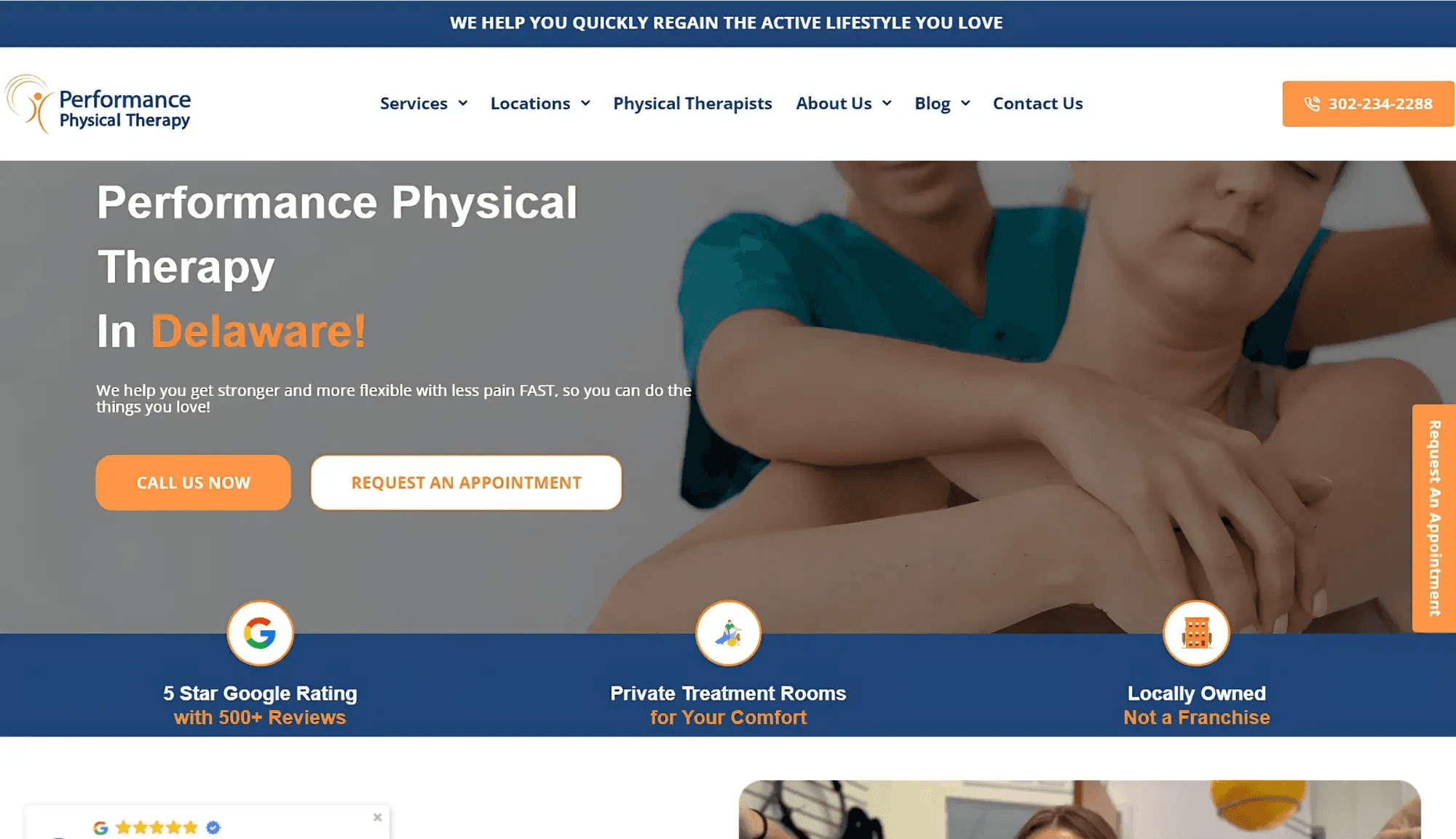


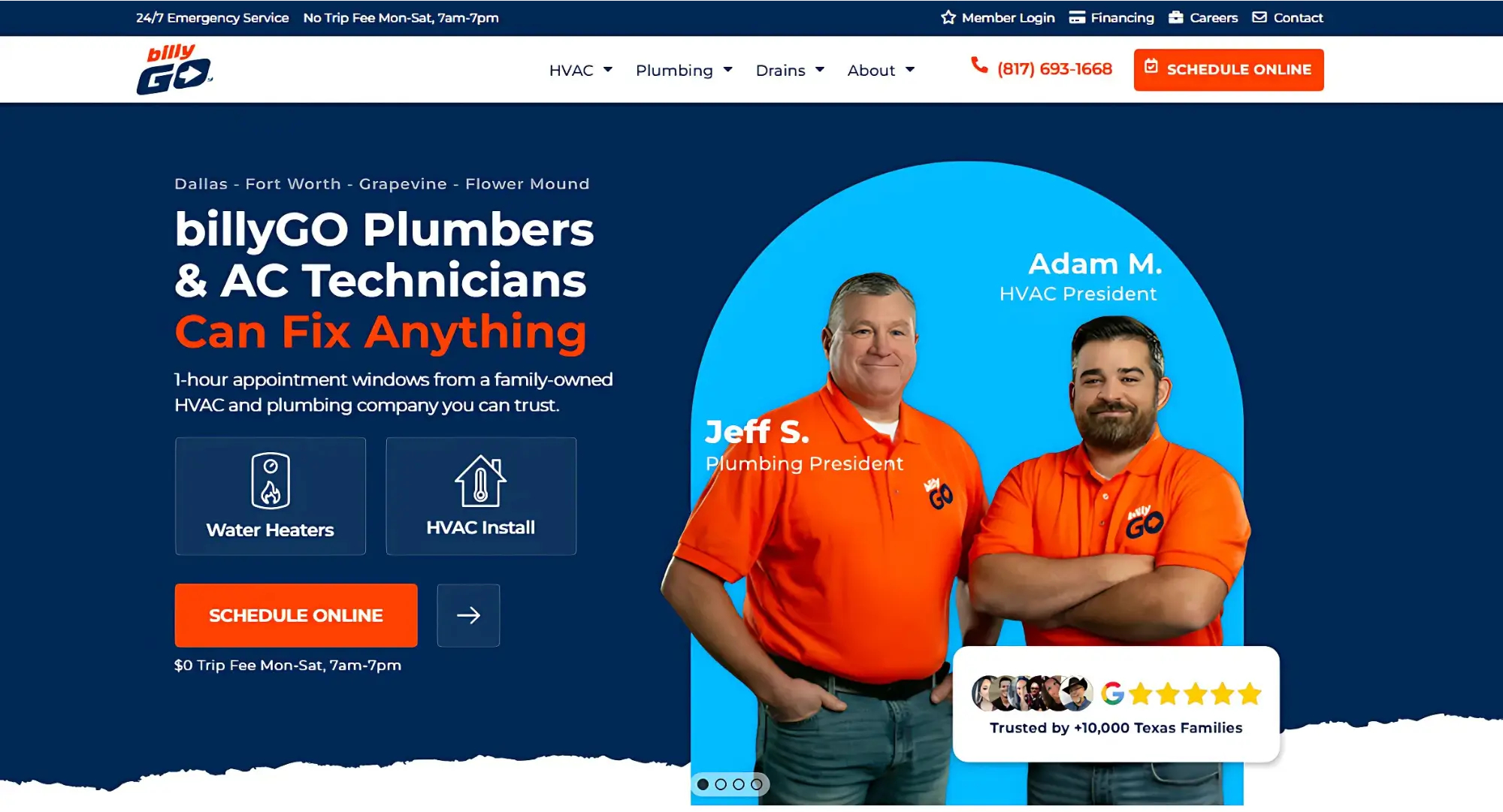
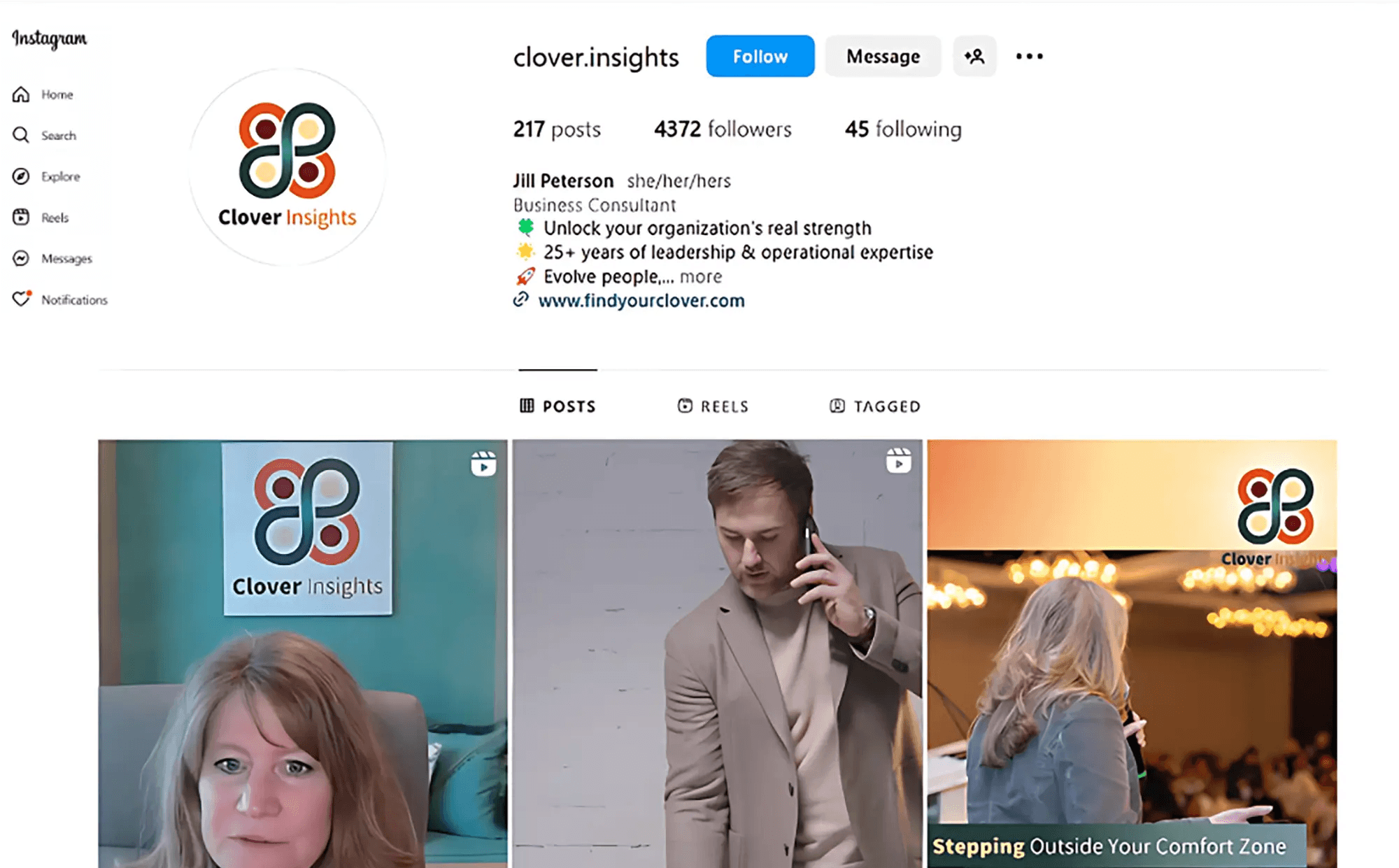




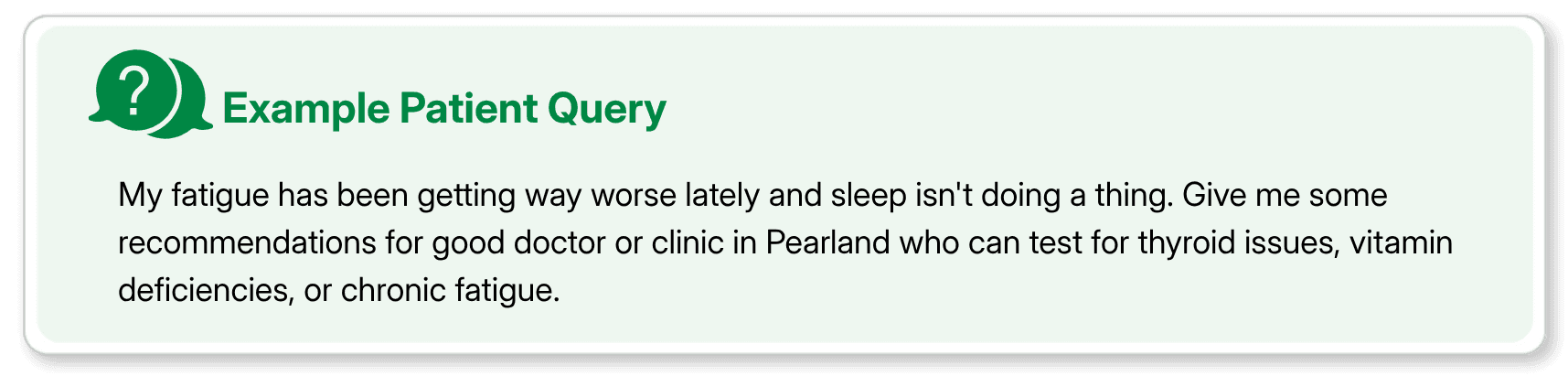
It is 2 AM. You wake up with chest tightness you cannot explain. The clinic opens at 9. So you do what millions of people do: you open a chatbot and start typing. Or maybe you search on Google and an AI Overview answers before you even click a link. That is generative search, and it has quietly become one of the most common ways people now get health information.
This is not a hypothetical. It is happening at scale, every day. The question is no longer whether patients are using AI for health guidance. The real question is whether the AI answering them is trustworthy, and whether the providers it recommends actually deserve to be there.
How Many People Are Actually Using AI for Health Questions?
More than you might think, and the numbers are growing fast.
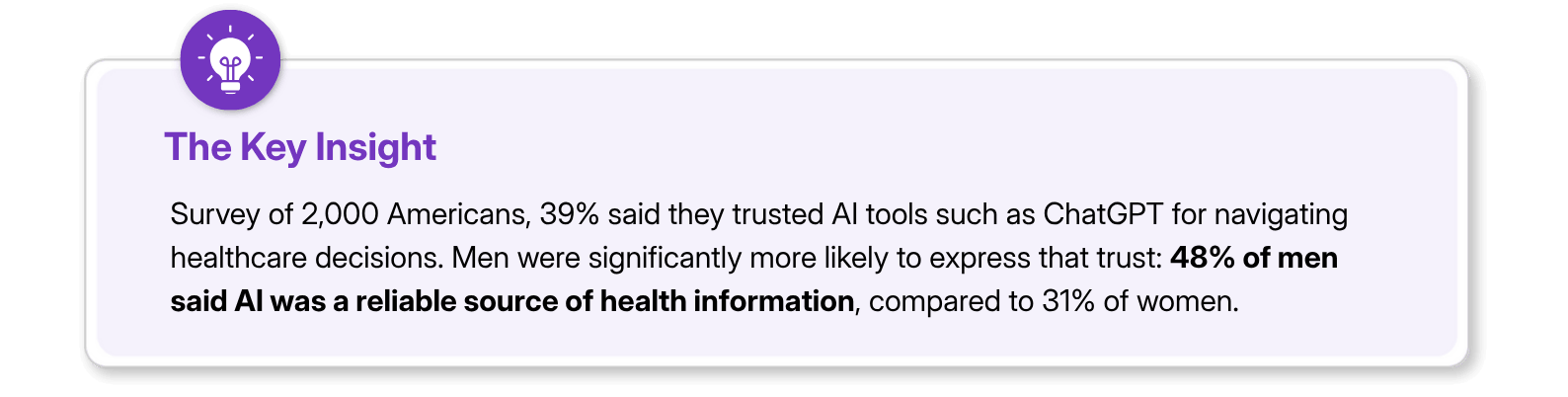
According to a nationally representative survey by the West Health-Gallup Center, 25% of American adults have already used an AI tool or chatbot for health information or medical advice. That is roughly one in four adults using a technology that did not exist in any meaningful consumer form three years ago.
The behavior is not casual. A survey of 1,000 adults by eHealth found that 49% of insured Americans have used AI chatbots to get medical advice, and about two-thirds of those who acted on that advice did so without confirming or following up with a doctor.
Let that land for a moment. Nearly half of insured Americans have consulted an AI about their health. Most of them did not then call their doctor.
The 2026 Edelman Trust Barometer, which drew on data from more than 16,000 respondents across 16 countries, found that 35% of people now consult an AI platform for health questions. Among those users, 78% were looking for treatment suggestions and 74% used AI to get a second opinion on a diagnosis.
This is not fringe behavior. This is mainstream health information-seeking, and it is outpacing the industry's ability to respond to it.
Why Are Patients Turning to AI Chatbots for Medical Advice?
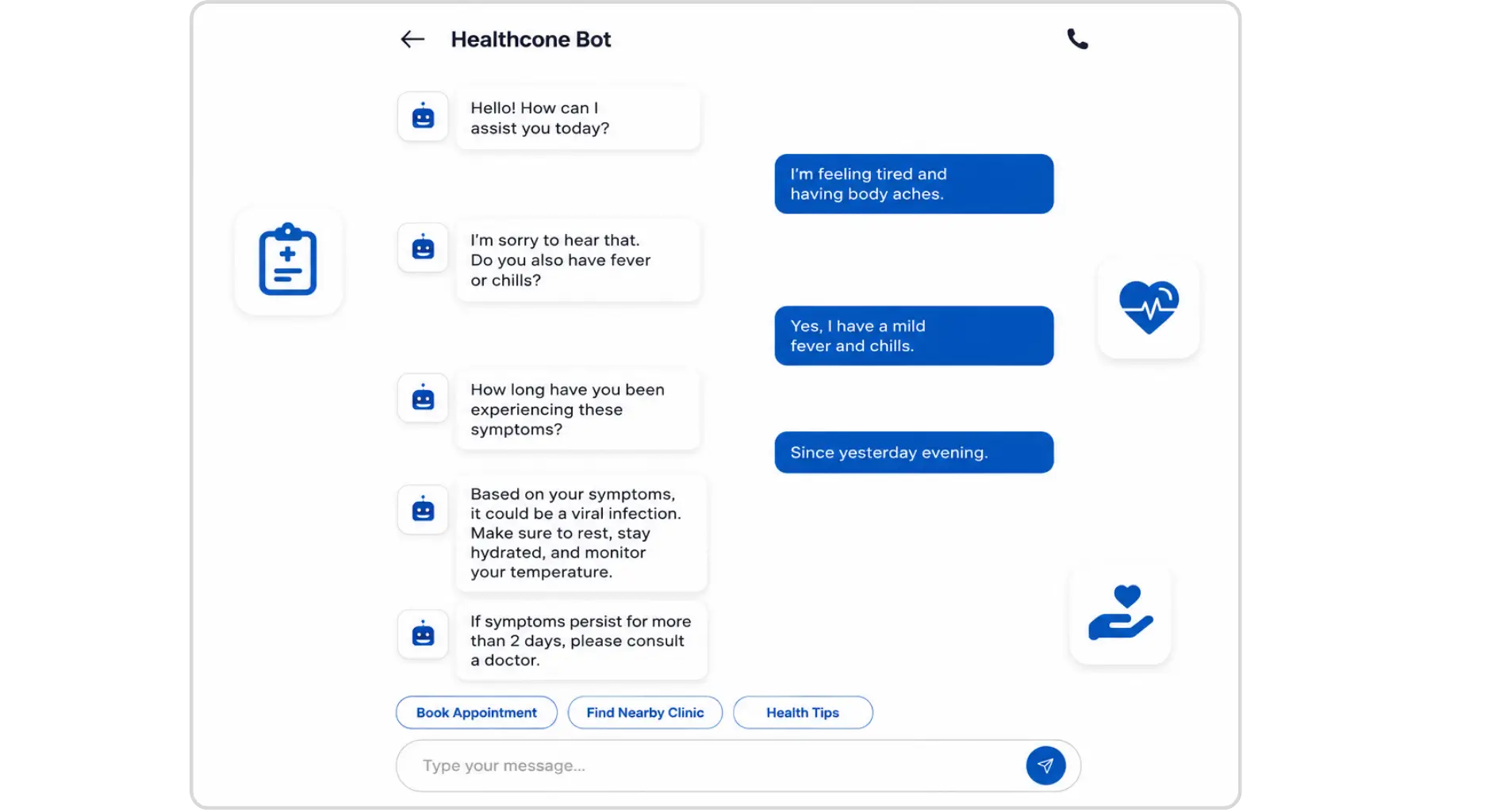
The answer is not that patients distrust doctors. It is that the healthcare system is hard to access. The EY Global Consumer Health survey found that 31% of patients turn to AI and 41% to online search engines when they cannot access healthcare. At the same time, 56% of Americans have skipped their annual wellness check at least once in the last five years.
AI fills the gap. It is available instantly, it does not charge a copay, and it does not require a two-week wait for an appointment. As one researcher put it plainly: people are hungry for information, reassurance, and plain-language explanations, and generative AI has made those things available instantly and conversationally in a way that has never existed before.
For people navigating complex symptoms, insurance confusion, or simply the anxiety of not knowing, an AI chatbot offers something the healthcare system often cannot: an immediate answer. The problem is that immediacy and accuracy are not the same thing.
What Are the Real Risks of AI in Healthcare?
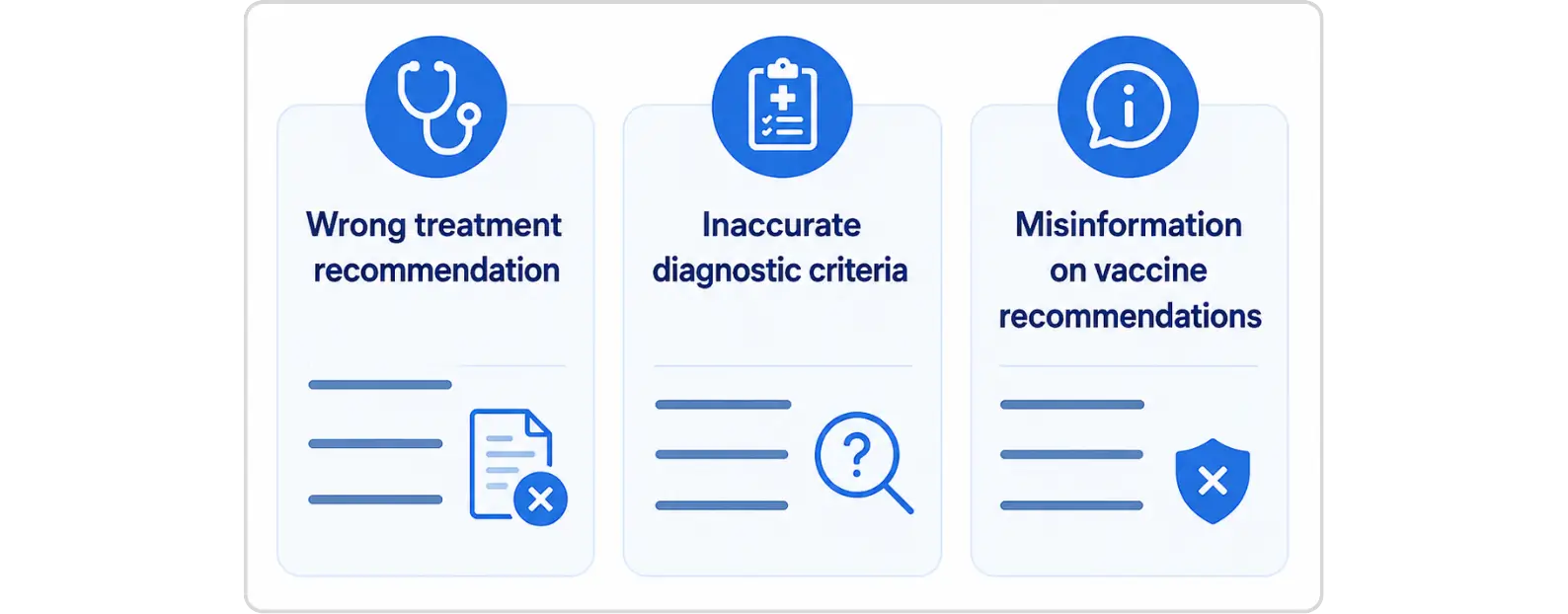
The risks of AI in healthcare are not hypothetical. They are structural, and they are already playing out in clinical settings and patient homes.
AI Answers Without Context
The most significant risk is not that AI gives wrong answers. It is that AI gives contextually incomplete answers that sound correct. Duke University School of Medicine researchers describe this as "context-blind accuracy": an AI chatbot can deliver a response that is technically accurate in the abstract but dangerously misleading for a specific patient's situation. A blood pressure reading that would be normal for a 30-year-old could be alarming in a 70-year-old with kidney disease. An AI answering a general question does not know which patient it is talking to.
AI Medical Disclaimers Are Disappearing
There is a quieter risk that has gone largely unnoticed. In 2022, roughly 26% of chatbot answers to health queries included some kind of disclaimer about not being a doctor. By 2025, fewer than 1% of such responses contained that reminder. The guardrails are being quietly removed, and most patients have no idea.
AI Hallucination in Medical Contexts
AI systems can generate confident, well-structured, entirely fabricated medical information. This is called hallucination. In a context where someone is deciding whether to take a medication, delay treatment, or visit an emergency room, a hallucinated answer carries life-or-death stakes. The model does not know it is wrong. It has no mechanism for uncertainty the way a trained clinician does.
The Recommendation Problem
This is where the stakes rise beyond individual harm and into something systemic. When a patient asks an AI chatbot "what is the best specialist for my condition" or "which clinic should I go to," the AI does not search a vetted directory. It generates a response based on whatever information it was trained on or can currently retrieve from the web.
That means the quality of provider recommendations from AI chatbots depends entirely on what information about those providers exists online, how well-structured that information is, and whether the AI's training data reflects the most trustworthy sources. A well-marketed but mediocre provider can outrank an excellent but less digitally visible one in an AI's response. This is not speculation. It is how these systems work.
AI Medical Advice vs. Real Clinical Care: What Is the Difference?
This table captures the key distinctions between an AI chatbot response and actual clinical care, not to dismiss AI, but to frame what each is actually equipped to do.
Factor | AI Chatbot Response | Clinical Care |
|---|---|---|
Speed | Immediate, 24/7 | Hours to weeks depending on access |
Personalization | Based on what you type | Based on full medical history, exam, and lab results |
Accuracy | High for general questions | High for individual cases |
Accountability | None: no licensing or legal liability | Regulated, licensed, and legally accountable |
Context Awareness | Limited to the conversation | Comprehensive, including longitudinal patient data |
Recommendation Sourcing | Training data and web content | Evidence-based clinical guidelines |
Appropriate Use | General information, triage support, and pre-appointment preparation | Diagnosis, prescribing, and treatment decisions |
The table is not an argument against using AI in health. It is an argument for using it with eyes open.
Is AI a Threat to the Doctor-Patient Relationship?
Not inherently, but it depends on how it is positioned. Two recent surveys suggest patients still prefer advice from their doctors when possible. AI appears to be filling in gaps rather than replacing clinical relationships outright. That is actually good news. It means patients are not abandoning healthcare; they are supplementing it when access fails them.
The risk is not replacement. The risk is substitution by default. When someone cannot get an appointment for three weeks and an AI gives them a confident-sounding answer tonight, the practical outcome is the same as replacement, even if the intent is different. Some health systems are responding by bringing AI inside the clinical relationship rather than letting it operate as a parallel shadow system.
Hartford HealthCare launched a HIPAA-compliant AI tool called PatientGPT that operates within its patient portal and draws on an individual's medical records to improve context and accuracy. That is a fundamentally different proposition than a general-purpose chatbot with no access to the patient's actual health data.
Who Does AI Recommend, and Why That Question Matters More Than You Think?
Here is the uncomfortable truth at the center of this conversation. When millions of patients ask an AI chatbot to recommend a doctor, a hospital, or a specialist, the AI does not have a quality-assessment framework. It does not cross-reference patient outcomes, board certifications, or peer-reviewed performance data. It generates a recommendation based on digital visibility, content quality, and structured data signals.
This means the providers who show up in AI answers are not necessarily the best providers. They are the providers whose digital presence best communicates expertise in the way AI systems can parse and retrieve.
For patients, this is a transparency gap. They assume an AI recommendation carries some form of independent vetting. It often does not.
For healthcare providers, this creates both an urgency and a responsibility. Providers who want to be recommended by AI for the right reasons, meaning because they actually offer quality care, need to ensure that their expertise, credentials, specializations, and patient trust signals are clearly and accurately represented in the sources AI systems draw from.
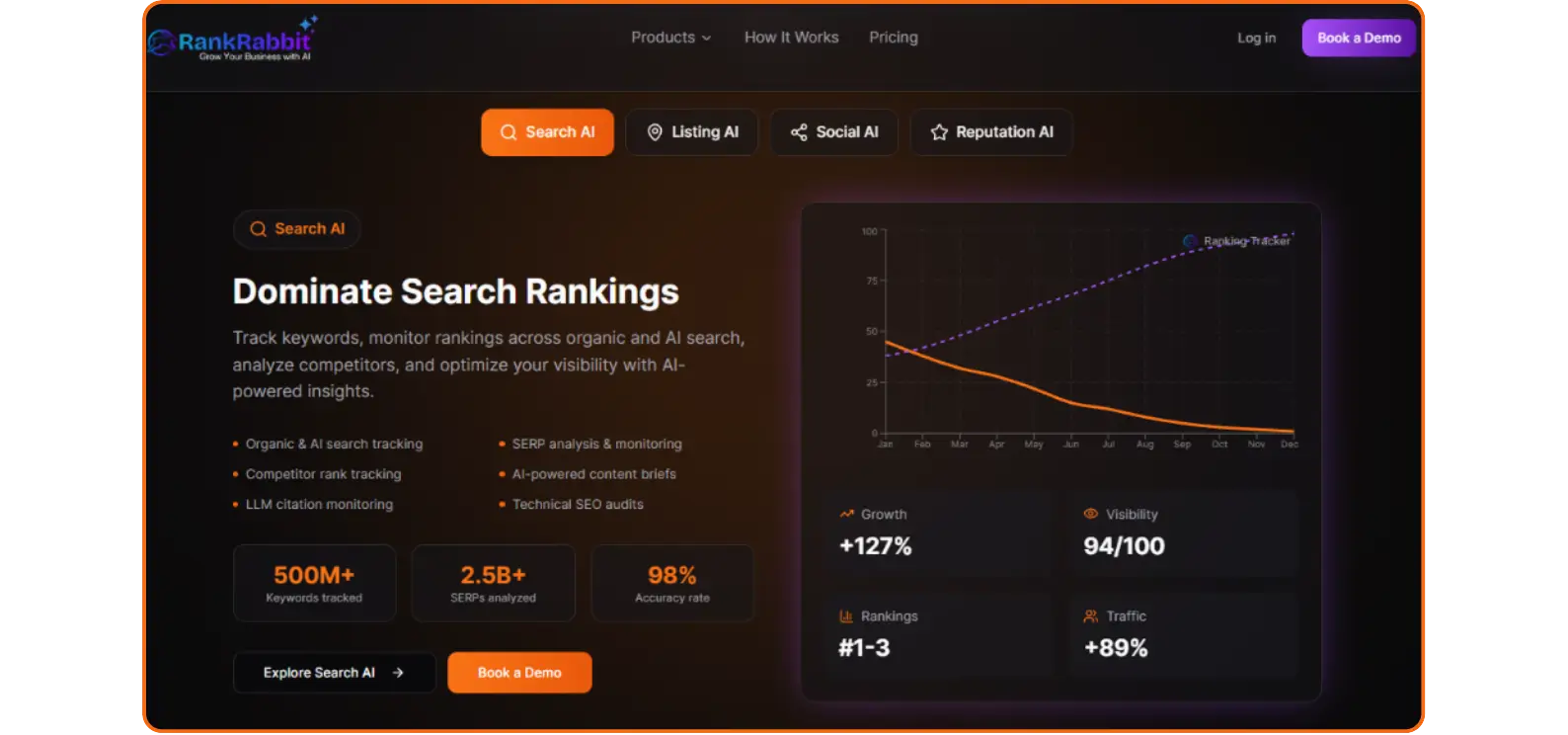
Tools like RankRabbit are built exactly for this gap. It helps businesses get discovered across AI platforms, build trust signals, and manage their presence consistently, which is precisely the kind of structured, credible digital footprint that AI systems look for when generating recommendations. For a healthcare provider, showing up correctly and consistently across the web is no longer just a marketing decision. It is a patient safety one.
This is not about gaming algorithms. It is about making sure that when AI points a patient to a provider, it is pointing them to the right one.
What Should Patients Do When Using AI for Health Information?
Used well, AI can genuinely help patients. Used without judgment, it can send someone down a path that delays necessary care.
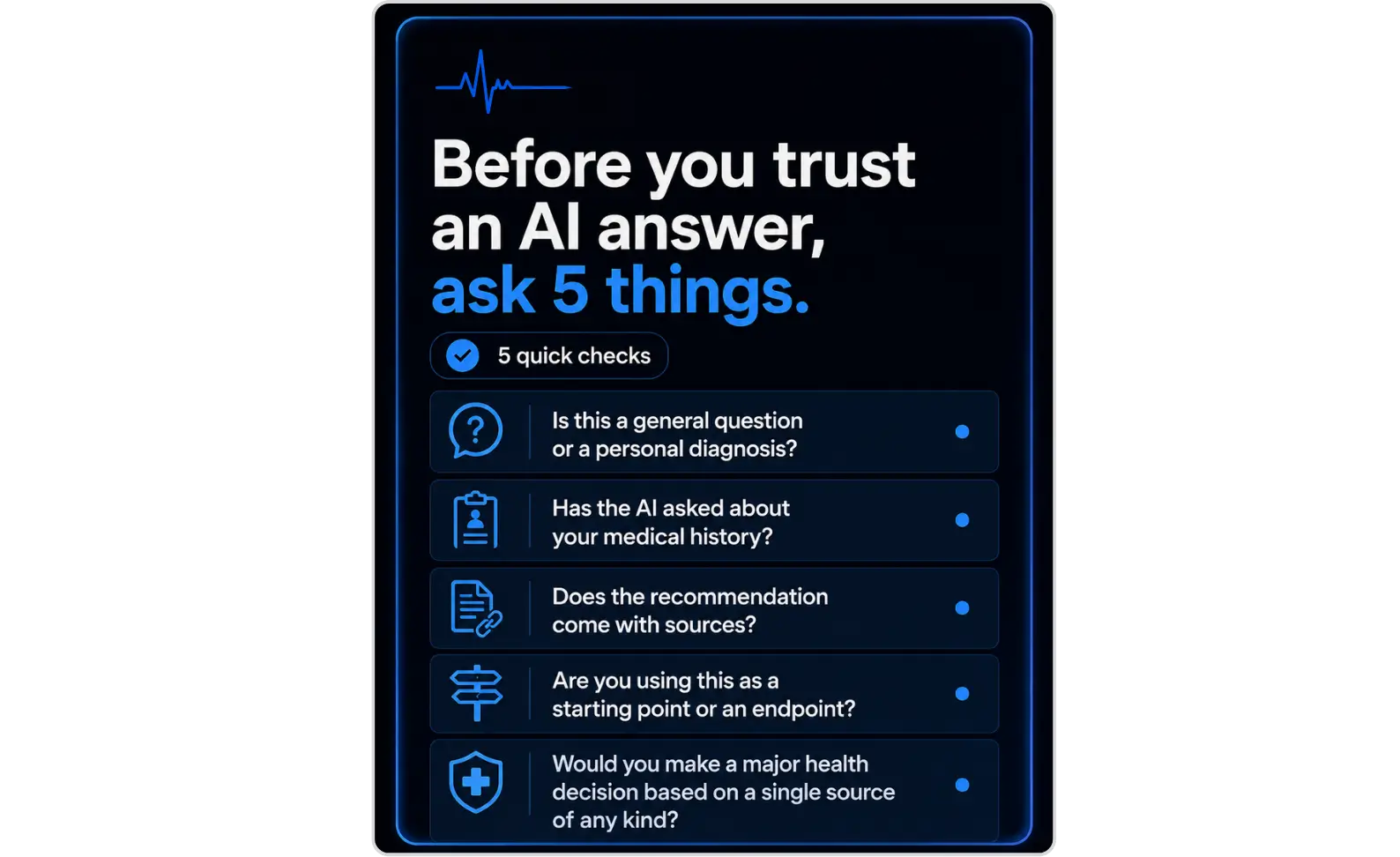
Before you trust an AI health answer, ask yourself:
Is this a general question or a personal diagnosis? AI can explain what Type 2 diabetes is. It cannot tell you whether you have it or not. Know the difference.
Has the AI asked about your medical history? If it has not, it is answering a generic question, not your specific situation.
Does the recommendation come with sources? A responsible AI answer in a medical context should be traceable to clinical guidelines, peer-reviewed research, or licensed health institutions.
Are you using this as a starting point or an endpoint? The most appropriate use of AI in healthcare is as a prompt for further care, not a replacement for it. Use it to prepare for a doctor's appointment, understand a diagnosis you have already received, or decide whether something warrants urgent attention.
Would you make a major health decision based on a single source of any kind? The same skepticism that applies to a random website applies to a chatbot.
Final Thought: What Needs to Change?
The conversation has moved on from "will patients use AI for health questions?" They already are, at scale, every single day. The only question left is whether anyone with the power to act on it will take responsibility before the consequences pile up.
AI companies need to restore medical disclaimers and be transparent about sourcing. Healthcare providers need to ensure their credentials and expertise are accurately represented in the digital ecosystem AI draws from. Regulators need to define accountability when AI health advice causes harm. And patients deserve to know, plainly, how these recommendations are generated, not buried in terms of service, but stated upfront.
The technology is not waiting for the standards to catch up. Neither are the patients.
AI already has a seat at the healthcare table. The urgent question now is whether it has earned the trust that millions of people are already placing in it.
FAQs
Is it safe to use AI chatbots for medical advice?

For general information, yes. For diagnosis or treatment decisions, no. AI has no access to your medical history and cannot ask the follow-up questions a doctor would. Use it to prepare for an appointment, not to replace one.
How does generative search change the way patients find health information?
Generative search, like Google's AI Overview, delivers one direct AI-written answer instead of a list of links. Patients now often read an AI summary before reaching any clinical source, which makes the quality of what feeds that summary more important than ever.
Why does it matter which healthcare provider AI recommends?
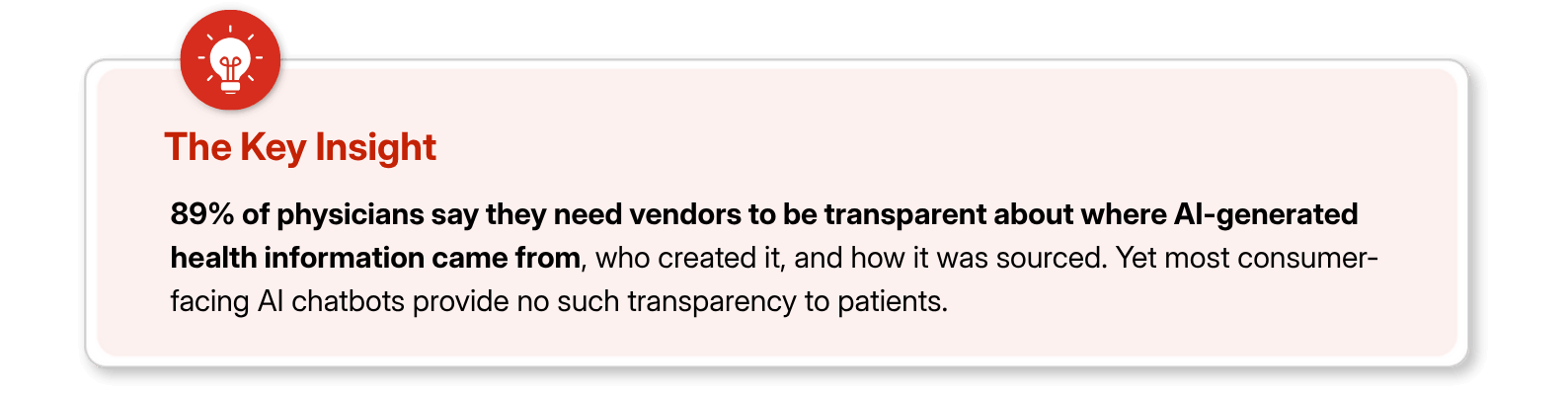
AI recommends based on digital visibility, not quality of care. A well-structured online presence can outrank a better but less visible provider. For patients, that is a trust gap most do not know exists.
How can healthcare providers make sure AI recommends them accurately?
They need consistent, credible information across every platform AI pulls from. Tools like RankRabbit help providers get discovered across AI platforms, build trust signals, and manage their presence so the right patients find the right care.
Can AI replace a doctor for everyday health questions?
Not reliably. A University of Oxford study found AI performed no better than a standard internet search for health decisions. It is useful for general understanding, but clinical judgment, context, and accountability still belong with a real doctor.
It is 2 AM. You wake up with chest tightness you cannot explain. The clinic opens at 9. So you do what millions of people do: you open a chatbot and start typing. Or maybe you search on Google and an AI Overview answers before you even click a link. That is generative search, and it has quietly become one of the most common ways people now get health information.
This is not a hypothetical. It is happening at scale, every day. The question is no longer whether patients are using AI for health guidance. The real question is whether the AI answering them is trustworthy, and whether the providers it recommends actually deserve to be there.
How Many People Are Actually Using AI for Health Questions?
More than you might think, and the numbers are growing fast.
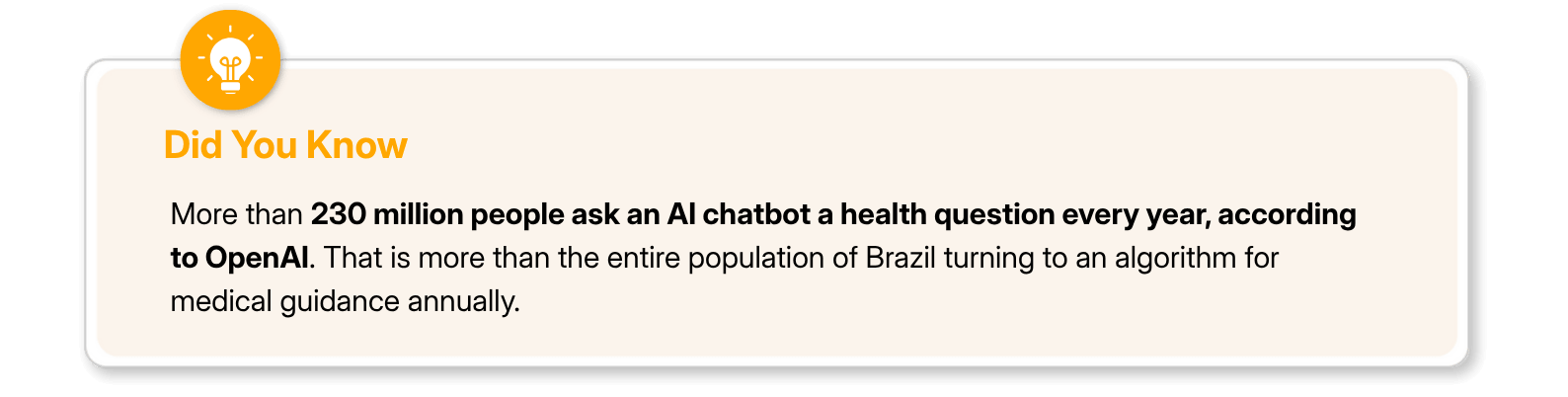
According to a nationally representative survey by the West Health-Gallup Center, 25% of American adults have already used an AI tool or chatbot for health information or medical advice. That is roughly one in four adults using a technology that did not exist in any meaningful consumer form three years ago.
The behavior is not casual. A survey of 1,000 adults by eHealth found that 49% of insured Americans have used AI chatbots to get medical advice, and about two-thirds of those who acted on that advice did so without confirming or following up with a doctor.
Let that land for a moment. Nearly half of insured Americans have consulted an AI about their health. Most of them did not then call their doctor.
The 2026 Edelman Trust Barometer, which drew on data from more than 16,000 respondents across 16 countries, found that 35% of people now consult an AI platform for health questions. Among those users, 78% were looking for treatment suggestions and 74% used AI to get a second opinion on a diagnosis.
This is not fringe behavior. This is mainstream health information-seeking, and it is outpacing the industry's ability to respond to it.
Why Are Patients Turning to AI Chatbots for Medical Advice?
The answer is not that patients distrust doctors. It is that the healthcare system is hard to access. The EY Global Consumer Health survey found that 31% of patients turn to AI and 41% to online search engines when they cannot access healthcare. At the same time, 56% of Americans have skipped their annual wellness check at least once in the last five years.
AI fills the gap. It is available instantly, it does not charge a copay, and it does not require a two-week wait for an appointment. As one researcher put it plainly: people are hungry for information, reassurance, and plain-language explanations, and generative AI has made those things available instantly and conversationally in a way that has never existed before.
For people navigating complex symptoms, insurance confusion, or simply the anxiety of not knowing, an AI chatbot offers something the healthcare system often cannot: an immediate answer. The problem is that immediacy and accuracy are not the same thing.
What Are the Real Risks of AI in Healthcare?
The risks of AI in healthcare are not hypothetical. They are structural, and they are already playing out in clinical settings and patient homes.
AI Answers Without Context
The most significant risk is not that AI gives wrong answers. It is that AI gives contextually incomplete answers that sound correct. Duke University School of Medicine researchers describe this as "context-blind accuracy": an AI chatbot can deliver a response that is technically accurate in the abstract but dangerously misleading for a specific patient's situation. A blood pressure reading that would be normal for a 30-year-old could be alarming in a 70-year-old with kidney disease. An AI answering a general question does not know which patient it is talking to.
AI Medical Disclaimers Are Disappearing
There is a quieter risk that has gone largely unnoticed. In 2022, roughly 26% of chatbot answers to health queries included some kind of disclaimer about not being a doctor. By 2025, fewer than 1% of such responses contained that reminder. The guardrails are being quietly removed, and most patients have no idea.
AI Hallucination in Medical Contexts
AI systems can generate confident, well-structured, entirely fabricated medical information. This is called hallucination. In a context where someone is deciding whether to take a medication, delay treatment, or visit an emergency room, a hallucinated answer carries life-or-death stakes. The model does not know it is wrong. It has no mechanism for uncertainty the way a trained clinician does.
The Recommendation Problem
This is where the stakes rise beyond individual harm and into something systemic. When a patient asks an AI chatbot "what is the best specialist for my condition" or "which clinic should I go to," the AI does not search a vetted directory. It generates a response based on whatever information it was trained on or can currently retrieve from the web.
That means the quality of provider recommendations from AI chatbots depends entirely on what information about those providers exists online, how well-structured that information is, and whether the AI's training data reflects the most trustworthy sources. A well-marketed but mediocre provider can outrank an excellent but less digitally visible one in an AI's response. This is not speculation. It is how these systems work.
AI Medical Advice vs. Real Clinical Care: What Is the Difference?
This table captures the key distinctions between an AI chatbot response and actual clinical care, not to dismiss AI, but to frame what each is actually equipped to do.
Factor | AI Chatbot Response | Clinical Care |
|---|---|---|
Speed | Immediate, 24/7 | Hours to weeks depending on access |
Personalization | Based on what you type | Based on full medical history, exam, and lab results |
Accuracy | High for general questions | High for individual cases |
Accountability | None: no licensing or legal liability | Regulated, licensed, and legally accountable |
Context Awareness | Limited to the conversation | Comprehensive, including longitudinal patient data |
Recommendation Sourcing | Training data and web content | Evidence-based clinical guidelines |
Appropriate Use | General information, triage support, and pre-appointment preparation | Diagnosis, prescribing, and treatment decisions |
The table is not an argument against using AI in health. It is an argument for using it with eyes open.
Is AI a Threat to the Doctor-Patient Relationship?
Not inherently, but it depends on how it is positioned. Two recent surveys suggest patients still prefer advice from their doctors when possible. AI appears to be filling in gaps rather than replacing clinical relationships outright. That is actually good news. It means patients are not abandoning healthcare; they are supplementing it when access fails them.
The risk is not replacement. The risk is substitution by default. When someone cannot get an appointment for three weeks and an AI gives them a confident-sounding answer tonight, the practical outcome is the same as replacement, even if the intent is different. Some health systems are responding by bringing AI inside the clinical relationship rather than letting it operate as a parallel shadow system.
Hartford HealthCare launched a HIPAA-compliant AI tool called PatientGPT that operates within its patient portal and draws on an individual's medical records to improve context and accuracy. That is a fundamentally different proposition than a general-purpose chatbot with no access to the patient's actual health data.
Who Does AI Recommend, and Why That Question Matters More Than You Think?
Here is the uncomfortable truth at the center of this conversation. When millions of patients ask an AI chatbot to recommend a doctor, a hospital, or a specialist, the AI does not have a quality-assessment framework. It does not cross-reference patient outcomes, board certifications, or peer-reviewed performance data. It generates a recommendation based on digital visibility, content quality, and structured data signals.
This means the providers who show up in AI answers are not necessarily the best providers. They are the providers whose digital presence best communicates expertise in the way AI systems can parse and retrieve.
For patients, this is a transparency gap. They assume an AI recommendation carries some form of independent vetting. It often does not.
For healthcare providers, this creates both an urgency and a responsibility. Providers who want to be recommended by AI for the right reasons, meaning because they actually offer quality care, need to ensure that their expertise, credentials, specializations, and patient trust signals are clearly and accurately represented in the sources AI systems draw from.
Tools like RankRabbit are built exactly for this gap. It helps businesses get discovered across AI platforms, build trust signals, and manage their presence consistently, which is precisely the kind of structured, credible digital footprint that AI systems look for when generating recommendations. For a healthcare provider, showing up correctly and consistently across the web is no longer just a marketing decision. It is a patient safety one.
This is not about gaming algorithms. It is about making sure that when AI points a patient to a provider, it is pointing them to the right one.
What Should Patients Do When Using AI for Health Information?
Used well, AI can genuinely help patients. Used without judgment, it can send someone down a path that delays necessary care.
Before you trust an AI health answer, ask yourself:
Is this a general question or a personal diagnosis? AI can explain what Type 2 diabetes is. It cannot tell you whether you have it or not. Know the difference.
Has the AI asked about your medical history? If it has not, it is answering a generic question, not your specific situation.
Does the recommendation come with sources? A responsible AI answer in a medical context should be traceable to clinical guidelines, peer-reviewed research, or licensed health institutions.
Are you using this as a starting point or an endpoint? The most appropriate use of AI in healthcare is as a prompt for further care, not a replacement for it. Use it to prepare for a doctor's appointment, understand a diagnosis you have already received, or decide whether something warrants urgent attention.
Would you make a major health decision based on a single source of any kind? The same skepticism that applies to a random website applies to a chatbot.
Final Thought: What Needs to Change?
The conversation has moved on from "will patients use AI for health questions?" They already are, at scale, every single day. The only question left is whether anyone with the power to act on it will take responsibility before the consequences pile up.
AI companies need to restore medical disclaimers and be transparent about sourcing. Healthcare providers need to ensure their credentials and expertise are accurately represented in the digital ecosystem AI draws from. Regulators need to define accountability when AI health advice causes harm. And patients deserve to know, plainly, how these recommendations are generated, not buried in terms of service, but stated upfront.
The technology is not waiting for the standards to catch up. Neither are the patients.
AI already has a seat at the healthcare table. The urgent question now is whether it has earned the trust that millions of people are already placing in it.
FAQs
Is it safe to use AI chatbots for medical advice?
For general information, yes. For diagnosis or treatment decisions, no. AI has no access to your medical history and cannot ask the follow-up questions a doctor would. Use it to prepare for an appointment, not to replace one.
How does generative search change the way patients find health information?
Generative search, like Google's AI Overview, delivers one direct AI-written answer instead of a list of links. Patients now often read an AI summary before reaching any clinical source, which makes the quality of what feeds that summary more important than ever.
Why does it matter which healthcare provider AI recommends?
AI recommends based on digital visibility, not quality of care. A well-structured online presence can outrank a better but less visible provider. For patients, that is a trust gap most do not know exists.
How can healthcare providers make sure AI recommends them accurately?
They need consistent, credible information across every platform AI pulls from. Tools like RankRabbit help providers get discovered across AI platforms, build trust signals, and manage their presence so the right patients find the right care.
Can AI replace a doctor for everyday health questions?
Not reliably. A University of Oxford study found AI performed no better than a standard internet search for health decisions. It is useful for general understanding, but clinical judgment, context, and accountability still belong with a real doctor.



Summarize with AI



Want to be seen everywhere?
Get a free AI-search audit Today!



4.9/5 Ratings!


Don’t miss our revenue growth tips!
Get expert marketing tips—straight to your inbox, like thousands of happy clients.
Don’t miss our revenue growth tips!
Get expert marketing tips—straight to your inbox, like thousands of happy clients.
Don’t miss our revenue growth tips!
Don’t miss our revenue growth tips!
Get expert marketing tips—straight to your inbox, like thousands of happy clients.
Relevant Blogs on Generative AI SEO
Relevant Blogs on Generative AI SEO
Unlock data-driven insights in AI-powered SEO—explore our featured blogs and skyrocket your revenue before your competitors do.
Unlock data-driven insights in AI-powered SEO—explore our featured blogs and skyrocket your revenue before your competitors do.

GEO
Sep 22, 2026
15 Min Read
AI Search Runs on More SEO Than You Think
GEO
Sep 22, 2026
15 Min Read
AI Search Runs on More SEO Than You Think
GEO
Sep 22, 2026
15 Min Read
AI Search Runs on More SEO Than You Think

GEO
Sep 7, 2026
8 Min Read
How to Optimize Content for AI Search Engines: Best Practices
GEO
Sep 7, 2026
8 Min Read
How to Optimize Content for AI Search Engines: Best Practices
GEO
Sep 7, 2026
8 Min Read
How to Optimize Content for AI Search Engines: Best Practices

GEO
Sep 4, 2026
12 Min Read
How Ecommerce Brands Can Advertise in Google AI Mode?
GEO
Sep 4, 2026
12 Min Read
How Ecommerce Brands Can Advertise in Google AI Mode?
GEO
Sep 4, 2026
12 Min Read
How Ecommerce Brands Can Advertise in Google AI Mode?






















Ready to speak with an expert?
Data-Driven Marketing Agency That Elevates ROI
1100+
Websites Designed & Optimized to Convert
$280M+
Client Revenue Driven & Growing Strong
Discover how to skyrocket
your revenue today!
Trusted by 1000+ Owners!
Ready to speak with an expert?
Data-Driven Marketing Agency That Elevates ROI
1100+
Websites Designed & Optimized to Convert
$280M+
Client Revenue Driven & Growing Strong
Discover how to skyrocket
your revenue today!
Trusted by 1000+ Owners!
Want to skyrocket revenue?
4.9/5 Ratings!
Ready to speak with an expert?
Data-Driven Marketing Agency That Elevates ROI
1100+
Websites Designed & Optimized to Convert
$280M+
Client Revenue Driven & Growing Strong
Discover how to skyrocket
your revenue today!
Trusted by 1000+ Owners!
Call
Meet