How Google Reviews Decide If AI Recommends Your Business in 2026
How Google Reviews Decide If AI Recommends Your Business in 2026
Last Updated:
Table of Content
Case Studies




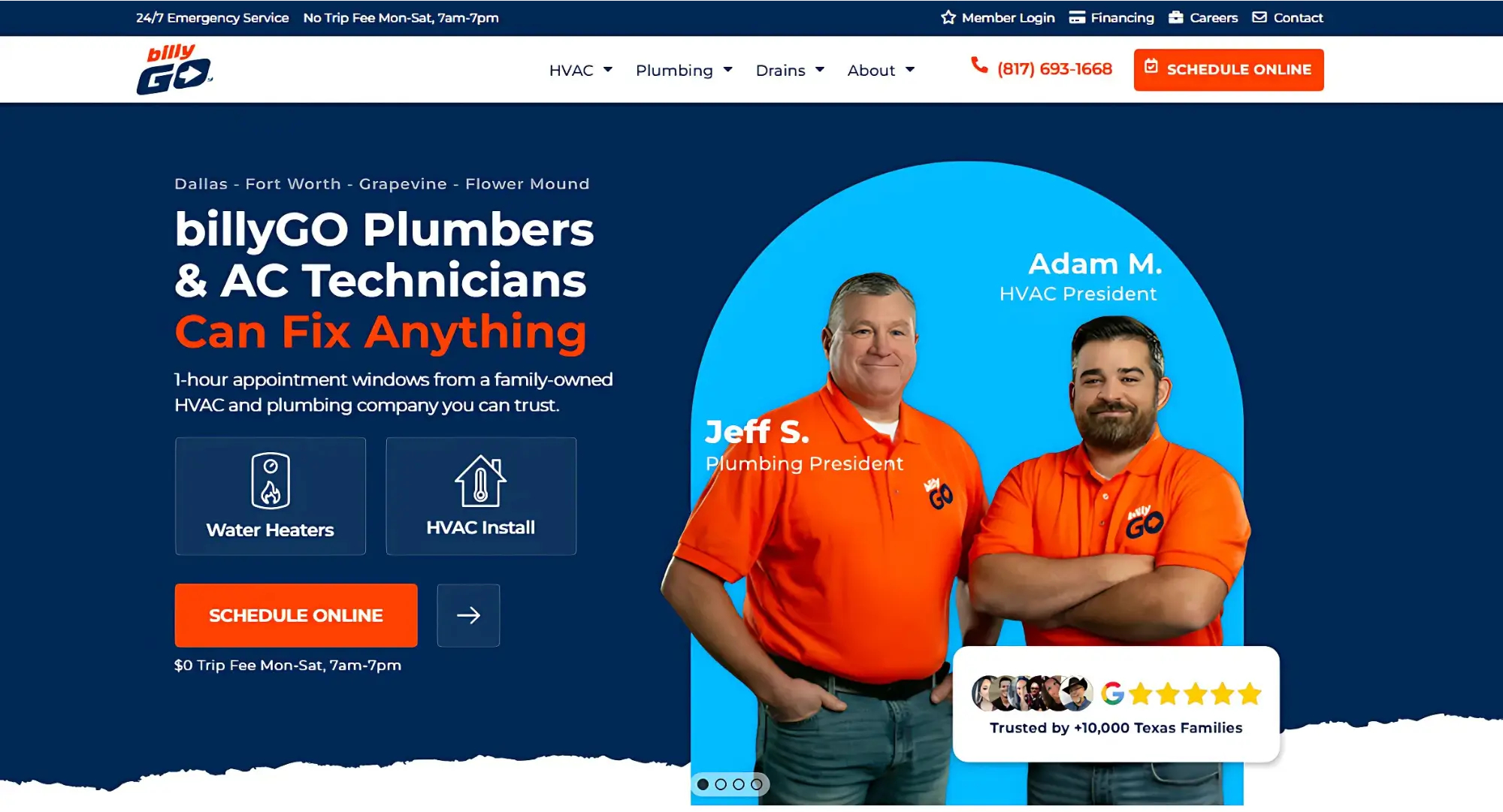





AI platforms like Google AI Overviews, ChatGPT, and Perplexity recommend businesses based primarily on Google reviews. Not the star average. The actual text. AI reads Google reviews for recency, sentiment patterns, and specific detail, then decides whether your business earns a mention. No steady flow of fresh, descriptive Google reviews means no recommendation.
Many business owners believe they are done with Google reviews once they achieve a strong star rating. The reality is that they are not. They never were.
AI search does not work the way Google search worked for the last twenty years. Nobody is scrolling through ten blue links anymore to compare a plumber in Houston or an HVAC company in Phoenix. They ask an AI a question, and the AI gives them a name. One name, sometimes three.
That decision is built almost entirely on your online reputation management, and the single biggest factor in that decision is Google reviews.
What Does AI Actually Read Inside Your Google Reviews?
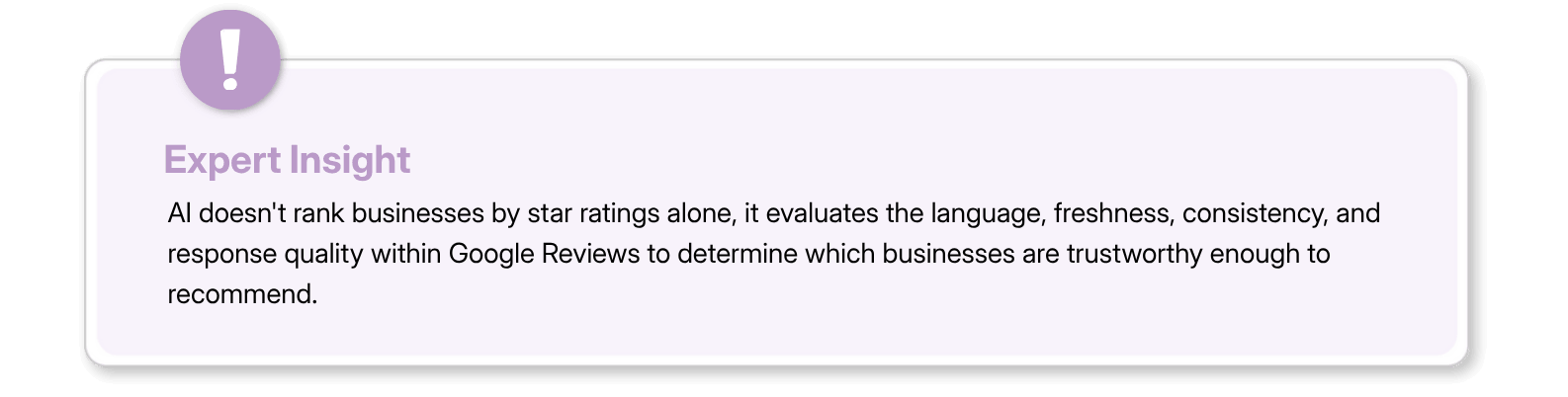
A 4.6 rating tells an AI model almost nothing on its own. It could mean excellent service with one bad week. It could mean average work with wildly mixed experiences. It could mean strong results and terrible communication. The number is the same in every case. The story inside your Google reviews is not.
What AI actually processes is language. It reads what customers wrote in their Google reviews, not just what they clicked. A review that says "great service" carries close to zero weight. A Google review that describes exactly what happened, how fast the job got done, how the team communicated, and what the final result looked like gives the model something to work with. That kind of detail also happens to read as more trustworthy to a human deciding whether to call you.
The traffic volume game is over. Google review specificity is the new ranking factor.
Why Do Fresh Google Reviews Matter More Than Review Volume?
Most businesses treat Google reviews as a one-time push. Hit 150 or 200, declare victory, stop asking. That approach is already outdated.
A steady stream of five to ten new Google reviews a month now carries more weight with AI systems than a large but stagnant total, based on industry data from mid-2026. AI mirrors how people actually think. Nobody trusts a review from two years ago the way they trust one from two weeks ago, and Google's AI models behave the same way, prioritizing recency and consistency in your Google reviews over a static, aging number.
And before you say your industry is different because you have been in business for decades, that reputation still needs current proof inside your Google reviews. AI does not care how long you have operated. It cares whether customers are engaging with you right now.
If keeping that stream fresh sounds like a full-time job on top of running your business, that is exactly what online reputation management is built to handle: requests, responses, and monitoring so your Google reviews stay active without you chasing them manually.
What Makes Google Reviews More Important Than Other Online Reviews?
Businesses love to spread review requests across five platforms, but they get mediocre results on all of them. The data does not support that approach for AI visibility. Google's own AI systems pull directly from Google Business Profile data, and both ChatGPT and Perplexity reference Google reviews more than any other review source when generating local recommendations for local businesses.
This is not about ignoring Yelp or industry-specific platforms entirely. It is about where you put your primary effort. A business with a steady, detailed Google reviews profile will consistently outperform a competitor with thin, scattered reviews spread across a dozen directories. AI Google reviews signals carry more weight than a mix of third-party platforms because Google Business Profile is the source most AI engines already trust.
How Does Google Evaluate Review Sentiment Beyond Star Ratings?
AI does not panic over a handful of negative Google reviews, and it does not reward a suspiciously flawless profile either. What it evaluates is the pattern. If the overwhelming majority of Google reviews describe a similar positive experience, the model treats the business as reliable. If the same specific complaint shows up again and again in your Google reviews, it notices that too and reflects that pattern in how it summarizes your business.
This is why AI-generated summaries in Google Search and Google Maps tend to sound balanced instead of glowing. They are reflecting a pattern across dozens or hundreds of Google reviews, not cherry-picking one.
Why Should Business Owners Respond to Every Google Review?
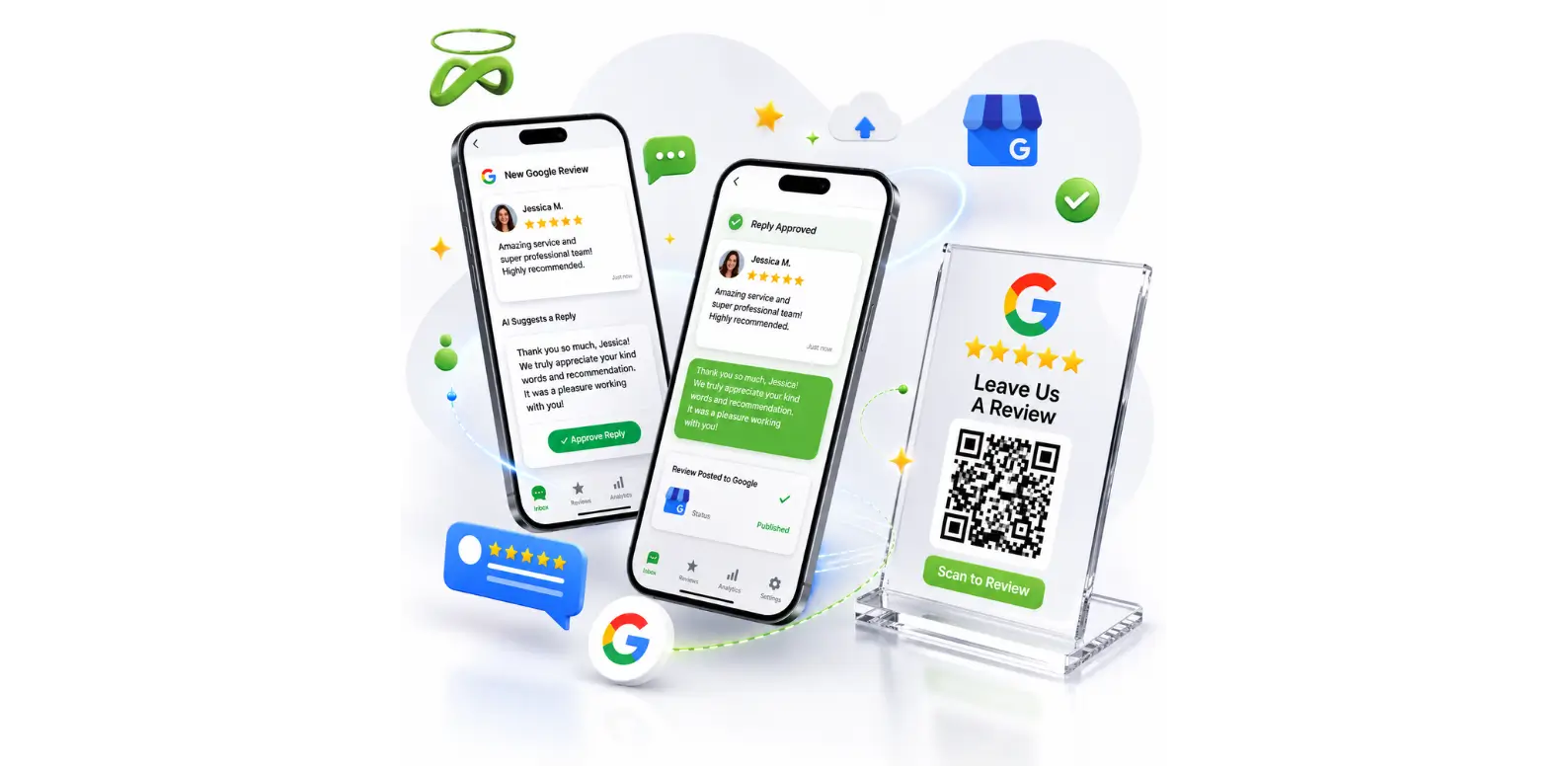
A business that responds thoughtfully to Google reviews, both the five-star ones and the one-star ones, demonstrates active engagement to any model reading the profile. For negative Google reviews, skip the defensive tone. Acknowledge the specific issue, state what you are doing about it, and invite the conversation offline.
For positive Google reviews, a generic "thanks for your kind words" wastes the opportunity. A detailed reply that naturally references the service, the location, or a specific detail from the customer's experience gives AI a second layer of context about what your business actually does and where it operates. That compounds across hundreds of Google reviews into a much richer profile than the review text alone, and it strengthens the same trust signal strategy that drives AI recommendations in the first place.
How Can Businesses Build a Long-Term Google Review Management Strategy?
The biggest mistake in review management strategy right now is treating Google reviews like a campaign with a start date and an end date. It needs to be a system. Map the three to five moments in your customer journey where satisfaction peaks, right after a job finishes, after a follow-up call, at renewal, and build a Google review request into each one automatically.
Text message requests significantly outperform email for response rates, since they reach people in the moment instead of sitting buried in an inbox. The best window to send a Google review request is within one to two hours of the completed service, close enough that the experience is still vivid. A consistent review management strategy built around these moments does more for AI Search Optimization than any single technical fix on your website.
If an AI engine looked at your Google reviews right now, would it find a business that feels active, or one that feels frozen in 2023?
Final Thoughts
AI is not guessing which business to recommend. It reads your Google reviews and makes a judgment call, just like any customer would. Star ratings do not carry that weight anymore. The detail, the freshness, and how you respond to them.
Keep the reviews coming. Keep them specific. Keep showing up in the reviews.
FAQs
Do Google reviews actually affect whether AI like ChatGPT recommends a business?

Yes. ChatGPT and Perplexity both reference Google reviews more heavily than other review sources when generating local business recommendations, since Google Business Profile data is the most complete and consistently updated source available.
How many new Google reviews should a business get per month?
Five to ten new Google reviews per month is the benchmark AI platforms respond to. Consistency matters more than hitting a large lifetime total of Google reviews and then stopping.
Does responding to negative Google reviews actually help with AI search visibility?
Yes. A thoughtful, non-defensive response to a negative Google review signals active engagement and accountability, which AI models weigh when evaluating a business's overall trustworthiness.
Should a local business focus on Google reviews or spread requests across multiple platforms?
Google reviews should be the priority. AI Overviews, ChatGPT, and Perplexity all draw most heavily from Google Business Profile data, so a strong, consistent Google reviews presence outperforms a thin spread across several platforms.
What makes a Google review more useful for AI search optimization than another?
Specificity. A Google review that precisely describes the timeline, communication, and outcome provides AI language to work with. Generic praise like "great service" carries very little weight.
AI platforms like Google AI Overviews, ChatGPT, and Perplexity recommend businesses based primarily on Google reviews. Not the star average. The actual text. AI reads Google reviews for recency, sentiment patterns, and specific detail, then decides whether your business earns a mention. No steady flow of fresh, descriptive Google reviews means no recommendation.
Many business owners believe they are done with Google reviews once they achieve a strong star rating. The reality is that they are not. They never were.
AI search does not work the way Google search worked for the last twenty years. Nobody is scrolling through ten blue links anymore to compare a plumber in Houston or an HVAC company in Phoenix. They ask an AI a question, and the AI gives them a name. One name, sometimes three.
That decision is built almost entirely on your online reputation management, and the single biggest factor in that decision is Google reviews.
What Does AI Actually Read Inside Your Google Reviews?
A 4.6 rating tells an AI model almost nothing on its own. It could mean excellent service with one bad week. It could mean average work with wildly mixed experiences. It could mean strong results and terrible communication. The number is the same in every case. The story inside your Google reviews is not.
What AI actually processes is language. It reads what customers wrote in their Google reviews, not just what they clicked. A review that says "great service" carries close to zero weight. A Google review that describes exactly what happened, how fast the job got done, how the team communicated, and what the final result looked like gives the model something to work with. That kind of detail also happens to read as more trustworthy to a human deciding whether to call you.
The traffic volume game is over. Google review specificity is the new ranking factor.
Why Do Fresh Google Reviews Matter More Than Review Volume?
Most businesses treat Google reviews as a one-time push. Hit 150 or 200, declare victory, stop asking. That approach is already outdated.
A steady stream of five to ten new Google reviews a month now carries more weight with AI systems than a large but stagnant total, based on industry data from mid-2026. AI mirrors how people actually think. Nobody trusts a review from two years ago the way they trust one from two weeks ago, and Google's AI models behave the same way, prioritizing recency and consistency in your Google reviews over a static, aging number.
And before you say your industry is different because you have been in business for decades, that reputation still needs current proof inside your Google reviews. AI does not care how long you have operated. It cares whether customers are engaging with you right now.
If keeping that stream fresh sounds like a full-time job on top of running your business, that is exactly what online reputation management is built to handle: requests, responses, and monitoring so your Google reviews stay active without you chasing them manually.
What Makes Google Reviews More Important Than Other Online Reviews?
Businesses love to spread review requests across five platforms, but they get mediocre results on all of them. The data does not support that approach for AI visibility. Google's own AI systems pull directly from Google Business Profile data, and both ChatGPT and Perplexity reference Google reviews more than any other review source when generating local recommendations for local businesses.
This is not about ignoring Yelp or industry-specific platforms entirely. It is about where you put your primary effort. A business with a steady, detailed Google reviews profile will consistently outperform a competitor with thin, scattered reviews spread across a dozen directories. AI Google reviews signals carry more weight than a mix of third-party platforms because Google Business Profile is the source most AI engines already trust.
How Does Google Evaluate Review Sentiment Beyond Star Ratings?
AI does not panic over a handful of negative Google reviews, and it does not reward a suspiciously flawless profile either. What it evaluates is the pattern. If the overwhelming majority of Google reviews describe a similar positive experience, the model treats the business as reliable. If the same specific complaint shows up again and again in your Google reviews, it notices that too and reflects that pattern in how it summarizes your business.
This is why AI-generated summaries in Google Search and Google Maps tend to sound balanced instead of glowing. They are reflecting a pattern across dozens or hundreds of Google reviews, not cherry-picking one.
Why Should Business Owners Respond to Every Google Review?
A business that responds thoughtfully to Google reviews, both the five-star ones and the one-star ones, demonstrates active engagement to any model reading the profile. For negative Google reviews, skip the defensive tone. Acknowledge the specific issue, state what you are doing about it, and invite the conversation offline.
For positive Google reviews, a generic "thanks for your kind words" wastes the opportunity. A detailed reply that naturally references the service, the location, or a specific detail from the customer's experience gives AI a second layer of context about what your business actually does and where it operates. That compounds across hundreds of Google reviews into a much richer profile than the review text alone, and it strengthens the same trust signal strategy that drives AI recommendations in the first place.
How Can Businesses Build a Long-Term Google Review Management Strategy?
The biggest mistake in review management strategy right now is treating Google reviews like a campaign with a start date and an end date. It needs to be a system. Map the three to five moments in your customer journey where satisfaction peaks, right after a job finishes, after a follow-up call, at renewal, and build a Google review request into each one automatically.
Text message requests significantly outperform email for response rates, since they reach people in the moment instead of sitting buried in an inbox. The best window to send a Google review request is within one to two hours of the completed service, close enough that the experience is still vivid. A consistent review management strategy built around these moments does more for AI Search Optimization than any single technical fix on your website.
If an AI engine looked at your Google reviews right now, would it find a business that feels active, or one that feels frozen in 2023?
Final Thoughts
AI is not guessing which business to recommend. It reads your Google reviews and makes a judgment call, just like any customer would. Star ratings do not carry that weight anymore. The detail, the freshness, and how you respond to them.
Keep the reviews coming. Keep them specific. Keep showing up in the reviews.
FAQs
Do Google reviews actually affect whether AI like ChatGPT recommends a business?
Yes. ChatGPT and Perplexity both reference Google reviews more heavily than other review sources when generating local business recommendations, since Google Business Profile data is the most complete and consistently updated source available.
How many new Google reviews should a business get per month?
Five to ten new Google reviews per month is the benchmark AI platforms respond to. Consistency matters more than hitting a large lifetime total of Google reviews and then stopping.
Does responding to negative Google reviews actually help with AI search visibility?
Yes. A thoughtful, non-defensive response to a negative Google review signals active engagement and accountability, which AI models weigh when evaluating a business's overall trustworthiness.
Should a local business focus on Google reviews or spread requests across multiple platforms?
Google reviews should be the priority. AI Overviews, ChatGPT, and Perplexity all draw most heavily from Google Business Profile data, so a strong, consistent Google reviews presence outperforms a thin spread across several platforms.
What makes a Google review more useful for AI search optimization than another?
Specificity. A Google review that precisely describes the timeline, communication, and outcome provides AI language to work with. Generic praise like "great service" carries very little weight.



Summarize with AI



Want to be seen everywhere?
Get a free AI-search audit Today!



4.9/5 Ratings!


Don’t miss our revenue growth tips!
Get expert marketing tips—straight to your inbox, like thousands of happy clients.
Don’t miss our revenue growth tips!
Get expert marketing tips—straight to your inbox, like thousands of happy clients.
Don’t miss our revenue growth tips!
Don’t miss our revenue growth tips!
Get expert marketing tips—straight to your inbox, like thousands of happy clients.
Relevant Blogs on Generative AI SEO
Relevant Blogs on Generative AI SEO
Unlock data-driven insights in AI-powered SEO—explore our featured blogs and skyrocket your revenue before your competitors do.
Unlock data-driven insights in AI-powered SEO—explore our featured blogs and skyrocket your revenue before your competitors do.

GEO
Sep 22, 2026
15 Min Read
AI Search Runs on More SEO Than You Think
GEO
Sep 22, 2026
15 Min Read
AI Search Runs on More SEO Than You Think
GEO
Sep 22, 2026
15 Min Read
AI Search Runs on More SEO Than You Think

GEO
Sep 7, 2026
8 Min Read
How to Optimize Content for AI Search Engines: Best Practices
GEO
Sep 7, 2026
8 Min Read
How to Optimize Content for AI Search Engines: Best Practices
GEO
Sep 7, 2026
8 Min Read
How to Optimize Content for AI Search Engines: Best Practices

GEO
Sep 4, 2026
12 Min Read
How Ecommerce Brands Can Advertise in Google AI Mode?
GEO
Sep 4, 2026
12 Min Read
How Ecommerce Brands Can Advertise in Google AI Mode?
GEO
Sep 4, 2026
12 Min Read
How Ecommerce Brands Can Advertise in Google AI Mode?




































Ready to speak with an expert?
Data-Driven Marketing Agency That Elevates ROI
1100+
Websites Designed & Optimized to Convert
$280M+
Client Revenue Driven & Growing Strong
Discover how to skyrocket
your revenue today!
Trusted by 1000+ Owners!
Ready to speak with an expert?
Data-Driven Marketing Agency That Elevates ROI
1100+
Websites Designed & Optimized to Convert
$280M+
Client Revenue Driven & Growing Strong
Discover how to skyrocket
your revenue today!
Trusted by 1000+ Owners!
Want to skyrocket revenue?
4.9/5 Ratings!
Ready to speak with an expert?
Data-Driven Marketing Agency That Elevates ROI
1100+
Websites Designed & Optimized to Convert
$280M+
Client Revenue Driven & Growing Strong
Discover how to skyrocket
your revenue today!
Trusted by 1000+ Owners!
Call
Meet