ROI Explained: How to Measure Investment Success?
ROI Explained: How to Measure Investment Success?
Return on Investment
Return on Investment
Return on Investment
ROI (Return on Investment) measures the efficiency and profitability of an investment, expressed as a percentage, and applies to finances, projects, or marketing campaigns.
ROI (Return on Investment) measures the efficiency and profitability of an investment, expressed as a percentage, and applies to finances, projects, or marketing campaigns.

Case Studies




Make Every Marketing Dollar Work Harder and Deliver More ROI



4.9/5 Ratings!

Ratandeep
Ratandeep
5 Min Read
5 Min
Oct 23, 2025
Oct 23, 2025
What is ROI?
Return on Investment. It sounds super straightforward: you spend money, you make money back, you measure the difference.
But, well, not always that easy. Especially when you're running marketing campaigns, SEO projects, or basically anything where results don’t show up the next morning.
Because here’s the thing. ROI isn’t just about throwing numbers on a spreadsheet. It’s about making sense of whether your time, effort, and budget are actually driving growth or if they’re just… floating somewhere.
Return on Investment. It sounds super straightforward: you spend money, you make money back, you measure the difference.
But, well, not always that easy. Especially when you're running marketing campaigns, SEO projects, or basically anything where results don’t show up the next morning.
Because here’s the thing. ROI isn’t just about throwing numbers on a spreadsheet. It’s about making sense of whether your time, effort, and budget are actually driving growth or if they’re just… floating somewhere.
The Core Idea
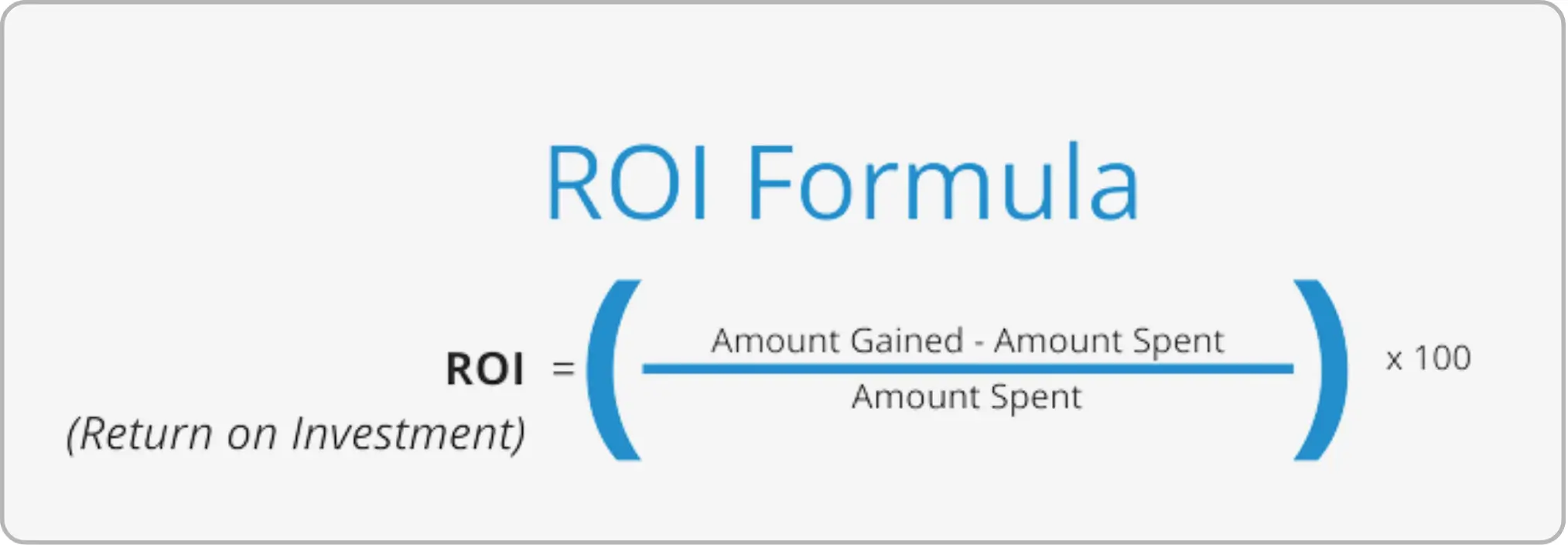
In its simplest form, ROI is the ratio between what you gain from something and what you put into it. Classic formula:
ROI = {(Amount Gained - Amount Spent)/ Amount Spent}*100
Spend $100. Get back $200. Your ROI is 100%. Neat, clean, logical.
But in marketing, especially digital marketing, this number isn’t always clean.
For example:
In its simplest form, ROI is the ratio between what you gain from something and what you put into it. Classic formula:
ROI = {(Amount Gained - Amount Spent)/ Amount Spent}*100
Spend $100. Get back $200. Your ROI is 100%. Neat, clean, logical.
But in marketing, especially digital marketing, this number isn’t always clean.
For example:
•
•
SEO campaigns might take 6–12 months to show significant movement.
SEO campaigns might take 6–12 months to show significant movement.
•
•
Paid ads can give you quick wins but also burn through budget if not optimized.
Paid ads can give you quick wins but also burn through budget if not optimized.
•
•
Content marketing, sometimes your blog sits for months before suddenly taking off.
Content marketing, sometimes your blog sits for months before suddenly taking off.
So, when agencies talk ROI, it’s not just about money, it’s about short-term versus long-term, direct results versus indirect benefits.
So, when agencies talk ROI, it’s not just about money, it’s about short-term versus long-term, direct results versus indirect benefits.
Why ROI Gets Complicated?
Suppose you invest in keyword research, content creation, and link building. The immediate ROI? Hard to measure. Because that blog post you published last month… it might only start pulling meaningful organic traffic three months from now.
And backlinks, yes, backlinks, really matter. But there’s no invoice that says “this one link brought you $500 in sales.” The impact is indirect, and it accumulates over time. ROI here is more like a big-picture story than a quick score.
Tools like Google Analytics, Ahrefs, or SEMrush help track these patterns. You can see which channels are driving leads, how organic traffic affects conversions, and where customers are dropping off. But even then, numbers don’t always capture the full picture—like brand credibility or customer trust—both of which eventually lead to better ROI.
Suppose you invest in keyword research, content creation, and link building. The immediate ROI? Hard to measure. Because that blog post you published last month… it might only start pulling meaningful organic traffic three months from now.
And backlinks, yes, backlinks, really matter. But there’s no invoice that says “this one link brought you $500 in sales.” The impact is indirect, and it accumulates over time. ROI here is more like a big-picture story than a quick score.
Tools like Google Analytics, Ahrefs, or SEMrush help track these patterns. You can see which channels are driving leads, how organic traffic affects conversions, and where customers are dropping off. But even then, numbers don’t always capture the full picture—like brand credibility or customer trust—both of which eventually lead to better ROI.
A Case in Point
Think of an e-commerce brand running Google Ads alongside SEO. Paid ads drive sales instantly. People search, click and buy. Clear ROI, you spent this much, you earned this much. Easy math.
But the SEO side? At first, it looks like the ROI isn’t there. The investment feels heavier. But give it time—6 months, a year—and suddenly organic traffic starts pulling in consistent orders at virtually zero CPC. At that point, the ROI from SEO often dwarfs ads. It’s just… slower.
That’s why many smart agencies push for a hybrid model.
Paid = quick ROI.
SEO = long-term ROI. Together, they cover both growth timelines.
Think of an e-commerce brand running Google Ads alongside SEO. Paid ads drive sales instantly. People search, click and buy. Clear ROI, you spent this much, you earned this much. Easy math.
But the SEO side? At first, it looks like the ROI isn’t there. The investment feels heavier. But give it time—6 months, a year—and suddenly organic traffic starts pulling in consistent orders at virtually zero CPC. At that point, the ROI from SEO often dwarfs ads. It’s just… slower.
That’s why many smart agencies push for a hybrid model.
Paid = quick ROI.
SEO = long-term ROI. Together, they cover both growth timelines.
Common Mistakes with ROI
A few things businesses often get wrong:
A few things businesses often get wrong:
•
•
Measuring too soon: Expecting results in weeks when channels like SEO take months.
Measuring too soon: Expecting results in weeks when channels like SEO take months.
•
•
Focusing only on money: ROI also includes brand awareness, leads nurtured, or customer retention.
Focusing only on money: ROI also includes brand awareness, leads nurtured, or customer retention.
•
•
Not tracking properly: Without conversion tracking in Google Analytics or CRM integration, ROI numbers are just guesses.
Not tracking properly: Without conversion tracking in Google Analytics or CRM integration, ROI numbers are just guesses.
And here’s a big one, comparing ROI across channels without context. A paid campaign might show amazing ROI early, but plateau later. SEO might look weak upfront but explode down the road.
And here’s a big one, comparing ROI across channels without context. A paid campaign might show amazing ROI early, but plateau later. SEO might look weak upfront but explode down the road.
Making ROI Work For You
The best approach is Breaking ROI into short-term and long-term goals. Short-term comes from ads, retargeting campaigns, influencer pushes. Long-term comes from SEO, content, and brand-building.
For agencies, showing clients ROI also means storytelling with data. It’s not just saying “we grew traffic by 50%.” It’s linking that growth to actual leads, actual sales, and actual brand value.
Because at the end of the day, ROI isn’t just math. It’s the story of whether your investments—money, time, resources—are really worth it.
The best approach is Breaking ROI into short-term and long-term goals. Short-term comes from ads, retargeting campaigns, influencer pushes. Long-term comes from SEO, content, and brand-building.
For agencies, showing clients ROI also means storytelling with data. It’s not just saying “we grew traffic by 50%.” It’s linking that growth to actual leads, actual sales, and actual brand value.
Because at the end of the day, ROI isn’t just math. It’s the story of whether your investments—money, time, resources—are really worth it.
Final Thoughts
ROI matters a lot. But it’s not always this neat little percentage you can wave around after one campaign. It’s about patterns, consistency, and long-term wins that build over time.
If you’re running campaigns or planning to invest in SEO but aren’t sure how to measure ROI or worse, if you feel like your current efforts or your agency aren’t paying off, it’s worth bringing in experts who can set up tracking the right way, analyze results properly, and actually connect the dots between spend and growth.
ROI matters a lot. But it’s not always this neat little percentage you can wave around after one campaign. It’s about patterns, consistency, and long-term wins that build over time.
If you’re running campaigns or planning to invest in SEO but aren’t sure how to measure ROI or worse, if you feel like your current efforts or your agency aren’t paying off, it’s worth bringing in experts who can set up tracking the right way, analyze results properly, and actually connect the dots between spend and growth.
Frequently Asked Questions (FAQs)
Frequently Asked Questions
How do short-term and long-term ROI differ?

Short-term ROI comes from strategies that generate immediate results, such as paid ads, retargeting campaigns, or seasonal promotions. Long-term ROI comes from slower-building channels like SEO, content marketing, or brand-building initiatives. Both are essential: short-term ROI provides quick wins, while long-term ROI compounds over time and sustains growth.
How does ROI help in making better business decisions?
ROI highlights which efforts bring the best return for your investment, allowing you to focus time and money on what works best. It helps you stop or fix projects that cost more money than they’re worth, and lets you compare different strategies side by side.
What is a good ROI percentage for digital marketing?
A “good” ROI can vary by industry and campaign goal, but many businesses aim for an ROI of at least 5:1, that’s $5 earned for every $1 spent. Some digital marketing channels may see higher returns, but expectations should be based on your industry averages and business goals.
How long should I wait before measuring ROI for SEO campaigns?
SEO typically requires a 6–12 month horizon to show meaningful ROI. Rankings, organic traffic, and conversions build gradually, so assessing performance too early may underestimate the actual value of your investment.
What are common mistakes businesses make when calculating ROI?
Measuring ROI too early
Focusing only on monetary returns
Ignoring multi-channel effects
Excluding operational or hidden costs.
These mistakes can result in misleading conclusions and poor resource allocation.
What factors can affect the accuracy of ROI calculations?
Factors include hidden or indirect costs (like employee time or software fees), inaccurate tracking of revenue, not including all expenses, or changes in market conditions. For the most accurate ROI, be as thorough and honest as possible in your calculations.
How can businesses improve ROI for long-term campaigns like SEO?
Focus on high-intent keywords
Refresh and optimize existing content
Build authoritative backlinks
Implement CRO best practices
Track leads, conversions, and revenue accurately
Combine with paid campaigns for hybrid growth
These steps maximize returns over time while controlling costs.
How do short-term and long-term ROI differ?
Short-term ROI comes from strategies that generate immediate results, such as paid ads, retargeting campaigns, or seasonal promotions. Long-term ROI comes from slower-building channels like SEO, content marketing, or brand-building initiatives. Both are essential: short-term ROI provides quick wins, while long-term ROI compounds over time and sustains growth.
How does ROI help in making better business decisions?
ROI highlights which efforts bring the best return for your investment, allowing you to focus time and money on what works best. It helps you stop or fix projects that cost more money than they’re worth, and lets you compare different strategies side by side.
What is a good ROI percentage for digital marketing?
A “good” ROI can vary by industry and campaign goal, but many businesses aim for an ROI of at least 5:1, that’s $5 earned for every $1 spent. Some digital marketing channels may see higher returns, but expectations should be based on your industry averages and business goals.
How long should I wait before measuring ROI for SEO campaigns?
SEO typically requires a 6–12 month horizon to show meaningful ROI. Rankings, organic traffic, and conversions build gradually, so assessing performance too early may underestimate the actual value of your investment.
What are common mistakes businesses make when calculating ROI?
Measuring ROI too early
Focusing only on monetary returns
Ignoring multi-channel effects
Excluding operational or hidden costs.
These mistakes can result in misleading conclusions and poor resource allocation.
What factors can affect the accuracy of ROI calculations?
Factors include hidden or indirect costs (like employee time or software fees), inaccurate tracking of revenue, not including all expenses, or changes in market conditions. For the most accurate ROI, be as thorough and honest as possible in your calculations.
How can businesses improve ROI for long-term campaigns like SEO?
Focus on high-intent keywords
Refresh and optimize existing content
Build authoritative backlinks
Implement CRO best practices
Track leads, conversions, and revenue accurately
Combine with paid campaigns for hybrid growth
These steps maximize returns over time while controlling costs.
Make Every Marketing Dollar Work Harder and Deliver More ROI
Make Every Marketing Dollar Work Harder and Deliver More ROI
Track and optimize performance to drive measurable growth from your marketing.
Track and optimize performance to drive measurable growth from your marketing.
4.9/5 Ratings!
Share this article
Share this article

Related Resources






Don’t miss our revenue growth tips!
Don’t miss our revenue growth tips!
Get expert marketing tips—straight to your inbox, like thousands of happy clients.
Get expert marketing tips—straight to your inbox, like thousands of happy clients.





















Ready to speak with an expert?
Data-Driven Marketing Agency That Elevates ROI
1100+
Websites Designed & Optimized to Convert
$280M+
Client Revenue Driven & Growing Strong
Discover how to skyrocket
your revenue today!
Trusted by 1000+ Owners!
Ready to speak with an expert?
Data-Driven Marketing Agency That Elevates ROI
1100+
Websites Designed & Optimized to Convert
$280M+
Client Revenue Driven & Growing Strong
Discover how to skyrocket
your revenue today!
Trusted by 1000+ Owners!
Want to skyrocket revenue?
4.9/5 Ratings!
Ready to speak with an expert?
Data-Driven Marketing Agency That Elevates ROI
1100+
Websites Designed & Optimized to Convert
$280M+
Client Revenue Driven & Growing Strong
Discover how to skyrocket
your revenue today!
Trusted by 1000+ Owners!
Call
Meet