What is Cost Per Click (CPC)? A Complete Guide for Beginners
What is Cost Per Click (CPC)? A Complete Guide for Beginners
Cost Per Click
Cost Per Click
Cost Per Click
Cost Per Click
CPC (Cost Per Click) is the amount you pay each time someone clicks on your ad. It helps measure how much you’re spending to get traffic from paid ads.
CPC (Cost Per Click) is the amount you pay each time someone clicks on your ad. It helps measure how much you’re spending to get traffic from paid ads.


Table of Content
Reduce Wasted Ad Spend and Drive Higher Quality Clicks



4.9/5 Ratings!

Prem Jangid
Prem Jangid
6 Min Read
6 Min Read
OCT 31, 2025
OCT 31, 2025
What is CPC (Cost Per Click)?
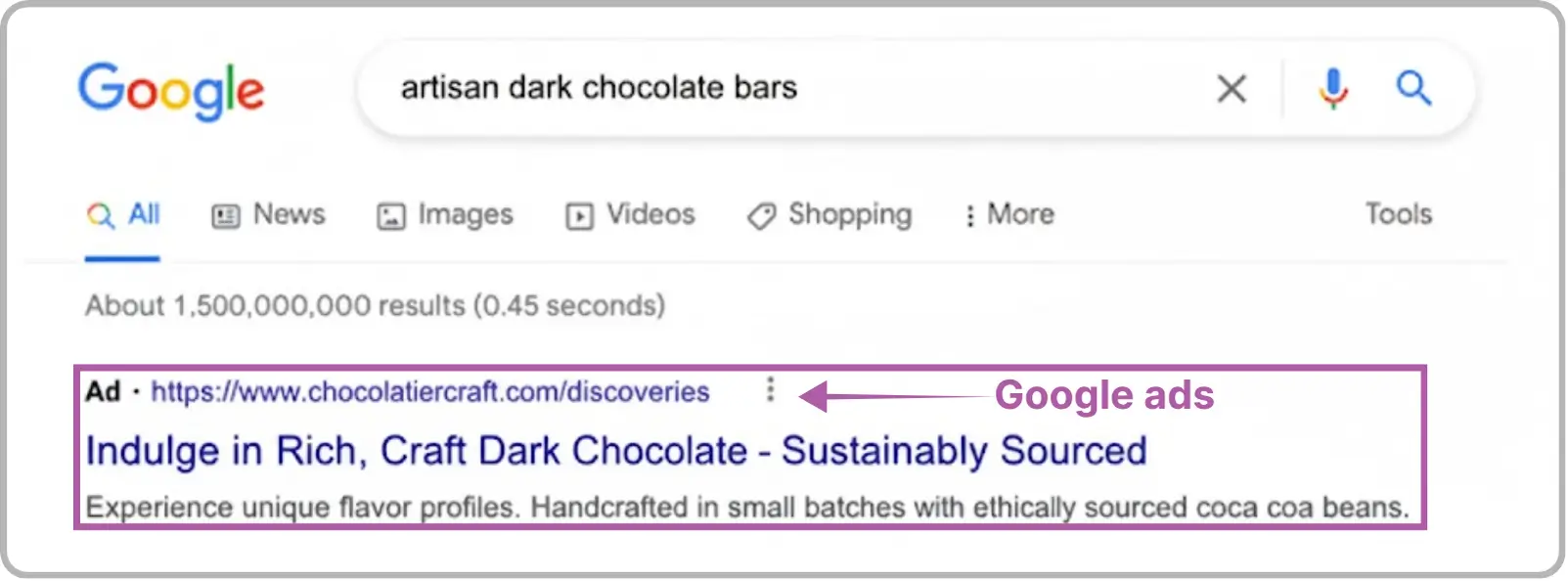
CPC means Cost Per Click. It is the price you pay each time a person clicks on your ad. This system is part of pay-per-click (PPC) ads that run on platforms like:
For example, when you put up a Google ad and someone clicks it, you must pay a small fee. This fee is called your CPC.
CPC means Cost Per Click. It is the price you pay each time a person clicks on your ad. This system is part of pay-per-click (PPC) ads that run on platforms like:
For example, when you put up a Google ad and someone clicks it, you must pay a small fee. This fee is called your CPC.
How is CPC Calculated?
Your actual CPC is often different from your highest bid. Most ad platforms use a bidding system for this. They look at many factors to work out how much you’ll pay each time someone clicks on your ad.
Here’s a simple way to show how CPC is calculated in Google Ads:
Actual CPC = (Ad Rank of the competitor below you / Your Quality Score) + $0.01
So, you may set your bid for a click at $2.00, but you could have to pay just $1.20. It all depends on your Google ad quality score and who else is bidding.
Your actual CPC is often different from your highest bid. Most ad platforms use a bidding system for this. They look at many factors to work out how much you’ll pay each time someone clicks on your ad.
Here’s a simple way to show how CPC is calculated in Google Ads:
Actual CPC = (Ad Rank of the competitor below you / Your Quality Score) + $0.01
So, you may set your bid for a click at $2.00, but you could have to pay just $1.20. It all depends on your Google ad quality score and who else is bidding.
What is a Good CPC?
A "good" CPC depends on your industry, where you are, the platform you use, and what you want to get from it.
Here are some average CPCs by platform:
Google Search Ads: $1 – $3 (can be higher in busy fields like law or finance)
Facebook Ads: $0.50 – $2.00
LinkedIn Ads: $5 – $9 (LinkedIn is made for business-to-business, so it costs more)
If you work in a special market or go after high-priced keywords, you may pay more for each click. This is not always bad. It is fine if the return on investment (ROI) is good.
A "good" CPC depends on your industry, where you are, the platform you use, and what you want to get from it.
Here are some average CPCs by platform:
Google Search Ads: $1 – $3 (can be higher in busy fields like law or finance)
Facebook Ads: $0.50 – $2.00
LinkedIn Ads: $5 – $9 (LinkedIn is made for business-to-business, so it costs more)
If you work in a special market or go after high-priced keywords, you may pay more for each click. This is not always bad. It is fine if the return on investment (ROI) is good.
Why Does CPC Matter?
CPC helps determine:
How much you’re paying for traffic
How cost-effective your campaigns are
Your campaign’s potential to scale
A lower CPC often means you get more clicks for your budget. This can help you get more leads, sales, or conversions. But this works well if your landing pages and offers are good.
CPC helps determine:
How much you’re paying for traffic
How cost-effective your campaigns are
Your campaign’s potential to scale
A lower CPC often means you get more clicks for your budget. This can help you get more leads, sales, or conversions. But this works well if your landing pages and offers are good.
What Affects Your CPC?
Quick Fix
Quick Fix
Quick Fix
Quick Fix
How It Helps
How It Helps
How It Helps
How It Helps
Keyword Competition
Keyword Competition
Keyword Competition
Highly competitive keywords cost more due to increased demand.
Highly competitive keywords cost more due to increased demand.
Highly competitive keywords cost more due to increased demand.
Quality Score
Quality Score
Quality Score
Higher quality score lowers CPC by improving ad relevance and landing page quality.
Higher quality score lowers CPC by improving ad relevance and landing page quality.
Higher quality score lowers CPC by improving ad relevance and landing page quality.
Ad Relevance
Ad Relevance
Ad Relevance
Well-aligned ads with user intent reduce CPC.
Well-aligned ads with user intent reduce CPC.
Well-aligned ads with user intent reduce CPC.
Landing Page Experience
Landing Page Experience
Landing Page Experience
Better page experience and relevance can lower CPC.
Better page experience and relevance can lower CPC.
Better page experience and relevance can lower CPC.
Bid Strategy
Bid Strategy
Bid Strategy
Automated or manual bidding strategies impact cost per click.
Automated or manual bidding strategies impact cost per click.
Automated or manual bidding strategies impact cost per click.
Industry & Niche
Industry & Niche
Industry & Niche
Some industries naturally have higher CPC (finance, legal, healthcare).
Some industries naturally have higher CPC (finance, legal, healthcare).
Some industries naturally have higher CPC (finance, legal, healthcare).
Audience Targeting
Audience Targeting
Audience Targeting
Narrow or high-value audiences can increase CPC.
Narrow or high-value audiences can increase CPC.
Narrow or high-value audiences can increase CPC.
Device & Location
Device & Location
Device & Location
Costs vary based on device type and geographical location.
Costs vary based on device type and geographical location.
Costs vary based on device type and geographical location.
Ad Format
Ad Format
Ad Format
Certain formats (Shopping ads, video) may have different CPC ranges.
Certain formats (Shopping ads, video) may have different CPC ranges.
Certain formats (Shopping ads, video) may have different CPC ranges.
Time & Seasonality
Time & Seasonality
Time & Seasonality
Competition rises during peak periods (sales seasons, events), driving CPC up.
Competition rises during peak periods (sales seasons, events), driving CPC up.
Competition rises during peak periods (sales seasons, events), driving CPC up.
How to Lower Your CPC and Get More From Your Budget?
A lower CPC means you get more people to see and click your ads without spending too much. When you use the right plan, you can get better results from the same budget.
Here are some good ways to lower your CPC and keep strong results:
Improve Your Quality Score: On Google Ads, when you have higher Quality Scores, you pay less for each click. Make sure your ads are:
Relevant to the keywords
Matched with a high-converting landing page
Clear and compelling in the ad copy
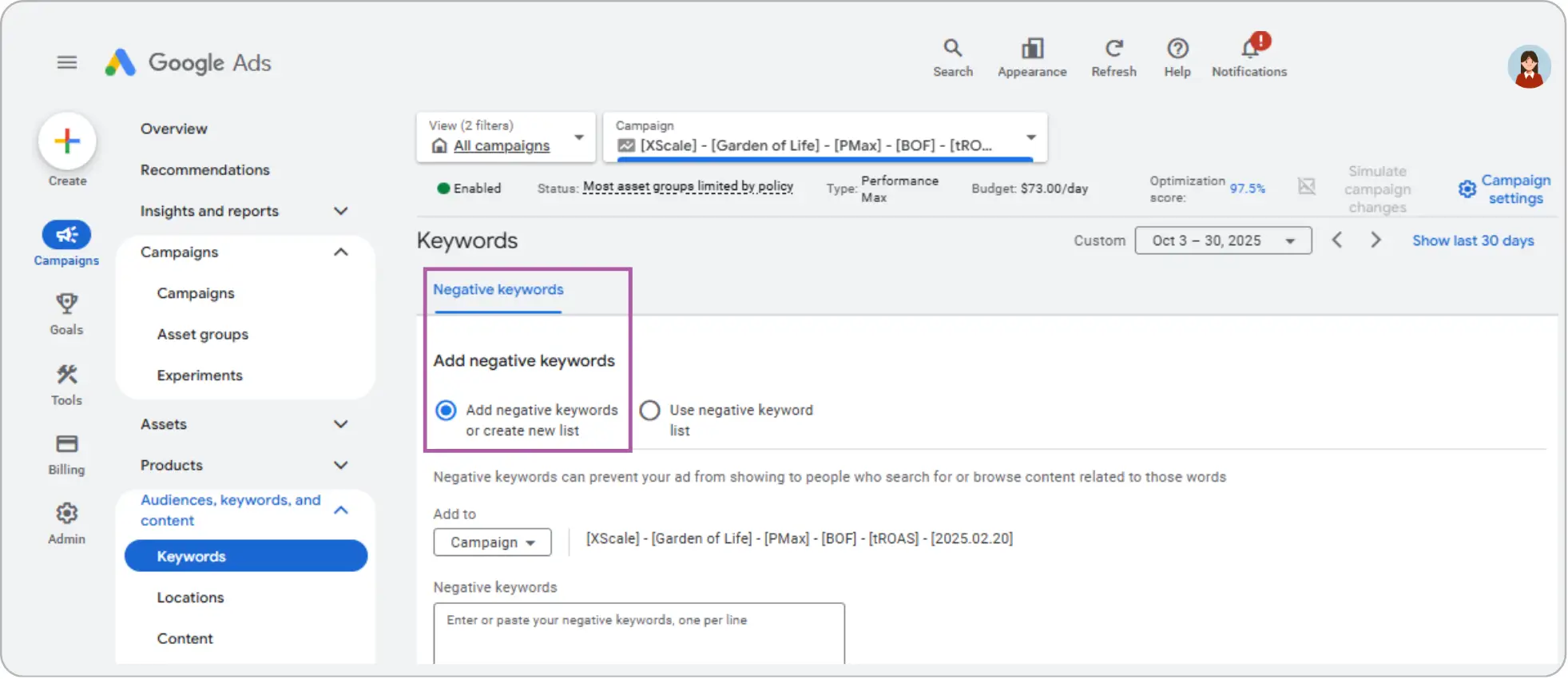
Use Negative Keywords: Add negative keywords to keep out traffic that does not match what you want. This helps your ads not show up when people search for things that are not a good fit.
A lower CPC means you get more people to see and click your ads without spending too much. When you use the right plan, you can get better results from the same budget.
Here are some good ways to lower your CPC and keep strong results:
Improve Your Quality Score: On Google Ads, when you have higher Quality Scores, you pay less for each click. Make sure your ads are:
Relevant to the keywords
Matched with a high-converting landing page
Clear and compelling in the ad copy
Use Negative Keywords: Add negative keywords to keep out traffic that does not match what you want. This helps your ads not show up when people search for things that are not a good fit.
A/B Test Your Ads: Test different ads to see which one works best. A good CTR can help bring your CPC down as time goes on.
Target Smarter: Focus your target on the people who are the best fit for what you offer. Pick where your ads show, the types of devices, and set custom groups of people. This helps you to not waste your reach.
Optimize Landing Pages: When you have a better landing page, people feel good about your site. This can help boost your Quality Score. You may also see more people take action, like signing up or buying something. This means your clicks can be worth more to you.
A/B Test Your Ads: Test different ads to see which one works best. A good CTR can help bring your CPC down as time goes on.
Target Smarter: Focus your target on the people who are the best fit for what you offer. Pick where your ads show, the types of devices, and set custom groups of people. This helps you to not waste your reach.
Optimize Landing Pages: When you have a better landing page, people feel good about your site. This can help boost your Quality Score. You may also see more people take action, like signing up or buying something. This means your clicks can be worth more to you.
CPC vs. CPM vs. CPA: What’s the Difference?
CPC (Cost Per Click): You pay when a person clicks on your ad.
CPM (Cost Per Mille): You pay for every 1,000 times people see your ad, not for clicks.
CPA (Cost Per Acquisition): You pay when they do something specific. This can be when someone fills out a form or buys something.
CPC works well if you want to get more people to your website. CPA is good if you are trying to get more people to take action, like making a purchase or signing up.
CPC (Cost Per Click): You pay when a person clicks on your ad.
CPM (Cost Per Mille): You pay for every 1,000 times people see your ad, not for clicks.
CPA (Cost Per Acquisition): You pay when they do something specific. This can be when someone fills out a form or buys something.
CPC works well if you want to get more people to your website. CPA is good if you are trying to get more people to take action, like making a purchase or signing up.
3. Make Power That Can't Be Questioned
This is what AEO is based on. Why should an AI trust what you write? Show off your E-E-A-T.
• Experience: Write from a place of doing things instead of just thinking about them.
• Expertise: Show your qualifications, licenses, or deep knowledge.
• Authoritativeness: Build a name for yourself in your field and gain links from trusted websites.
• Reliability: Be honest, give credit where credit is due, and maintain your website open and honest.
Should You Focus on CPC?
Yes—but not in isolation.
A lower CPC is good to have. But it only helps you if people who click actually do what you want, like sign up, buy, or download. There is no point in getting a very low CPC if these clicks do not bring in good people who take action. A low CPC with no results does not help.
The best way is to balance CPC with ROI. Watch how much you pay for each click. Also see what people do after they get to your site.
Yes—but not in isolation.
A lower CPC is good to have. But it only helps you if people who click actually do what you want, like sign up, buy, or download. There is no point in getting a very low CPC if these clicks do not bring in good people who take action. A low CPC with no results does not help.
The best way is to balance CPC with ROI. Watch how much you pay for each click. Also see what people do after they get to your site.
Final Thoughts
CPC is one of the most important things to look at in any digital ad campaign. It helps you see how well you use your money to get people to your site. When you know what makes CPC go up or down and how to make it better, you can spend less, do better, and get the most from every dollar you use.
Don’t just go after cheap clicks. Go after the clicks that bring value.
CPC is one of the most important things to look at in any digital ad campaign. It helps you see how well you use your money to get people to your site. When you know what makes CPC go up or down and how to make it better, you can spend less, do better, and get the most from every dollar you use.
Don’t just go after cheap clicks. Go after the clicks that bring value.
Frequently Asked Questions (FAQs)
Frequently Asked Questions
How does Quality Score impact CPC?

Quality Score directly affects how much you pay per click on Google Ads. A high score lowers CPC because Google rewards relevant ads and better user experiences. If your ads, keywords, and landing pages match well, your CPC goes down. Improving Quality Score can save you money over time.
How do negative keywords help reduce CPC?
Negative keywords prevent your ads from showing on irrelevant searches. When your ads appear for the right audience, your click-through rate improves. Higher relevance leads to a better-Quality Score, which lowers CPC. This ensures you pay only for useful traffic.
Is CPC different on Google Ads vs. Facebook Ads?
Yes, CPC differs because both platforms target audiences differently. Google targets active search intent, so CPC is often higher but more targeted. Facebook targets interest-based audiences, making CPC lower but sometimes less intent-focused. Your CPC depends on your campaign goals and audience type.
Should beginners focus more on CPC or ROI?
Beginners often watch CPC first, but ROI is ultimately more important. A low CPC means nothing if it doesn’t bring conversions. ROI tells you whether your ad spend generates value. Focusing on both helps you build profitable campaigns from the start.
What happens if my CPC is too high?
If your CPC is high, you’ll get fewer clicks within your budget, limiting your reach and traffic. This can reduce conversions and make your ads unprofitable. It may also show that your ads aren't relevant, or your competition is very strong. Lowering CPC helps stretch your ad spend further.
How long does it take to lower CPC after optimization?
Improvements can be shown within a few days to a few weeks, depending on budget and ad volume. Quality Score updates gradually as your ads gain data. A/B testing, landing page updates, and targeting changes need time to stabilize. Consistent optimization leads to steady decreases in CPC.
Can changing ad placement lower my CPC?
Yes, choosing less competitive placements—like lower positions or different device types—can reduce CPC. Some placements cost less but still deliver good results. Testing placement options help you find the best balance between cost and performance. This is especially useful on Facebook and Display Networks.
How does Quality Score impact CPC?
Quality Score directly affects how much you pay per click on Google Ads. A high score lowers CPC because Google rewards relevant ads and better user experiences. If your ads, keywords, and landing pages match well, your CPC goes down. Improving Quality Score can save you money over time.
How do negative keywords help reduce CPC?
Negative keywords prevent your ads from showing on irrelevant searches. When your ads appear for the right audience, your click-through rate improves. Higher relevance leads to a better-Quality Score, which lowers CPC. This ensures you pay only for useful traffic.
Is CPC different on Google Ads vs. Facebook Ads?
Yes, CPC differs because both platforms target audiences differently. Google targets active search intent, so CPC is often higher but more targeted. Facebook targets interest-based audiences, making CPC lower but sometimes less intent-focused. Your CPC depends on your campaign goals and audience type.
Should beginners focus more on CPC or ROI?
Beginners often watch CPC first, but ROI is ultimately more important. A low CPC means nothing if it doesn’t bring conversions. ROI tells you whether your ad spend generates value. Focusing on both helps you build profitable campaigns from the start.
What happens if my CPC is too high?
If your CPC is high, you’ll get fewer clicks within your budget, limiting your reach and traffic. This can reduce conversions and make your ads unprofitable. It may also show that your ads aren't relevant, or your competition is very strong. Lowering CPC helps stretch your ad spend further.
How long does it take to lower CPC after optimization?
Improvements can be shown within a few days to a few weeks, depending on budget and ad volume. Quality Score updates gradually as your ads gain data. A/B testing, landing page updates, and targeting changes need time to stabilize. Consistent optimization leads to steady decreases in CPC.
Can changing ad placement lower my CPC?
Yes, choosing less competitive placements—like lower positions or different device types—can reduce CPC. Some placements cost less but still deliver good results. Testing placement options help you find the best balance between cost and performance. This is especially useful on Facebook and Display Networks.
Reduce Wasted Ad Spend and Drive Higher Quality Clicks
Reduce Wasted Ad Spend and Drive Higher Quality Clicks
CPC Helps Manage Ad Costs & Optimize Your Marketing Spend.
Optimizing keywords, quality scores, and targeting reduces costs while increasing high-value traffic.
Optimizing keywords, quality scores, and targeting reduces costs while increasing high-value traffic.
Learn how optimizing keywords, quality scores, & targeting reduces costs while increasing high-value traffic.
Optimizing keywords, quality scores, and targeting reduces costs while increasing high-value traffic.
4.9/5 Ratings!
Share this article

Related Resources





Don’t miss our revenue growth tips!
Don’t miss our revenue growth tips!
Get expert marketing tips—straight to your inbox, like thousands of happy clients.
Get expert marketing tips—straight to your inbox, like thousands of happy clients.










Ready to speak with an expert?
Data-Driven Marketing Agency That Elevates ROI
1100+
Websites Designed & Optimized to Convert
$280M+
Client Revenue Driven & Growing Strong
Discover how to skyrocket
your revenue today!
Trusted by 1000+ Owners!
Ready to speak with an expert?
Data-Driven Marketing Agency That Elevates ROI
1100+
Websites Designed & Optimized to Convert
$280M+
Client Revenue Driven & Growing Strong
Discover how to skyrocket
your revenue today!
Trusted by 1000+ Owners!
Want to skyrocket revenue?
4.9/5 Ratings!
Ready to speak with an expert?
Data-Driven Marketing Agency That Elevates ROI
1100+
Websites Designed & Optimized to Convert
$280M+
Client Revenue Driven & Growing Strong
Discover how to skyrocket
your revenue today!
Trusted by 1000+ Owners!
Call
Meet