What is Conversion Tracking? Meaning, Benefits & Process.
What is Conversion Tracking? Meaning, Benefits & Process.
Conversion Tracking
Conversion Tracking
Conversion Tracking
Conversion tracking measures valuable user actions like purchases, sign-ups, or downloads—to show how ads perform. Using tracking codes or pixels, it helps businesses monitor interactions and optimize campaigns for better results.
Conversion tracking measures valuable user actions like purchases, sign-ups, or downloads—to show how ads perform. Using tracking codes or pixels, it helps businesses monitor interactions and optimize campaigns for better results.
Conversion tracking measures valuable user actions like purchases, sign-ups, or downloads—to show how ads perform. Using tracking codes or pixels, it helps businesses monitor interactions and optimize campaigns for better results.


Table of Content


Conversion Tracking Reveals Which Campaigns Drive Revenue Best.



4.9/5 Ratings!

Teena J.
Teena J.
6 Min Read
6 Min Read
Oct 23, 2025
Oct 23, 2025
What is Conversion Tracking?
Have you ever thought about how businesses know the ads they show really help them? A lot of people might click on an ad. But does that mean those people end up buying something or signing up? This is what conversion tracking finds out.
Conversion tracking is an important way for businesses to see what happens when someone interacts with their ads online. It lets you measure when someone takes a specific action on your website, such as making a purchase, signing up for a newsletter, or filling out a contact form.
Have you ever thought about how businesses know the ads they show really help them? A lot of people might click on an ad. But does that mean those people end up buying something or signing up? This is what conversion tracking finds out.
Conversion tracking is an important way for businesses to see what happens when someone interacts with their ads online. It lets you measure when someone takes a specific action on your website, such as making a purchase, signing up for a newsletter, or filling out a contact form.
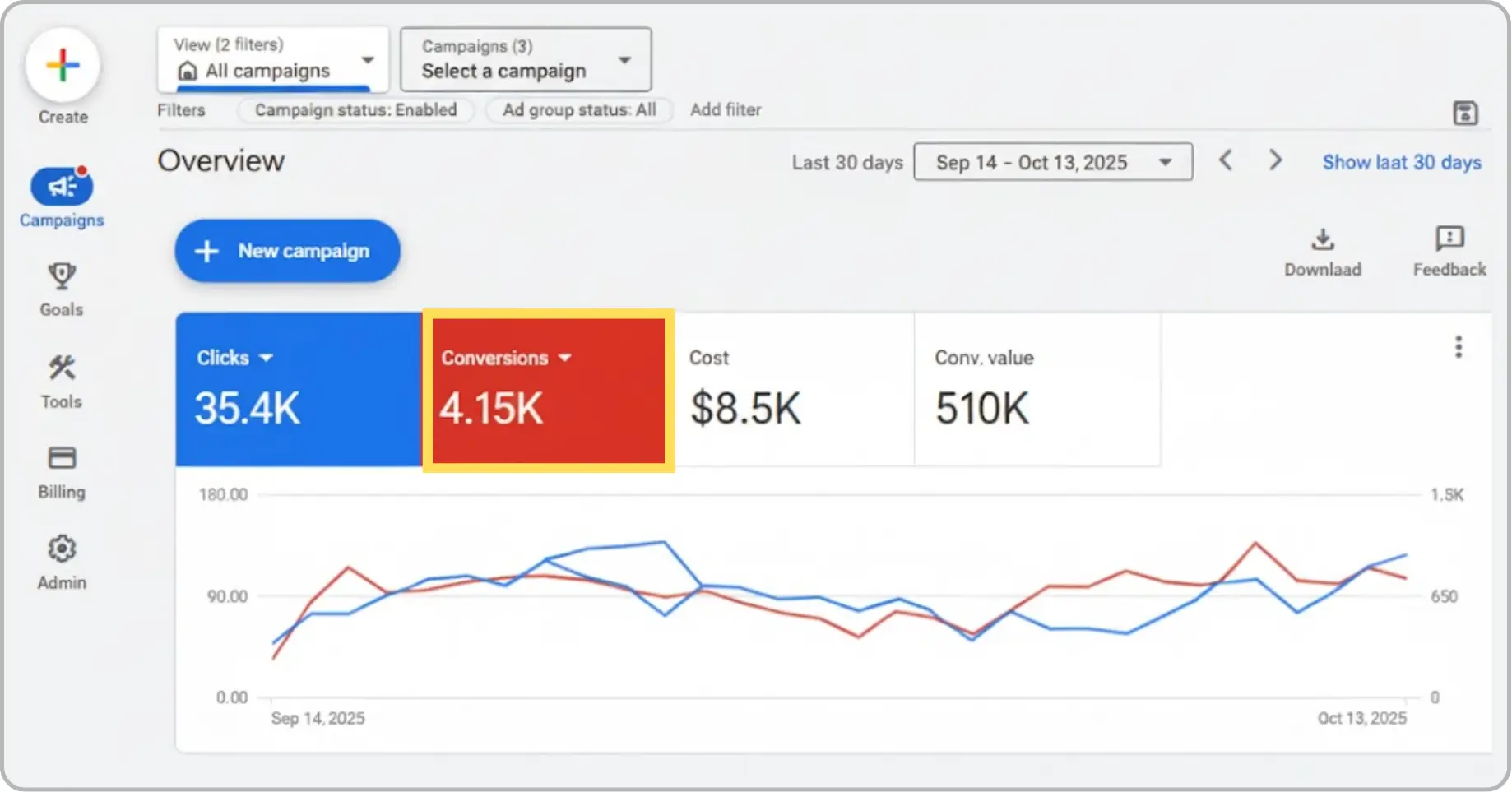
How Conversion Tracking Works?
Conversion tracking lets you see how people act on your website. It uses cookies and code in your site to watch what people do. With this, you get to know if they buy something, sign up, or take other key steps. All this helps you find out what works well and what does not.
The power of tracking what people do happens in three easy steps:
Conversion tracking lets you see how people act on your website. It uses cookies and code in your site to watch what people do. With this, you get to know if they buy something, sign up, or take other key steps. All this helps you find out what works well and what does not.
The power of tracking what people do happens in three easy steps:
•
•
Defining What the Action is: For an online shop, the action could be when someone buys something. For a business that offers help, the action could be when someone fills out a form for a quote. For a blog, the action may be when someone signs up for the newsletter.
Defining What the Action is: For an online shop, the action could be when someone buys something. For a business that offers help, the action could be when someone fills out a form for a quote. For a blog, the action may be when someone signs up for the newsletter.
•
•
Adding a Tracking Code: After you pick these actions, you will get a small bit of code from your ad place, like Google Ads or Facebook Ads. People call it an "action tag" or "pixel." Put this code on the page people see after they finish what you asked, such as a "Thank You" or "Order Confirmation" page.
Adding a Tracking Code: After you pick these actions, you will get a small bit of code from your ad place, like Google Ads or Facebook Ads. People call it an "action tag" or "pixel." Put this code on the page people see after they finish what you asked, such as a "Thank You" or "Order Confirmation" page.
•
•
Making the Connection: When someone clicks on your ad, a small cookie is saved in the browser. If this person does what you want, like buying something, and ends up on your "Thank You" page, the action tag works. It tells the ad platform, "This action happened because of that ad."
Making the Connection: When someone clicks on your ad, a small cookie is saved in the browser. If this person does what you want, like buying something, and ends up on your "Thank You" page, the action tag works. It tells the ad platform, "This action happened because of that ad."
Why Conversion Tracking is a Must-Have?
Reason
Reason
Reason
Reason
Why It Matters
Why It Matters
Why It Matters
Why It Matters
Measures Campaign Success
Measures Campaign Success
Measures Campaign Success
Helps identify which ads, keywords, or channels drive real results.
Helps identify which ads, keywords, or channels drive real results.
Helps identify which ads, keywords, or channels drive real results.
Optimizes Ad Spend
Optimizes Ad Spend
Optimizes Ad Spend
Ensures your budget goes to high-performing campaigns and audiences.
Ensures your budget goes to high-performing campaigns and audiences.
Ensures your budget goes to high-performing campaigns and audiences.
Improves ROI
Improves ROI
Improves ROI
Tracks which actions lead to revenue, making marketing more profitable.
Tracks which actions lead to revenue, making marketing more profitable.
Tracks which actions lead to revenue, making marketing more profitable.
Reveals User Behavior
Reveals User Behavior
Reveals User Behavior
Shows how users interact with your website after clicking an ad.
Shows how users interact with your website after clicking an ad.
Shows how users interact with your website after clicking an ad.
Enables Smart Bidding
Enables Smart Bidding
Enables Smart Bidding
Allows automated bidding strategies to focus on valuable conversions.
Allows automated bidding strategies to focus on valuable conversions.
Allows automated bidding strategies to focus on valuable conversions.
Supports Better Decisions
Supports Better Decisions
Supports Better Decisions
Provides data-backed insights to refine targeting and messaging.
Provides data-backed insights to refine targeting and messaging.
Provides data-backed insights to refine targeting and messaging.
Tracking conversions gives you the clarity to invest wisely, optimize campaigns, and make every marketing dollar count.
Tracking conversions gives you the clarity to invest wisely, optimize campaigns, and make every marketing dollar count.
Conversion Tracking Tools
Here are some popular tools to help you track and optimize your conversions:
Google Ads: Tracks purchases, sign-ups, and more from Google ads.
Meta Pixel (Facebook/Instagram): Tracks user actions for better ad targeting.
Google Analytics 4 (GA4): Offers full website behavior insights and tracks goals/events.
HubSpot: Tracks leads, forms, and email conversions.
Hotjar / Microsoft Clarity: Shows how users behave on your site (via heatmaps & recordings).
Choose tools based on your marketing channels and business goals.
Here are some popular tools to help you track and optimize your conversions:
Google Ads: Tracks purchases, sign-ups, and more from Google ads.
Meta Pixel (Facebook/Instagram): Tracks user actions for better ad targeting.
Google Analytics 4 (GA4): Offers full website behavior insights and tracks goals/events.
HubSpot: Tracks leads, forms, and email conversions.
Hotjar / Microsoft Clarity: Shows how users behave on your site (via heatmaps & recordings).
Choose tools based on your marketing channels and business goals.
Common Mistakes to Avoid
Avoid these common conversion tracking mistakes:
Tracking low-value actions (like just page views).
No “Thank You” page to confirm conversions.
Incorrect or missing tracking codes.
Not testing your setup after installation.
Ignoring mobile or cross-device users.
Not reviewing or updating your tracking regularly.
Even small mistakes can lead to big data gaps—always test and monitor your setup.
Avoid these common conversion tracking mistakes:
Tracking low-value actions (like just page views).
No “Thank You” page to confirm conversions.
Incorrect or missing tracking codes.
Not testing your setup after installation.
Ignoring mobile or cross-device users.
Not reviewing or updating your tracking regularly.
Even small mistakes can lead to big data gaps—always test and monitor your setup.
Final Thoughts
In a world where every click costs money, conversion tracking helps you know what is working. It turns guessing into smart choices. This lets you show the value of your marketing. You can feel sure to grow your business by putting more money into what works and less into what does not. If you run ads, conversion tracking is a must-have tool. It helps make sure each click matters and every dollar you spend could bring real results.
In a world where every click costs money, conversion tracking helps you know what is working. It turns guessing into smart choices. This lets you show the value of your marketing. You can feel sure to grow your business by putting more money into what works and less into what does not. If you run ads, conversion tracking is a must-have tool. It helps make sure each click matters and every dollar you spend could bring real results.
Frequently Asked Questions (FAQs)
Frequently Asked Questions
Do I need technical knowledge to set up conversion tracking?

Basic tracking setup requires placing small code snippets or pixels on specific pages. While simple setups are easy, advanced tracking, like event tracking or custom conversions, may require some technical understanding. Tools like Google Tag Manager simplify this process by reducing the need for manual coding. Many businesses use experts to ensure accuracy and avoid data errors.
What types of actions can be tracked as conversions?
Conversions can include purchases, form submissions, phone calls, downloads, sign-ups, or even button clicks. The type of conversion depends on your business goal—eCommerce focuses on sales, while service businesses may track inquiries. You can even set up micro-conversions like video views or scroll depth. This flexibility helps tailor track your full customer journey.
How does conversion tracking improve marketing performance?
Conversion tracking shows which ads, keywords, or audiences are generating results. This allows marketers to pause low-performing campaigns and increase investment in high-performing ones. Over time, this leads to lower costs and more efficient spending. It also helps refine messaging, targeting, and landing page experiences.
What’s the difference between a click and a conversion?
A click is only an interaction with your ad, while a conversion is the actual action you want users to take. Not all clicks lead to conversions—many users may exit your website before completing a task. Conversion tracking helps identify where users drop off and how to improve the experience. This distinction is crucial for accurate performance analysis.
Can conversion tracking help reduce waste ad spend?
Yes, conversion tracking clearly highlights which campaigns are not contributing to business goals. Without this data, businesses may keep spending money on ads that perform poorly. Tracking allows you to eliminate low-impact keywords or audiences quickly. This ensures that every dollar works harder.
How do I know if my conversion tracking is set up correctly?
Most platforms offer testing tools, such as Google Tag Assistant, Pixel Helper, or GA4 DebugView. These tools show whether your tags are firing and sending data properly. You should test every conversion goal after setup to ensure accuracy. Regular audits prevent data loss and report errors.
What should I do if my conversions suddenly drop?
A sudden drop may signal issues like broken tracking code, website errors, ad issues, or low traffic. First, test your tracking tags to confirm they are firing correctly. Then review campaign changes, page speed, or recent website updates. Fixing the root cause quickly prevents long-term performance impact.
Do I need technical knowledge to set up conversion tracking?
Basic tracking setup requires placing small code snippets or pixels on specific pages. While simple setups are easy, advanced tracking, like event tracking or custom conversions, may require some technical understanding. Tools like Google Tag Manager simplify this process by reducing the need for manual coding. Many businesses use experts to ensure accuracy and avoid data errors.
What types of actions can be tracked as conversions?
Conversions can include purchases, form submissions, phone calls, downloads, sign-ups, or even button clicks. The type of conversion depends on your business goal—eCommerce focuses on sales, while service businesses may track inquiries. You can even set up micro-conversions like video views or scroll depth. This flexibility helps tailor track your full customer journey.
How does conversion tracking improve marketing performance?
Conversion tracking shows which ads, keywords, or audiences are generating results. This allows marketers to pause low-performing campaigns and increase investment in high-performing ones. Over time, this leads to lower costs and more efficient spending. It also helps refine messaging, targeting, and landing page experiences.
What’s the difference between a click and a conversion?
A click is only an interaction with your ad, while a conversion is the actual action you want users to take. Not all clicks lead to conversions—many users may exit your website before completing a task. Conversion tracking helps identify where users drop off and how to improve the experience. This distinction is crucial for accurate performance analysis.
Can conversion tracking help reduce waste ad spend?
Yes, conversion tracking clearly highlights which campaigns are not contributing to business goals. Without this data, businesses may keep spending money on ads that perform poorly. Tracking allows you to eliminate low-impact keywords or audiences quickly. This ensures that every dollar works harder.
How do I know if my conversion tracking is set up correctly?
Most platforms offer testing tools, such as Google Tag Assistant, Pixel Helper, or GA4 DebugView. These tools show whether your tags are firing and sending data properly. You should test every conversion goal after setup to ensure accuracy. Regular audits prevent data loss and report errors.
What should I do if my conversions suddenly drop?
A sudden drop may signal issues like broken tracking code, website errors, ad issues, or low traffic. First, test your tracking tags to confirm they are firing correctly. Then review campaign changes, page speed, or recent website updates. Fixing the root cause quickly prevents long-term performance impact.



Conversion Tracking Reveals Which Campaigns Drive Revenue Best.
Conversion Tracking Reveals Which Campaigns Drive Revenue Best.
Understand customer actions, measure performance, and make smarter data-driven decisions.
Understand customer actions, measure performance, and make smarter data-driven decisions.
4.9/5 Ratings!
Share this article

Related Resources





Don’t miss our revenue growth tips!
Don’t miss our revenue growth tips!
Get expert marketing tips—straight to your inbox, like thousands of happy clients.
Get expert marketing tips—straight to your inbox, like thousands of happy clients.



























Ready to speak with an expert?
Data-Driven Marketing Agency That Elevates ROI
1100+
Websites Designed & Optimized to Convert
$280M+
Client Revenue Driven & Growing Strong
Discover how to skyrocket
your revenue today!
Trusted by 1000+ Owners!
Ready to speak with an expert?
Data-Driven Marketing Agency That Elevates ROI
1100+
Websites Designed & Optimized to Convert
$280M+
Client Revenue Driven & Growing Strong
Discover how to skyrocket
your revenue today!
Trusted by 1000+ Owners!
Want to skyrocket revenue?
4.9/5 Ratings!
Ready to speak with an expert?
Data-Driven Marketing Agency That Elevates ROI
1100+
Websites Designed & Optimized to Convert
$280M+
Client Revenue Driven & Growing Strong
Discover how to skyrocket
your revenue today!
Trusted by 1000+ Owners!
Call
Meet