What is SEO? A Complete Guide to Search Engine Optimization.
What is SEO? A Complete Guide to Search Engine Optimization.
Search Engine Optimization
Search Engine Optimization
Search Engine Optimization
Search Engine Optimization (SEO) involves enhancing a website’s visibility in unpaid (organic) search engine results. Its purpose is to drive consistent, relevant, and high-quality traffic to the site by boosting its search engine ranking.
Search Engine Optimization (SEO) involves enhancing a website’s visibility in unpaid (organic) search engine results. Its purpose is to drive consistent, relevant, and high-quality traffic to the site by boosting its search engine ranking.

Table of Content

Boost Your Rankings, Traffic, and Authority with Smart SEO



4.9/5 Ratings!

Divya Bhardwaj
Divya Bhardwaj
6 Min Read
6 Min Read
Oct 23, 2025
Oct 23, 2025
What is SEO and Why It Matters?
Search engine optimization, or SEO, is the process of optimizing your site so it appears more prominently in search results on search engines like Google, Bing, or Yahoo. The aim of SEO is straightforward: make it more likely for individuals to discover your business online when they look for products, services, or solutions that you offer.
In contrast to paid advertising, where your visibility vanishes as soon as you halt advertising, SEO creates long-term visibility. A well-optimized website continues to draw in visitors in the long run, allowing you to bring in more leads and grow your brand.
Search engine optimization, or SEO, is the process of optimizing your site so it appears more prominently in search results on search engines like Google, Bing, or Yahoo. The aim of SEO is straightforward: make it more likely for individuals to discover your business online when they look for products, services, or solutions that you offer.
In contrast to paid advertising, where your visibility vanishes as soon as you halt advertising, SEO creates long-term visibility. A well-optimized website continues to draw in visitors in the long run, allowing you to bring in more leads and grow your brand.
Why it matters?
Almost every online interaction begins with a search. If your business doesn't show up for relevant searches, then you're losing opportunities. SEO helps ensure that your website:
Shows up for the proper keywords in search results
Brings in quality traffic, rather than random clicks
Establishes trust and credibility by showing up organically
Returns long-term investment as opposed to pay-per-click advertising
Good SEO is more than "being on Google." It's making your site user-friendly, trustworthy, and optimized to what people are looking for.
Almost every online interaction begins with a search. If your business doesn't show up for relevant searches, then you're losing opportunities. SEO helps ensure that your website:
Shows up for the proper keywords in search results
Brings in quality traffic, rather than random clicks
Establishes trust and credibility by showing up organically
Returns long-term investment as opposed to pay-per-click advertising
Good SEO is more than "being on Google." It's making your site user-friendly, trustworthy, and optimized to what people are looking for.
The Core Components of SEO
SEO is made up of a number of moving pieces, and knowing them makes you a better strategist.
SEO is made up of a number of moving pieces, and knowing them makes you a better strategist.
1. On-Page SEO
On-page SEO refers to all the things you do on your site itself to enhance ranking. These include:
Including keywords related to your content in title, heading, and body copy
Having descriptive and clear meta titles and descriptions
Organizing content with headings (H1, H2, H3) for better readability
Including alt text on images for accessibility as well as keyword relevance
1. On-Page SEO
On-page SEO refers to all the things you do on your site itself to enhance ranking. These include:
Including keywords related to your content in title, heading, and body copy
Having descriptive and clear meta titles and descriptions
Organizing content with headings (H1, H2, H3) for better readability
Including alt text on images for accessibility as well as keyword relevance
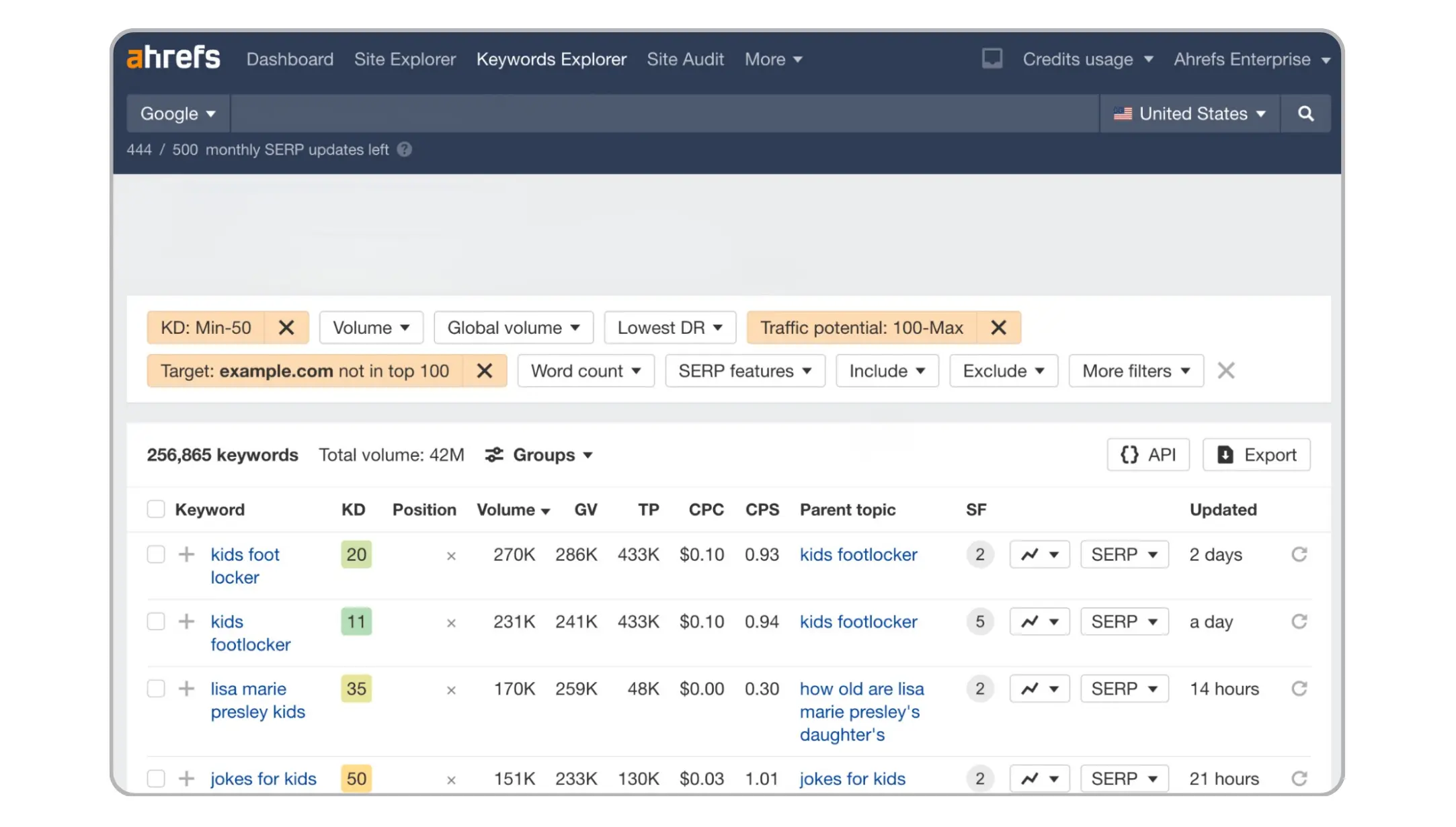
When your content aligns with the intent of a search query, search engines reward your site with improved visibility.
When your content aligns with the intent of a search query, search engines reward your site with improved visibility.
2. Technical SEO
A beautifully designed website will not rank if search engines are unable to crawl and index it correctly. Technical SEO is concerned with behind-the-scenes aspects such as:
Quick page load times
Mobile optimization
Secure HTTPS protocol
XML sitemaps and correct indexing
Clean URL structures
Consider technical SEO as the foundation upon which everything else depends. Without it, even top-class content won't rank.
2. Technical SEO
A beautifully designed website will not rank if search engines are unable to crawl and index it correctly. Technical SEO is concerned with behind-the-scenes aspects such as:
Quick page load times
Mobile optimization
Secure HTTPS protocol
XML sitemaps and correct indexing
Clean URL structures
Consider technical SEO as the foundation upon which everything else depends. Without it, even top-class content won't rank.
3. Off-Page SEO
Off-page SEO takes place off your site and is all about establishing authority. Backlinks, links from other trusty sites linking to yours, are the most significant aspect here. When established sites deem your content trustworthy, search engines perceive you as such.
Other off-page strategies are social media interaction, brand mentions, and reviews online, all of which indicate trust and authority.
3. Off-Page SEO
Off-page SEO takes place off your site and is all about establishing authority. Backlinks, links from other trusty sites linking to yours, are the most significant aspect here. When established sites deem your content trustworthy, search engines perceive you as such.
Other off-page strategies are social media interaction, brand mentions, and reviews online, all of which indicate trust and authority.
4. Content
Content is the foundation of SEO. Quality, helpful content provides a reason to visit your site and linger. Blog posts, how-to articles, videos, and infographics can all drive engagement. It is important to make sure that you create content which solves real questions your audience might have.
Google does appreciate experience, expertise, authoritativeness, and trustworthiness (popularly referred to as E-E-A-T). By regularly publishing original and useful content, you establish yourself as an industry expert.
4. Content
Content is the foundation of SEO. Quality, helpful content provides a reason to visit your site and linger. Blog posts, how-to articles, videos, and infographics can all drive engagement. It is important to make sure that you create content which solves real questions your audience might have.
Google does appreciate experience, expertise, authoritativeness, and trustworthiness (popularly referred to as E-E-A-T). By regularly publishing original and useful content, you establish yourself as an industry expert.
How SEO Works ?
How SEO Works ?
To improve your search visibility, your SEO strategy must align your content with how search engines function across three core phases: crawling, indexing, and ranking.
1. Crawling: Search engines crawl the web to find new or changed content.
2. Indexing: They store and index the content in their database.
3. Ranking: When a user searches, the engine draws from its index and ranks results according to relevance, authority, and user experience.
To improve your search visibility, your SEO strategy must align your content with how search engines function across three core phases: crawling, indexing, and ranking.
1. Crawling: Search engines crawl the web to find new or changed content.
2. Indexing: They store and index the content in their database.
3. Ranking: When a user searches, the engine draws from its index and ranks results according to relevance, authority, and user experience.
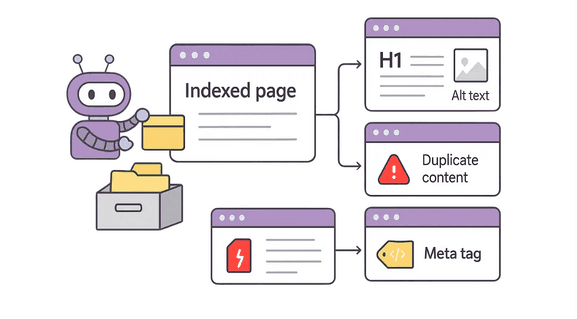
SEO makes sure your site is crawlable, has relevant content, and earns signals of authority so you rank better.
SEO makes sure your site is crawlable, has relevant content, and earns signals of authority so you rank better.
Future of SEO
Future of SEO
Trend
Trend
Trend
Trend
Description
Description
Description
Description
AI-driven search
AI-driven search
AI-driven search
Search tools like ChatGPT and Google's AI capabilities are revolutionizing how individuals get answers.
Search tools like ChatGPT and Google's AI capabilities are revolutionizing how individuals get answers.
Search tools like ChatGPT and Google's AI capabilities are revolutionizing how individuals get answers.
Voice search
Voice search
Voice search
Voice query optimization is increasingly becoming significant with smart speakers' popularity on the rise.
Voice query optimization is increasingly becoming significant with smart speakers' popularity on the rise.
Voice query optimization is increasingly becoming significant with smart speakers' popularity on the rise.
Mobile-first indexing
Mobile-first indexing
Mobile-first indexing
Google ranks sites with mobile usability in mind.
Google ranks sites with mobile usability in mind.
Google ranks sites with mobile usability in mind.
User-first content
User-first content
User-first content
Google prioritizes useful, unique content composed for humans, not algorithms.
Google prioritizes useful, unique content composed for humans, not algorithms.
Google prioritizes useful, unique content composed for humans, not algorithms.
Underlying principle
Underlying principle
Underlying principle
The underlying principle remains unchanged though: sites providing value and an easy-to-use experience will continue to rank well.
The underlying principle remains unchanged though: sites providing value and an easy-to-use experience will continue to rank well.
The underlying principle remains unchanged though: sites providing value and an easy-to-use experience will continue to rank well.
The future of SEO is driven by AI, voice search, and user-first content. Websites that focus on value, usability, and adaptability will continue to rank high.
The future of SEO is driven by AI, voice search, and user-first content. Websites that focus on value, usability, and adaptability will continue to rank high.
Final Thoughts
SEO is not a short-term solution, it's a long-term effort that keeps businesses in the public eye, establishes credibility, and brings customers online. By prioritizing on-page, technical, and off-page SEO, with supporting useful content, you can build a solid digital growth foundation.
As search engines continue to develop, don't forget that usefulness and authenticity are your greatest strengths. SEO is most effective when you mix technical enhancements with human-centered content. When your site actually benefits people, rankings and visibility will take care of themselves.
SEO is not a short-term solution, it's a long-term effort that keeps businesses in the public eye, establishes credibility, and brings customers online. By prioritizing on-page, technical, and off-page SEO, with supporting useful content, you can build a solid digital growth foundation.
As search engines continue to develop, don't forget that usefulness and authenticity are your greatest strengths. SEO is most effective when you mix technical enhancements with human-centered content. When your site actually benefits people, rankings and visibility will take care of themselves.
Frequently Asked Questions (FAQs)
Frequently Asked Questions
How long does SEO take to work?

SEO typically takes 3-6 months to start showing measurable results like improved rankings and increased organic traffic, though some sites may require 6-12 months depending on competition and site history. New websites often need longer (up to 12 months) due to the "sandbox effect" where Google evaluates trustworthiness. Factors like domain age, industry competition, content quality, and consistent optimization efforts significantly impact the timeline for seeing meaningful SEO results.
What's the difference between SEO and PPC?
SEO (Search Engine Optimization) generates organic, unpaid traffic through improved search rankings and provides long-term, sustainable results but takes 3-6 months to show impact. PPC (Pay-Per-Click) delivers immediate visibility through paid ads but stops working when you stop paying, with typical costs of $0.50-$5+ per click. Organic results get 45% CTR on desktop while paid results only get 1.8%, making SEO more cost-effective long-term.
How do search engines rank websites?
Search engines crawl and index web pages, then use sophisticated algorithms to determine relevance and authority for a given query. Factors include content quality, user experience, keywords, backlinks, mobile-friendliness, page speed, and more. SEO aligns your site with these signals so it ranks higher for relevant searches.
What's the difference between white hat and black hat SEO?
White hat SEO uses ethical, Google-approved techniques like quality content creation, proper keyword optimization, natural link building, and technical improvements that provide sustainable long-term results without risk. Black hat SEO employs manipulative tactics like keyword stuffing, hidden text, cloaking, purchased links, and fake redirects that violate Google's guidelines. While black hat may show quick results, it risks severe penalties including temporary or permanent removal from search results.
Why did my Google rankings suddenly drop?
Rankings usually drop because of Google algorithm updates, technical issues like slow speed or broken links, or increased competition. You may also lose rankings if backlinks are removed, content becomes outdated, or your site has crawl issues. Sometimes penalties or major website changes (like new URLs) can also affect rankings. Check Google Search Console and run a full technical audit to find the exact cause.
What are keywords in SEO?
Keywords are the words or phrases people search for on Google to find information, products, or services. They help search engines understand your content and match it to user intent. Adding keywords naturally in titles, meta descriptions, headers, and content improves visibility. Good keyword research focuses on high-volume, low-competition terms your audience actually searches for.
How do I make my website SEO-friendly?
Make your website SEO-friendly by improving page speed, mobile responsiveness, and using HTTPS. Create high-quality, keyword-optimized content with proper titles, meta descriptions, and header tags. Use clean URLs, strong internal linking, and structured data to help Google understand your pages. Submit your sitemap, fix technical issues, and update content regularly to maintain strong rankings.
How long does SEO take to work?
SEO typically takes 3-6 months to start showing measurable results like improved rankings and increased organic traffic, though some sites may require 6-12 months depending on competition and site history. New websites often need longer (up to 12 months) due to the "sandbox effect" where Google evaluates trustworthiness. Factors like domain age, industry competition, content quality, and consistent optimization efforts significantly impact the timeline for seeing meaningful SEO results.
What's the difference between SEO and PPC?
SEO (Search Engine Optimization) generates organic, unpaid traffic through improved search rankings and provides long-term, sustainable results but takes 3-6 months to show impact. PPC (Pay-Per-Click) delivers immediate visibility through paid ads but stops working when you stop paying, with typical costs of $0.50-$5+ per click. Organic results get 45% CTR on desktop while paid results only get 1.8%, making SEO more cost-effective long-term.
How do search engines rank websites?
Search engines crawl and index web pages, then use sophisticated algorithms to determine relevance and authority for a given query. Factors include content quality, user experience, keywords, backlinks, mobile-friendliness, page speed, and more. SEO aligns your site with these signals so it ranks higher for relevant searches.
What's the difference between white hat and black hat SEO?
White hat SEO uses ethical, Google-approved techniques like quality content creation, proper keyword optimization, natural link building, and technical improvements that provide sustainable long-term results without risk. Black hat SEO employs manipulative tactics like keyword stuffing, hidden text, cloaking, purchased links, and fake redirects that violate Google's guidelines. While black hat may show quick results, it risks severe penalties including temporary or permanent removal from search results.
Why did my Google rankings suddenly drop?
Rankings usually drop because of Google algorithm updates, technical issues like slow speed or broken links, or increased competition. You may also lose rankings if backlinks are removed, content becomes outdated, or your site has crawl issues. Sometimes penalties or major website changes (like new URLs) can also affect rankings. Check Google Search Console and run a full technical audit to find the exact cause.
What are keywords in SEO?
Keywords are the words or phrases people search for on Google to find information, products, or services. They help search engines understand your content and match it to user intent. Adding keywords naturally in titles, meta descriptions, headers, and content improves visibility. Good keyword research focuses on high-volume, low-competition terms your audience actually searches for.
How do I make my website SEO-friendly?
Make your website SEO-friendly by improving page speed, mobile responsiveness, and using HTTPS. Create high-quality, keyword-optimized content with proper titles, meta descriptions, and header tags. Use clean URLs, strong internal linking, and structured data to help Google understand your pages. Submit your sitemap, fix technical issues, and update content regularly to maintain strong rankings.
Boost Your Rankings, Traffic, & Authority with Smart SEO
Boost Your Rankings, Traffic, & Authority with Smart SEO
Optimize your content, structure, and technical setup to boost rankings, drive traffic, and grow long-term results.
Optimize your content, structure, and technical setup to boost rankings, drive traffic, and grow long-term results.
Optimize your content, structure, and technical setup to boost rankings, drive traffic, and grow long-term results.
4.9/5 Ratings!
Share this article
Share this article

Related Resources






Don’t miss our revenue growth tips!
Don’t miss our revenue growth tips!
Get expert marketing tips—straight to your inbox, like thousands of happy clients.
Get expert marketing tips—straight to your inbox, like thousands of happy clients.

























Ready to speak with an expert?
Data-Driven Marketing Agency That Elevates ROI
1100+
Websites Designed & Optimized to Convert
$280M+
Client Revenue Driven & Growing Strong
Discover how to skyrocket
your revenue today!
Trusted by 1000+ Owners!
Ready to speak with an expert?
Data-Driven Marketing Agency That Elevates ROI
1100+
Websites Designed & Optimized to Convert
$280M+
Client Revenue Driven & Growing Strong
Discover how to skyrocket
your revenue today!
Trusted by 1000+ Owners!
Want to skyrocket revenue?
4.9/5 Ratings!
Ready to speak with an expert?
Data-Driven Marketing Agency That Elevates ROI
1100+
Websites Designed & Optimized to Convert
$280M+
Client Revenue Driven & Growing Strong
Discover how to skyrocket
your revenue today!
Trusted by 1000+ Owners!
Call
Meet