How AI Overviews Are Changing Local SEO in 2026
How AI Overviews Are Changing Local SEO in 2026
Table of Content
Title
Case Studies

Tanya Singh
Tanya Singh
Tanya Singh
SEO
SEO
SEO
8 Min Read
10 Min
8 Min Read
If you have been using the same SEO strategy for several years, there is likely an indication that something does not seem right.
Perhaps your rankings remain intact, but you no longer receive traffic. You get leads occasionally instead of consistently. There is a reason for this. The way people search online and what appears when they do has changed.
In 2026, artificial intelligence will not only serve as the backbone of how Google operates, but it will become the deciding factor for a significant amount of content shown to searchers. For any local business, this will be impossible to ignore.
Search engines continue to evolve. Instead of searching on multiple sites, people use Google's algorithm to receive instant answers. As a result, users often do not need to leave Google. To ensure your business receives organic traffic, you must appear on Google's SERP. Let’s unpack what’s going on.
What Are AI Overviews, and Why Do They Matter for Local Search?
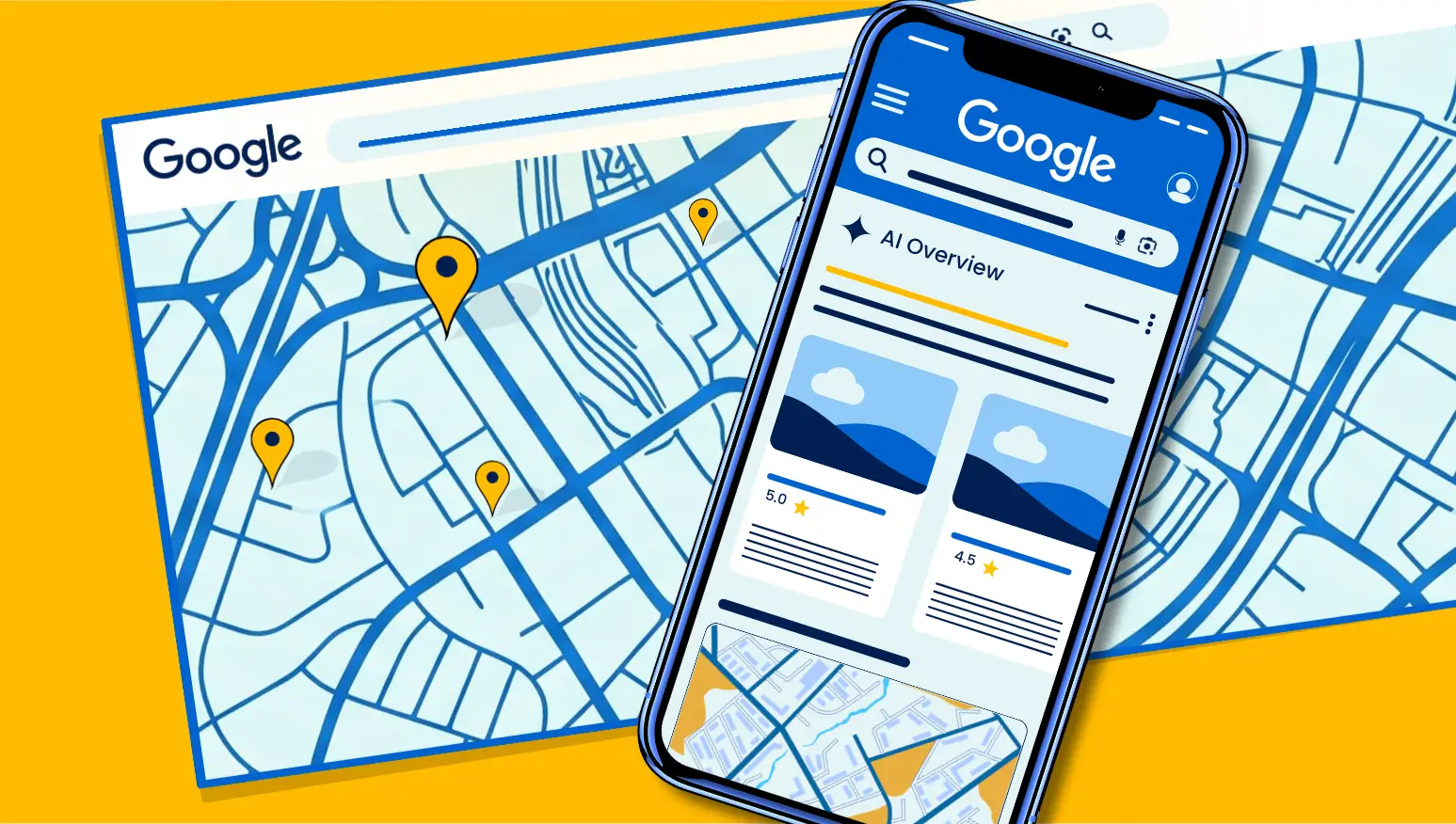
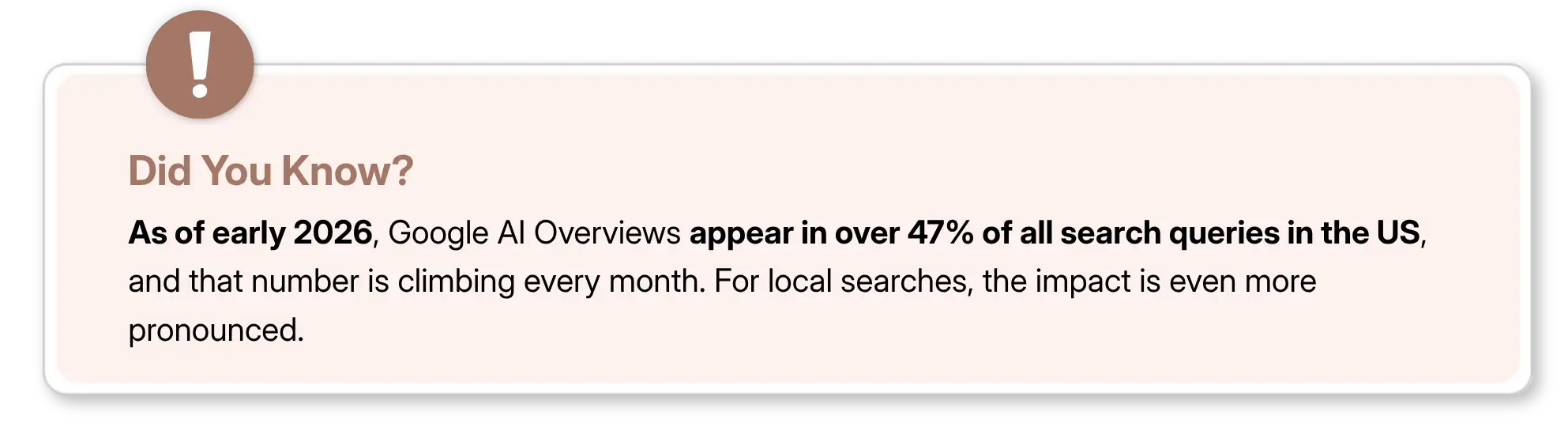
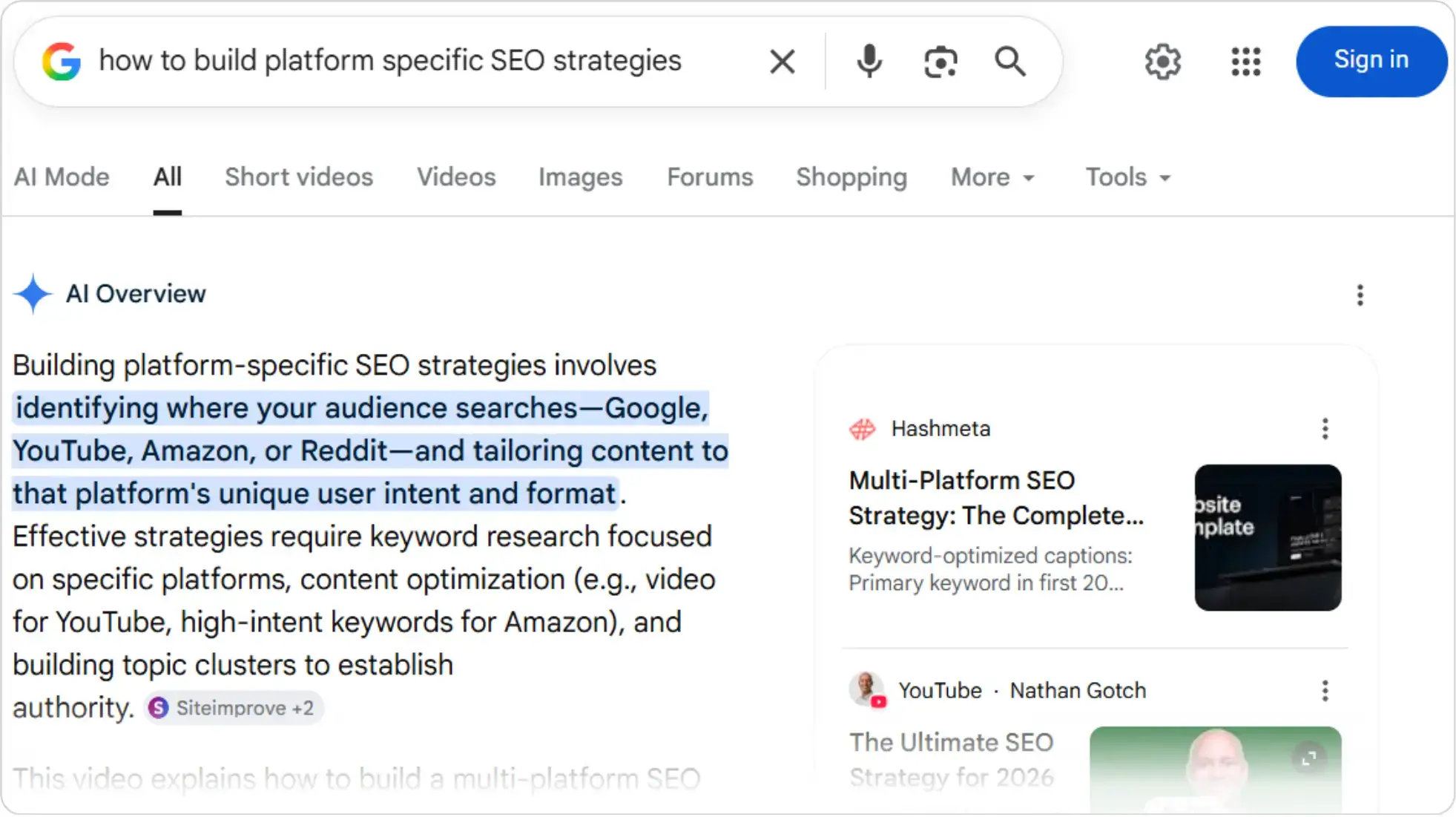
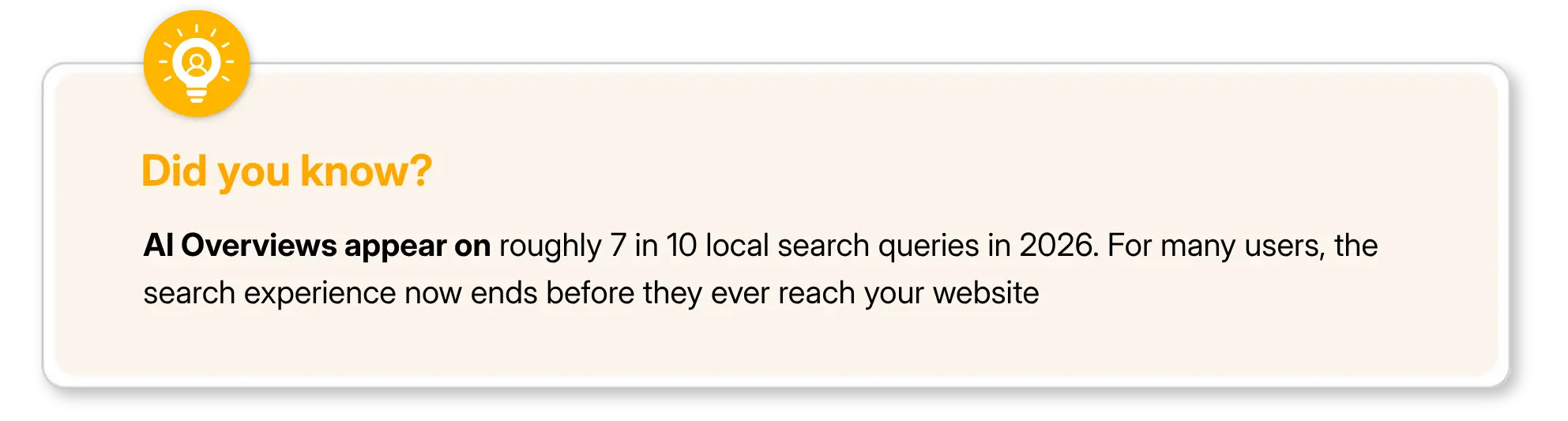
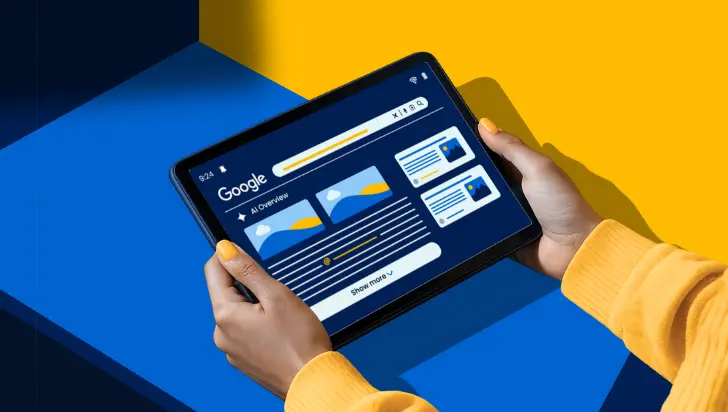
AI Overviews are Google's AI-generated answer panels that now appear at the top of search results. For local searches specifically, they often include business names, operating hours, location details, and short descriptions — all compiled automatically from multiple sources across the web. Here's where it gets important for your business. A customer searching for "best dentist near me" or "coffee shop open now" might never scroll past this panel. They get the information they need i.e. a name, a number, an address without clicking a single link.
And if your business isn't included in that result? You're invisible at the exact moment someone is making a decision.
How Are AI Overviews Different From Featured Snippets?
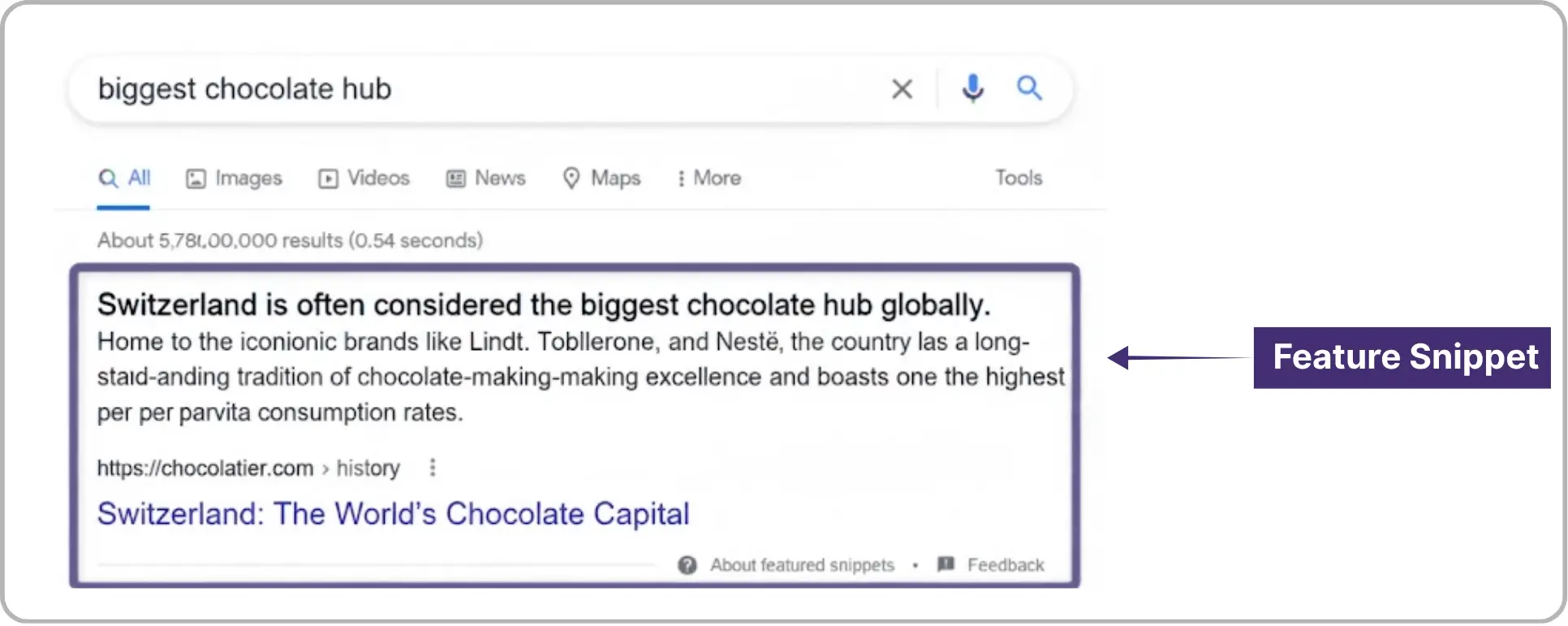
Remember featured snippets, those little answer boxes that used to sit at the top of Google's results? They pulled one best answer from one source. If you ranked for a snippet, you had the top spot to yourself. AI Overviews work differently. Instead of highlighting a single source, Google gathers information from multiple websites and synthesises it into one coherent answer. It reads, compares, and writes and what appears at the top is the AI's own summary, not a direct extract from your page.
What does that mean for how you compete? Ranking first is still valuable but it's no longer enough on its own. The AI may pull your information even if you rank fifth. Or it may ignore you entirely if your content isn't clear enough for it to parse. You're no longer just competing for rankings. You're competing to be cited.
The Click-Through Rate Problem: Zero-Click Local Search
Zero-click local search is exactly what it sounds like: someone searches, gets their answer from the AI Overview, and moves on without visiting any website. For queries like "is this café open on Sunday" or "what does a dental implant cost," the AI delivers the answer directly. No click required.
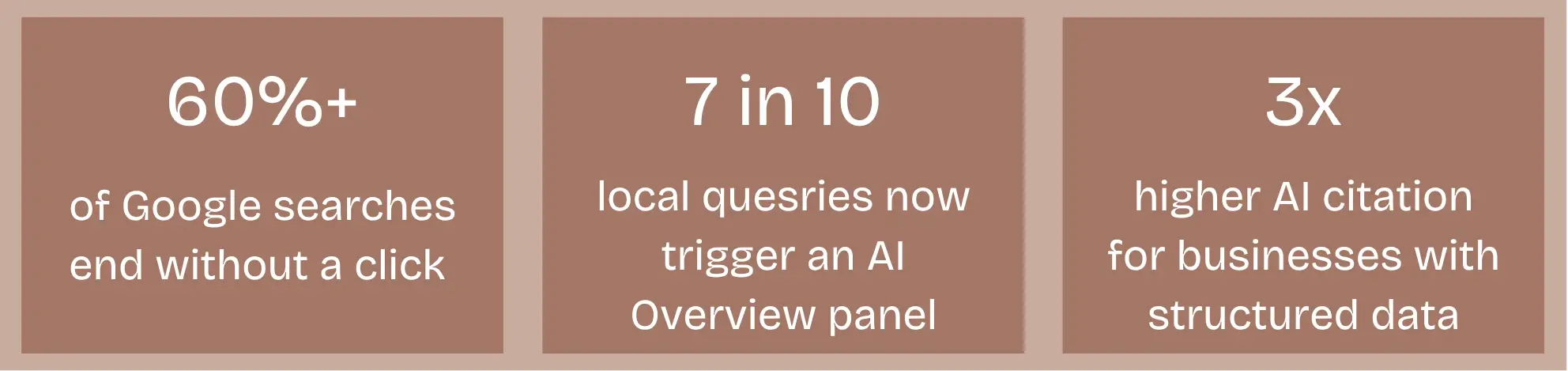
Clicks haven't disappeared entirely. High-intent searches — "book a table," "emergency electrician," "orthodontist near me" — still drive real traffic to websites. But your brand's first impression now happens inside a panel that may not link to you at all.
That changes the game. You need people to see your business name and trust it before they ever visit your site. Which means you need to be in the panel in the first place.
What Does the AI Actually Look at to Decide Who Gets Cited?
This is the question most businesses are asking right now and the answer is more straightforward than you might expect.
Your Google Business Profile comes first
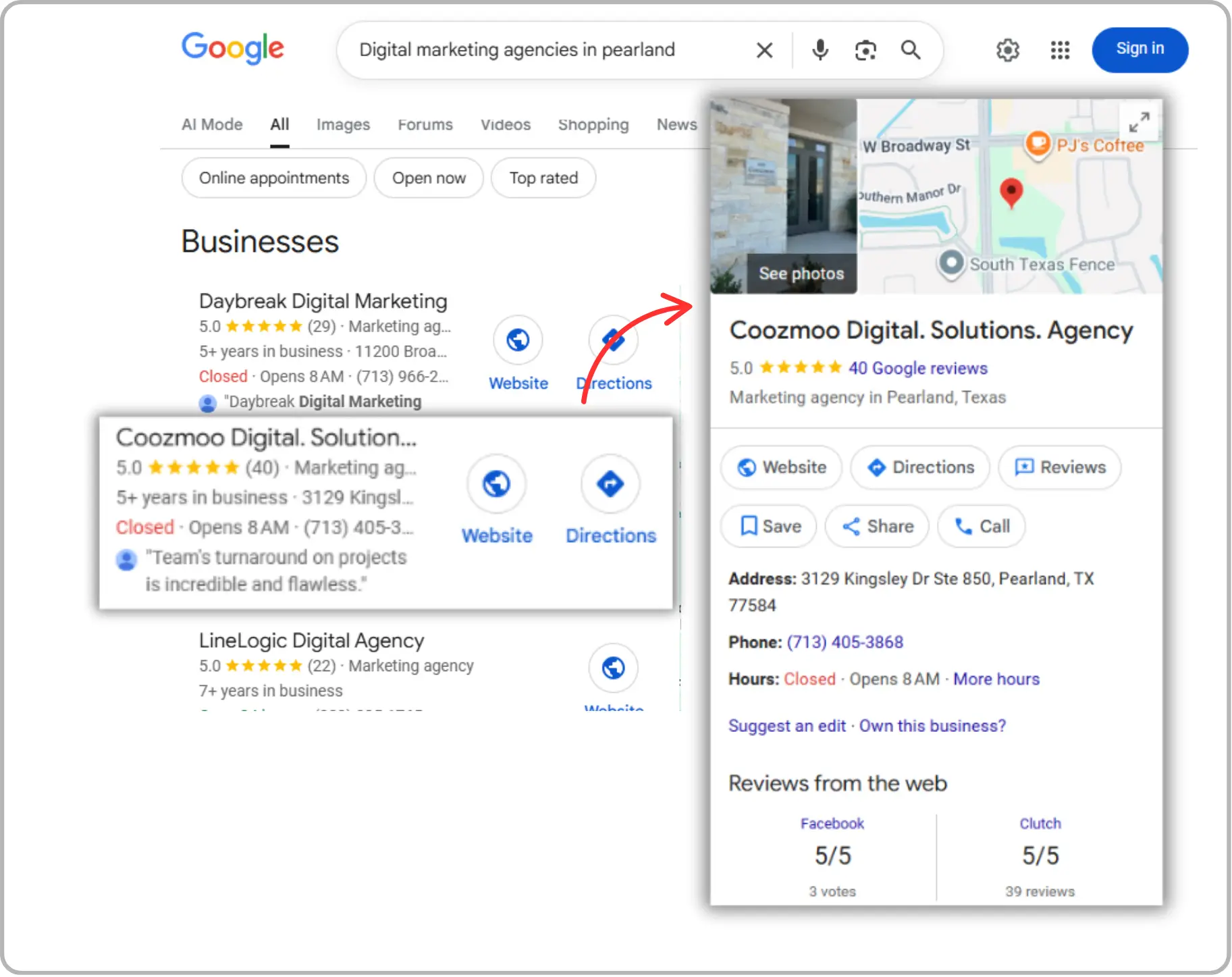
The AI doesn't start with your website. It starts with your Google Business Profile (GBP). Businesses with complete, accurate, regularly updated profiles are significantly more likely to appear in AI Overview citations. Every field plays a role: your business categories, services listed, photos, answers in the Q&A section, and attributes like "wheelchair accessible" or "family-friendly."
If you set up your GBP two years ago and haven't touched it since, that's likely your biggest vulnerability right now.
Review recency matters more than your star rating
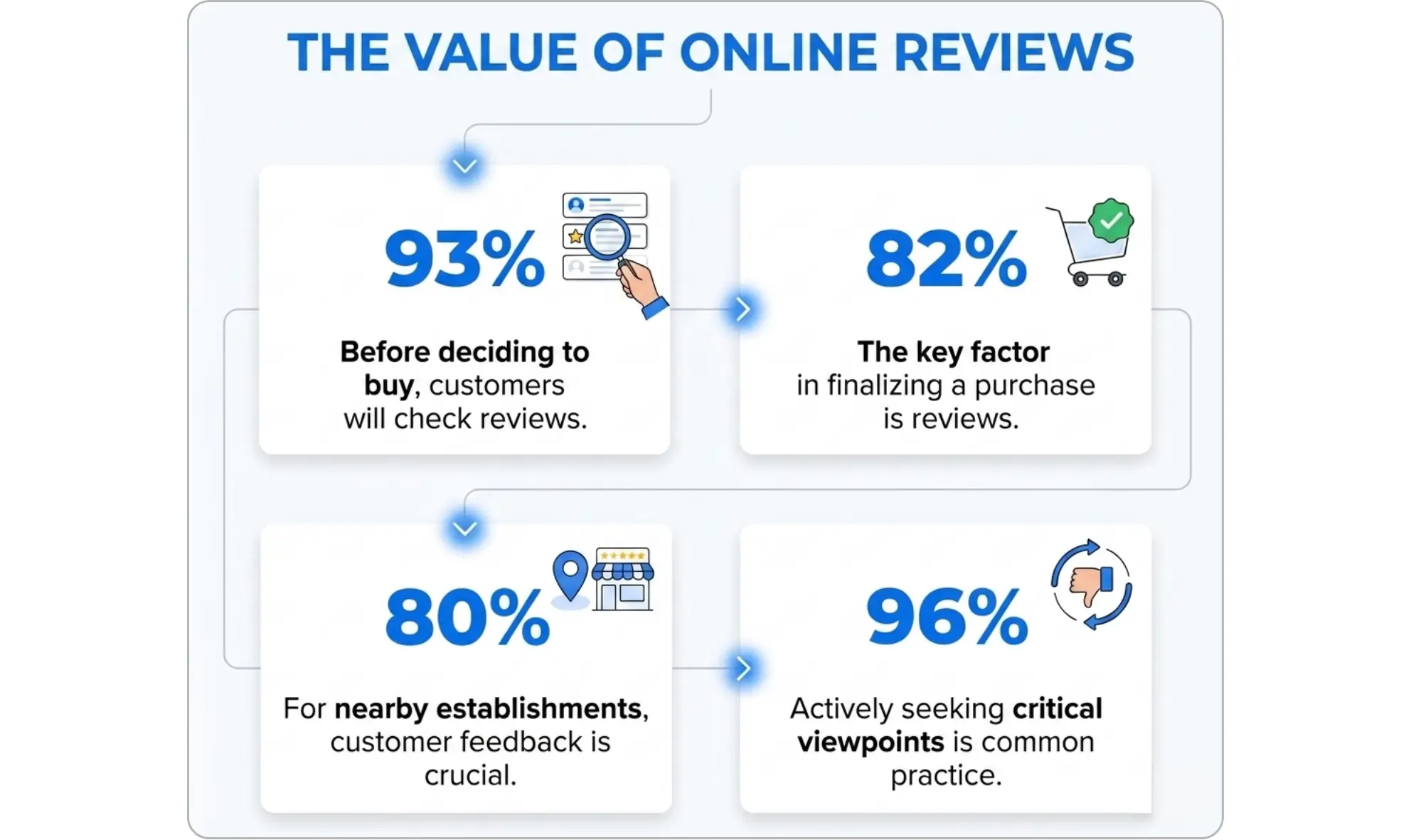
Here's something most local businesses don't realise. A business with 4.3 stars and 40 reviews from the last six months will regularly outperform one with 4.8 stars and reviews that stopped coming in 2022. The AI treats fresh, specific reviews as a signal that the business is active and currently trustworthy — not just historically good.
Clear website copy beats keyword-stuffed pages
AI Overviews don't scan your site for keyword density. They parse it for factual, useful answers to real questions. A service page that says "We provide professional dental implants in Bristol with competitive prices" tells the AI very little. A page that explains what the procedure involves, how long it takes, the typical cost range, and who it suits — that's what gets cited.
Old Local SEO vs. AI Overviews: What's Changed and What Hasn't
Factor | Before AI Overviews | Now, in 2026 | Priority |
|---|---|---|---|
Google Business Profile | Important | Critical - AI's primary source | High |
Review recency & detail | Helpful | Strongly weighted for citations | High |
Structured data / schema | Recommended | Near-essential for AI to read you | High |
Clear, factual web copy | Good practice | What actually gets cited | High |
Keyword-dense location pages | Core tactic | Declining clarity beats density | Medium |
Backlink volume | Major signal | Less decisive for AI panel inclusion | Medium |
NAP consistency (name/address/phone) | Important | Still matters for entity recognition | Medium |
Keyword stuffing in descriptions | Tolerated | Counterproductive AI ignores it | Avoid |
Thin location landing pages | Common tactic | Rarely cited, can reduce credibility | Avoid |
Five Practical Steps to Improve Your Visibility in AI Overviews
None of this requires starting from scratch. It requires doing the fundamentals with more care and consistency than you probably have been.
1. Stop treating your Google Business Profile as a set-and-forget task
Post an update at least once a week. Add new photos monthly, high-quality visuals can improve your Click-Through Rate (CTR) by making your profile more attractive to searchers. Answer every question in the Q&A section yourself — before a customer or a stranger does it incorrectly. The AI learns from active, maintained profiles. A profile last updated in 2023 is a missed opportunity, not a ticked box.
2. Build a review process, not a review campaign
One-off review pushes where you ask everyone at once and then go quiet, actually work against you now. The AI weighs consistent, recent review activity over historical volume. Build a simple, repeatable process: a follow-up text, a QR code at the point of service, or a line your staff uses after a positive interaction. Steady beats spectacular.
3. Add structured data markup to your website
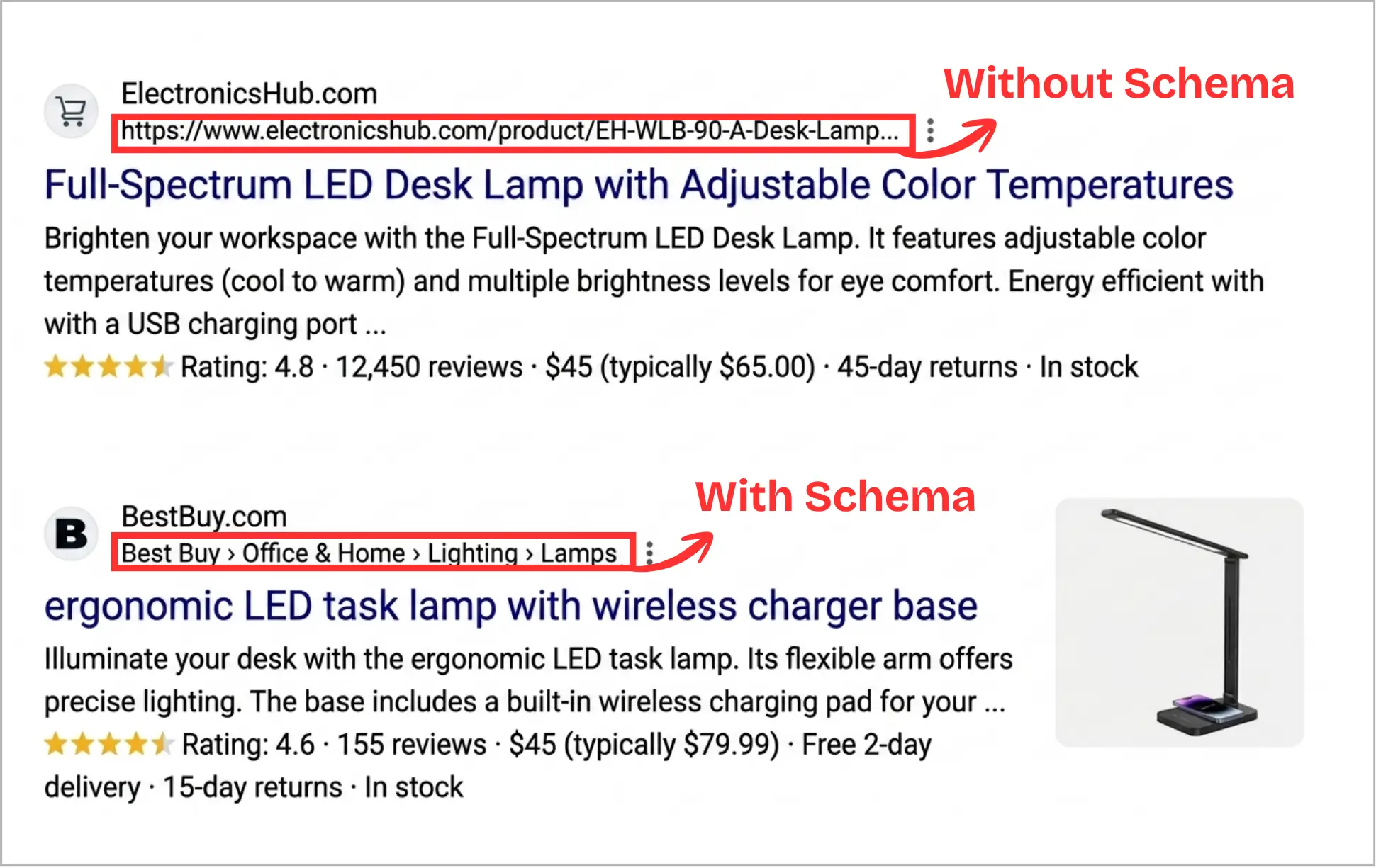
Structured data (schema markup) is code that tells search engines exactly what your business is, where it operates, and what it offers in a format machines understand without guessing. Without it, the AI has to interpret your site. With it, you're handing the relevant information directly.
4. Rewrite your service pages to answer actual questions
Most local business websites describe their services in vague, promotional language. "We offer the best X in Y city at affordable prices." The AI has no use for that. It's looking for pages that answer real questions: What does the service involve? How long does it take? What's a realistic cost? Who is it suited to?
Go through your service pages one at a time and ask: if a customer typed a question about this into Google, would my page actually answer it? If the honest answer is no, rewrite it so it does.
5. Strengthen your business as an entity across the web
Google's AI recognises businesses as distinct entities — objects in a knowledge graph with verifiable attributes. Every mention of your business name, address, and phone number on a credible third-party site (local press, industry associations, Chamber of Commerce directories) reinforces that entity.
Consistent NAP details across all platforms tell the AI: this is a real, established business — you can trust it.
Is the Google Map Pack Still Worth Your Attention?
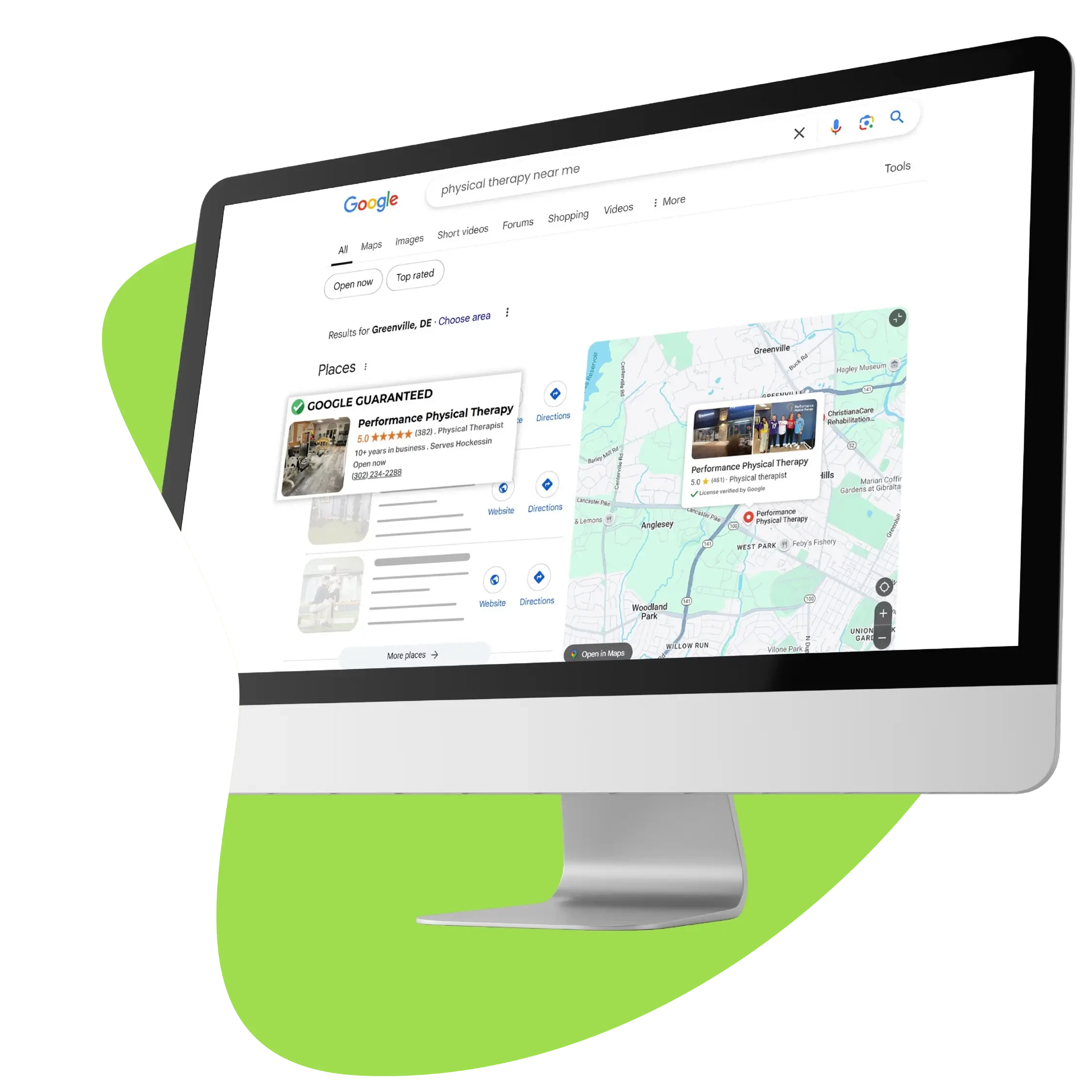
Yes — though it's no longer the dominant feature on the page it once was. On many local queries, the AI Overview now sits above the map pack, pushing it further down. For navigational searches (someone ready to get directions or make a booking), people still scroll to the map. The intent is different.
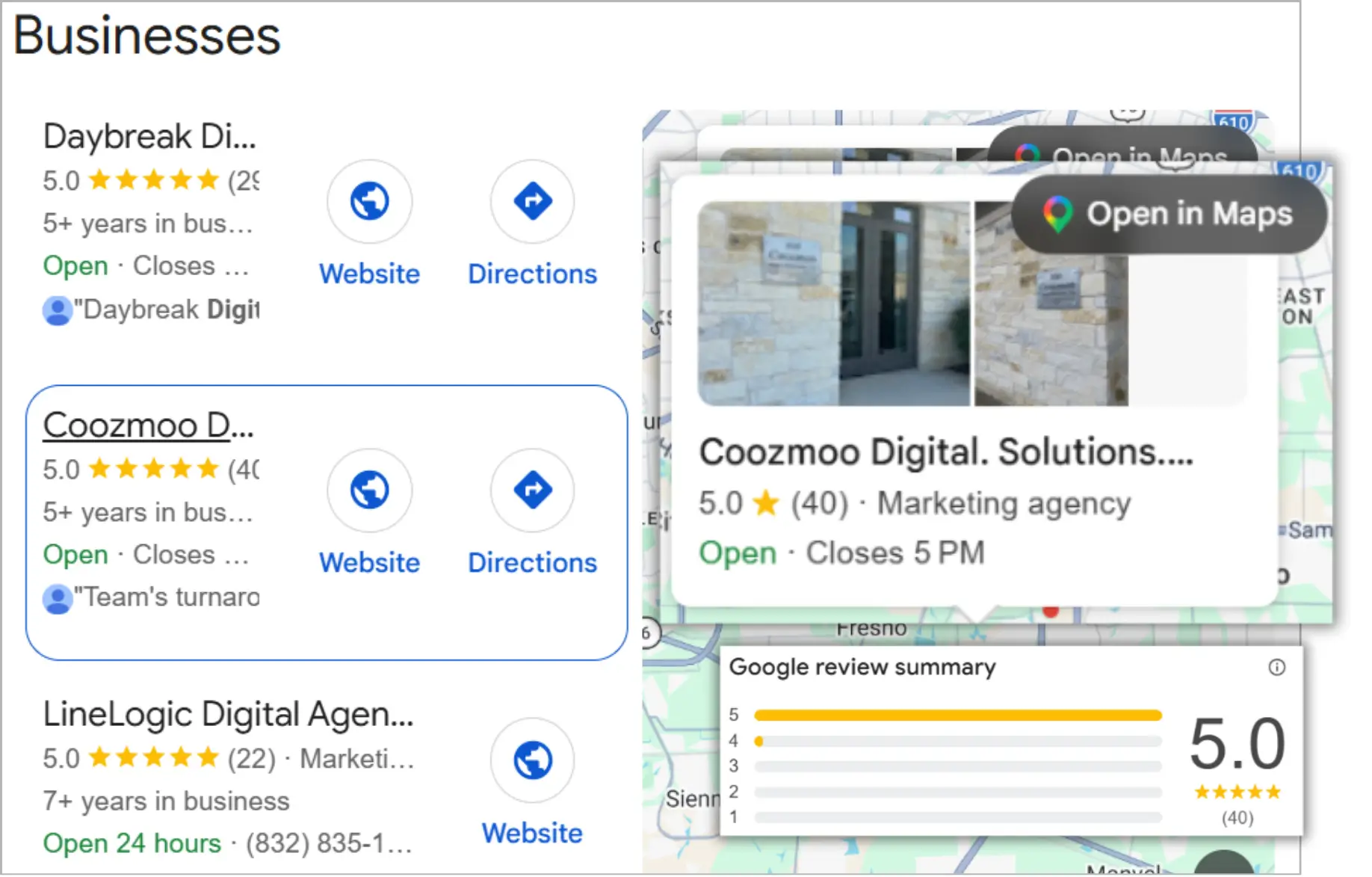
What's also worth knowing: the signals that improve your AI Overview visibility and the signals that improve your map pack ranking are largely the same. GBP quality, review health, and structured data feed both systems. Improving one tends to improve the other.
The Opportunity Most Local Businesses Are Missing Right Now
The majority of small and mid-sized businesses are still optimising for a search page that no longer looks the way it did in 2022. They're tracking rankings on pages that fewer users reach. They're not thinking about whether the AI would cite them — because they didn't know that was something to think about. That's the gap. And it's a real one.
The businesses getting cited in AI Overviews aren't doing anything exotic. They're maintaining their Google Business Profile properly. They're getting reviews consistently. They have schema markup on their key pages. They've written service pages that actually explain what they do.
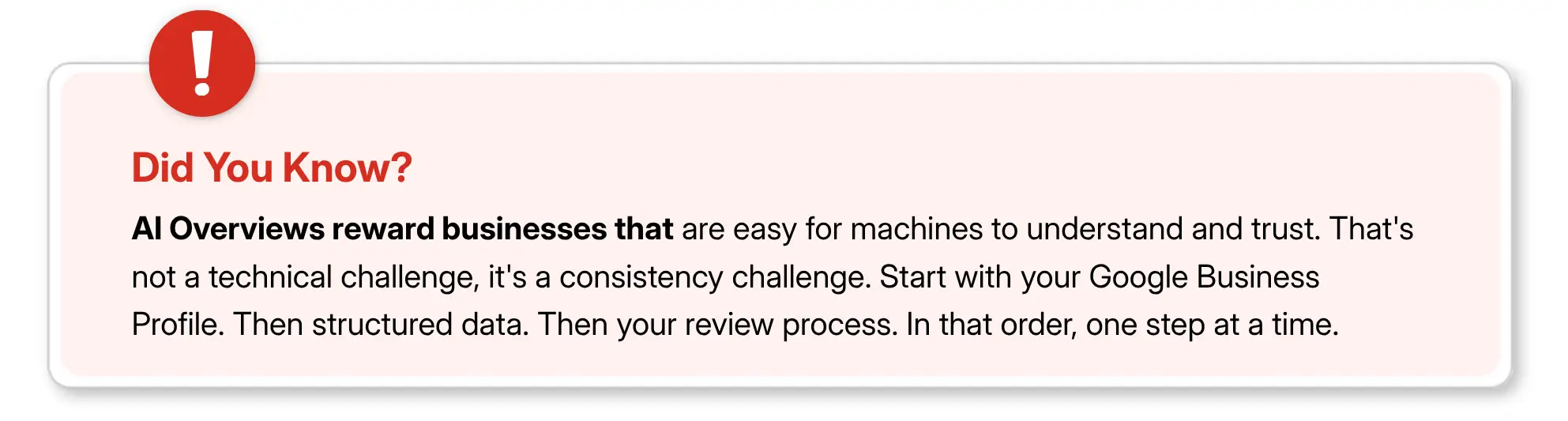
The businesses building that foundation now will have an advantage that compounds. And the ones waiting to see how it all plays out will find the gap harder to close the longer they wait.
Final Thoughts
Local SEO has always rewarded businesses that make themselves easy to find and easy to trust. AI Overviews haven't changed that rule — they've just raised the bar for what "easy" means. The AI isn't trying to make your life harder. It's trying to give searchers the most accurate, useful answer as fast as possible. Your job is to make sure your business is the obvious choice when it goes looking.
That doesn't require a big budget or a technical team. It requires showing up consistently — updating your profile, earning reviews regularly, writing content that actually helps people, and making sure your website speaks a language that both humans and machines can understand.
If you have been using the same SEO strategy for several years, there is likely an indication that something does not seem right.
Perhaps your rankings remain intact, but you no longer receive traffic. You get leads occasionally instead of consistently. There is a reason for this. The way people search online and what appears when they do has changed.
In 2026, artificial intelligence will not only serve as the backbone of how Google operates, but it will become the deciding factor for a significant amount of content shown to searchers. For any local business, this will be impossible to ignore.
Search engines continue to evolve. Instead of searching on multiple sites, people use Google's algorithm to receive instant answers. As a result, users often do not need to leave Google. To ensure your business receives organic traffic, you must appear on Google's SERP. Let’s unpack what’s going on.
What Are AI Overviews, and Why Do They Matter for Local Search?
AI Overviews are Google's AI-generated answer panels that now appear at the top of search results. For local searches specifically, they often include business names, operating hours, location details, and short descriptions — all compiled automatically from multiple sources across the web. Here's where it gets important for your business. A customer searching for "best dentist near me" or "coffee shop open now" might never scroll past this panel. They get the information they need i.e. a name, a number, an address without clicking a single link.
And if your business isn't included in that result? You're invisible at the exact moment someone is making a decision.
How Are AI Overviews Different From Featured Snippets?
Remember featured snippets, those little answer boxes that used to sit at the top of Google's results? They pulled one best answer from one source. If you ranked for a snippet, you had the top spot to yourself. AI Overviews work differently. Instead of highlighting a single source, Google gathers information from multiple websites and synthesises it into one coherent answer. It reads, compares, and writes and what appears at the top is the AI's own summary, not a direct extract from your page.
What does that mean for how you compete? Ranking first is still valuable but it's no longer enough on its own. The AI may pull your information even if you rank fifth. Or it may ignore you entirely if your content isn't clear enough for it to parse. You're no longer just competing for rankings. You're competing to be cited.
The Click-Through Rate Problem: Zero-Click Local Search
Zero-click local search is exactly what it sounds like: someone searches, gets their answer from the AI Overview, and moves on without visiting any website. For queries like "is this café open on Sunday" or "what does a dental implant cost," the AI delivers the answer directly. No click required.
Clicks haven't disappeared entirely. High-intent searches — "book a table," "emergency electrician," "orthodontist near me" — still drive real traffic to websites. But your brand's first impression now happens inside a panel that may not link to you at all.
That changes the game. You need people to see your business name and trust it before they ever visit your site. Which means you need to be in the panel in the first place.
What Does the AI Actually Look at to Decide Who Gets Cited?
This is the question most businesses are asking right now and the answer is more straightforward than you might expect.
Your Google Business Profile comes first
The AI doesn't start with your website. It starts with your Google Business Profile (GBP). Businesses with complete, accurate, regularly updated profiles are significantly more likely to appear in AI Overview citations. Every field plays a role: your business categories, services listed, photos, answers in the Q&A section, and attributes like "wheelchair accessible" or "family-friendly."
If you set up your GBP two years ago and haven't touched it since, that's likely your biggest vulnerability right now.
Review recency matters more than your star rating
Here's something most local businesses don't realise. A business with 4.3 stars and 40 reviews from the last six months will regularly outperform one with 4.8 stars and reviews that stopped coming in 2022. The AI treats fresh, specific reviews as a signal that the business is active and currently trustworthy — not just historically good.
Clear website copy beats keyword-stuffed pages
AI Overviews don't scan your site for keyword density. They parse it for factual, useful answers to real questions. A service page that says "We provide professional dental implants in Bristol with competitive prices" tells the AI very little. A page that explains what the procedure involves, how long it takes, the typical cost range, and who it suits — that's what gets cited.
Old Local SEO vs. AI Overviews: What's Changed and What Hasn't
Factor | Before AI Overviews | Now, in 2026 | Priority |
|---|---|---|---|
Google Business Profile | Important | Critical - AI's primary source | High |
Review recency & detail | Helpful | Strongly weighted for citations | High |
Structured data / schema | Recommended | Near-essential for AI to read you | High |
Clear, factual web copy | Good practice | What actually gets cited | High |
Keyword-dense location pages | Core tactic | Declining clarity beats density | Medium |
Backlink volume | Major signal | Less decisive for AI panel inclusion | Medium |
NAP consistency (name/address/phone) | Important | Still matters for entity recognition | Medium |
Keyword stuffing in descriptions | Tolerated | Counterproductive AI ignores it | Avoid |
Thin location landing pages | Common tactic | Rarely cited, can reduce credibility | Avoid |
Five Practical Steps to Improve Your Visibility in AI Overviews
None of this requires starting from scratch. It requires doing the fundamentals with more care and consistency than you probably have been.
1. Stop treating your Google Business Profile as a set-and-forget task
Post an update at least once a week. Add new photos monthly, high-quality visuals can improve your Click-Through Rate (CTR) by making your profile more attractive to searchers. Answer every question in the Q&A section yourself — before a customer or a stranger does it incorrectly. The AI learns from active, maintained profiles. A profile last updated in 2023 is a missed opportunity, not a ticked box.
2. Build a review process, not a review campaign
One-off review pushes where you ask everyone at once and then go quiet, actually work against you now. The AI weighs consistent, recent review activity over historical volume. Build a simple, repeatable process: a follow-up text, a QR code at the point of service, or a line your staff uses after a positive interaction. Steady beats spectacular.
3. Add structured data markup to your website
Structured data (schema markup) is code that tells search engines exactly what your business is, where it operates, and what it offers in a format machines understand without guessing. Without it, the AI has to interpret your site. With it, you're handing the relevant information directly.
4. Rewrite your service pages to answer actual questions
Most local business websites describe their services in vague, promotional language. "We offer the best X in Y city at affordable prices." The AI has no use for that. It's looking for pages that answer real questions: What does the service involve? How long does it take? What's a realistic cost? Who is it suited to?
Go through your service pages one at a time and ask: if a customer typed a question about this into Google, would my page actually answer it? If the honest answer is no, rewrite it so it does.
5. Strengthen your business as an entity across the web
Google's AI recognises businesses as distinct entities — objects in a knowledge graph with verifiable attributes. Every mention of your business name, address, and phone number on a credible third-party site (local press, industry associations, Chamber of Commerce directories) reinforces that entity.
Consistent NAP details across all platforms tell the AI: this is a real, established business — you can trust it.
Is the Google Map Pack Still Worth Your Attention?
Yes — though it's no longer the dominant feature on the page it once was. On many local queries, the AI Overview now sits above the map pack, pushing it further down. For navigational searches (someone ready to get directions or make a booking), people still scroll to the map. The intent is different.
What's also worth knowing: the signals that improve your AI Overview visibility and the signals that improve your map pack ranking are largely the same. GBP quality, review health, and structured data feed both systems. Improving one tends to improve the other.
The Opportunity Most Local Businesses Are Missing Right Now
The majority of small and mid-sized businesses are still optimising for a search page that no longer looks the way it did in 2022. They're tracking rankings on pages that fewer users reach. They're not thinking about whether the AI would cite them — because they didn't know that was something to think about. That's the gap. And it's a real one.
The businesses getting cited in AI Overviews aren't doing anything exotic. They're maintaining their Google Business Profile properly. They're getting reviews consistently. They have schema markup on their key pages. They've written service pages that actually explain what they do.
The businesses building that foundation now will have an advantage that compounds. And the ones waiting to see how it all plays out will find the gap harder to close the longer they wait.
Final Thoughts
Local SEO has always rewarded businesses that make themselves easy to find and easy to trust. AI Overviews haven't changed that rule — they've just raised the bar for what "easy" means. The AI isn't trying to make your life harder. It's trying to give searchers the most accurate, useful answer as fast as possible. Your job is to make sure your business is the obvious choice when it goes looking.
That doesn't require a big budget or a technical team. It requires showing up consistently — updating your profile, earning reviews regularly, writing content that actually helps people, and making sure your website speaks a language that both humans and machines can understand.




Want to Skyrocket Revenue? Get a Free Audit Today!
Want to Skyrocket Revenue? Get a Free Audit Today!



4.9/5 Ratings!


Don’t miss our revenue growth tips!
Get expert marketing tips—straight to your inbox, like thousands of happy clients.
Don’t miss our revenue growth tips!
Get expert marketing tips—straight to your inbox, like thousands of happy clients.
Don’t miss our revenue growth tips!
Don’t miss our revenue growth tips!
Get expert marketing tips—straight to your inbox, like thousands of happy clients.
Relevant Blogs on Organic SEO
Relevant Blogs on Organic SEO
Unlock data-driven insights in Organic SEO—explore our featured blogs and skyrocket your revenue before your competitors do.
Unlock data-driven insights in Organic SEO—explore our featured blogs and skyrocket your revenue before your competitors do.




Ready to speak with an expert?
Data-Driven Marketing Agency That Elevates ROI
1100+
Websites Designed & Optimized to Convert
$280M+
Client Revenue Driven & Growing Strong
Discover how to skyrocket
your revenue today!
Trusted by 1000+ Owners!
Ready to speak with an expert?
Data-Driven Marketing Agency That Elevates ROI
1100+
Websites Designed & Optimized to Convert
$280M+
Client Revenue Driven & Growing Strong
Discover how to skyrocket
your revenue today!
Trusted by 1000+ Owners!
Want to skyrocket revenue?
4.9/5 Ratings!
Ready to speak with an expert?
Data-Driven Marketing Agency That Elevates ROI
1100+
Websites Designed & Optimized to Convert
$280M+
Client Revenue Driven & Growing Strong
Want to skyrocket
revenue?
Trusted by 1000+ Owners!
Call
Meet