Trophy Content & Power Pages: Build Authority & Rank Higher
Trophy Content & Power Pages: Build Authority & Rank Higher
Table of Content
Title
Case Studies



Aashi Katariya
Aashi Katariya
Aashi Katariya
SEO
SEO
SEO
10 Min Read
10 Min
10 Min Read
Search engines are evolving rapidly. With AI-driven search results, semantic indexing, and increasingly competitive SERPs, publishing dozens of small blog posts is no longer the most effective way to build authority.
Today, the websites that dominate rankings are those that build deep, authoritative resources around key topics. One of the most powerful approaches to achieving this is through Trophy Content, also known as Power Pages.
Instead of grinding out dozens of thin articles that barely move the needle, you invest everything into one flagship resource that becomes the go-to reference on a topic. Google rewards it. Readers bookmark it. Other websites link to it. And it compounds in value for years.
In this guide, we will explore five powerful strategies that can help your website dominate search rankings:
Trophy Content / Power Pages
Brand Cabinet Strategy
Topic Cluster Architecture
Data-Driven Authority Content
Continuous Content Optimization
By combining these strategies, businesses can create a content ecosystem that consistently attracts traffic, builds authority, and converts visitors into customers.
Strategy 1: Trophy Content — Build Your Power Page
The first step is choosing the right topic. Your Power Page should target a high-value subject where you want to establish undisputed authority — something your audience searches for repeatedly, something that represents real buying intent, and something competitors have only partially covered.
The Three Best Power Page Formats
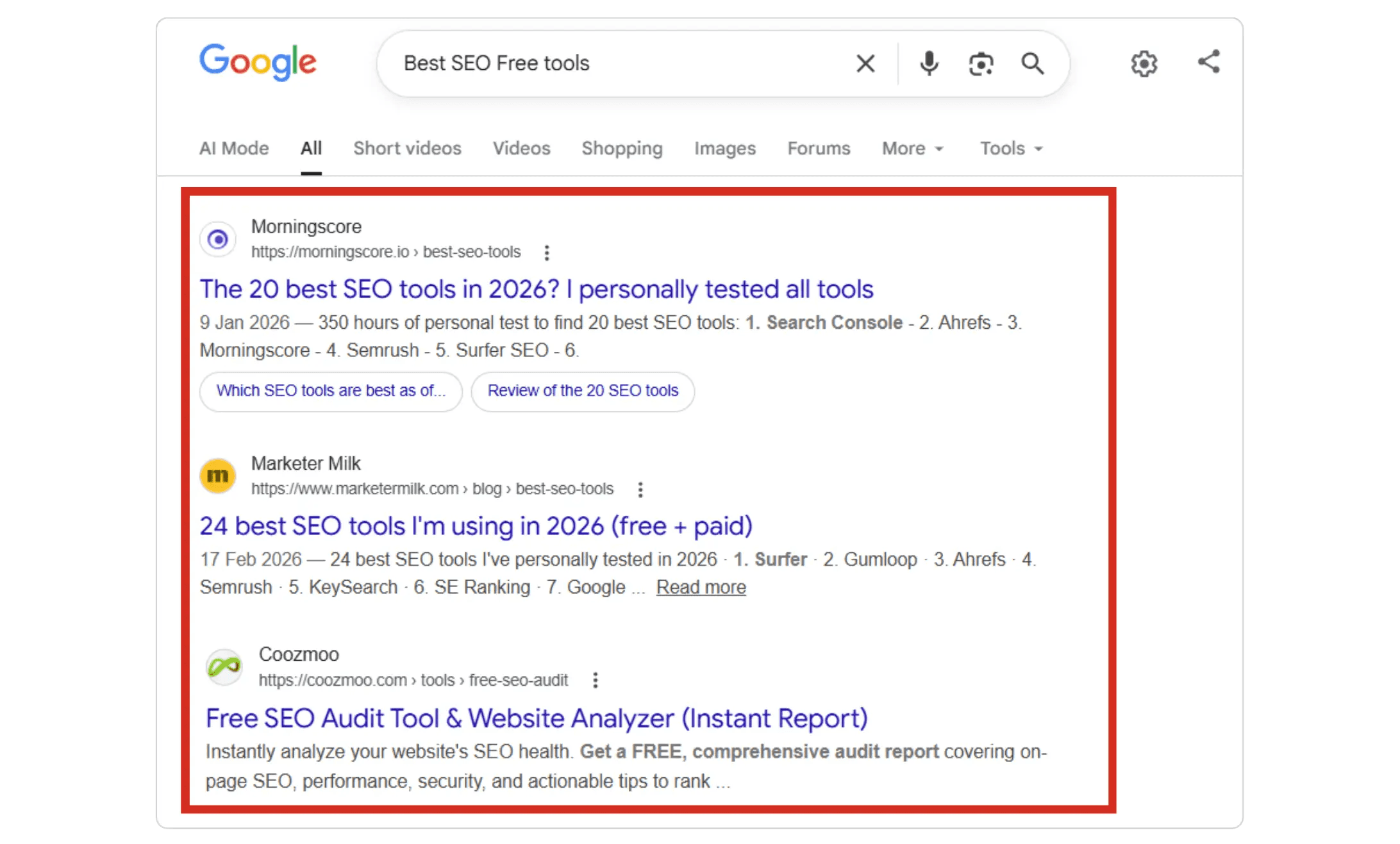
Listicle (The Best-Of Guide): Example: "Top 20 SEO Tools in 2026." These perform brilliantly because readers love curated lists and they naturally capture dozens of long-tail keyword variations within a single piece.
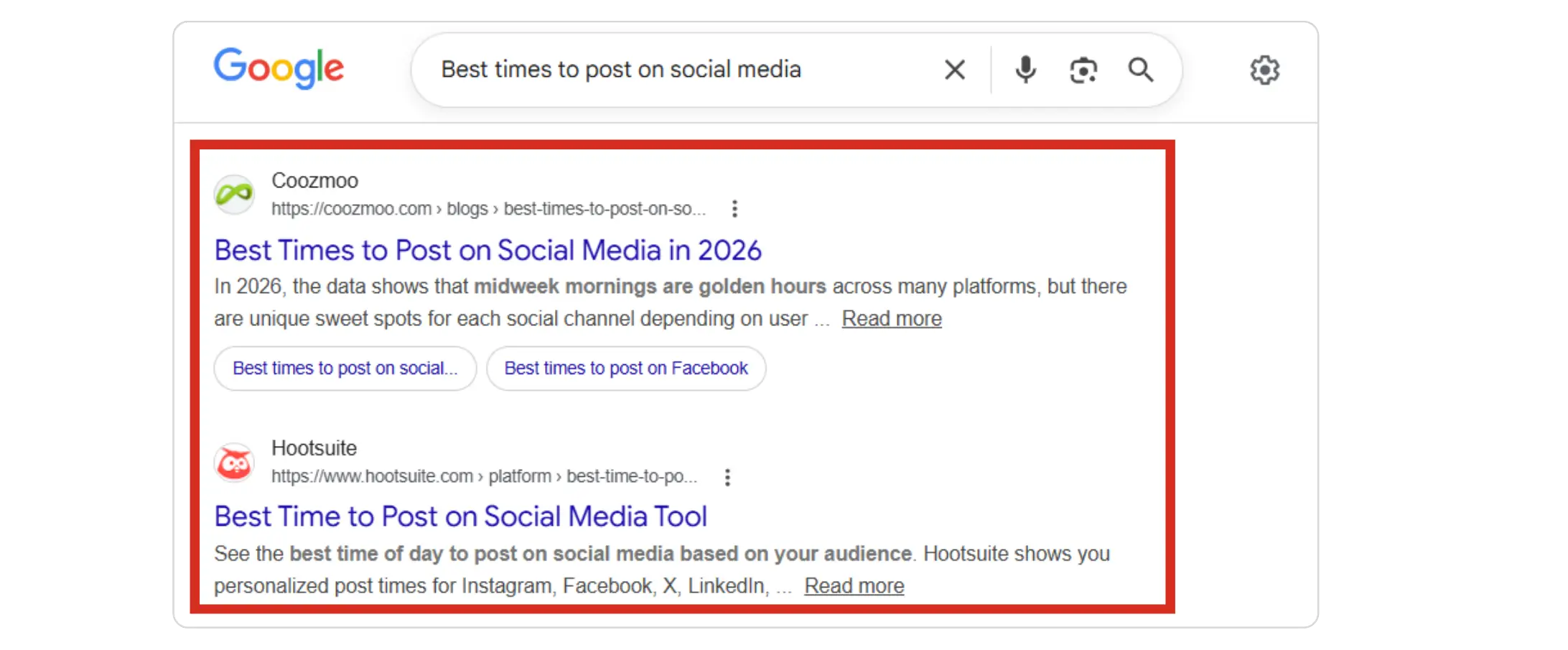
Example: "Best Time to Post on Social Media"
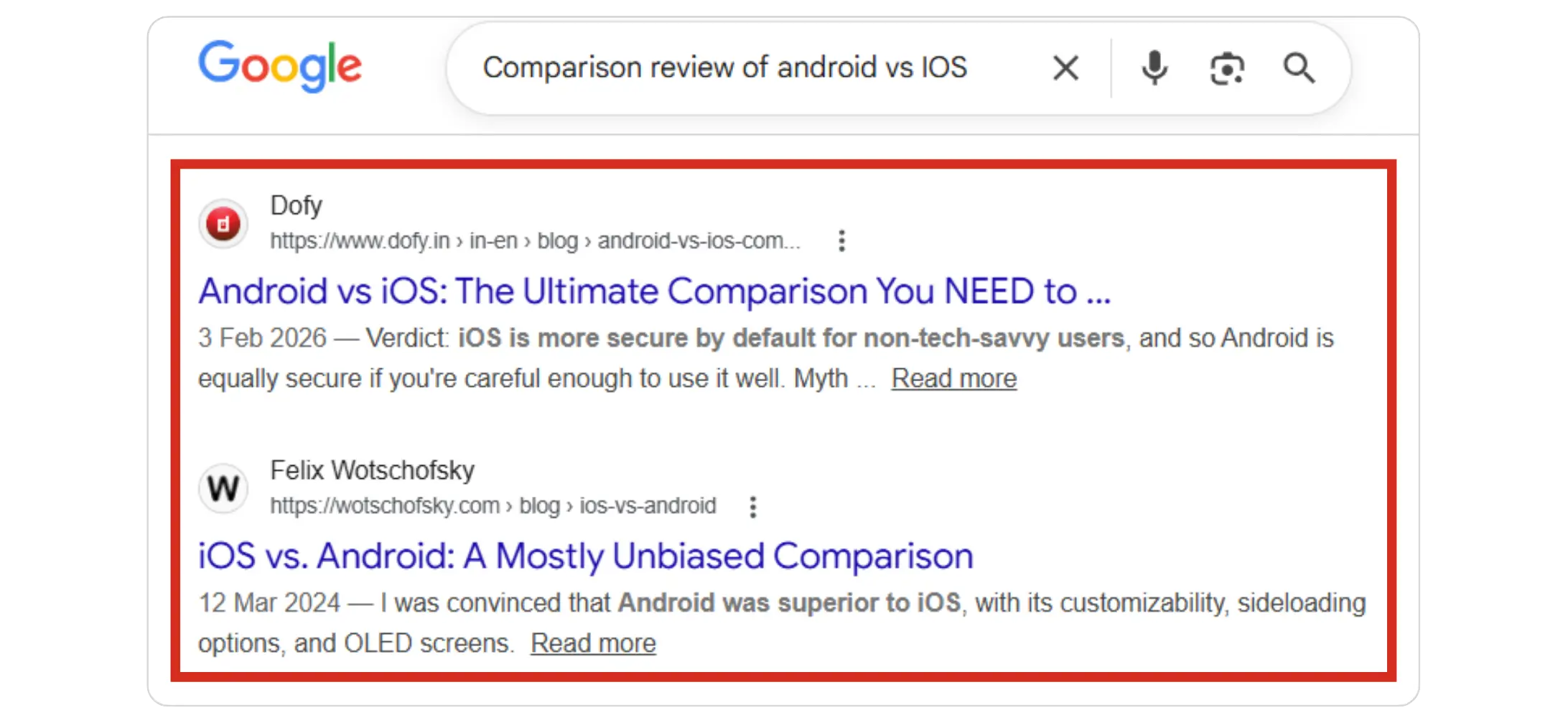
Review / In-Depth Analysis: Example: "Comprehensive Review of [Product X] vs. [Product Y]." Review content targets readers who are close to a purchase decision, delivering some of the highest-intent traffic you can attract.
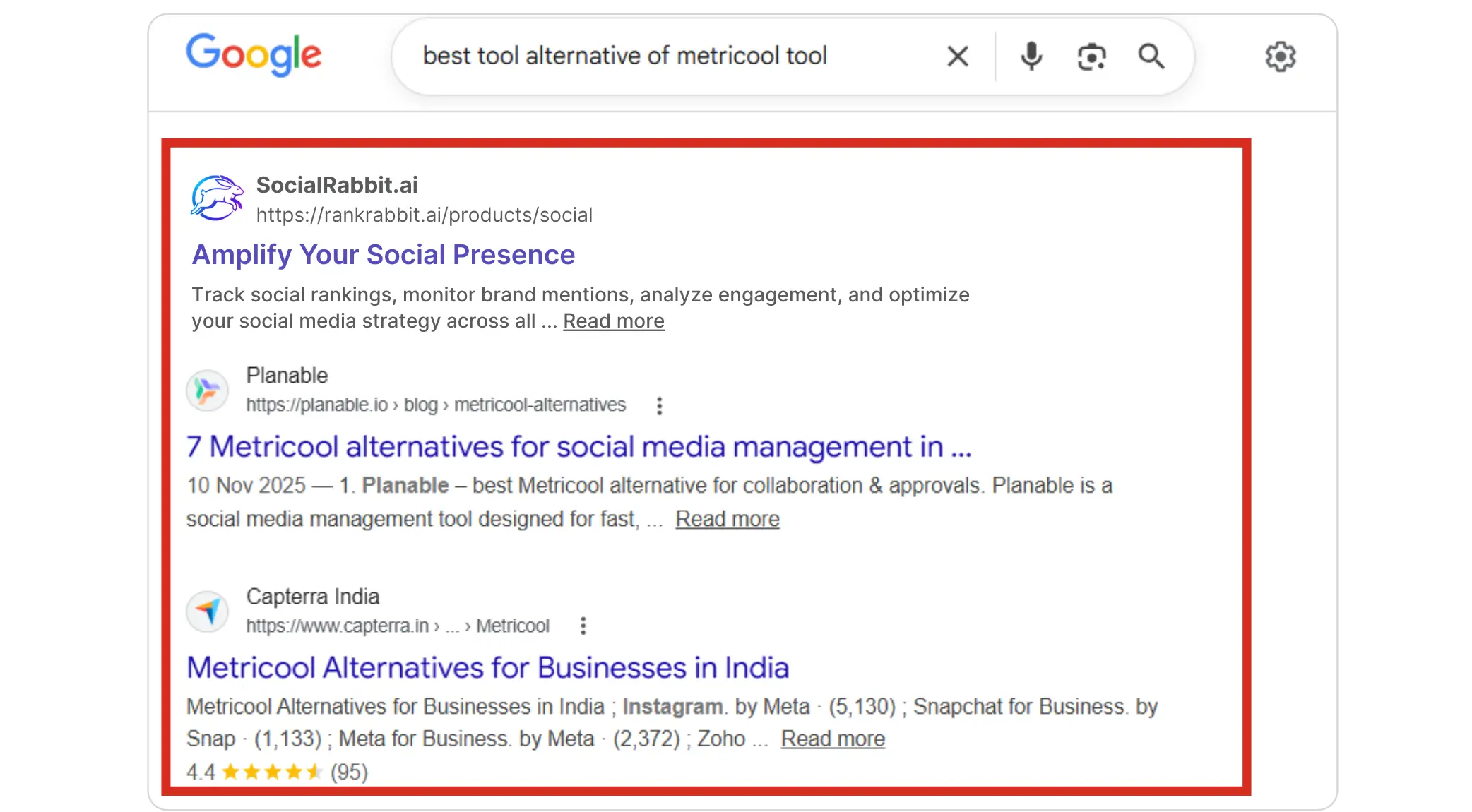
Comparison / Decision Making: Example: "SaaS Marketing vs. Agency Marketing: The Ultimate Comparison." These pages intercept buyers at the critical decision-making stage and convert exceptionally well.
How to Execute Trophy Content
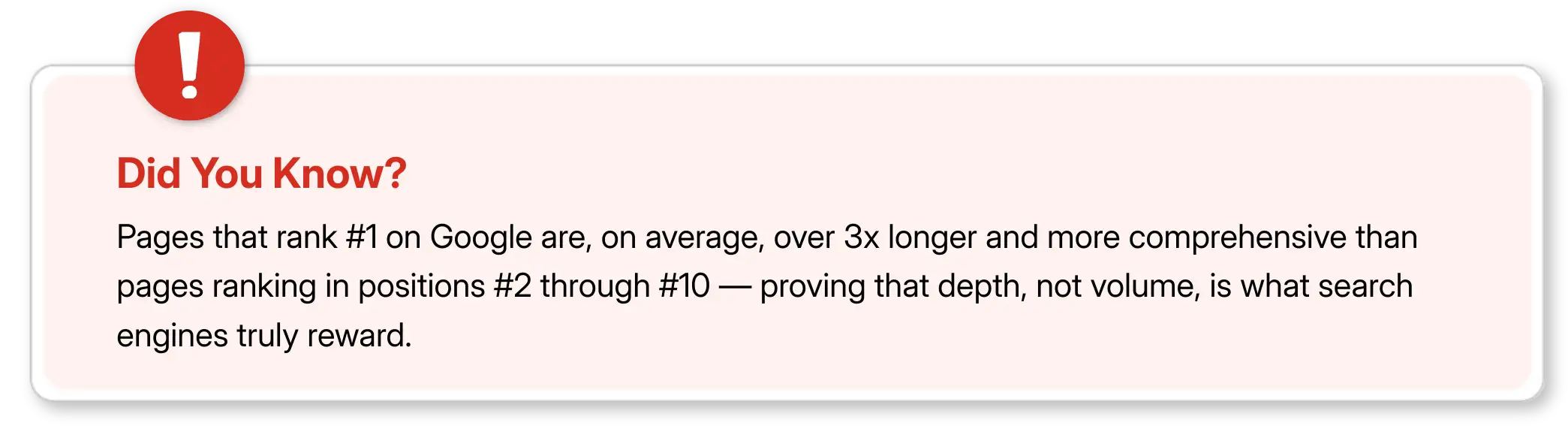
Depth and Breadth: Cover every related subtopic so thoroughly that a reader has zero reason to Google the subject again. Aim for 3,000 to 5,000 words minimum on competitive topics.
Internal Linking: Link from your Power Page to smaller supporting articles, and from those articles back to the Power Page. This creates a topic cluster that amplifies the authority of every piece.
E-E-A-T (Expertise, Experience, Authority, Trust): Add original data, case studies, expert quotes, and real-world examples. Show, do not just tell, that you are the leading authority. Google evaluates author credibility as a core ranking factor in 2026.
Visual Assets: Include custom diagrams, comparison tables, or infographics. These make your content more shareable, increase time-on-page, and dramatically reduce bounce rate.

Strategy 2: Brand Cabinet Strategy — Build a Cabinet of Brands
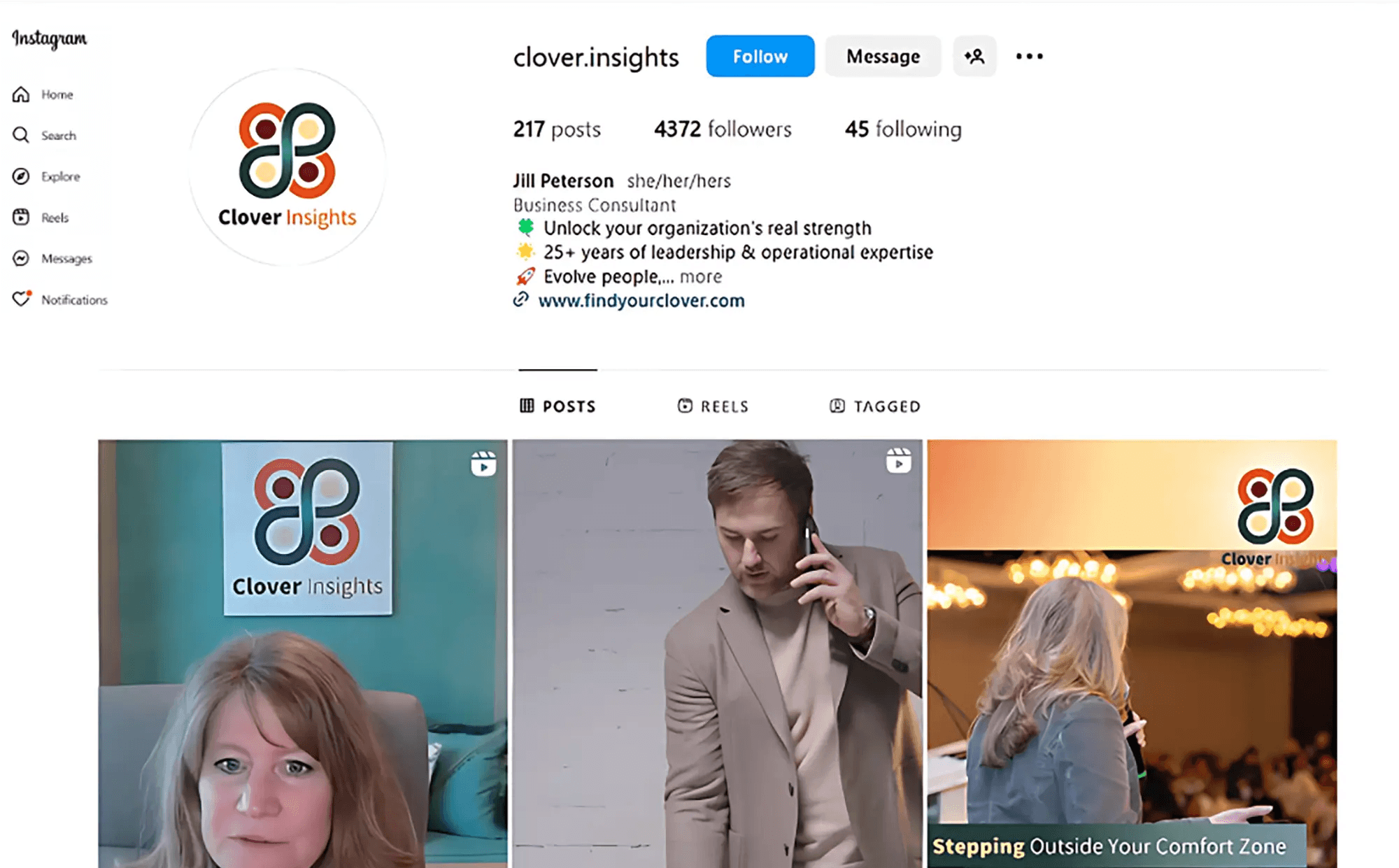
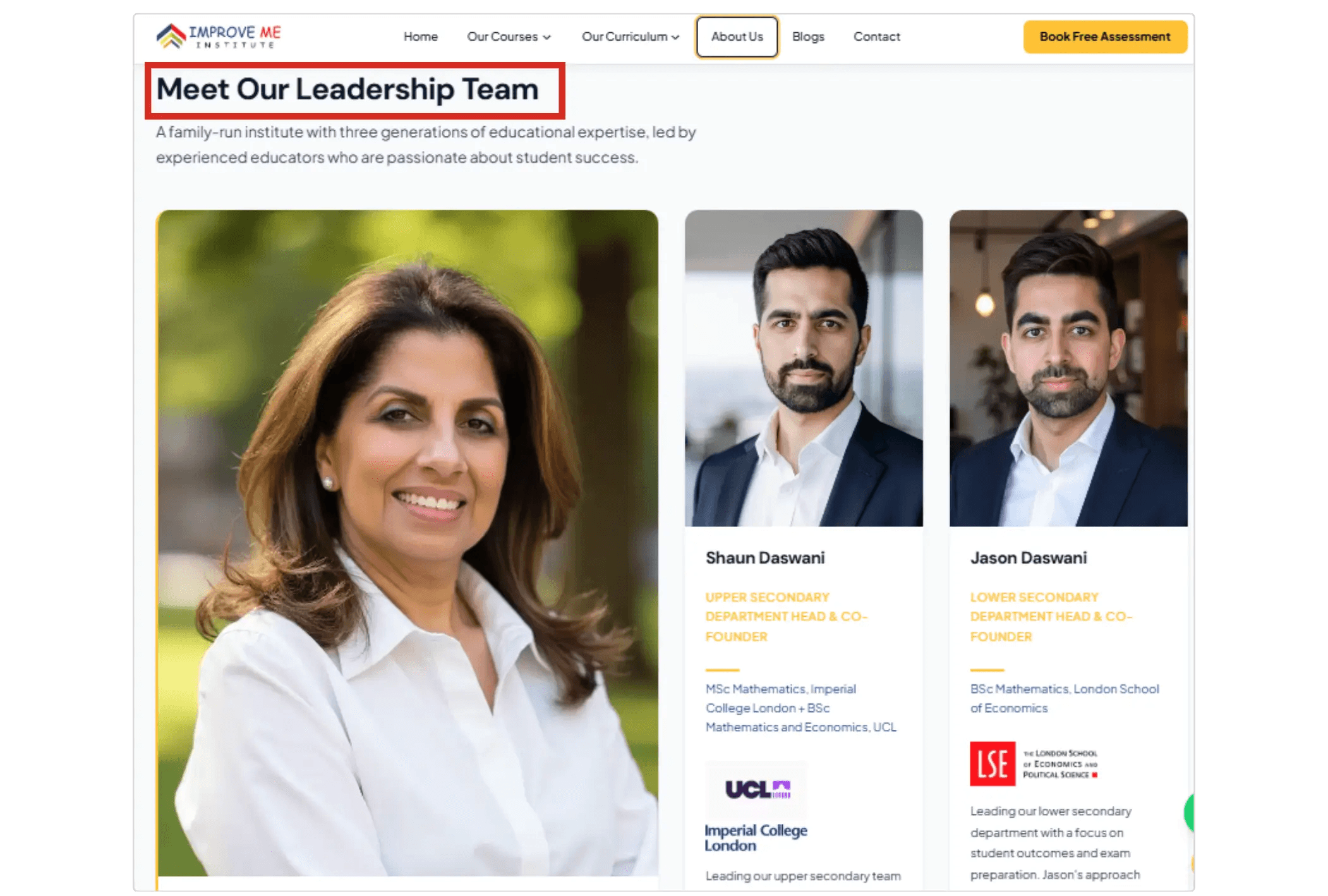
A Brand Cabinet Strategy is the intentional development of the professional online presence of key team members, turning each person into an individual brand that supports and amplifies the parent business.
People trust people far more than they trust logos. When your Founder, CTO, or Marketing Lead is visibly active online and sharing genuine expertise, that human credibility transfers directly to your brand. Google also factors author authority into rankings through its E-E-A-T guidelines, meaning real people with real reputations directly help your content rank.
How to Build Your Cabinet
Create the Cabinet: Identify key team members such as the Founder, CTO, and Marketing Lead. Map out the unique expertise each person brings. Each individual becomes a distinct, authoritative voice within your brand ecosystem.
Web Profiles: Build optimized LinkedIn profiles, personal author pages on your website, or personal blogs for each member. Every profile should link back to the parent company, creating multiple authoritative web mentions that boost domain trust.
Social Profiles: Use LinkedIn, X (Twitter), or industry-specific platforms to share specialized knowledge consistently. Thought leadership posts, industry commentary, and behind-the-scenes insights all build audience and domain credibility over time.
Consistency: Align the tone, voice, and visual identity of all personal profiles with the core business brand. A coherent ecosystem looks professional and reinforces trust at every touchpoint a prospect encounters.

Strategy 3: Topic Cluster Architecture — Build a Content Ecosystem
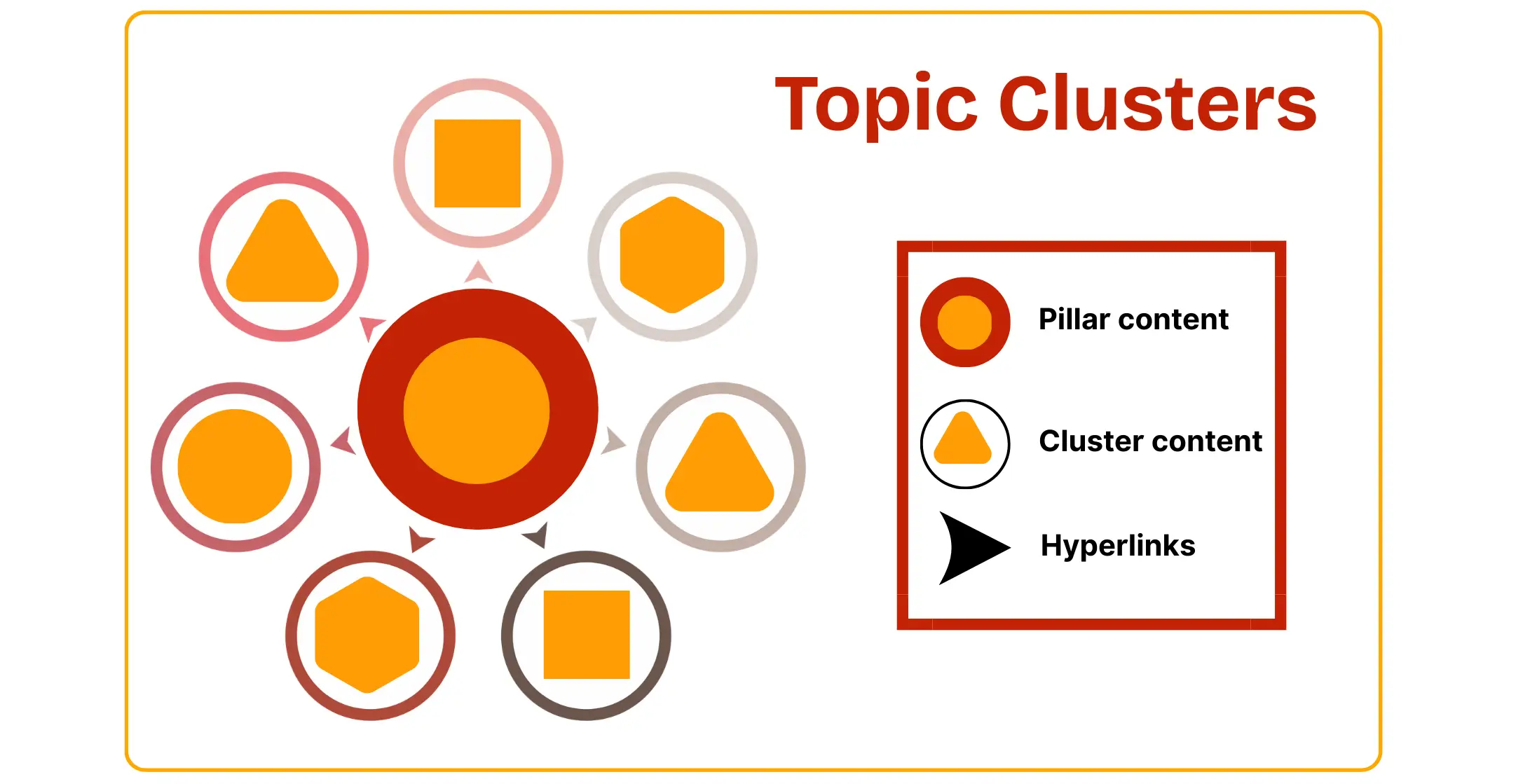
Topic Cluster Architecture is the structural SEO framework that multiplies the power of your Trophy Content. Rather than treating blog posts as isolated pieces, you organize them into interconnected clusters: one Pillar Page at the center, surrounded by multiple supporting articles, all tightly interlinked.
Google no longer just matches keywords. It understands topics. When your site demonstrates comprehensive, interlinked coverage of a subject, it signals genuine authority and Google rewards that with rankings across every variation of the topic.
How to Build a Topic Cluster
Choose Your Pillar: Select a broad, high-search-volume topic for your Power Page. Examples include Email Marketing, Content Strategy, or B2B Lead Generation.
Map 10 to 15 Subtopics: Identify specific questions and subtopics that branch naturally from the pillar. For Email Marketing this might include subject line formulas, list segmentation, A/B testing, automation sequences, and deliverability tips.
Create Supporting Articles: Write a dedicated post for each subtopic, targeting the specific long-tail keyword variation. Each supporting article goes deep on its narrow subject rather than trying to cover everything.
Interlink Strategically: Every cluster article links to the Pillar Page using consistent anchor text, and the Pillar links out to every cluster article. This web of relevance tells Google your site owns this topic entirely.
Update Regularly: The cluster is never finished. Add new subtopic articles as questions emerge in your niche, update statistics annually, and expand any sections that are underperforming in search.

Strategy 4: The Content Upgrade Loop — Convert Traffic Into Subscribers
Getting traffic to your Power Page is only half the equation. The Content Upgrade Loop is the strategy that converts that traffic into email subscribers, leads, and eventually customers, ensuring your Trophy Content builds real business value and not just SEO metrics.
A content upgrade is a hyper-specific bonus resource offered to readers in exchange for their email address. Unlike a generic lead magnet, it is directly tied to the exact article the reader is already consuming. This makes conversion rates three to five times higher than generic pop-up opt-ins.
How to Execute the Content Upgrade Loop
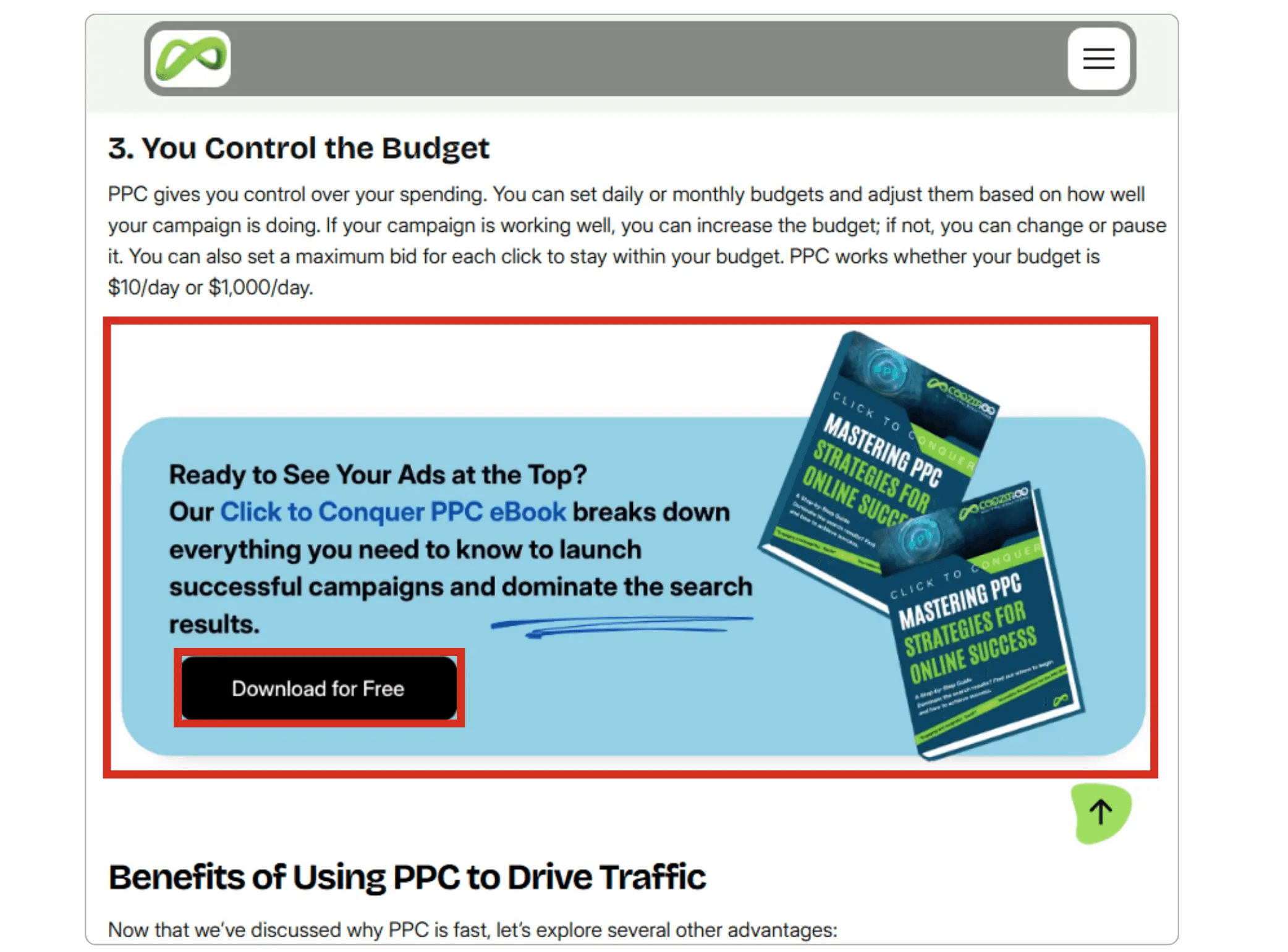
Create a Companion Asset: Design a downloadable upgrade that extends the article's value. If your Power Page covers email marketing, the upgrade might be a 30-day email sequence template, a subject line swipe file, or a deliverability checklist.
Embed the Offer Contextually: Place your opt-in inside the article at the exact moment the reader would most want the bonus resource, not just in the footer. A mid-content call-to-action converts far better than one placed after the reader has finished.
Trigger a Nurture Sequence: Every new subscriber enters a targeted email sequence that deepens the relationship, delivers more value on the same topic, and gradually introduces a relevant product or service offer.
Close the Loop: Include links back to your Power Page inside the email sequence. This drives returning visitors, increases dwell time, and encourages social shares, all of which reinforce your search rankings further.

Strategy 5: Skyscraper + Ego Bait — Earn High-Quality Backlinks at Scale
Backlinks remain one of Google's most powerful ranking signals and no content strategy is complete without a plan to earn them. The Skyscraper + Ego Bait technique is one of the most effective link-building methods available for Power Pages.
The Skyscraper Technique involves finding the best-ranking content on your target topic, building something demonstrably better, and then reaching out to sites that already link to the weaker original. Ego Bait supercharges this by inviting industry experts into your content through quotes, roundups, or data contributions, giving them a personal stake in sharing and linking to your page.
How to Execute Skyscraper + Ego Bait
Analyse the Competition: Use Ahrefs, SEMrush, or Moz to find the top-ranking content on your target keyword. Study its backlink profile. Every site linking to it is a potential link for you once your page is better.
Build Something Definitively Better: Do not aim to be slightly better. Aim to be the best resource that has ever existed on this topic. Add original research, better visuals, updated data, more examples, and cover angles the competition missed entirely.
Add the Ego Bait Layer: Reach out to 15 to 25 industry experts and invite them to contribute a brief insight or quote. Most agree because it promotes their own personal brand. When the article publishes, notify each contributor. They will typically share it and often link to it from their own sites.
Run Targeted Outreach: Email every website linking to the weaker competitor content. Briefly introduce your resource, highlight two or three specific improvements, and politely suggest they update their link. A 5 to 15 percent success rate on well-targeted outreach can earn dozens of high-authority backlinks.
Repurpose for More Links: Turn your Power Page into a YouTube video, LinkedIn article, and podcast episode. Each format creates new backlink opportunities and extends your reach to audiences who consume content differently.

Final Thoughts
The era of publishing thin, high-volume content in the hope that something sticks is over. Google is smarter. Users are pickier. Attention is scarce. The brands that win are those who go deep on fewer, better pieces of content and build smart systems around those pieces to maximize their impact.
Trophy Content is not just an SEO tactic. It is a business strategy. A great Power Page builds brand reputation, earns backlinks, converts readers into leads, and establishes your team as the experts in your field. Surround it with a topic cluster, a Brand Cabinet, a Content Upgrade Loop, and a Skyscraper link-building campaign, and you have a compounding growth engine that delivers results for years.
Start with one Power Page. Make it the single best resource on that topic that has ever existed. Then build the ecosystem around it. The results will speak for themselves.
Search engines are evolving rapidly. With AI-driven search results, semantic indexing, and increasingly competitive SERPs, publishing dozens of small blog posts is no longer the most effective way to build authority.
Today, the websites that dominate rankings are those that build deep, authoritative resources around key topics. One of the most powerful approaches to achieving this is through Trophy Content, also known as Power Pages.
Instead of grinding out dozens of thin articles that barely move the needle, you invest everything into one flagship resource that becomes the go-to reference on a topic. Google rewards it. Readers bookmark it. Other websites link to it. And it compounds in value for years.
In this guide, we will explore five powerful strategies that can help your website dominate search rankings:
Trophy Content / Power Pages
Brand Cabinet Strategy
Topic Cluster Architecture
Data-Driven Authority Content
Continuous Content Optimization
By combining these strategies, businesses can create a content ecosystem that consistently attracts traffic, builds authority, and converts visitors into customers.
Strategy 1: Trophy Content — Build Your Power Page
The first step is choosing the right topic. Your Power Page should target a high-value subject where you want to establish undisputed authority — something your audience searches for repeatedly, something that represents real buying intent, and something competitors have only partially covered.
The Three Best Power Page Formats
Listicle (The Best-Of Guide): Example: "Top 20 SEO Tools in 2026." These perform brilliantly because readers love curated lists and they naturally capture dozens of long-tail keyword variations within a single piece.
Example: "Best Time to Post on Social Media"
Review / In-Depth Analysis: Example: "Comprehensive Review of [Product X] vs. [Product Y]." Review content targets readers who are close to a purchase decision, delivering some of the highest-intent traffic you can attract.
Comparison / Decision Making: Example: "SaaS Marketing vs. Agency Marketing: The Ultimate Comparison." These pages intercept buyers at the critical decision-making stage and convert exceptionally well.
How to Execute Trophy Content
Depth and Breadth: Cover every related subtopic so thoroughly that a reader has zero reason to Google the subject again. Aim for 3,000 to 5,000 words minimum on competitive topics.
Internal Linking: Link from your Power Page to smaller supporting articles, and from those articles back to the Power Page. This creates a topic cluster that amplifies the authority of every piece.
E-E-A-T (Expertise, Experience, Authority, Trust): Add original data, case studies, expert quotes, and real-world examples. Show, do not just tell, that you are the leading authority. Google evaluates author credibility as a core ranking factor in 2026.
Visual Assets: Include custom diagrams, comparison tables, or infographics. These make your content more shareable, increase time-on-page, and dramatically reduce bounce rate.
Strategy 2: Brand Cabinet Strategy — Build a Cabinet of Brands
A Brand Cabinet Strategy is the intentional development of the professional online presence of key team members, turning each person into an individual brand that supports and amplifies the parent business.
People trust people far more than they trust logos. When your Founder, CTO, or Marketing Lead is visibly active online and sharing genuine expertise, that human credibility transfers directly to your brand. Google also factors author authority into rankings through its E-E-A-T guidelines, meaning real people with real reputations directly help your content rank.
How to Build Your Cabinet
Create the Cabinet: Identify key team members such as the Founder, CTO, and Marketing Lead. Map out the unique expertise each person brings. Each individual becomes a distinct, authoritative voice within your brand ecosystem.
Web Profiles: Build optimized LinkedIn profiles, personal author pages on your website, or personal blogs for each member. Every profile should link back to the parent company, creating multiple authoritative web mentions that boost domain trust.
Social Profiles: Use LinkedIn, X (Twitter), or industry-specific platforms to share specialized knowledge consistently. Thought leadership posts, industry commentary, and behind-the-scenes insights all build audience and domain credibility over time.
Consistency: Align the tone, voice, and visual identity of all personal profiles with the core business brand. A coherent ecosystem looks professional and reinforces trust at every touchpoint a prospect encounters.
Strategy 3: Topic Cluster Architecture — Build a Content Ecosystem
Topic Cluster Architecture is the structural SEO framework that multiplies the power of your Trophy Content. Rather than treating blog posts as isolated pieces, you organize them into interconnected clusters: one Pillar Page at the center, surrounded by multiple supporting articles, all tightly interlinked.
Google no longer just matches keywords. It understands topics. When your site demonstrates comprehensive, interlinked coverage of a subject, it signals genuine authority and Google rewards that with rankings across every variation of the topic.
How to Build a Topic Cluster
Choose Your Pillar: Select a broad, high-search-volume topic for your Power Page. Examples include Email Marketing, Content Strategy, or B2B Lead Generation.
Map 10 to 15 Subtopics: Identify specific questions and subtopics that branch naturally from the pillar. For Email Marketing this might include subject line formulas, list segmentation, A/B testing, automation sequences, and deliverability tips.
Create Supporting Articles: Write a dedicated post for each subtopic, targeting the specific long-tail keyword variation. Each supporting article goes deep on its narrow subject rather than trying to cover everything.
Interlink Strategically: Every cluster article links to the Pillar Page using consistent anchor text, and the Pillar links out to every cluster article. This web of relevance tells Google your site owns this topic entirely.
Update Regularly: The cluster is never finished. Add new subtopic articles as questions emerge in your niche, update statistics annually, and expand any sections that are underperforming in search.
Strategy 4: The Content Upgrade Loop — Convert Traffic Into Subscribers
Getting traffic to your Power Page is only half the equation. The Content Upgrade Loop is the strategy that converts that traffic into email subscribers, leads, and eventually customers, ensuring your Trophy Content builds real business value and not just SEO metrics.
A content upgrade is a hyper-specific bonus resource offered to readers in exchange for their email address. Unlike a generic lead magnet, it is directly tied to the exact article the reader is already consuming. This makes conversion rates three to five times higher than generic pop-up opt-ins.
How to Execute the Content Upgrade Loop
Create a Companion Asset: Design a downloadable upgrade that extends the article's value. If your Power Page covers email marketing, the upgrade might be a 30-day email sequence template, a subject line swipe file, or a deliverability checklist.
Embed the Offer Contextually: Place your opt-in inside the article at the exact moment the reader would most want the bonus resource, not just in the footer. A mid-content call-to-action converts far better than one placed after the reader has finished.
Trigger a Nurture Sequence: Every new subscriber enters a targeted email sequence that deepens the relationship, delivers more value on the same topic, and gradually introduces a relevant product or service offer.
Close the Loop: Include links back to your Power Page inside the email sequence. This drives returning visitors, increases dwell time, and encourages social shares, all of which reinforce your search rankings further.
Strategy 5: Skyscraper + Ego Bait — Earn High-Quality Backlinks at Scale
Backlinks remain one of Google's most powerful ranking signals and no content strategy is complete without a plan to earn them. The Skyscraper + Ego Bait technique is one of the most effective link-building methods available for Power Pages.
The Skyscraper Technique involves finding the best-ranking content on your target topic, building something demonstrably better, and then reaching out to sites that already link to the weaker original. Ego Bait supercharges this by inviting industry experts into your content through quotes, roundups, or data contributions, giving them a personal stake in sharing and linking to your page.
How to Execute Skyscraper + Ego Bait
Analyse the Competition: Use Ahrefs, SEMrush, or Moz to find the top-ranking content on your target keyword. Study its backlink profile. Every site linking to it is a potential link for you once your page is better.
Build Something Definitively Better: Do not aim to be slightly better. Aim to be the best resource that has ever existed on this topic. Add original research, better visuals, updated data, more examples, and cover angles the competition missed entirely.
Add the Ego Bait Layer: Reach out to 15 to 25 industry experts and invite them to contribute a brief insight or quote. Most agree because it promotes their own personal brand. When the article publishes, notify each contributor. They will typically share it and often link to it from their own sites.
Run Targeted Outreach: Email every website linking to the weaker competitor content. Briefly introduce your resource, highlight two or three specific improvements, and politely suggest they update their link. A 5 to 15 percent success rate on well-targeted outreach can earn dozens of high-authority backlinks.
Repurpose for More Links: Turn your Power Page into a YouTube video, LinkedIn article, and podcast episode. Each format creates new backlink opportunities and extends your reach to audiences who consume content differently.
Final Thoughts
The era of publishing thin, high-volume content in the hope that something sticks is over. Google is smarter. Users are pickier. Attention is scarce. The brands that win are those who go deep on fewer, better pieces of content and build smart systems around those pieces to maximize their impact.
Trophy Content is not just an SEO tactic. It is a business strategy. A great Power Page builds brand reputation, earns backlinks, converts readers into leads, and establishes your team as the experts in your field. Surround it with a topic cluster, a Brand Cabinet, a Content Upgrade Loop, and a Skyscraper link-building campaign, and you have a compounding growth engine that delivers results for years.
Start with one Power Page. Make it the single best resource on that topic that has ever existed. Then build the ecosystem around it. The results will speak for themselves.




Want to Skyrocket Revenue? Get a Free Audit Today!
Want to Skyrocket Revenue? Get a Free Audit Today!



4.9/5 Ratings!


Don’t miss our revenue growth tips!
Get expert marketing tips—straight to your inbox, like thousands of happy clients.
Don’t miss our revenue growth tips!
Get expert marketing tips—straight to your inbox, like thousands of happy clients.
Don’t miss our revenue growth tips!
Don’t miss our revenue growth tips!
Get expert marketing tips—straight to your inbox, like thousands of happy clients.
Relevant Blogs on Organic SEO
Relevant Blogs on Organic SEO
Unlock data-driven insights in Organic SEO—explore our featured blogs and skyrocket your revenue before your competitors do.
Unlock data-driven insights in Organic SEO—explore our featured blogs and skyrocket your revenue before your competitors do.
SEO
SEO
12 Min Read
12 Min Read
SEO Alone Can’t Fix Your Rankings in 2026: Why the New Search Era Demands More

SEO
SEO
10 Min Read
10 Min Read
What Is Off-Page SEO and Why Does it Matter for Rankings?

SEO
SEO
10 Min Read
10 Min Read
What Really Happens When You Stop Blogging? The Hidden Impacts on Traffic, SEO, & AI Visibility.









Ready to speak with an expert?
Data-Driven Marketing Agency That Elevates ROI
1100+
Websites Designed & Optimized to Convert
$280M+
Client Revenue Driven & Growing Strong
Discover how to skyrocket
your revenue today!
Trusted by 1000+ Owners!
Want to skyrocket revenue?
4.9/5 Ratings!
Ready to speak with an expert?
Data-Driven Marketing Agency That Elevates ROI
1100+
Websites Designed & Optimized to Convert
$280M+
Client Revenue Driven & Growing Strong
Discover how to skyrocket
your revenue today!
Trusted by 1000+ Owners!
Ready to speak with an expert?
Data-Driven Marketing Agency That Elevates ROI
1100+
Websites Designed & Optimized to Convert
$280M+
Client Revenue Driven & Growing Strong
Want to skyrocket
revenue?
Trusted by 1000+ Owners!
Call
Meet