What's Social Listening: The Key to Understand Your Audience?
What's Social Listening: The Key to Understand Your Audience?
Social Listening
Social Listening
Social Listening
Social listening involves monitoring and analysing online discussions to gain insights into what people are saying about a brand, its industry, and its competitors.
Social listening involves monitoring and analysing online discussions to gain insights into what people are saying about a brand, its industry, and its competitors.

Table of Content
Case Studies



Stay Ahead of Conversations That Shape Your Brand's Reputation


4.9/5 Ratings!

Harsan G.
Harsan G.
5 Min Read
5 Min
Oct 31, 2025
Oct 31, 2025
What is Social Listening?
Social listening involves tracking mentions of your brand, competitors, products, and industry keywords across various online channels — including social media platforms (Facebook, Instagram, LinkedIn, X), blogs, news sites, forums, and review platforms.
But it’s more than just monitoring mentions. Social listening digs deeper by analyzing the sentiment, context, and trends behind conversations to reveal customer insights, pain points, emerging opportunities, and potential crises — all in real time.
Social listening involves tracking mentions of your brand, competitors, products, and industry keywords across various online channels — including social media platforms (Facebook, Instagram, LinkedIn, X), blogs, news sites, forums, and review platforms.
But it’s more than just monitoring mentions. Social listening digs deeper by analyzing the sentiment, context, and trends behind conversations to reveal customer insights, pain points, emerging opportunities, and potential crises — all in real time.
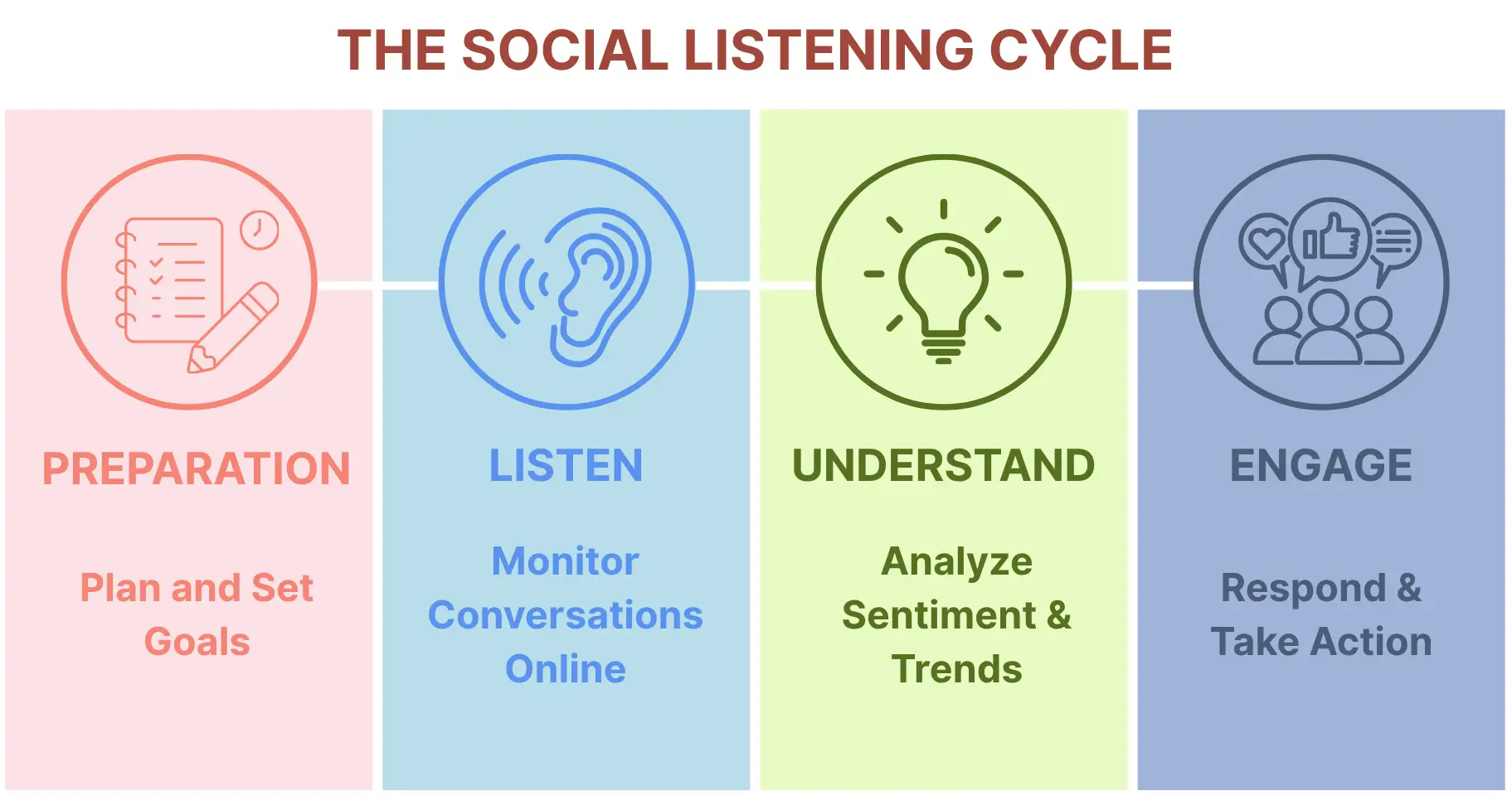
Why Social Listening is Crucial for Your Business?
•
•
Understand Your Audience Better: See directly what your customers like, dislike, and want. Use these insights to create more relevant content, improve your products, and ensure your messaging truly connects.
Understand Your Audience Better: See directly what your customers like, dislike, and want. Use these insights to create more relevant content, improve your products, and ensure your messaging truly connects.
•
•
Manage Your Brand Reputation: Catching negative feedback early helps you resolve issues before they grow. Positive mentions give you chances to engage and build loyalty.
Manage Your Brand Reputation: Catching negative feedback early helps you resolve issues before they grow. Positive mentions give you chances to engage and build loyalty.
•
•
Track Competitors and Industry Trends: Monitor your competitors’ campaigns, learn from their wins and mistakes, and identify gaps your brand can fill. Keeping an eye on industry buzz also reveals new trends or shifts in audience behavior.
Track Competitors and Industry Trends: Monitor your competitors’ campaigns, learn from their wins and mistakes, and identify gaps your brand can fill. Keeping an eye on industry buzz also reveals new trends or shifts in audience behavior.
•
•
Generate New Content Ideas: Listening to audience questions and discussions sparks new ideas for blog posts, FAQs, and social campaigns that answer real needs.
Generate New Content Ideas: Listening to audience questions and discussions sparks new ideas for blog posts, FAQs, and social campaigns that answer real needs.
•
•
Measure Campaign Effectiveness: Social listening tools offer real-time feedback on how your marketing performs so you can adjust quickly and boost results.
Measure Campaign Effectiveness: Social listening tools offer real-time feedback on how your marketing performs so you can adjust quickly and boost results.
How Social Listening Works and How it Differ from Monitoring?
Social monitoring simply tracks mentions or keywords to alert you when someone talks about your brand.
Social listening goes further — it analyzes that data to understand the bigger picture, detect sentiment, and uncover patterns that guide strategy.
The process typically involves three main steps:
Social monitoring simply tracks mentions or keywords to alert you when someone talks about your brand.
Social listening goes further — it analyzes that data to understand the bigger picture, detect sentiment, and uncover patterns that guide strategy.
The process typically involves three main steps:
Step
Step
Step
Step
Description
Description
Description
Description
Monitor Keywords and Mentions
Monitor Keywords and Mentions
Monitor Keywords and Mentions
Set up alerts for your brand, product names, competitor brands, and industry hashtags to stay updated on key conversations.
Set up alerts for your brand, product names, competitor brands, and industry hashtags to stay updated on key conversations.
Set up alerts for your brand, product names, competitor brands, and industry hashtags to stay updated on key conversations.
Analyze Sentiment and Context
Analyze Sentiment and Context
Analyze Sentiment and Context
Use tools with natural language processing (NLP) to categorize mentions as positive, negative, or neutral and identify recurring themes and topics.
Use tools with natural language processing (NLP) to categorize mentions as positive, negative, or neutral and identify recurring themes and topics.
Use tools with natural language processing (NLP) to categorize mentions as positive, negative, or neutral and identify recurring themes and topics.
Act on Insights
Act on Insights
Act on Insights
Apply insights to respond to customers, refine marketing campaigns, and collaborate across teams like marketing, sales, and customer service to enhance the overall customer experience.
Apply insights to respond to customers, refine marketing campaigns, and collaborate across teams like marketing, sales, and customer service to enhance the overall customer experience.
Apply insights to respond to customers, refine marketing campaigns, and collaborate across teams like marketing, sales, and customer service to enhance the overall customer experience.
The Best Tools for Social Listening.
There are plenty of reliable options depending on your needs and budget:
Brandwatch: Offers advanced analytics and AI-driven insights.
Hootsuite Insights: Lets you manage and listen to social channels in one place.
Sprout Social: Great for collaboration and in-depth reporting.
Talkwalker: Known for multilingual monitoring and visual analytics.
There are plenty of reliable options depending on your needs and budget:
Brandwatch: Offers advanced analytics and AI-driven insights.
Hootsuite Insights: Lets you manage and listen to social channels in one place.
Sprout Social: Great for collaboration and in-depth reporting.
Talkwalker: Known for multilingual monitoring and visual analytics.
These platforms provide dashboards, real-time alerts, and detailed reports to keep your finger on the pulse of online conversations
These platforms provide dashboards, real-time alerts, and detailed reports to keep your finger on the pulse of online conversations
How to Get Started with Social Listening?
Step 1: Set Clear Goals
Decide what you want to learn — brand perception, competitor moves, or customer challenges. Your goals will shape the keywords and channels you monitor.
Step 2: Choose the Right Keywords
Start with your brand and product names (and their common misspellings), plus competitor names, industry terms, and relevant hashtags.
Step 3: Pick a Tool That Fits Your Needs
Select a platform that meets your feature and budget requirements. Most offer free trials, so test before committing.
Step 4: Review Data and Take Action
Check reports regularly. Identify recurring sentiment, common problems, and new opportunities. Respond quickly and refine your strategy as insights emerge.
Share key findings across teams to create unified actions and consistent customer experiences.
Step 1: Set Clear Goals
Decide what you want to learn — brand perception, competitor moves, or customer challenges. Your goals will shape the keywords and channels you monitor.
Step 2: Choose the Right Keywords
Start with your brand and product names (and their common misspellings), plus competitor names, industry terms, and relevant hashtags.
Step 3: Pick a Tool That Fits Your Needs
Select a platform that meets your feature and budget requirements. Most offer free trials, so test before committing.
Step 4: Review Data and Take Action
Check reports regularly. Identify recurring sentiment, common problems, and new opportunities. Respond quickly and refine your strategy as insights emerge.
Share key findings across teams to create unified actions and consistent customer experiences.
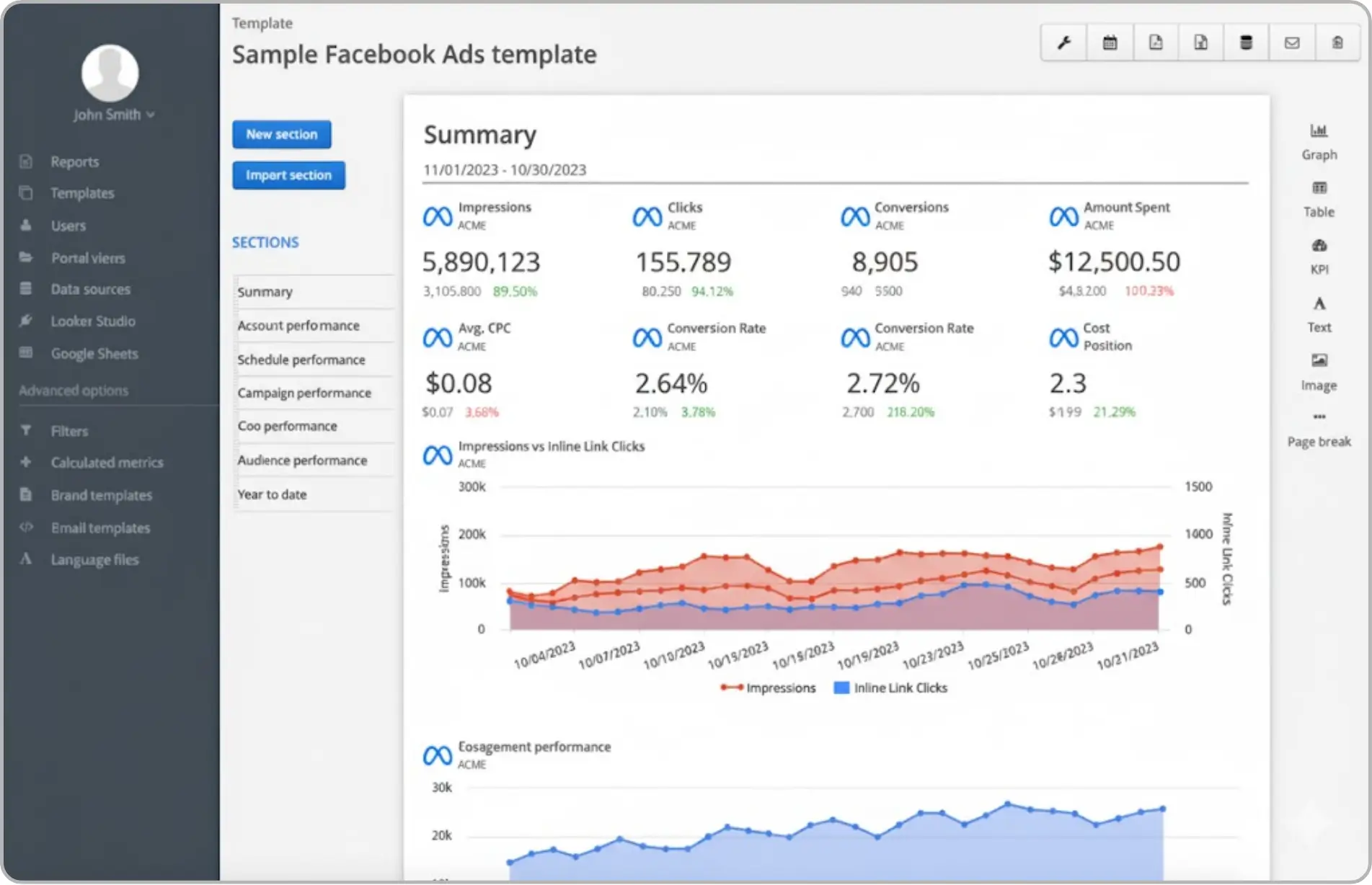
Real-World Examples of Social Listening That Worked
Netflix uses social listening to understand audience preferences and trending topics, adjusting its content and marketing strategies accordingly.
Domino’s Pizza monitors customer feedback in real time, helping the brand address service issues fast and improve satisfaction across regions.
Netflix uses social listening to understand audience preferences and trending topics, adjusting its content and marketing strategies accordingly.
Domino’s Pizza monitors customer feedback in real time, helping the brand address service issues fast and improve satisfaction across regions.
Tips for Effective Social Listening
•
•
Focus on quality, not volume: Too many irrelevant mentions can overwhelm your team — refine keywords regularly.
Focus on quality, not volume: Too many irrelevant mentions can overwhelm your team — refine keywords regularly.
•
•
Don’t ignore negative feedback: Treat it as an opportunity to improve and show customers you care.
Don’t ignore negative feedback: Treat it as an opportunity to improve and show customers you care.
•
•
Engage as well as listen: Quick, authentic responses build trust and loyalty.
Engage as well as listen: Quick, authentic responses build trust and loyalty.
•
•
Use location filters: Great for tracking sentiment in specific markets.
Use location filters: Great for tracking sentiment in specific markets.
•
•
Evolve your strategy: Revisit keywords and goals often as your brand and market change.
Evolve your strategy: Revisit keywords and goals often as your brand and market change.
Final Thoughts
Social listening isn’t optional anymore — it’s a must for brands that want to stay relevant, responsive, and customer-focused. By tuning into real conversations about your business and industry, you can gain insights that strengthen products, protect your reputation, and inspire smarter marketing.
Whether you’re a growing startup or an established brand, social listening gives you a clear view into your customers’ minds — and that’s your strongest competitive edge.
Social listening isn’t optional anymore — it’s a must for brands that want to stay relevant, responsive, and customer-focused. By tuning into real conversations about your business and industry, you can gain insights that strengthen products, protect your reputation, and inspire smarter marketing.
Whether you’re a growing startup or an established brand, social listening gives you a clear view into your customers’ minds — and that’s your strongest competitive edge.
Frequently Asked Questions (FAQs)
Frequently Asked Questions
How long does it take to see results from social listening?

You can see immediate results like brand mentions, sentiment scores, and trending topics within hours of setup. Meaningful strategic insights emerge after 2-4 weeks of consistent monitoring as you identify patterns and trends. For maximum ROI, commit to at least 90 days to establish baselines, refine keywords, and develop actionable strategies.
What is social listening sentiment analysis?
Sentiment analysis uses AI and natural language processing to classify mentions as positive, negative, or neutral by analyzing language patterns, word choice, context, and emojis. Advanced tools detect specific emotions like joy, anger, or frustration, with accuracy typically ranging 70-85%. It helps track brand health, measure campaign success, and identify PR crises early.
How does social listening help with crisis management?
Social listening detects sudden spikes in negative mentions and sentiment shifts before issues escalate, enabling fast response before mainstream media coverage. Early detection allows brands to address problems quickly, respond proactively, and prevent small issues from becoming viral crises. Set up tiered alert systems for different severity levels with clear response protocols.
What platforms should you monitor for social listening?
Monitor social media (Facebook, Instagram, Twitter/X, LinkedIn, TikTok, YouTube, Reddit), review sites (Yelp, Google Reviews, Trustpilot, G2, Capterra), and forums (Quora, industry communities). B2B brands should prioritize LinkedIn and professional forums, while B2C brands focus on Instagram, TikTok, and Facebook. Start with 3-5 platforms where your customers are most vocal.
What's the difference between social listening and social monitoring?
Social monitoring tracks real-time brand mentions and direct interactions to help you respond quickly—it's reactive and focused on individual conversations. Social listening analyzes broader conversations around your brand, industry, and competitors to identify patterns and trends for strategic planning—it's proactive and analytical. Most successful brands use both: monitoring for immediate response and listening for strategic insights.
How do social listening tools work?
Social listening tools use web crawlers and APIs to scan social media, blogs, forums, and news sites for keywords, brand mentions, and hashtags. They employ AI and natural language processing to analyze sentiment, identify trends, detect influencers, and categorize conversations. The tools compile data into dashboards with real-time alerts for urgent mentions or sentiment spikes.
How much do social listening tools cost?
Social listening tool costs range from $100-$300 monthly for basic tools like Brand24 or Mention, to $500-$2,000 monthly for mid-tier solutions with advanced features. Enterprise platforms like Brandwatch, Meltwater, and Sprinklr charge $1,000-$3,000+ monthly with custom pricing based on data sources, mentions, users, and AI capabilities. Most tools offer 14-30 day free trials to test before committing.
How long does it take to see results from social listening?
You can see immediate results like brand mentions, sentiment scores, and trending topics within hours of setup. Meaningful strategic insights emerge after 2-4 weeks of consistent monitoring as you identify patterns and trends. For maximum ROI, commit to at least 90 days to establish baselines, refine keywords, and develop actionable strategies.
What is social listening sentiment analysis?
Sentiment analysis uses AI and natural language processing to classify mentions as positive, negative, or neutral by analyzing language patterns, word choice, context, and emojis. Advanced tools detect specific emotions like joy, anger, or frustration, with accuracy typically ranging 70-85%. It helps track brand health, measure campaign success, and identify PR crises early.
How does social listening help with crisis management?
Social listening detects sudden spikes in negative mentions and sentiment shifts before issues escalate, enabling fast response before mainstream media coverage. Early detection allows brands to address problems quickly, respond proactively, and prevent small issues from becoming viral crises. Set up tiered alert systems for different severity levels with clear response protocols.
What platforms should you monitor for social listening?
Monitor social media (Facebook, Instagram, Twitter/X, LinkedIn, TikTok, YouTube, Reddit), review sites (Yelp, Google Reviews, Trustpilot, G2, Capterra), and forums (Quora, industry communities). B2B brands should prioritize LinkedIn and professional forums, while B2C brands focus on Instagram, TikTok, and Facebook. Start with 3-5 platforms where your customers are most vocal.
What's the difference between social listening and social monitoring?
Social monitoring tracks real-time brand mentions and direct interactions to help you respond quickly—it's reactive and focused on individual conversations. Social listening analyzes broader conversations around your brand, industry, and competitors to identify patterns and trends for strategic planning—it's proactive and analytical. Most successful brands use both: monitoring for immediate response and listening for strategic insights.
How do social listening tools work?
Social listening tools use web crawlers and APIs to scan social media, blogs, forums, and news sites for keywords, brand mentions, and hashtags. They employ AI and natural language processing to analyze sentiment, identify trends, detect influencers, and categorize conversations. The tools compile data into dashboards with real-time alerts for urgent mentions or sentiment spikes.
How much do social listening tools cost?
Social listening tool costs range from $100-$300 monthly for basic tools like Brand24 or Mention, to $500-$2,000 monthly for mid-tier solutions with advanced features. Enterprise platforms like Brandwatch, Meltwater, and Sprinklr charge $1,000-$3,000+ monthly with custom pricing based on data sources, mentions, users, and AI capabilities. Most tools offer 14-30 day free trials to test before committing.


Stay Ahead of Conversations That Shape Your Brand's Reputation
Stay Ahead of Conversations That Shape Your Brand's Reputation
Monitor online discussions to identify trends, improve messaging, and strengthen connections with your audience.
Monitor online discussions to identify trends, improve messaging, and strengthen connections with your audience.
4.9/5 Ratings!
Share this article
Share this article

Related Resources




Don’t miss our revenue growth tips!
Don’t miss our revenue growth tips!
Get expert marketing tips—straight to your inbox, like thousands of happy clients.
Get expert marketing tips—straight to your inbox, like thousands of happy clients.

























Ready to speak with an expert?
Data-Driven Marketing Agency That Elevates ROI
1100+
Websites Designed & Optimized to Convert
$280M+
Client Revenue Driven & Growing Strong
Discover how to skyrocket
your revenue today!



Trusted by 1000+ Owners!
Ready to speak with an expert?
Data-Driven Marketing Agency That Elevates ROI
1100+
Websites Designed & Optimized to Convert
$280M+
Client Revenue Driven & Growing Strong
Discover how to skyrocket
your revenue today!
Trusted by 1000+ Owners!
Want to skyrocket revenue?
4.9/5 Ratings!
Ready to speak with an expert?
Data-Driven Marketing Agency That Elevates ROI
1100+
Websites Designed & Optimized to Convert
$280M+
Client Revenue Driven & Growing Strong
Discover how to skyrocket
your revenue today!
Trusted by 1000+ Owners!
Call
Meet