Keyword Cannibalization: A Hidden SEO Problem
Keyword Cannibalization: A Hidden SEO Problem
Keyword Cannibalization: A Hidden SEO Problem
Keyword Cannibalization: A Hidden SEO Problem
Keyword Cannibalization: A Hidden SEO Problem
Keyword Cannibalization
Keyword Cannibalization
Keyword Cannibalization
Keyword Cannibalization
Keyword cannibalization occurs when several pages on a website target the same or similar keywords, causing them to compete in search results and reducing the site’s overall organic performance.
Keyword cannibalization occurs when several pages on a website target the same or similar keywords, causing them to compete in search results and reducing the site’s overall organic performance.
Keyword cannibalization occurs when several pages on a website target the same or similar keywords, causing them to compete in search results and reducing the site’s overall organic performance.
Keyword cannibalization occurs when several pages on a website target the same or similar keywords, causing them to compete in search results and reducing the site’s overall organic performance.


Table of Content

Keyword Cannibalization Can Negatively Impact Seo Rankings.







4.9/5 Ratings!
4.9/5 Ratings!

Rishabh M.
Rishabh M.
Rishabh M.
6 Min Read
6 Min Read
6 Min Read
OCT 17, 2025
OCT 17, 2025
OCT 17, 2025
What are Keyword Cannibalization?
What are Keyword Cannibalization?
What are Keyword Cannibalization?
Keyword cannibalization is one of the most overlooked yet damaging issues in search engine optimization. When you have more than one pages on your website competing for the same target keywords, You’re essentially damaging your own ranking potential and confusing search engine about the which content deserves priority.
Keyword cannibalization is one of the most overlooked yet damaging issues in search engine optimization. When you have more than one pages on your website competing for the same target keywords, You’re essentially damaging your own ranking potential and confusing search engine about the which content deserves priority.
Keyword cannibalization is one of the most overlooked yet damaging issues in search engine optimization. When you have more than one pages on your website competing for the same target keywords, You’re essentially damaging your own ranking potential and confusing search engine about the which content deserves priority.
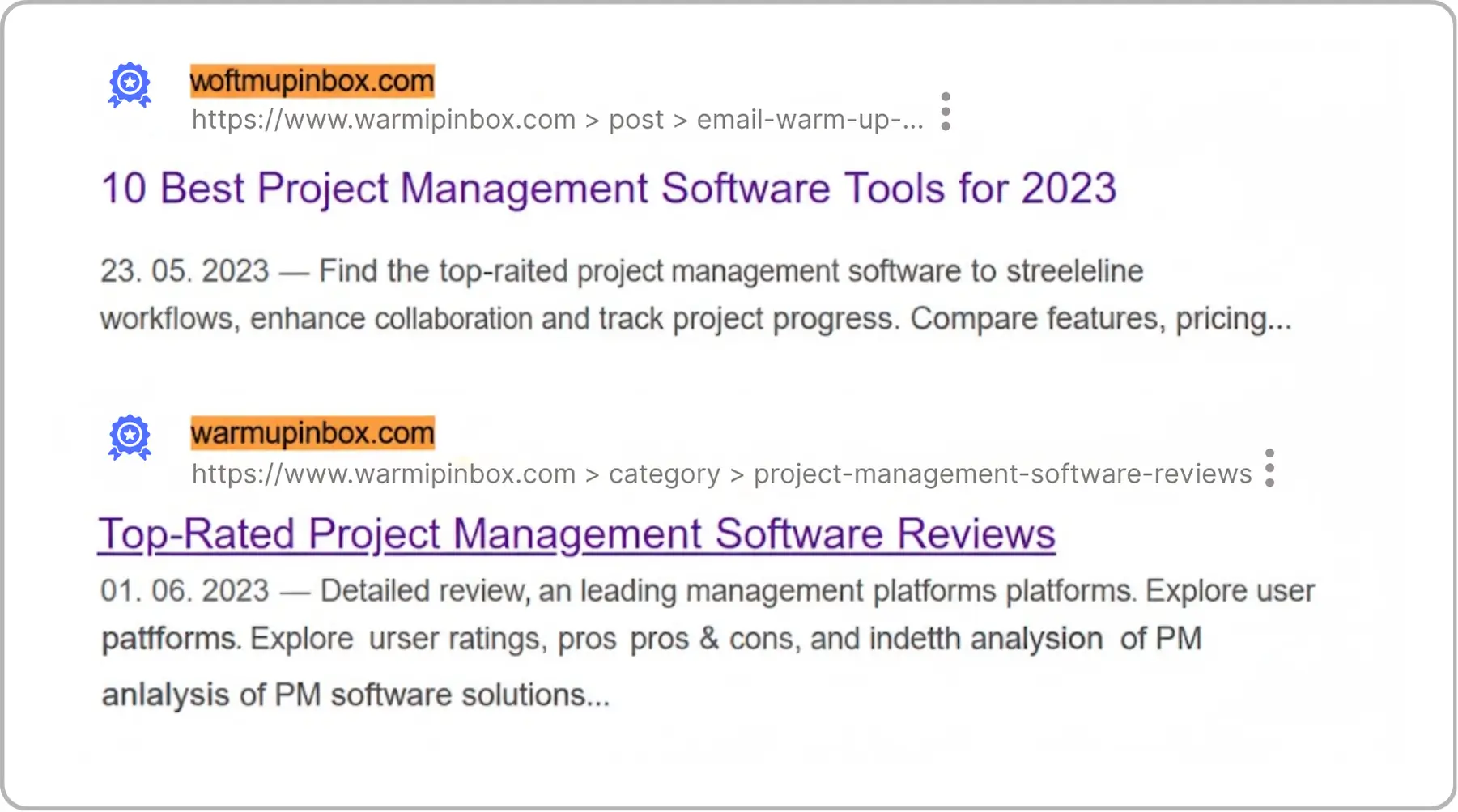
The concept is pretty simple and straightforward: when you have a lot of pages targeting identical or highly similar keywords, they compete with each other in search results rather then helping your SEO strategy. This internal contradiction affects your ranking and confuses Google’s algorithm.
Consider a situation in which your website includes three different pages, all of which are focused on "content marketing strategies." Instead of putting all of the authority into one big resource. You made a confusing situation that divided ranking potential amongst several URLs.
Search engines struggle to find out which page best serves user intent when faced with similar content from the same domain. The result? None of your pages achieve their full ranking potential, and you lose crucial organic search visibility to competitors with more targeted content strategies.
The concept is pretty simple and straightforward: when you have a lot of pages targeting identical or highly similar keywords, they compete with each other in search results rather then helping your SEO strategy. This internal contradiction affects your ranking and confuses Google’s algorithm.
Consider a situation in which your website includes three different pages, all of which are focused on "content marketing strategies." Instead of putting all of the authority into one big resource. You made a confusing situation that divided ranking potential amongst several URLs.
Search engines struggle to find out which page best serves user intent when faced with similar content from the same domain. The result? None of your pages achieve their full ranking potential, and you lose crucial organic search visibility to competitors with more targeted content strategies.
The concept is pretty simple and straightforward: when you have a lot of pages targeting identical or highly similar keywords, they compete with each other in search results rather then helping your SEO strategy. This internal contradiction affects your ranking and confuses Google’s algorithm.
Consider a situation in which your website includes three different pages, all of which are focused on "content marketing strategies." Instead of putting all of the authority into one big resource. You made a confusing situation that divided ranking potential amongst several URLs.
Search engines struggle to find out which page best serves user intent when faced with similar content from the same domain. The result? None of your pages achieve their full ranking potential, and you lose crucial organic search visibility to competitors with more targeted content strategies.
How to Detect Keyword Cannibalization Effectively?
How to Detect Keyword Cannibalization Effectively?
How to Detect Keyword Cannibalization Effectively?
Effective detection requires systematic analysis by using various approaches and tools.
Google Search Console: Analysis Go to the Performance report and review the queries where more than one URL from your site appears. Check for patterns where similar or identical keywords trigger different pages. This data is a straight indication of internal competition within your website.
Site-Specific Search Queries: Use the search operator site:yourdomain.com [target keyword] on Google to see which pages the search engine associates with specific terms. If multiple URLs show up for the same keyword, it’s a strong sign of potential keyword cannibalization.
SEO Tool Assessment: Platforms such as SEMrush, Ahrefs, and Moz offers keyword ranking reports that clarify where the keyword overlap is. Export your keyword data and look for the instance where different URLs rank for identical or highly similar terms.
Content Audit Methodology: Create a comprehensive inventory of your content, mapping target keywords to specific pages. This manual check often finds out cannibalization that automated tools might overlook
Effective detection requires systematic analysis by using various approaches and tools.
Google Search Console: Analysis Go to the Performance report and review the queries where more than one URL from your site appears. Check for patterns where similar or identical keywords trigger different pages. This data is a straight indication of internal competition within your website.
Site-Specific Search Queries: Use the search operator site:yourdomain.com [target keyword] on Google to see which pages the search engine associates with specific terms. If multiple URLs show up for the same keyword, it’s a strong sign of potential keyword cannibalization.
SEO Tool Assessment: Platforms such as SEMrush, Ahrefs, and Moz offers keyword ranking reports that clarify where the keyword overlap is. Export your keyword data and look for the instance where different URLs rank for identical or highly similar terms.
Content Audit Methodology: Create a comprehensive inventory of your content, mapping target keywords to specific pages. This manual check often finds out cannibalization that automated tools might overlook
Effective detection requires systematic analysis by using various approaches and tools.
Google Search Console: Analysis Go to the Performance report and review the queries where more than one URL from your site appears. Check for patterns where similar or identical keywords trigger different pages. This data is a straight indication of internal competition within your website.
Site-Specific Search Queries: Use the search operator site:yourdomain.com [target keyword] on Google to see which pages the search engine associates with specific terms. If multiple URLs show up for the same keyword, it’s a strong sign of potential keyword cannibalization.
SEO Tool Assessment: Platforms such as SEMrush, Ahrefs, and Moz offers keyword ranking reports that clarify where the keyword overlap is. Export your keyword data and look for the instance where different URLs rank for identical or highly similar terms.
Content Audit Methodology: Create a comprehensive inventory of your content, mapping target keywords to specific pages. This manual check often finds out cannibalization that automated tools might overlook
The Hidden Costs of Keyword Cannibalization
The Hidden Costs of Keyword Cannibalization
The Hidden Costs of Keyword Cannibalization
Cost Type
Cost Type
Cost Type
Cost Type
Cost Type
Description
Description
Description
Description
Description
Impact
Impact
Impact
Impact
Impact
Diluted Authority Signals
Diluted Authority Signals
Diluted Authority Signals
Diluted Authority Signals
Multiple pages competing for the same keyword split link equity and weaken overall page power.
Multiple pages competing for the same keyword split link equity and weaken overall page power.
Multiple pages competing for the same keyword split link equity and weaken overall page power.
Multiple pages competing for the same keyword split link equity and weaken overall page power.
Lower rankings for all competing pages
Lower rankings for all competing pages
Lower rankings for all competing pages
Lower rankings for all competing pages
Reduced Click-Through Rates
Reduced Click-Through Rates
Reduced Click-Through Rates
Reduced Click-Through Rates
Similar search results from your domain can confuse users or appear repetitive.
Similar search results from your domain can confuse users or appear repetitive.
Similar search results from your domain can confuse users or appear repetitive.
Similar search results from your domain can confuse users or appear repetitive.
Fewer clicks and more traffic to competitors
Fewer clicks and more traffic to competitors
Fewer clicks and more traffic to competitors
Fewer clicks and more traffic to competitors
Conversion Inefficiency
Conversion Inefficiency
Conversion Inefficiency
Conversion Inefficiency
Traffic gets divided across several pages instead of funneling to the best-converting page.
Traffic gets divided across several pages instead of funneling to the best-converting page.
Traffic gets divided across several pages instead of funneling to the best-converting page.
Traffic gets divided across several pages instead of funneling to the best-converting page.
Lower conversions and reduced ROI
Lower conversions and reduced ROI
Lower conversions and reduced ROI
Lower conversions and reduced ROI
Wasted SEO Efforts
Wasted SEO Efforts
Wasted SEO Efforts
Wasted SEO Efforts
Optimizing multiple competing pages spreads resources thin instead of focusing on one strong page.
Optimizing multiple competing pages spreads resources thin instead of focusing on one strong page.
Optimizing multiple competing pages spreads resources thin instead of focusing on one strong page.
Optimizing multiple competing pages spreads resources thin instead of focusing on one strong page.
Slower growth in organic performance
Slower growth in organic performance
Slower growth in organic performance
Slower growth in organic performance
Missed Growth Opportunities
Missed Growth Opportunities
Missed Growth Opportunities
Missed Growth Opportunities
Cannibalization can hide which page should rank for priority keywords.
Cannibalization can hide which page should rank for priority keywords.
Cannibalization can hide which page should rank for priority keywords.
Cannibalization can hide which page should rank for priority keywords.
Delayed or lost opportunities for higher traffic
Delayed or lost opportunities for higher traffic
Delayed or lost opportunities for higher traffic
Delayed or lost opportunities for higher traffic
According to industry research, fixing cannibalization problems can increase the organic traffic by 20–40% for the keywords that are altered within 3-6 months of implementation.
According to industry research, fixing cannibalization problems can increase the organic traffic by 20–40% for the keywords that are altered within 3-6 months of implementation.
According to industry research, fixing cannibalization problems can increase the organic traffic by 20–40% for the keywords that are altered within 3-6 months of implementation.
Best Practices to Fix the Keyword Cannibalization
Best Practices to Fix the Keyword Cannibalization
Best Practices to Fix the Keyword Cannibalization
Content Consolidation: Combine competing pages into a single, comprehensive resource. Find your strongest-performing page as the consolidation target and Incorporate key aspects from competitor pages. This method typically leads to the fastest ranking improvements.
Technical Implementation: Set up 301 redirects from combined pages to your primary target page. This helps link equity and prohibits user experience issues from broken links or bookmarks.
Content Differentiation: You can sometimes fix cannibalization by refocusing competing pages on different parts of the topic or distinct user intents. This requires through keyword research to find unique but related opportunities.
Internal Link Optimization: Modify your internal linking structure to signify which page should rank for specific keywords. Guide relevant internal links to your main target page while making sure supporting content appropriately cross-references the main resource.
Content Consolidation: Combine competing pages into a single, comprehensive resource. Find your strongest-performing page as the consolidation target and Incorporate key aspects from competitor pages. This method typically leads to the fastest ranking improvements.
Technical Implementation: Set up 301 redirects from combined pages to your primary target page. This helps link equity and prohibits user experience issues from broken links or bookmarks.
Content Differentiation: You can sometimes fix cannibalization by refocusing competing pages on different parts of the topic or distinct user intents. This requires through keyword research to find unique but related opportunities.
Internal Link Optimization: Modify your internal linking structure to signify which page should rank for specific keywords. Guide relevant internal links to your main target page while making sure supporting content appropriately cross-references the main resource.
Content Consolidation: Combine competing pages into a single, comprehensive resource. Find your strongest-performing page as the consolidation target and Incorporate key aspects from competitor pages. This method typically leads to the fastest ranking improvements.
Technical Implementation: Set up 301 redirects from combined pages to your primary target page. This helps link equity and prohibits user experience issues from broken links or bookmarks.
Content Differentiation: You can sometimes fix cannibalization by refocusing competing pages on different parts of the topic or distinct user intents. This requires through keyword research to find unique but related opportunities.
Internal Link Optimization: Modify your internal linking structure to signify which page should rank for specific keywords. Guide relevant internal links to your main target page while making sure supporting content appropriately cross-references the main resource.
Keyword Mapping and Planning to Avoid Cannibalization
Keyword Mapping and Planning to Avoid Cannibalization
Keyword Mapping and Planning to Avoid Cannibalization
Keyword Mapping Process: Maintain a detailed keyword map that connects each target term to individual pages. This impedes accidental overlap during content creation and make sure each page has a different SEO purpose.
Content Gap Analysis: Before creating new content, analyse your current pages to check whether the topic needs new content or would benefit from boosting existing resources.
Editorial Calendar Integration: Include keyword-focused information in your content planning process to make sure new content supports rather than competes with existing pages.
Keyword Mapping Process: Maintain a detailed keyword map that connects each target term to individual pages. This impedes accidental overlap during content creation and make sure each page has a different SEO purpose.
Content Gap Analysis: Before creating new content, analyse your current pages to check whether the topic needs new content or would benefit from boosting existing resources.
Editorial Calendar Integration: Include keyword-focused information in your content planning process to make sure new content supports rather than competes with existing pages.
Keyword Mapping Process: Maintain a detailed keyword map that connects each target term to individual pages. This impedes accidental overlap during content creation and make sure each page has a different SEO purpose.
Content Gap Analysis: Before creating new content, analyse your current pages to check whether the topic needs new content or would benefit from boosting existing resources.
Editorial Calendar Integration: Include keyword-focused information in your content planning process to make sure new content supports rather than competes with existing pages.
Fix Keyword Cannibalization the Right Way
Fix Keyword Cannibalization the Right Way
Fix Keyword Cannibalization the Right Way
Successful cannibalization resolution requires systematic execution:
Focus on high-impact keywords where cannibalization impacts your most important search phrases
Look for user behavior data to find out which competing pages perform better for conversions
Test changes gradually to determine the impact and make small modifications as per the needs
Analyze performance metrics for 60-90 days following the implementation to check how effective it is.
Successful cannibalization resolution requires systematic execution:
Focus on high-impact keywords where cannibalization impacts your most important search phrases
Look for user behavior data to find out which competing pages perform better for conversions
Test changes gradually to determine the impact and make small modifications as per the needs
Analyze performance metrics for 60-90 days following the implementation to check how effective it is.
Successful cannibalization resolution requires systematic execution:
Focus on high-impact keywords where cannibalization impacts your most important search phrases
Look for user behavior data to find out which competing pages perform better for conversions
Test changes gradually to determine the impact and make small modifications as per the needs
Analyze performance metrics for 60-90 days following the implementation to check how effective it is.
Final Thoughts
Final Thoughts
Final Thoughts
Keyword cannibalization represents a fundamental strategic error that affects SEO performance through internal competition. The most frequent way to address this issue is through a structured approach, disciplined content planning, systematic analysis, and strategic consolidation efforts.
Organizations that looks cannibalization systematically can not only improve organic visibility but also create clearer user journeys, often leading to stronger engagement and higher conversion rates. The key lies in treating your website as a coordinated content ecosystem rather than a hub of individual pages competing for attention.
Keyword cannibalization represents a fundamental strategic error that affects SEO performance through internal competition. The most frequent way to address this issue is through a structured approach, disciplined content planning, systematic analysis, and strategic consolidation efforts.
Organizations that looks cannibalization systematically can not only improve organic visibility but also create clearer user journeys, often leading to stronger engagement and higher conversion rates. The key lies in treating your website as a coordinated content ecosystem rather than a hub of individual pages competing for attention.
Keyword cannibalization represents a fundamental strategic error that affects SEO performance through internal competition. The most frequent way to address this issue is through a structured approach, disciplined content planning, systematic analysis, and strategic consolidation efforts.
Organizations that looks cannibalization systematically can not only improve organic visibility but also create clearer user journeys, often leading to stronger engagement and higher conversion rates. The key lies in treating your website as a coordinated content ecosystem rather than a hub of individual pages competing for attention.
Frequently Asked Questions (FAQs)
Frequently Asked Questions
Frequently Asked Questions
How does keyword cannibalization affect search engine rankings?
When multiple pages target the same keyword, search engines may rank none of them effectively or rank one page inconsistently. This can result in lower overall visibility and allow competitors to outrank you, even if your content is high quality. It can also prevent pages from achieving featured snippets or rich results.
Can I fix cannibalization without merging content?
You should expect a structured process that includes onboarding, goal setting, strategy development, regular communication, execution of campaigns, and performance reporting. A good agency will act as a partner collaborating with you to understand your business, crafting a custom plan, and keeping you informed about progress and results.
How long does it take to see results after fixing cannibalization?
Vanity metrics are data points that look impressive but don’t directly impact your bottom line, such as social media likes, page views, or email open rates. While they can indicate visibility, they’re not strong indicators of business success. What’s more important are actionable metrics like lead quality, conversion rate, and return on investment (ROI). Looking for more details? Contact us today before your competitors do.
Can cannibalization occur with long-tail keywords?
High traffic without conversions often points to deeper issues such as: Poor targeting (the wrong audience is visiting), weak calls-to-action or unclear messaging, website usability issues or slow load times, lack of trust signals (like reviews or security).
Your marketing should not just drive visits; it should drive the right visitors and guide them to act.
How does keyword mapping help prevent cannibalization?
You’ll know it’s working when you see measurable progress toward your business goals, more qualified leads, better engagement, increased sales, or stronger ROI. Regular reports, clear KPIs, and consistent communication from your agency are key to evaluating success.
What are common ways to fix keyword cannibalization?
Organic marketing (like SEO, blogging, and social media engagement) often takes 3 to 6 months to start showing results and may take 6–12 months for significant impact. It builds trust and authority over time, and while slower than paid marketing, it often yields more sustainable growth.
Can fixing keyword cannibalization improve both rankings and user experience?
A good marketing report should cover: Key performance indicators (KPIs) tied to your goals, traffic and conversion data, campaign performance summaries, ROI or cost-per-lead/acquisition, insights and recommendations for improvement, clear next steps or action items.
It should be easy to understand, jargon-free, and focus on outcomes. Learn more—how we drive revenue?
How does keyword cannibalization affect search engine rankings?
When multiple pages target the same keyword, search engines may rank none of them effectively or rank one page inconsistently. This can result in lower overall visibility and allow competitors to outrank you, even if your content is high quality. It can also prevent pages from achieving featured snippets or rich results.
Can I fix cannibalization without merging content?
You should expect a structured process that includes onboarding, goal setting, strategy development, regular communication, execution of campaigns, and performance reporting. A good agency will act as a partner collaborating with you to understand your business, crafting a custom plan, and keeping you informed about progress and results.
How long does it take to see results after fixing cannibalization?
Vanity metrics are data points that look impressive but don’t directly impact your bottom line, such as social media likes, page views, or email open rates. While they can indicate visibility, they’re not strong indicators of business success. What’s more important are actionable metrics like lead quality, conversion rate, and return on investment (ROI). Looking for more details? Contact us today before your competitors do.
Can cannibalization occur with long-tail keywords?
High traffic without conversions often points to deeper issues such as: Poor targeting (the wrong audience is visiting), weak calls-to-action or unclear messaging, website usability issues or slow load times, lack of trust signals (like reviews or security).
Your marketing should not just drive visits; it should drive the right visitors and guide them to act.
How does keyword mapping help prevent cannibalization?
You’ll know it’s working when you see measurable progress toward your business goals, more qualified leads, better engagement, increased sales, or stronger ROI. Regular reports, clear KPIs, and consistent communication from your agency are key to evaluating success.
What are common ways to fix keyword cannibalization?
Organic marketing (like SEO, blogging, and social media engagement) often takes 3 to 6 months to start showing results and may take 6–12 months for significant impact. It builds trust and authority over time, and while slower than paid marketing, it often yields more sustainable growth.
Can fixing keyword cannibalization improve both rankings and user experience?
A good marketing report should cover: Key performance indicators (KPIs) tied to your goals, traffic and conversion data, campaign performance summaries, ROI or cost-per-lead/acquisition, insights and recommendations for improvement, clear next steps or action items.
It should be easy to understand, jargon-free, and focus on outcomes. Learn more—how we drive revenue?
How does keyword cannibalization affect search engine rankings?
When multiple pages target the same keyword, search engines may rank none of them effectively or rank one page inconsistently. This can result in lower overall visibility and allow competitors to outrank you, even if your content is high quality. It can also prevent pages from achieving featured snippets or rich results.
Can I fix cannibalization without merging content?
You should expect a structured process that includes onboarding, goal setting, strategy development, regular communication, execution of campaigns, and performance reporting. A good agency will act as a partner collaborating with you to understand your business, crafting a custom plan, and keeping you informed about progress and results.
How long does it take to see results after fixing cannibalization?
Vanity metrics are data points that look impressive but don’t directly impact your bottom line, such as social media likes, page views, or email open rates. While they can indicate visibility, they’re not strong indicators of business success. What’s more important are actionable metrics like lead quality, conversion rate, and return on investment (ROI). Looking for more details? Contact us today before your competitors do.
Can cannibalization occur with long-tail keywords?
High traffic without conversions often points to deeper issues such as: Poor targeting (the wrong audience is visiting), weak calls-to-action or unclear messaging, website usability issues or slow load times, lack of trust signals (like reviews or security).
Your marketing should not just drive visits; it should drive the right visitors and guide them to act.
How does keyword mapping help prevent cannibalization?
You’ll know it’s working when you see measurable progress toward your business goals, more qualified leads, better engagement, increased sales, or stronger ROI. Regular reports, clear KPIs, and consistent communication from your agency are key to evaluating success.
What are common ways to fix keyword cannibalization?
Organic marketing (like SEO, blogging, and social media engagement) often takes 3 to 6 months to start showing results and may take 6–12 months for significant impact. It builds trust and authority over time, and while slower than paid marketing, it often yields more sustainable growth.
Can fixing keyword cannibalization improve both rankings and user experience?
A good marketing report should cover: Key performance indicators (KPIs) tied to your goals, traffic and conversion data, campaign performance summaries, ROI or cost-per-lead/acquisition, insights and recommendations for improvement, clear next steps or action items.
It should be easy to understand, jargon-free, and focus on outcomes. Learn more—how we drive revenue?
How does keyword cannibalization affect search engine rankings?
When multiple pages target the same keyword, search engines may rank none of them effectively or rank one page inconsistently. This can result in lower overall visibility and allow competitors to outrank you, even if your content is high quality. It can also prevent pages from achieving featured snippets or rich results.
Can I fix cannibalization without merging content?
You should expect a structured process that includes onboarding, goal setting, strategy development, regular communication, execution of campaigns, and performance reporting. A good agency will act as a partner collaborating with you to understand your business, crafting a custom plan, and keeping you informed about progress and results.
How long does it take to see results after fixing cannibalization?
Vanity metrics are data points that look impressive but don’t directly impact your bottom line, such as social media likes, page views, or email open rates. While they can indicate visibility, they’re not strong indicators of business success. What’s more important are actionable metrics like lead quality, conversion rate, and return on investment (ROI). Looking for more details? Contact us today before your competitors do.
Can cannibalization occur with long-tail keywords?
High traffic without conversions often points to deeper issues such as: Poor targeting (the wrong audience is visiting), weak calls-to-action or unclear messaging, website usability issues or slow load times, lack of trust signals (like reviews or security).
Your marketing should not just drive visits; it should drive the right visitors and guide them to act.
How does keyword mapping help prevent cannibalization?
You’ll know it’s working when you see measurable progress toward your business goals, more qualified leads, better engagement, increased sales, or stronger ROI. Regular reports, clear KPIs, and consistent communication from your agency are key to evaluating success.
What are common ways to fix keyword cannibalization?
Organic marketing (like SEO, blogging, and social media engagement) often takes 3 to 6 months to start showing results and may take 6–12 months for significant impact. It builds trust and authority over time, and while slower than paid marketing, it often yields more sustainable growth.
Can fixing keyword cannibalization improve both rankings and user experience?
A good marketing report should cover: Key performance indicators (KPIs) tied to your goals, traffic and conversion data, campaign performance summaries, ROI or cost-per-lead/acquisition, insights and recommendations for improvement, clear next steps or action items.
It should be easy to understand, jargon-free, and focus on outcomes. Learn more—how we drive revenue?
How does keyword cannibalization affect search engine rankings?
When multiple pages target the same keyword, search engines may rank none of them effectively or rank one page inconsistently. This can result in lower overall visibility and allow competitors to outrank you, even if your content is high quality. It can also prevent pages from achieving featured snippets or rich results.
Can I fix cannibalization without merging content?
You should expect a structured process that includes onboarding, goal setting, strategy development, regular communication, execution of campaigns, and performance reporting. A good agency will act as a partner collaborating with you to understand your business, crafting a custom plan, and keeping you informed about progress and results.
How long does it take to see results after fixing cannibalization?
Vanity metrics are data points that look impressive but don’t directly impact your bottom line, such as social media likes, page views, or email open rates. While they can indicate visibility, they’re not strong indicators of business success. What’s more important are actionable metrics like lead quality, conversion rate, and return on investment (ROI). Looking for more details? Contact us today before your competitors do.
Can cannibalization occur with long-tail keywords?
High traffic without conversions often points to deeper issues such as: Poor targeting (the wrong audience is visiting), weak calls-to-action or unclear messaging, website usability issues or slow load times, lack of trust signals (like reviews or security).
Your marketing should not just drive visits; it should drive the right visitors and guide them to act.
How does keyword mapping help prevent cannibalization?
You’ll know it’s working when you see measurable progress toward your business goals, more qualified leads, better engagement, increased sales, or stronger ROI. Regular reports, clear KPIs, and consistent communication from your agency are key to evaluating success.
What are common ways to fix keyword cannibalization?
Organic marketing (like SEO, blogging, and social media engagement) often takes 3 to 6 months to start showing results and may take 6–12 months for significant impact. It builds trust and authority over time, and while slower than paid marketing, it often yields more sustainable growth.
Can fixing keyword cannibalization improve both rankings and user experience?
A good marketing report should cover: Key performance indicators (KPIs) tied to your goals, traffic and conversion data, campaign performance summaries, ROI or cost-per-lead/acquisition, insights and recommendations for improvement, clear next steps or action items.
It should be easy to understand, jargon-free, and focus on outcomes. Learn more—how we drive revenue?




Keyword Cannibalization Can Negatively Impact Seo Rankings.
Keyword Cannibalization Can Negatively Impact Seo Rankings.
Keyword Cannibalization Can Negatively Impact Seo Rankings.
Identify and fix cannibalized keywords to strengthen rankings, improve clarity, and boost overall SEO performance.
Identify and fix cannibalized keywords to strengthen rankings, improve clarity, and boost overall SEO performance.
Identify and fix cannibalized keywords to strengthen rankings, improve clarity, and boost overall SEO performance.
4.9/5 Ratings!
4.9/5 Ratings!
4.9/5 Ratings!
4.9/5 Ratings!
4.9/5 Ratings!
Share this article

Related Resources
Latest Blogs

Why PR (Press Release) is becoming more essential for AI search visibility
Dec 9, 2025
GEO

AI-Generated vs. AI-Refined: Which One Should You Use for Content Creation?
Dec 2, 2025
GEO

How Online Press Releases and Media Distribution Make Your Business Discoverable in AI Search
Nov 23, 2025
GEO

AI Crawlers vs. Traditional Crawlers: How AI Indexes the Web Differently?
Nov 4, 2025
GEO


Don’t miss our revenue growth tips!
Don’t miss our revenue growth tips!
Don’t miss our revenue growth tips!
Get expert marketing tips—straight to your inbox, like thousands of happy clients.
Get expert marketing tips—straight to your inbox, like thousands of happy clients.
Latest Blogs
Why PR (Press Release) is becoming more essential for AI search visibility
Dec 9, 2025
GEO
AI-Generated vs. AI-Refined: Which One Should You Use for Content Creation?
Dec 2, 2025
GEO
How Online Press Releases and Media Distribution Make Your Business Discoverable in AI Search
Nov 23, 2025
GEO
AI Crawlers vs. Traditional Crawlers: How AI Indexes the Web Differently?
Nov 4, 2025
GEO






























Ready to speak with an expert?
Data-Driven Marketing Agency That Elevates ROI
Websites Designed & Optimized to Convert
$280M+
Client Revenue Driven & Growing Strong
Discover how to skyrocket
your revenue today!


Trusted by 1000+ Owners!
Want to skyrocket revenue?
4.9/5 Ratings!
Want to skyrocket revenue?
4.9/5 Ratings!
Ready to speak with an expert?
Data-Driven Marketing Agency That Elevates ROI
Websites Designed & Optimized to Convert
$280M+
Client Revenue Driven & Growing Strong
Want to skyrocket
revenue?
Trusted by 1000+ Owners!
Ready to speak with an expert?
Data-Driven Marketing Agency That Elevates ROI
Websites Designed & Optimized to Convert
$280M+
Client Revenue Driven & Growing Strong
Discover how to skyrocket
your revenue today!
Trusted by 1000+ Owners!