What is Conversion Rate and Why its Optimization Matters?
What is Conversion Rate and Why its Optimization Matters?
What is Conversion Rate and Why its Optimization Matters?
What is Conversion Rate and Why its Optimization Matters?
What is Conversion Rate and Why its Optimization Matters?
Conversion Rate
Conversion Rate
Conversion Rate
Conversion Rate
Conversion rate is the percentage of visitors on a website or platform who complete a desired action. This action is defined by the business and can include making a purchase, submitting a form, or signing up for a newsletter.
Conversion rate is the percentage of visitors on a website or platform who complete a desired action. This action is defined by the business and can include making a purchase, submitting a form, or signing up for a newsletter.
Conversion rate is the percentage of visitors on a website or platform who complete a desired action. This action is defined by the business and can include making a purchase, submitting a form, or signing up for a newsletter.
Conversion rate is the percentage of visitors on a website or platform who complete a desired action. This action is defined by the business and can include making a purchase, submitting a form, or signing up for a newsletter.


Table of Content

CRO Increase the Percentage of Visitors Taking Desired Actions!







4.9/5 Ratings!
4.9/5 Ratings!

Preeti Chordia
Preeti Chordia
Preeti Chordia
6 Min Read
6 Min Read
6 Min Read
Sep 26, 2025
Sep 26, 2025
Sep 26, 2025
What is Conversion Rate?
What is Conversion Rate?
What is Conversion Rate?
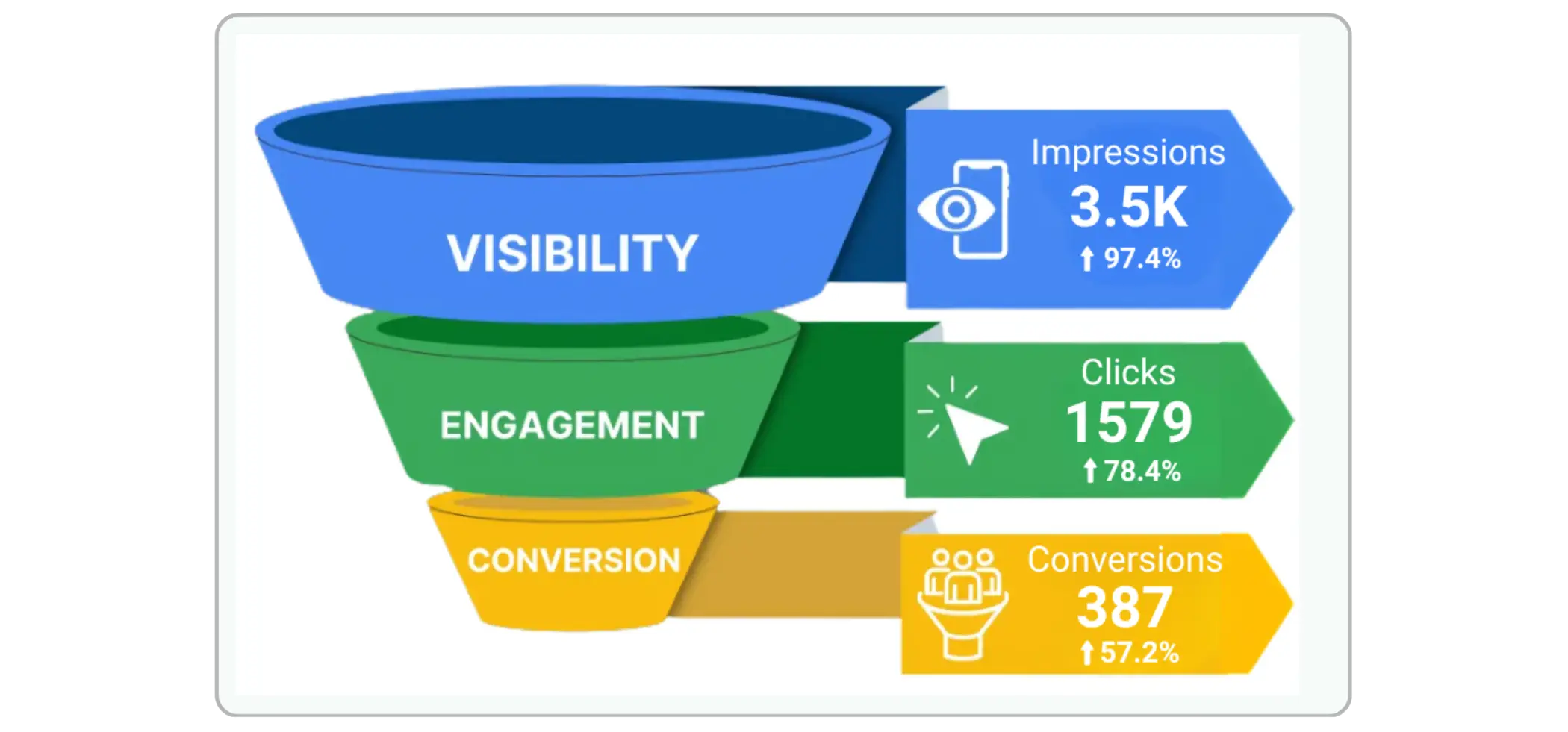
The conversion rate is an important measure of how many visitors to your site complete a desired action, compared to the total number of visitors. This action could include buying a product, signing up for a newsletter, filling out a form, or clicking on a button.
Example: If 1,000 visitors come to your site over the course of a month, and 50 make a purchase, then your conversion rate is 5%.
Conversion Rate = (Conversions ÷ Visitors) x 100
The conversion rate is an important measure of how many visitors to your site complete a desired action, compared to the total number of visitors. This action could include buying a product, signing up for a newsletter, filling out a form, or clicking on a button.
Example: If 1,000 visitors come to your site over the course of a month, and 50 make a purchase, then your conversion rate is 5%.
Conversion Rate = (Conversions ÷ Visitors) x 100
The conversion rate is an important measure of how many visitors to your site complete a desired action, compared to the total number of visitors. This action could include buying a product, signing up for a newsletter, filling out a form, or clicking on a button.
Example: If 1,000 visitors come to your site over the course of a month, and 50 make a purchase, then your conversion rate is 5%.
Conversion Rate = (Conversions ÷ Visitors) x 100
Why Does Conversion Rate Matter?
Why Does Conversion Rate Matter?
Why Does Conversion Rate Matter?
•
•
•
The conversion rate is far more than a number: By tracking conversion, you can demonstrate how well your website is functioning and where you might want to improve upon it.
The conversion rate is far more than a number: By tracking conversion, you can demonstrate how well your website is functioning and where you might want to improve upon it.
The conversion rate is far more than a number: By tracking conversion, you can demonstrate how well your website is functioning and where you might want to improve upon it.
•
•
•
Assess Fitness: Measure your website to see if it is accomplishing what you intended for it to do.
Assess Fitness: Measure your website to see if it is accomplishing what you intended for it to do.
Assess Fitness: Measure your website to see if it is accomplishing what you intended for it to do.
•
•
•
Extend Resources: You can get more from the traffic you already have.
Extend Resources: You can get more from the traffic you already have.
Extend Resources: You can get more from the traffic you already have.
•
•
•
Spot Shortcomings: If a conversion rate is low, it can help you identify a point at which your visitors are leaving your website.
Spot Shortcomings: If a conversion rate is low, it can help you identify a point at which your visitors are leaving your website.
Spot Shortcomings: If a conversion rate is low, it can help you identify a point at which your visitors are leaving your website.
A higher conversion rate means that more of your traffic is converting to paying customers/lead- which positively affects your business growth. CRO denotes that you have every visitor is an opportunity instead of just hitting a number.
A higher conversion rate means that more of your traffic is converting to paying customers/lead- which positively affects your business growth. CRO denotes that you have every visitor is an opportunity instead of just hitting a number.
A higher conversion rate means that more of your traffic is converting to paying customers/lead- which positively affects your business growth. CRO denotes that you have every visitor is an opportunity instead of just hitting a number.
What is Conversion Rate Optimization (CRO)?
What is Conversion Rate Optimization (CRO)?
What is Conversion Rate Optimization (CRO)?
CRO is the approach of improving the conversion effectiveness of one’s website. It means focusing on actually getting the most value from the traffic already to the site and not just trying to increase traffic to the website.
CRO is the approach of improving the conversion effectiveness of one’s website. It means focusing on actually getting the most value from the traffic already to the site and not just trying to increase traffic to the website.
CRO is the approach of improving the conversion effectiveness of one’s website. It means focusing on actually getting the most value from the traffic already to the site and not just trying to increase traffic to the website.
Key Elements of CRO
Key Elements of CRO
Key Elements of CRO
Key Element
Key Element
Key Element
Key Element
Key Element
Description
Description
Description
Description
Description
User-Centric Design
User-Centric Design
User-Centric Design
User-Centric Design
A simple, clean, and easy-to-navigate website encourages users to act. Cluttered pages or confusing navigation can reduce conversions.
A simple, clean, and easy-to-navigate website encourages users to act. Cluttered pages or confusing navigation can reduce conversions.
A simple, clean, and easy-to-navigate website encourages users to act. Cluttered pages or confusing navigation can reduce conversions.
A simple, clean, and easy-to-navigate website encourages users to act. Cluttered pages or confusing navigation can reduce conversions.
Compelling Call-to-Actions (CTAs)
Compelling Call-to-Actions (CTAs)
Compelling Call-to-Actions (CTAs)
Compelling Call-to-Actions (CTAs)
Use action-oriented words like “Get Your Discount” or “Start Free Trial” instead of generic terms like “Submit.” Clearly guide users toward the next step.
Use action-oriented words like “Get Your Discount” or “Start Free Trial” instead of generic terms like “Submit.” Clearly guide users toward the next step.
Use action-oriented words like “Get Your Discount” or “Start Free Trial” instead of generic terms like “Submit.” Clearly guide users toward the next step.
Use action-oriented words like “Get Your Discount” or “Start Free Trial” instead of generic terms like “Submit.” Clearly guide users toward the next step.
A/B Testing
A/B Testing
A/B Testing
A/B Testing
Test two versions of the same page to see which performs better. Even small changes—like button color, placement, or text—can boost conversions.
Test two versions of the same page to see which performs better. Even small changes—like button color, placement, or text—can boost conversions.
Test two versions of the same page to see which performs better. Even small changes—like button color, placement, or text—can boost conversions.
Test two versions of the same page to see which performs better. Even small changes—like button color, placement, or text—can boost conversions.
Speed & Mobile Optimization
Speed & Mobile Optimization
Speed & Mobile Optimization
Speed & Mobile Optimization
Fast, mobile-friendly websites retain visitors. Slow load times drive mobile users away within seconds.
Fast, mobile-friendly websites retain visitors. Slow load times drive mobile users away within seconds.
Fast, mobile-friendly websites retain visitors. Slow load times drive mobile users away within seconds.
Fast, mobile-friendly websites retain visitors. Slow load times drive mobile users away within seconds.
Trust Signals
Trust Signals
Trust Signals
Trust Signals
Display reviews, testimonials, payment badges, and guarantees to build credibility and encourage visitors to convert.
Display reviews, testimonials, payment badges, and guarantees to build credibility and encourage visitors to convert.
Display reviews, testimonials, payment badges, and guarantees to build credibility and encourage visitors to convert.
Display reviews, testimonials, payment badges, and guarantees to build credibility and encourage visitors to convert.
Simple CRO Strategies You Can Try
Simple CRO Strategies You Can Try
Simple CRO Strategies You Can Try
•
•
•
Condense lengthy forms and eliminate fields that aren't essential.
Condense lengthy forms and eliminate fields that aren't essential.
Condense lengthy forms and eliminate fields that aren't essential.
•
•
•
Emphasize your benefits in headlines and subheadings.
Emphasize your benefits in headlines and subheadings.
Emphasize your benefits in headlines and subheadings.
•
•
•
Make important actions clear and obvious by replacing text links with buttons.
Make important actions clear and obvious by replacing text links with buttons.
Make important actions clear and obvious by replacing text links with buttons.
•
•
•
Use urgency, "Offer Ends Tonight!" or "Limited Spots Available.
Use urgency, "Offer Ends Tonight!" or "Limited Spots Available.
Use urgency, "Offer Ends Tonight!" or "Limited Spots Available.
•
•
•
Consider adding a live chat option or a smart support option to answer visitor questions while they're on your site.
Consider adding a live chat option or a smart support option to answer visitor questions while they're on your site.
Consider adding a live chat option or a smart support option to answer visitor questions while they're on your site.
CRO vs. SEO: How Are They Different?
CRO vs. SEO: How Are They Different?
CRO vs. SEO: How Are They Different?
SEO (Search Engine Optimization): Aims to increase website traffic by increasing the search engines position.
CRO (Conversion Rate Optimization): Aims to convert that traffic into leads or customers.
Both are required for a successful online strategy. SEO moves visitors through the funnel, and CRO ensures that the visitor takes an action. Together, they are a powerful tool for growth: attracting the right audience and helping them complete a valuable action.
SEO (Search Engine Optimization): Aims to increase website traffic by increasing the search engines position.
CRO (Conversion Rate Optimization): Aims to convert that traffic into leads or customers.
Both are required for a successful online strategy. SEO moves visitors through the funnel, and CRO ensures that the visitor takes an action. Together, they are a powerful tool for growth: attracting the right audience and helping them complete a valuable action.
SEO (Search Engine Optimization): Aims to increase website traffic by increasing the search engines position.
CRO (Conversion Rate Optimization): Aims to convert that traffic into leads or customers.
Both are required for a successful online strategy. SEO moves visitors through the funnel, and CRO ensures that the visitor takes an action. Together, they are a powerful tool for growth: attracting the right audience and helping them complete a valuable action.
Benefits of CRO
Benefits of CRO
Benefits of CRO
•
•
•
Higher ROI: Increasing conversions from your current traffic means you will spend less in acquiring new visitors.
Higher ROI: Increasing conversions from your current traffic means you will spend less in acquiring new visitors.
Higher ROI: Increasing conversions from your current traffic means you will spend less in acquiring new visitors.
•
•
•
Enhanced User Experience: Often when you optimize for conversion you'll also enhance your navigation, design, and usability.
Enhanced User Experience: Often when you optimize for conversion you'll also enhance your navigation, design, and usability.
Enhanced User Experience: Often when you optimize for conversion you'll also enhance your navigation, design, and usability.
•
•
•
Data-Driven: Conversion rate optimization uses analytical methods and A/B testing to help you make the best changes.
Data-Driven: Conversion rate optimization uses analytical methods and A/B testing to help you make the best changes.
Data-Driven: Conversion rate optimization uses analytical methods and A/B testing to help you make the best changes.
•
•
•
Sustained Growth: Constant optimization helps deliver lasting improvements and stronger results over time.
Sustained Growth: Constant optimization helps deliver lasting improvements and stronger results over time.
Sustained Growth: Constant optimization helps deliver lasting improvements and stronger results over time.
By focusing on conversion rate optimization, you are helping make smarter decisions, assessing what works best for your audience, and making you spend more efficiently on marketing.
By focusing on conversion rate optimization, you are helping make smarter decisions, assessing what works best for your audience, and making you spend more efficiently on marketing.
By focusing on conversion rate optimization, you are helping make smarter decisions, assessing what works best for your audience, and making you spend more efficiently on marketing.
Final Thoughts
Final Thoughts
Final Thoughts
Conversion Rate Optimization (CRO) focuses on sectioning together your website to ensure that every time a visitor arrives on your site, you can turn them into a customer. Items like design, calls to action, trust signals, and user-centered design are all secrets to CRO success.
CRO is designed to ensure that you're not only getting visitors to your site but that every visitor has a measurable impact. By testing, adjusting, and personalizing your website, we can dramatically improve conversions, prevent window shopping, and stimulate business growth.
Conversion Rate Optimization (CRO) focuses on sectioning together your website to ensure that every time a visitor arrives on your site, you can turn them into a customer. Items like design, calls to action, trust signals, and user-centered design are all secrets to CRO success.
CRO is designed to ensure that you're not only getting visitors to your site but that every visitor has a measurable impact. By testing, adjusting, and personalizing your website, we can dramatically improve conversions, prevent window shopping, and stimulate business growth.
Conversion Rate Optimization (CRO) focuses on sectioning together your website to ensure that every time a visitor arrives on your site, you can turn them into a customer. Items like design, calls to action, trust signals, and user-centered design are all secrets to CRO success.
CRO is designed to ensure that you're not only getting visitors to your site but that every visitor has a measurable impact. By testing, adjusting, and personalizing your website, we can dramatically improve conversions, prevent window shopping, and stimulate business growth.
Frequently Asked Questions (FAQs)
Frequently Asked Questions
Frequently Asked Questions
Does CRO require a large budget to be effective?
Not necessarily. Many CRO improvements involve small, low-cost changes like adjusting copy, buttons, or page layout. Even minimal investment can yield significant returns by making the most of existing traffic.
Can CRO strategies work alongside paid advertising?
You should expect a structured process that includes onboarding, goal setting, strategy development, regular communication, execution of campaigns, and performance reporting. A good agency will act as a partner collaborating with you to understand your business, crafting a custom plan, and keeping you informed about progress and results.
Does page load speed really impact conversion rates?
Vanity metrics are data points that look impressive but don’t directly impact your bottom line, such as social media likes, page views, or email open rates. While they can indicate visibility, they’re not strong indicators of business success. What’s more important are actionable metrics like lead quality, conversion rate, and return on investment (ROI). Looking for more details? Contact us today before your competitors do.
How do trust signals affect conversions?
High traffic without conversions often points to deeper issues such as: Poor targeting (the wrong audience is visiting), weak calls-to-action or unclear messaging, website usability issues or slow load times, lack of trust signals (like reviews or security).
Your marketing should not just drive visits; it should drive the right visitors and guide them to act.
How can content influence conversions?
You’ll know it’s working when you see measurable progress toward your business goals, more qualified leads, better engagement, increased sales, or stronger ROI. Regular reports, clear KPIs, and consistent communication from your agency are key to evaluating success.
Is personalization important for CRO?
Organic marketing (like SEO, blogging, and social media engagement) often takes 3 to 6 months to start showing results and may take 6–12 months for significant impact. It builds trust and authority over time, and while slower than paid marketing, it often yields more sustainable growth.
How does CRO interact with analytics tools?
A good marketing report should cover: Key performance indicators (KPIs) tied to your goals, traffic and conversion data, campaign performance summaries, ROI or cost-per-lead/acquisition, insights and recommendations for improvement, clear next steps or action items.
It should be easy to understand, jargon-free, and focus on outcomes. Learn more—how we drive revenue?
Does CRO require a large budget to be effective?
Not necessarily. Many CRO improvements involve small, low-cost changes like adjusting copy, buttons, or page layout. Even minimal investment can yield significant returns by making the most of existing traffic.
Can CRO strategies work alongside paid advertising?
You should expect a structured process that includes onboarding, goal setting, strategy development, regular communication, execution of campaigns, and performance reporting. A good agency will act as a partner collaborating with you to understand your business, crafting a custom plan, and keeping you informed about progress and results.
Does page load speed really impact conversion rates?
Vanity metrics are data points that look impressive but don’t directly impact your bottom line, such as social media likes, page views, or email open rates. While they can indicate visibility, they’re not strong indicators of business success. What’s more important are actionable metrics like lead quality, conversion rate, and return on investment (ROI). Looking for more details? Contact us today before your competitors do.
How do trust signals affect conversions?
High traffic without conversions often points to deeper issues such as: Poor targeting (the wrong audience is visiting), weak calls-to-action or unclear messaging, website usability issues or slow load times, lack of trust signals (like reviews or security).
Your marketing should not just drive visits; it should drive the right visitors and guide them to act.
How can content influence conversions?
You’ll know it’s working when you see measurable progress toward your business goals, more qualified leads, better engagement, increased sales, or stronger ROI. Regular reports, clear KPIs, and consistent communication from your agency are key to evaluating success.
Is personalization important for CRO?
Organic marketing (like SEO, blogging, and social media engagement) often takes 3 to 6 months to start showing results and may take 6–12 months for significant impact. It builds trust and authority over time, and while slower than paid marketing, it often yields more sustainable growth.
How does CRO interact with analytics tools?
A good marketing report should cover: Key performance indicators (KPIs) tied to your goals, traffic and conversion data, campaign performance summaries, ROI or cost-per-lead/acquisition, insights and recommendations for improvement, clear next steps or action items.
It should be easy to understand, jargon-free, and focus on outcomes. Learn more—how we drive revenue?
Does CRO require a large budget to be effective?
Not necessarily. Many CRO improvements involve small, low-cost changes like adjusting copy, buttons, or page layout. Even minimal investment can yield significant returns by making the most of existing traffic.
Can CRO strategies work alongside paid advertising?
You should expect a structured process that includes onboarding, goal setting, strategy development, regular communication, execution of campaigns, and performance reporting. A good agency will act as a partner collaborating with you to understand your business, crafting a custom plan, and keeping you informed about progress and results.
Does page load speed really impact conversion rates?
Vanity metrics are data points that look impressive but don’t directly impact your bottom line, such as social media likes, page views, or email open rates. While they can indicate visibility, they’re not strong indicators of business success. What’s more important are actionable metrics like lead quality, conversion rate, and return on investment (ROI). Looking for more details? Contact us today before your competitors do.
How do trust signals affect conversions?
High traffic without conversions often points to deeper issues such as: Poor targeting (the wrong audience is visiting), weak calls-to-action or unclear messaging, website usability issues or slow load times, lack of trust signals (like reviews or security).
Your marketing should not just drive visits; it should drive the right visitors and guide them to act.
How can content influence conversions?
You’ll know it’s working when you see measurable progress toward your business goals, more qualified leads, better engagement, increased sales, or stronger ROI. Regular reports, clear KPIs, and consistent communication from your agency are key to evaluating success.
Is personalization important for CRO?
Organic marketing (like SEO, blogging, and social media engagement) often takes 3 to 6 months to start showing results and may take 6–12 months for significant impact. It builds trust and authority over time, and while slower than paid marketing, it often yields more sustainable growth.
How does CRO interact with analytics tools?
A good marketing report should cover: Key performance indicators (KPIs) tied to your goals, traffic and conversion data, campaign performance summaries, ROI or cost-per-lead/acquisition, insights and recommendations for improvement, clear next steps or action items.
It should be easy to understand, jargon-free, and focus on outcomes. Learn more—how we drive revenue?
Does CRO require a large budget to be effective?
Not necessarily. Many CRO improvements involve small, low-cost changes like adjusting copy, buttons, or page layout. Even minimal investment can yield significant returns by making the most of existing traffic.
Can CRO strategies work alongside paid advertising?
You should expect a structured process that includes onboarding, goal setting, strategy development, regular communication, execution of campaigns, and performance reporting. A good agency will act as a partner collaborating with you to understand your business, crafting a custom plan, and keeping you informed about progress and results.
Does page load speed really impact conversion rates?
Vanity metrics are data points that look impressive but don’t directly impact your bottom line, such as social media likes, page views, or email open rates. While they can indicate visibility, they’re not strong indicators of business success. What’s more important are actionable metrics like lead quality, conversion rate, and return on investment (ROI). Looking for more details? Contact us today before your competitors do.
How do trust signals affect conversions?
High traffic without conversions often points to deeper issues such as: Poor targeting (the wrong audience is visiting), weak calls-to-action or unclear messaging, website usability issues or slow load times, lack of trust signals (like reviews or security).
Your marketing should not just drive visits; it should drive the right visitors and guide them to act.
How can content influence conversions?
You’ll know it’s working when you see measurable progress toward your business goals, more qualified leads, better engagement, increased sales, or stronger ROI. Regular reports, clear KPIs, and consistent communication from your agency are key to evaluating success.
Is personalization important for CRO?
Organic marketing (like SEO, blogging, and social media engagement) often takes 3 to 6 months to start showing results and may take 6–12 months for significant impact. It builds trust and authority over time, and while slower than paid marketing, it often yields more sustainable growth.
How does CRO interact with analytics tools?
A good marketing report should cover: Key performance indicators (KPIs) tied to your goals, traffic and conversion data, campaign performance summaries, ROI or cost-per-lead/acquisition, insights and recommendations for improvement, clear next steps or action items.
It should be easy to understand, jargon-free, and focus on outcomes. Learn more—how we drive revenue?
Does CRO require a large budget to be effective?
Not necessarily. Many CRO improvements involve small, low-cost changes like adjusting copy, buttons, or page layout. Even minimal investment can yield significant returns by making the most of existing traffic.
Can CRO strategies work alongside paid advertising?
You should expect a structured process that includes onboarding, goal setting, strategy development, regular communication, execution of campaigns, and performance reporting. A good agency will act as a partner collaborating with you to understand your business, crafting a custom plan, and keeping you informed about progress and results.
Does page load speed really impact conversion rates?
Vanity metrics are data points that look impressive but don’t directly impact your bottom line, such as social media likes, page views, or email open rates. While they can indicate visibility, they’re not strong indicators of business success. What’s more important are actionable metrics like lead quality, conversion rate, and return on investment (ROI). Looking for more details? Contact us today before your competitors do.
How do trust signals affect conversions?
High traffic without conversions often points to deeper issues such as: Poor targeting (the wrong audience is visiting), weak calls-to-action or unclear messaging, website usability issues or slow load times, lack of trust signals (like reviews or security).
Your marketing should not just drive visits; it should drive the right visitors and guide them to act.
How can content influence conversions?
You’ll know it’s working when you see measurable progress toward your business goals, more qualified leads, better engagement, increased sales, or stronger ROI. Regular reports, clear KPIs, and consistent communication from your agency are key to evaluating success.
Is personalization important for CRO?
Organic marketing (like SEO, blogging, and social media engagement) often takes 3 to 6 months to start showing results and may take 6–12 months for significant impact. It builds trust and authority over time, and while slower than paid marketing, it often yields more sustainable growth.
How does CRO interact with analytics tools?
A good marketing report should cover: Key performance indicators (KPIs) tied to your goals, traffic and conversion data, campaign performance summaries, ROI or cost-per-lead/acquisition, insights and recommendations for improvement, clear next steps or action items.
It should be easy to understand, jargon-free, and focus on outcomes. Learn more—how we drive revenue?
CRO Increase the Percentage of Visitors Taking Desired Actions!
CRO Increase the Percentage of Visitors Taking Desired Actions!
CRO Increase the Percentage of Visitors Taking Desired Actions!
Boost conversions by improving UX, removing friction, & guiding more visitors toward meaningful actions.
Boost conversions by improving UX, removing friction, & guiding more visitors toward meaningful actions.
Boost conversions by improving UX, removing friction, & guiding more visitors toward meaningful actions.
4.9/5 Ratings!
4.9/5 Ratings!
4.9/5 Ratings!
4.9/5 Ratings!
4.9/5 Ratings!
Share this article

Related Resources
Latest Blogs





Don’t miss our revenue growth tips!
Don’t miss our revenue growth tips!
Don’t miss our revenue growth tips!
Get expert marketing tips—straight to your inbox, like thousands of happy clients.
Get expert marketing tips—straight to your inbox, like thousands of happy clients.


















Ready to speak with an expert?
Data-Driven Marketing Agency That Elevates ROI
Websites Designed & Optimized to Convert
$280M+
Client Revenue Driven & Growing Strong
Discover how to skyrocket
your revenue today!


Trusted by 1000+ Owners!
Ready to speak with an expert?
Data-Driven Marketing Agency That Elevates ROI
Websites Designed & Optimized to Convert
$280M+
Client Revenue Driven & Growing Strong
Discover how to skyrocket
your revenue today!
Trusted by 1000+ Owners!
Ready to speak with an expert?
Data-Driven Marketing Agency That Elevates ROI
Websites Designed & Optimized to Convert
$280M+
Client Revenue Driven & Growing Strong
Want to skyrocket
revenue?
Trusted by 1000+ Owners!
Want to skyrocket revenue?
4.9/5 Ratings!
Want to skyrocket revenue?
4.9/5 Ratings!