
What is UX (User Experience)? Why it Matters in Web Design?
What is UX (User Experience)? Why it Matters in Web Design?
What is UX (User Experience)? Why it Matters in Web Design?
What is UX (User Experience)? Why it Matters in Web Design?
What is UX (User Experience)? Why it Matters in Web Design?
UX-User Experience
UX-User Experience
UX-User Experience
UX-User Experience
User Experience (UX) refers to the overall experience a user has when interacting with a product, system, or service, focusing on usability, accessibility, and pleasure.
User Experience (UX) refers to the overall experience a user has when interacting with a product, system, or service, focusing on usability, accessibility, and pleasure.
User Experience (UX) refers to the overall experience a user has when interacting with a product, system, or service, focusing on usability, accessibility, and pleasure.
User Experience (UX) refers to the overall experience a user has when interacting with a product, system, or service, focusing on usability, accessibility, and pleasure.


Table of Content


UX Design Improves User Satisfaction, Engagement, and Sales.



4.9/5 Ratings!
4.9/5 Ratings!

Himanshu K.
Himanshu K.
Himanshu K.
8 Min Read
8 Min Read
8 Min Read
Oct 9, 2025
Oct 9, 2025
Oct 9, 2025
What is UX (User Experience)?
What is UX (User Experience)?
What is UX (User Experience)?
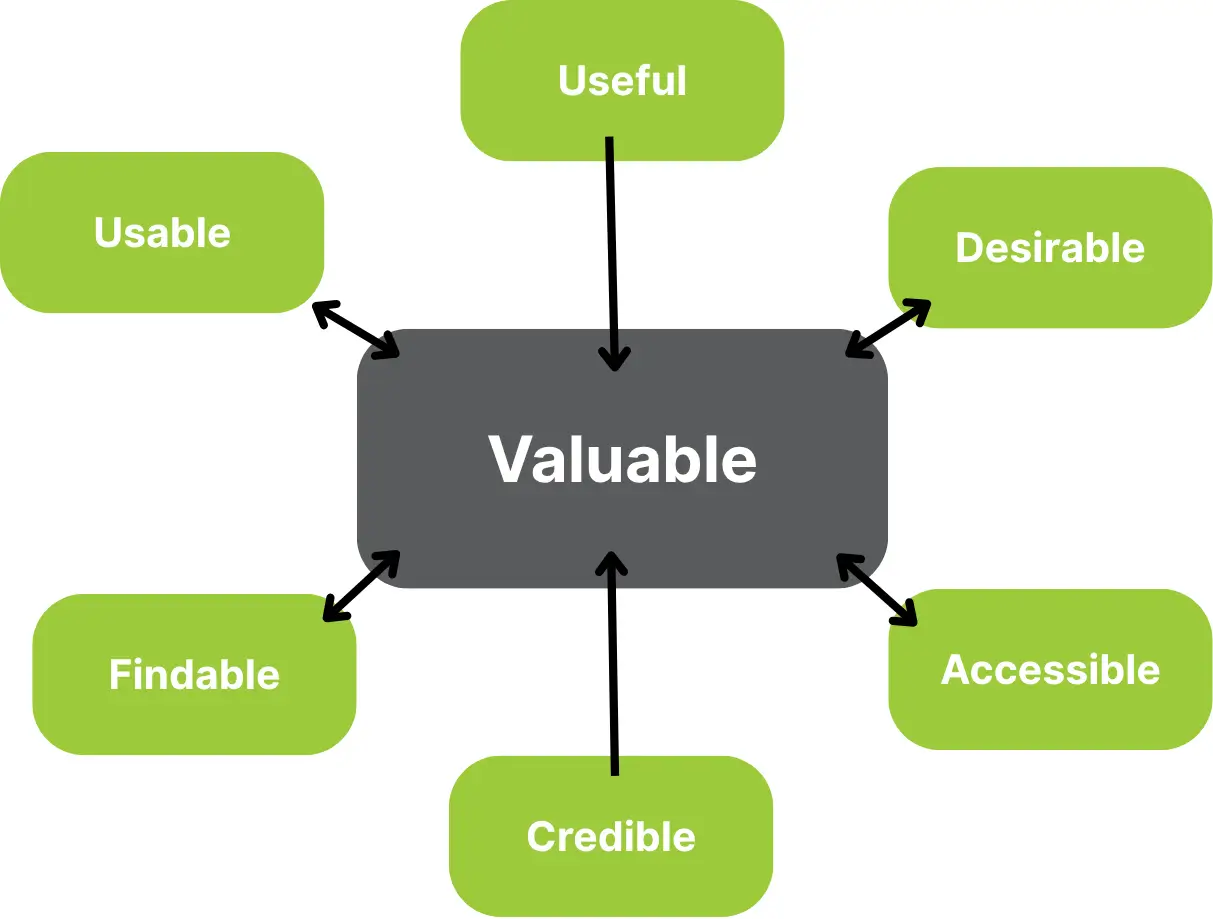
User Experience (UX) is about the way people feel when they use a product, the, or a digital interface. It starts from the first time they use it and keeps going as they use it more. UX talks about if the product is useful, how easy it is to use, and if people find it fun. To make good UX, people in research, design, psychology, and engineering work together. They try to make things simple, helpful, and good to use so that users’ wants and needs are met.
User Experience (UX) is about the way people feel when they use a product, the, or a digital interface. It starts from the first time they use it and keeps going as they use it more. UX talks about if the product is useful, how easy it is to use, and if people find it fun. To make good UX, people in research, design, psychology, and engineering work together. They try to make things simple, helpful, and good to use so that users’ wants and needs are met.
User Experience (UX) is about the way people feel when they use a product, the, or a digital interface. It starts from the first time they use it and keeps going as they use it more. UX talks about if the product is useful, how easy it is to use, and if people find it fun. To make good UX, people in research, design, psychology, and engineering work together. They try to make things simple, helpful, and good to use so that users’ wants and needs are met.
Interesting facts :
Interesting facts :
Interesting facts :
The user-centered design way started with Don Norman. He was working for Apple as an Apple Fellow. People know him as the “father of user experience.” He is the one who came up with the words and the meaning of user experience in 1993. After this, he started the Nielsen Norman Group, which is a company that helps people with user experience work and research.
The user-centered design way started with Don Norman. He was working for Apple as an Apple Fellow. People know him as the “father of user experience.” He is the one who came up with the words and the meaning of user experience in 1993. After this, he started the Nielsen Norman Group, which is a company that helps people with user experience work and research.
The user-centered design way started with Don Norman. He was working for Apple as an Apple Fellow. People know him as the “father of user experience.” He is the one who came up with the words and the meaning of user experience in 1993. After this, he started the Nielsen Norman Group, which is a company that helps people with user experience work and research.
The Goal of UX
The Goal of UX
The Goal of UX
The goal of UX is to make products or services easy to use. It should be reliable, and help users do what they want. UX professionals get feedback from interviews, surveys, and testing. They find what makes the product hard or annoying to use, and they fix these issues. UX is always changing. It gets better with testing and feedback from users. Good UX helps users achieve their goals. It also keeps them happy and makes them want to use it again. This can help the business grow.
The goal of UX is to make products or services easy to use. It should be reliable, and help users do what they want. UX professionals get feedback from interviews, surveys, and testing. They find what makes the product hard or annoying to use, and they fix these issues. UX is always changing. It gets better with testing and feedback from users. Good UX helps users achieve their goals. It also keeps them happy and makes them want to use it again. This can help the business grow.
The goal of UX is to make products or services easy to use. It should be reliable, and help users do what they want. UX professionals get feedback from interviews, surveys, and testing. They find what makes the product hard or annoying to use, and they fix these issues. UX is always changing. It gets better with testing and feedback from users. Good UX helps users achieve their goals. It also keeps them happy and makes them want to use it again. This can help the business grow.
Why UX Matters?
Why UX Matters?
Why UX Matters?
UX is not just another design change. It is something that every business should have. Studies show, people will want to come back, buy again, and share their thoughts with others when they feel good using a product. But if the UX is bad, people often feel upset and leave the website. They may even start to think in a bad way about the brand.
Think about it. When was the last time you went away from a website because it was slow? Or when did you remove an app because it was not easy to use? That is how UX works.
UX is not just another design change. It is something that every business should have. Studies show, people will want to come back, buy again, and share their thoughts with others when they feel good using a product. But if the UX is bad, people often feel upset and leave the website. They may even start to think in a bad way about the brand.
Think about it. When was the last time you went away from a website because it was slow? Or when did you remove an app because it was not easy to use? That is how UX works.
UX is not just another design change. It is something that every business should have. Studies show, people will want to come back, buy again, and share their thoughts with others when they feel good using a product. But if the UX is bad, people often feel upset and leave the website. They may even start to think in a bad way about the brand.
Think about it. When was the last time you went away from a website because it was slow? Or when did you remove an app because it was not easy to use? That is how UX works.
Aspect
Aspect
Aspect
Aspect
Aspect
Description
Description
Description
Description
Description
Usability
Usability
Usability
Usability
This shows how easy it is for people to use the product and understand it.
This shows how easy it is for people to use the product and understand it.
This shows how easy it is for people to use the product and understand it.
This shows how easy it is for people to use the product and understand it.
Accessibility
Accessibility
Accessibility
Accessibility
Making sure everyone, including people who have disabilities, can use the product.
Making sure everyone, including people who have disabilities, can use the product.
Making sure everyone, including people who have disabilities, can use the product.
Making sure everyone, including people who have disabilities, can use the product.
Information Architecture
Information Architecture
Information Architecture
Information Architecture
Setting up content so it makes sense and is easy for people to use.
Setting up content so it makes sense and is easy for people to use.
Setting up content so it makes sense and is easy for people to use.
Setting up content so it makes sense and is easy for people to use.
Interaction Design
Interaction Design
Interaction Design
Interaction Design
This is about how people use things like buttons, forms, and menus on a site. It looks at how you get around and move through it.
This is about how people use things like buttons, forms, and menus on a site. It looks at how you get around and move through it.
This is about how people use things like buttons, forms, and menus on a site. It looks at how you get around and move through it.
This is about how people use things like buttons, forms, and menus on a site. It looks at how you get around and move through it.
Visual Design
Visual Design
Visual Design
Visual Design
The style and feel that help people use the site easily and keep the brand the same everywhere.
The style and feel that help people use the site easily and keep the brand the same everywhere.
The style and feel that help people use the site easily and keep the brand the same everywhere.
The style and feel that help people use the site easily and keep the brand the same everywhere.
User Research & Testing
User Research & Testing
User Research & Testing
User Research & Testing
This is about getting to know what people want and need. It helps us check if design choices are right by listening to user feedback.
This is about getting to know what people want and need. It helps us check if design choices are right by listening to user feedback.
This is about getting to know what people want and need. It helps us check if design choices are right by listening to user feedback.
This is about getting to know what people want and need. It helps us check if design choices are right by listening to user feedback.
UX vs. UI: What is the Difference?
UX vs. UI: What is the Difference?
UX vs. UI: What is the Difference?
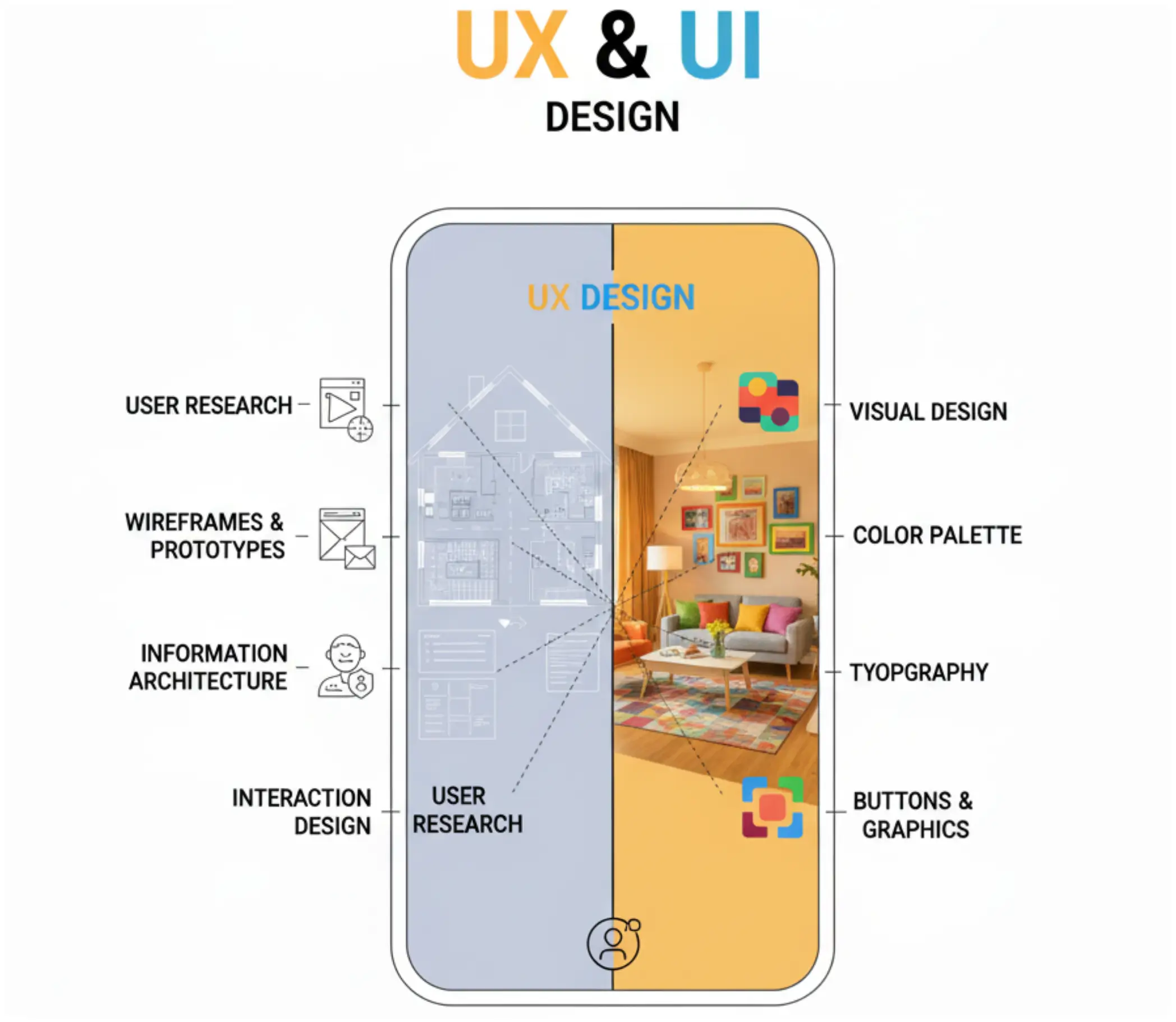
User Interface (UI) is about how things like colors, fonts, and buttons look. UX looks at everything that happens when a user uses something. A product can look nice because it has good UI. But if it is hard to use or does not feel right, it still gives people a bad UX.
User Interface (UI) is about how things like colors, fonts, and buttons look. UX looks at everything that happens when a user uses something. A product can look nice because it has good UI. But if it is hard to use or does not feel right, it still gives people a bad UX.
User Interface (UI) is about how things like colors, fonts, and buttons look. UX looks at everything that happens when a user uses something. A product can look nice because it has good UI. But if it is hard to use or does not feel right, it still gives people a bad UX.
Examples of Good UX—
Examples of Good UX—
Examples of Good UX—
Google Search: The look is simple. You get fast results with little to get in the way.
Airbnb: It is simple to book, and you can use filters to find what you need. The prices are shown clearly.
Apple Products: There is a smooth link between the hardware, the software, and the services.
Google Search: The look is simple. You get fast results with little to get in the way.
Airbnb: It is simple to book, and you can use filters to find what you need. The prices are shown clearly.
Apple Products: There is a smooth link between the hardware, the software, and the services.
Google Search: The look is simple. You get fast results with little to get in the way.
Airbnb: It is simple to book, and you can use filters to find what you need. The prices are shown clearly.
Apple Products: There is a smooth link between the hardware, the software, and the services.
Benefits of Strong UX
Benefits of Strong UX
Benefits of Strong UX
Higher user satisfaction and trust
More conversions and sales
Reduced support and training costs
Competitive advantage in crowded markets
Higher user satisfaction and trust
More conversions and sales
Reduced support and training costs
Competitive advantage in crowded markets
Higher user satisfaction and trust
More conversions and sales
Reduced support and training costs
Competitive advantage in crowded markets
Common UX Mistakes to Avoid
Common UX Mistakes to Avoid
Common UX Mistakes to Avoid
Cluttered layouts that overwhelm users
Inconsistent navigation or design patterns
Ignoring accessibility best practices
Skipping usability testing
Cluttered layouts that overwhelm users
Inconsistent navigation or design patterns
Ignoring accessibility best practices
Skipping usability testing
Cluttered layouts that overwhelm users
Inconsistent navigation or design patterns
Ignoring accessibility best practices
Skipping usability testing
Final Thoughts
Final Thoughts
Final Thoughts
UX (User Experience) goes beyond just design. It is about understanding what users want. The goal is to make websites, apps, or online products feel easy to use, simple, and fun. If you put UX first, you can help your business or project grow and last a long time.
UX (User Experience) goes beyond just design. It is about understanding what users want. The goal is to make websites, apps, or online products feel easy to use, simple, and fun. If you put UX first, you can help your business or project grow and last a long time.
UX (User Experience) goes beyond just design. It is about understanding what users want. The goal is to make websites, apps, or online products feel easy to use, simple, and fun. If you put UX first, you can help your business or project grow and last a long time.
Frequently Asked Questions (FAQs)
Frequently Asked Questions
Frequently Asked Questions
How does UX impact SEO rankings?
A good UX keeps users engaged longer, reduces bounce rate, and increases overall interaction signals — all of which help search engines understand that your page is valuable. This indirectly improves rankings over time.
How do I know if my website has UX problems?
You should expect a structured process that includes onboarding, goal setting, strategy development, regular communication, execution of campaigns, and performance reporting. A good agency will act as a partner collaborating with you to understand your business, crafting a custom plan, and keeping you informed about progress and results.
What are the biggest UX mistakes businesses make?
Vanity metrics are data points that look impressive but don’t directly impact your bottom line, such as social media likes, page views, or email open rates. While they can indicate visibility, they’re not strong indicators of business success. What’s more important are actionable metrics like lead quality, conversion rate, and return on investment (ROI). Looking for more details? Contact us today before your competitors do.
How does UX affect customer satisfaction?
High traffic without conversions often points to deeper issues such as: Poor targeting (the wrong audience is visiting), weak calls-to-action or unclear messaging, website usability issues or slow load times, lack of trust signals (like reviews or security).
Your marketing should not just drive visits; it should drive the right visitors and guide them to act.
How can I measure UX performance?
You’ll know it’s working when you see measurable progress toward your business goals, more qualified leads, better engagement, increased sales, or stronger ROI. Regular reports, clear KPIs, and consistent communication from your agency are key to evaluating success.
Does improving UX increase conversions?
Organic marketing (like SEO, blogging, and social media engagement) often takes 3 to 6 months to start showing results and may take 6–12 months for significant impact. It builds trust and authority over time, and while slower than paid marketing, it often yields more sustainable growth.
Why is UX considered an ongoing process?
A good marketing report should cover: Key performance indicators (KPIs) tied to your goals, traffic and conversion data, campaign performance summaries, ROI or cost-per-lead/acquisition, insights and recommendations for improvement, clear next steps or action items.
It should be easy to understand, jargon-free, and focus on outcomes. Learn more—how we drive revenue?
How does UX impact SEO rankings?
A good UX keeps users engaged longer, reduces bounce rate, and increases overall interaction signals — all of which help search engines understand that your page is valuable. This indirectly improves rankings over time.
How do I know if my website has UX problems?
You should expect a structured process that includes onboarding, goal setting, strategy development, regular communication, execution of campaigns, and performance reporting. A good agency will act as a partner collaborating with you to understand your business, crafting a custom plan, and keeping you informed about progress and results.
What are the biggest UX mistakes businesses make?
Vanity metrics are data points that look impressive but don’t directly impact your bottom line, such as social media likes, page views, or email open rates. While they can indicate visibility, they’re not strong indicators of business success. What’s more important are actionable metrics like lead quality, conversion rate, and return on investment (ROI). Looking for more details? Contact us today before your competitors do.
How does UX affect customer satisfaction?
High traffic without conversions often points to deeper issues such as: Poor targeting (the wrong audience is visiting), weak calls-to-action or unclear messaging, website usability issues or slow load times, lack of trust signals (like reviews or security).
Your marketing should not just drive visits; it should drive the right visitors and guide them to act.
How can I measure UX performance?
You’ll know it’s working when you see measurable progress toward your business goals, more qualified leads, better engagement, increased sales, or stronger ROI. Regular reports, clear KPIs, and consistent communication from your agency are key to evaluating success.
Does improving UX increase conversions?
Organic marketing (like SEO, blogging, and social media engagement) often takes 3 to 6 months to start showing results and may take 6–12 months for significant impact. It builds trust and authority over time, and while slower than paid marketing, it often yields more sustainable growth.
Why is UX considered an ongoing process?
A good marketing report should cover: Key performance indicators (KPIs) tied to your goals, traffic and conversion data, campaign performance summaries, ROI or cost-per-lead/acquisition, insights and recommendations for improvement, clear next steps or action items.
It should be easy to understand, jargon-free, and focus on outcomes. Learn more—how we drive revenue?
How does UX impact SEO rankings?
A good UX keeps users engaged longer, reduces bounce rate, and increases overall interaction signals — all of which help search engines understand that your page is valuable. This indirectly improves rankings over time.
How do I know if my website has UX problems?
You should expect a structured process that includes onboarding, goal setting, strategy development, regular communication, execution of campaigns, and performance reporting. A good agency will act as a partner collaborating with you to understand your business, crafting a custom plan, and keeping you informed about progress and results.
What are the biggest UX mistakes businesses make?
Vanity metrics are data points that look impressive but don’t directly impact your bottom line, such as social media likes, page views, or email open rates. While they can indicate visibility, they’re not strong indicators of business success. What’s more important are actionable metrics like lead quality, conversion rate, and return on investment (ROI). Looking for more details? Contact us today before your competitors do.
How does UX affect customer satisfaction?
High traffic without conversions often points to deeper issues such as: Poor targeting (the wrong audience is visiting), weak calls-to-action or unclear messaging, website usability issues or slow load times, lack of trust signals (like reviews or security).
Your marketing should not just drive visits; it should drive the right visitors and guide them to act.
How can I measure UX performance?
You’ll know it’s working when you see measurable progress toward your business goals, more qualified leads, better engagement, increased sales, or stronger ROI. Regular reports, clear KPIs, and consistent communication from your agency are key to evaluating success.
Does improving UX increase conversions?
Organic marketing (like SEO, blogging, and social media engagement) often takes 3 to 6 months to start showing results and may take 6–12 months for significant impact. It builds trust and authority over time, and while slower than paid marketing, it often yields more sustainable growth.
Why is UX considered an ongoing process?
A good marketing report should cover: Key performance indicators (KPIs) tied to your goals, traffic and conversion data, campaign performance summaries, ROI or cost-per-lead/acquisition, insights and recommendations for improvement, clear next steps or action items.
It should be easy to understand, jargon-free, and focus on outcomes. Learn more—how we drive revenue?
How does UX impact SEO rankings?
A good UX keeps users engaged longer, reduces bounce rate, and increases overall interaction signals — all of which help search engines understand that your page is valuable. This indirectly improves rankings over time.
How do I know if my website has UX problems?
You should expect a structured process that includes onboarding, goal setting, strategy development, regular communication, execution of campaigns, and performance reporting. A good agency will act as a partner collaborating with you to understand your business, crafting a custom plan, and keeping you informed about progress and results.
What are the biggest UX mistakes businesses make?
Vanity metrics are data points that look impressive but don’t directly impact your bottom line, such as social media likes, page views, or email open rates. While they can indicate visibility, they’re not strong indicators of business success. What’s more important are actionable metrics like lead quality, conversion rate, and return on investment (ROI). Looking for more details? Contact us today before your competitors do.
How does UX affect customer satisfaction?
High traffic without conversions often points to deeper issues such as: Poor targeting (the wrong audience is visiting), weak calls-to-action or unclear messaging, website usability issues or slow load times, lack of trust signals (like reviews or security).
Your marketing should not just drive visits; it should drive the right visitors and guide them to act.
How can I measure UX performance?
You’ll know it’s working when you see measurable progress toward your business goals, more qualified leads, better engagement, increased sales, or stronger ROI. Regular reports, clear KPIs, and consistent communication from your agency are key to evaluating success.
Does improving UX increase conversions?
Organic marketing (like SEO, blogging, and social media engagement) often takes 3 to 6 months to start showing results and may take 6–12 months for significant impact. It builds trust and authority over time, and while slower than paid marketing, it often yields more sustainable growth.
Why is UX considered an ongoing process?
A good marketing report should cover: Key performance indicators (KPIs) tied to your goals, traffic and conversion data, campaign performance summaries, ROI or cost-per-lead/acquisition, insights and recommendations for improvement, clear next steps or action items.
It should be easy to understand, jargon-free, and focus on outcomes. Learn more—how we drive revenue?
How does UX impact SEO rankings?
A good UX keeps users engaged longer, reduces bounce rate, and increases overall interaction signals — all of which help search engines understand that your page is valuable. This indirectly improves rankings over time.
How do I know if my website has UX problems?
You should expect a structured process that includes onboarding, goal setting, strategy development, regular communication, execution of campaigns, and performance reporting. A good agency will act as a partner collaborating with you to understand your business, crafting a custom plan, and keeping you informed about progress and results.
What are the biggest UX mistakes businesses make?
Vanity metrics are data points that look impressive but don’t directly impact your bottom line, such as social media likes, page views, or email open rates. While they can indicate visibility, they’re not strong indicators of business success. What’s more important are actionable metrics like lead quality, conversion rate, and return on investment (ROI). Looking for more details? Contact us today before your competitors do.
How does UX affect customer satisfaction?
High traffic without conversions often points to deeper issues such as: Poor targeting (the wrong audience is visiting), weak calls-to-action or unclear messaging, website usability issues or slow load times, lack of trust signals (like reviews or security).
Your marketing should not just drive visits; it should drive the right visitors and guide them to act.
How can I measure UX performance?
You’ll know it’s working when you see measurable progress toward your business goals, more qualified leads, better engagement, increased sales, or stronger ROI. Regular reports, clear KPIs, and consistent communication from your agency are key to evaluating success.
Does improving UX increase conversions?
Organic marketing (like SEO, blogging, and social media engagement) often takes 3 to 6 months to start showing results and may take 6–12 months for significant impact. It builds trust and authority over time, and while slower than paid marketing, it often yields more sustainable growth.
Why is UX considered an ongoing process?
A good marketing report should cover: Key performance indicators (KPIs) tied to your goals, traffic and conversion data, campaign performance summaries, ROI or cost-per-lead/acquisition, insights and recommendations for improvement, clear next steps or action items.
It should be easy to understand, jargon-free, and focus on outcomes. Learn more—how we drive revenue?




UX Design Improves User Satisfaction, Engagement, and Sales.
UX Design Improves User Satisfaction, Engagement, and Sales.
UX Design Improves User Satisfaction, Engagement, & Sales.
UX Design Improves User Satisfaction, Engagement, and Sales.
Enhance your site’s layout, speed, and usability to keep visitors engaged and guide them smoothly toward key actions.
Enhance your site’s layout, speed, and usability to keep visitors engaged and guide them smoothly toward key actions.
Enhance your site’s layout, speed, and usability to keep visitors engaged and guide them smoothly toward key actions.
4.9/5 Ratings!
4.9/5 Ratings!
4.9/5 Ratings!
4.9/5 Ratings!
4.9/5 Ratings!
Share this article

Related Resources
Latest Blogs






Don’t miss our revenue growth tips!
Don’t miss our revenue growth tips!
Don’t miss our revenue growth tips!
Get expert marketing tips—straight to your inbox, like thousands of happy clients.
Get expert marketing tips—straight to your inbox, like thousands of happy clients.
Latest Blogs



































Ready to speak with an expert?
Data-Driven Marketing Agency That Elevates ROI
Websites Designed & Optimized to Convert
$280M+
Client Revenue Driven & Growing Strong
Discover how to skyrocket
your revenue today!
Trusted by 1000+ Owners!
Want to skyrocket revenue?
4.9/5 Ratings!
Ready to speak with an expert?
Data-Driven Marketing Agency That Elevates ROI
Websites Designed & Optimized to Convert
$280M+
Client Revenue Driven & Growing Strong
Discover how to skyrocket
your revenue today!
Trusted by 1000+ Owners!
Want to skyrocket revenue?
4.9/5 Ratings!
Ready to speak with an expert?
Data-Driven Marketing Agency That Elevates ROI
Websites Designed & Optimized to Convert
$280M+
Client Revenue Driven & Growing Strong
Want to skyrocket
revenue?
Trusted by 1000+ Owners!