What is a Search Engine?
People use search engines as online tools to find information on the internet. You can use it to look for news, pictures, videos, or websites. You get a list of results that match what you're looking for when you input a word or ask a question in the search box. You can find these results on sites like Google, Bing, Yahoo, and DuckDuckGo.
How Search Engines Work?
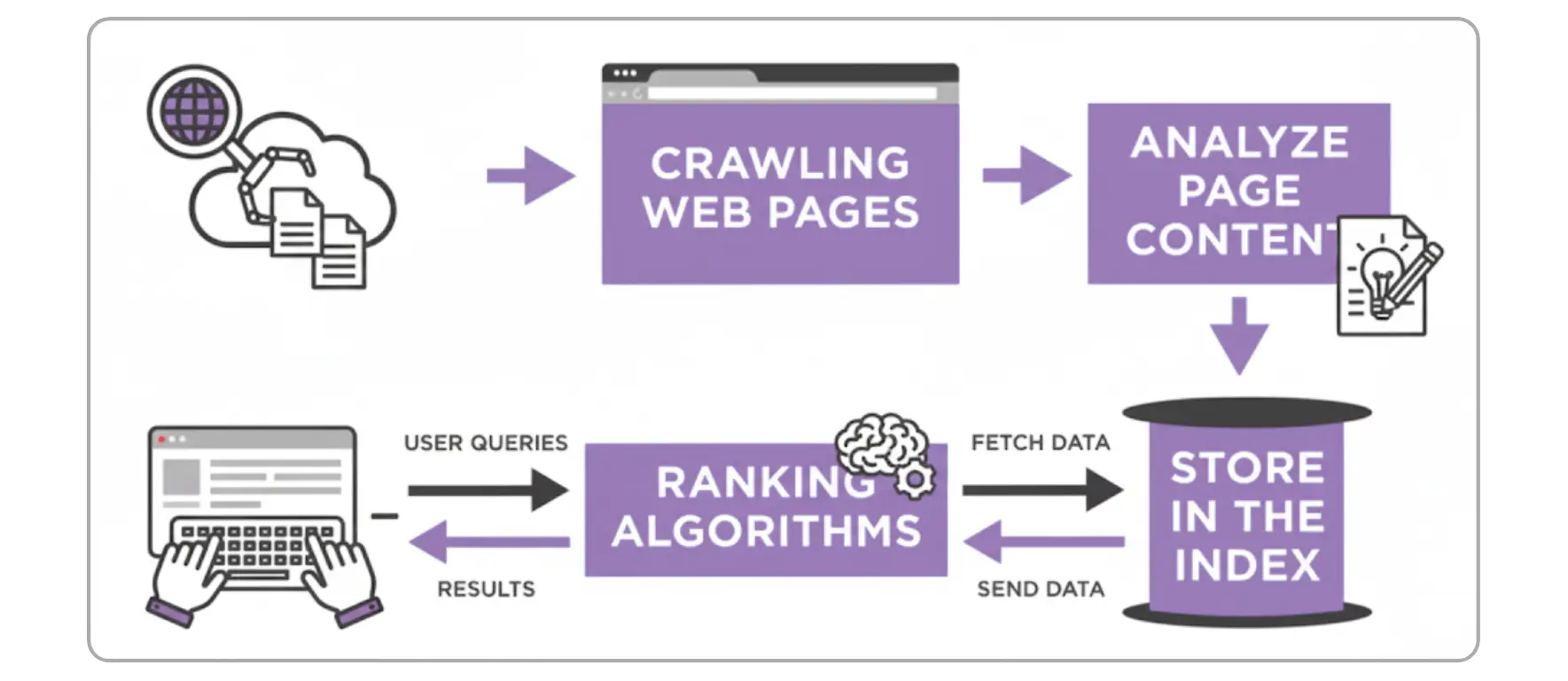
There are three main steps that modern search engines take:
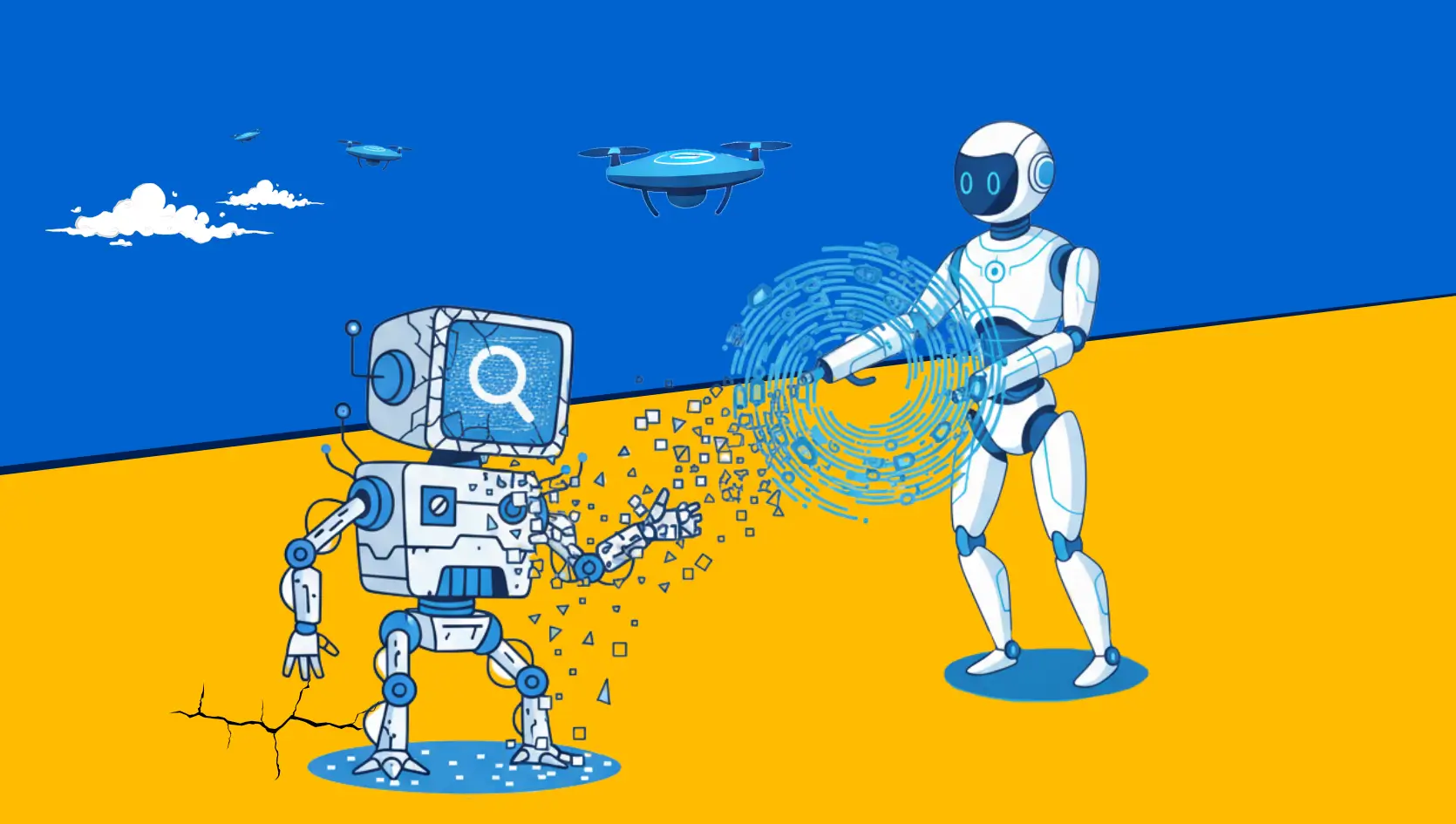
Crawling: Automated bots, known as "spiders" or "crawlers," visit websites in a planned way. They look for new pages or things that have changed on a site.
Indexing: They put the information they find into big databases. People can search for things and get results right away when they need them.
Ranking: A group of smart rules decides which results should come first. These results are based on the words used, how new the page is, how trustworthy the site is, and whether it is the right match. The best ones are at the top.
Why Search Engines Matter?
Search engines help people find the things they want to know online. They let you learn new facts, make shopping easier, and solve problems fast. Businesses use search engines to reach the right customers. In this way, search engines are very important for brands and creators to be seen by many people online.
How Search Engines Impact Digital Marketing?
Understanding Search Engine Indexing and Why it Matters?
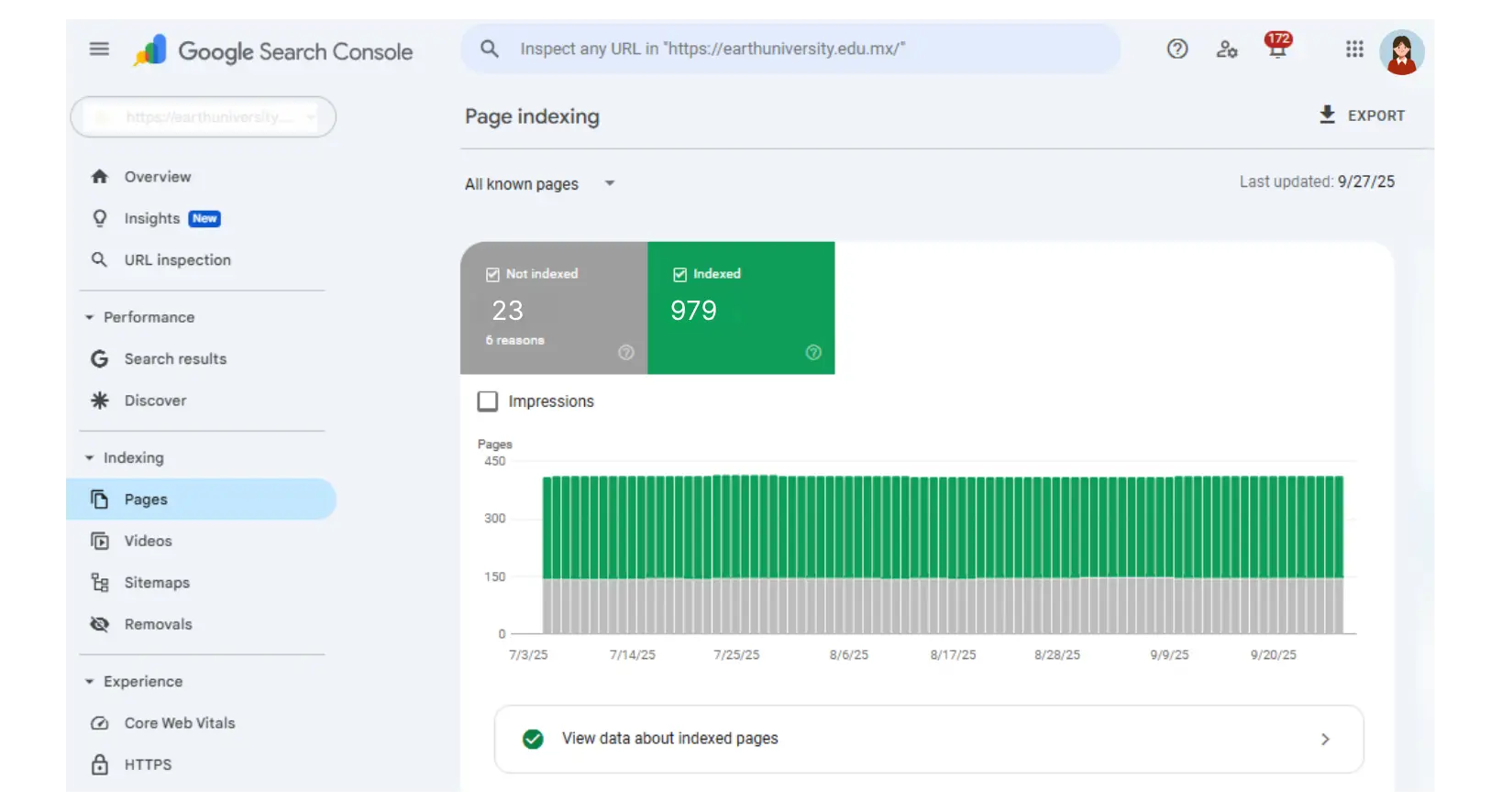
Indexing is a way search engines sort out and organize what they find on the web. This process helps them pull up the right information when someone searches online. If you own a website or work in marketing, you want your site to be in this index. If your pages are not indexed, people will not be able to find them. To get your site in the index, you must have a clean website structure. Your site should work well on phones and use the right meta tags and sitemaps. These steps help search engines find, read, and store your pages the right way.
The Relationship Between Search Engines and User Experience
User experience (UX) has a big effect on how well your website does in search engines. Search engines like pages that load fast, work well on phones, and give people clear help or details. Things like autocomplete, rich snippets, and showing results based on where you are help make search and browsing better. A good UX will help your website rank higher. It also helps to keep people on your website and brings them back.
The Role of Algorithms in Search Engine Rankings
Search algorithms help determine what order search results appear in and how they appear. They look at online pages and check a lot of things, such as the keywords, the quality of the material, how well it matches what you search for, and how many other reliable sites connect to it. They also look at how users use the page. From the early days of Google's PageRank to today's sharper AI systems, the way these algorithms work is always changing. Because of this, you have to keep adapting so that you stay at the top in search results.
Final Thoughts
Search engines act as important tools when you use the internet. If you know how search engines work, you can focus on doing good SEO and giving every user a better, smoother time on your website. Keeping up with changes in how search engines sort websites will help you reach more people and be seen as trustworthy online. Being good at using search engines helps people have easier searches. It can also help your marketing do better and make your website grow for years to come.
Frequently Asked Questions (FAQs)
How do search engines find and display websites?
They use three main steps: crawling (bots scan websites), indexing (store and organize pages in a database), and ranking (algorithms decide which pages appear first based on relevance and quality).
How do search algorithms work?
You should expect a structured process that includes onboarding, goal setting, strategy development, regular communication, execution of campaigns, and performance reporting. A good agency will act as a partner collaborating with you to understand your business, crafting a custom plan, and keeping you informed about progress and results.
How can a website improve its chances of being ranked by search engines?
Vanity metrics are data points that look impressive but don’t directly impact your bottom line, such as social media likes, page views, or email open rates. While they can indicate visibility, they’re not strong indicators of business success. What’s more important are actionable metrics like lead quality, conversion rate, and return on investment (ROI). Looking for more details? Contact us today before your competitors do.
Why don’t some pages appear in search results?
High traffic without conversions often points to deeper issues such as: Poor targeting (the wrong audience is visiting), weak calls-to-action or unclear messaging, website usability issues or slow load times, lack of trust signals (like reviews or security).
Your marketing should not just drive visits; it should drive the right visitors and guide them to act.
Can search engines understand images and videos?
You’ll know it’s working when you see measurable progress toward your business goals, more qualified leads, better engagement, increased sales, or stronger ROI. Regular reports, clear KPIs, and consistent communication from your agency are key to evaluating success.
Why do different search engines show different results for the same query?
Organic marketing (like SEO, blogging, and social media engagement) often takes 3 to 6 months to start showing results and may take 6–12 months for significant impact. It builds trust and authority over time, and while slower than paid marketing, it often yields more sustainable growth.
How does Google decide which website to rank first?
A good marketing report should cover: Key performance indicators (KPIs) tied to your goals, traffic and conversion data, campaign performance summaries, ROI or cost-per-lead/acquisition, insights and recommendations for improvement, clear next steps or action items.
It should be easy to understand, jargon-free, and focus on outcomes. Learn more—how we drive revenue?
How do search engines find and display websites?
They use three main steps: crawling (bots scan websites), indexing (store and organize pages in a database), and ranking (algorithms decide which pages appear first based on relevance and quality).
How do search algorithms work?
You should expect a structured process that includes onboarding, goal setting, strategy development, regular communication, execution of campaigns, and performance reporting. A good agency will act as a partner collaborating with you to understand your business, crafting a custom plan, and keeping you informed about progress and results.
How can a website improve its chances of being ranked by search engines?
Vanity metrics are data points that look impressive but don’t directly impact your bottom line, such as social media likes, page views, or email open rates. While they can indicate visibility, they’re not strong indicators of business success. What’s more important are actionable metrics like lead quality, conversion rate, and return on investment (ROI). Looking for more details? Contact us today before your competitors do.
Why don’t some pages appear in search results?
High traffic without conversions often points to deeper issues such as: Poor targeting (the wrong audience is visiting), weak calls-to-action or unclear messaging, website usability issues or slow load times, lack of trust signals (like reviews or security).
Your marketing should not just drive visits; it should drive the right visitors and guide them to act.
Can search engines understand images and videos?
You’ll know it’s working when you see measurable progress toward your business goals, more qualified leads, better engagement, increased sales, or stronger ROI. Regular reports, clear KPIs, and consistent communication from your agency are key to evaluating success.
Why do different search engines show different results for the same query?
Organic marketing (like SEO, blogging, and social media engagement) often takes 3 to 6 months to start showing results and may take 6–12 months for significant impact. It builds trust and authority over time, and while slower than paid marketing, it often yields more sustainable growth.
How does Google decide which website to rank first?
A good marketing report should cover: Key performance indicators (KPIs) tied to your goals, traffic and conversion data, campaign performance summaries, ROI or cost-per-lead/acquisition, insights and recommendations for improvement, clear next steps or action items.
It should be easy to understand, jargon-free, and focus on outcomes. Learn more—how we drive revenue?
How do search engines find and display websites?
They use three main steps: crawling (bots scan websites), indexing (store and organize pages in a database), and ranking (algorithms decide which pages appear first based on relevance and quality).
How do search algorithms work?
You should expect a structured process that includes onboarding, goal setting, strategy development, regular communication, execution of campaigns, and performance reporting. A good agency will act as a partner collaborating with you to understand your business, crafting a custom plan, and keeping you informed about progress and results.
How can a website improve its chances of being ranked by search engines?
Vanity metrics are data points that look impressive but don’t directly impact your bottom line, such as social media likes, page views, or email open rates. While they can indicate visibility, they’re not strong indicators of business success. What’s more important are actionable metrics like lead quality, conversion rate, and return on investment (ROI). Looking for more details? Contact us today before your competitors do.
Why don’t some pages appear in search results?
High traffic without conversions often points to deeper issues such as: Poor targeting (the wrong audience is visiting), weak calls-to-action or unclear messaging, website usability issues or slow load times, lack of trust signals (like reviews or security).
Your marketing should not just drive visits; it should drive the right visitors and guide them to act.
Can search engines understand images and videos?
You’ll know it’s working when you see measurable progress toward your business goals, more qualified leads, better engagement, increased sales, or stronger ROI. Regular reports, clear KPIs, and consistent communication from your agency are key to evaluating success.
Why do different search engines show different results for the same query?
Organic marketing (like SEO, blogging, and social media engagement) often takes 3 to 6 months to start showing results and may take 6–12 months for significant impact. It builds trust and authority over time, and while slower than paid marketing, it often yields more sustainable growth.
How does Google decide which website to rank first?
A good marketing report should cover: Key performance indicators (KPIs) tied to your goals, traffic and conversion data, campaign performance summaries, ROI or cost-per-lead/acquisition, insights and recommendations for improvement, clear next steps or action items.
It should be easy to understand, jargon-free, and focus on outcomes. Learn more—how we drive revenue?
How do search engines find and display websites?
They use three main steps: crawling (bots scan websites), indexing (store and organize pages in a database), and ranking (algorithms decide which pages appear first based on relevance and quality).
How do search algorithms work?
You should expect a structured process that includes onboarding, goal setting, strategy development, regular communication, execution of campaigns, and performance reporting. A good agency will act as a partner collaborating with you to understand your business, crafting a custom plan, and keeping you informed about progress and results.
How can a website improve its chances of being ranked by search engines?
Vanity metrics are data points that look impressive but don’t directly impact your bottom line, such as social media likes, page views, or email open rates. While they can indicate visibility, they’re not strong indicators of business success. What’s more important are actionable metrics like lead quality, conversion rate, and return on investment (ROI). Looking for more details? Contact us today before your competitors do.
Why don’t some pages appear in search results?
High traffic without conversions often points to deeper issues such as: Poor targeting (the wrong audience is visiting), weak calls-to-action or unclear messaging, website usability issues or slow load times, lack of trust signals (like reviews or security).
Your marketing should not just drive visits; it should drive the right visitors and guide them to act.
Can search engines understand images and videos?
You’ll know it’s working when you see measurable progress toward your business goals, more qualified leads, better engagement, increased sales, or stronger ROI. Regular reports, clear KPIs, and consistent communication from your agency are key to evaluating success.
Why do different search engines show different results for the same query?
Organic marketing (like SEO, blogging, and social media engagement) often takes 3 to 6 months to start showing results and may take 6–12 months for significant impact. It builds trust and authority over time, and while slower than paid marketing, it often yields more sustainable growth.
How does Google decide which website to rank first?
A good marketing report should cover: Key performance indicators (KPIs) tied to your goals, traffic and conversion data, campaign performance summaries, ROI or cost-per-lead/acquisition, insights and recommendations for improvement, clear next steps or action items.
It should be easy to understand, jargon-free, and focus on outcomes. Learn more—how we drive revenue?
How do search engines find and display websites?
They use three main steps: crawling (bots scan websites), indexing (store and organize pages in a database), and ranking (algorithms decide which pages appear first based on relevance and quality).
How do search algorithms work?
You should expect a structured process that includes onboarding, goal setting, strategy development, regular communication, execution of campaigns, and performance reporting. A good agency will act as a partner collaborating with you to understand your business, crafting a custom plan, and keeping you informed about progress and results.
How can a website improve its chances of being ranked by search engines?
Vanity metrics are data points that look impressive but don’t directly impact your bottom line, such as social media likes, page views, or email open rates. While they can indicate visibility, they’re not strong indicators of business success. What’s more important are actionable metrics like lead quality, conversion rate, and return on investment (ROI). Looking for more details? Contact us today before your competitors do.
Why don’t some pages appear in search results?
High traffic without conversions often points to deeper issues such as: Poor targeting (the wrong audience is visiting), weak calls-to-action or unclear messaging, website usability issues or slow load times, lack of trust signals (like reviews or security).
Your marketing should not just drive visits; it should drive the right visitors and guide them to act.
Can search engines understand images and videos?
You’ll know it’s working when you see measurable progress toward your business goals, more qualified leads, better engagement, increased sales, or stronger ROI. Regular reports, clear KPIs, and consistent communication from your agency are key to evaluating success.
Why do different search engines show different results for the same query?
Organic marketing (like SEO, blogging, and social media engagement) often takes 3 to 6 months to start showing results and may take 6–12 months for significant impact. It builds trust and authority over time, and while slower than paid marketing, it often yields more sustainable growth.
How does Google decide which website to rank first?
A good marketing report should cover: Key performance indicators (KPIs) tied to your goals, traffic and conversion data, campaign performance summaries, ROI or cost-per-lead/acquisition, insights and recommendations for improvement, clear next steps or action items.
It should be easy to understand, jargon-free, and focus on outcomes. Learn more—how we drive revenue?
Search Engines Index and Rank Sites to Drive Organic Traffic.
Understand how search engines work to optimize your content, improve rankings, and reach more potential customers.