FOR SERIOUS BUSINESS OWNERS WHO NEED QUALITY LEADS …
FOR SERIOUS BUSINESS OWNERS WHO NEED QUALITY LEADS …
Why Isn't My Website Ranking on Google? (& How to Fix It?)
Why Isn't My Website Ranking on Google? (& How to Fix It?)
Why Isn't My Website Ranking on Google? (& How to Fix It?)
You've poured your heart (and maybe a good chunk of change) into building a website. You launch it, wait... and then... crickets. Checking Google, you type in searches you know you should appear for, but your website is nowhere to be found. Sound familiar?
It’s one of the most common frustrations we get. We don't only solve the ranking on Google, we ensure have quality organic traffic from search engines.
It’s one of the most common frustrations we get. We don't only solve the ranking on Google, we ensure have quality organic traffic from search engines.







1K+ Rated & Verified

FOR BUSINESS OWNERS WHO NEED QUALITY LEADS …
Why Isn't My Website Ranking on Google? (& How to Fix It?)
You've poured your heart (and maybe a good chunk of change) into building a website. You launch it, wait... and then... crickets. Checking Google, you type in searches you know you should appear for, but your website is nowhere to be found. Sound familiar?
It’s one of the most common frustrations we get. We don't only solve the ranking on Google, we ensure have quality organic traffic from search engines.
1K+ Rated & Verified
FOR BUSINESS OWNERS WHO NEED QUALITY LEADS …
Why Isn't My Website Ranking on Google? (& How to Fix It?)
You've poured your heart (and maybe a good chunk of change) into building a website. You launch it, wait... and then... crickets. Checking Google, you type in searches you know you should appear for, but your website is nowhere to be found. Sound familiar?
It’s one of the most common frustrations we get. We don't only solve the ranking on Google, we ensure have quality organic traffic from search engines.
1K+ Rated & Verified
Top 5 Reasons You Don't See Your Website on Google
Top 5 Reasons You Don't See Your Website on Google
5 Reasons You Don't See Your Website on Google
Top 5 Reasons You Don't See Your Website on Google
Top 5 Reasons You Don't See Your Website on Google
Getting your website seen on Google isn't magic, but it often feels like a complex puzzle. Search engines have specific ways they look at websites to decide who deserves those top spots. If your site isn't playing by their rules, it simply won't get noticed.
Getting your website seen on Google isn't magic, but it often feels like a complex puzzle. Search engines have specific ways they look at websites to decide who deserves those top spots. If your site isn't playing by their rules, it simply won't get noticed.
Getting your website seen on Google isn't magic, but it often feels like a complex puzzle. Search engines have specific ways they look at websites to decide who deserves those top spots. If your site isn't playing by their rules, it simply won't get noticed.
So, what could be holding your website back from the Google spotlight? Let's dive into some key reasons our SEO experts frequently find:
So, what could be holding your website back from the Google spotlight? Let's dive into some key reasons our SEO experts frequently find:
So, what could be holding your website back from the Google spotlight? Let's dive into some key reasons our SEO experts frequently find:
Google Can't Properly See Website
Google Can't Properly See Website
Google Can't Properly See Website
Your Website Content Isn’t Optimized
Your Website Content Isn’t Optimized
Your Website Content Isn’t Optimized
You're Targeting the Wrong Keywords
You're Targeting the Wrong Keywords
You're Targeting the Wrong Keywords
Lack of Quality Backlinks & Signals
Lack of Quality Backlinks & Signals
Lack of Quality Backlinks & Signals
Poor User Experience (UX)
Poor User Experience (UX)
Poor User Experience (UX)
5 Common Reasons Your Website Isn't Ranking (And How Our SEO experts Fix It!)
5 Common Reasons Your Website Isn't Ranking (And How Our SEO experts Fix It!)
5 Common Reasons Your Website Isn't Ranking (And How Our SEO experts Fix It!)
5 Common Reasons Your Website Isn't Ranking (And How Our SEO experts Fix It!)
5 Common Reasons Your Website Isn't Ranking (And How Our SEO experts Fix It!)
From startups to established brands, here are the top reasons your website isn’t ranking on Google.
From startups to established brands, here are the top reasons your website isn’t ranking on Google.
From startups to established brands, here are the top reasons your website isn’t ranking on Google.
01
Google Can't Index
Content Isn’t Optimized
Wrong Keywords
Lack of Quality Backlinks
Poor User Experience (UX)
1. Google Can't Properly See Website
Problem: Sometimes, the issue is purely technical. Google uses "bots" to crawl and index websites, but if your site has barriers (like confusing code, error pages Google can't get past, or it's just too slow), the bots might give up or miss important pages. Being invisible to the bots means being invisible in search results.
Solution: Your website needs a clean bill of technical health. This means ensuring it loads quickly, works perfectly and responsive on mobile phones, has a clear and logical structure Google can easily follow (like a sitemap), and doesn't have any major errors blocking access.

Coozmoo Approach
Performing detailed site speed analysis and implementing optimizations.
Checking mobile-friendliness and responsiveness across devices.
Reviewing and optimizing your XML sitemap and robots.txt files.
Identifying and resolving crawl errors (like 404s, server errors, or redirect issues) through tools like Google Search Console.


01
Google Can't Index
Content Isn’t Optimized
Wrong Keywords
Lack of Quality Backlinks
Poor User Experience (UX)
1. Google Can't Properly See Website
Problem: Sometimes, the issue is purely technical. Google uses "bots" to crawl and index websites, but if your site has barriers (like confusing code, error pages Google can't get past, or it's just too slow), the bots might give up or miss important pages. Being invisible to the bots means being invisible in search results.
Solution: Your website needs a clean bill of technical health. This means ensuring it loads quickly, works perfectly and responsive on mobile phones, has a clear and logical structure Google can easily follow (like a sitemap), and doesn't have any major errors blocking access.
Coozmoo Approach
Performing detailed site speed analysis and implementing optimizations.
Checking mobile-friendliness and responsiveness across devices.
Reviewing and optimizing your XML sitemap and robots.txt files.
Identifying and resolving crawl errors (like 404s, server errors, or redirect issues) through tools like Google Search Console.
01
Google Can't Index
Content Isn’t Optimized
Wrong Keywords
Lack of Quality Backlinks
Poor User Experience (UX)
1. Google Can't Properly See Website
Problem: Sometimes, the issue is purely technical. Google uses "bots" to crawl and index websites, but if your site has barriers (like confusing code, error pages Google can't get past, or it's just too slow), the bots might give up or miss important pages. Being invisible to the bots means being invisible in search results.
Solution: Your website needs a clean bill of technical health. This means ensuring it loads quickly, works perfectly and responsive on mobile phones, has a clear and logical structure Google can easily follow (like a sitemap), and doesn't have any major errors blocking access.
Coozmoo Approach
Performing detailed site speed analysis and implementing optimizations.
Checking mobile-friendliness and responsiveness across devices.
Reviewing and optimizing your XML sitemap and robots.txt files.
Identifying and resolving crawl errors (like 404s, server errors, or redirect issues) through tools like Google Search Console.
Google Can't Index
01
1. Google Can't Properly See Website
Problem: Sometimes, the issue is purely technical. Google uses "bots" to crawl and index websites, but if your site has barriers (like confusing code, error pages Google can't get past, or it's just too slow), the bots might give up or miss important pages. Being invisible to the bots means being invisible in search results.
Solution: Your website needs a clean bill of technical health. This means ensuring it loads quickly, works perfectly and responsive on mobile phones, has a clear and logical structure Google can easily follow (like a sitemap), and doesn't have any major errors blocking access.
Content Isn’t Optimized
02
2. Your Website Content Isn’t Optimized
Problem: You've probably heard the saying, "Content is King," and when it comes to SEO, it's absolutely true. Google's goal is to show the best possible answer to someone's search. If your website content is thin, poorly written, doesn't match what people are searching for, or fails to offer real value, Google won't rank it well.
Solution: Focus on creating high-quality, original, and genuinely helpful content that directly addresses the questions and needs of your target audience. Think informative blog posts, detailed service pages, and useful resources that showcase your expertise and prove you're the "king" of information in your niche.
Wrong Keywords
03
3. You're Targeting the Wrong Keywords
Problem: You might think you know what people search for, but are you absolutely sure? Targeting keywords that are too broad, highly competitive, difficult to rank for, have very few monthly searches, or simply aren't what your best potential customers genuinely look for means your website likely won't show up when it actually matters most to your business.
Solution: Effective SEO starts with smart, strategic keyword research. You need to clearly understand the exact phrases and specific questions your potential customers are actively typing into Google. And you must find the sweet spot of keywords that are highly relevant, have decent search volume, and are realistically easier to rank for in your niche.
Lack of Quality Backlinks
04
4. Lack of Quality Backlinks & Signals
Problem: Google wants to rank sites it trusts. One big way it measures trust and authority is through backlinks, links from other reputable websites to yours. If you have very few backlinks, or the links you have are from low-quality or spammy sites, Google might see your site as less credible.
Solution: Build credibility! This involves earning high-quality backlinks from relevant websites in your industry. It also means clearly showcasing your expertise on your site (author bios, credentials, detailed information) and ensuring your site feels secure and professional.
Poor User Experience (UX)
05
5. Poor User Experience (UX)
Problem: If people click on your site from Google search results but then immediately leave (a "bounce"), it sends a strong signal to Google that your page wasn't a good match for their query. A confusing layout, hard-to-read text, intrusive or annoying pop-ups, slow loading times, or difficulty finding important information can all contribute to a poor user experience and negatively impact your rankings over time.
Solution: Make your website a pleasure to use! Ensure navigation is clean, pages load quickly, text is easy to read, and visitors can find what they need without frustration. A good user experience keeps people engaged and tells Google your site is valuable.
Google Can't Index
01
1. Google Can't Properly See Website
Problem: Sometimes, the issue is purely technical. Google uses "bots" to crawl and index websites, but if your site has barriers (like confusing code, error pages Google can't get past, or it's just too slow), the bots might give up or miss important pages. Being invisible to the bots means being invisible in search results.
Solution: Your website needs a clean bill of technical health. This means ensuring it loads quickly, works perfectly and responsive on mobile phones, has a clear and logical structure Google can easily follow (like a sitemap), and doesn't have any major errors blocking access.
Content Isn’t Optimized
02
2. Your Website Content Isn’t Optimized
Problem: You've probably heard the saying, "Content is King," and when it comes to SEO, it's absolutely true. Google's goal is to show the best possible answer to someone's search. If your website content is thin, poorly written, doesn't match what people are searching for, or fails to offer real value, Google won't rank it well.
Solution: Focus on creating high-quality, original, and genuinely helpful content that directly addresses the questions and needs of your target audience. Think informative blog posts, detailed service pages, and useful resources that showcase your expertise and prove you're the "king" of information in your niche.
Wrong Keywords
03
3. You're Targeting the Wrong Keywords
Problem: You might think you know what people search for, but are you absolutely sure? Targeting keywords that are too broad, highly competitive, difficult to rank for, have very few monthly searches, or simply aren't what your best potential customers genuinely look for means your website likely won't show up when it actually matters most to your business.
Solution: Effective SEO starts with smart, strategic keyword research. You need to clearly understand the exact phrases and specific questions your potential customers are actively typing into Google. And you must find the sweet spot of keywords that are highly relevant, have decent search volume, and are realistically easier to rank for in your niche.
Lack of Quality Backlinks
04
4. Lack of Quality Backlinks & Signals
Problem: Google wants to rank sites it trusts. One big way it measures trust and authority is through backlinks, links from other reputable websites to yours. If you have very few backlinks, or the links you have are from low-quality or spammy sites, Google might see your site as less credible.
Solution: Build credibility! This involves earning high-quality backlinks from relevant websites in your industry. It also means clearly showcasing your expertise on your site (author bios, credentials, detailed information) and ensuring your site feels secure and professional.
Poor User Experience (UX)
05
5. Poor User Experience (UX)
Problem: If people click on your site from Google search results but then immediately leave (a "bounce"), it sends a strong signal to Google that your page wasn't a good match for their query. A confusing layout, hard-to-read text, intrusive or annoying pop-ups, slow loading times, or difficulty finding important information can all contribute to a poor user experience and negatively impact your rankings over time.
Solution: Make your website a pleasure to use! Ensure navigation is clean, pages load quickly, text is easy to read, and visitors can find what they need without frustration. A good user experience keeps people engaged and tells Google your site is valuable.

Have a Google Ads account?
Get a free evaluation today!
Have a Google Ads account?
Get a free evaluation today!
Have a Google Ads account?
Get a free evaluation today!
Have a Google Ads account?
Get a free evaluation today!
Have a Google Ads account?
Get a free evaluation today!
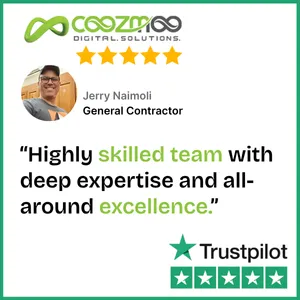
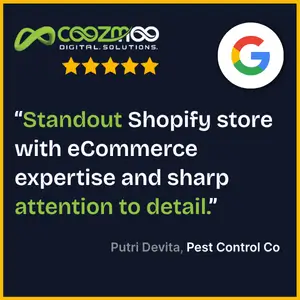
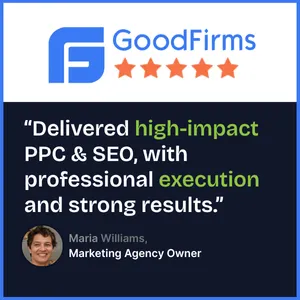
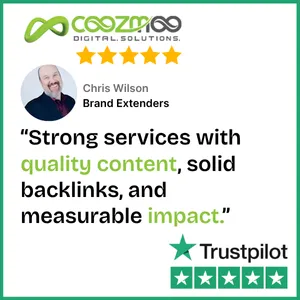
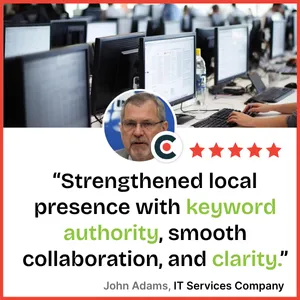
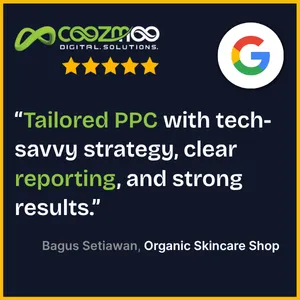
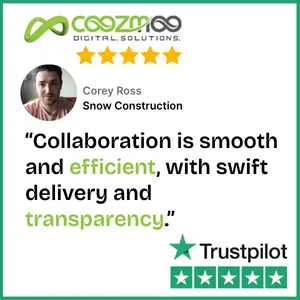
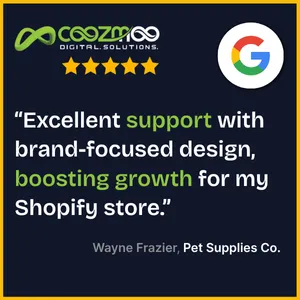
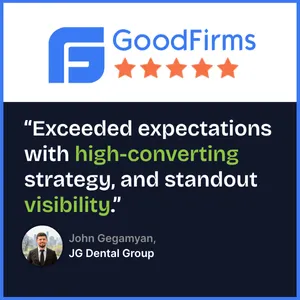
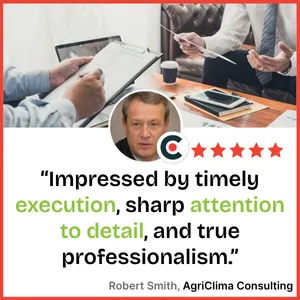
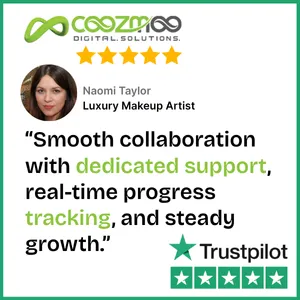
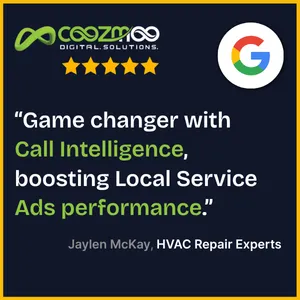
Real Reviews. Real Results.
Our clients don’t just trust us—they see real, measurable results. Hear what they're saying about the powerful "Monetized. Localized. Brandized." strategy.








Real Reviews. Real Results.
Our clients don’t just trust us—they see real, measurable results. Hear what they're saying about the powerful "Monetized. Localized. Brandized." strategy.

Real Reviews. Real Results.
Our clients don’t just trust us—they see real, measurable results. Hear what they're saying about the powerful "Monetized. Localized. Brandized." strategy.
Real Reviews. Real Results.
Our clients don’t just trust us—they see real, measurable results. Hear what they're saying about the powerful "Monetized. Localized. Brandized." strategy.
Join the Brands Scaling Their Revenue With Us
Join the Brands Scaling Their Revenue With Us
Join the Brands
Scaling Their Revenue With Us
Join the Brands
Scaling Their Revenue With Us
Built for Owners Who Want It All—Organic. Paid. Social. Results
For Owners Who Want It All—Paid. Organic. Results.
For Owners Who Want It All—Paid. Organic. Results.
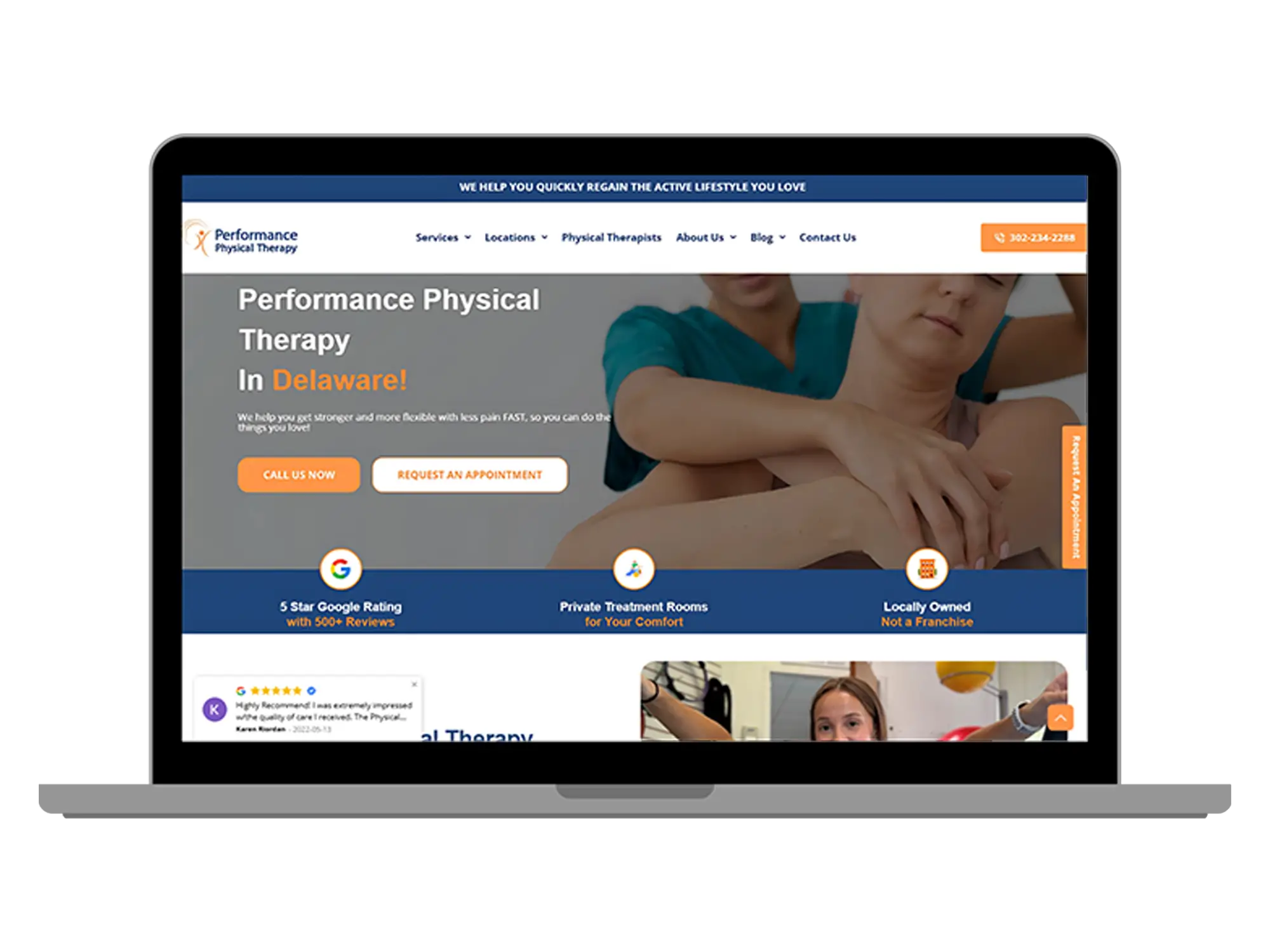
How Performance Physical Therapy Achieved 5X Organic Growth in Delaware!
With a strategic website redesign by ConversionWorks, DesignWorks, and LatticeWorks, pptandfitness.com achieved a 472% increase in organic traffic and significantly improved its local online visibility.
183%
INCREASE IN HIGH-
INTENT KEYWORDS
120%
INCREASE IN ORGANIC
KEYWORDS GROWTH
154%
INCREASE IN GOOGLE
MAP LOCAL-3 PACK

This group is organized, responsive, accountable, and detail-oriented. They are good at what they do, and keep their customers informed of everything along the way. You can be confident that they are doing a good job.
Stephen Rapposelli, Performance Physical Therapy, Delaware
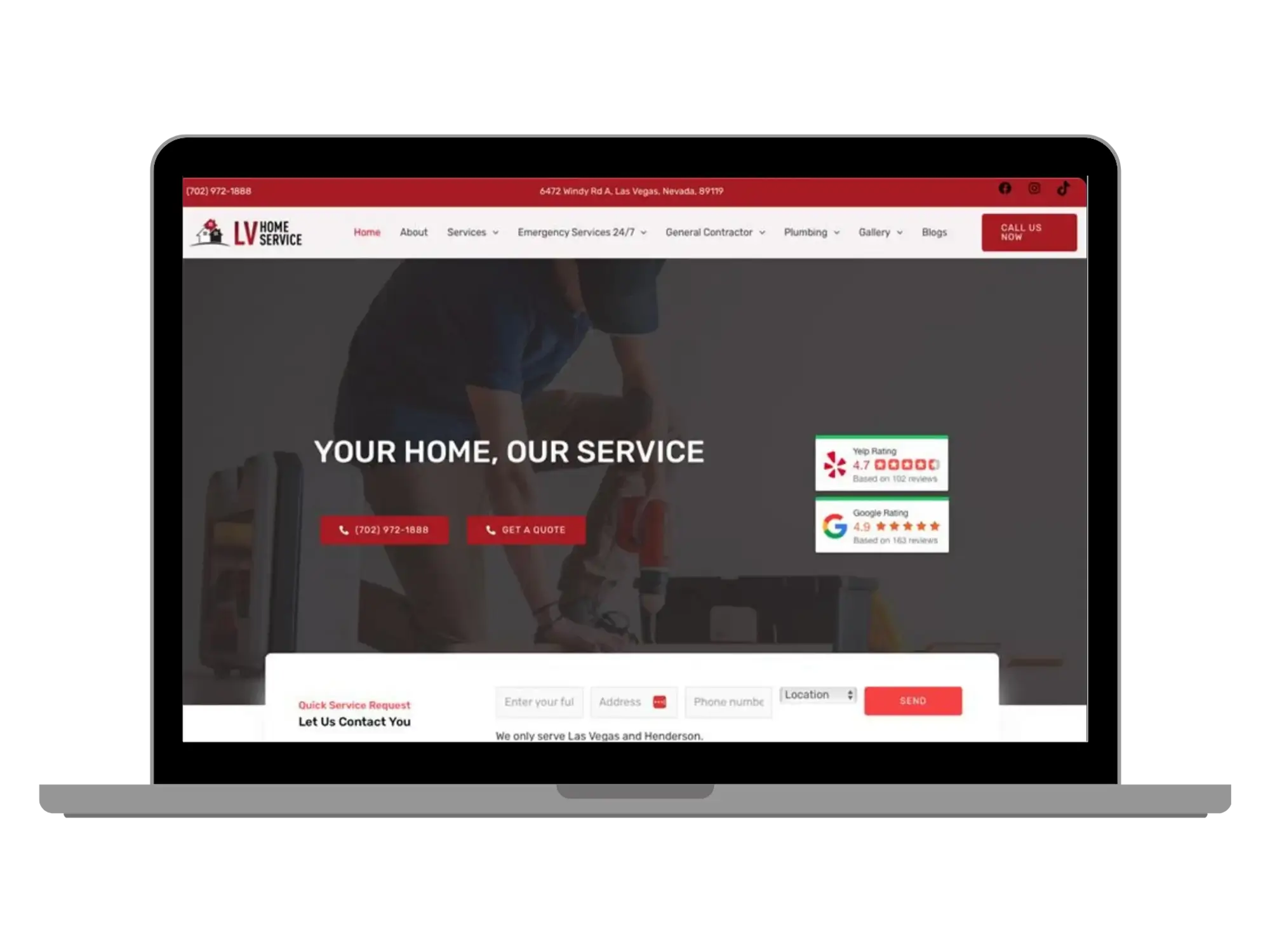
How did a Las Vegas Based Home Remodeling Company More Than Doubled Organic Traffic?
With the data-driven insights of LocalWorks and PaidWorks, plus the knowledge of our award-winning digital marketing team, LV Home Services exceeded its annual goals.
233%
INCREASE IN
LOCAL USERS
215%
INCREASE IN PAID
AD CONVERSIONS
40%
DECREASE IN COST
PER CONVERSION

Ranking has jumped from page 44 to page 2–3 on Google Organically. Their communication is prompt and transparent, and they complete tasks swiftly. Thank you for your outstanding work!
Masha Stellarova, LV Home Service
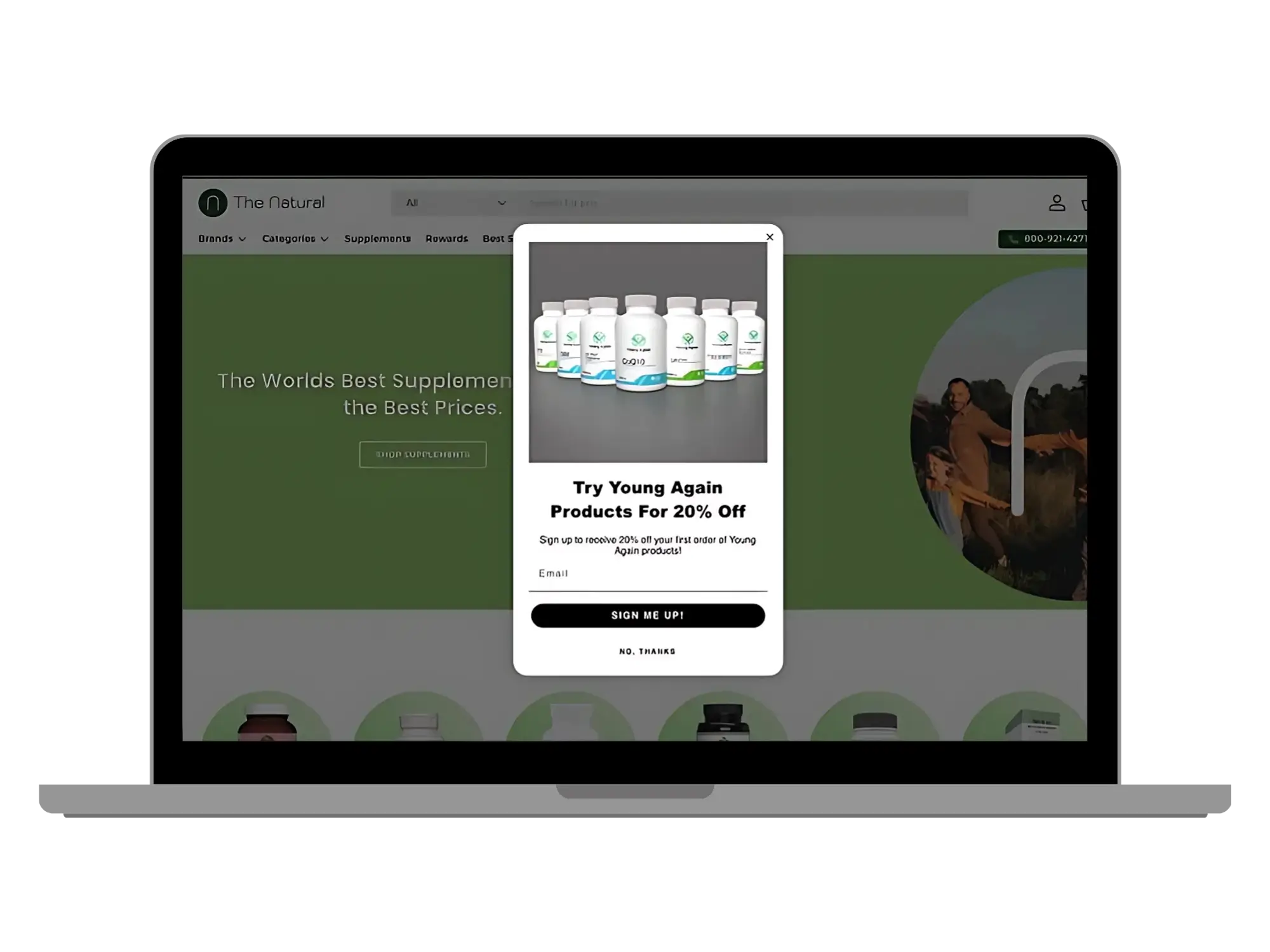
How Health & Wellness E-Commerce Store Rebranding Skyrocketed Organic Traffic By 700%?
Through our DesignWorks process and expert Shopify migration, backed by our award-winning web development and marketing team, thenatural.com achieved a 700% organic traffic growth.
700%
INCREASE IN ORGANIC
STORE TRAFFIC
220%
INCREASE IN EMAIL
MARKETING SALES
12%
INCREASE IN REPEAT
CUSTOMERS

Magento to Shopify migration increased sales, lowered overhead, and preserved search rankings after migration. Cross-sales between YoungAgain and TheNatural are huge benefits for us.
Carl Coe, Young Again
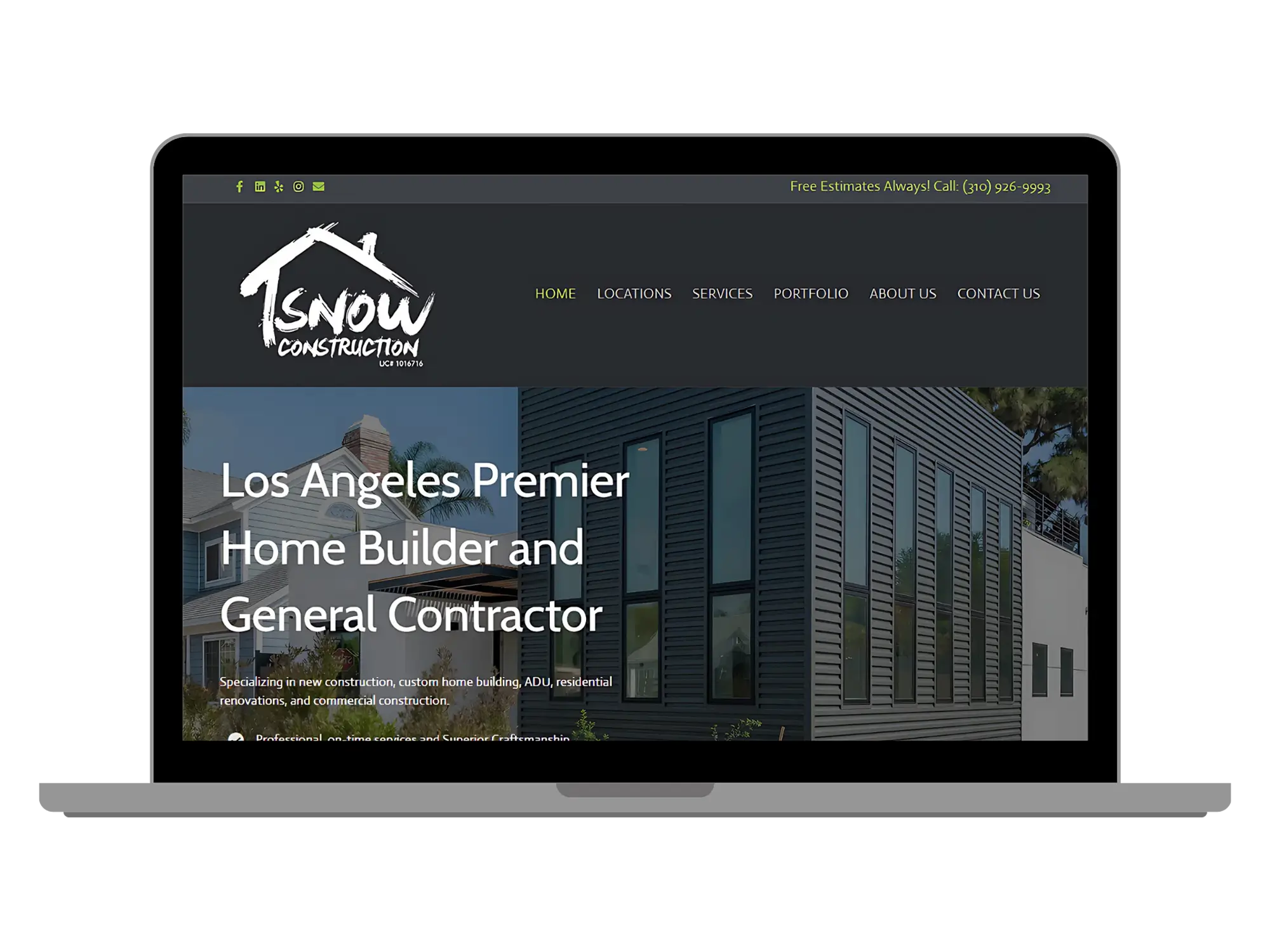
How a General Contractor and Home Builder in Los Angeles Quadrupled Their Leads?
Through our LocalWorks comprehensive digital strategy and conversion rate optimization, Snow Construction experienced significant growth in its online presence and quadrupled its leads.
590%
INCREASE IN GBP
VISIBILITY
1930%
INCREASE IN
ORGANIC TRAFFIC
227%
INCREASE IN
ACTIVE USERS

Their methods have proven exceedingly successful to my business's goals. I'm proud to say that my business's new client acquisition has reached new heights since starting to work with the Coozmoo team.
Corey Ross-Robertson, Snow Construction
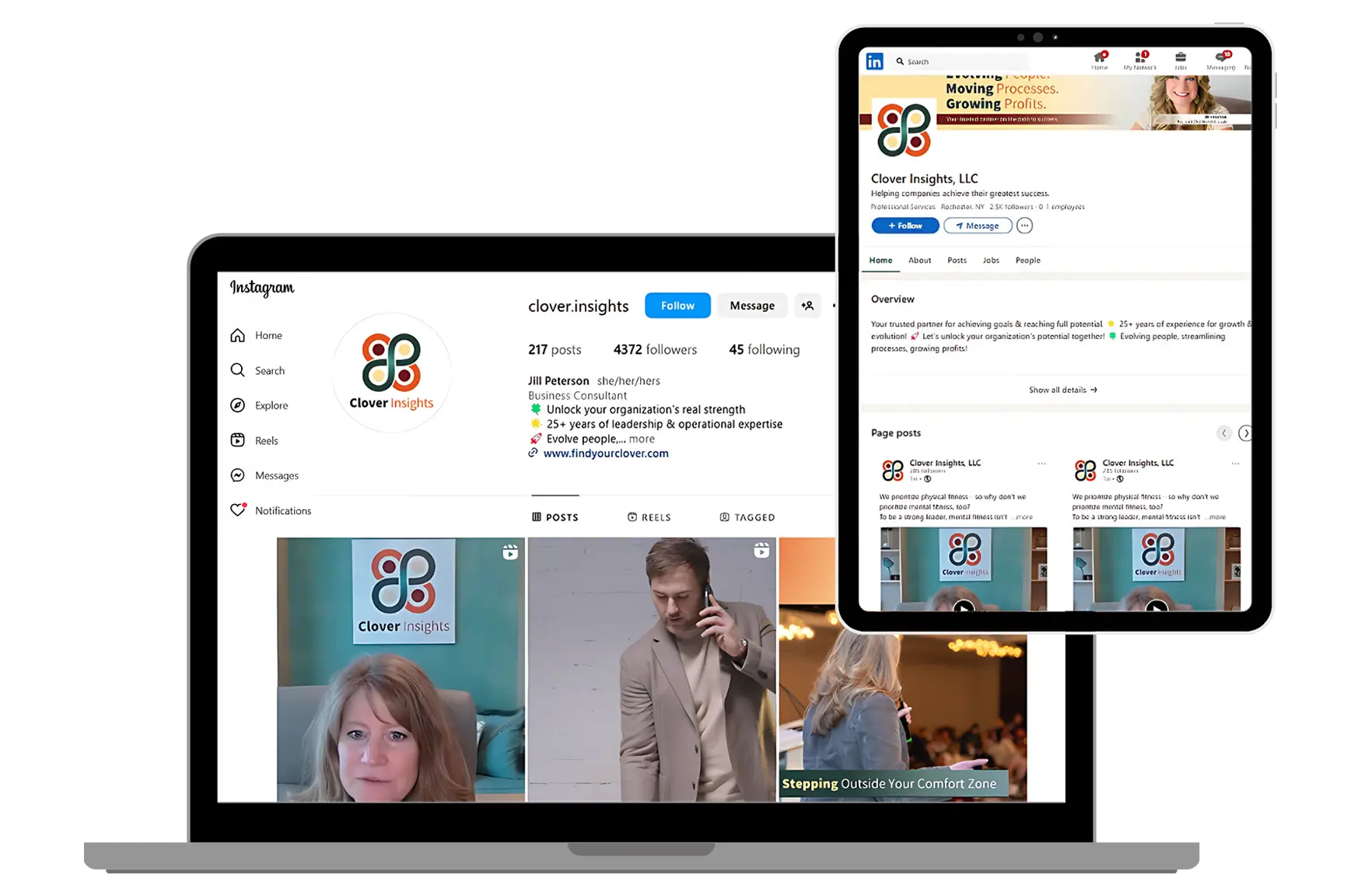
How Strategic, Data-Driven Social Media Marketing Boosted Clover Insights’ Brand Reputation?
With the strategic insights of SocialWorks and the expertise of our team, Find Your Clover transformed its social media presence, achieving a 165% increase in engagement, boosting brand reputation, and driving measurable sales growth.
110%
INCREASE IN SALES
CONVERSION
40%
INCREASE IN NEW
ORGANIC FOLLOWERS
10X
INCREASE IN IMPRESSIONS
AND ENGAGEMENT

The team is incredibly easy to work with throughout the project. They kept communication clear and consistent, ensuring all meetings and updates were on schedule, making the entire process smooth and efficient.
Jill Peterson, Clover Insights
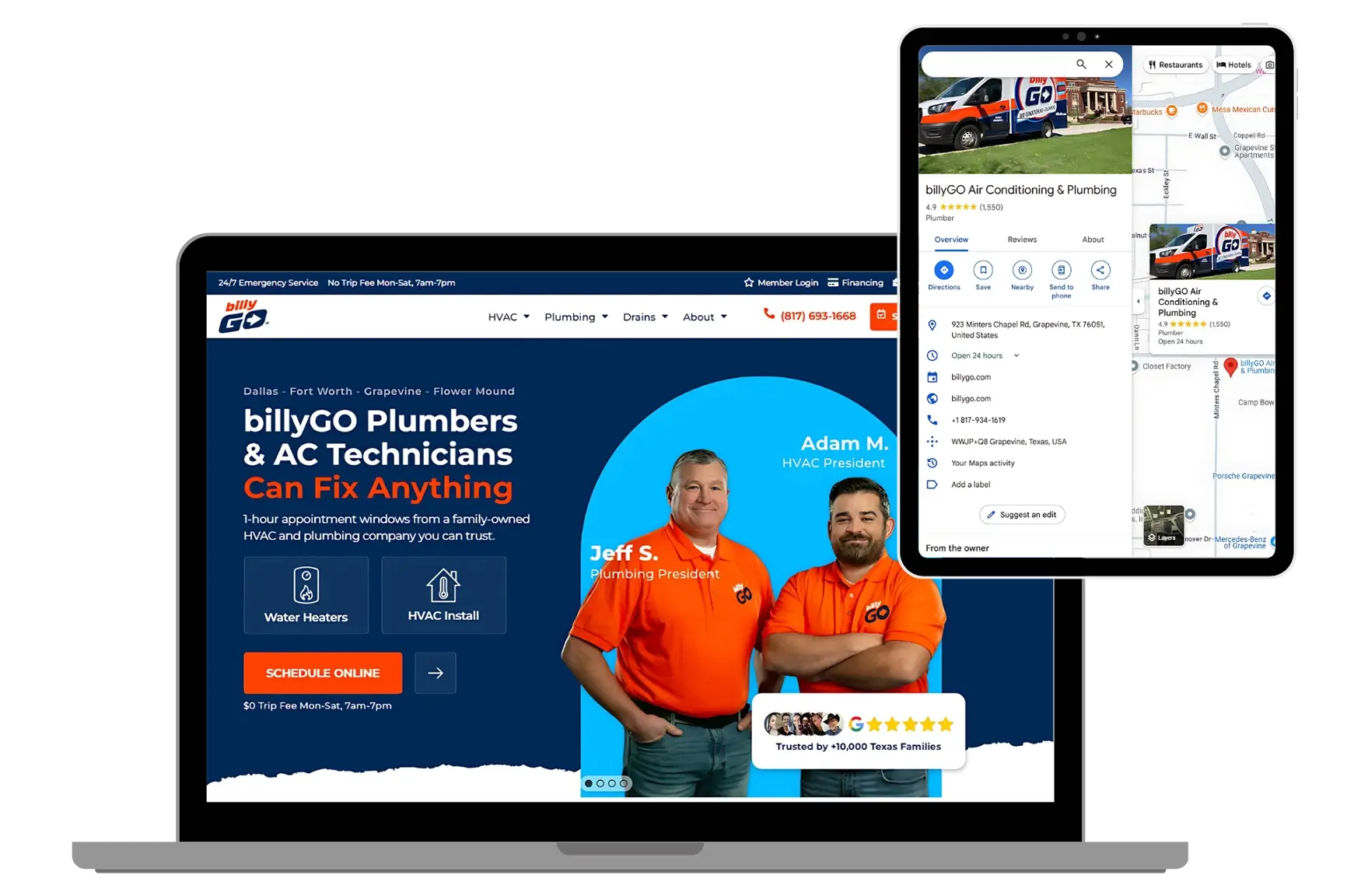
How BillyGO HVAC & Plumbing Doubled Organic Growth and Secured Top 3 Google Rankings?
By leveraging the data-driven insights of LocalWorks and DesignWorks, plus the knowledge of our award-winning digital marketing team, billyGo Air Conditioning & Plumbing got 22,000+ GBP profile views in 3 months.
94%
INCREASE IN ORGANIC
WEBSITE CALLS
193%
INCREASE IN
GBP CALLS
45+
TARGETED KEYWORDS
IN TOP-3 RESULTS

Thank you for the amazing work. Pretty much the entire HVAC / plumbing industry is down about 30%, which is driving the google ads costs, but you guys are crushing it as always! We just purchased a new company (We've got more work for you guys!).
Samuel Bohon, billyGO Air Conditioning & Plumbing
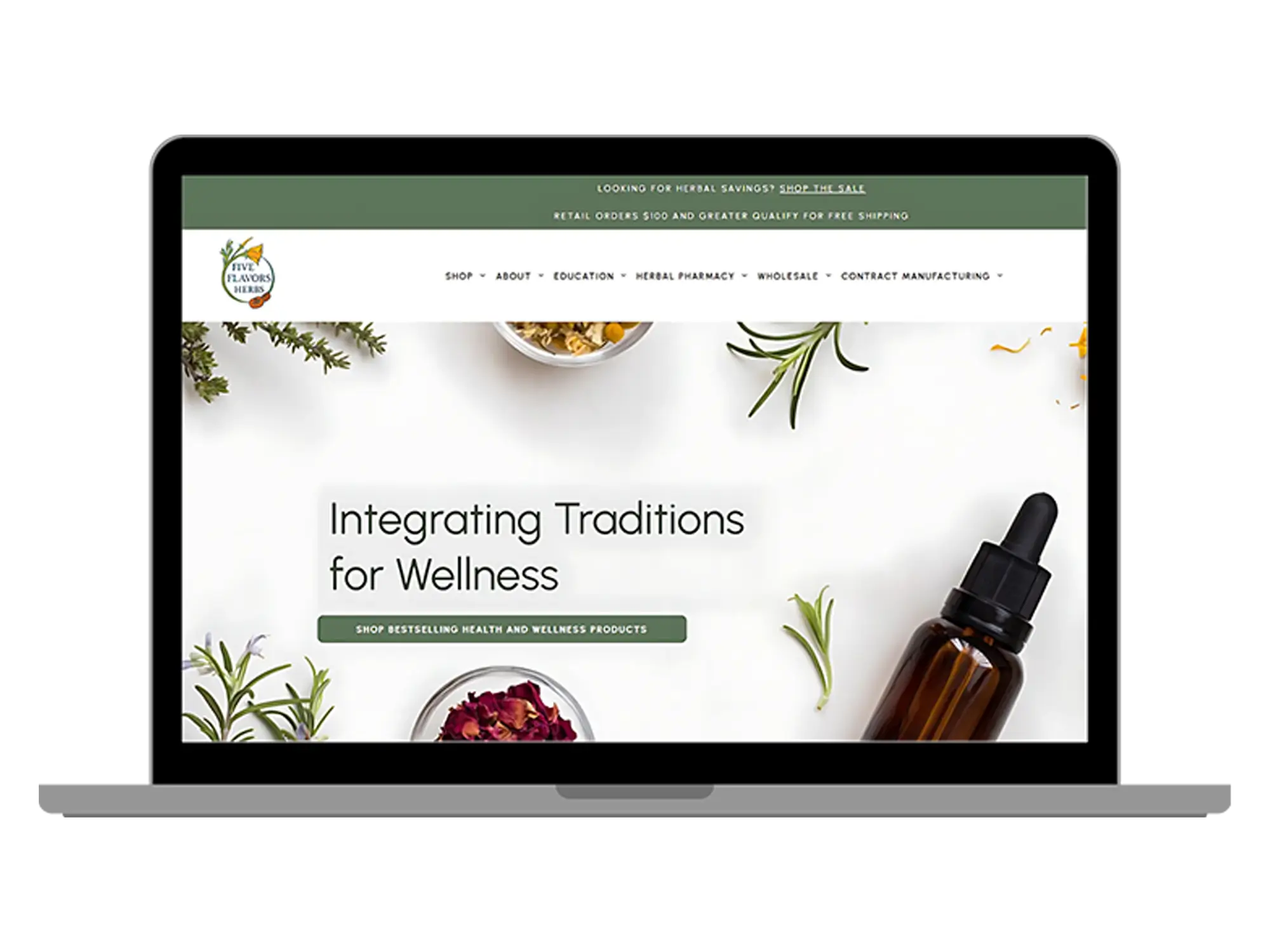
How Five Flavors Herbs (FFH) Achieved 13x ROAS & 500% Increase in Conversions?
With our PaidWorks, MetaWorks, and OrganicWorks strategies, FFH saw significant growth in all channels. We improved their online visibility, optimized their conversions, and generated a substantial increase in leads and revenue.
500%
INCREASE IN
CONVERSIONS
214%
INCREASE IN
IMPRESSIONS
87%
DECREASE IN COST
PER CONVERSION

The team has a clear and concise process, provides great communication, and stays on schedule. We saw 20% increase in our SEO ranking and very high ROAS on ads spend. They are a very responsive and helpful team!
Ingrid Bauer, Five Flavors Herbs
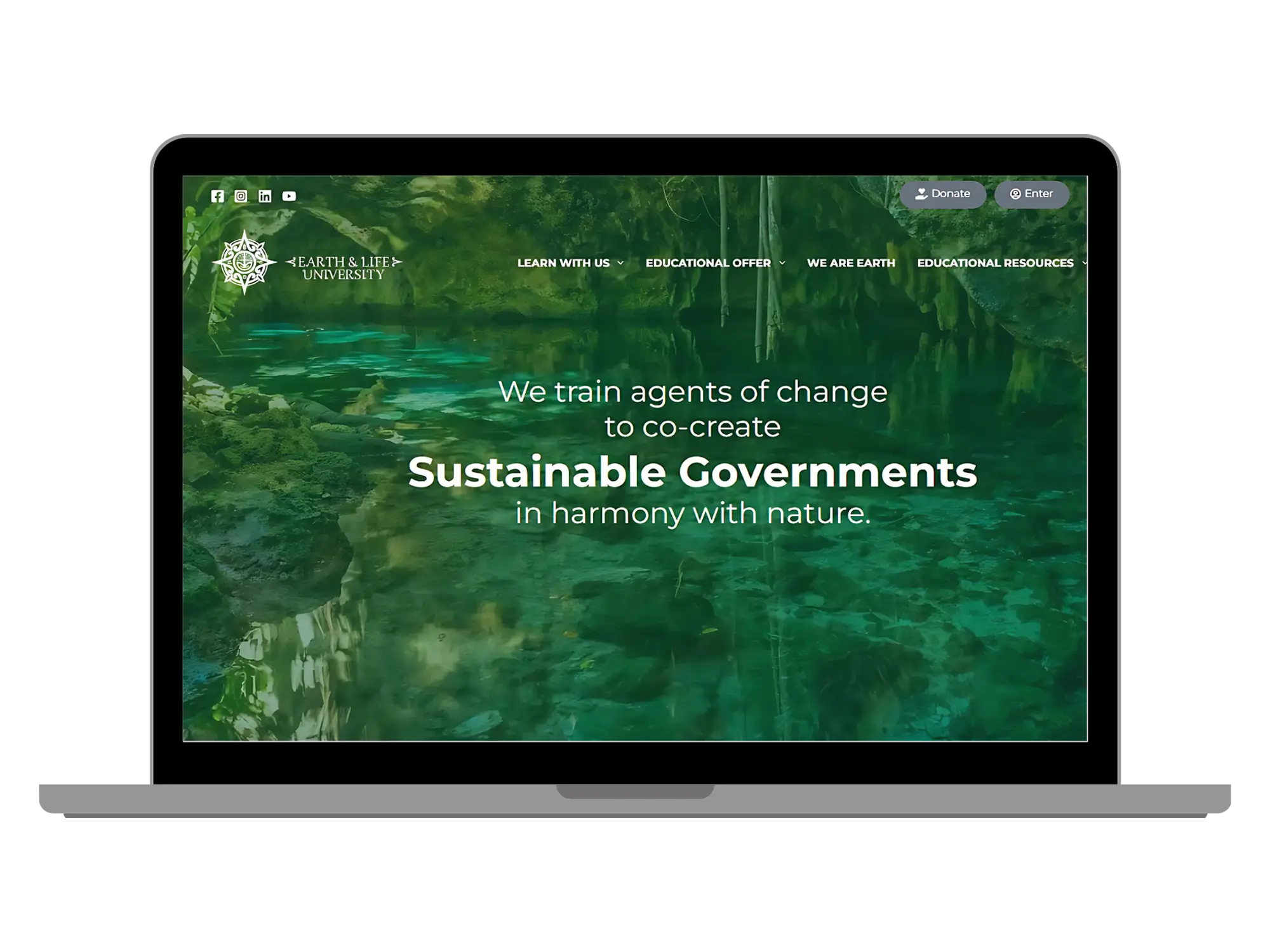
How Earth & Life University (ELU) Grew Its Organic Reach by 1,140% in Just a Few Months?
Facing significant challenges, ELU needed a comprehensive approach to improve its digital presence. We developed a strategy that combined LatticeWorks, user experience (UX) enhancements, DesignWorks, content creation, and CRO.
800%
INCREASE IN
EVENTS CTA
1140%
INCREASE IN
NEW USERS
30%
DECREASE IN
BOUNCE RATE

Their SEO approach has not only significantly improved our online visibility but has also directly contributed to attracting better leads and closing more sales. We highly recommend Coozmoo to any organization looking to enhance its digital presence.
Daniela Hernandez, Earth & Life University
How Performance Physical Therapy Achieved 5X Organic Growth in Delaware!
With a strategic website redesign by ConversionWorks, DesignWorks, and LatticeWorks, pptandfitness.com achieved a 472% increase in organic traffic and significantly improved its local online visibility.
183%
INCREASE IN HIGH-
INTENT KEYWORDS
120%
INCREASE IN ORGANIC
KEYWORDS GROWTH
154%
INCREASE IN GOOGLE
MAP LOCAL-3 PACK
This group is organized, responsive, accountable, and detail-oriented. They are good at what they do, and keep their customers informed of everything along the way. You can be confident that they are doing a good job.
Stephen Rapposelli, Performance Physical Therapy, Delaware
How did a Las Vegas Based Home Remodeling Company More Than Doubled Organic Traffic?
With the data-driven insights of LocalWorks and PaidWorks, plus the knowledge of our award-winning digital marketing team, LV Home Services exceeded its annual goals.
233%
INCREASE IN
LOCAL USERS
215%
INCREASE IN PAID
AD CONVERSIONS
40%
DECREASE IN COST
PER CONVERSION
Ranking has jumped from page 44 to page 2–3 on Google Organically. Their communication is prompt and transparent, and they complete tasks swiftly. Thank you for your outstanding work!
Masha Stellarova, LV Home Service
How Health & Wellness E-Commerce Store Rebranding Skyrocketed Organic Traffic By 700%?
Through our DesignWorks process and expert Shopify migration, backed by our award-winning web development and marketing team, thenatural.com achieved a 700% organic traffic growth.
700%
INCREASE IN ORGANIC
STORE TRAFFIC
220%
INCREASE IN EMAIL
MARKETING SALES
12%
INCREASE IN REPEAT
CUSTOMERS
Magento to Shopify migration increased sales, lowered overhead, and preserved search rankings after migration. Cross-sales between YoungAgain and TheNatural are huge benefits for us.
Carl Coe, Young Again
How a General Contractor and Home Builder in Los Angeles Quadrupled Their Leads?
Through our LocalWorks comprehensive digital strategy and conversion rate optimization, Snow Construction experienced significant growth in its online presence and quadrupled its leads.
590%
INCREASE IN GBP
VISIBILITY
1930%
INCREASE IN
ORGANIC TRAFFIC
227%
INCREASE IN
ACTIVE USERS
Their methods have proven exceedingly successful to my business's goals. I'm proud to say that my business's new client acquisition has reached new heights since starting to work with the Coozmoo team.
Corey Ross-Robertson, Snow Construction
How Strategic, Data-Driven Social Media Marketing Boosted Clover Insights’ Brand Reputation?
With the strategic insights of SocialWorks and the expertise of our team, Find Your Clover transformed its social media presence, achieving a 165% increase in engagement, boosting brand reputation, and driving measurable sales growth.
110%
INCREASE IN SALES
CONVERSION
40%
INCREASE IN NEW
ORGANIC FOLLOWERS
10X
INCREASE IN IMPRESSIONS
AND ENGAGEMENT
The team is incredibly easy to work with throughout the project. They kept communication clear and consistent, ensuring all meetings and updates were on schedule, making the entire process smooth and efficient.
Jill Peterson, Clover Insights
How BillyGO HVAC & Plumbing Doubled Organic Growth and Secured Top 3 Google Rankings?
By leveraging the data-driven insights of LocalWorks and DesignWorks, plus the knowledge of our award-winning digital marketing team, billyGo Air Conditioning & Plumbing got 22,000+ GBP profile views in 3 months.
94%
INCREASE IN ORGANIC
WEBSITE CALLS
193%
INCREASE IN
GBP CALLS
45+
TARGETED KEYWORDS
IN TOP-3 RESULTS
Thank you for the amazing work. Pretty much the entire HVAC / plumbing industry is down about 30%, which is driving the google ads costs, but you guys are crushing it as always! We just purchased a new company (We've got more work for you guys!).
Samuel Bohon, billyGO Air Conditioning & Plumbing
How Five Flavors Herbs (FFH) Achieved 13x ROAS & 500% Increase in Conversions?
With our PaidWorks, MetaWorks, and OrganicWorks strategies, FFH saw significant growth in all channels. We improved their online visibility, optimized their conversions, and generated a substantial increase in leads and revenue.
500%
INCREASE IN
CONVERSIONS
214%
INCREASE IN
IMPRESSIONS
87%
DECREASE IN COST
PER CONVERSION
The team has a clear and concise process, provides great communication, and stays on schedule. We saw 20% increase in our SEO ranking and very high ROAS on ads spend. They are a very responsive and helpful team!
Ingrid Bauer, Five Flavors Herbs
How Earth & Life University (ELU) Grew Its Organic Reach by 1,140% in Just a Few Months?
Facing significant challenges, ELU needed a comprehensive approach to improve its digital presence. We developed a strategy that combined LatticeWorks, user experience (UX) enhancements, DesignWorks, content creation, and CRO.
800%
INCREASE IN
EVENTS CTA
1140%
INCREASE IN
NEW USERS
30%
DECREASE IN
BOUNCE RATE
Their SEO approach has not only significantly improved our online visibility but has also directly contributed to attracting better leads and closing more sales. We highly recommend Coozmoo to any organization looking to enhance its digital presence.
Daniela Hernandez, Earth & Life University
How Performance Physical Therapy Achieved 5X Organic Growth in Delaware!
With a strategic website redesign by ConversionWorks, DesignWorks, and LatticeWorks, pptandfitness.com achieved a 472% increase in organic traffic and significantly improved its local online visibility.
183%
INCREASE IN HIGH-
INTENT KEYWORDS
120%
INCREASE IN ORGANIC
KEYWORDS GROWTH
154%
INCREASE IN GOOGLE
MAP LOCAL-3 PACK
This group is organized, responsive, accountable, and detail-oriented. They are good at what they do, and keep their customers informed of everything along the way. You can be confident that they are doing a good job.
Stephen Rapposelli, Performance Physical Therapy, Delaware
How did a Las Vegas Based Home Remodeling Company More Than Doubled Organic Traffic?
With the data-driven insights of LocalWorks and PaidWorks, plus the knowledge of our award-winning digital marketing team, LV Home Services exceeded its annual goals.
233%
INCREASE IN
LOCAL USERS
215%
INCREASE IN PAID
AD CONVERSIONS
40%
DECREASE IN COST
PER CONVERSION
Ranking has jumped from page 44 to page 2–3 on Google Organically. Their communication is prompt and transparent, and they complete tasks swiftly. Thank you for your outstanding work!
Masha Stellarova, LV Home Service
How Health & Wellness E-Commerce Store Rebranding Skyrocketed Organic Traffic By 700%?
Through our DesignWorks process and expert Shopify migration, backed by our award-winning web development and marketing team, thenatural.com achieved a 700% organic traffic growth.
700%
INCREASE IN ORGANIC
STORE TRAFFIC
220%
INCREASE IN EMAIL
MARKETING SALES
12%
INCREASE IN REPEAT
CUSTOMERS
Magento to Shopify migration increased sales, lowered overhead, and preserved search rankings after migration. Cross-sales between YoungAgain and TheNatural are huge benefits for us.
Carl Coe, Young Again
How a General Contractor and Home Builder in Los Angeles Quadrupled Their Leads?
Through our LocalWorks comprehensive digital strategy and conversion rate optimization, Snow Construction experienced significant growth in its online presence and quadrupled its leads.
590%
INCREASE IN GBP
VISIBILITY
1930%
INCREASE IN
ORGANIC TRAFFIC
227%
INCREASE IN
ACTIVE USERS
Their methods have proven exceedingly successful to my business's goals. I'm proud to say that my business's new client acquisition has reached new heights since starting to work with the Coozmoo team.
Corey Ross-Robertson, Snow Construction
How Strategic, Data-Driven Social Media Marketing Boosted Clover Insights’ Brand Reputation?
With the strategic insights of SocialWorks and the expertise of our team, Find Your Clover transformed its social media presence, achieving a 165% increase in engagement, boosting brand reputation, and driving measurable sales growth.
110%
INCREASE IN SALES
CONVERSION
40%
INCREASE IN NEW
ORGANIC FOLLOWERS
10X
INCREASE IN IMPRESSIONS
AND ENGAGEMENT
The team is incredibly easy to work with throughout the project. They kept communication clear and consistent, ensuring all meetings and updates were on schedule, making the entire process smooth and efficient.
Jill Peterson, Clover Insights
How BillyGO HVAC & Plumbing Doubled Organic Growth and Secured Top 3 Google Rankings?
By leveraging the data-driven insights of LocalWorks and DesignWorks, plus the knowledge of our award-winning digital marketing team, billyGo Air Conditioning & Plumbing got 22,000+ GBP profile views in 3 months.
94%
INCREASE IN ORGANIC
WEBSITE CALLS
193%
INCREASE IN
GBP CALLS
45+
TARGETED KEYWORDS
IN TOP-3 RESULTS
Thank you for the amazing work. Pretty much the entire HVAC / plumbing industry is down about 30%, which is driving the google ads costs, but you guys are crushing it as always! We just purchased a new company (We've got more work for you guys!).
Samuel Bohon, billyGO Air Conditioning & Plumbing
How Five Flavors Herbs (FFH) Achieved 13x ROAS & 500% Increase in Conversions?
With our PaidWorks, MetaWorks, and OrganicWorks strategies, FFH saw significant growth in all channels. We improved their online visibility, optimized their conversions, and generated a substantial increase in leads and revenue.
500%
INCREASE IN
CONVERSIONS
214%
INCREASE IN
IMPRESSIONS
87%
DECREASE IN COST
PER CONVERSION
The team has a clear and concise process, provides great communication, and stays on schedule. We saw 20% increase in our SEO ranking and very high ROAS on ads spend. They are a very responsive and helpful team!
Ingrid Bauer, Five Flavors Herbs
How Earth & Life University (ELU) Grew Its Organic Reach by 1,140% in Just a Few Months?
Facing significant challenges, ELU needed a comprehensive approach to improve its digital presence. We developed a strategy that combined LatticeWorks, user experience (UX) enhancements, DesignWorks, content creation, and CRO.
800%
INCREASE IN
EVENTS CTA
1140%
INCREASE IN
NEW USERS
30%
DECREASE IN
BOUNCE RATE
Their SEO approach has not only significantly improved our online visibility but has also directly contributed to attracting better leads and closing more sales. We highly recommend Coozmoo to any organization looking to enhance its digital presence.
Daniela Hernandez, Earth & Life University
How Performance Physical Therapy Achieved 5X Organic Growth in Delaware!
With a strategic website redesign by ConversionWorks, DesignWorks, and LatticeWorks, pptandfitness.com achieved a 472% increase in organic traffic and significantly improved its local online visibility.
183%
INCREASE IN HIGH-
INTENT KEYWORDS
120%
INCREASE IN ORGANIC
KEYWORDS GROWTH
154%
INCREASE IN GOOGLE
MAP LOCAL-3 PACK
This group is organized, responsive, accountable, and detail-oriented. They are good at what they do, and keep their customers informed of everything along the way. You can be confident that they are doing a good job.
Stephen Rapposelli, Performance Physical Therapy, Delaware
How did a Las Vegas Based Home Remodeling Company More Than Doubled Organic Traffic?
With the data-driven insights of LocalWorks and PaidWorks, plus the knowledge of our award-winning digital marketing team, LV Home Services exceeded its annual goals.
233%
INCREASE IN
LOCAL USERS
215%
INCREASE IN PAID
AD CONVERSIONS
40%
DECREASE IN COST
PER CONVERSION
Ranking has jumped from page 44 to page 2–3 on Google Organically. Their communication is prompt and transparent, and they complete tasks swiftly. Thank you for your outstanding work!
Masha Stellarova, LV Home Service
How Health & Wellness E-Commerce Store Rebranding Skyrocketed Organic Traffic By 700%?
Through our DesignWorks process and expert Shopify migration, backed by our award-winning web development and marketing team, thenatural.com achieved a 700% organic traffic growth.
700%
INCREASE IN ORGANIC
STORE TRAFFIC
220%
INCREASE IN EMAIL
MARKETING SALES
12%
INCREASE IN REPEAT
CUSTOMERS
Magento to Shopify migration increased sales, lowered overhead, and preserved search rankings after migration. Cross-sales between YoungAgain and TheNatural are huge benefits for us.
Carl Coe, Young Again
How a General Contractor and Home Builder in Los Angeles Quadrupled Their Leads?
Through our LocalWorks comprehensive digital strategy and conversion rate optimization, Snow Construction experienced significant growth in its online presence and quadrupled its leads.
590%
INCREASE IN GBP
VISIBILITY
1930%
INCREASE IN
ORGANIC TRAFFIC
227%
INCREASE IN
ACTIVE USERS
Their methods have proven exceedingly successful to my business's goals. I'm proud to say that my business's new client acquisition has reached new heights since starting to work with the Coozmoo team.
Corey Ross-Robertson, Snow Construction
How Strategic, Data-Driven Social Media Marketing Boosted Clover Insights’ Brand Reputation?
With the strategic insights of SocialWorks and the expertise of our team, Find Your Clover transformed its social media presence, achieving a 165% increase in engagement, boosting brand reputation, and driving measurable sales growth.
110%
INCREASE IN SALES
CONVERSION
40%
INCREASE IN NEW
ORGANIC FOLLOWERS
10X
INCREASE IN IMPRESSIONS
AND ENGAGEMENT
The team is incredibly easy to work with throughout the project. They kept communication clear and consistent, ensuring all meetings and updates were on schedule, making the entire process smooth and efficient.
Jill Peterson, Clover Insights
How BillyGO HVAC & Plumbing Doubled Organic Growth and Secured Top 3 Google Rankings?
By leveraging the data-driven insights of LocalWorks and DesignWorks, plus the knowledge of our award-winning digital marketing team, billyGo Air Conditioning & Plumbing got 22,000+ GBP profile views in 3 months.
94%
INCREASE IN ORGANIC
WEBSITE CALLS
193%
INCREASE IN
GBP CALLS
45+
TARGETED KEYWORDS
IN TOP-3 RESULTS
Thank you for the amazing work. Pretty much the entire HVAC / plumbing industry is down about 30%, which is driving the google ads costs, but you guys are crushing it as always! We just purchased a new company (We've got more work for you guys!).
Samuel Bohon, billyGO Air Conditioning & Plumbing
How Five Flavors Herbs (FFH) Achieved 13x ROAS & 500% Increase in Conversions?
With our PaidWorks, MetaWorks, and OrganicWorks strategies, FFH saw significant growth in all channels. We improved their online visibility, optimized their conversions, and generated a substantial increase in leads and revenue.
500%
INCREASE IN
CONVERSIONS
214%
INCREASE IN
IMPRESSIONS
87%
DECREASE IN COST
PER CONVERSION
The team has a clear and concise process, provides great communication, and stays on schedule. We saw 20% increase in our SEO ranking and very high ROAS on ads spend. They are a very responsive and helpful team!
Ingrid Bauer, Five Flavors Herbs
How Earth & Life University (ELU) Grew Its Organic Reach by 1,140% in Just a Few Months?
Facing significant challenges, ELU needed a comprehensive approach to improve its digital presence. We developed a strategy that combined LatticeWorks, user experience (UX) enhancements, DesignWorks, content creation, and CRO.
800%
INCREASE IN
EVENTS CTA
1140%
INCREASE IN
NEW USERS
30%
DECREASE IN
BOUNCE RATE
Their SEO approach has not only significantly improved our online visibility but has also directly contributed to attracting better leads and closing more sales. We highly recommend Coozmoo to any organization looking to enhance its digital presence.
Daniela Hernandez, Earth & Life University
How Performance Physical Therapy Achieved 5X Organic Growth in DE!
With a strategic website redesign by ConversionWorks, DesignWorks, and LatticeWorks, pptandfitness.com achieved a 472% increase in organic traffic and significantly improved its local online visibility.
183%
INCREASE IN HIGH-
INTENT KEYWORDS
120%
INCREASE IN ORGANIC
KEYWORDS GROWTH
154%
INCREASE IN GOOGLE
MAP LOCAL-3 PACK
This group is organized, responsive, accountable, and detail-oriented. They are good at what they do, and keep their customers informed of everything along the way.
Stephen Rapposelli, Performance Physical Therapy, Delaware
How did a LA Based Home Remodeling Firm More Than Doubled Organic Traffic?
With the data-driven insights of LocalWorks and PaidWorks, plus the knowledge of our award-winning digital marketing team, LV Home Services, Los Angeles based home remodeling firm, exceeded its annual goals.
233%
INCREASE IN
LOCAL USERS
215%
INCREASE IN PAID
AD CONVERSIONS
40%
DECREASE IN COST
PER CONVERSION
Ranking has jumped from page 44 to page 2–3 on Google Organically. Their communication is prompt and transparent, and they complete tasks swiftly.
Masha Stellarova, LV Home Service
How Health & Wellness Store Redesign Skyrocketed Organic Traffic By 700%?
Through our DesignWorks process and expert Shopify migration (from Magento), backed by our award-winning web development and marketing team, thenatural.com achieved a 700% organic traffic growth.
700%
INCREASE IN ORGANIC
STORE TRAFFIC
220%
INCREASE IN EMAIL
MARKETING SALES
12%
INCREASE IN REPEAT
CUSTOMERS
Magento to Shopify migration increased sales, lowered overhead, and preserved search rankings. Cross-sales with YoungAgain and TheNatural are huge benefits.
Carl Coe, Young Again
How a General Contractor and Home Builder in LA Quadrupled Their Leads?
Through our LocalWorks comprehensive digital strategy and conversion rate optimization, Snow Construction, Los Angeles based home builder, experienced significant growth in its online presence and quadrupled its leads.
590%
INCREASE IN GBP
VISIBILITY
1930%
INCREASE IN
ORGANIC TRAFFIC
227%
INCREASE IN
ACTIVE USERS
Their methods have proven exceedingly successful to my business's goals. I'm proud to say that my business's new client acquisition has reached new heights.
Corey Ross-Robertson, Snow Construction
How Strategic, Data-Driven Social Marketing Boosted Brand Reputation?
With the strategic insights of SocialWorks and the expertise of our award-winning digital marketing team, Find Your Clover transformed its social media presence, achieving a 165% increase in engagement, boosting brand reputation, and driving sales growth.
110%
INCREASE IN SALES
CONVERSION
40%
INCREASE IN NEW
ORGANIC FOLLOWERS
10X
INC IN IMPRESSIONS
AND ENGAGEMENT
The team is incredibly easy to work with throughout the project. They kept communication clear and consistent, ensuring all meetings and updates were on schedule, making the entire process smooth.
Jill Peterson, Clover Insights
How BillyGO Doubled Organic Growth and Secured Top 3 Google Rankings?
By leveraging the data-driven insights of LocalWorks and DesignWorks, plus the knowledge of our award-winning digital marketing team, billyGo Air Conditioning & Plumbing got 22,000+ GBP profile views in 3 months.
94%
INCREASE IN ORGANIC
WEBSITE CALLS
193%
INCREASE IN
GBP CALLS
45+
TARGETED KEYWORDS
IN TOP-3 RESULTS
Thank you for the amazing work. Pretty much the entire HVAC / plumbing industry is down about 30%, which is driving the google ads costs, but you guys are crushing it.
Samuel Bohon, billyGO Air Conditioning & Plumbing
How Five Flavors Herbs Achieved 13x ROAS & 500% Increase in Conversions?
With our PaidWorks, MetaWorks, and OrganicWorks strategies, FFH saw significant growth in all channels. We improved their online visibility, optimized their conversions, and generated a substantial increase in leads and revenue.
500%
INCREASE IN
CONVERSIONS
214%
INCREASE IN
IMPRESSIONS
87%
DECREASE IN COST
PER CONVERSION
The team has a clear and concise process, provides great communication, and stays on schedule. We saw 20% increase in our SEO ranking and very high ROAS on ads spend.
Ingrid Bauer, Five Flavors Herbs
How Earth University Grew Its Organic Reach by 1,140% in Just a Few Months?
Facing significant challenges, they needed a comprehensive approach to improve its digital presence. We developed a strategy that combined LatticeWorks, user experience (UX) enhancements, DesignWorks, content creation, and conversion rate optimization.
800%
INCREASE IN
EVENTS CTA
1140%
INCREASE IN
NEW USERS
30%
DECREASE IN
BOUNCE RATE
Their SEO approach has not only significantly improved our online visibility but has also directly contributed to attracting better leads and closing more sales.
Daniela Hernandez, Earth & Life University
How Performance Physical Therapy Achieved 5X Organic Growth in DE!
With a strategic website redesign by ConversionWorks, DesignWorks, and LatticeWorks, pptandfitness.com achieved a 472% increase in organic traffic and significantly improved its local online visibility.
183%
INCREASE IN HIGH-
INTENT KEYWORDS
120%
INCREASE IN ORGANIC
KEYWORDS GROWTH
154%
INCREASE IN GOOGLE
MAP LOCAL-3 PACK
This group is organized, responsive, accountable, and detail-oriented. They are good at what they do, and keep their customers informed of everything along the way.
Stephen Rapposelli, Performance Physical Therapy, Delaware
How did a LA Based Home Remodeling Firm More Than Doubled Organic Traffic?
With the data-driven insights of LocalWorks and PaidWorks, plus the knowledge of our award-winning digital marketing team, LV Home Services, Los Angeles based home remodeling firm, exceeded its annual goals.
233%
INCREASE IN
LOCAL USERS
215%
INCREASE IN PAID
AD CONVERSIONS
40%
DECREASE IN COST
PER CONVERSION
Ranking has jumped from page 44 to page 2–3 on Google Organically. Their communication is prompt and transparent, and they complete tasks swiftly.
Masha Stellarova, LV Home Service
How Health & Wellness Store Redesign Skyrocketed Organic Traffic By 700%?
Through our DesignWorks process and expert Shopify migration (from Magento), backed by our award-winning web development and marketing team, thenatural.com achieved a 700% organic traffic growth.
700%
INCREASE IN ORGANIC
STORE TRAFFIC
220%
INCREASE IN EMAIL
MARKETING SALES
12%
INCREASE IN REPEAT
CUSTOMERS
Magento to Shopify migration increased sales, lowered overhead, and preserved search rankings. Cross-sales with YoungAgain and TheNatural are huge benefits.
Carl Coe, Young Again
How a General Contractor and Home Builder in LA Quadrupled Their Leads?
Through our LocalWorks comprehensive digital strategy and conversion rate optimization, Snow Construction, Los Angeles based home builder, experienced significant growth in its online presence and quadrupled its leads.
590%
INCREASE IN GBP
VISIBILITY
1930%
INCREASE IN
ORGANIC TRAFFIC
227%
INCREASE IN
ACTIVE USERS
Their methods have proven exceedingly successful to my business's goals. I'm proud to say that my business's new client acquisition has reached new heights.
Corey Ross-Robertson, Snow Construction
How Strategic, Data-Driven Social Marketing Boosted Brand Reputation?
With the strategic insights of SocialWorks and the expertise of our award-winning digital marketing team, Find Your Clover transformed its social media presence, achieving a 165% increase in engagement, boosting brand reputation, and driving sales growth.
110%
INCREASE IN SALES
CONVERSION
40%
INCREASE IN NEW
ORGANIC FOLLOWERS
10X
INC IN IMPRESSIONS
AND ENGAGEMENT
The team is incredibly easy to work with throughout the project. They kept communication clear and consistent, ensuring all meetings and updates were on schedule, making the entire process smooth.
Jill Peterson, Clover Insights
How BillyGO Doubled Organic Growth and Secured Top 3 Google Rankings?
By leveraging the data-driven insights of LocalWorks and DesignWorks, plus the knowledge of our award-winning digital marketing team, billyGo Air Conditioning & Plumbing got 22,000+ GBP profile views in 3 months.
94%
INCREASE IN ORGANIC
WEBSITE CALLS
193%
INCREASE IN
GBP CALLS
45+
TARGETED KEYWORDS
IN TOP-3 RESULTS
Thank you for the amazing work. Pretty much the entire HVAC / plumbing industry is down about 30%, which is driving the google ads costs, but you guys are crushing it.
Samuel Bohon, billyGO Air Conditioning & Plumbing
How Five Flavors Herbs Achieved 13x ROAS & 500% Increase in Conversions?
With our PaidWorks, MetaWorks, and OrganicWorks strategies, FFH saw significant growth in all channels. We improved their online visibility, optimized their conversions, and generated a substantial increase in leads and revenue.
500%
INCREASE IN
CONVERSIONS
214%
INCREASE IN
IMPRESSIONS
87%
DECREASE IN COST
PER CONVERSION
The team has a clear and concise process, provides great communication, and stays on schedule. We saw 20% increase in our SEO ranking and very high ROAS on ads spend.
Ingrid Bauer, Five Flavors Herbs
How Earth University Grew Its Organic Reach by 1,140% in Just a Few Months?
Facing significant challenges, they needed a comprehensive approach to improve its digital presence. We developed a strategy that combined LatticeWorks, user experience (UX) enhancements, DesignWorks, content creation, and conversion rate optimization.
800%
INCREASE IN
EVENTS CTA
1140%
INCREASE IN
NEW USERS
30%
DECREASE IN
BOUNCE RATE
Their SEO approach has not only significantly improved our online visibility but has also directly contributed to attracting better leads and closing more sales.
Daniela Hernandez, Earth & Life University
How Performance Physical Therapy Achieved 5X Organic Growth in DE!
With a strategic website redesign by ConversionWorks, DesignWorks, and LatticeWorks, pptandfitness.com achieved a 472% increase in organic traffic and significantly improved its local online visibility.
183%
INCREASE IN HIGH-
INTENT KEYWORDS
120%
INCREASE IN ORGANIC
KEYWORDS GROWTH
154%
INCREASE IN GOOGLE
MAP LOCAL-3 PACK
This group is organized, responsive, accountable, and detail-oriented. They are good at what they do, and keep their customers informed of everything along the way.
Stephen Rapposelli, Performance Physical Therapy, Delaware
How did a LA Based Home Remodeling Firm More Than Doubled Organic Traffic?
With the data-driven insights of LocalWorks and PaidWorks, plus the knowledge of our award-winning digital marketing team, LV Home Services, Los Angeles based home remodeling firm, exceeded its annual goals.
233%
INCREASE IN
LOCAL USERS
215%
INCREASE IN PAID
AD CONVERSIONS
40%
DECREASE IN COST
PER CONVERSION
Ranking has jumped from page 44 to page 2–3 on Google Organically. Their communication is prompt and transparent, and they complete tasks swiftly.
Masha Stellarova, LV Home Service
How Health & Wellness Store Redesign Skyrocketed Organic Traffic By 700%?
Through our DesignWorks process and expert Shopify migration (from Magento), backed by our award-winning web development and marketing team, thenatural.com achieved a 700% organic traffic growth.
700%
INCREASE IN ORGANIC
STORE TRAFFIC
220%
INCREASE IN EMAIL
MARKETING SALES
12%
INCREASE IN REPEAT
CUSTOMERS
Magento to Shopify migration increased sales, lowered overhead, and preserved search rankings. Cross-sales with YoungAgain and TheNatural are huge benefits.
Carl Coe, Young Again
How a General Contractor and Home Builder in LA Quadrupled Their Leads?
Through our LocalWorks comprehensive digital strategy and conversion rate optimization, Snow Construction, Los Angeles based home builder, experienced significant growth in its online presence and quadrupled its leads.
590%
INCREASE IN GBP
VISIBILITY
1930%
INCREASE IN
ORGANIC TRAFFIC
227%
INCREASE IN
ACTIVE USERS
Their methods have proven exceedingly successful to my business's goals. I'm proud to say that my business's new client acquisition has reached new heights.
Corey Ross-Robertson, Snow Construction
How Strategic, Data-Driven Social Marketing Boosted Brand Reputation?
With the strategic insights of SocialWorks and the expertise of our award-winning digital marketing team, Find Your Clover transformed its social media presence, achieving a 165% increase in engagement, boosting brand reputation, and driving sales growth.
110%
INCREASE IN SALES
CONVERSION
40%
INCREASE IN NEW
ORGANIC FOLLOWERS
10X
INC IN IMPRESSIONS
AND ENGAGEMENT
The team is incredibly easy to work with throughout the project. They kept communication clear and consistent, ensuring all meetings and updates were on schedule, making the entire process smooth.
Jill Peterson, Clover Insights
How BillyGO Doubled Organic Growth and Secured Top 3 Google Rankings?
By leveraging the data-driven insights of LocalWorks and DesignWorks, plus the knowledge of our award-winning digital marketing team, billyGo Air Conditioning & Plumbing got 22,000+ GBP profile views in 3 months.
94%
INCREASE IN ORGANIC
WEBSITE CALLS
193%
INCREASE IN
GBP CALLS
45+
TARGETED KEYWORDS
IN TOP-3 RESULTS
Thank you for the amazing work. Pretty much the entire HVAC / plumbing industry is down about 30%, which is driving the google ads costs, but you guys are crushing it.
Samuel Bohon, billyGO Air Conditioning & Plumbing
How Five Flavors Herbs Achieved 13x ROAS & 500% Increase in Conversions?
With our PaidWorks, MetaWorks, and OrganicWorks strategies, FFH saw significant growth in all channels. We improved their online visibility, optimized their conversions, and generated a substantial increase in leads and revenue.
500%
INCREASE IN
CONVERSIONS
214%
INCREASE IN
IMPRESSIONS
87%
DECREASE IN COST
PER CONVERSION
The team has a clear and concise process, provides great communication, and stays on schedule. We saw 20% increase in our SEO ranking and very high ROAS on ads spend.
Ingrid Bauer, Five Flavors Herbs
How Earth University Grew Its Organic Reach by 1,140% in Just a Few Months?
Facing significant challenges, they needed a comprehensive approach to improve its digital presence. We developed a strategy that combined LatticeWorks, user experience (UX) enhancements, DesignWorks, content creation, and conversion rate optimization.
800%
INCREASE IN
EVENTS CTA
1140%
INCREASE IN
NEW USERS
30%
DECREASE IN
BOUNCE RATE
Their SEO approach has not only significantly improved our online visibility but has also directly contributed to attracting better leads and closing more sales.
Daniela Hernandez, Earth & Life University
How Performance Physical Therapy Achieved 5X Organic Growth in DE!
With a strategic website redesign by ConversionWorks, DesignWorks, and LatticeWorks, pptandfitness.com achieved a 472% increase in organic traffic and significantly improved its local online visibility.
183%
INCREASE IN HIGH-
INTENT KEYWORDS
120%
INCREASE IN ORGANIC
KEYWORDS GROWTH
154%
INCREASE IN GOOGLE
MAP LOCAL-3 PACK
This group is organized, responsive, accountable, and detail-oriented. They are good at what they do, and keep their customers informed of everything along the way.
Stephen Rapposelli, Performance Physical Therapy, Delaware
How did a LA Based Home Remodeling Firm More Than Doubled Organic Traffic?
With the data-driven insights of LocalWorks and PaidWorks, plus the knowledge of our award-winning digital marketing team, LV Home Services, Los Angeles based home remodeling firm, exceeded its annual goals.
233%
INCREASE IN
LOCAL USERS
215%
INCREASE IN PAID
AD CONVERSIONS
40%
DECREASE IN COST
PER CONVERSION
Ranking has jumped from page 44 to page 2–3 on Google Organically. Their communication is prompt and transparent, and they complete tasks swiftly.
Masha Stellarova, LV Home Service
How Health & Wellness Store Redesign Skyrocketed Organic Traffic By 700%?
Through our DesignWorks process and expert Shopify migration (from Magento), backed by our award-winning web development and marketing team, thenatural.com achieved a 700% organic traffic growth.
700%
INCREASE IN ORGANIC
STORE TRAFFIC
220%
INCREASE IN EMAIL
MARKETING SALES
12%
INCREASE IN REPEAT
CUSTOMERS
Magento to Shopify migration increased sales, lowered overhead, and preserved search rankings. Cross-sales with YoungAgain and TheNatural are huge benefits.
Carl Coe, Young Again
How a General Contractor and Home Builder in LA Quadrupled Their Leads?
Through our LocalWorks comprehensive digital strategy and conversion rate optimization, Snow Construction, Los Angeles based home builder, experienced significant growth in its online presence and quadrupled its leads.
590%
INCREASE IN GBP
VISIBILITY
1930%
INCREASE IN
ORGANIC TRAFFIC
227%
INCREASE IN
ACTIVE USERS
Their methods have proven exceedingly successful to my business's goals. I'm proud to say that my business's new client acquisition has reached new heights.
Corey Ross-Robertson, Snow Construction
How Strategic, Data-Driven Social Marketing Boosted Brand Reputation?
With the strategic insights of SocialWorks and the expertise of our award-winning digital marketing team, Find Your Clover transformed its social media presence, achieving a 165% increase in engagement, boosting brand reputation, and driving sales growth.
110%
INCREASE IN SALES
CONVERSION
40%
INCREASE IN NEW
ORGANIC FOLLOWERS
10X
INC IN IMPRESSIONS
AND ENGAGEMENT
The team is incredibly easy to work with throughout the project. They kept communication clear and consistent, ensuring all meetings and updates were on schedule, making the entire process smooth.
Jill Peterson, Clover Insights
How BillyGO Doubled Organic Growth and Secured Top 3 Google Rankings?
By leveraging the data-driven insights of LocalWorks and DesignWorks, plus the knowledge of our award-winning digital marketing team, billyGo Air Conditioning & Plumbing got 22,000+ GBP profile views in 3 months.
94%
INCREASE IN ORGANIC
WEBSITE CALLS
193%
INCREASE IN
GBP CALLS
45+
TARGETED KEYWORDS
IN TOP-3 RESULTS
Thank you for the amazing work. Pretty much the entire HVAC / plumbing industry is down about 30%, which is driving the google ads costs, but you guys are crushing it.
Samuel Bohon, billyGO Air Conditioning & Plumbing
How Five Flavors Herbs Achieved 13x ROAS & 500% Increase in Conversions?
With our PaidWorks, MetaWorks, and OrganicWorks strategies, FFH saw significant growth in all channels. We improved their online visibility, optimized their conversions, and generated a substantial increase in leads and revenue.
500%
INCREASE IN
CONVERSIONS
214%
INCREASE IN
IMPRESSIONS
87%
DECREASE IN COST
PER CONVERSION
The team has a clear and concise process, provides great communication, and stays on schedule. We saw 20% increase in our SEO ranking and very high ROAS on ads spend.
Ingrid Bauer, Five Flavors Herbs
How Earth University Grew Its Organic Reach by 1,140% in Just a Few Months?
Facing significant challenges, they needed a comprehensive approach to improve its digital presence. We developed a strategy that combined LatticeWorks, user experience (UX) enhancements, DesignWorks, content creation, and conversion rate optimization.
800%
INCREASE IN
EVENTS CTA
1140%
INCREASE IN
NEW USERS
30%
DECREASE IN
BOUNCE RATE
Their SEO approach has not only significantly improved our online visibility but has also directly contributed to attracting better leads and closing more sales.
Daniela Hernandez, Earth & Life University
How Performance Physical Therapy Achieved 5X Organic Growth in Delaware!
With a strategic website redesign by ConversionWorks, DesignWorks, and LatticeWorks, pptandfitness.com achieved a 472% increase in organic traffic and significantly improved its local online visibility.
183%
INCREASE IN HIGH-
INTENT KEYWORDS
120%
INCREASE IN ORGANIC
KEYWORDS GROWTH
154%
DECREASE IN COST
PER CONVERSION
This group is organized, responsive, accountable, and detail-oriented. They are good at what they do, and keep their customers informed of everything along the way. You can be confident that they are doing a good job.
Stephen Rapposelli, Performance Physical Therapy, Delaware
How did a Las Vegas Based Home Remodeling Company More Than Doubled Its Organic Traffic?
With the data-driven insights of LocalWorks and PaidWorks, plus the knowledge of our award-winning digital marketing team, LV Home Services exceeded its annual goals.
233%
INCREASE IN
LOCAL USERS
215%
INCREASE IN PAID
AD CONVERSIONS
40%
DECREASE IN COST
PER CONVERSION
Ranking has jumped from page 44 to page 2–3 on Google Organically. Their communication is prompt and transparent, and they complete tasks swiftly. Thank you for your outstanding work!
Masha Stellarova, LV Home Service
How Health & Wellness E-Commerce Store Rebranding Skyrocketed Organic Traffic By 700%?
Through our DesignWorks process and expert Shopify migration, backed by our award-winning web development and marketing team, thenatural.com achieved a 700% organic traffic growth.
700%
INCREASE IN OGANIC
STORE TRAFFIC
220%
INCREASE IN EMAIL
MARKETING SALES
12%
INCREASE IN REPEAT
CUSTOMERS
Magento to Shopify migration increased sales, lowered overhead, and preserved search rankings. Cross-sales with YoungAgain and TheNatural are huge benefits.
Carl Coe, Young Again
How a General Contractor and Home Builder in Los Angeles Quadrupled Their Leads?
Through our LocalWorks comprehensive digital strategy and conversion rate optimization, Snow Construction experienced significant growth in its online presence and quadrupled its leads.
590%
INCREASE IN GBP
VISIBILITY
1930%
INCREASE IN
ORGANIC TRAFFIC
227%
INCREASE IN
ACTIVE USERS
Their methods have proven exceedingly successful to my business's goals. I'm proud to say that my business's new client acquisition has reached new heights since starting to work with the Coozmoo team.
Corey Ross-Robertson, Snow Construction
How Strategic, Data-Driven Social Media Marketing Boosted Find Your Clover’s Brand Reputation?
With the strategic insights of SocialWorks, Find Your Clover transformed its social media presence, achieving a 165% increase in engagement, boosting brand reputation, and driving measurable sales growth.
110%
INCREASE IN SALES
CONVERSION
40%
INCREASE IN NEW
ORGANIC FOLLOWERS
10X
INCREASE IN IMPRESSIONS
AND ENGAGEMENT
The team is incredibly easy to work with throughout the project. They kept communication clear and consistent, ensuring all meetings and updates were on schedule, making the entire process smooth and efficient.
Jill Peterson, Clover Insights
How BillyGO HVAC & Plumbing Doubled Organic Growth and Secured Top 3 Google Rankings?
By leveraging the data-driven insights of LocalWorks and DesignWorks, plus the knowledge of our award-winning digital marketing team, billyGo Air Conditioning & Plumbing got 22,000+ GBP profile views in 90 days.
94%
INCREASE IN ORGANIC
WEBSITE CALLS
193%
INCREASE IN
GBP CALLS
45+
TARGETED KEYWORDS
IN TOP-3 RESULTS
Thank you for the amazing work. Pretty much the entire HVAC / plumbing industry is down about 30%, which is driving the google ads costs, but you guys are crushing it as always!
Samuel Bohon, billyGO Air Conditioning & Plumbing
How Five Flavors Herbs (FFH) Achieved 13x ROAS & 500% Increase in Conversions?
With our PaidWorks, MetaWorks, and OrganicWorks strategies, FFH saw significant growth in all channels. We improved their online visibility, optimized their conversions, and generated a substantial increase in leads and revenue.
500%
INCREASE IN
CONVERSIONS
214%
INCREASE IN
IMPRESSIONS
87%
DECREASE IN COST
PER CONVERSION
The team has a clear and concise process, provides great communication, and stays on schedule. We saw 20% increase in our SEO ranking and very high ROAS on ads.
Ingrid Bauer, Five Flavors Herbs
How Earth & Life University (ELU) Grew Its Organic Reach by 1,140% in Just a Few Months?
Facing significant challenges, EU needed a comprehensive approach to improve its digital presence. We developed a strategy that combined LatticeWorks and DesignWorks, content creation, and CRO.
800%
INCREASE IN
EVENTS CTA
1140%
INCREASE IN
NEW USERS
30%
DECREASE IN
BOUNCE RATE
Their SEO approach has not only significantly improved our online visibility but has also directly contributed to attracting better leads and closing more sales.
Daniela Hernandez, Earth & Life University
How Performance Physical Therapy Achieved 5X Organic Growth in Delaware!
With a strategic website redesign by ConversionWorks, DesignWorks, and LatticeWorks, pptandfitness.com achieved a 472% increase in organic traffic and significantly improved its local online visibility.
183%
INCREASE IN HIGH-
INTENT KEYWORDS
120%
INCREASE IN ORGANIC
KEYWORDS GROWTH
154%
DECREASE IN COST
PER CONVERSION
This group is organized, responsive, accountable, and detail-oriented. They are good at what they do, and keep their customers informed of everything along the way. You can be confident that they are doing a good job.
Stephen Rapposelli, Performance Physical Therapy, Delaware
How did a Las Vegas Based Home Remodeling Company More Than Doubled Its Organic Traffic?
With the data-driven insights of LocalWorks and PaidWorks, plus the knowledge of our award-winning digital marketing team, LV Home Services exceeded its annual goals.
233%
INCREASE IN
LOCAL USERS
215%
INCREASE IN PAID
AD CONVERSIONS
40%
DECREASE IN COST
PER CONVERSION
Ranking has jumped from page 44 to page 2–3 on Google Organically. Their communication is prompt and transparent, and they complete tasks swiftly. Thank you for your outstanding work!
Masha Stellarova, LV Home Service
How Health & Wellness E-Commerce Store Rebranding Skyrocketed Organic Traffic By 700%?
Through our DesignWorks process and expert Shopify migration, backed by our award-winning web development and marketing team, thenatural.com achieved a 700% organic traffic growth.
700%
INCREASE IN OGANIC
STORE TRAFFIC
220%
INCREASE IN EMAIL
MARKETING SALES
12%
INCREASE IN REPEAT
CUSTOMERS
Magento to Shopify migration increased sales, lowered overhead, and preserved search rankings. Cross-sales with YoungAgain and TheNatural are huge benefits.
Carl Coe, Young Again
How a General Contractor and Home Builder in Los Angeles Quadrupled Their Leads?
Through our LocalWorks comprehensive digital strategy and conversion rate optimization, Snow Construction experienced significant growth in its online presence and quadrupled its leads.
590%
INCREASE IN GBP
VISIBILITY
1930%
INCREASE IN
ORGANIC TRAFFIC
227%
INCREASE IN
ACTIVE USERS
Their methods have proven exceedingly successful to my business's goals. I'm proud to say that my business's new client acquisition has reached new heights since starting to work with the Coozmoo team.
Corey Ross-Robertson, Snow Construction
How Strategic, Data-Driven Social Media Marketing Boosted Find Your Clover’s Brand Reputation?
With the strategic insights of SocialWorks, Find Your Clover transformed its social media presence, achieving a 165% increase in engagement, boosting brand reputation, and driving measurable sales growth.
110%
INCREASE IN SALES
CONVERSION
40%
INCREASE IN NEW
ORGANIC FOLLOWERS
10X
INCREASE IN IMPRESSIONS
AND ENGAGEMENT
The team is incredibly easy to work with throughout the project. They kept communication clear and consistent, ensuring all meetings and updates were on schedule, making the entire process smooth and efficient.
Jill Peterson, Clover Insights
How BillyGO HVAC & Plumbing Doubled Organic Growth and Secured Top 3 Google Rankings?
By leveraging the data-driven insights of LocalWorks and DesignWorks, plus the knowledge of our award-winning digital marketing team, billyGo Air Conditioning & Plumbing got 22,000+ GBP profile views in 90 days.
94%
INCREASE IN ORGANIC
WEBSITE CALLS
193%
INCREASE IN
GBP CALLS
45+
TARGETED KEYWORDS
IN TOP-3 RESULTS
Thank you for the amazing work. Pretty much the entire HVAC / plumbing industry is down about 30%, which is driving the google ads costs, but you guys are crushing it as always!
Samuel Bohon, billyGO Air Conditioning & Plumbing
How Five Flavors Herbs (FFH) Achieved 13x ROAS & 500% Increase in Conversions?
With our PaidWorks, MetaWorks, and OrganicWorks strategies, FFH saw significant growth in all channels. We improved their online visibility, optimized their conversions, and generated a substantial increase in leads and revenue.
500%
INCREASE IN
CONVERSIONS
214%
INCREASE IN
IMPRESSIONS
87%
DECREASE IN COST
PER CONVERSION
The team has a clear and concise process, provides great communication, and stays on schedule. We saw 20% increase in our SEO ranking and very high ROAS on ads.
Ingrid Bauer, Five Flavors Herbs
How Earth & Life University (ELU) Grew Its Organic Reach by 1,140% in Just a Few Months?
Facing significant challenges, EU needed a comprehensive approach to improve its digital presence. We developed a strategy that combined LatticeWorks and DesignWorks, content creation, and CRO.
800%
INCREASE IN
EVENTS CTA
1140%
INCREASE IN
NEW USERS
30%
DECREASE IN
BOUNCE RATE
Their SEO approach has not only significantly improved our online visibility but has also directly contributed to attracting better leads and closing more sales.
Daniela Hernandez, Earth & Life University
How Performance Physical Therapy Achieved 5X Organic Growth in Delaware!
With a strategic website redesign by ConversionWorks, DesignWorks, and LatticeWorks, pptandfitness.com achieved a 472% increase in organic traffic and significantly improved its local online visibility.
183%
INCREASE IN HIGH-
INTENT KEYWORDS
120%
INCREASE IN ORGANIC
KEYWORDS GROWTH
154%
DECREASE IN COST
PER CONVERSION
This group is organized, responsive, accountable, and detail-oriented. They are good at what they do, and keep their customers informed of everything along the way. You can be confident that they are doing a good job.
Stephen Rapposelli, Performance Physical Therapy, Delaware
How did a Las Vegas Based Home Remodeling Company More Than Doubled Its Organic Traffic?
With the data-driven insights of LocalWorks and PaidWorks, plus the knowledge of our award-winning digital marketing team, LV Home Services exceeded its annual goals.
233%
INCREASE IN
LOCAL USERS
215%
INCREASE IN PAID
AD CONVERSIONS
40%
DECREASE IN COST
PER CONVERSION
Ranking has jumped from page 44 to page 2–3 on Google Organically. Their communication is prompt and transparent, and they complete tasks swiftly. Thank you for your outstanding work!
Masha Stellarova, LV Home Service
How Health & Wellness E-Commerce Store Rebranding Skyrocketed Organic Traffic By 700%?
Through our DesignWorks process and expert Shopify migration, backed by our award-winning web development and marketing team, thenatural.com achieved a 700% organic traffic growth.
700%
INCREASE IN OGANIC
STORE TRAFFIC
220%
INCREASE IN EMAIL
MARKETING SALES
12%
INCREASE IN REPEAT
CUSTOMERS
Magento to Shopify migration increased sales, lowered overhead, and preserved search rankings. Cross-sales with YoungAgain and TheNatural are huge benefits.
Carl Coe, Young Again
How a General Contractor and Home Builder in Los Angeles Quadrupled Their Leads?
Through our LocalWorks comprehensive digital strategy and conversion rate optimization, Snow Construction experienced significant growth in its online presence and quadrupled its leads.
590%
INCREASE IN GBP
VISIBILITY
1930%
INCREASE IN
ORGANIC TRAFFIC
227%
INCREASE IN
ACTIVE USERS
Their methods have proven exceedingly successful to my business's goals. I'm proud to say that my business's new client acquisition has reached new heights since starting to work with the Coozmoo team.
Corey Ross-Robertson, Snow Construction
How Strategic, Data-Driven Social Media Marketing Boosted Find Your Clover’s Brand Reputation?
With the strategic insights of SocialWorks, Find Your Clover transformed its social media presence, achieving a 165% increase in engagement, boosting brand reputation, and driving measurable sales growth.
110%
INCREASE IN SALES
CONVERSION
40%
INCREASE IN NEW
ORGANIC FOLLOWERS
10X
INCREASE IN IMPRESSIONS
AND ENGAGEMENT
The team is incredibly easy to work with throughout the project. They kept communication clear and consistent, ensuring all meetings and updates were on schedule, making the entire process smooth and efficient.
Jill Peterson, Clover Insights
How BillyGO HVAC & Plumbing Doubled Organic Growth and Secured Top 3 Google Rankings?
By leveraging the data-driven insights of LocalWorks and DesignWorks, plus the knowledge of our award-winning digital marketing team, billyGo Air Conditioning & Plumbing got 22,000+ GBP profile views in 90 days.
94%
INCREASE IN ORGANIC
WEBSITE CALLS
193%
INCREASE IN
GBP CALLS
45+
TARGETED KEYWORDS
IN TOP-3 RESULTS
Thank you for the amazing work. Pretty much the entire HVAC / plumbing industry is down about 30%, which is driving the google ads costs, but you guys are crushing it as always!
Samuel Bohon, billyGO Air Conditioning & Plumbing
How Five Flavors Herbs (FFH) Achieved 13x ROAS & 500% Increase in Conversions?
With our PaidWorks, MetaWorks, and OrganicWorks strategies, FFH saw significant growth in all channels. We improved their online visibility, optimized their conversions, and generated a substantial increase in leads and revenue.
500%
INCREASE IN
CONVERSIONS
214%
INCREASE IN
IMPRESSIONS
87%
DECREASE IN COST
PER CONVERSION
The team has a clear and concise process, provides great communication, and stays on schedule. We saw 20% increase in our SEO ranking and very high ROAS on ads.
Ingrid Bauer, Five Flavors Herbs
How Earth & Life University (ELU) Grew Its Organic Reach by 1,140% in Just a Few Months?
Facing significant challenges, EU needed a comprehensive approach to improve its digital presence. We developed a strategy that combined LatticeWorks and DesignWorks, content creation, and CRO.
800%
INCREASE IN
EVENTS CTA
1140%
INCREASE IN
NEW USERS
30%
DECREASE IN
BOUNCE RATE
Their SEO approach has not only significantly improved our online visibility but has also directly contributed to attracting better leads and closing more sales.
Daniela Hernandez, Earth & Life University
How Performance Physical Therapy Achieved 5X Organic Growth in Delaware!
With a strategic website redesign by ConversionWorks, DesignWorks, and LatticeWorks, pptandfitness.com achieved a 472% increase in organic traffic and significantly improved its local online visibility.
183%
INCREASE IN HIGH-
INTENT KEYWORDS
120%
INCREASE IN ORGANIC
KEYWORDS GROWTH
154%
DECREASE IN COST
PER CONVERSION
This group is organized, responsive, accountable, and detail-oriented. They are good at what they do, and keep their customers informed of everything along the way. You can be confident that they are doing a good job.
Stephen Rapposelli, Performance Physical Therapy, Delaware
How did a Las Vegas Based Home Remodeling Company More Than Doubled Its Organic Traffic?
With the data-driven insights of LocalWorks and PaidWorks, plus the knowledge of our award-winning digital marketing team, LV Home Services exceeded its annual goals.
233%
INCREASE IN
LOCAL USERS
215%
INCREASE IN PAID
AD CONVERSIONS
40%
DECREASE IN COST
PER CONVERSION
Ranking has jumped from page 44 to page 2–3 on Google Organically. Their communication is prompt and transparent, and they complete tasks swiftly. Thank you for your outstanding work!
Masha Stellarova, LV Home Service
How Health & Wellness E-Commerce Store Rebranding Skyrocketed Organic Traffic By 700%?
Through our DesignWorks process and expert Shopify migration, backed by our award-winning web development and marketing team, thenatural.com achieved a 700% organic traffic growth.
700%
INCREASE IN OGANIC
STORE TRAFFIC
220%
INCREASE IN EMAIL
MARKETING SALES
12%
INCREASE IN REPEAT
CUSTOMERS
Magento to Shopify migration increased sales, lowered overhead, and preserved search rankings. Cross-sales with YoungAgain and TheNatural are huge benefits.
Carl Coe, Young Again
How a General Contractor and Home Builder in Los Angeles Quadrupled Their Leads?
Through our LocalWorks comprehensive digital strategy and conversion rate optimization, Snow Construction experienced significant growth in its online presence and quadrupled its leads.
590%
INCREASE IN GBP
VISIBILITY
1930%
INCREASE IN
ORGANIC TRAFFIC
227%
INCREASE IN
ACTIVE USERS
Their methods have proven exceedingly successful to my business's goals. I'm proud to say that my business's new client acquisition has reached new heights since starting to work with the Coozmoo team.
Corey Ross-Robertson, Snow Construction
How Strategic, Data-Driven Social Media Marketing Boosted Find Your Clover’s Brand Reputation?
With the strategic insights of SocialWorks, Find Your Clover transformed its social media presence, achieving a 165% increase in engagement, boosting brand reputation, and driving measurable sales growth.
110%
INCREASE IN SALES
CONVERSION
40%
INCREASE IN NEW
ORGANIC FOLLOWERS
10X
INCREASE IN IMPRESSIONS
AND ENGAGEMENT
The team is incredibly easy to work with throughout the project. They kept communication clear and consistent, ensuring all meetings and updates were on schedule, making the entire process smooth and efficient.
Jill Peterson, Clover Insights
How BillyGO HVAC & Plumbing Doubled Organic Growth and Secured Top 3 Google Rankings?
By leveraging the data-driven insights of LocalWorks and DesignWorks, plus the knowledge of our award-winning digital marketing team, billyGo Air Conditioning & Plumbing got 22,000+ GBP profile views in 90 days.
94%
INCREASE IN ORGANIC
WEBSITE CALLS
193%
INCREASE IN
GBP CALLS
45+
TARGETED KEYWORDS
IN TOP-3 RESULTS
Thank you for the amazing work. Pretty much the entire HVAC / plumbing industry is down about 30%, which is driving the google ads costs, but you guys are crushing it as always!
Samuel Bohon, billyGO Air Conditioning & Plumbing
How Five Flavors Herbs (FFH) Achieved 13x ROAS & 500% Increase in Conversions?
With our PaidWorks, MetaWorks, and OrganicWorks strategies, FFH saw significant growth in all channels. We improved their online visibility, optimized their conversions, and generated a substantial increase in leads and revenue.
500%
INCREASE IN
CONVERSIONS
214%
INCREASE IN
IMPRESSIONS
87%
DECREASE IN COST
PER CONVERSION
The team has a clear and concise process, provides great communication, and stays on schedule. We saw 20% increase in our SEO ranking and very high ROAS on ads.
Ingrid Bauer, Five Flavors Herbs
How Earth & Life University (ELU) Grew Its Organic Reach by 1,140% in Just a Few Months?
Facing significant challenges, EU needed a comprehensive approach to improve its digital presence. We developed a strategy that combined LatticeWorks and DesignWorks, content creation, and CRO.
800%
INCREASE IN
EVENTS CTA
1140%
INCREASE IN
NEW USERS
30%
DECREASE IN
BOUNCE RATE
Their SEO approach has not only significantly improved our online visibility but has also directly contributed to attracting better leads and closing more sales.
Daniela Hernandez, Earth & Life University
How Performance Physical Therapy Achieved 5X Organic Growth in DE!
With a strategic website redesign by ConversionWorks, DesignWorks, and LatticeWorks, pptandfitness.com, a Delaware-based physical therapy practice, achieved a 472% increase in organic traffic and significantly improved its local online visibility.
183%
INC IN HIGH-
INTENT KWS
120%
INCREASE IN ORGANIC KWS
154%
DEC IN COST
PER CONVERSION
This group is organized, responsive, accountable, and detail-oriented. You can be confident that they are doing a good job.
Stephen, Physical Therapy, Delaware
How Did a LA Based Remodeling Co. More Than Double Organic Traffic?
With the data-driven insights from LocalWorks and PaidWorks, plus the expertise of our award-winning digital marketing team, LV Home Services, a Las Vegas-based home remodeling and general construction company, has exceeded its annual goals.
233%
INCREASE IN
LOCAL USERS
215%
INC IN PAID AD CONVERSIONS
40%
DEC IN COST
PER CONVERSION
Ranking has jumped from page 44 to page 2–3 on Google. Their communication is prompt and transparent, and they complete tasks swiftly.
Masha Stellarova, LV Home Service
How Health & Wellness Store Redesign Skyrocketed Organic Traffic By 700%?
Through our DesignWorks process and expert Shopify migration (from Magento), backed by our award-winning web development and marketing team, thenatural.com achieved a 700% organic traffic growth while preserving the same SEO value and quality of existing traffic.
700%
INC IN OGANIC
STORE TRAFFIC
220%
INCREASE IN
EMAIL SALES
12%
INC IN REPEAT
CUSTOMERS
Magento to Shopify migration increased sales, lowered overhead, and preserved search rankings. Cross-sales are huge benefits.
Carl Coe, Young Again
How a General Contractor and Home Builder in LA Quadrupled Their Leads?
Through our LocalWorks comprehensive digital strategy and conversion rate optimization, Snow Construction, Los Angeles based general contractor and home builder, experienced significant growth in its online presence and quadrupled its leads.
590%
INCREASE IN GBP
VISIBILITY
1930%
INCREASE IN
ORGANIC TRAFFIC
227%
INCREASE IN
ACTIVE USERS
Their methods have proven exceedingly successful to my business's goals. My business's new client acquisition has reached new heights.
Corey Ross-Robertson, Snow Construction
How Strategic, Data-Driven Social Marketing Boosted Brand Reputation?
With the strategic insights of SocialWorks and the expertise of our award-winning digital marketing team, Find Your Clover transformed its social media presence, achieving a 165% increase in engagement, boosting brand reputation, and driving measurable sales growth.
110%
INC IN SALES
CONVERSION
40%
INC IN NEW
FOLLOWERS
10X
INC IN EYEBALLS
AND ENGAGEMENT
The team is incredibly easy to work with. All meetings and updates were on schedule, making the entire process smooth and efficient.
Jill Peterson, Clover Insights
How BillyGO Doubled Organic Growth and Secured Top 3 Google Rankings?
By leveraging the data-driven insights of LocalWorks and DesignWorks, plus the knowledge of our award-winning digital marketing team, billyGo, Air Conditioning & Plumbing, Dallas Based HVAC firm, got 22,000+ GBP profile views in just 3 months.
94%
INC IN ORGANIC
WEBSITE CALLS
193%
INCREASE IN
GBP CALLS
45+
TARGETED KWS
IN TOP-3 RESULTS
Thank you for the amazing work. Pretty much the entire HVAC industry is down ~ 30%, which is driving the CPC, but you guys are crushing it.
Samuel Bohon, billyGO HVAC & Plumbing
How Five Flavors Herbs Achieved 13x ROAS & 500% Conversion Growth?
Through our PaidWorks, MetaWorks, and OrganicWorks strategies, Five Flavors Herbs saw significant growth in all channels. We improved their online visibility, optimized their conversion rates, and generated a substantial increase in leads and revenue.
500%
INCREASE IN
CONVERSIONS
214%
INCREASE IN
IMPRESSIONS
87%
DEC IN COST
PER CONVERSION
The team has a clear and concise process, provides great communication, and stays on schedule. We saw very high ROAS on ads.
Ingrid Bauer, Five Flavors Herbs
How Earth University Grew Its Organic Reach by 1,140% in Just a Few Months?
Facing significant challenges, Earth University needed a comprehensive approach to improve its digital presence. We developed a strategy that combined LatticeWorks, user experience (UX) enhancements, DesignWorks, content creation, and conversion rate optimization.
800%
INCREASE IN
EVENTS CTA
1140%
INCREASE IN
NEW USERS
30%
DECREASE IN
BOUNCE RATE
Their SEO approach has not only significantly improved our online visibility but has also directly contributed to attracting better leads.
Daniela Hernandez, Earth & Life University
How Performance Physical Therapy Achieved 5X Organic Growth in DE!
With a strategic website redesign by ConversionWorks, DesignWorks, and LatticeWorks, pptandfitness.com, a Delaware-based physical therapy practice, achieved a 472% increase in organic traffic and significantly improved its local online visibility.
183%
INC IN HIGH-
INTENT KWS
120%
INCREASE IN ORGANIC KWS
154%
DEC IN COST
PER CONVERSION
This group is organized, responsive, accountable, and detail-oriented. You can be confident that they are doing a good job.
Stephen, Physical Therapy, Delaware
How Did a LA Based Remodeling Co. More Than Double Organic Traffic?
With the data-driven insights from LocalWorks and PaidWorks, plus the expertise of our award-winning digital marketing team, LV Home Services, a Las Vegas-based home remodeling and general construction company, has exceeded its annual goals.
233%
INCREASE IN
LOCAL USERS
215%
INC IN PAID AD CONVERSIONS
40%
DEC IN COST
PER CONVERSION
Ranking has jumped from page 44 to page 2–3 on Google. Their communication is prompt and transparent, and they complete tasks swiftly.
Masha Stellarova, LV Home Service
How Health & Wellness Store Redesign Skyrocketed Organic Traffic By 700%?
Through our DesignWorks process and expert Shopify migration (from Magento), backed by our award-winning web development and marketing team, thenatural.com achieved a 700% organic traffic growth while preserving the same SEO value and quality of existing traffic.
700%
INC IN OGANIC
STORE TRAFFIC
220%
INCREASE IN
EMAIL SALES
12%
INC IN REPEAT
CUSTOMERS
Magento to Shopify migration increased sales, lowered overhead, and preserved search rankings. Cross-sales are huge benefits.
Carl Coe, Young Again
How a General Contractor and Home Builder in LA Quadrupled Their Leads?
Through our LocalWorks comprehensive digital strategy and conversion rate optimization, Snow Construction, Los Angeles based general contractor and home builder, experienced significant growth in its online presence and quadrupled its leads.
590%
INCREASE IN GBP
VISIBILITY
1930%
INCREASE IN
ORGANIC TRAFFIC
227%
INCREASE IN
ACTIVE USERS
Their methods have proven exceedingly successful to my business's goals. My business's new client acquisition has reached new heights.
Corey Ross-Robertson, Snow Construction
How Strategic, Data-Driven Social Marketing Boosted Brand Reputation?
With the strategic insights of SocialWorks and the expertise of our award-winning digital marketing team, Find Your Clover transformed its social media presence, achieving a 165% increase in engagement, boosting brand reputation, and driving measurable sales growth.
110%
INC IN SALES
CONVERSION
40%
INC IN NEW
FOLLOWERS
10X
INC IN EYEBALLS
AND ENGAGEMENT
The team is incredibly easy to work with. All meetings and updates were on schedule, making the entire process smooth and efficient.
Jill Peterson, Clover Insights
How BillyGO Doubled Organic Growth and Secured Top 3 Google Rankings?
By leveraging the data-driven insights of LocalWorks and DesignWorks, plus the knowledge of our award-winning digital marketing team, billyGo, Air Conditioning & Plumbing, Dallas Based HVAC firm, got 22,000+ GBP profile views in just 3 months.
94%
INC IN ORGANIC
WEBSITE CALLS
193%
INCREASE IN
GBP CALLS
45+
TARGETED KWS
IN TOP-3 RESULTS
Thank you for the amazing work. Pretty much the entire HVAC industry is down ~ 30%, which is driving the CPC, but you guys are crushing it.
Samuel Bohon, billyGO HVAC & Plumbing
How Five Flavors Herbs Achieved 13x ROAS & 500% Conversion Growth?
Through our PaidWorks, MetaWorks, and OrganicWorks strategies, Five Flavors Herbs saw significant growth in all channels. We improved their online visibility, optimized their conversion rates, and generated a substantial increase in leads and revenue.
500%
INCREASE IN
CONVERSIONS
214%
INCREASE IN
IMPRESSIONS
87%
DEC IN COST
PER CONVERSION
The team has a clear and concise process, provides great communication, and stays on schedule. We saw very high ROAS on ads.
Ingrid Bauer, Five Flavors Herbs
How Earth University Grew Its Organic Reach by 1,140% in Just a Few Months?
Facing significant challenges, Earth University needed a comprehensive approach to improve its digital presence. We developed a strategy that combined LatticeWorks, user experience (UX) enhancements, DesignWorks, content creation, and conversion rate optimization.
800%
INCREASE IN
EVENTS CTA
1140%
INCREASE IN
NEW USERS
30%
DECREASE IN
BOUNCE RATE
Their SEO approach has not only significantly improved our online visibility but has also directly contributed to attracting better leads.
Daniela Hernandez, Earth & Life University
How Performance Physical Therapy Achieved 5X Organic Growth in DE!
With a strategic website redesign by ConversionWorks, DesignWorks, and LatticeWorks, pptandfitness.com, a Delaware-based physical therapy practice, achieved a 472% increase in organic traffic and significantly improved its local online visibility.
183%
INC IN HIGH-
INTENT KWS
120%
INCREASE IN ORGANIC KWS
154%
DEC IN COST
PER CONVERSION
This group is organized, responsive, accountable, and detail-oriented. You can be confident that they are doing a good job.
Stephen, Physical Therapy, Delaware
How Did a LA Based Remodeling Co. More Than Double Organic Traffic?
With the data-driven insights from LocalWorks and PaidWorks, plus the expertise of our award-winning digital marketing team, LV Home Services, a Las Vegas-based home remodeling and general construction company, has exceeded its annual goals.
233%
INCREASE IN
LOCAL USERS
215%
INC IN PAID AD CONVERSIONS
40%
DEC IN COST
PER CONVERSION
Ranking has jumped from page 44 to page 2–3 on Google. Their communication is prompt and transparent, and they complete tasks swiftly.
Masha Stellarova, LV Home Service
How Health & Wellness Store Redesign Skyrocketed Organic Traffic By 700%?
Through our DesignWorks process and expert Shopify migration (from Magento), backed by our award-winning web development and marketing team, thenatural.com achieved a 700% organic traffic growth while preserving the same SEO value and quality of existing traffic.
700%
INC IN OGANIC
STORE TRAFFIC
220%
INCREASE IN
EMAIL SALES
12%
INC IN REPEAT
CUSTOMERS
Magento to Shopify migration increased sales, lowered overhead, and preserved search rankings. Cross-sales are huge benefits.
Carl Coe, Young Again
How a General Contractor and Home Builder in LA Quadrupled Their Leads?
Through our LocalWorks comprehensive digital strategy and conversion rate optimization, Snow Construction, Los Angeles based general contractor and home builder, experienced significant growth in its online presence and quadrupled its leads.
590%
INCREASE IN GBP
VISIBILITY
1930%
INCREASE IN
ORGANIC TRAFFIC
227%
INCREASE IN
ACTIVE USERS
Their methods have proven exceedingly successful to my business's goals. My business's new client acquisition has reached new heights.
Corey Ross-Robertson, Snow Construction
How Strategic, Data-Driven Social Marketing Boosted Brand Reputation?
With the strategic insights of SocialWorks and the expertise of our award-winning digital marketing team, Find Your Clover transformed its social media presence, achieving a 165% increase in engagement, boosting brand reputation, and driving measurable sales growth.
110%
INC IN SALES
CONVERSION
40%
INC IN NEW
FOLLOWERS
10X
INC IN EYEBALLS
AND ENGAGEMENT
The team is incredibly easy to work with. All meetings and updates were on schedule, making the entire process smooth and efficient.
Jill Peterson, Clover Insights
How BillyGO Doubled Organic Growth and Secured Top 3 Google Rankings?
By leveraging the data-driven insights of LocalWorks and DesignWorks, plus the knowledge of our award-winning digital marketing team, billyGo, Air Conditioning & Plumbing, Dallas Based HVAC firm, got 22,000+ GBP profile views in just 3 months.
94%
INC IN ORGANIC
WEBSITE CALLS
193%
INCREASE IN
GBP CALLS
45+
TARGETED KWS
IN TOP-3 RESULTS
Thank you for the amazing work. Pretty much the entire HVAC industry is down ~ 30%, which is driving the CPC, but you guys are crushing it.
Samuel Bohon, billyGO HVAC & Plumbing
How Five Flavors Herbs Achieved 13x ROAS & 500% Conversion Growth?
Through our PaidWorks, MetaWorks, and OrganicWorks strategies, Five Flavors Herbs saw significant growth in all channels. We improved their online visibility, optimized their conversion rates, and generated a substantial increase in leads and revenue.
500%
INCREASE IN
CONVERSIONS
214%
INCREASE IN
IMPRESSIONS
87%
DEC IN COST
PER CONVERSION
The team has a clear and concise process, provides great communication, and stays on schedule. We saw very high ROAS on ads.
Ingrid Bauer, Five Flavors Herbs
How Earth University Grew Its Organic Reach by 1,140% in Just a Few Months?
Facing significant challenges, Earth University needed a comprehensive approach to improve its digital presence. We developed a strategy that combined LatticeWorks, user experience (UX) enhancements, DesignWorks, content creation, and conversion rate optimization.
800%
INCREASE IN
EVENTS CTA
1140%
INCREASE IN
NEW USERS
30%
DECREASE IN
BOUNCE RATE
Their SEO approach has not only significantly improved our online visibility but has also directly contributed to attracting better leads.
Daniela Hernandez, Earth & Life University
How Performance Physical Therapy Achieved 5X Organic Growth in DE!
With a strategic website redesign by ConversionWorks, DesignWorks, and LatticeWorks, pptandfitness.com, a Delaware-based physical therapy practice, achieved a 472% increase in organic traffic and significantly improved its local online visibility.
183%
INC IN HIGH-
INTENT KWS
120%
INCREASE IN ORGANIC KWS
154%
DEC IN COST
PER CONVERSION
This group is organized, responsive, accountable, and detail-oriented. You can be confident that they are doing a good job.
Stephen, Physical Therapy, Delaware
How Did a LA Based Remodeling Co. More Than Double Organic Traffic?
With the data-driven insights from LocalWorks and PaidWorks, plus the expertise of our award-winning digital marketing team, LV Home Services, a Las Vegas-based home remodeling and general construction company, has exceeded its annual goals.
233%
INCREASE IN
LOCAL USERS
215%
INC IN PAID AD CONVERSIONS
40%
DEC IN COST
PER CONVERSION
Ranking has jumped from page 44 to page 2–3 on Google. Their communication is prompt and transparent, and they complete tasks swiftly.
Masha Stellarova, LV Home Service
How Health & Wellness Store Redesign Skyrocketed Organic Traffic By 700%?
Through our DesignWorks process and expert Shopify migration (from Magento), backed by our award-winning web development and marketing team, thenatural.com achieved a 700% organic traffic growth while preserving the same SEO value and quality of existing traffic.
700%
INC IN OGANIC
STORE TRAFFIC
220%
INCREASE IN
EMAIL SALES
12%
INC IN REPEAT
CUSTOMERS
Magento to Shopify migration increased sales, lowered overhead, and preserved search rankings. Cross-sales are huge benefits.
Carl Coe, Young Again
How a General Contractor and Home Builder in LA Quadrupled Their Leads?
Through our LocalWorks comprehensive digital strategy and conversion rate optimization, Snow Construction, Los Angeles based general contractor and home builder, experienced significant growth in its online presence and quadrupled its leads.
590%
INCREASE IN GBP
VISIBILITY
1930%
INCREASE IN
ORGANIC TRAFFIC
227%
INCREASE IN
ACTIVE USERS
Their methods have proven exceedingly successful to my business's goals. My business's new client acquisition has reached new heights.
Corey Ross-Robertson, Snow Construction
How Strategic, Data-Driven Social Marketing Boosted Brand Reputation?
With the strategic insights of SocialWorks and the expertise of our award-winning digital marketing team, Find Your Clover transformed its social media presence, achieving a 165% increase in engagement, boosting brand reputation, and driving measurable sales growth.
110%
INC IN SALES
CONVERSION
40%
INC IN NEW
FOLLOWERS
10X
INC IN EYEBALLS
AND ENGAGEMENT
The team is incredibly easy to work with. All meetings and updates were on schedule, making the entire process smooth and efficient.
Jill Peterson, Clover Insights
How BillyGO Doubled Organic Growth and Secured Top 3 Google Rankings?
By leveraging the data-driven insights of LocalWorks and DesignWorks, plus the knowledge of our award-winning digital marketing team, billyGo, Air Conditioning & Plumbing, Dallas Based HVAC firm, got 22,000+ GBP profile views in just 3 months.
94%
INC IN ORGANIC
WEBSITE CALLS
193%
INCREASE IN
GBP CALLS
45+
TARGETED KWS
IN TOP-3 RESULTS
Thank you for the amazing work. Pretty much the entire HVAC industry is down ~ 30%, which is driving the CPC, but you guys are crushing it.
Samuel Bohon, billyGO HVAC & Plumbing
How Five Flavors Herbs Achieved 13x ROAS & 500% Conversion Growth?
Through our PaidWorks, MetaWorks, and OrganicWorks strategies, Five Flavors Herbs saw significant growth in all channels. We improved their online visibility, optimized their conversion rates, and generated a substantial increase in leads and revenue.
500%
INCREASE IN
CONVERSIONS
214%
INCREASE IN
IMPRESSIONS
87%
DEC IN COST
PER CONVERSION
The team has a clear and concise process, provides great communication, and stays on schedule. We saw very high ROAS on ads.
Ingrid Bauer, Five Flavors Herbs
How Earth University Grew Its Organic Reach by 1,140% in Just a Few Months?
Facing significant challenges, Earth University needed a comprehensive approach to improve its digital presence. We developed a strategy that combined LatticeWorks, user experience (UX) enhancements, DesignWorks, content creation, and conversion rate optimization.
800%
INCREASE IN
EVENTS CTA
1140%
INCREASE IN
NEW USERS
30%
DECREASE IN
BOUNCE RATE
Their SEO approach has not only significantly improved our online visibility but has also directly contributed to attracting better leads.
Daniela Hernandez, Earth & Life University
How Performance Physical Therapy Achieved 5X Organic Growth in DE!
With a strategic website redesign by ConversionWorks, DesignWorks, and LatticeWorks, pptandfitness.com, a Delaware-based physical therapy practice, achieved a 472% increase in organic traffic and significantly improved its local online visibility.
183%
INC IN HIGH-
INTENT KWS
120%
INCREASE IN ORGANIC KWS
154%
DEC IN COST
PER CONVERSION
This group is organized, responsive, accountable, and detail-oriented. You can be confident that they are doing a good job.
Stephen, Physical Therapy, Delaware
How did a LA Based Home Remodeling Co. More Than Doubled Organic Traffic?
With the data-driven insights from LocalWorks and PaidWorks, plus the expertise of our award-winning digital marketing team, LV Home Services, a Las Vegas-based home remodeling and general construction company, has exceeded its annual goals.
233%
INCREASE IN
LOCAL USERS
215%
INC IN PAID AD CONVERSIONS
40%
DEC IN COST
PER CONVERSION
Ranking has jumped from page 44 to page 2–3 on Google. Their communication is prompt and transparent, and they complete tasks swiftly.
Masha Stellarova, LV Home Service
How Health & Wellness Store Redesign Skyrocketed Organic Traffic By 700%?
Through our DesignWorks process and expert Shopify migration (from Magento), backed by our award-winning web development and marketing team, thenatural.com achieved a 700% organic traffic growth while preserving the same SEO value and quality of existing traffic.
700%
INC IN OGANIC
STORE TRAFFIC
220%
INCREASE IN
EMAIL SALES
12%
INC IN REPEAT
CUSTOMERS
Magento to Shopify migration increased sales, lowered overhead, and preserved search rankings. Cross-sales are huge benefits.
Carl Coe, Young Again
How a General Contractor and Home Builder in LA Quadrupled Their Leads?
Through our LocalWorks comprehensive digital strategy and conversion rate optimization, Snow Construction, Los Angeles based general contractor and home builder, experienced significant growth in its online presence and quadrupled its leads.
590%
INCREASE IN GBP
VISIBILITY
1930%
INCREASE IN
ORGANIC TRAFFIC
227%
INCREASE IN
ACTIVE USERS
Their methods have proven exceedingly successful to my business's goals. My business's new client acquisition has reached new heights.
Corey Ross-Robertson, Snow Construction
How Strategic, Data-Driven Social Marketing Boosted Brand Reputation?
With the strategic insights of SocialWorks and the expertise of our award-winning digital marketing team, Find Your Clover transformed its social media presence, achieving a 165% increase in engagement, boosting brand reputation, and driving measurable sales growth.
110%
INC IN SALES
CONVERSION
40%
INC IN NEW
FOLLOWERS
10X
INC IN EYEBALLS
AND ENGAGEMENT
The team is incredibly easy to work with. All meetings and updates were on schedule, making the entire process smooth and efficient.
Jill Peterson, Clover Insights
How BillyGO Doubled Organic Growth and Secured Top 3 Google Rankings?
By leveraging the data-driven insights of LocalWorks and DesignWorks, plus the knowledge of our award-winning digital marketing team, billyGo, Air Conditioning & Plumbing, Dallas Based HVAC firm, got 22,000+ GBP profile views in just 3 months.
94%
INC IN ORGANIC
WEBSITE CALLS
193%
INCREASE IN
GBP CALLS
45+
TARGETED KWS
IN TOP-3 RESULTS
Thank you for the amazing work. Pretty much the entire HVAC industry is down ~ 30%, which is driving the CPC, but you guys are crushing it.
Samuel Bohon, billyGO HVAC & Plumbing
How Five Flavors Herbs Achieved 13x ROAS & 500% Conversion Growth?
Through our PaidWorks, MetaWorks, and OrganicWorks strategies, Five Flavors Herbs saw significant growth in all channels. We improved their online visibility, optimized their conversion rates, and generated a substantial increase in leads and revenue.
500%
INCREASE IN
CONVERSIONS
214%
INCREASE IN
IMPRESSIONS
87%
DEC IN COST
PER CONVERSION
The team has a clear and concise process, provides great communication, and stays on schedule. We saw very high ROAS on ads.
Ingrid Bauer, Five Flavors Herbs
How Earth University Grew Its Organic Reach by 1,140% in Just a Few Months?
Facing significant challenges, Earth University needed a comprehensive approach to improve its digital presence. We developed a strategy that combined LatticeWorks, user experience (UX) enhancements, DesignWorks, content creation, and conversion rate optimization.
800%
INCREASE IN
EVENTS CTA
1140%
INCREASE IN
NEW USERS
30%
DECREASE IN
BOUNCE RATE
Their SEO approach has not only significantly improved our online visibility but has also directly contributed to attracting better leads.
Daniela Hernandez, Earth & Life University
How Performance Physical Therapy Achieved 5X Organic Growth in DE!
With a strategic website redesign by ConversionWorks, DesignWorks, and LatticeWorks, pptandfitness.com, a Delaware-based physical therapy practice, achieved a 472% increase in organic traffic and significantly improved its local online visibility.
183%
INC IN HIGH-
INTENT KWS
120%
INCREASE IN ORGANIC KWS
154%
DEC IN COST
PER CONVERSION
This group is organized, responsive, accountable, and detail-oriented. You can be confident that they are doing a good job.
Stephen, Physical Therapy, Delaware
How did a LA Based Home Remodeling Co. More Than Doubled Organic Traffic?
With the data-driven insights from LocalWorks and PaidWorks, plus the expertise of our award-winning digital marketing team, LV Home Services, a Las Vegas-based home remodeling and general construction company, has exceeded its annual goals.
233%
INCREASE IN
LOCAL USERS
215%
INC IN PAID AD CONVERSIONS
40%
DEC IN COST
PER CONVERSION
Ranking has jumped from page 44 to page 2–3 on Google. Their communication is prompt and transparent, and they complete tasks swiftly.
Masha Stellarova, LV Home Service
How Health & Wellness Store Redesign Skyrocketed Organic Traffic By 700%?
Through our DesignWorks process and expert Shopify migration (from Magento), backed by our award-winning web development and marketing team, thenatural.com achieved a 700% organic traffic growth while preserving the same SEO value and quality of existing traffic.
700%
INC IN OGANIC
STORE TRAFFIC
220%
INCREASE IN
EMAIL SALES
12%
INC IN REPEAT
CUSTOMERS
Magento to Shopify migration increased sales, lowered overhead, and preserved search rankings. Cross-sales are huge benefits.
Carl Coe, Young Again
How a General Contractor and Home Builder in LA Quadrupled Their Leads?
Through our LocalWorks comprehensive digital strategy and conversion rate optimization, Snow Construction, Los Angeles based general contractor and home builder, experienced significant growth in its online presence and quadrupled its leads.
590%
INCREASE IN GBP
VISIBILITY
1930%
INCREASE IN
ORGANIC TRAFFIC
227%
INCREASE IN
ACTIVE USERS
Their methods have proven exceedingly successful to my business's goals. My business's new client acquisition has reached new heights.
Corey Ross-Robertson, Snow Construction
How Strategic, Data-Driven Social Marketing Boosted Brand Reputation?
With the strategic insights of SocialWorks and the expertise of our award-winning digital marketing team, Find Your Clover transformed its social media presence, achieving a 165% increase in engagement, boosting brand reputation, and driving measurable sales growth.
110%
INC IN SALES
CONVERSION
40%
INC IN NEW
FOLLOWERS
10X
INC IN EYEBALLS
AND ENGAGEMENT
The team is incredibly easy to work with. All meetings and updates were on schedule, making the entire process smooth and efficient.
Jill Peterson, Clover Insights
How BillyGO Doubled Organic Growth and Secured Top 3 Google Rankings?
By leveraging the data-driven insights of LocalWorks and DesignWorks, plus the knowledge of our award-winning digital marketing team, billyGo, Air Conditioning & Plumbing, Dallas Based HVAC firm, got 22,000+ GBP profile views in just 3 months.
94%
INC IN ORGANIC
WEBSITE CALLS
193%
INCREASE IN
GBP CALLS
45+
TARGETED KWS
IN TOP-3 RESULTS
Thank you for the amazing work. Pretty much the entire HVAC industry is down ~ 30%, which is driving the CPC, but you guys are crushing it.
Samuel Bohon, billyGO HVAC & Plumbing
How Five Flavors Herbs Achieved 13x ROAS & 500% Conversion Growth?
Through our PaidWorks, MetaWorks, and OrganicWorks strategies, Five Flavors Herbs saw significant growth in all channels. We improved their online visibility, optimized their conversion rates, and generated a substantial increase in leads and revenue.
500%
INCREASE IN
CONVERSIONS
214%
INCREASE IN
IMPRESSIONS
87%
DEC IN COST
PER CONVERSION
The team has a clear and concise process, provides great communication, and stays on schedule. We saw very high ROAS on ads.
Ingrid Bauer, Five Flavors Herbs
How Earth University Grew Its Organic Reach by 1,140% in Just a Few Months?
Facing significant challenges, Earth University needed a comprehensive approach to improve its digital presence. We developed a strategy that combined LatticeWorks, user experience (UX) enhancements, DesignWorks, content creation, and conversion rate optimization.
800%
INCREASE IN
EVENTS CTA
1140%
INCREASE IN
NEW USERS
30%
DECREASE IN
BOUNCE RATE
Their SEO approach has not only significantly improved our online visibility but has also directly contributed to attracting better leads.
Daniela Hernandez, Earth & Life University
How Performance Physical Therapy Achieved 5X Organic Growth in DE!
With a strategic website redesign by ConversionWorks, DesignWorks, and LatticeWorks, pptandfitness.com, a Delaware-based physical therapy practice, achieved a 472% increase in organic traffic and significantly improved its local online visibility.
183%
INC IN HIGH-
INTENT KWS
120%
INCREASE IN ORGANIC KWS
154%
DEC IN COST
PER CONVERSION
This group is organized, responsive, accountable, and detail-oriented. You can be confident that they are doing a good job.
Stephen, Physical Therapy, Delaware
How did a LA Based Home Remodeling Co. More Than Doubled Organic Traffic?
With the data-driven insights from LocalWorks and PaidWorks, plus the expertise of our award-winning digital marketing team, LV Home Services, a Las Vegas-based home remodeling and general construction company, has exceeded its annual goals.
233%
INCREASE IN
LOCAL USERS
215%
INC IN PAID AD CONVERSIONS
40%
DEC IN COST
PER CONVERSION
Ranking has jumped from page 44 to page 2–3 on Google. Their communication is prompt and transparent, and they complete tasks swiftly.
Masha Stellarova, LV Home Service
How Health & Wellness Store Redesign Skyrocketed Organic Traffic By 700%?
Through our DesignWorks process and expert Shopify migration (from Magento), backed by our award-winning web development and marketing team, thenatural.com achieved a 700% organic traffic growth while preserving the same SEO value and quality of existing traffic.
700%
INC IN OGANIC
STORE TRAFFIC
220%
INCREASE IN
EMAIL SALES
12%
INC IN REPEAT
CUSTOMERS
Magento to Shopify migration increased sales, lowered overhead, and preserved search rankings. Cross-sales are huge benefits.
Carl Coe, Young Again
How a General Contractor and Home Builder in LA Quadrupled Their Leads?
Through our LocalWorks comprehensive digital strategy and conversion rate optimization, Snow Construction, Los Angeles based general contractor and home builder, experienced significant growth in its online presence and quadrupled its leads.
590%
INCREASE IN GBP
VISIBILITY
1930%
INCREASE IN
ORGANIC TRAFFIC
227%
INCREASE IN
ACTIVE USERS
Their methods have proven exceedingly successful to my business's goals. My business's new client acquisition has reached new heights.
Corey Ross-Robertson, Snow Construction
How Strategic, Data-Driven Social Marketing Boosted Brand Reputation?
With the strategic insights of SocialWorks and the expertise of our award-winning digital marketing team, Find Your Clover transformed its social media presence, achieving a 165% increase in engagement, boosting brand reputation, and driving measurable sales growth.
110%
INC IN SALES
CONVERSION
40%
INC IN NEW
FOLLOWERS
10X
INC IN EYEBALLS
AND ENGAGEMENT
The team is incredibly easy to work with. All meetings and updates were on schedule, making the entire process smooth and efficient.
Jill Peterson, Clover Insights
How BillyGO Doubled Organic Growth and Secured Top 3 Google Rankings?
By leveraging the data-driven insights of LocalWorks and DesignWorks, plus the knowledge of our award-winning digital marketing team, billyGo, Air Conditioning & Plumbing, Dallas Based HVAC firm, got 22,000+ GBP profile views in just 3 months.
94%
INC IN ORGANIC
WEBSITE CALLS
193%
INCREASE IN
GBP CALLS
45+
TARGETED KWS
IN TOP-3 RESULTS
Thank you for the amazing work. Pretty much the entire HVAC industry is down ~ 30%, which is driving the CPC, but you guys are crushing it.
Samuel Bohon, billyGO HVAC & Plumbing
How Five Flavors Herbs Achieved 13x ROAS & 500% Conversion Growth?
Through our PaidWorks, MetaWorks, and OrganicWorks strategies, Five Flavors Herbs saw significant growth in all channels. We improved their online visibility, optimized their conversion rates, and generated a substantial increase in leads and revenue.
500%
INCREASE IN
CONVERSIONS
214%
INCREASE IN
IMPRESSIONS
87%
DEC IN COST
PER CONVERSION
The team has a clear and concise process, provides great communication, and stays on schedule. We saw very high ROAS on ads.
Ingrid Bauer, Five Flavors Herbs
How Earth University Grew Its Organic Reach by 1,140% in Just a Few Months?
Facing significant challenges, Earth University needed a comprehensive approach to improve its digital presence. We developed a strategy that combined LatticeWorks, user experience (UX) enhancements, DesignWorks, content creation, and conversion rate optimization.
800%
INCREASE IN
EVENTS CTA
1140%
INCREASE IN
NEW USERS
30%
DECREASE IN
BOUNCE RATE
Their SEO approach has not only significantly improved our online visibility but has also directly contributed to attracting better leads.
Daniela Hernandez, Earth & Life University
How Performance Physical Therapy Achieved 5X Organic Growth in DE!
With a strategic website redesign by ConversionWorks, DesignWorks, and LatticeWorks, pptandfitness.com, a Delaware-based physical therapy practice, achieved a 472% increase in organic traffic and significantly improved its local online visibility.
183%
INC IN HIGH-
INTENT KWS
120%
INCREASE IN ORGANIC KWS
154%
DEC IN COST
PER CONVERSION
This group is organized, responsive, accountable, and detail-oriented. You can be confident that they are doing a good job.
Stephen, Physical Therapy, Delaware
How did a LA Based Home Remodeling Co. More Than Doubled Organic Traffic?
With the data-driven insights from LocalWorks and PaidWorks, plus the expertise of our award-winning digital marketing team, LV Home Services, a Las Vegas-based home remodeling and general construction company, has exceeded its annual goals.
233%
INCREASE IN
LOCAL USERS
215%
INC IN PAID AD CONVERSIONS
40%
DEC IN COST
PER CONVERSION
Ranking has jumped from page 44 to page 2–3 on Google. Their communication is prompt and transparent, and they complete tasks swiftly.
Masha Stellarova, LV Home Service
How Health & Wellness Store Redesign Skyrocketed Organic Traffic By 700%?
Through our DesignWorks process and expert Shopify migration (from Magento), backed by our award-winning web development and marketing team, thenatural.com achieved a 700% organic traffic growth while preserving the same SEO value and quality of existing traffic.
700%
INC IN OGANIC
STORE TRAFFIC
220%
INCREASE IN
EMAIL SALES
12%
INC IN REPEAT
CUSTOMERS
Magento to Shopify migration increased sales, lowered overhead, and preserved search rankings. Cross-sales are huge benefits.
Carl Coe, Young Again
How a General Contractor and Home Builder in LA Quadrupled Their Leads?
Through our LocalWorks comprehensive digital strategy and conversion rate optimization, Snow Construction, Los Angeles based general contractor and home builder, experienced significant growth in its online presence and quadrupled its leads.
590%
INCREASE IN GBP
VISIBILITY
1930%
INCREASE IN
ORGANIC TRAFFIC
227%
INCREASE IN
ACTIVE USERS
Their methods have proven exceedingly successful to my business's goals. My business's new client acquisition has reached new heights.
Corey Ross-Robertson, Snow Construction
How Strategic, Data-Driven Social Marketing Boosted Brand Reputation?
With the strategic insights of SocialWorks and the expertise of our award-winning digital marketing team, Find Your Clover transformed its social media presence, achieving a 165% increase in engagement, boosting brand reputation, and driving measurable sales growth.
110%
INC IN SALES
CONVERSION
40%
INC IN NEW
FOLLOWERS
10X
INC IN EYEBALLS
AND ENGAGEMENT
The team is incredibly easy to work with. All meetings and updates were on schedule, making the entire process smooth and efficient.
Jill Peterson, Clover Insights
How BillyGO Doubled Organic Growth and Secured Top 3 Google Rankings?
By leveraging the data-driven insights of LocalWorks and DesignWorks, plus the knowledge of our award-winning digital marketing team, billyGo, Air Conditioning & Plumbing, Dallas Based HVAC firm, got 22,000+ GBP profile views in just 3 months.
94%
INC IN ORGANIC
WEBSITE CALLS
193%
INCREASE IN
GBP CALLS
45+
TARGETED KWS
IN TOP-3 RESULTS
Thank you for the amazing work. Pretty much the entire HVAC industry is down ~ 30%, which is driving the CPC, but you guys are crushing it.
Samuel Bohon, billyGO HVAC & Plumbing
How Five Flavors Herbs Achieved 13x ROAS & 500% Conversion Growth?
Through our PaidWorks, MetaWorks, and OrganicWorks strategies, Five Flavors Herbs saw significant growth in all channels. We improved their online visibility, optimized their conversion rates, and generated a substantial increase in leads and revenue.
500%
INCREASE IN
CONVERSIONS
214%
INCREASE IN
IMPRESSIONS
87%
DEC IN COST
PER CONVERSION
The team has a clear and concise process, provides great communication, and stays on schedule. We saw very high ROAS on ads.
Ingrid Bauer, Five Flavors Herbs
How Earth University Grew Its Organic Reach by 1,140% in Just a Few Months?
Facing significant challenges, Earth University needed a comprehensive approach to improve its digital presence. We developed a strategy that combined LatticeWorks, user experience (UX) enhancements, DesignWorks, content creation, and conversion rate optimization.
800%
INCREASE IN
EVENTS CTA
1140%
INCREASE IN
NEW USERS
30%
DECREASE IN
BOUNCE RATE
Their SEO approach has not only significantly improved our online visibility but has also directly contributed to attracting better leads.
Daniela Hernandez, Earth & Life University
Ready to speak with an expert?

“Transparent. Efficient. Excellent Team— Bryant”
Ready to speak with an expert?
“Transparent. Efficient. Excellent
Team— Bryant”
“Transparent. Efficient. Excellent Team— Bryant”
“Transparent. Efficient. Excellent Team— Bryant”
Frequently Asked Questions (FAQs)
Frequently Asked Questions (FAQs)
Frequently Asked Questions
Frequently Asked Questions
Check out our FAQs for quick solutions. If you need more info, feel free to reach out or book a free consultation call.
Explore our FAQs for quick solutions. For more info, contact us or book a free consultation call.
Explore our FAQs for quick solutions. For more info, contact us or book a free consultation call.
Explore our FAQs for quick solutions. For more info, contact us or book a free consultation call.
What is the difference between crawling and indexing?
Crawling is the process of search engine bots finding pages on the web by following links.
Indexing is when the content of those pages is assessed and stored in a database by a search engine, so they can show up in search results.
Want to optimize your website for better crawling and indexing? Contact us for a free SEO consultation to ensure your pages rank where they should.
How do I create SEO-friendly content that ranks?
You should expect a structured process that includes onboarding, goal setting, strategy development, regular communication, execution of campaigns, and performance reporting. A good agency will act as a partner collaborating with you to understand your business, crafting a custom plan, and keeping you informed about progress and results.
How do I perform keyword research for my website?
Vanity metrics are data points that look impressive but don’t directly impact your bottom line, such as social media likes, page views, or email open rates. While they can indicate visibility, they’re not strong indicators of business success. What’s more important are actionable metrics like lead quality, conversion rate, and return on investment (ROI). Looking for more details? Contact us today before your competitors do.
How important are keywords for ranking on Google?
High traffic without conversions often points to deeper issues such as: Poor targeting (the wrong audience is visiting), weak calls-to-action or unclear messaging, website usability issues or slow load times, lack of trust signals (like reviews or security).
Your marketing should not just drive visits; it should drive the right visitors and guide them to act.
What role do backlinks play in Google rankings?
You’ll know it’s working when you see measurable progress toward your business goals, more qualified leads, better engagement, increased sales, or stronger ROI. Regular reports, clear KPIs, and consistent communication from your agency are key to evaluating success.
How does user experience (UX) affect SEO?
Organic marketing (like SEO, blogging, and social media engagement) often takes 3 to 6 months to start showing results and may take 6–12 months for significant impact. It builds trust and authority over time, and while slower than paid marketing, it often yields more sustainable growth.
Could internal linking impact my site’s rankings?
A good marketing report should cover: Key performance indicators (KPIs) tied to your goals, traffic and conversion data, campaign performance summaries, ROI or cost-per-lead/acquisition, insights and recommendations for improvement, clear next steps or action items.
It should be easy to understand, jargon-free, and focus on outcomes. Learn more—how we drive revenue?
What is the difference between crawling and indexing?
Crawling is the process of search engine bots finding pages on the web by following links.
Indexing is when the content of those pages is assessed and stored in a database by a search engine, so they can show up in search results.
Want to optimize your website for better crawling and indexing? Contact us for a free SEO consultation to ensure your pages rank where they should.
How do I create SEO-friendly content that ranks?
You should expect a structured process that includes onboarding, goal setting, strategy development, regular communication, execution of campaigns, and performance reporting. A good agency will act as a partner collaborating with you to understand your business, crafting a custom plan, and keeping you informed about progress and results.
How do I perform keyword research for my website?
Vanity metrics are data points that look impressive but don’t directly impact your bottom line, such as social media likes, page views, or email open rates. While they can indicate visibility, they’re not strong indicators of business success. What’s more important are actionable metrics like lead quality, conversion rate, and return on investment (ROI). Looking for more details? Contact us today before your competitors do.
How important are keywords for ranking on Google?
High traffic without conversions often points to deeper issues such as: Poor targeting (the wrong audience is visiting), weak calls-to-action or unclear messaging, website usability issues or slow load times, lack of trust signals (like reviews or security).
Your marketing should not just drive visits; it should drive the right visitors and guide them to act.
What role do backlinks play in Google rankings?
You’ll know it’s working when you see measurable progress toward your business goals, more qualified leads, better engagement, increased sales, or stronger ROI. Regular reports, clear KPIs, and consistent communication from your agency are key to evaluating success.
How does user experience (UX) affect SEO?
Organic marketing (like SEO, blogging, and social media engagement) often takes 3 to 6 months to start showing results and may take 6–12 months for significant impact. It builds trust and authority over time, and while slower than paid marketing, it often yields more sustainable growth.
Could internal linking impact my site’s rankings?
A good marketing report should cover: Key performance indicators (KPIs) tied to your goals, traffic and conversion data, campaign performance summaries, ROI or cost-per-lead/acquisition, insights and recommendations for improvement, clear next steps or action items.
It should be easy to understand, jargon-free, and focus on outcomes. Learn more—how we drive revenue?
What is the difference between crawling and indexing?
Crawling is the process of search engine bots finding pages on the web by following links.
Indexing is when the content of those pages is assessed and stored in a database by a search engine, so they can show up in search results.
Want to optimize your website for better crawling and indexing? Contact us for a free SEO consultation to ensure your pages rank where they should.
How do I create SEO-friendly content that ranks?
You should expect a structured process that includes onboarding, goal setting, strategy development, regular communication, execution of campaigns, and performance reporting. A good agency will act as a partner collaborating with you to understand your business, crafting a custom plan, and keeping you informed about progress and results.
How do I perform keyword research for my website?
Vanity metrics are data points that look impressive but don’t directly impact your bottom line, such as social media likes, page views, or email open rates. While they can indicate visibility, they’re not strong indicators of business success. What’s more important are actionable metrics like lead quality, conversion rate, and return on investment (ROI). Looking for more details? Contact us today before your competitors do.
How important are keywords for ranking on Google?
High traffic without conversions often points to deeper issues such as: Poor targeting (the wrong audience is visiting), weak calls-to-action or unclear messaging, website usability issues or slow load times, lack of trust signals (like reviews or security).
Your marketing should not just drive visits; it should drive the right visitors and guide them to act.
What role do backlinks play in Google rankings?
You’ll know it’s working when you see measurable progress toward your business goals, more qualified leads, better engagement, increased sales, or stronger ROI. Regular reports, clear KPIs, and consistent communication from your agency are key to evaluating success.
How does user experience (UX) affect SEO?
Organic marketing (like SEO, blogging, and social media engagement) often takes 3 to 6 months to start showing results and may take 6–12 months for significant impact. It builds trust and authority over time, and while slower than paid marketing, it often yields more sustainable growth.
Could internal linking impact my site’s rankings?
A good marketing report should cover: Key performance indicators (KPIs) tied to your goals, traffic and conversion data, campaign performance summaries, ROI or cost-per-lead/acquisition, insights and recommendations for improvement, clear next steps or action items.
It should be easy to understand, jargon-free, and focus on outcomes. Learn more—how we drive revenue?
What is the difference between crawling and indexing?
Crawling is the process of search engine bots finding pages on the web by following links.
Indexing is when the content of those pages is assessed and stored in a database by a search engine, so they can show up in search results.
Want to optimize your website for better crawling and indexing? Contact us for a free SEO consultation to ensure your pages rank where they should.
How do I create SEO-friendly content that ranks?
You should expect a structured process that includes onboarding, goal setting, strategy development, regular communication, execution of campaigns, and performance reporting. A good agency will act as a partner collaborating with you to understand your business, crafting a custom plan, and keeping you informed about progress and results.
How do I perform keyword research for my website?
Vanity metrics are data points that look impressive but don’t directly impact your bottom line, such as social media likes, page views, or email open rates. While they can indicate visibility, they’re not strong indicators of business success. What’s more important are actionable metrics like lead quality, conversion rate, and return on investment (ROI). Looking for more details? Contact us today before your competitors do.
How important are keywords for ranking on Google?
High traffic without conversions often points to deeper issues such as: Poor targeting (the wrong audience is visiting), weak calls-to-action or unclear messaging, website usability issues or slow load times, lack of trust signals (like reviews or security).
Your marketing should not just drive visits; it should drive the right visitors and guide them to act.
What role do backlinks play in Google rankings?
You’ll know it’s working when you see measurable progress toward your business goals, more qualified leads, better engagement, increased sales, or stronger ROI. Regular reports, clear KPIs, and consistent communication from your agency are key to evaluating success.
How does user experience (UX) affect SEO?
Organic marketing (like SEO, blogging, and social media engagement) often takes 3 to 6 months to start showing results and may take 6–12 months for significant impact. It builds trust and authority over time, and while slower than paid marketing, it often yields more sustainable growth.
Could internal linking impact my site’s rankings?
A good marketing report should cover: Key performance indicators (KPIs) tied to your goals, traffic and conversion data, campaign performance summaries, ROI or cost-per-lead/acquisition, insights and recommendations for improvement, clear next steps or action items.
It should be easy to understand, jargon-free, and focus on outcomes. Learn more—how we drive revenue?
What is the difference between crawling and indexing?
Crawling is the process of search engine bots finding pages on the web by following links.
Indexing is when the content of those pages is assessed and stored in a database by a search engine, so they can show up in search results.
Want to optimize your website for better crawling and indexing? Contact us for a free SEO consultation to ensure your pages rank where they should.
How do I create SEO-friendly content that ranks?
You should expect a structured process that includes onboarding, goal setting, strategy development, regular communication, execution of campaigns, and performance reporting. A good agency will act as a partner collaborating with you to understand your business, crafting a custom plan, and keeping you informed about progress and results.
How do I perform keyword research for my website?
Vanity metrics are data points that look impressive but don’t directly impact your bottom line, such as social media likes, page views, or email open rates. While they can indicate visibility, they’re not strong indicators of business success. What’s more important are actionable metrics like lead quality, conversion rate, and return on investment (ROI). Looking for more details? Contact us today before your competitors do.
How important are keywords for ranking on Google?
High traffic without conversions often points to deeper issues such as: Poor targeting (the wrong audience is visiting), weak calls-to-action or unclear messaging, website usability issues or slow load times, lack of trust signals (like reviews or security).
Your marketing should not just drive visits; it should drive the right visitors and guide them to act.
What role do backlinks play in Google rankings?
You’ll know it’s working when you see measurable progress toward your business goals, more qualified leads, better engagement, increased sales, or stronger ROI. Regular reports, clear KPIs, and consistent communication from your agency are key to evaluating success.
How does user experience (UX) affect SEO?
Organic marketing (like SEO, blogging, and social media engagement) often takes 3 to 6 months to start showing results and may take 6–12 months for significant impact. It builds trust and authority over time, and while slower than paid marketing, it often yields more sustainable growth.
Could internal linking impact my site’s rankings?
A good marketing report should cover: Key performance indicators (KPIs) tied to your goals, traffic and conversion data, campaign performance summaries, ROI or cost-per-lead/acquisition, insights and recommendations for improvement, clear next steps or action items.
It should be easy to understand, jargon-free, and focus on outcomes. Learn more—how we drive revenue?

Would you prefer to talk to someone?


Trusted by 1000+ Owners!
Would you prefer to talk to someone?
Trusted by 1000+ Owners!




Ready to speak with an expert?
Data-Driven Marketing Agency That Elevates ROI
Websites Designed & Optimized to Convert
$280M+
Client Revenue Driven & Growing Strong
Discover how to skyrocket
your revenue today!


Trusted by 1000+ Owners!
Ready to speak with an expert?
Data-Driven Marketing Agency That Elevates ROI
Websites Designed & Optimized to Convert
$280M+
Client Revenue Driven & Growing Strong
Discover how to skyrocket
your revenue today!
Trusted by 1000+ Owners!
Ready to speak with an expert?
Data-Driven Marketing Agency That Elevates ROI
Websites Designed & Optimized to Convert
$280M+
Client Revenue Driven & Growing Strong
Want to skyrocket
revenue?
Trusted by 1000+ Owners!
Want to skyrocket revenue?
4.9/5 Ratings!
Want to skyrocket revenue?
4.9/5 Ratings!