Generative Engine Optimization? How to Optimize for AI Search?
Generative Engine Optimization? How to Optimize for AI Search?
Generative Engine Optimization? How to Optimize for AI Search?
Generative Engine Optimization? How to Optimize for AI Search?
Generative Engine Optimization? How to Optimize for AI Search?
Generative Engine Optimization
Generative Engine Optimization
Generative Engine Optimization
Generative Engine Optimization
Generative Engine Optimization (GEO) means creating and improving content so it appears clearly and correctly in AI-generated search results. The goal is to make your site a trusted source that large language models (LLMs) use and mention in their answers.
Generative Engine Optimization (GEO) means creating and improving content so it appears clearly and correctly in AI-generated search results. The goal is to make your site a trusted source that large language models (LLMs) use and mention in their answers.
Generative Engine Optimization (GEO) means creating and improving content so it appears clearly and correctly in AI-generated search results. The goal is to make your site a trusted source that large language models (LLMs) use and mention in their answers.
Generative Engine Optimization (GEO) means creating and improving content so it appears clearly and correctly in AI-generated search results. The goal is to make your site a trusted source that large language models (LLMs) use and mention in their answers.


Table of Content

GEO Optimization Targets People Based on Geographic Location.







4.9/5 Ratings!
4.9/5 Ratings!

Samkit Nagori
Samkit Nagori
Samkit Nagori
6 Min Read
6 Min Read
6 Min Read
Sep 26, 2025
Sep 26, 2025
Sep 26, 2025
What is Generative Engine Optimization?
What is Generative Engine Optimization?
What is Generative Engine Optimization?
Generative Engine Optimization (GEO) is the next step in SEO. It’s all about making sure your business shows up when people use AI tools like ChatGPT, Google’s AI Overviews, Perplexity, or Claude to find answers.
Generative Engine Optimization (GEO) is the next step in SEO. It’s all about making sure your business shows up when people use AI tools like ChatGPT, Google’s AI Overviews, Perplexity, or Claude to find answers.
Generative Engine Optimization (GEO) is the next step in SEO. It’s all about making sure your business shows up when people use AI tools like ChatGPT, Google’s AI Overviews, Perplexity, or Claude to find answers.
Traditional SEO vs GEO
Traditional SEO vs GEO
Traditional SEO vs GEO
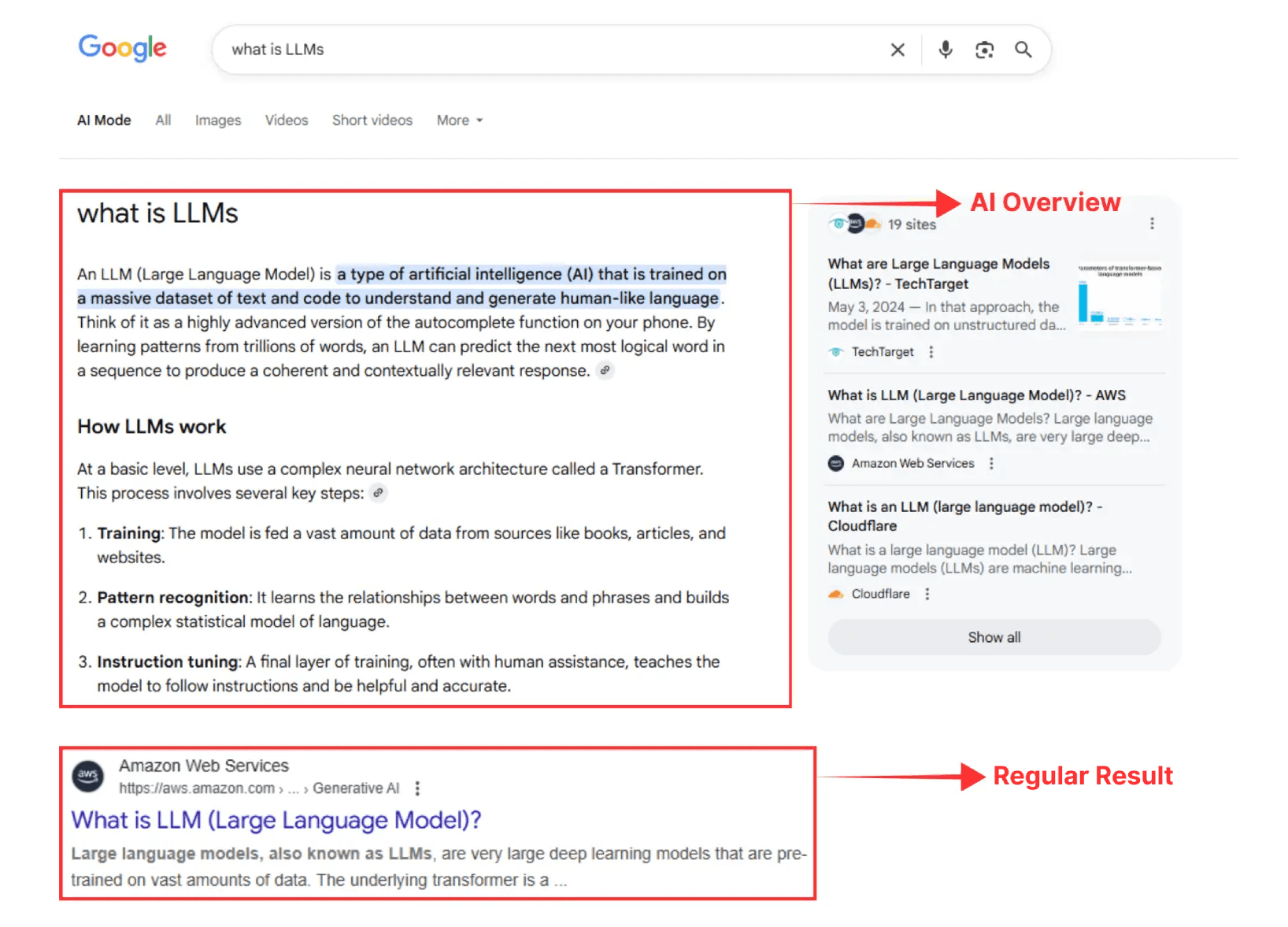
Traditional SEO focuses on ranking well in search results. GEO goes a step further by helping AI engines actually choose your content as the answer they present to users. That means creating high-quality, well-structured content, adding schema and data that Artificial Intelligence (AI) can easily read, and making sure the information on your site is clear, accurate, and trustworthy.
Traditional SEO focuses on ranking well in search results. GEO goes a step further by helping AI engines actually choose your content as the answer they present to users. That means creating high-quality, well-structured content, adding schema and data that Artificial Intelligence (AI) can easily read, and making sure the information on your site is clear, accurate, and trustworthy.
Traditional SEO focuses on ranking well in search results. GEO goes a step further by helping AI engines actually choose your content as the answer they present to users. That means creating high-quality, well-structured content, adding schema and data that Artificial Intelligence (AI) can easily read, and making sure the information on your site is clear, accurate, and trustworthy.
Making Your Website AI-Friendly
Making Your Website AI-Friendly
Making Your Website AI-Friendly
In simple terms, GEO is how we make your website “AI-friendly” so that when someone asks a question in an AI tool, your business becomes the recommended source. It’s about staying ahead of the curve and making sure you remain visible as search continues to evolve.
In simple terms, GEO is how we make your website “AI-friendly” so that when someone asks a question in an AI tool, your business becomes the recommended source. It’s about staying ahead of the curve and making sure you remain visible as search continues to evolve.
In simple terms, GEO is how we make your website “AI-friendly” so that when someone asks a question in an AI tool, your business becomes the recommended source. It’s about staying ahead of the curve and making sure you remain visible as search continues to evolve.
The Shift to Generative AI
The Shift to Generative AI
The Shift to Generative AI
You have experienced the change firsthand if you have asked ChatGPT for a short summary of a difficult subject or used Gemini to plan a project. Generative AI is not coming; it is here, and it is changing how we look for information. Generative Engine Optimization (GEO) is a new and important field that has come to the fore as a result of this change.
You have experienced the change firsthand if you have asked ChatGPT for a short summary of a difficult subject or used Gemini to plan a project. Generative AI is not coming; it is here, and it is changing how we look for information. Generative Engine Optimization (GEO) is a new and important field that has come to the fore as a result of this change.
You have experienced the change firsthand if you have asked ChatGPT for a short summary of a difficult subject or used Gemini to plan a project. Generative AI is not coming; it is here, and it is changing how we look for information. Generative Engine Optimization (GEO) is a new and important field that has come to the fore as a result of this change.
Beyond High Rankings
Beyond High Rankings
Beyond High Rankings
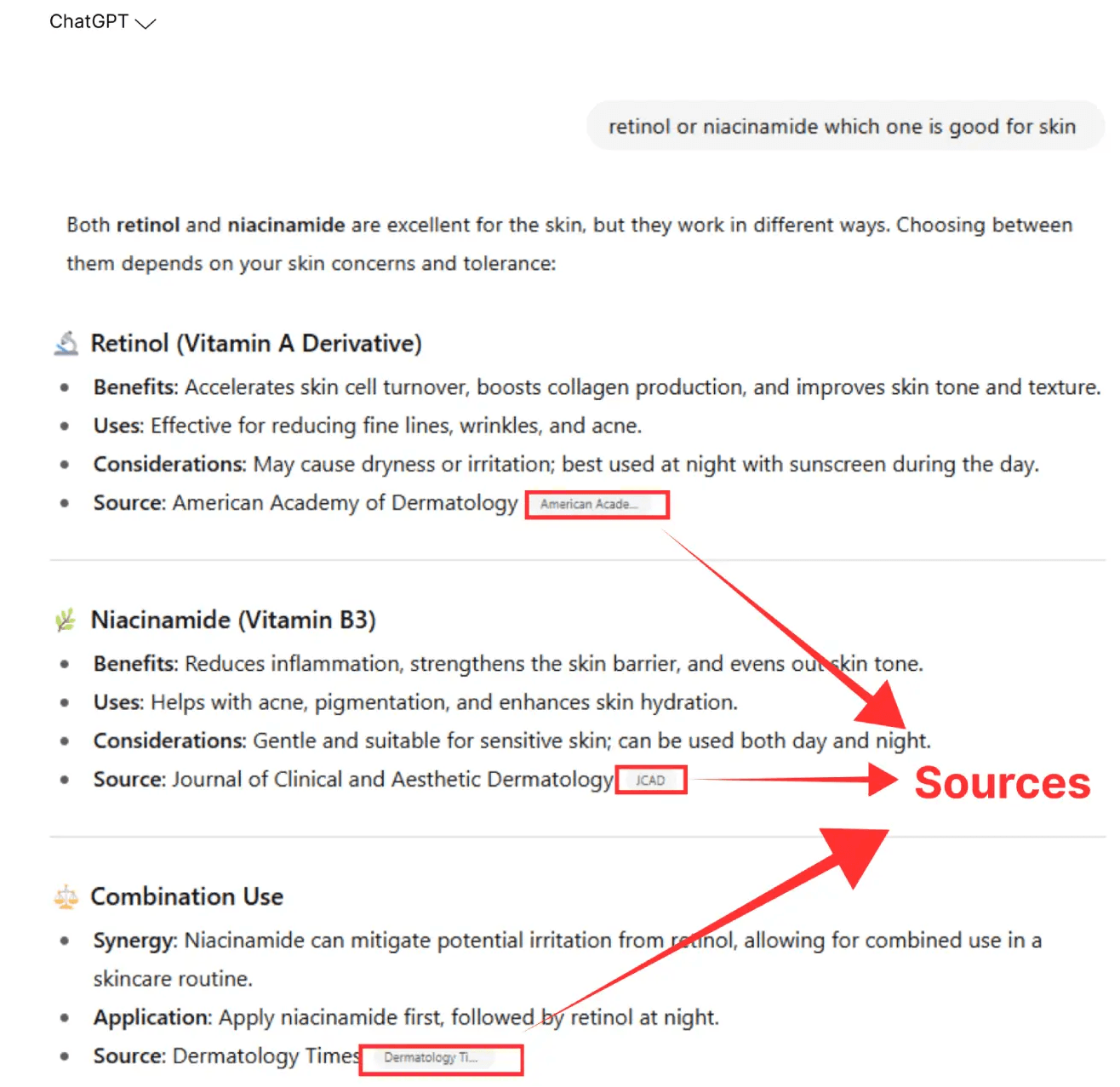
Don't just get a high ranking on a page of ten blue links. GEO is the art of carefully improving your content so that generative AI platforms like ChatGPT, Claude, and Google's Gemini can choose it, combine it, and use it as a source. It's about being the trusted source that these engines use to come up with their answers.
Don't just get a high ranking on a page of ten blue links. GEO is the art of carefully improving your content so that generative AI platforms like ChatGPT, Claude, and Google's Gemini can choose it, combine it, and use it as a source. It's about being the trusted source that these engines use to come up with their answers.
Don't just get a high ranking on a page of ten blue links. GEO is the art of carefully improving your content so that generative AI platforms like ChatGPT, Claude, and Google's Gemini can choose it, combine it, and use it as a source. It's about being the trusted source that these engines use to come up with their answers.
GEO & SEO Together
GEO & SEO Together
GEO & SEO Together
GEO isn’t a replacement for traditional SEO, it’s the natural next step in its evolution. As user behavior changes, strategies must adapt with precision and foresight to ensure brands remain visible and relevant across search engines and AI-driven platforms.
GEO isn’t a replacement for traditional SEO, it’s the natural next step in its evolution. As user behavior changes, strategies must adapt with precision and foresight to ensure brands remain visible and relevant across search engines and AI-driven platforms.
GEO isn’t a replacement for traditional SEO, it’s the natural next step in its evolution. As user behavior changes, strategies must adapt with precision and foresight to ensure brands remain visible and relevant across search engines and AI-driven platforms.
From SERPs to AI Responses
From SERPs to AI Responses
From SERPs to AI Responses
Aspect
Aspect
Aspect
Aspect
Aspect
SEO (Traditional)
SEO (Traditional)
SEO (Traditional)
SEO (Traditional)
SEO (Traditional)
GEO (Generative Engine Optimization)
GEO (Generative Engine Optimization)
GEO (Generative Engine Optimization)
GEO (Generative Engine Optimization)
GEO (Generative Engine Optimization)
Goal
Goal
Goal
Goal
Get to the top of the Search Engine Results Page (SERP).
Get to the top of the Search Engine Results Page (SERP).
Get to the top of the Search Engine Results Page (SERP).
Get to the top of the Search Engine Results Page (SERP).
Get a mention in the AI's one answer that it makes. This is a digital nod that shows you are in charge and brings in smart traffic.
Get a mention in the AI's one answer that it makes. This is a digital nod that shows you are in charge and brings in smart traffic.
Get a mention in the AI's one answer that it makes. This is a digital nod that shows you are in charge and brings in smart traffic.
Get a mention in the AI's one answer that it makes. This is a digital nod that shows you are in charge and brings in smart traffic.
Interaction
Interaction
Interaction
Interaction
Users click between sites to find information.
Users click between sites to find information.
Users click between sites to find information.
Users click between sites to find information.
GEO gives a direct, conversational answer. The focus now is on making sure that our brand is the one they see and trust, since they might get what they need right away.
GEO gives a direct, conversational answer. The focus now is on making sure that our brand is the one they see and trust, since they might get what they need right away.
GEO gives a direct, conversational answer. The focus now is on making sure that our brand is the one they see and trust, since they might get what they need right away.
GEO gives a direct, conversational answer. The focus now is on making sure that our brand is the one they see and trust, since they might get what they need right away.
Crawlability Factor
Crawlability Factor
Crawlability Factor
Crawlability Factor
Search engines crawl and index pages.
Search engines crawl and index pages.
Search engines crawl and index pages.
Search engines crawl and index pages.
AI models learn from huge datasets but can’t just get to every piece of content. They won’t see you if your site is slow, behind a paywall, or not well-organized. You can’t get in without technical access.
AI models learn from huge datasets but can’t just get to every piece of content. They won’t see you if your site is slow, behind a paywall, or not well-organized. You can’t get in without technical access.
AI models learn from huge datasets but can’t just get to every piece of content. They won’t see you if your site is slow, behind a paywall, or not well-organized. You can’t get in without technical access.
AI models learn from huge datasets but can’t just get to every piece of content. They won’t see you if your site is slow, behind a paywall, or not well-organized. You can’t get in without technical access.
Future-Proof Your SEO Strategy
Future-Proof Your SEO Strategy
Future-Proof Your SEO Strategy
1. Strong Authority and E-E-A-T
1. Strong Authority and E-E-A-T
1. Strong Authority and E-E-A-T
Experience, Expertise, Authoritativeness, and Trustworthiness (E-E-A-T) have never been more important. AI systems are designed to prioritize credible, accurate information. This means:
Experience, Expertise, Authoritativeness, and Trustworthiness (E-E-A-T) have never been more important. AI systems are designed to prioritize credible, accurate information. This means:
Experience, Expertise, Authoritativeness, and Trustworthiness (E-E-A-T) have never been more important. AI systems are designed to prioritize credible, accurate information. This means:
•
•
•
Use original research, data-driven insights, and bylines from well-known experts to build your profile as a leader in your field.
Use original research, data-driven insights, and bylines from well-known experts to build your profile as a leader in your field.
Use original research, data-driven insights, and bylines from well-known experts to build your profile as a leader in your field.
•
•
•
Get high-quality backlinks from reliable sources. These are strong signs of trust for AI models, just like they are for search engines.
Get high-quality backlinks from reliable sources. These are strong signs of trust for AI models, just like they are for search engines.
Get high-quality backlinks from reliable sources. These are strong signs of trust for AI models, just like they are for search engines.
2. Depth That Answers All Questions
2. Depth That Answers All Questions
2. Depth That Answers All Questions
Don't worry about thin content. AI models need a lot of detailed, varied information. They need to know not only what, but also why and how.
Don't worry about thin content. AI models need a lot of detailed, varied information. They need to know not only what, but also why and how.
Don't worry about thin content. AI models need a lot of detailed, varied information. They need to know not only what, but also why and how.
•
•
•
Make cornerstone content that is the best guide on a subject.
Make cornerstone content that is the best guide on a subject.
Make cornerstone content that is the best guide on a subject.
•
•
•
In your content, think about and answer any follow-up questions that might come up. Because of this depth, your work is a must-have resource for the AI, which makes it more likely that it will be cited.
In your content, think about and answer any follow-up questions that might come up. Because of this depth, your work is a must-have resource for the AI, which makes it more likely that it will be cited.
In your content, think about and answer any follow-up questions that might come up. Because of this depth, your work is a must-have resource for the AI, which makes it more likely that it will be cited.
3. Structure for People and Machines
3. Structure for People and Machines
3. Structure for People and Machines
Being clear is the most important thing. Organize your data so that AI systems can easily understand it.
Being clear is the most important thing. Organize your data so that AI systems can easily understand it.
Being clear is the most important thing. Organize your data so that AI systems can easily understand it.
•
•
•
Use Schema markup to make it clear what types of content you have. This includes things like how-to guides, product reviews, and frequently asked questions.
Use Schema markup to make it clear what types of content you have. This includes things like how-to guides, product reviews, and frequently asked questions.
Use Schema markup to make it clear what types of content you have. This includes things like how-to guides, product reviews, and frequently asked questions.
•
•
•
To make complicated ideas easier to understand, use clear, hierarchical headings (H2s, H3s) and bulleted lists. This makes it easier to read and helps the AI find and pull out important information correctly.
To make complicated ideas easier to understand, use clear, hierarchical headings (H2s, H3s) and bulleted lists. This makes it easier to read and helps the AI find and pull out important information correctly.
To make complicated ideas easier to understand, use clear, hierarchical headings (H2s, H3s) and bulleted lists. This makes it easier to read and helps the AI find and pull out important information correctly.
4. Use the Language of the User
4. Use the Language of the User
4. Use the Language of the User
People ask AI questions in a conversational way. Your content should mirror that intent.
People ask AI questions in a conversational way. Your content should mirror that intent.
People ask AI questions in a conversational way. Your content should mirror that intent.
•
•
•
Focus on long-tail, question-based keywords like "how to implement GEO" and "why is E-E-A-T important for AI."
Focus on long-tail, question-based keywords like "how to implement GEO" and "why is E-E-A-T important for AI."
Focus on long-tail, question-based keywords like "how to implement GEO" and "why is E-E-A-T important for AI."
•
•
•
Give clear, short answers to specific questions that an AI can easily summarize and attribute. This will directly address user intent.
Give clear, short answers to specific questions that an AI can easily summarize and attribute. This will directly address user intent.
Give clear, short answers to specific questions that an AI can easily summarize and attribute. This will directly address user intent.
The Attribution Gap and Ethics
The Attribution Gap and Ethics
The Attribution Gap and Ethics
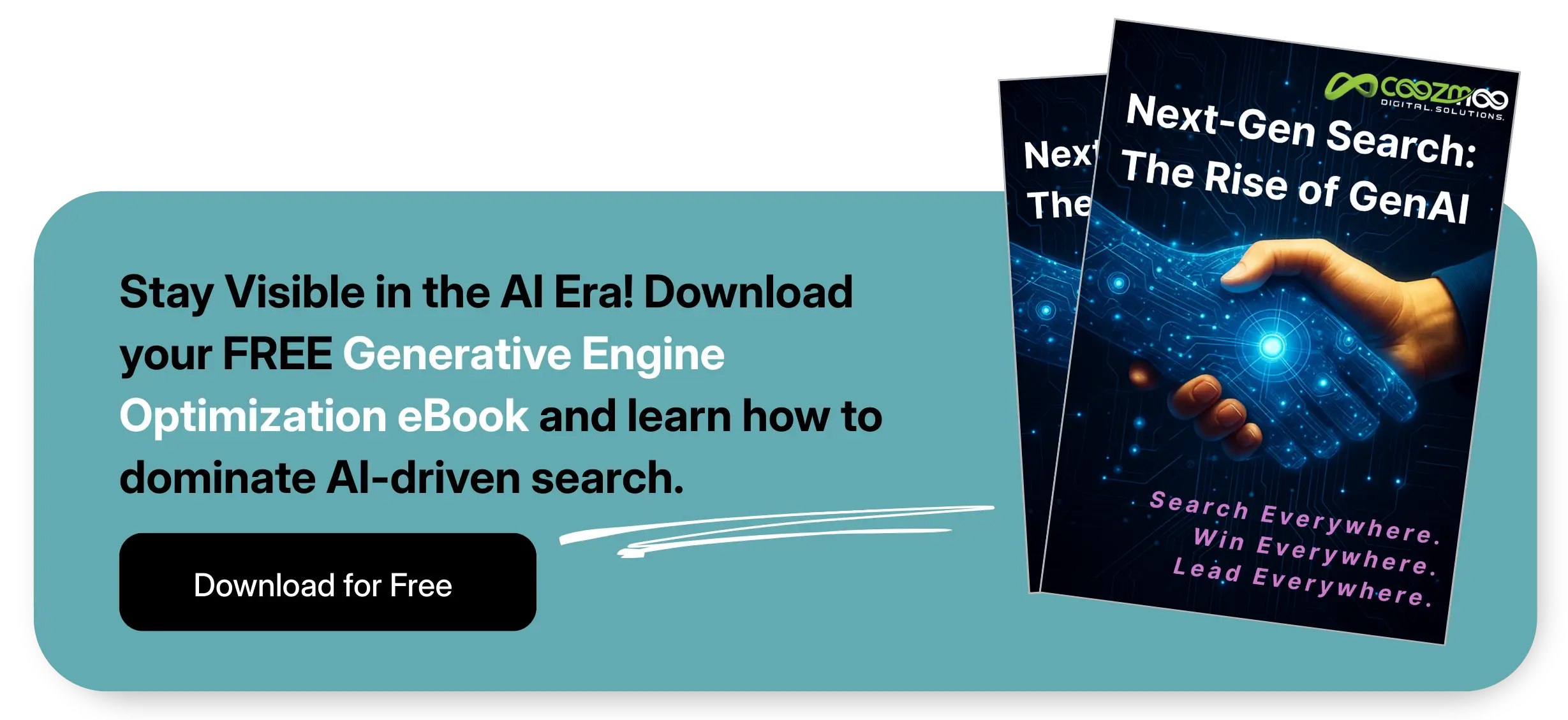
To be honest, GEO has its problems. The attribution gap is the most important. This happens when an AI uses your data to make a perfect answer but doesn't give you credit for it, which could cost you traffic.
The algorithms that figure out where things come from are also hard to understand. We need to accept this uncertainty as a challenge.
The worst thing to do morally is to try to "game" these smart systems. We will find and get rid of keyword stuffing and content that isn't worth much. Sustainable GEO isn't about tricking people; it's about a real commitment to quality that both users and algorithms will reward.
To be honest, GEO has its problems. The attribution gap is the most important. This happens when an AI uses your data to make a perfect answer but doesn't give you credit for it, which could cost you traffic.
The algorithms that figure out where things come from are also hard to understand. We need to accept this uncertainty as a challenge.
The worst thing to do morally is to try to "game" these smart systems. We will find and get rid of keyword stuffing and content that isn't worth much. Sustainable GEO isn't about tricking people; it's about a real commitment to quality that both users and algorithms will reward.
To be honest, GEO has its problems. The attribution gap is the most important. This happens when an AI uses your data to make a perfect answer but doesn't give you credit for it, which could cost you traffic.
The algorithms that figure out where things come from are also hard to understand. We need to accept this uncertainty as a challenge.
The worst thing to do morally is to try to "game" these smart systems. We will find and get rid of keyword stuffing and content that isn't worth much. Sustainable GEO isn't about tricking people; it's about a real commitment to quality that both users and algorithms will reward.
Final Thoughts
Final Thoughts
Final Thoughts
The main point is that GEO is about leading with knowledge.
Generative Engine Optimization is the next big thing in the evolution of our digital world. It rewards those who invest deeply in quality, authority, and clarity. Professionals should take this lesson to heart: now is the time to strengthen your skills. You don't just optimize for an algorithm when you make content that is truly valuable, well-structured, and authoritative. You build a base of trust that will last through changes in technology and make you a leader in the age of AI.
The main point is that GEO is about leading with knowledge.
Generative Engine Optimization is the next big thing in the evolution of our digital world. It rewards those who invest deeply in quality, authority, and clarity. Professionals should take this lesson to heart: now is the time to strengthen your skills. You don't just optimize for an algorithm when you make content that is truly valuable, well-structured, and authoritative. You build a base of trust that will last through changes in technology and make you a leader in the age of AI.
The main point is that GEO is about leading with knowledge.
Generative Engine Optimization is the next big thing in the evolution of our digital world. It rewards those who invest deeply in quality, authority, and clarity. Professionals should take this lesson to heart: now is the time to strengthen your skills. You don't just optimize for an algorithm when you make content that is truly valuable, well-structured, and authoritative. You build a base of trust that will last through changes in technology and make you a leader in the age of AI.
Frequently Asked Questions (FAQs)
Frequently Asked Questions
Frequently Asked Questions
How do I optimize my content for AI-powered search?
Create clear, in-depth content that answers real user questions. Use headings, lists, and structured data (schema markup) to make it readable for AI. Include authoritative data, citations, and trust signals to boost credibility.
What types of content perform best for GEO?
You should expect a structured process that includes onboarding, goal setting, strategy development, regular communication, execution of campaigns, and performance reporting. A good agency will act as a partner collaborating with you to understand your business, crafting a custom plan, and keeping you informed about progress and results.
How do AI search engines decide which content to use?
Vanity metrics are data points that look impressive but don’t directly impact your bottom line, such as social media likes, page views, or email open rates. While they can indicate visibility, they’re not strong indicators of business success. What’s more important are actionable metrics like lead quality, conversion rate, and return on investment (ROI). Looking for more details? Contact us today before your competitors do.
Does GEO guarantee my content will appear in AI answers?
High traffic without conversions often points to deeper issues such as: Poor targeting (the wrong audience is visiting), weak calls-to-action or unclear messaging, website usability issues or slow load times, lack of trust signals (like reviews or security).
Your marketing should not just drive visits; it should drive the right visitors and guide them to act.
If I optimize GEO, do I still need backlinks and other SEO practices?
You’ll know it’s working when you see measurable progress toward your business goals, more qualified leads, better engagement, increased sales, or stronger ROI. Regular reports, clear KPIs, and consistent communication from your agency are key to evaluating success.
Can GEO help even if users don’t click through to my website?
Organic marketing (like SEO, blogging, and social media engagement) often takes 3 to 6 months to start showing results and may take 6–12 months for significant impact. It builds trust and authority over time, and while slower than paid marketing, it often yields more sustainable growth.
Should I create separate content for GEO vs regular SEO?
A good marketing report should cover: Key performance indicators (KPIs) tied to your goals, traffic and conversion data, campaign performance summaries, ROI or cost-per-lead/acquisition, insights and recommendations for improvement, clear next steps or action items.
It should be easy to understand, jargon-free, and focus on outcomes. Learn more—how we drive revenue?
How do I optimize my content for AI-powered search?
Create clear, in-depth content that answers real user questions. Use headings, lists, and structured data (schema markup) to make it readable for AI. Include authoritative data, citations, and trust signals to boost credibility.
What types of content perform best for GEO?
You should expect a structured process that includes onboarding, goal setting, strategy development, regular communication, execution of campaigns, and performance reporting. A good agency will act as a partner collaborating with you to understand your business, crafting a custom plan, and keeping you informed about progress and results.
How do AI search engines decide which content to use?
Vanity metrics are data points that look impressive but don’t directly impact your bottom line, such as social media likes, page views, or email open rates. While they can indicate visibility, they’re not strong indicators of business success. What’s more important are actionable metrics like lead quality, conversion rate, and return on investment (ROI). Looking for more details? Contact us today before your competitors do.
Does GEO guarantee my content will appear in AI answers?
High traffic without conversions often points to deeper issues such as: Poor targeting (the wrong audience is visiting), weak calls-to-action or unclear messaging, website usability issues or slow load times, lack of trust signals (like reviews or security).
Your marketing should not just drive visits; it should drive the right visitors and guide them to act.
If I optimize GEO, do I still need backlinks and other SEO practices?
You’ll know it’s working when you see measurable progress toward your business goals, more qualified leads, better engagement, increased sales, or stronger ROI. Regular reports, clear KPIs, and consistent communication from your agency are key to evaluating success.
Can GEO help even if users don’t click through to my website?
Organic marketing (like SEO, blogging, and social media engagement) often takes 3 to 6 months to start showing results and may take 6–12 months for significant impact. It builds trust and authority over time, and while slower than paid marketing, it often yields more sustainable growth.
Should I create separate content for GEO vs regular SEO?
A good marketing report should cover: Key performance indicators (KPIs) tied to your goals, traffic and conversion data, campaign performance summaries, ROI or cost-per-lead/acquisition, insights and recommendations for improvement, clear next steps or action items.
It should be easy to understand, jargon-free, and focus on outcomes. Learn more—how we drive revenue?
How do I optimize my content for AI-powered search?
Create clear, in-depth content that answers real user questions. Use headings, lists, and structured data (schema markup) to make it readable for AI. Include authoritative data, citations, and trust signals to boost credibility.
What types of content perform best for GEO?
You should expect a structured process that includes onboarding, goal setting, strategy development, regular communication, execution of campaigns, and performance reporting. A good agency will act as a partner collaborating with you to understand your business, crafting a custom plan, and keeping you informed about progress and results.
How do AI search engines decide which content to use?
Vanity metrics are data points that look impressive but don’t directly impact your bottom line, such as social media likes, page views, or email open rates. While they can indicate visibility, they’re not strong indicators of business success. What’s more important are actionable metrics like lead quality, conversion rate, and return on investment (ROI). Looking for more details? Contact us today before your competitors do.
Does GEO guarantee my content will appear in AI answers?
High traffic without conversions often points to deeper issues such as: Poor targeting (the wrong audience is visiting), weak calls-to-action or unclear messaging, website usability issues or slow load times, lack of trust signals (like reviews or security).
Your marketing should not just drive visits; it should drive the right visitors and guide them to act.
If I optimize GEO, do I still need backlinks and other SEO practices?
You’ll know it’s working when you see measurable progress toward your business goals, more qualified leads, better engagement, increased sales, or stronger ROI. Regular reports, clear KPIs, and consistent communication from your agency are key to evaluating success.
Can GEO help even if users don’t click through to my website?
Organic marketing (like SEO, blogging, and social media engagement) often takes 3 to 6 months to start showing results and may take 6–12 months for significant impact. It builds trust and authority over time, and while slower than paid marketing, it often yields more sustainable growth.
Should I create separate content for GEO vs regular SEO?
A good marketing report should cover: Key performance indicators (KPIs) tied to your goals, traffic and conversion data, campaign performance summaries, ROI or cost-per-lead/acquisition, insights and recommendations for improvement, clear next steps or action items.
It should be easy to understand, jargon-free, and focus on outcomes. Learn more—how we drive revenue?
How do I optimize my content for AI-powered search?
Create clear, in-depth content that answers real user questions. Use headings, lists, and structured data (schema markup) to make it readable for AI. Include authoritative data, citations, and trust signals to boost credibility.
What types of content perform best for GEO?
You should expect a structured process that includes onboarding, goal setting, strategy development, regular communication, execution of campaigns, and performance reporting. A good agency will act as a partner collaborating with you to understand your business, crafting a custom plan, and keeping you informed about progress and results.
How do AI search engines decide which content to use?
Vanity metrics are data points that look impressive but don’t directly impact your bottom line, such as social media likes, page views, or email open rates. While they can indicate visibility, they’re not strong indicators of business success. What’s more important are actionable metrics like lead quality, conversion rate, and return on investment (ROI). Looking for more details? Contact us today before your competitors do.
Does GEO guarantee my content will appear in AI answers?
High traffic without conversions often points to deeper issues such as: Poor targeting (the wrong audience is visiting), weak calls-to-action or unclear messaging, website usability issues or slow load times, lack of trust signals (like reviews or security).
Your marketing should not just drive visits; it should drive the right visitors and guide them to act.
If I optimize GEO, do I still need backlinks and other SEO practices?
You’ll know it’s working when you see measurable progress toward your business goals, more qualified leads, better engagement, increased sales, or stronger ROI. Regular reports, clear KPIs, and consistent communication from your agency are key to evaluating success.
Can GEO help even if users don’t click through to my website?
Organic marketing (like SEO, blogging, and social media engagement) often takes 3 to 6 months to start showing results and may take 6–12 months for significant impact. It builds trust and authority over time, and while slower than paid marketing, it often yields more sustainable growth.
Should I create separate content for GEO vs regular SEO?
A good marketing report should cover: Key performance indicators (KPIs) tied to your goals, traffic and conversion data, campaign performance summaries, ROI or cost-per-lead/acquisition, insights and recommendations for improvement, clear next steps or action items.
It should be easy to understand, jargon-free, and focus on outcomes. Learn more—how we drive revenue?
How do I optimize my content for AI-powered search?
Create clear, in-depth content that answers real user questions. Use headings, lists, and structured data (schema markup) to make it readable for AI. Include authoritative data, citations, and trust signals to boost credibility.
What types of content perform best for GEO?
You should expect a structured process that includes onboarding, goal setting, strategy development, regular communication, execution of campaigns, and performance reporting. A good agency will act as a partner collaborating with you to understand your business, crafting a custom plan, and keeping you informed about progress and results.
How do AI search engines decide which content to use?
Vanity metrics are data points that look impressive but don’t directly impact your bottom line, such as social media likes, page views, or email open rates. While they can indicate visibility, they’re not strong indicators of business success. What’s more important are actionable metrics like lead quality, conversion rate, and return on investment (ROI). Looking for more details? Contact us today before your competitors do.
Does GEO guarantee my content will appear in AI answers?
High traffic without conversions often points to deeper issues such as: Poor targeting (the wrong audience is visiting), weak calls-to-action or unclear messaging, website usability issues or slow load times, lack of trust signals (like reviews or security).
Your marketing should not just drive visits; it should drive the right visitors and guide them to act.
If I optimize GEO, do I still need backlinks and other SEO practices?
You’ll know it’s working when you see measurable progress toward your business goals, more qualified leads, better engagement, increased sales, or stronger ROI. Regular reports, clear KPIs, and consistent communication from your agency are key to evaluating success.
Can GEO help even if users don’t click through to my website?
Organic marketing (like SEO, blogging, and social media engagement) often takes 3 to 6 months to start showing results and may take 6–12 months for significant impact. It builds trust and authority over time, and while slower than paid marketing, it often yields more sustainable growth.
Should I create separate content for GEO vs regular SEO?
A good marketing report should cover: Key performance indicators (KPIs) tied to your goals, traffic and conversion data, campaign performance summaries, ROI or cost-per-lead/acquisition, insights and recommendations for improvement, clear next steps or action items.
It should be easy to understand, jargon-free, and focus on outcomes. Learn more—how we drive revenue?
GEO Optimization Targets People Based on Geographic Location.
GEO Optimization Targets People Based on Geographic Location.
GEO Optimization Targets People Based on Geographic Location.
GEO Optimization Targets People Based on Geographic Location.
Learn how geographic targeting boosts visibility, attracts qualified traffic, & improves local conversions.
Learn how geographic targeting boosts visibility, attracts qualified traffic, & improves local conversions.
Learn how geographic targeting boosts visibility, attracts qualified traffic, & improves local conversions.
4.9/5 Ratings!
4.9/5 Ratings!
4.9/5 Ratings!
4.9/5 Ratings!
4.9/5 Ratings!
Share this article

Related Resources
Latest Blogs




Don’t miss our revenue growth tips!
Don’t miss our revenue growth tips!
Don’t miss our revenue growth tips!
Get expert marketing tips—straight to your inbox, like thousands of happy clients.
Get expert marketing tips—straight to your inbox, like thousands of happy clients.
Latest Blogs

Why PR (Press Release) is becoming more essential for AI search visibility
Dec 9, 2025
GEO

AI Crawlers vs. Traditional Crawlers: How AI Indexes the Web Differently?
Nov 4, 2025
GEO
AI-Based: Navigating the Great Decoupling and the Rise of AI Overviews
Aug 21, 2025
GEO

Perplexity Merchant Program: The Game-Changing Way to Sell Online (Zero Fees, Maximum Profits!)
Aug 20, 2025
GEO



















Ready to speak with an expert?
Data-Driven Marketing Agency That Elevates ROI
Websites Designed & Optimized to Convert
$280M+
Client Revenue Driven & Growing Strong
Discover how to skyrocket
your revenue today!


Trusted by 1000+ Owners!
Want to skyrocket revenue?
4.9/5 Ratings!
Ready to speak with an expert?
Data-Driven Marketing Agency That Elevates ROI
Websites Designed & Optimized to Convert
$280M+
Client Revenue Driven & Growing Strong
Discover how to skyrocket
your revenue today!
Trusted by 1000+ Owners!
Ready to speak with an expert?
Data-Driven Marketing Agency That Elevates ROI
Websites Designed & Optimized to Convert
$280M+
Client Revenue Driven & Growing Strong
Want to skyrocket
revenue?
Trusted by 1000+ Owners!
Want to skyrocket revenue?
4.9/5 Ratings!