Google Ads Simplified: What You Need to Know?
Google Ads Simplified: What You Need to Know?
Google Ads Simplified: What You Need to Know?
Google Ads Simplified: What You Need to Know?
Google Ads Simplified: What You Need to Know?
Google Ads
Google Ads
Google Ads
Google Ads
Google Ads
Google Ads is Google’s advertising platform that lets businesses display ads across Search, YouTube, Maps, Gmail, and partner sites. It uses a pay-per-click system, so advertisers pay only when users click their ads.
Google Ads is Google’s advertising platform that lets businesses display ads across Search, YouTube, Maps, Gmail, and partner sites. It uses a pay-per-click system, so advertisers pay only when users click their ads.
Google Ads is Google’s advertising platform that lets businesses display ads across Search, YouTube, Maps, Gmail, and partner sites. It uses a pay-per-click system, so advertisers pay only when users click their ads.
Google Ads is Google’s advertising platform that lets businesses display ads across Search, YouTube, Maps, Gmail, and partner sites. It uses a pay-per-click system, so advertisers pay only when users click their ads.


Table of Content
Case Studies

Google Ads Help Reach the Right Audience and Drive More Sales.
Google Ads Help Reach the Right Audience and Drive More Sales.






4.9/5 Ratings!
4.9/5 Ratings!

Samkit Nagori
Samkit Nagori
Samkit Nagori
6 Min Read
6 Min Read
6 Min Read
Noc 04, 2025
Noc 04, 2025
Noc 04, 2025
What is Google Ads?
What is Google Ads?
What is Google Ads?
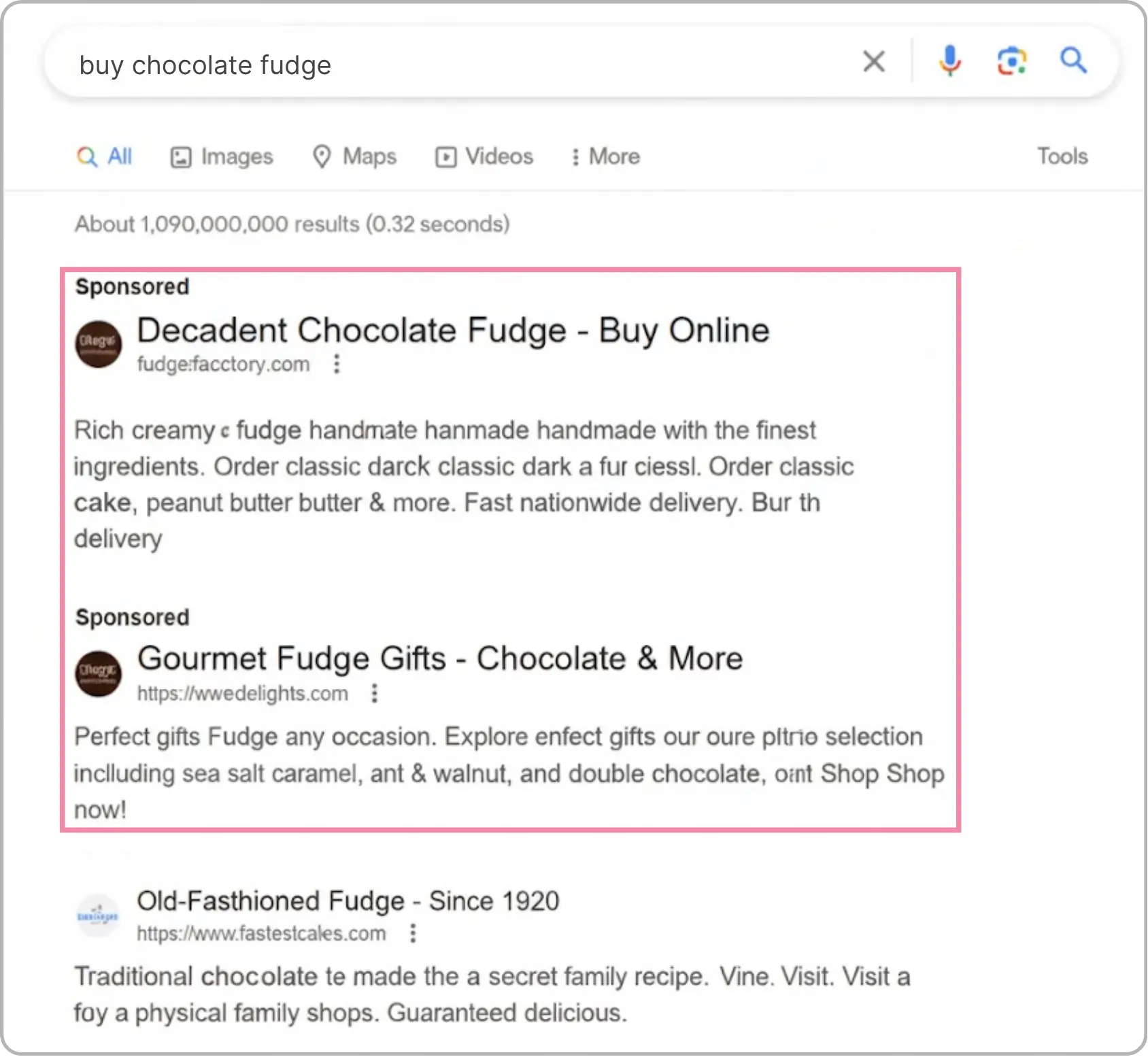
Google Ads is the digital marketing platform of Google that permits advertisers to showcase their ads on Google Search, YouTube, websites, apps, and everywhere on the internet that is part of the advertising network. This service operates on a pay-per-click (PPC) basis, which means that the advertiser pays only when a viewer clicks or otherwise interacts with the ad.
To put it simply, Google Ads makes it possible for you to be seen just at the moment a person searches for a product or service that your business offers and is ready to make a decision. It is quick, measurable, and powerful for both small businesses and large brands.
Google Ads is the digital marketing platform of Google that permits advertisers to showcase their ads on Google Search, YouTube, websites, apps, and everywhere on the internet that is part of the advertising network. This service operates on a pay-per-click (PPC) basis, which means that the advertiser pays only when a viewer clicks or otherwise interacts with the ad.
To put it simply, Google Ads makes it possible for you to be seen just at the moment a person searches for a product or service that your business offers and is ready to make a decision. It is quick, measurable, and powerful for both small businesses and large brands.
Google Ads is the digital marketing platform of Google that permits advertisers to showcase their ads on Google Search, YouTube, websites, apps, and everywhere on the internet that is part of the advertising network. This service operates on a pay-per-click (PPC) basis, which means that the advertiser pays only when a viewer clicks or otherwise interacts with the ad.
To put it simply, Google Ads makes it possible for you to be seen just at the moment a person searches for a product or service that your business offers and is ready to make a decision. It is quick, measurable, and powerful for both small businesses and large brands.
Why Businesses Use Google Ads?
Why Businesses Use Google Ads?
Why Businesses Use Google Ads?
Google Ads offers the plus point of getting the visibility instantly and also the point of getting the exposure of the target group. Companies use the service to:
Engage the users who are looking for their services/products.
Navigate the traffic to their website, make calls, visits to stores or app installs.
Select the locations, audiences, and interests specifically.
Manage the budget in a way that they only pay when the users click.
Track the performance instantly.
Amplify the campaigns quickly for more customers and sales.
Organic marketing is very crucial, but it needs time. Google Ads assists with that by providing instant results once the right execution is done.
Google Ads offers the plus point of getting the visibility instantly and also the point of getting the exposure of the target group. Companies use the service to:
Engage the users who are looking for their services/products.
Navigate the traffic to their website, make calls, visits to stores or app installs.
Select the locations, audiences, and interests specifically.
Manage the budget in a way that they only pay when the users click.
Track the performance instantly.
Amplify the campaigns quickly for more customers and sales.
Organic marketing is very crucial, but it needs time. Google Ads assists with that by providing instant results once the right execution is done.
Google Ads offers the plus point of getting the visibility instantly and also the point of getting the exposure of the target group. Companies use the service to:
Engage the users who are looking for their services/products.
Navigate the traffic to their website, make calls, visits to stores or app installs.
Select the locations, audiences, and interests specifically.
Manage the budget in a way that they only pay when the users click.
Track the performance instantly.
Amplify the campaigns quickly for more customers and sales.
Organic marketing is very crucial, but it needs time. Google Ads assists with that by providing instant results once the right execution is done.
How Google Ads Works?
How Google Ads Works?
How Google Ads Works?
Here’s the process in easy steps:
Set a marketing goal (leads, sales, website visits, app installs etc.).
Choose audience and keywords.
Write ads and create ad groups.
Set your budget and bidding strategy.
Monitor clicks, conversions and spending.
Optimize continuously to improve ROI
Google decides where your ad appears based on:
Bid → How much you're willing to pay.
Quality Score → Relevance of your ad, keywords and landing page.
Better relevance = lower cost + higher ranking. So it's not just money — quality matters.
Here’s the process in easy steps:
Set a marketing goal (leads, sales, website visits, app installs etc.).
Choose audience and keywords.
Write ads and create ad groups.
Set your budget and bidding strategy.
Monitor clicks, conversions and spending.
Optimize continuously to improve ROI
Google decides where your ad appears based on:
Bid → How much you're willing to pay.
Quality Score → Relevance of your ad, keywords and landing page.
Better relevance = lower cost + higher ranking. So it's not just money — quality matters.
Here’s the process in easy steps:
Set a marketing goal (leads, sales, website visits, app installs etc.).
Choose audience and keywords.
Write ads and create ad groups.
Set your budget and bidding strategy.
Monitor clicks, conversions and spending.
Optimize continuously to improve ROI
Google decides where your ad appears based on:
Bid → How much you're willing to pay.
Quality Score → Relevance of your ad, keywords and landing page.
Better relevance = lower cost + higher ranking. So it's not just money — quality matters.
Types of Google Ads
Types of Google Ads
Types of Google Ads
Type
Type
Type
Type
Type
Where Ads Show
Where Ads Show
Where Ads Show
Where Ads Show
Where Ads Show
Best For
Best For
Best For
Best For
Best For
Example
Example
Example
Example
Example
Search Ads
Search Ads
Search Ads
Search Ads
Google Search
Google Search
Google Search
Google Search
Leads & inquiries
Leads & inquiries
Leads & inquiries
Leads & inquiries
Lawyer targeting “divorce lawyer near me”
Lawyer targeting “divorce lawyer near me”
Lawyer targeting “divorce lawyer near me”
Lawyer targeting “divorce lawyer near me”
Display Ads
Display Ads
Display Ads
Display Ads
Websites & apps
Websites & apps
Websites & apps
Websites & apps
Branding & remarketing
Branding & remarketing
Branding & remarketing
Branding & remarketing
Travel brand showing banners on blogs
Travel brand showing banners on blogs
Travel brand showing banners on blogs
Travel brand showing banners on blogs
Shopping Ads
Shopping Ads
Shopping Ads
Shopping Ads
Google Shopping results
Google Shopping results
Google Shopping results
Google Shopping results
E-commerce product sales
E-commerce product sales
E-commerce product sales
E-commerce product sales
Clothing store showcasing products
Clothing store showcasing products
Clothing store showcasing products
Clothing store showcasing products
Video Ads
Video Ads
Video Ads
Video Ads
YouTube
YouTube
YouTube
YouTube
Brand awareness & demo videos
Brand awareness & demo videos
Brand awareness & demo videos
Brand awareness & demo videos
Skincare brand showing tutorials
Skincare brand showing tutorials
Skincare brand showing tutorials
Skincare brand showing tutorials
Performance Max
Performance Max
Performance Max
Performance Max
All Google networks
All Google networks
All Google networks
All Google networks
Full-funnel automation
Full-funnel automation
Full-funnel automation
Full-funnel automation
D2C brand scaling sales
D2C brand scaling sales
D2C brand scaling sales
D2C brand scaling sales
App Campaigns
App Campaigns
App Campaigns
App Campaigns
Google Play & Google network
Google Play & Google network
Google Play & Google network
Google Play & Google network
App installs & engagement
App installs & engagement
App installs & engagement
App installs & engagement
Fitness app driving downloads
Fitness app driving downloads
Fitness app driving downloads
Fitness app driving downloads
Best Practices for Running Google Ads Successfully:
Best Practices for Running Google Ads Successfully:
Best Practices for Running Google Ads Successfully:
Smart Keyword Strategy: High-intent keywords should be the focus. Moreover, negative keywords can be used to eliminate unwanted clicks and consequently, cut down on budget wastage.
Write Strong Ad Copy
Intent to search must be matched.
Benefits should be highlighted rather than just features.
CTAs such as “Book Now”, “Get Free Quote”, and “Call Today” should be made clear.
Stand out by using numbers, offers and USPs.
Create High-Converting Landing Pages: The landing page you direct users to must contain the following features after clicking:
Fast loading & mobile-friendly
One clear action (call, form, purchase, etc.)
Consistent with advertisement messaging
Create trust (testimonials, certifications, reviews)
Smart Keyword Strategy: High-intent keywords should be the focus. Moreover, negative keywords can be used to eliminate unwanted clicks and consequently, cut down on budget wastage.
Write Strong Ad Copy
Intent to search must be matched.
Benefits should be highlighted rather than just features.
CTAs such as “Book Now”, “Get Free Quote”, and “Call Today” should be made clear.
Stand out by using numbers, offers and USPs.
Create High-Converting Landing Pages: The landing page you direct users to must contain the following features after clicking:
Fast loading & mobile-friendly
One clear action (call, form, purchase, etc.)
Consistent with advertisement messaging
Create trust (testimonials, certifications, reviews)
Smart Keyword Strategy: High-intent keywords should be the focus. Moreover, negative keywords can be used to eliminate unwanted clicks and consequently, cut down on budget wastage.
Write Strong Ad Copy
Intent to search must be matched.
Benefits should be highlighted rather than just features.
CTAs such as “Book Now”, “Get Free Quote”, and “Call Today” should be made clear.
Stand out by using numbers, offers and USPs.
Create High-Converting Landing Pages: The landing page you direct users to must contain the following features after clicking:
Fast loading & mobile-friendly
One clear action (call, form, purchase, etc.)
Consistent with advertisement messaging
Create trust (testimonials, certifications, reviews)
Use Ad Extensions: Make sure to append call buttons, location extensions, sitelinks, and price extensions for they will make your ad more visible and increase the chances of getting clicked.
Track Everything: Establish conversion tracking from the very first day.
Count leads, calls, purchases, form fills, WhatsApp clicks, and page interactions, and measure them.
Start Small, Scale Smart: Start with the testing of the ads, study the results, the keywords and bids need to be adjusted, then the budget can be increased once the performance is stable.
Use Remarketing: Continue to show ads to those who went to your website but did not make a purchase. It results in increased conversion rates at a lower cost.
Local Optimization Tip: For businesses that operate locally:
Employ local intent keywords like “best salon in Jodhpur”
Incorporate call and location extensions
If appropriate, consider advertising in the local language.
Use Ad Extensions: Make sure to append call buttons, location extensions, sitelinks, and price extensions for they will make your ad more visible and increase the chances of getting clicked.
Track Everything: Establish conversion tracking from the very first day.
Count leads, calls, purchases, form fills, WhatsApp clicks, and page interactions, and measure them.
Start Small, Scale Smart: Start with the testing of the ads, study the results, the keywords and bids need to be adjusted, then the budget can be increased once the performance is stable.
Use Remarketing: Continue to show ads to those who went to your website but did not make a purchase. It results in increased conversion rates at a lower cost.
Local Optimization Tip: For businesses that operate locally:
Employ local intent keywords like “best salon in Jodhpur”
Incorporate call and location extensions
If appropriate, consider advertising in the local language.
Use Ad Extensions: Make sure to append call buttons, location extensions, sitelinks, and price extensions for they will make your ad more visible and increase the chances of getting clicked.
Track Everything: Establish conversion tracking from the very first day.
Count leads, calls, purchases, form fills, WhatsApp clicks, and page interactions, and measure them.
Start Small, Scale Smart: Start with the testing of the ads, study the results, the keywords and bids need to be adjusted, then the budget can be increased once the performance is stable.
Use Remarketing: Continue to show ads to those who went to your website but did not make a purchase. It results in increased conversion rates at a lower cost.
Local Optimization Tip: For businesses that operate locally:
Employ local intent keywords like “best salon in Jodhpur”
Incorporate call and location extensions
If appropriate, consider advertising in the local language.
Final Thoughts
Final Thoughts
Final Thoughts
Google Ads provides a direct route to users who are looking for what a business has to offer. If you use careful planning, the correct keywords, put together your landing pages in the best possible way and use smart bidding — it has the potential to turn into one of your most profitable marketing channels.
Proper management will result in visibility, leads and conversions quicker than any other online marketing platform.
Google Ads provides a direct route to users who are looking for what a business has to offer. If you use careful planning, the correct keywords, put together your landing pages in the best possible way and use smart bidding — it has the potential to turn into one of your most profitable marketing channels.
Proper management will result in visibility, leads and conversions quicker than any other online marketing platform.
Google Ads provides a direct route to users who are looking for what a business has to offer. If you use careful planning, the correct keywords, put together your landing pages in the best possible way and use smart bidding — it has the potential to turn into one of your most profitable marketing channels.
Proper management will result in visibility, leads and conversions quicker than any other online marketing platform.
Frequently Asked Questions (FAQs)
Frequently Asked Questions
Frequently Asked Questions
What’s the difference between impressions and clicks?
An impression means your ad was shown.
A click means a user interacted with the ad.
High impressions with low clicks often mean your ad needs stronger copy or your keywords aren’t tightly matched to intent.
Are Google Ads better for short-term or long-term marketing?
You should expect a structured process that includes onboarding, goal setting, strategy development, regular communication, execution of campaigns, and performance reporting. A good agency will act as a partner collaborating with you to understand your business, crafting a custom plan, and keeping you informed about progress and results.
How long does it take to see results from a new Google Ads campaign?
Vanity metrics are data points that look impressive but don’t directly impact your bottom line, such as social media likes, page views, or email open rates. While they can indicate visibility, they’re not strong indicators of business success. What’s more important are actionable metrics like lead quality, conversion rate, and return on investment (ROI). Looking for more details? Contact us today before your competitors do.
What is Ad Rank and how is it calculated?
High traffic without conversions often points to deeper issues such as: Poor targeting (the wrong audience is visiting), weak calls-to-action or unclear messaging, website usability issues or slow load times, lack of trust signals (like reviews or security).
Your marketing should not just drive visits; it should drive the right visitors and guide them to act.
How do I know if Google Ads is profitable for my business?
You’ll know it’s working when you see measurable progress toward your business goals, more qualified leads, better engagement, increased sales, or stronger ROI. Regular reports, clear KPIs, and consistent communication from your agency are key to evaluating success.
Why does Google recommend using negative keywords regularly?
Organic marketing (like SEO, blogging, and social media engagement) often takes 3 to 6 months to start showing results and may take 6–12 months for significant impact. It builds trust and authority over time, and while slower than paid marketing, it often yields more sustainable growth.
Can Google Ads help grow a business in a completely new market?
A good marketing report should cover: Key performance indicators (KPIs) tied to your goals, traffic and conversion data, campaign performance summaries, ROI or cost-per-lead/acquisition, insights and recommendations for improvement, clear next steps or action items.
It should be easy to understand, jargon-free, and focus on outcomes. Learn more—how we drive revenue?
What’s the difference between impressions and clicks?
An impression means your ad was shown.
A click means a user interacted with the ad.
High impressions with low clicks often mean your ad needs stronger copy or your keywords aren’t tightly matched to intent.
Are Google Ads better for short-term or long-term marketing?
You should expect a structured process that includes onboarding, goal setting, strategy development, regular communication, execution of campaigns, and performance reporting. A good agency will act as a partner collaborating with you to understand your business, crafting a custom plan, and keeping you informed about progress and results.
How long does it take to see results from a new Google Ads campaign?
Vanity metrics are data points that look impressive but don’t directly impact your bottom line, such as social media likes, page views, or email open rates. While they can indicate visibility, they’re not strong indicators of business success. What’s more important are actionable metrics like lead quality, conversion rate, and return on investment (ROI). Looking for more details? Contact us today before your competitors do.
What is Ad Rank and how is it calculated?
High traffic without conversions often points to deeper issues such as: Poor targeting (the wrong audience is visiting), weak calls-to-action or unclear messaging, website usability issues or slow load times, lack of trust signals (like reviews or security).
Your marketing should not just drive visits; it should drive the right visitors and guide them to act.
How do I know if Google Ads is profitable for my business?
You’ll know it’s working when you see measurable progress toward your business goals, more qualified leads, better engagement, increased sales, or stronger ROI. Regular reports, clear KPIs, and consistent communication from your agency are key to evaluating success.
Why does Google recommend using negative keywords regularly?
Organic marketing (like SEO, blogging, and social media engagement) often takes 3 to 6 months to start showing results and may take 6–12 months for significant impact. It builds trust and authority over time, and while slower than paid marketing, it often yields more sustainable growth.
Can Google Ads help grow a business in a completely new market?
A good marketing report should cover: Key performance indicators (KPIs) tied to your goals, traffic and conversion data, campaign performance summaries, ROI or cost-per-lead/acquisition, insights and recommendations for improvement, clear next steps or action items.
It should be easy to understand, jargon-free, and focus on outcomes. Learn more—how we drive revenue?
What’s the difference between impressions and clicks?
An impression means your ad was shown.
A click means a user interacted with the ad.
High impressions with low clicks often mean your ad needs stronger copy or your keywords aren’t tightly matched to intent.
Are Google Ads better for short-term or long-term marketing?
You should expect a structured process that includes onboarding, goal setting, strategy development, regular communication, execution of campaigns, and performance reporting. A good agency will act as a partner collaborating with you to understand your business, crafting a custom plan, and keeping you informed about progress and results.
How long does it take to see results from a new Google Ads campaign?
Vanity metrics are data points that look impressive but don’t directly impact your bottom line, such as social media likes, page views, or email open rates. While they can indicate visibility, they’re not strong indicators of business success. What’s more important are actionable metrics like lead quality, conversion rate, and return on investment (ROI). Looking for more details? Contact us today before your competitors do.
What is Ad Rank and how is it calculated?
High traffic without conversions often points to deeper issues such as: Poor targeting (the wrong audience is visiting), weak calls-to-action or unclear messaging, website usability issues or slow load times, lack of trust signals (like reviews or security).
Your marketing should not just drive visits; it should drive the right visitors and guide them to act.
How do I know if Google Ads is profitable for my business?
You’ll know it’s working when you see measurable progress toward your business goals, more qualified leads, better engagement, increased sales, or stronger ROI. Regular reports, clear KPIs, and consistent communication from your agency are key to evaluating success.
Why does Google recommend using negative keywords regularly?
Organic marketing (like SEO, blogging, and social media engagement) often takes 3 to 6 months to start showing results and may take 6–12 months for significant impact. It builds trust and authority over time, and while slower than paid marketing, it often yields more sustainable growth.
Can Google Ads help grow a business in a completely new market?
A good marketing report should cover: Key performance indicators (KPIs) tied to your goals, traffic and conversion data, campaign performance summaries, ROI or cost-per-lead/acquisition, insights and recommendations for improvement, clear next steps or action items.
It should be easy to understand, jargon-free, and focus on outcomes. Learn more—how we drive revenue?
What’s the difference between impressions and clicks?
An impression means your ad was shown.
A click means a user interacted with the ad.
High impressions with low clicks often mean your ad needs stronger copy or your keywords aren’t tightly matched to intent.
Are Google Ads better for short-term or long-term marketing?
You should expect a structured process that includes onboarding, goal setting, strategy development, regular communication, execution of campaigns, and performance reporting. A good agency will act as a partner collaborating with you to understand your business, crafting a custom plan, and keeping you informed about progress and results.
How long does it take to see results from a new Google Ads campaign?
Vanity metrics are data points that look impressive but don’t directly impact your bottom line, such as social media likes, page views, or email open rates. While they can indicate visibility, they’re not strong indicators of business success. What’s more important are actionable metrics like lead quality, conversion rate, and return on investment (ROI). Looking for more details? Contact us today before your competitors do.
What is Ad Rank and how is it calculated?
High traffic without conversions often points to deeper issues such as: Poor targeting (the wrong audience is visiting), weak calls-to-action or unclear messaging, website usability issues or slow load times, lack of trust signals (like reviews or security).
Your marketing should not just drive visits; it should drive the right visitors and guide them to act.
How do I know if Google Ads is profitable for my business?
You’ll know it’s working when you see measurable progress toward your business goals, more qualified leads, better engagement, increased sales, or stronger ROI. Regular reports, clear KPIs, and consistent communication from your agency are key to evaluating success.
Why does Google recommend using negative keywords regularly?
Organic marketing (like SEO, blogging, and social media engagement) often takes 3 to 6 months to start showing results and may take 6–12 months for significant impact. It builds trust and authority over time, and while slower than paid marketing, it often yields more sustainable growth.
Can Google Ads help grow a business in a completely new market?
A good marketing report should cover: Key performance indicators (KPIs) tied to your goals, traffic and conversion data, campaign performance summaries, ROI or cost-per-lead/acquisition, insights and recommendations for improvement, clear next steps or action items.
It should be easy to understand, jargon-free, and focus on outcomes. Learn more—how we drive revenue?
What’s the difference between impressions and clicks?
An impression means your ad was shown.
A click means a user interacted with the ad.
High impressions with low clicks often mean your ad needs stronger copy or your keywords aren’t tightly matched to intent.
Are Google Ads better for short-term or long-term marketing?
You should expect a structured process that includes onboarding, goal setting, strategy development, regular communication, execution of campaigns, and performance reporting. A good agency will act as a partner collaborating with you to understand your business, crafting a custom plan, and keeping you informed about progress and results.
How long does it take to see results from a new Google Ads campaign?
Vanity metrics are data points that look impressive but don’t directly impact your bottom line, such as social media likes, page views, or email open rates. While they can indicate visibility, they’re not strong indicators of business success. What’s more important are actionable metrics like lead quality, conversion rate, and return on investment (ROI). Looking for more details? Contact us today before your competitors do.
What is Ad Rank and how is it calculated?
High traffic without conversions often points to deeper issues such as: Poor targeting (the wrong audience is visiting), weak calls-to-action or unclear messaging, website usability issues or slow load times, lack of trust signals (like reviews or security).
Your marketing should not just drive visits; it should drive the right visitors and guide them to act.
How do I know if Google Ads is profitable for my business?
You’ll know it’s working when you see measurable progress toward your business goals, more qualified leads, better engagement, increased sales, or stronger ROI. Regular reports, clear KPIs, and consistent communication from your agency are key to evaluating success.
Why does Google recommend using negative keywords regularly?
Organic marketing (like SEO, blogging, and social media engagement) often takes 3 to 6 months to start showing results and may take 6–12 months for significant impact. It builds trust and authority over time, and while slower than paid marketing, it often yields more sustainable growth.
Can Google Ads help grow a business in a completely new market?
A good marketing report should cover: Key performance indicators (KPIs) tied to your goals, traffic and conversion data, campaign performance summaries, ROI or cost-per-lead/acquisition, insights and recommendations for improvement, clear next steps or action items.
It should be easy to understand, jargon-free, and focus on outcomes. Learn more—how we drive revenue?
Google Ads Help Reach the Right Audience and Drive More Sales.
Google Ads Help Reach the Right Audience and Drive More Sales.
Google Ads Help Reach the Right Audience and Drive More Sales.
Google Ads Help Reach the Right Audience and Drive More Sales.
Use Google Ads to increase visibility, attract prospects, and generate measurable results efficiently.
Use Google Ads to increase visibility, attract prospects, and generate measurable results efficiently.
Use Google Ads to increase visibility, attract prospects, & get measurable results efficiently.
Use Google Ads to increase visibility, attract prospects, and generate measurable results efficiently.
4.9/5 Ratings!
4.9/5 Ratings!
4.9/5 Ratings!
4.9/5 Ratings!
4.9/5 Ratings!
Share this article

Related Resources
Latest Blogs




Don’t miss our revenue growth tips!
Don’t miss our revenue growth tips!
Don’t miss our revenue growth tips!
Get expert marketing tips—straight to your inbox, like thousands of happy clients.
Get expert marketing tips—straight to your inbox, like thousands of happy clients.
Latest Blogs








Ready to speak with an expert?
Data-Driven Marketing Agency That Elevates ROI
Websites Designed & Optimized to Convert
$280M+
Client Revenue Driven & Growing Strong
Discover how to skyrocket
your revenue today!

Trusted by 1000+ Owners!
Want to skyrocket revenue?
4.9/5 Ratings!
Ready to speak with an expert?
Data-Driven Marketing Agency That Elevates ROI
Websites Designed & Optimized to Convert
$280M+
Client Revenue Driven & Growing Strong
Discover how to skyrocket
your revenue today!
Trusted by 1000+ Owners!
Ready to speak with an expert?
Data-Driven Marketing Agency That Elevates ROI
Websites Designed & Optimized to Convert
$280M+
Client Revenue Driven & Growing Strong
Want to skyrocket
revenue?
Trusted by 1000+ Owners!
Want to skyrocket revenue?
4.9/5 Ratings!